How To Begin Vegetable Gardening In North Carolina The Easy Way
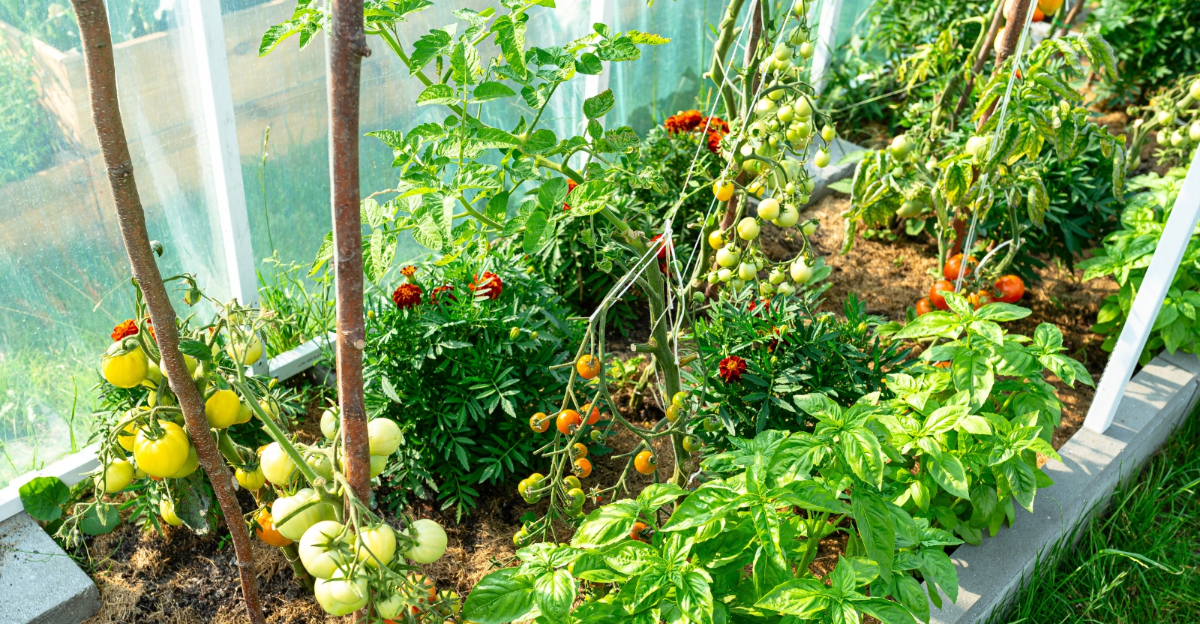
Starting a vegetable garden in North Carolina can feel overwhelming at first, especially when every source seems to offer different advice.
Between changing weather patterns, varying soil types, and seasonal timing that shifts by region, it is easy to overthink the process.
Many new gardeners delay starting simply because they worry about doing something wrong from the beginning.
I remember feeling the same hesitation, staring at seed packets and wondering where any of it was supposed to begin.
The good news is that vegetable gardening here does not have to be complicated or expensive to be successful.
North Carolina’s long growing season gives beginners more flexibility than they often realize.
Once you understand a few basics, most of the pressure disappears and gardening starts to feel manageable.
Simple choices around location, soil preparation, and plant selection make a bigger difference than fancy tools or perfect timing.
Building confidence early helps turn small wins into steady progress throughout the season.
This approach breaks down how to begin vegetable gardening the easy way so getting started feels achievable instead of intimidating.
1. Choose the Right Location for Your Garden
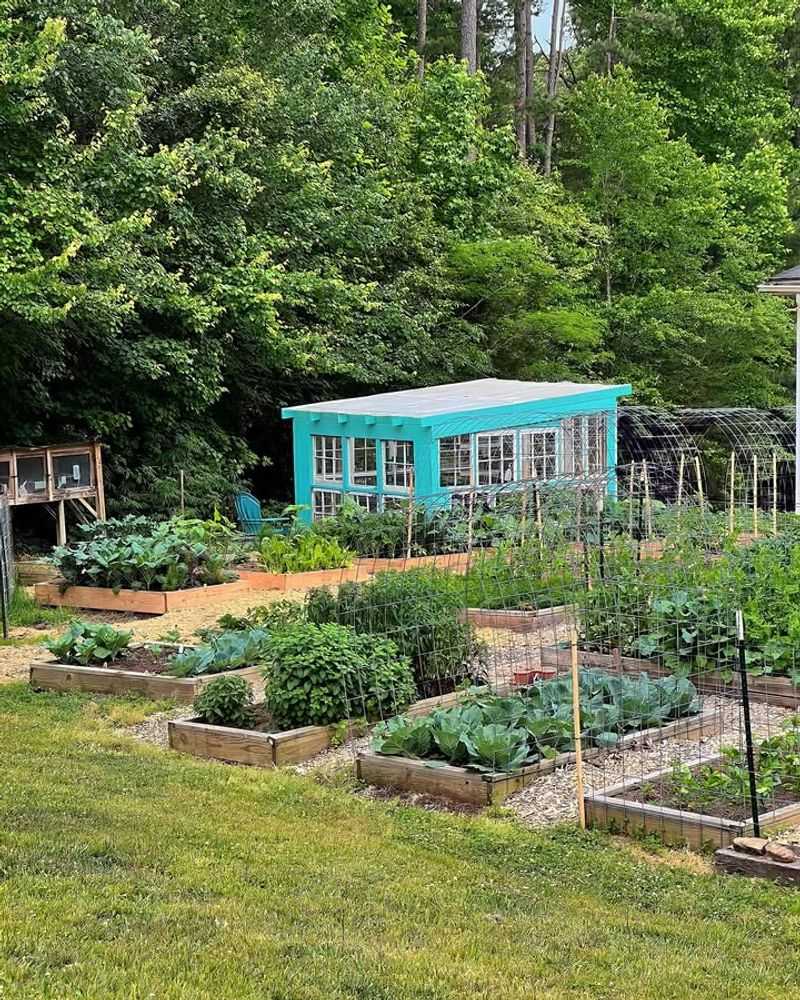
Picking the perfect spot for your vegetables makes all the difference between a thriving garden and one that struggles throughout the season.
Most vegetables need at least six to eight hours of direct sunlight daily to produce healthy crops and abundant harvests in your yard.
North Carolina gardeners should look for areas away from large trees that might steal nutrients and water from your vegetable plants below.
Good drainage is absolutely essential because vegetables sitting in waterlogged soil will develop root problems and won’t grow as vigorously as expected.
Flat or gently sloping ground works best since steep hills can cause erosion and make watering and maintenance tasks much more challenging.
Consider proximity to your water source because dragging hoses long distances gets tiring and discourages consistent watering habits throughout the growing season.
Morning sun is especially valuable in North Carolina since it dries dew quickly and reduces the risk of fungal diseases on leaves.
Avoid spots near walnut trees because they release chemicals that can harm tomatoes, peppers, and many other common vegetable crops you might plant.
A location close to your kitchen encourages frequent harvesting and makes it easier to grab fresh herbs and vegetables for daily cooking.
Wind protection also matters, so choose a spot sheltered from strong gusts that can damage tender plants or dry soil too quickly.
Taking time to observe your yard across different seasons helps you avoid areas that flood, stay shaded too long, or heat up excessively.
2. Test and Improve Your Soil Quality
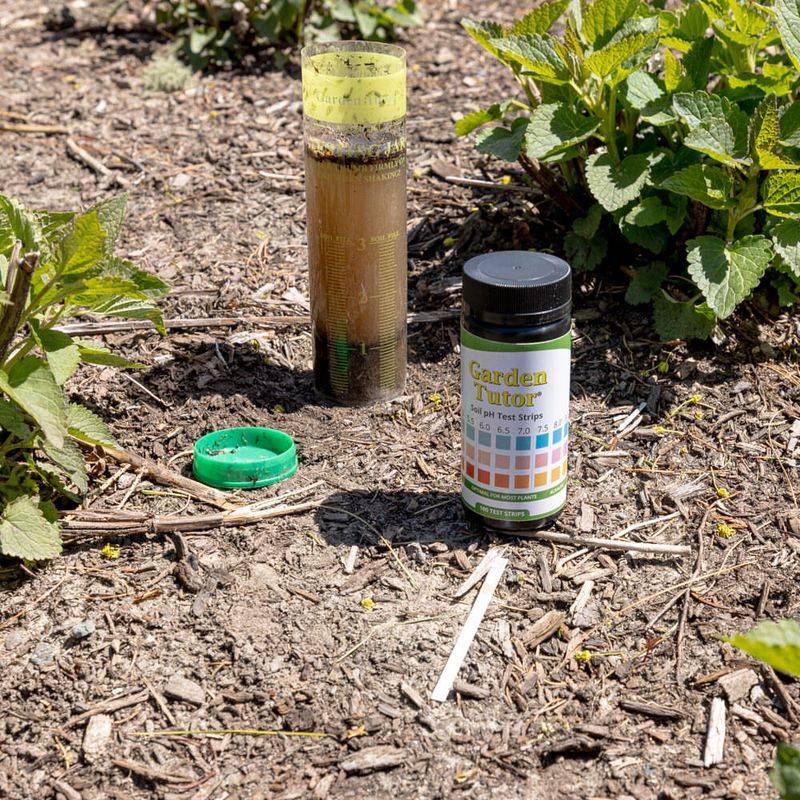
Understanding what’s happening beneath the surface gives you the power to create the ideal growing environment for all your vegetable plants.
Soil testing kits are available at local extension offices throughout North Carolina and provide detailed information about pH levels and nutrient content.
Most vegetables prefer slightly acidic to neutral soil with pH levels ranging between six and seven for optimal nutrient absorption and growth.
Your North Carolina Garden Changes Every Week. Your Plan Should Too.
Gardening in North Carolina changes quickly throughout the season. Every Friday you’ll receive a simple weekly plan showing exactly what to plant, prune, fertilize, harvest, and protect so you never miss the right timing.
Adding organic matter like compost or aged manure improves soil structure, increases water retention, and provides slow-release nutrients throughout the entire season.
Clay-heavy soils common in parts of North Carolina benefit from sand and compost additions to improve drainage and prevent waterlogging around roots.
Sandy soils need extra organic matter to help them hold moisture and nutrients that would otherwise wash away with rain or irrigation.
Testing should happen several months before planting so you have time to amend the soil and let the improvements integrate fully.
Retest every two to three years because soil conditions change over time as you add amendments and grow different crops annually.
Healthy soil teems with beneficial microorganisms and earthworms that naturally aerate the ground and break down organic material into plant food.
Well-balanced soil also helps plants resist stress from heat, drought, and disease more effectively throughout the growing season.
Making small adjustments based on test results leads to stronger roots and more consistent harvests year after year.
3. Select Vegetables Suited to North Carolina Climate
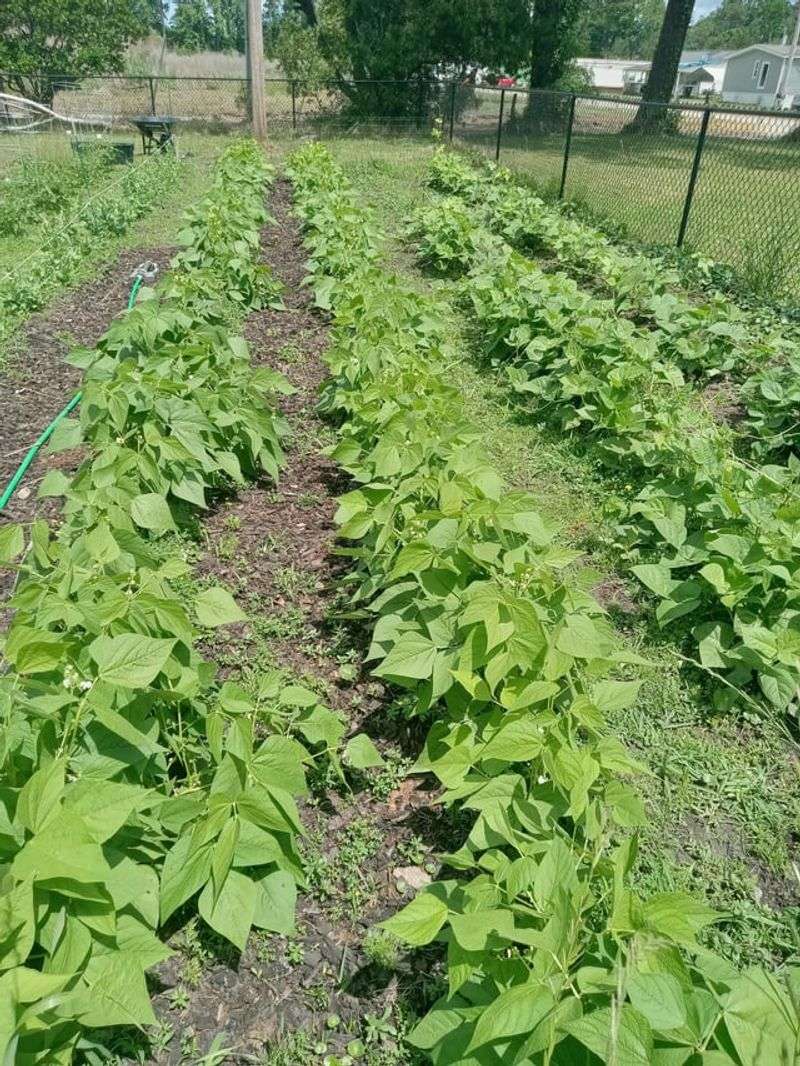
Not every vegetable thrives in every climate, so choosing varieties adapted to North Carolina conditions sets you up for gardening success.
Warm-season crops like tomatoes, peppers, squash, and cucumbers flourish during the hot summer months when temperatures soar across the state regularly.
Cool-season vegetables including lettuce, broccoli, carrots, and peas grow best during spring and fall when temperatures remain moderate and comfortable.
North Carolina’s long growing season allows gardeners to plant multiple crops throughout the year, maximizing harvest potential from the same garden space.
Heat-tolerant tomato varieties specifically bred for southern climates perform better than northern types during the intense summer heat waves here.
Heirloom varieties offer unique flavors and colors, while hybrid seeds often provide disease resistance and more predictable yields for beginner gardeners.
Check seed packets for days-to-maturity information to ensure crops have enough time to produce before the first expected frost date arrives.
Local nurseries in North Carolina often stock plants already adapted to regional conditions, making them excellent choices for first-time vegetable gardeners.
Experimenting with a few different varieties each season helps you discover which vegetables grow best in your specific microclimate and soil.
Pay attention to disease resistance listed on plant tags, since humidity in North Carolina can increase issues like blight and mildew.
Keeping notes on what performs well each season makes future planting decisions easier and more successful over time.
4. Plan Your Garden Layout Carefully
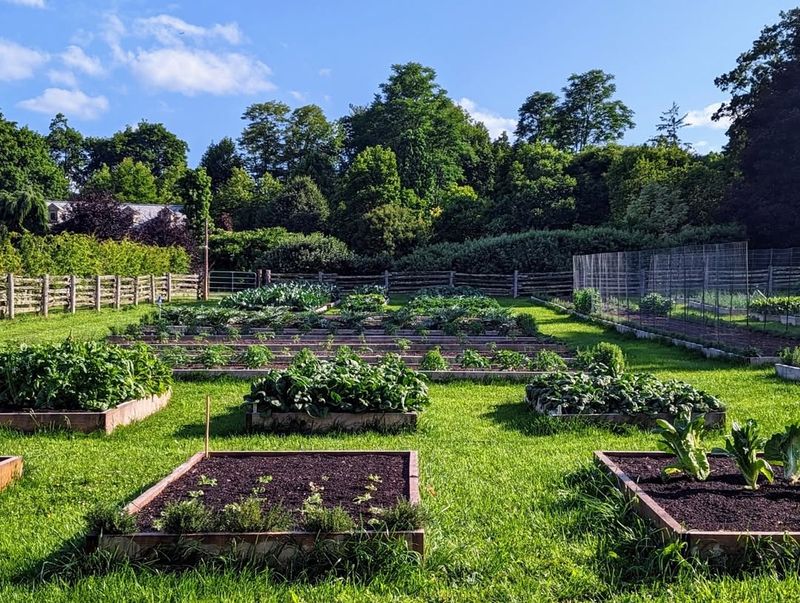
Creating a thoughtful garden design before you start planting prevents overcrowding and ensures each plant gets the space it needs to thrive.
Tall plants like tomatoes and pole beans should go on the north side of your North Carolina garden so they don’t shade shorter crops.
Group vegetables with similar water needs together to make irrigation more efficient and prevent overwatering or underwatering different sections of your plot.
Companion planting strategies can naturally repel pests and improve growth when certain vegetables are placed near each other in the garden bed.
Leave adequate pathways between rows or beds so you can easily access plants for weeding, harvesting, and pest inspection without trampling anything.
Raised beds work wonderfully in North Carolina, providing better drainage, warmer soil in spring, and easier maintenance for gardeners with mobility concerns.
Square-foot gardening maximizes space by dividing beds into grid sections, each planted with a specific number of vegetables based on their size.
Succession planting involves staggering plantings every few weeks to ensure continuous harvests rather than one overwhelming glut of produce at once.
Keep a garden journal documenting what you planted where, because rotating crops annually helps prevent soil depletion and reduces pest problems significantly.
Sketching your layout on paper before planting helps you visualize spacing and avoid last-minute changes once seedlings are in the ground.
A well-planned design also makes crop rotation easier in future seasons, saving time and improving soil health over the long term.
5. Prepare Your Garden Beds Properly
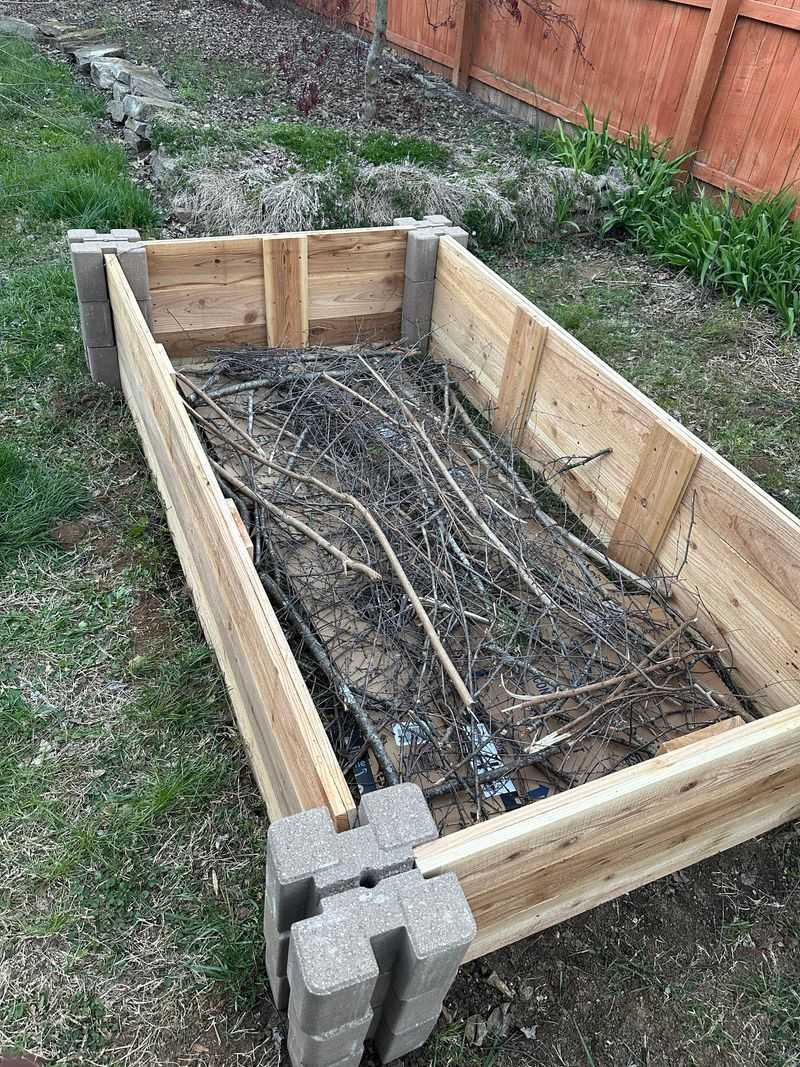
Proper bed preparation creates the foundation for healthy plant growth and makes all your future gardening tasks considerably easier throughout the season.
Remove grass, weeds, and rocks from your planting area to eliminate competition for water and nutrients that your vegetables will desperately need.
Tilling or turning the soil to a depth of eight to twelve inches loosens compacted earth and allows roots to penetrate deeply.
Work compost or other organic amendments into the soil during preparation rather than just spreading them on top for maximum benefit.
North Carolina’s red clay soil becomes much more workable when you add generous amounts of organic matter that breaks up the heavy texture.
Creating slightly raised beds improves drainage in areas prone to heavy rainfall, which is common during spring and summer across the state.
Avoid working soil when it’s too wet because this causes compaction and creates hard clumps that damage soil structure for months afterward.
Edge your beds with wood, stone, or metal borders to keep grass from creeping in and to give your garden a neat appearance.
Allow prepared beds to settle for a few days before planting, and water them lightly to help the soil and amendments integrate together.
Taking time to prepare beds properly now reduces problems later and leads to stronger, more resilient plants throughout the growing season.
Well-prepared soil also holds moisture more evenly, making watering more efficient and less stressful during hot summer stretches.
6. Plant at the Right Time

Timing your plantings correctly according to North Carolina’s climate zones ensures your vegetables grow during their preferred temperature ranges for best results.
The last spring frost typically occurs between mid-March and mid-April depending on whether you’re in the mountains, piedmont, or coastal regions.
Warm-season vegetables should go into the ground only after all danger of frost has passed and soil temperatures reach at least sixty degrees.
Cool-season crops can be planted several weeks before the last frost since they tolerate chilly nights and even light freezes quite well.
North Carolina gardeners enjoy the advantage of being able to plant a fall garden in late summer for harvests continuing into winter.
Transplants give you a head start compared to direct seeding, especially for tomatoes, peppers, and eggplants with longer growing periods required.
Starting seeds indoors six to eight weeks before your planting date extends the growing season and saves money compared to buying transplants.
Pay attention to local frost date predictions and be prepared to cover tender plants with fabric or plastic if unexpected cold snaps threaten.
Staggering plantings every two weeks for crops like lettuce and beans ensures you have fresh vegetables ready to harvest continuously all season.
7. Establish a Consistent Watering Routine
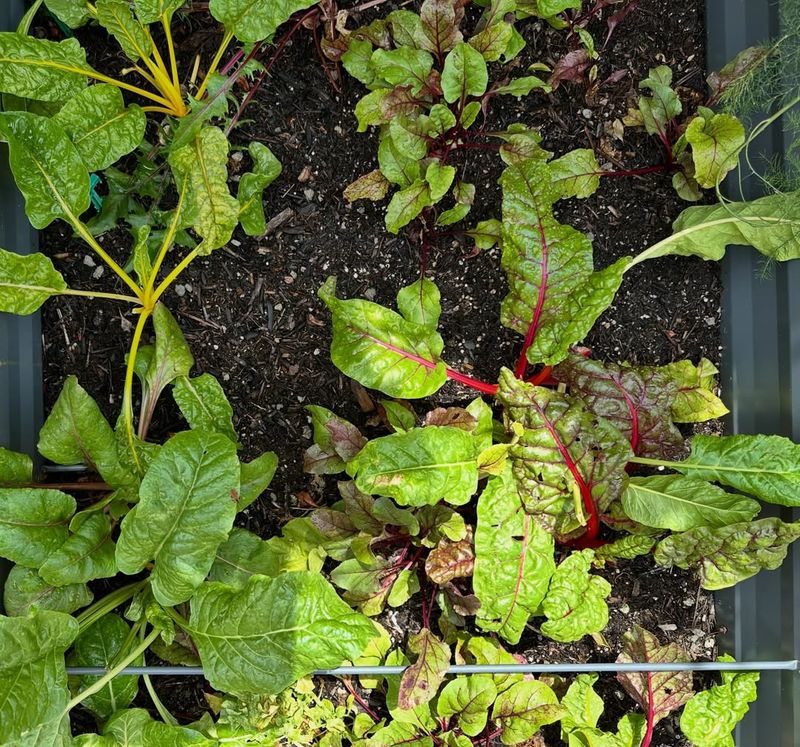
Water is absolutely essential for vegetable growth, and establishing good watering habits from the start prevents stress and promotes strong healthy plants.
Most vegetables need about one to two inches of water per week from rainfall or irrigation to maintain steady growth and production.
Deep, infrequent watering encourages roots to grow downward seeking moisture, creating more drought-resistant plants than shallow daily sprinkling does regularly.
Morning watering is ideal in North Carolina because it allows foliage to dry before evening, reducing the risk of fungal diseases developing overnight.
Drip irrigation or soaker hoses deliver water directly to the root zone, minimizing waste and keeping leaves dry for better plant health.
Mulching around plants with straw, leaves, or grass clippings helps retain soil moisture and reduces how often you need to water significantly.
Container gardens dry out much faster than in-ground beds and may need daily watering during hot summer months across the state.
Stick your finger two inches into the soil to check moisture levels before watering rather than following a rigid schedule regardless of conditions.
Wilting plants in the evening will usually recover overnight, but morning wilting signals that your vegetables desperately need water immediately for survival.
8. Manage Weeds and Pests Effectively
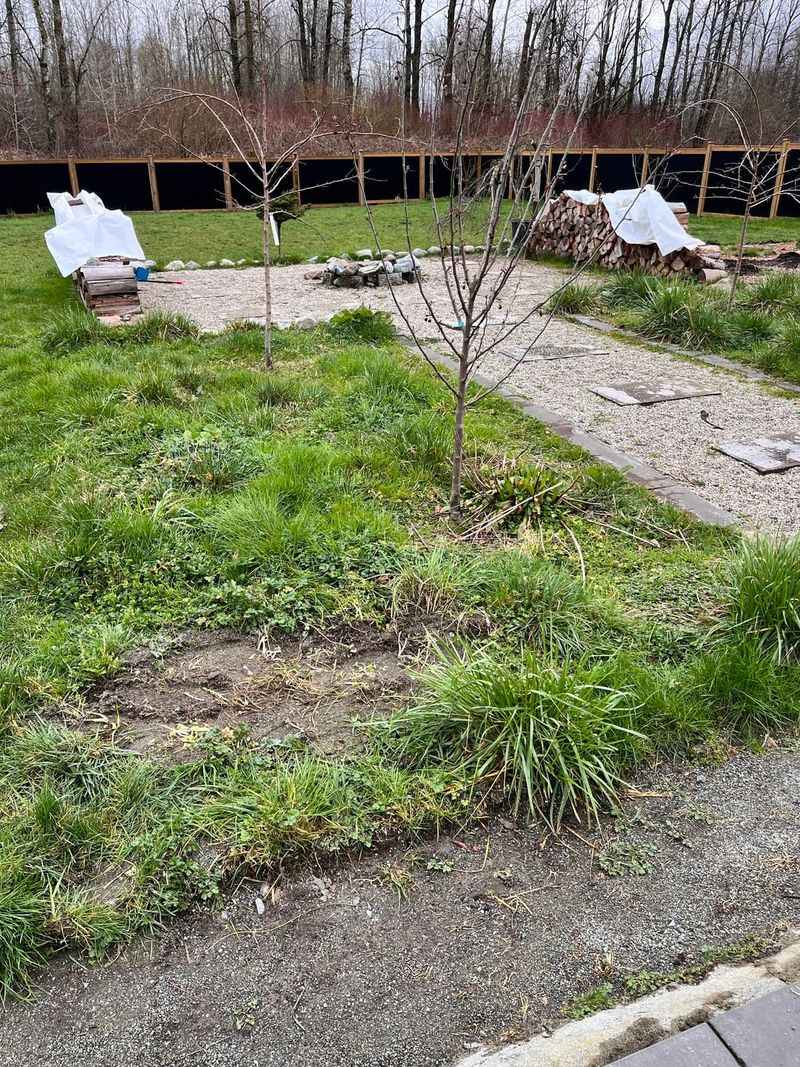
Keeping weeds and pests under control protects your vegetables from competition and damage, ensuring they reach their full productive potential this season.
Weeds steal water, nutrients, and sunlight from your crops, so removing them when they’re small takes less effort than battling established plants.
Mulching with organic materials suppresses weed growth by blocking sunlight while also improving soil as the mulch gradually breaks down over time.
Hand-pulling weeds after rain or watering is easiest because the soil is soft and roots come out more completely without breaking off.
North Carolina’s warm humid climate creates ideal conditions for various pests including aphids, hornworms, and squash bugs that attack vegetable plants regularly.
Inspecting plants daily allows you to catch pest problems early when they’re easiest to manage before populations explode out of control.
Handpicking larger pests like hornworms and beetles works well for small gardens and avoids introducing chemicals into your growing environment unnecessarily.
Companion planting with herbs and flowers attracts beneficial insects that naturally prey on common garden pests, providing free biological pest control.
Neem oil and insecticidal soaps offer organic pest control options that are effective yet safe for vegetables you plan to eat soon.
Row covers can also protect young plants from insect damage early in the season while still allowing light, air, and water to reach crops.
Staying consistent with monitoring and control prevents small issues from turning into widespread problems that reduce harvest quality and yield.
9. Harvest and Enjoy Your Vegetables
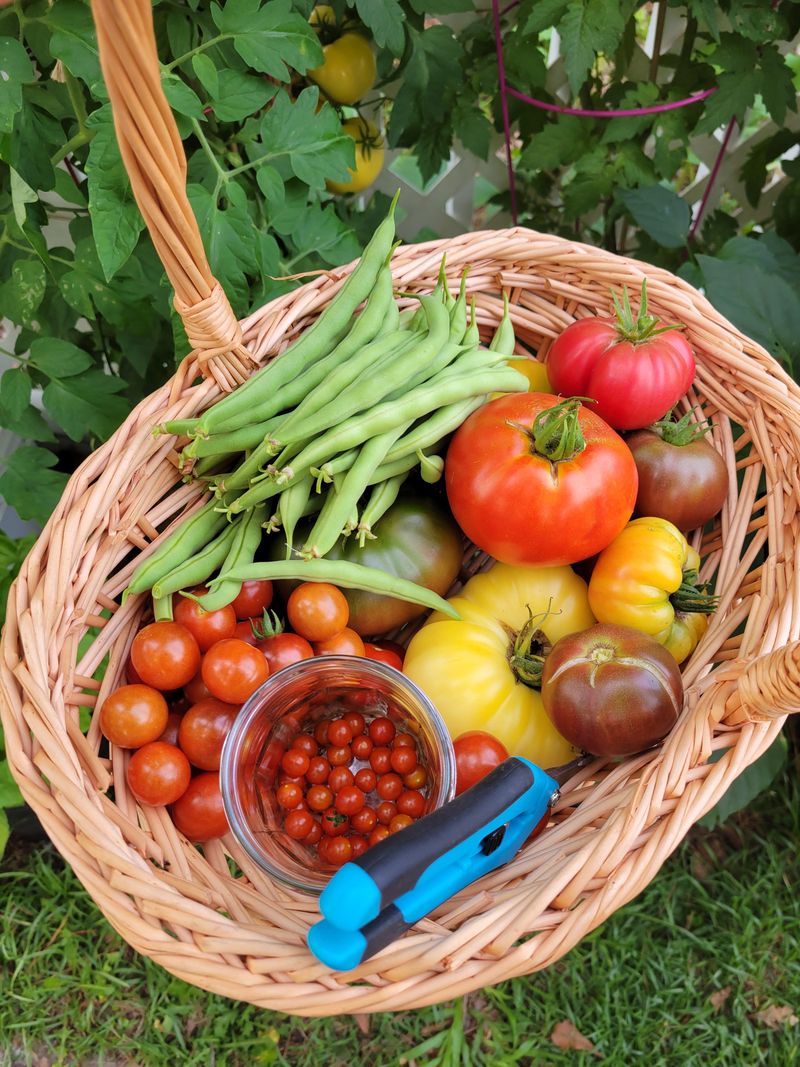
Harvesting at the right time ensures peak flavor and texture while encouraging many vegetables to continue producing more throughout the entire season.
Most vegetables taste best when picked slightly immature rather than waiting until they reach maximum size and become tough or bitter tasting.
Tomatoes should be harvested when fully colored but still firm, then allowed to finish ripening on the kitchen counter for best flavor.
Leafy greens like lettuce and spinach can be harvested continuously by picking outer leaves while leaving the center to keep growing new ones.
North Carolina’s long growing season means you can enjoy fresh vegetables from your garden for many months with proper planning and succession planting.
Regular harvesting signals plants to keep producing more vegetables rather than putting energy into seed production when crops are left to mature.
Early morning harvest provides the crispest vegetables since plants are fully hydrated from the cool night before heat and sun cause wilting.
Store harvested vegetables properly based on their type because some need refrigeration immediately while others keep better at room temperature for days.
Sharing your abundant harvest with neighbors and friends spreads joy and might even inspire others to start their own vegetable gardens next year.
Keeping a close eye on your garden every few days helps you catch vegetables at their ideal picking stage before quality declines.
Using clean tools and gentle handling during harvest also reduces damage and helps produce stay fresh longer after picking.