These 10 Beneficial Insects Help Keep California Yards Balanced
A truly healthy California yard is not quiet or sterile, but full of movement, interactions, and unseen work happening every single day.
Many people focus on plants and watering schedules while overlooking the small creatures quietly protecting everything they grow.
I used to think insects were something to manage or remove until I noticed certain gardens rarely struggled with pests at all.
Those yards were not treated more often, they were supported by the right insects doing their jobs naturally.
Beneficial insects hunt pests, support pollination, and keep outbreaks from ever getting a foothold.
California’s climate allows many of these helpful species to stay active for long stretches of the year, making their impact even stronger.
Once you start recognizing who is helping and how, gardening feels less like constant control and more like cooperation.
These insects reduce the need for sprays and interventions while allowing plants to grow stronger on their own.
A balanced yard often depends less on what you add and more on who is already living there.
Take a closer look at these ten beneficial insects and see how they quietly keep California yards healthy and in balance.
1. Ladybugs
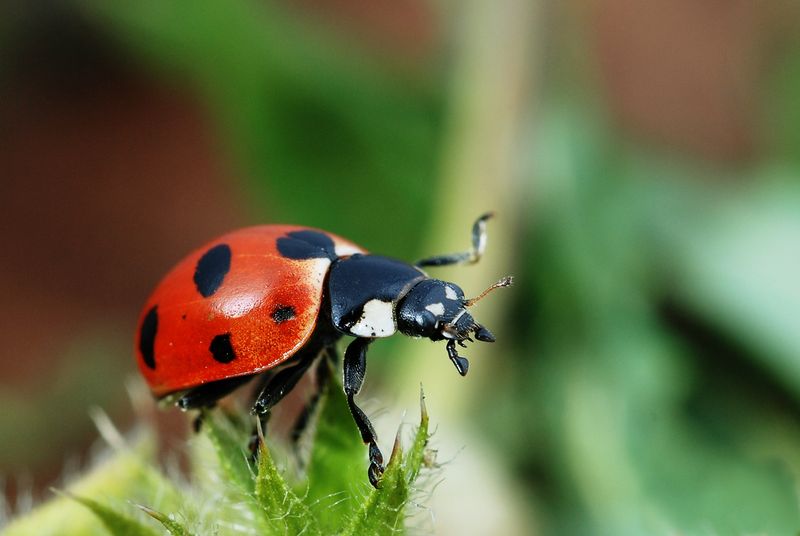
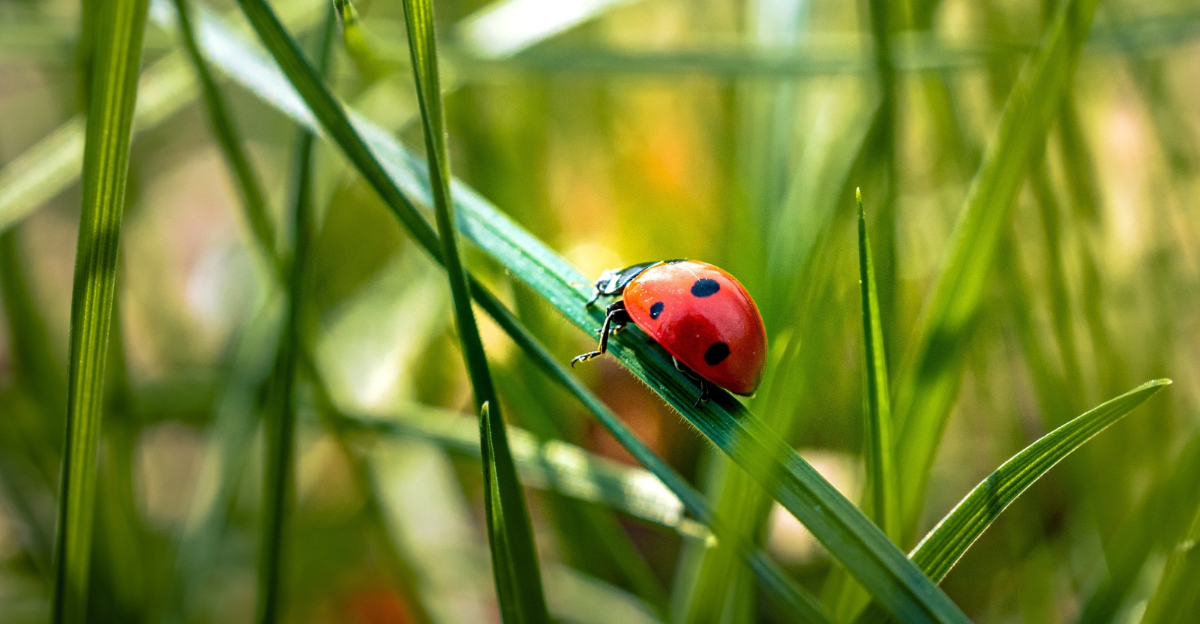
Bright splashes of color appear in gardens as these helpful beetles devour aphids quickly, making ladybugs extremely valuable for keeping plants healthy.
Rounded bodies show shades from red to orange with black spots, a pattern that makes ladybugs easy to recognize almost anywhere.
Feeding efficiency stands out because a single ladybug can eat fifty aphids daily, protecting roses and vegetables without chemical treatments.
Signs of balance appear in California yards when ladybugs remain present, since they stay only where food and conditions feel right.
Releases happen statewide as gardeners buy beetles, though ladybugs usually arrive naturally once aphid populations begin rising.
Curiosity sparks in children who spot these insects, making ladybugs perfect ambassadors for teaching how nature works together.
Winter survival happens in clusters under bark or leaves, where ladybugs wait before emerging to patrol gardens in spring.
A healthy food web becomes obvious when ladybugs thrive, meaning nearby plants face fewer pest problems than chemically treated yards.
Support comes from planting yarrow and dill, which give ladybugs nectar when aphid numbers temporarily decline.
2. Lacewings
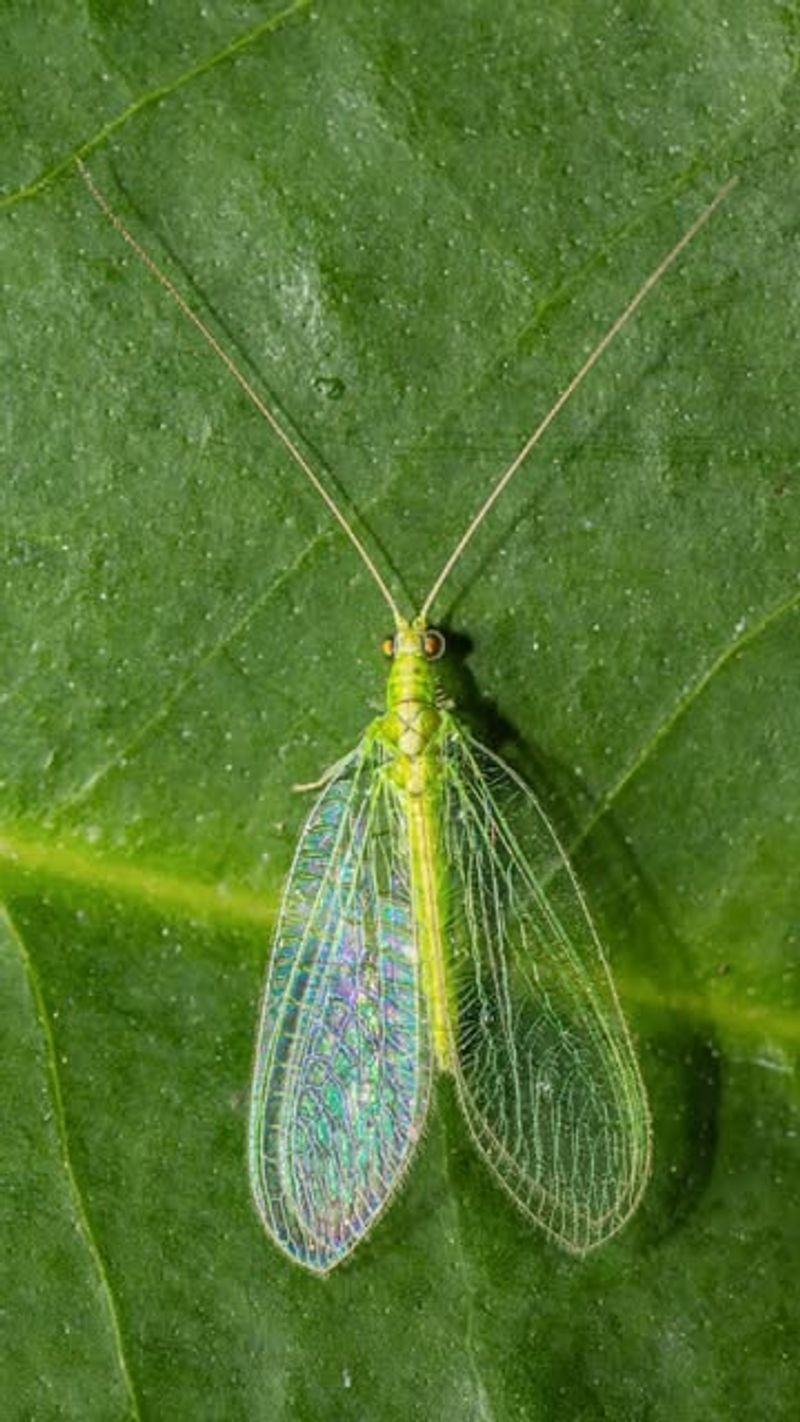
Delicate green wings and soft bodies make lacewings easy to miss, yet they rank among the most effective pest controllers in California yards.
Adult lacewings feed on nectar and pollen, quietly visiting flowers while laying eggs near aphid colonies and other problem insects.
The real work begins after hatching, when larvae earn the nickname aphid lions for their aggressive appetite and constant hunting behavior.
Lacewing larvae consume aphids, mites, thrips, and whiteflies in large numbers, stopping infestations before plants show visible damage.
Eggs appear as tiny white dots perched on thin stalks, a sign that natural pest control is already setting up nearby.
California’s mild climate allows lacewings to stay active for long periods, increasing their impact across multiple growing seasons.
Gardens with flowering plants like dill, fennel, and alyssum attract adults and encourage them to remain and reproduce naturally.
Your California Garden Changes Every Week. Your Plan Should Too.
Gardening in California changes quickly throughout the season. Every Friday you’ll receive a simple weekly plan showing exactly what to plant, prune, fertilize, harvest, and protect so you never miss the right timing.
Because lacewings target pests without harming plants, their presence reduces the need for sprays while supporting a healthier yard overall.
Seeing lacewings regularly often means a garden is balanced enough to let natural systems handle pest pressure on their own.
3. Ground Beetles
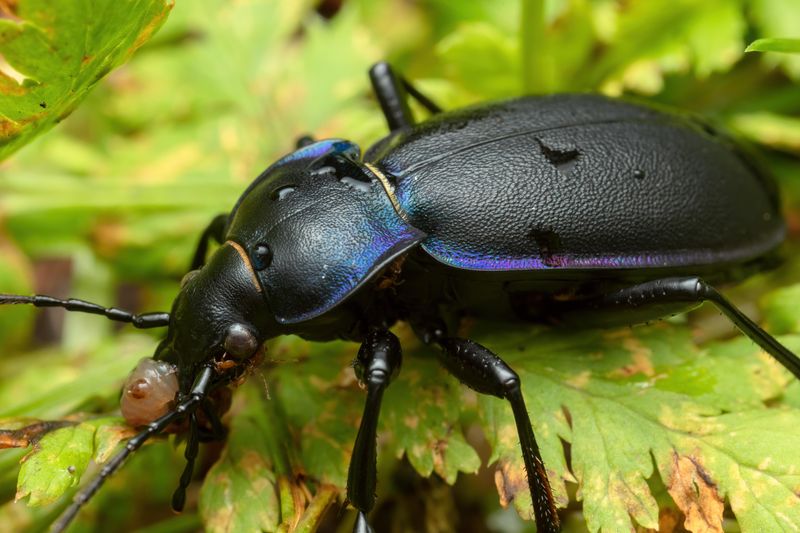
Across soil and mulch, quick movements flash briefly as shiny dark shells catch the light before disappearing again into shadows where active hunting never really stops.
After sunset, nighttime patrols begin, with these predators roaming California gardens for hours while quietly removing pests that damage seedlings, vegetables, and ornamental plants.
Size rarely hints at strength here, since most measure under an inch yet carry powerful jaws capable of crushing tough bodied insects with surprising ease.
Daytime discoveries under rocks, boards, or thick mulch usually signal that a yard offers exactly the shelter and conditions needed for successful hunting.
Fewer problems with cutworms, root maggots, and other soil dwelling pests often follow in gardens where these hunters are well established.
Flight is rarely part of the routine, even though wings exist, because fast and determined running across the ground proves far more effective.
Mulch layers, leftover leaf litter, and minimal disturbance create the stable hiding places that allow populations to remain strong year after year.
Versatility sets them apart, since they feed on many different pests rather than targeting only a single problem species.
At first glance, sudden movements and metallic coloring can startle gardeners, but recognizing their role often leads to calmer, more balanced gardening decisions.
4. Praying Mantises
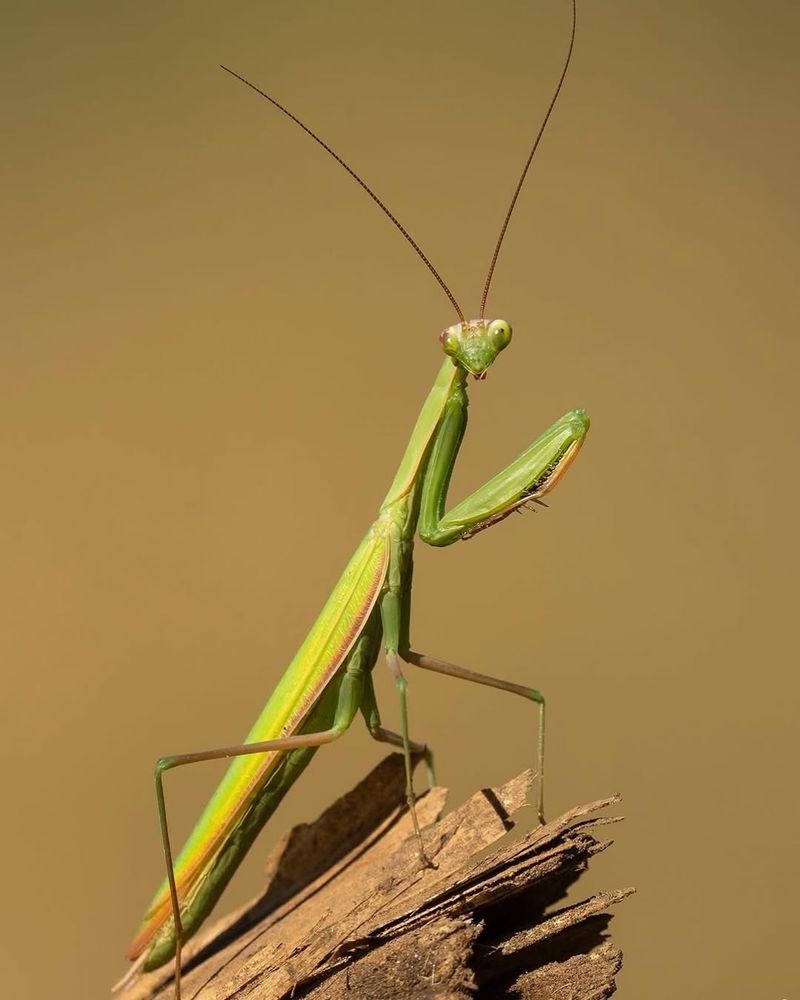
Stillness can last for hours, with folded front legs held in place as patience does most of the work before a sudden strike.
Long bodies in shades of green or brown blend effortlessly into California foliage, allowing effective hunting of grasshoppers, beetles, and even small lizards.
A slow side to side head turn reveals sharp awareness, as large compound eyes track movement across wide areas of the garden.
Spotting one in your yard usually points to a healthy ecosystem where enough insect life exists to support a top level predator.
Protective egg cases attached to branches, fences, or garden structures hold dozens of young that hatch in spring and immediately begin hunting.
Finding these cases during winter pruning often brings quiet excitement, knowing natural pest control is already lined up for the coming season.
Although helpful insects sometimes end up on the menu, the overall impact remains positive due to the large number of destructive pests removed.
Warm temperatures and long growing seasons across California provide ideal conditions for strong populations to establish and return year after year.
Witnessing a lightning fast capture serves as a reminder that gardens are full of unseen action, balance, and quiet drama happening every day.
5. Hoverflies
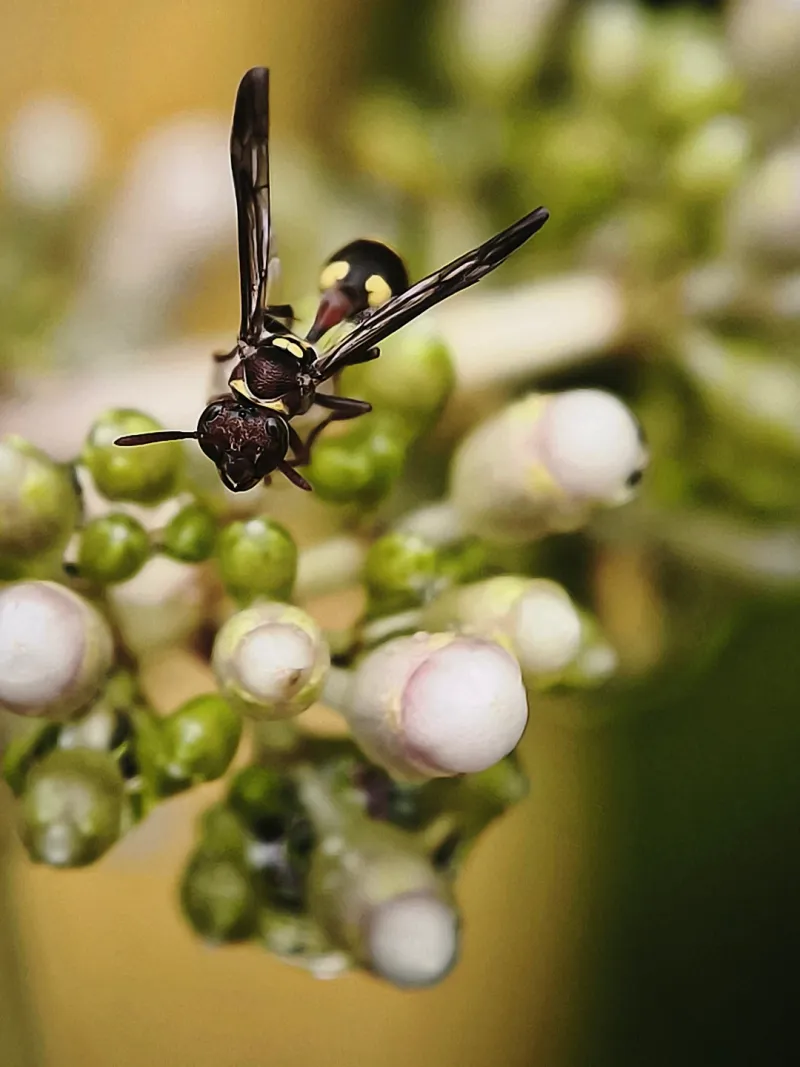
Bright yellow and black stripes often cause confusion at first, but a closer look reveals a harmless visitor hovering calmly near flowers without any ability to sting.
Graceful flight sets these insects apart, as they hang motionless in midair before suddenly darting sideways or backward with precision that feels almost unreal.
California gardens gain a double benefit from their presence, since adults quietly pollinate blooms while their offspring tackle aphid problems head on.
Down near stems and leaves, tiny slug like larvae crawl slowly and methodically, consuming hidden aphids throughout their development without drawing much attention.
Planting a mix of flowers such as marigolds, alyssum, and fennel encourages adults to stay nearby and lay eggs exactly where pest populations are building.
Many people mistake them for bees or wasps, yet their gentle nature and helpful behavior make them some of the most welcome garden visitors.
Seeing them hover near blooms is a strong sign that a yard offers reliable nectar sources and supports a balanced insect community.
Warm California weather suits them perfectly, especially during summer months when aphids multiply quickly and extra natural control becomes essential.
Learning to recognize these flies changes how gardeners see flying insects, replacing fear with appreciation for the quiet work happening all around the garden.
6. Soldier Beetles
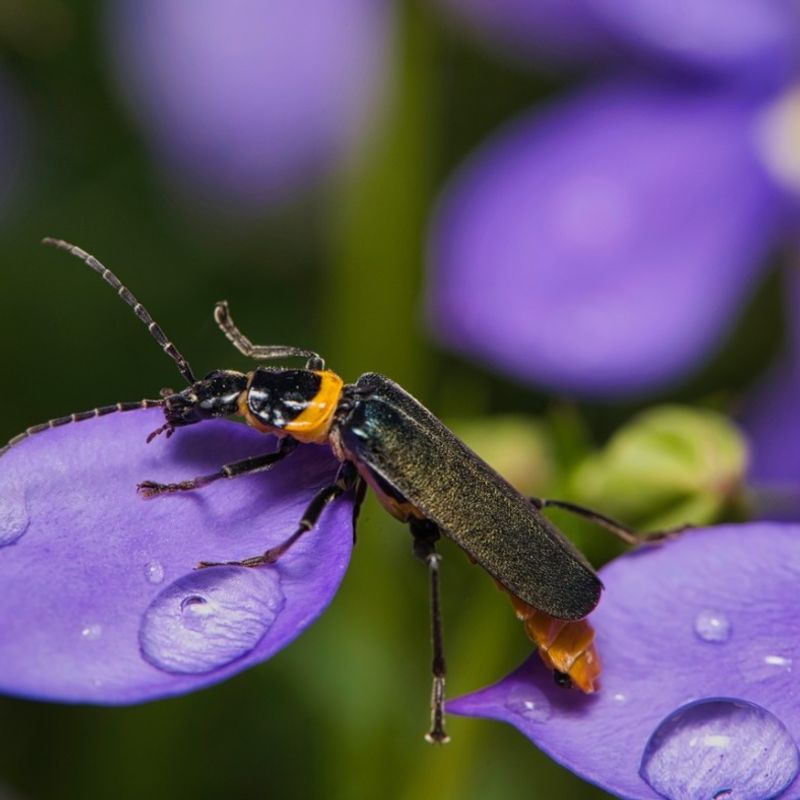
Bright orange and black coloring immediately catches the eye, signaling an active garden visitor that spends its days patrolling plants in search of aphids and caterpillars.
Slender bodies measuring about half an inch long may move more slowly than other predators, yet steady movement and constant feeding make a real difference over time.
Along with hunting pests, adults regularly visit flowers for pollen and nectar, quietly contributing to pollination while keeping plant damage in check.
Seeing groups gathered on blooms often reassures California gardeners that predators and pollinators are sharing the space in a healthy balance.
Beneath the surface, the work continues as larvae live in soil and leaf litter, feeding on insect eggs and larvae that would otherwise become future problems.
This above and below ground activity gives gardens a layer of protection that works without sprays or intervention.
Native wildflowers and common garden herbs naturally draw them in, helping stable populations establish and return each season.
A varied diet allows them to adapt when pest numbers rise or fall, making them dependable residents rather than short term visitors.
That bold coloring also serves as a warning to birds and other predators, increasing survival and keeping them active longer.
Spotting mating pairs on flowers toward the end of summer usually means the next generation is already on the way, extending protection into the seasons ahead.
7. Assassin Bugs
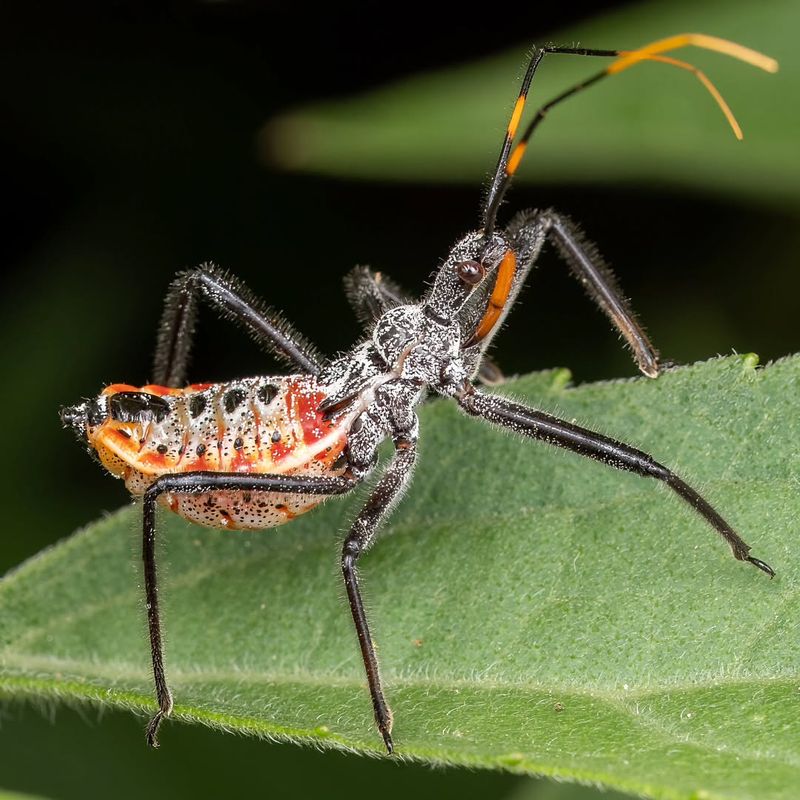
Ambush tactics give these predators their dramatic reputation, as they wait motionless before striking with sudden speed and overwhelming precision.
Elongated bodies, long legs, and sharply curved beaks create an intimidating appearance that often makes people pause once they notice them up close.
California yards benefit greatly from their appetite for caterpillars, beetles, and other insects that damage vegetables, fruit trees, and ornamental plants throughout the growing season.
Movement stays slow and deliberate until the exact moment arrives, when a rapid lunge secures prey and ends the hunt almost instantly.
Caution is wise around them, since defensive bites can be painful, even though these insects usually avoid people and focus entirely on other insects.
Their presence among leaves and stems often signals a garden rich in prey and shelter, offering the right conditions for specialized hunters to survive.
Some species take camouflage even further by covering themselves with debris or dead insects, becoming nearly invisible while waiting patiently in plain sight.
Natural pest control improves when these predators are present, especially because they target pests other beneficial insects tend to avoid.
Understanding their role helps gardeners see fierce hunting behavior not as a threat, but as an important part of a balanced and resilient garden ecosystem.
8. Parasitic Wasps
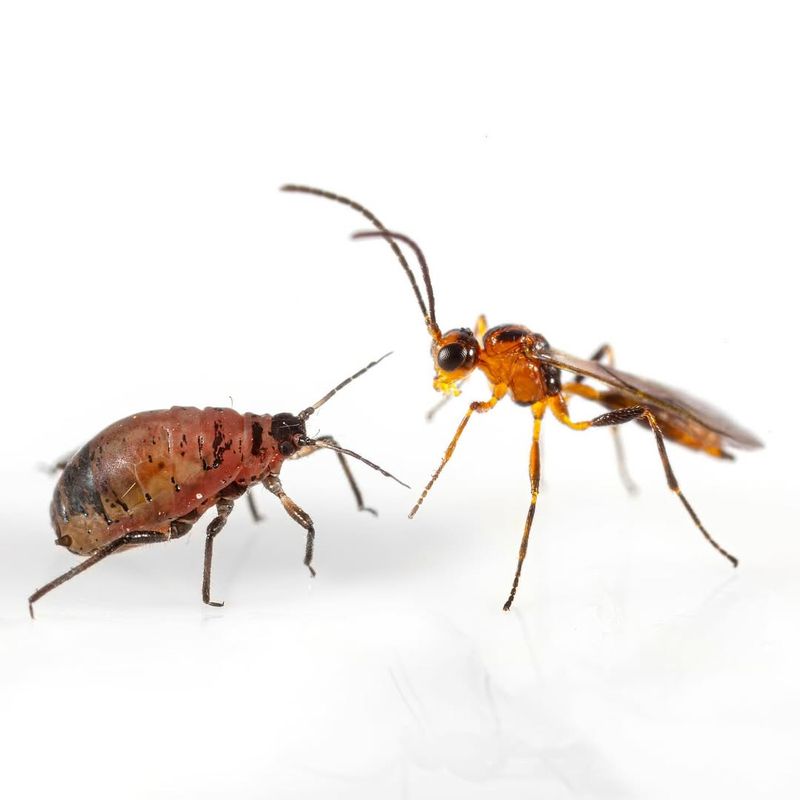
Quiet work happens almost invisibly in many gardens, carried out by insects so small they are rarely noticed at all.
Some measure no larger than a grain of rice, yet their ability to control pests rivals that of much larger and more dramatic predators.
By laying eggs on or inside caterpillars, aphids, and beetle larvae, they stop damage before plants ever show signs of stress.
Gardens across California benefit greatly from this early intervention, since pests are eliminated during vulnerable stages long before populations can grow.
Despite common fears, these insects do not sting people and show no interest in humans, focusing their entire lives on hunting pests instead.
Small flowered herbs like dill, parsley, and cilantro provide the nectar adults need to stay active and continue their search for hosts.
Tiny wasps hovering near plants or small pale cocoons clinging to leaves are subtle signs that protection is already underway.
Because their work happens quietly and out of sight, many gardeners never realize how much damage has been prevented.
California’s varied climates support many different species, each targeting specific pests and keeping pressure low without chemicals.
Recognizing their presence reveals a hidden layer of cooperation in the garden, where balance is maintained naturally and without intervention.
9. Spiders
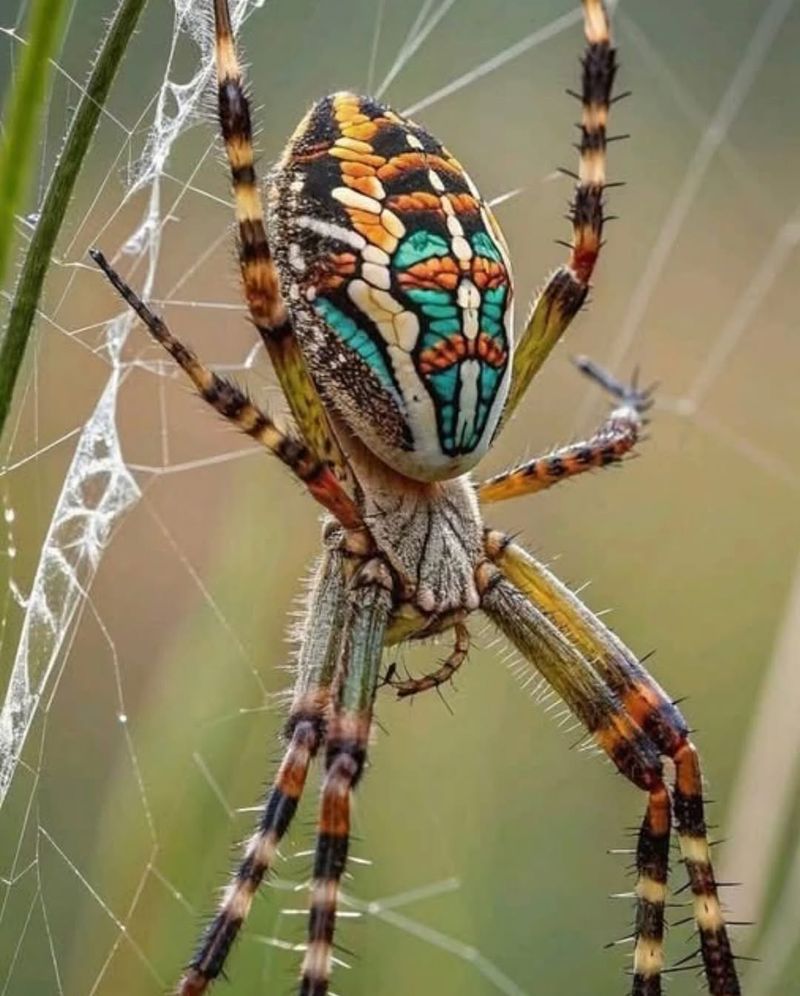
Fear often comes first, yet these quiet hunters spend every day reducing flies, mosquitoes, moths, and countless other insects that would otherwise overwhelm a garden.
California yards with strong populations see fewer flying pests because delicate webs function like invisible nets, removing insects before damage ever begins.
Intricate orb webs appear between plants, forming geometric designs that catch morning dew while trapping dozens of insects without any effort from the gardener.
Active hunters move differently, patrolling leaves and stems before launching precise jumps that capture prey where webs cannot easily form.
Their presence usually signals balance, since predators only thrive where enough insect life exists to support them naturally.
Contact with people is rarely an issue, as most species avoid interaction entirely and focus on staying hidden while hunting quietly among foliage.
The number of insects consumed each year is staggering, with research suggesting these hunters eliminate more pests globally than birds and bats combined.
California’s mild climate allows many species to remain active through much of the year, offering steady pest control even when other beneficial insects slow down.
Learning to see them as helpers rather than threats changes how a garden feels and functions.
Appreciating their role reveals how essential these hunters are for preventing outbreaks and keeping chemical use to a minimum.
10. Dragonflies
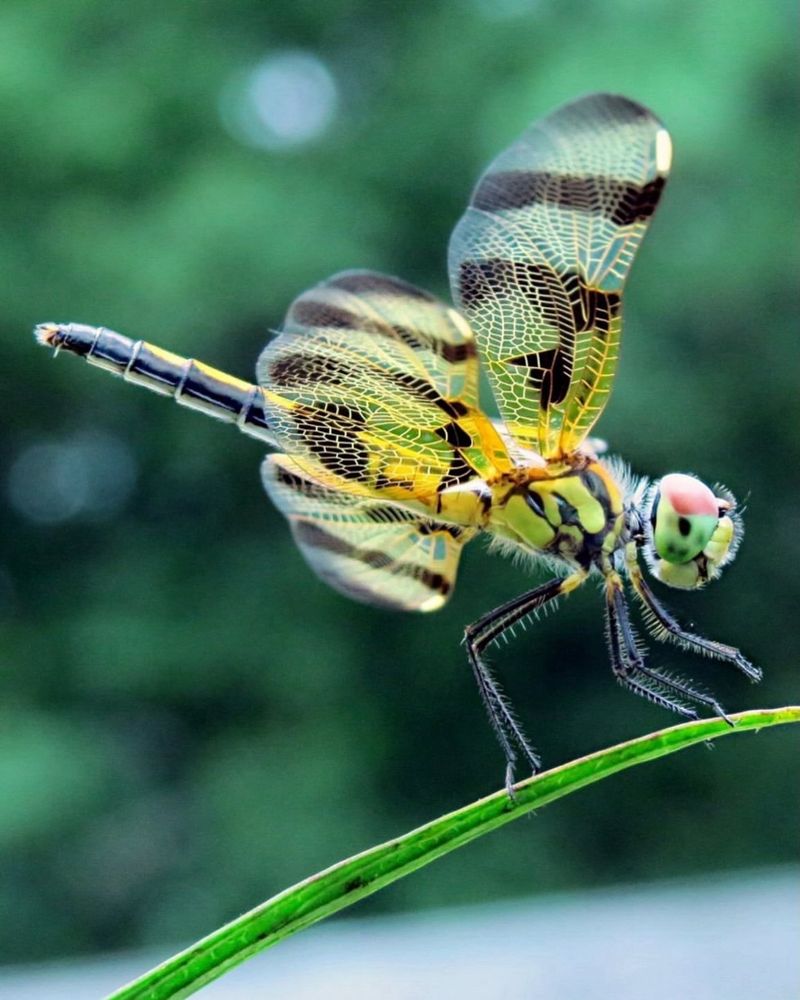
Sudden flashes of movement cut through the air as powerful wings carry these hunters across the garden with speed that feels almost unreal.
Nearly full circle vision comes from enormous compound eyes, allowing tiny flying insects to be spotted from surprising distances and intercepted with flawless timing.
Few natural pest controllers match their appetite, since a single adult can remove hundreds of mosquitoes in one day during peak activity.
Long before those wings appear, months or even years are spent underwater, where immature forms relentlessly consume mosquito larvae and other aquatic pests.
Water features like ponds, fountains, or even birdbaths make gardens far more inviting by providing the conditions needed for reproduction and territory building.
Moments of still hovering followed by explosive bursts of speed offer both entertainment and reassurance that serious pest control is underway.
Brilliant shades of blue, green, red, and yellow add striking color to outdoor spaces while quietly supporting healthier conditions.
Clean water matters greatly, since only suitable aquatic environments allow young stages to survive and adults to lay eggs confidently.
Creating open airspace, planting around water, and limiting chemical use helps these remarkable hunters return year after year and continue their work naturally.