Fruit Trees That Fit Small North Carolina Yards And Still Produce Plenty
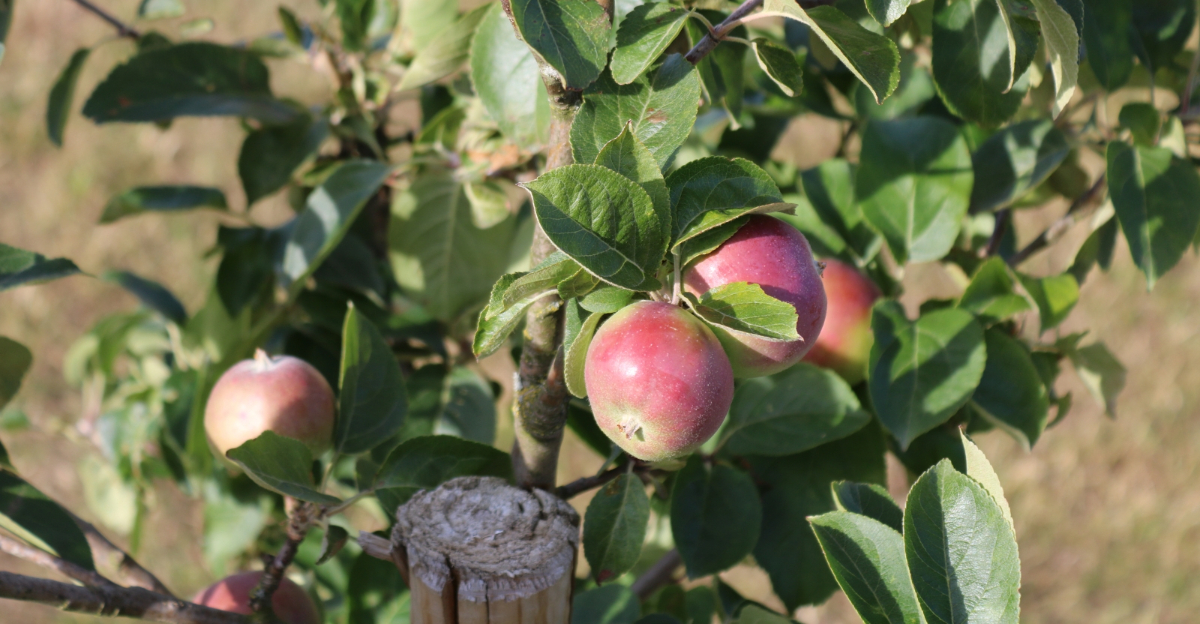
Space is often the first reason people talk themselves out of growing fruit at home, especially in North Carolina neighborhoods with smaller yards.
Fruit trees get a reputation for being oversized, messy, and better suited for wide open land than everyday residential spaces.
What most homeowners do not realize is how many productive fruit trees are naturally compact or bred to stay manageable.
North Carolina’s climate actually makes it easier to grow smaller trees that still deliver reliable harvests year after year.
I used to assume fruit trees would overwhelm a yard until I saw how neatly some fit into patios, side yards, and tight lawn corners.
These trees grow with intention, offering blossoms in spring, shade in summer, and fruit without taking over everything around them.
Smaller trees also make pruning, watering, and harvesting far less stressful and far more realistic for busy homeowners.
Instead of choosing between space and productivity, the right tree gives you both.
A well chosen fruit tree can feel like a feature rather than a compromise in a small yard.
Explore these fruit trees that fit North Carolina yards comfortably while still producing more than enough to enjoy.
1. Dwarf Apple Trees
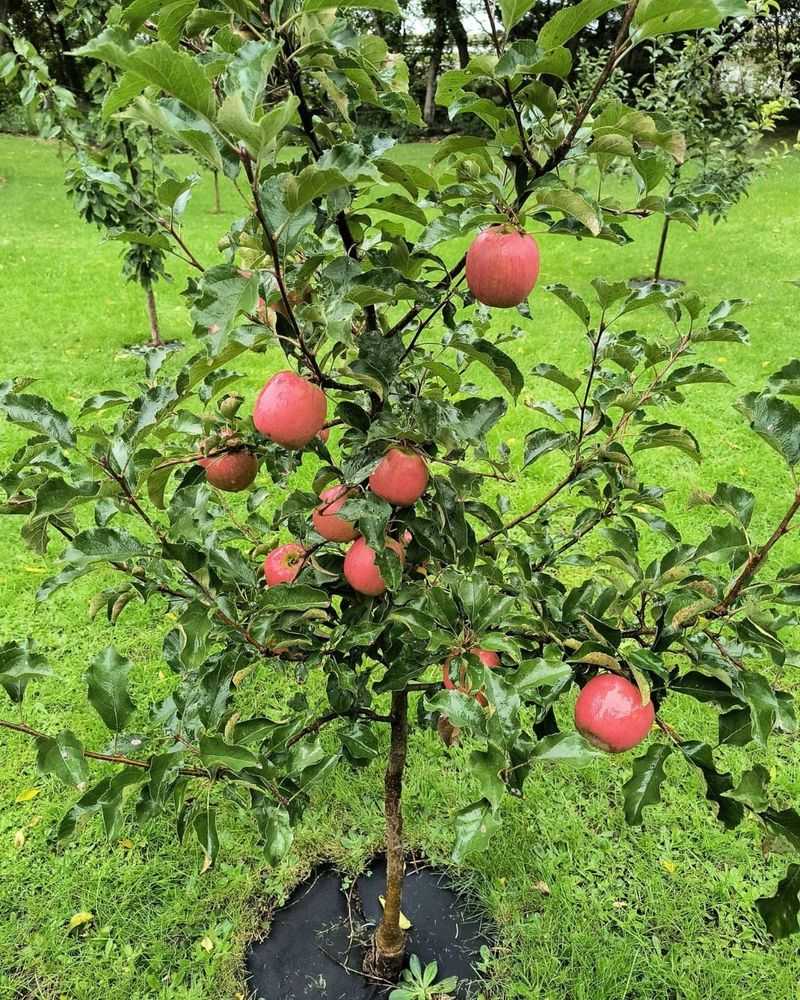
Growing apples successfully in North Carolina becomes much easier when you choose dwarf varieties that stay under ten feet tall and fit snugly into corners.
Despite their smaller size, these compact trees still produce full-sized apples in colors ranging from deep red to sunny yellow depending on the cultivar selected.
Faster gratification appeals to homeowners because most dwarf apple trees begin bearing fruit within two to three years rather than taking much longer.
Pruning feels far less intimidating since branches remain within arm’s reach, allowing beginners to maintain trees easily without ladders.
Successful fruiting depends on planting two compatible varieties nearby, so trees that bloom at the same time should be selected.
Popular choices among North Carolina gardeners include Gala, Fuji, and Granny Smith dwarfs because they handle the climate well and taste excellent fresh.
Proper spacing matters, so trees should be planted about eight feet apart to allow airflow that helps prevent fungal diseases common in humid conditions.
Mulch placed around the base keeps roots cool in summer and retains moisture, reducing watering needs throughout the growing season.
With proper sunlight, regular watering, and simple seasonal care, dwarf apple trees provide steady harvests without demanding excessive time or effort from homeowners.
2. Fig Trees
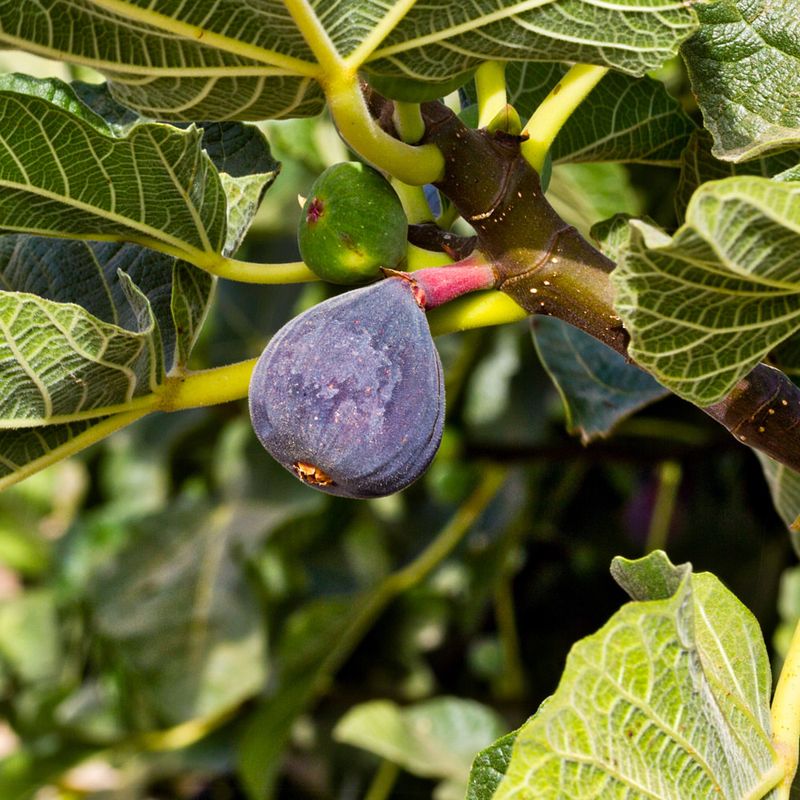
These trees thrive in North Carolina gardens because they tolerate heat, drought, and even occasional cold snaps that might damage more delicate fruit trees.
Brown Turkey and Celeste varieties stay naturally compact, reaching only ten to fifteen feet tall, making them perfect for tight spaces near patios.
Fresh figs taste like honey when you pick them straight from the tree, and they ripen throughout summer into early fall continuously.
These trees require minimal care once established, needing just occasional watering during extended dry spells and light pruning to shape growth patterns.
North Carolina soil suits figs well, especially when you add compost to improve drainage and provide nutrients that boost fruiting potential significantly.
Your North Carolina Garden Changes Every Week. Your Plan Should Too.
Gardening in North Carolina changes quickly throughout the season. Every Friday you’ll receive a simple weekly plan showing exactly what to plant, prune, fertilize, harvest, and protect so you never miss the right timing.
Container growing works wonderfully for figs, letting you move the tree to a protected spot during rare winter freezes that threaten survival.
Harvest figs when they soften slightly and the skin color deepens, signaling peak sweetness that makes waiting through the season worthwhile.
Birds love figs as much as people do, so consider netting your tree to protect your harvest from feathered thieves.
With the right placement and simple care, fig trees can produce reliable harvests for many years.
3. Dwarf Peach Trees
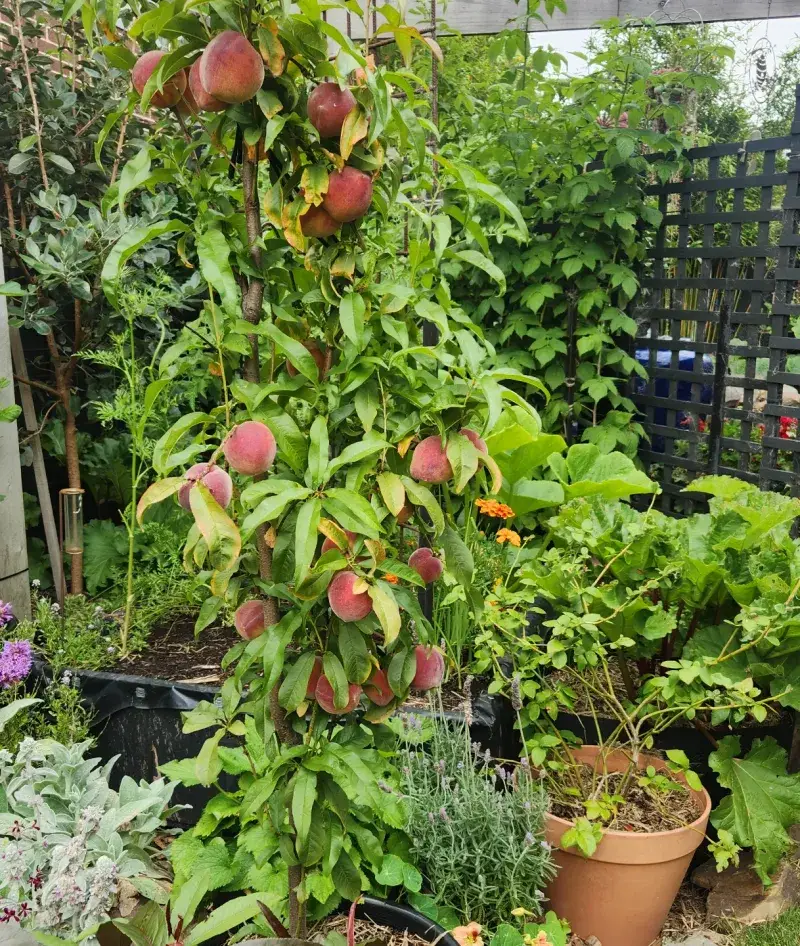
Southern summers are symbolized by peaches, and dwarf varieties let North Carolina homeowners grow these juicy fruits without dedicating half their yard to one tree.
Compact peach trees typically reach six to eight feet tall, staying manageable for pruning, spraying, and harvesting without professional help or equipment.
Varieties like Bonanza and Elberta produce full-sized peaches bursting with flavor, proving that smaller trees do not mean smaller or less delicious fruit.
North Carolina’s warm springs and hot summers create ideal conditions for peaches, though late frosts can damage early blossoms in some years.
Planting near a south-facing wall provides extra warmth and protection, helping blossoms survive unpredictable spring weather that occasionally threatens young fruit.
Peach trees need full sun for at least six hours daily to develop sweet fruit, so choose the sunniest spot available in your yard.
Thinning fruit when peaches reach marble size improves the remaining fruit’s size and flavor, preventing branches from breaking under excessive weight.
Regular watering during fruit development keeps peaches plump and juicy, especially during North Carolina’s sometimes dry summer months.
Proper air circulation and annual pruning also help reduce disease pressure, keeping dwarf peach trees productive and healthy year after year in North Carolina yards.
4. Dwarf Pear Trees
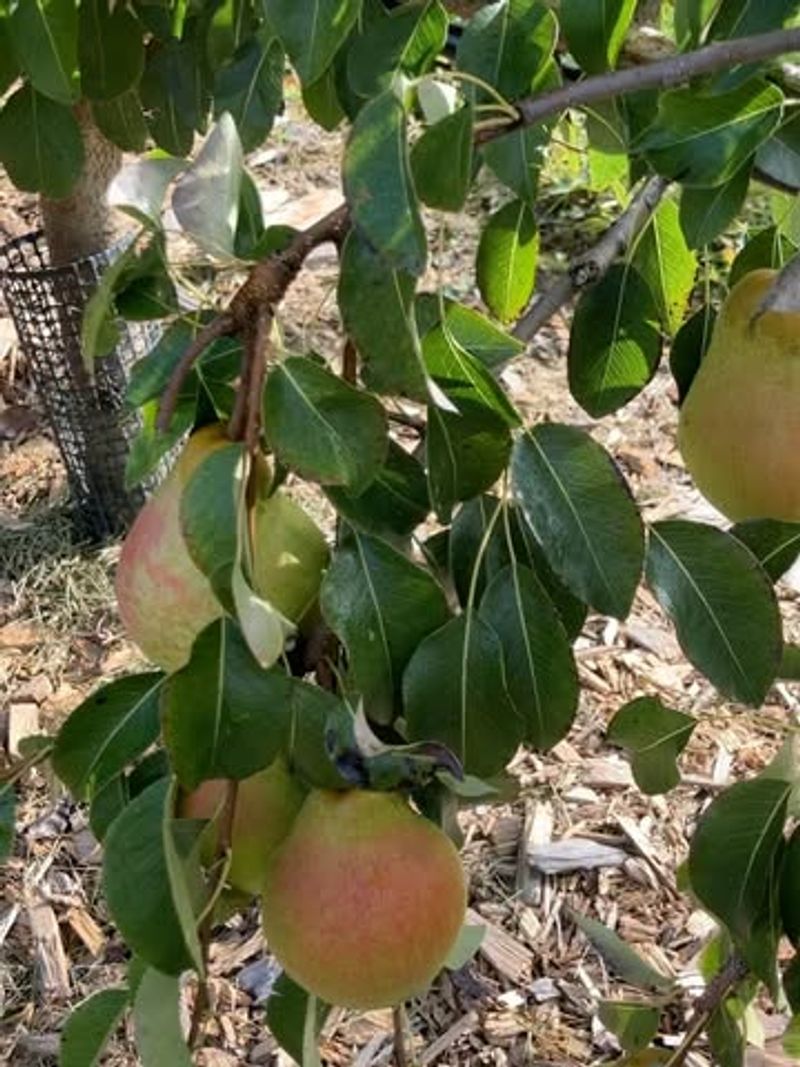
Adaptability to North Carolina’s climate makes dwarf varieties an excellent choice while still producing bushels of crisp, sweet fruit each autumn.
These trees typically grow between eight and twelve feet tall, fitting comfortably into small yards without overshadowing other plants or structures nearby.
Bartlett and Moonglow varieties work especially well in North Carolina because they resist fire blight, a bacterial disease that plagues pears in humid regions.
Dwarf pears need a pollination partner, so plant two different varieties within fifty feet to ensure good fruit set every season.
Blossoms appear in early spring, covering branches in white flowers that smell wonderful and attract beneficial pollinators to your entire garden.
North Carolina gardeners harvest pears in late summer or early fall, picking them when still firm and letting them ripen indoors properly.
Pears taste best when picked slightly underripe and stored in a cool place for a week or two before eating them fresh.
These trees require less spraying than apples or peaches, making them a lower-maintenance choice for organic gardeners who prefer minimal chemical use.
5. Sour Cherry Trees
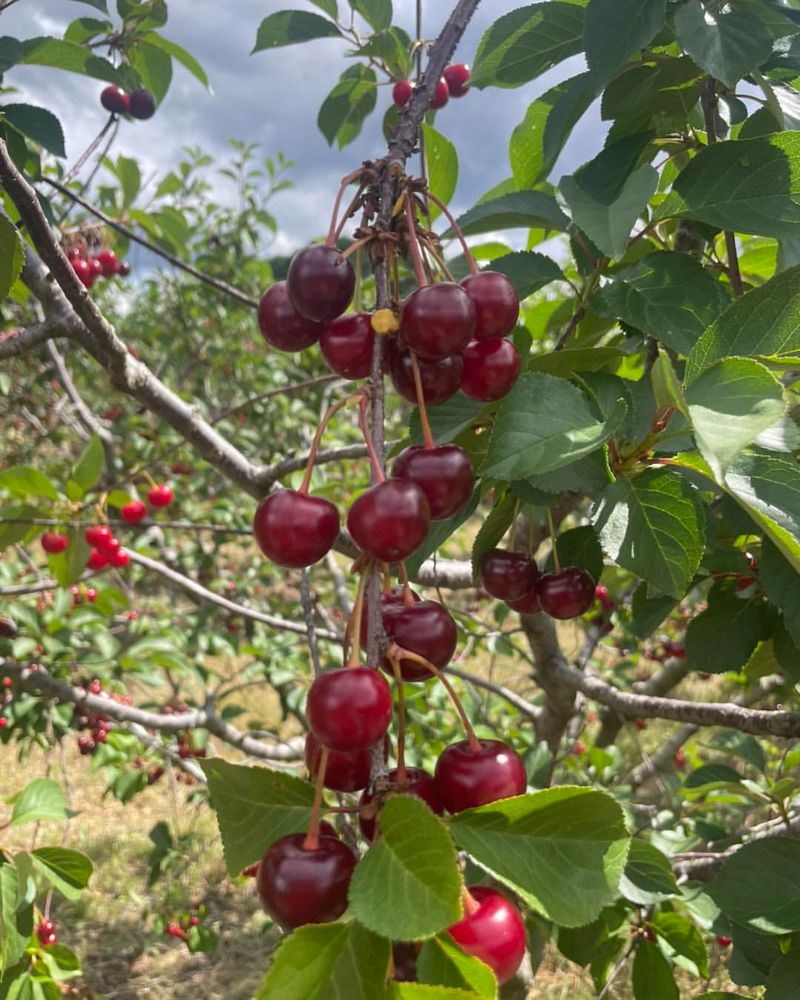
Greater reliability appears in North Carolina because sour cherries tolerate heat and humidity better while resisting common diseases effectively.
Montmorency remains the most popular sour cherry variety, producing tart red fruits perfect for pies, jams, and preserves that taste incredible homemade.
Dwarf sour cherry trees stay under ten feet tall, making them ideal for small yards where space is limited but fresh fruit is desired.
North Carolina’s climate suits sour cherries well, though planting in a spot with good air circulation helps prevent fungal problems during humid summers.
Self-pollination means only one tree is needed to get fruit, unlike many other fruit tree species that require partners.
Birds adore cherries, so covering your tree with netting before fruits ripen protects your harvest from being completely devoured by wildlife.
Cherries ripen in early summer, usually June in North Carolina, giving you fresh fruit before many other trees finish producing their crops.
Pruning after harvest keeps trees healthy and productive, removing dead wood and opening the canopy for better light penetration throughout.
6. Asian Pear Trees
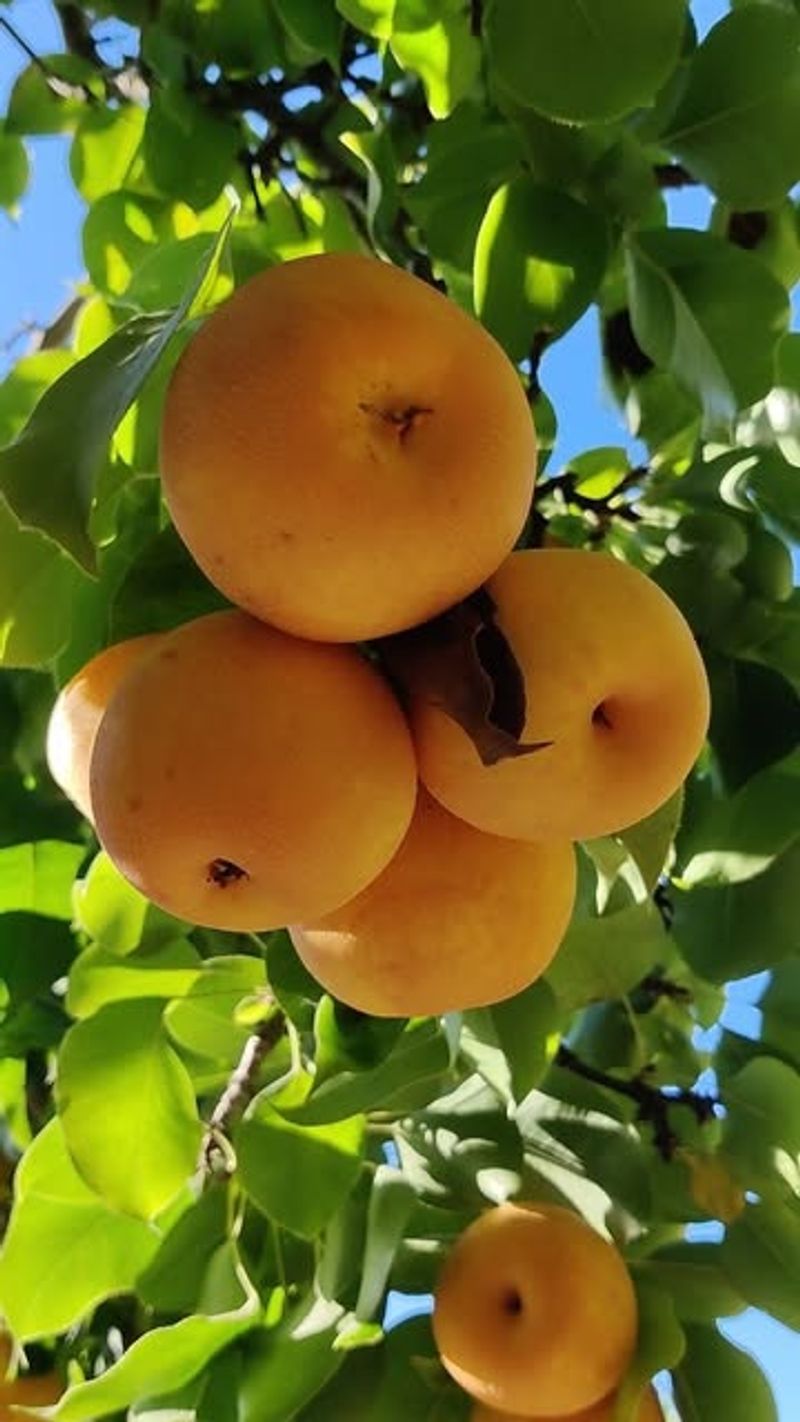
A crisp texture combined with classic sweetness creates a unique fruit that North Carolina gardeners love growing in home landscapes.
Dwarf Asian pear varieties stay compact at eight to ten feet tall, fitting easily into small yards while producing generous harvests annually.
Shinseiki and Twentieth Century varieties perform well in North Carolina’s climate, handling summer heat and winter cold without struggling or requiring excessive care.
A pollination partner from a different variety is required, so plan to plant two trees or ensure a neighbor has one nearby.
Blossoms appear in early spring, and fruits develop throughout summer, ripening in late August or early September for North Carolina growers typically.
Asian pears taste best when eaten crisp and fresh, unlike European pears that need softening time after harvest to reach peak flavor.
North Carolina’s soil works well for Asian pears, especially when amended with organic matter that improves drainage and provides steady nutrition throughout.
Thinning fruits to one per cluster improves size and quality, preventing small, disappointing fruits that result from overcrowding on branches.
7. Dwarf Plum Trees
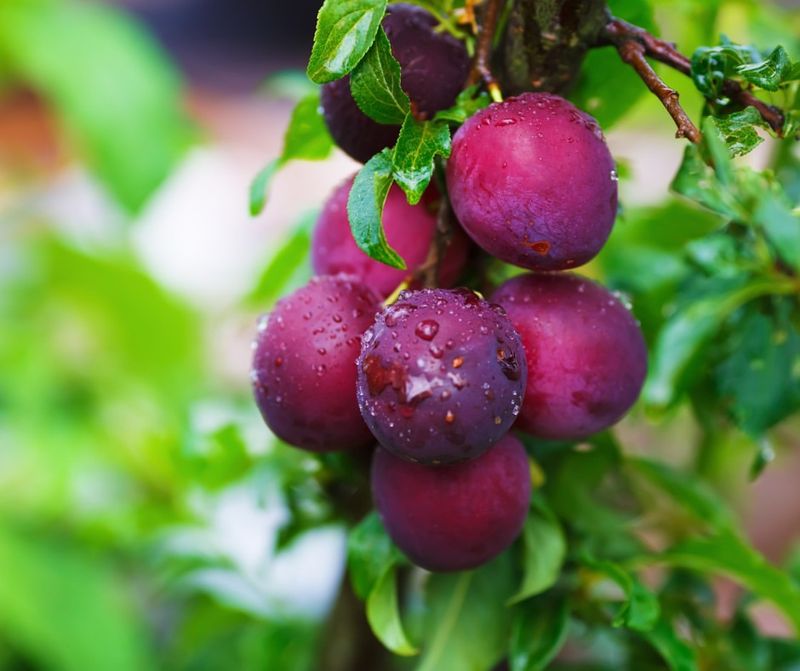
Strong growth thrives in North Carolina when dwarf varieties keep size manageable while still delivering abundant harvests of juicy, colorful fruit each summer.
Santa Rosa and Methley varieties work particularly well in North Carolina because they tolerate heat and produce reliably even during challenging weather years.
Dwarf plum trees typically reach eight to ten feet tall, staying small enough for easy maintenance but large enough for impressive fruit production.
Cross-pollination is required for most varieties, so planting two different types ensures heavy fruit set and avoids disappointing harvests.
Ripening occurs in mid to late summer across North Carolina, with fruit colors ranging from deep purple to golden yellow depending on variety.
Fresh plums taste amazing straight from the tree, and extra harvests make excellent jams, jellies, and baked goods.
North Carolina gardeners should thin plums to three or four inches apart when fruits are small, improving size and preventing branch breakage later.
Pruning in late winter maintains tree shape and removes diseased or crossing branches before problems develop during the growing season ahead.
8. Persimmon Trees
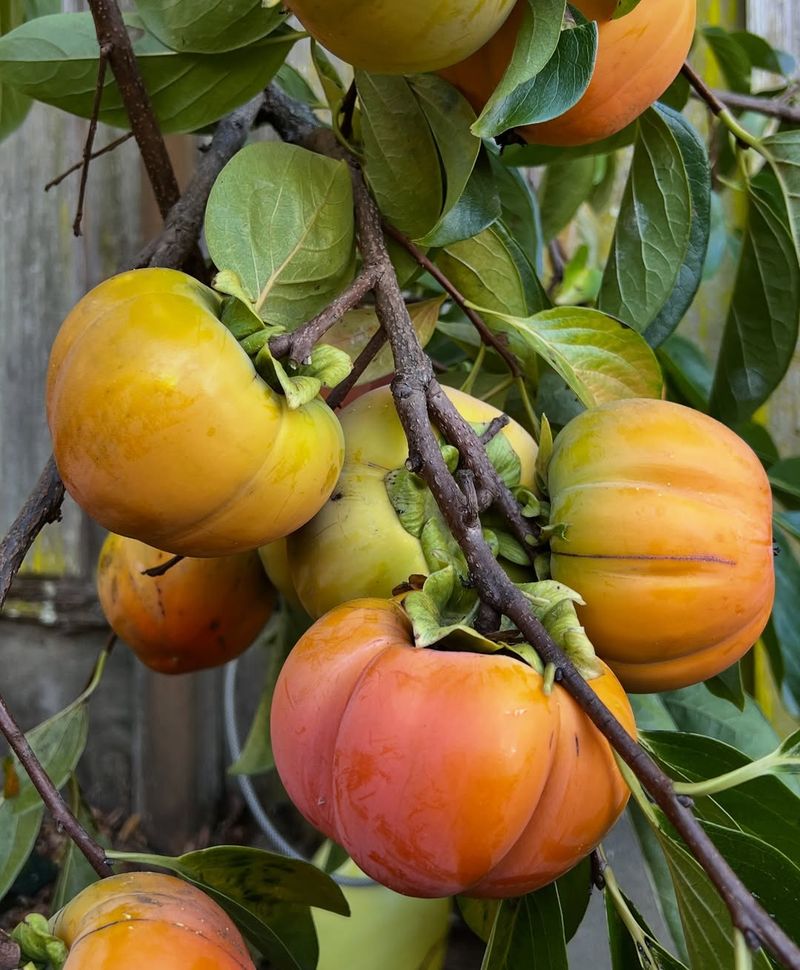
Something different appeals to North Carolina gardeners who want unique fruits that neighbors probably are not growing in their own yards.
American persimmons grow wild throughout North Carolina, but cultivated varieties produce larger, sweeter fruits on smaller, more manageable trees for home gardens.
Fuyu persimmons stay naturally compact at ten to fifteen feet tall, fitting nicely into small yards while producing abundant orange fruits each fall.
Fully ripe fruits taste sweet and honey-like, with a texture somewhere between an apricot and a tomato that feels unique.
North Carolina’s climate suits persimmons perfectly because they tolerate both summer heat and winter cold better than many other fruit tree species.
Ripening occurs in late fall, often after the first frost, when most other fruit trees have finished producing for the season entirely.
American varieties need both male and female trees for pollination, while Asian types like Fuyu often fruit without a pollination partner nearby.
Waiting until persimmons soften completely prevents the astringent, mouth-puckering taste that unripe fruits cause, making patience essential for enjoying them properly.
9. Dwarf Apricot Trees
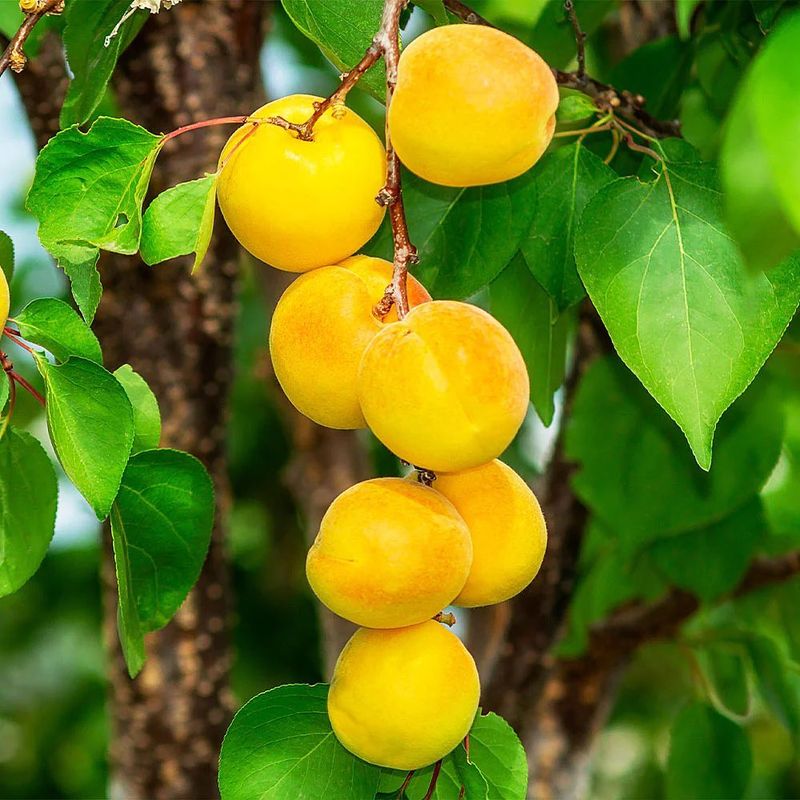
Early blooming makes growing this fruit challenging in North Carolina because late frosts can damage blossoms and reduce production.
Dwarf apricot varieties stay under eight feet tall, making them perfect for small yards where space is limited but fresh fruit is desired.
Moorpark and Goldcot varieties perform reasonably well in North Carolina when planted in protected spots that minimize frost damage to delicate spring blooms.
Planting near a building’s south side provides warmth and protection, helping blossoms survive unpredictable spring weather that occasionally threatens young fruit.
Successful growers in North Carolina enjoy incredibly sweet, aromatic fruits in early summer before most other tree fruits ripen fully.
Full sun and excellent drainage are required for strong growth, so low spots where water collects after heavy rains should be avoided.
Regular pruning keeps trees healthy and productive by opening the canopy and improving air circulation that prevents fungal diseases.
Fresh apricots taste amazing, but they also dry beautifully, creating a delicious snack that preserves the harvest for months after picking.
10. Dwarf Nectarine Trees
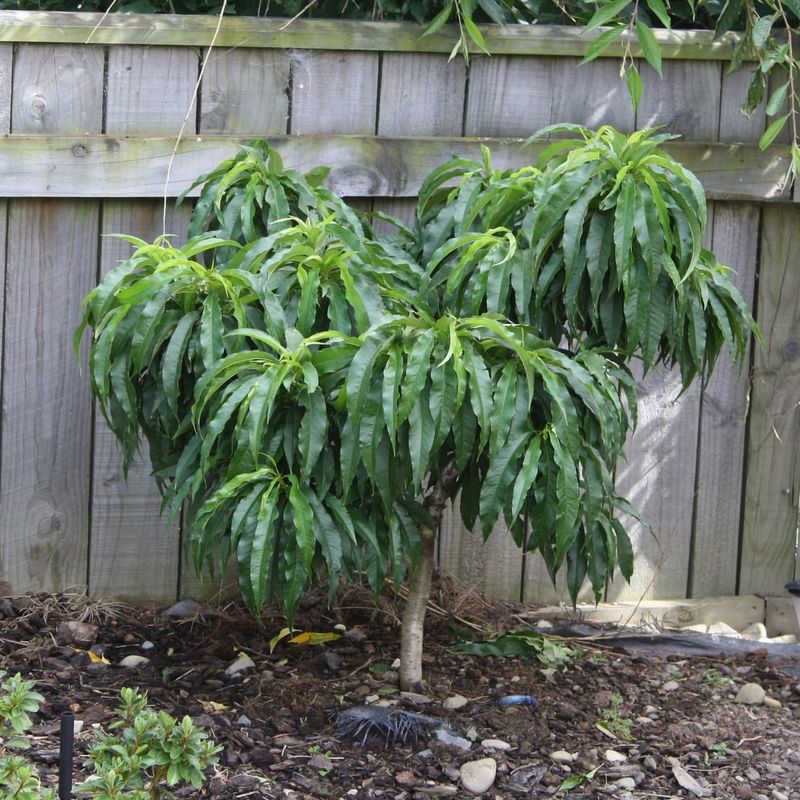
Fuzzless peaches appeal to many gardeners, and dwarf varieties thrive in North Carolina when given proper care and attention throughout the growing season.
Compact growth keeps trees under eight feet tall, making them ideal for small yards where homeowners want fresh fruit without sacrificing entire landscapes.
Full sun and well-drained soil are required to produce sweet, juicy fruits that rival anything available at grocery stores or farmers markets.
North Carolina’s warm climate suits nectarines well, though occasional late frosts can damage early blossoms and reduce the season’s harvest significantly unfortunately.
Planting near a wall or fence provides extra warmth and protection, helping blossoms survive unpredictable spring weather that sometimes threatens production.
Thinning fruits to four inches apart improves size and flavor, preventing small, disappointing nectarines that result from overcrowding on branches.
Regular watering during fruit development keeps nectarines plump and sweet, especially during dry spells that North Carolina sometimes experiences in summer.
Harvesting should happen when fruits soften slightly and develop full color, indicating peak ripeness that makes waiting through the season completely worthwhile.
Light pruning after harvest helps maintain shape and encourages healthy growth that supports better fruit production the following season.
11. Mulberry Trees
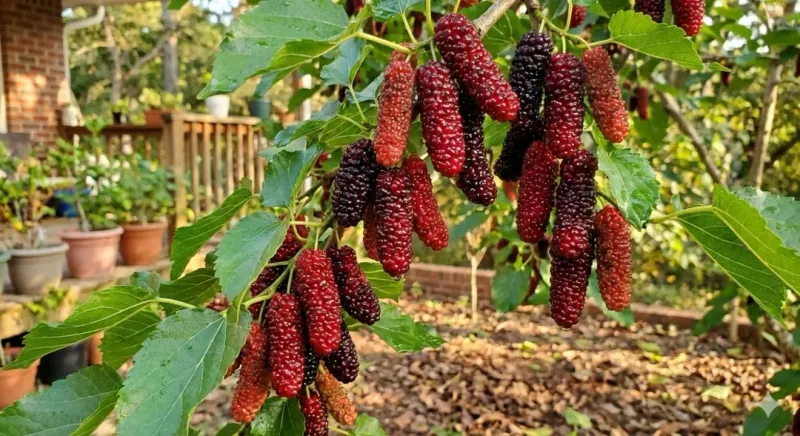
Effortless growth makes this fruit tree a favorite in North Carolina, tolerating heat, drought, poor soil, and neglect better than most other options.
Dwarf mulberry varieties stay under ten feet tall, producing abundant crops of sweet, blackberry-like fruits throughout late spring and early summer reliably.
Illinois Everbearing and Dwarf Black mulberries work especially well in North Carolina because they produce heavily and resist common pests and diseases effectively.
Self-pollination means only one tree is needed to get fruit, making it perfect for homeowners with extremely limited space.
Gradual ripening over several weeks provides fresh fruit for extended periods rather than all at once like some other species.
North Carolina children love mulberries because they taste sweet and grow abundantly, making them perfect for snacking straight from the tree all season.
Birds adore mulberries too, so consider planting your tree away from patios and driveways where falling fruits might create purple stains.
Minimal care is required once established, making this tree ideal for busy homeowners who want fresh fruit without constant maintenance.
Planting mulberries in a sunny location with good airflow helps keep growth healthy and makes harvesting easier as branches stay accessible and manageable.