Tiny Red Bugs Everywhere in Utah Yards? Here’s What’s Really Going On
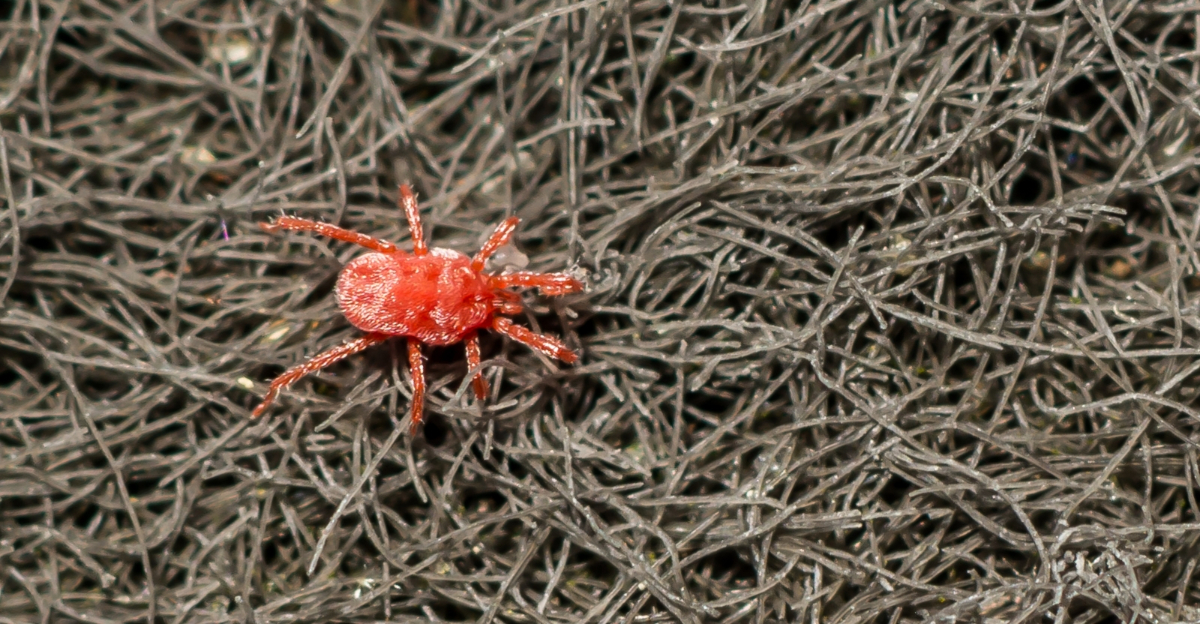
If you’ve stepped outside recently and noticed tiny red bugs crawling across your Utah yard, you’re probably wondering what’s going on.
These little insects seem to appear out of nowhere, moving quickly across the ground, and it can be a bit unsettling at first.
They pop up in large numbers and catch the sunlight, making it hard to miss them, but the good news is, they’re completely harmless.
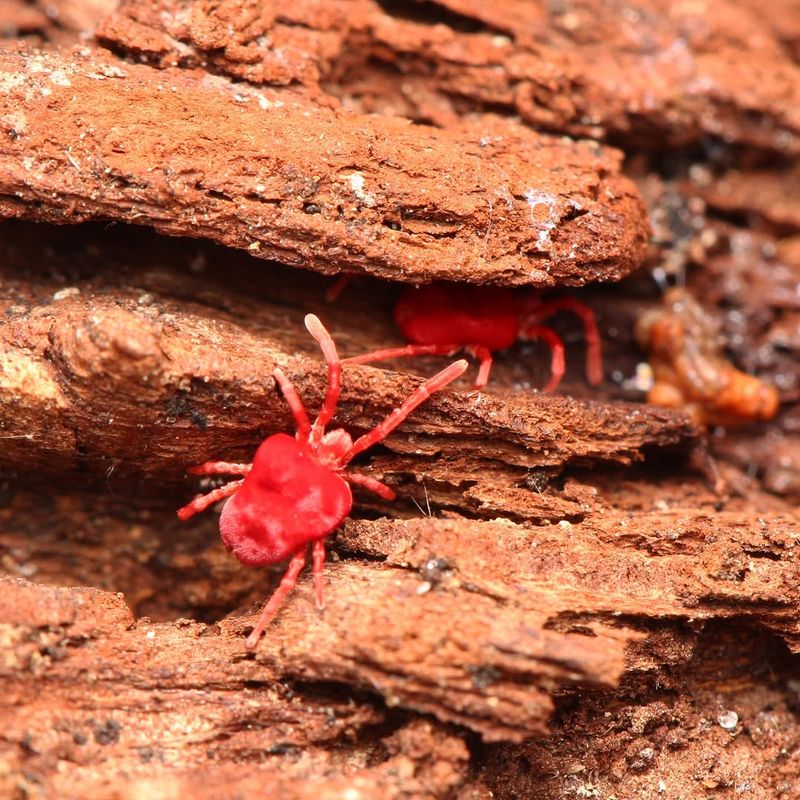
Despite their bold appearance, these red bugs are actually Red Clover Mites, tiny arachnids that are a common sight during the cooler months of spring and fall.
What might surprise you is that they’re not a threat to your plants or lawn.
They actually feed on grasses, clover, and other vegetation, causing little to no damage.
These mites are drawn to lush, well-watered yards, especially during wetter seasons, which explains their sudden surge in activity.
While they may wander indoors occasionally, they’re easily removed and don’t pose a danger to your home.
The real trick is understanding what they are and why they’re here.
Let’s break down everything you need to know about these harmless visitors so you can stop worrying and enjoy your garden once again.
1. Clover Mites Are Actually Harmless Arachnids
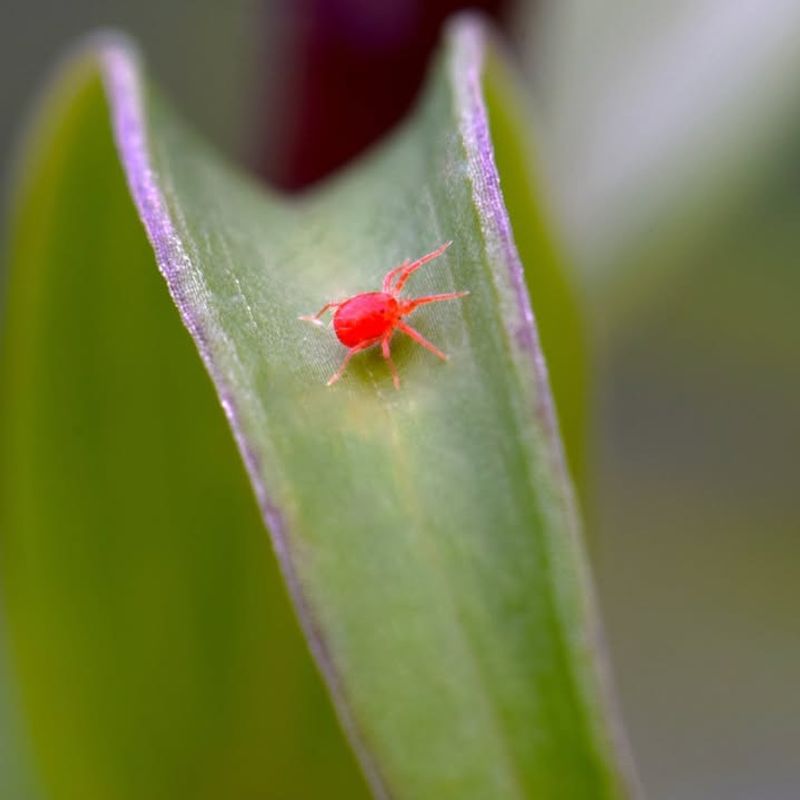
Clover mites belong to the arachnid family, which means they are actually related to spiders and ticks rather than insects surprisingly enough.
Their tiny oval bodies measure less than one millimeter long, making them smaller than the head of a pin in most cases.
You can identify them by their reddish-brown color and the way they leave red streaks when accidentally squished on surfaces around homes.
Homeowners across Utah have been spotting these creatures more frequently this season, especially on sunny walls and warm concrete areas outside.
Despite their somewhat alarming appearance in large groups, clover mites pose absolutely no threat to humans or pets in any way.
They lack the ability to bite, sting, or transmit diseases, which makes them more of a nuisance than a genuine danger.
These arachnids have eight legs like spiders, though their front pair often looks longer and resembles antennae when they move around slowly.
Understanding their harmless nature can help reduce anxiety when you spot hundreds of them clustered together on your Utah property today.
Clover mites are also quite resilient, able to survive in a variety of environments as long as there’s access to vegetation.
They’re typically active during the cooler months of the year, making spring and fall the peak seasons for spotting them in your yard.
2. They Feed Exclusively On Plant Material
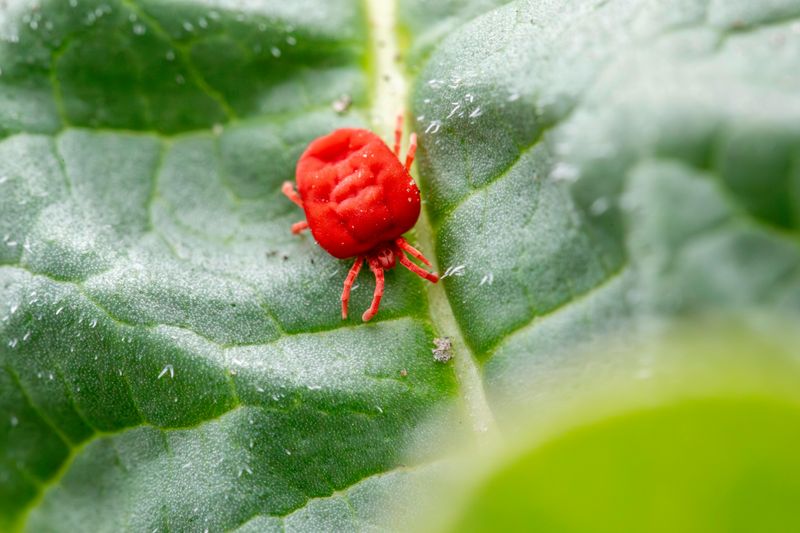
Unlike many other pests, clover mites survive entirely on plant juices rather than bothering people or animals in any significant way.
They use their piercing mouthparts to extract nutrients from grass, clover, weeds, and other vegetation found throughout typical residential landscapes here.
Lawns with thick, lush grass provide an ideal food source, which explains why they congregate in well-watered yards across the state.
Your Utah Garden Changes Every Week. Your Plan Should Too.
Gardening in Utah changes quickly throughout the season. Every Friday you’ll receive a simple weekly plan showing exactly what to plant, prune, fertilize, harvest, and protect so you never miss the right timing.
Clover plants are their absolute favorite meal, which is exactly how these tiny creatures earned their common name over many years.
However, they will also feed on dandelions, moss, algae, and even tree bark when their preferred food sources become scarce or unavailable.
This diverse diet allows them to thrive in various environments, from manicured lawns to neglected patches of ground throughout Utah neighborhoods.
Their feeding habits rarely cause visible damage to healthy plants since they consume such small amounts of sap during each meal period.
Only in extremely large infestations might you notice slight discoloration or stress on grass, but this remains uncommon in most situations.
Knowing what they eat helps explain why they appear in such massive numbers around yards with abundant vegetation this particular season.
Their feeding behavior rarely causes long-term harm to plants, as the amount of sap they extract is minimal and usually not enough to weaken healthy growth.
However, in areas with dense infestations, it’s possible for plants to show signs of stress, though this is still considered rare in Utah.
3. Cool Spring Weather Triggers Their Activity
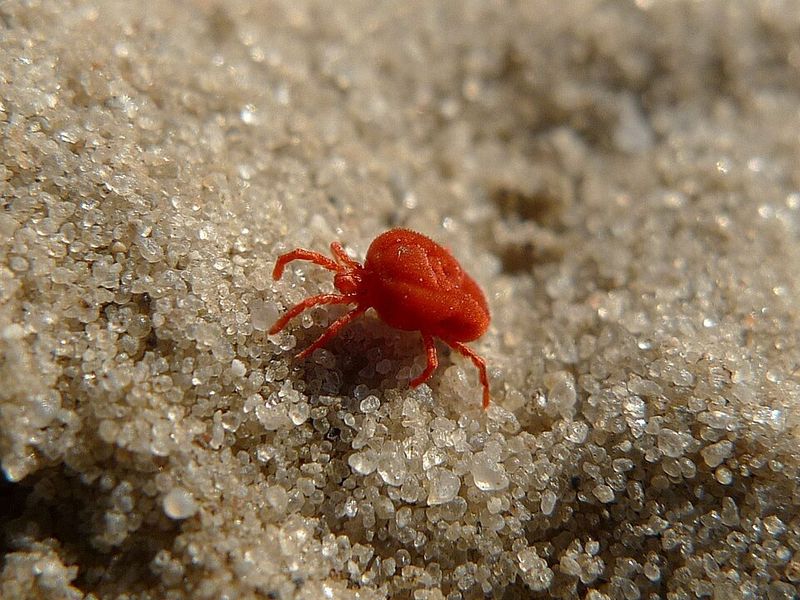
Clover mites become most active during cooler temperatures, particularly in early spring and fall when conditions feel just right for them.
Unlike many insects that prefer hot summer days, these arachnids thrive when temperatures range between fifty and seventy degrees Fahrenheit consistently.
Utah’s spring season creates perfect conditions for clover mite populations to explode, especially after a winter with adequate moisture and snowfall.
As snow melts and temperatures warm gradually, clover mites emerge from their winter hiding spots to feed and reproduce in large numbers.
They often gather on the sunny sides of buildings where warmth radiates from walls, creating ideal microclimates for their activity patterns.
This behavior explains why you might see thousands of them clustered on south-facing walls of homes throughout the state currently.
When summer heat arrives and temperatures climb above eighty degrees, clover mites typically become dormant or move to cooler, shadier locations instead.
Their preference for moderate weather means their peak activity periods align perfectly with Utah’s spring and autumn seasons each year.
Recognizing this seasonal pattern helps homeowners anticipate when these creatures will appear most frequently around their properties moving forward consistently.
4. Moisture Attracts Them To Your Property
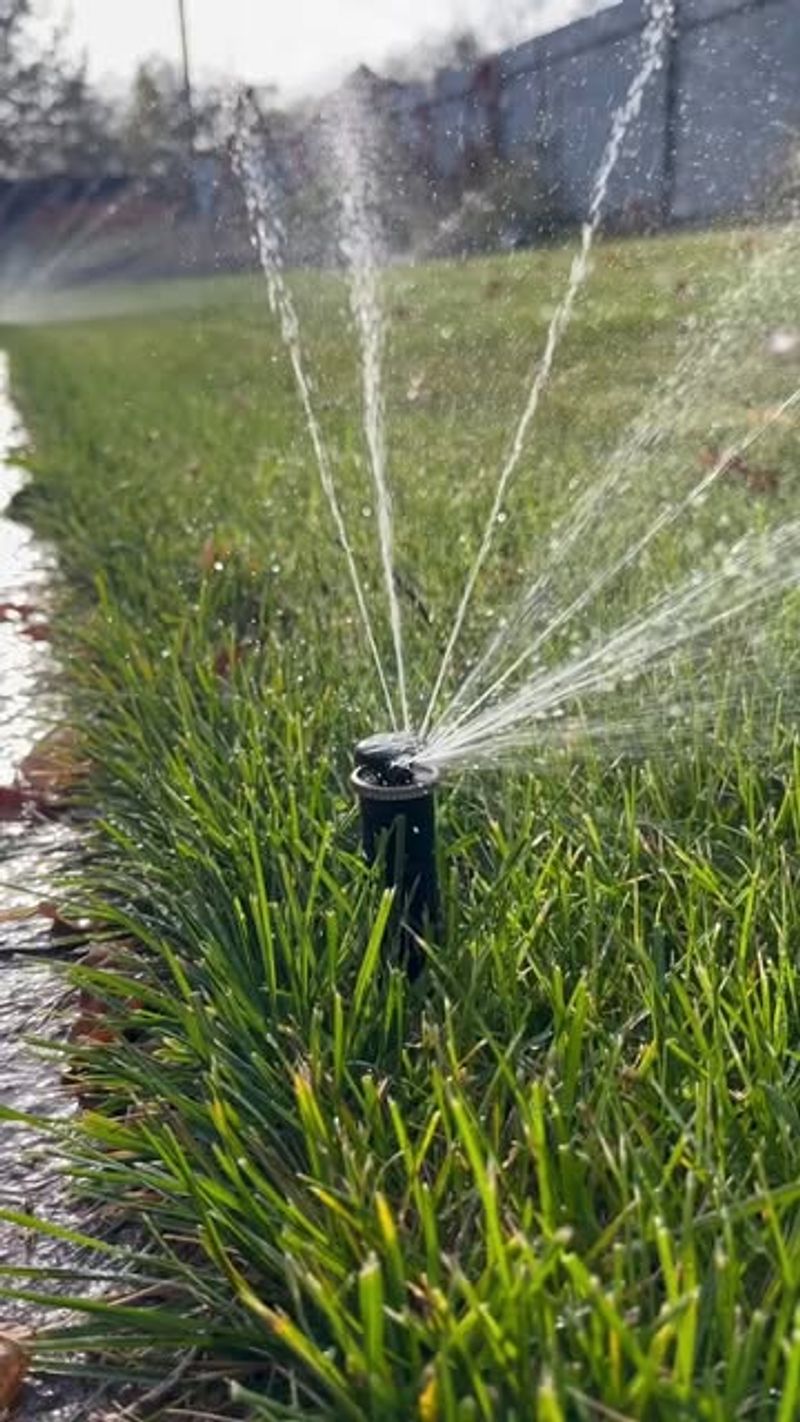
Adequate moisture levels play a crucial role in supporting healthy clover mite populations, which is why well-irrigated lawns attract them so effectively.
Properties with automatic sprinkler systems or frequent manual watering create lush vegetation that provides both food and favorable humidity conditions for survival.
Utah homeowners who maintain green, healthy yards during dry periods often notice more clover mites than neighbors with brown, neglected landscapes.
Areas near foundations where water accumulates or drains slowly can become hotspots for clover mite activity throughout the spring months here.
Gutters that overflow, downspouts that drain too close to walls, or poorly graded soil all contribute to excess moisture problems nearby.
These damp zones support moss, algae, and dense grass growth that clover mites find absolutely irresistible when searching for food sources.
Reducing unnecessary watering near building foundations can help minimize clover mite populations around homes without harming your lawn’s overall health significantly.
Creating a dry barrier zone of gravel or mulch around your home’s perimeter can discourage these creatures from approaching structures too closely.
Understanding the connection between moisture and clover mite activity empowers Utah residents to make strategic landscaping choices that naturally deter infestations.
5. They Sometimes Invade Homes In Large Numbers
While clover mites prefer outdoor environments, they occasionally wander indoors through tiny cracks and gaps around windows, doors, and foundations accidentally.
These invasions typically occur during spring when populations peak and the creatures seek warm surfaces to gather on throughout the day.
Utah homeowners sometimes discover hundreds or even thousands of these tiny red arachnids crawling across windowsills, walls, and other indoor surfaces unexpectedly.
The good news is that clover mites cannot survive long indoors since they require plant material for food and proper humidity levels.
Indoor environments typically lack the moisture and vegetation they need, causing them to perish within a few days without any intervention.
However, their presence can be alarming and the red stains they leave when crushed create frustrating cleanup challenges for residents.
Sealing entry points with caulk or weatherstripping can prevent clover mites from entering your home in the first place this season effectively.
Pay special attention to areas where utility lines enter, around window frames, and along foundation cracks that might provide access routes.
Taking preventive measures now can save Utah homeowners from dealing with indoor invasions when clover mite populations surge during optimal weather conditions.
6. Creating Barrier Zones Helps Keep Them Away
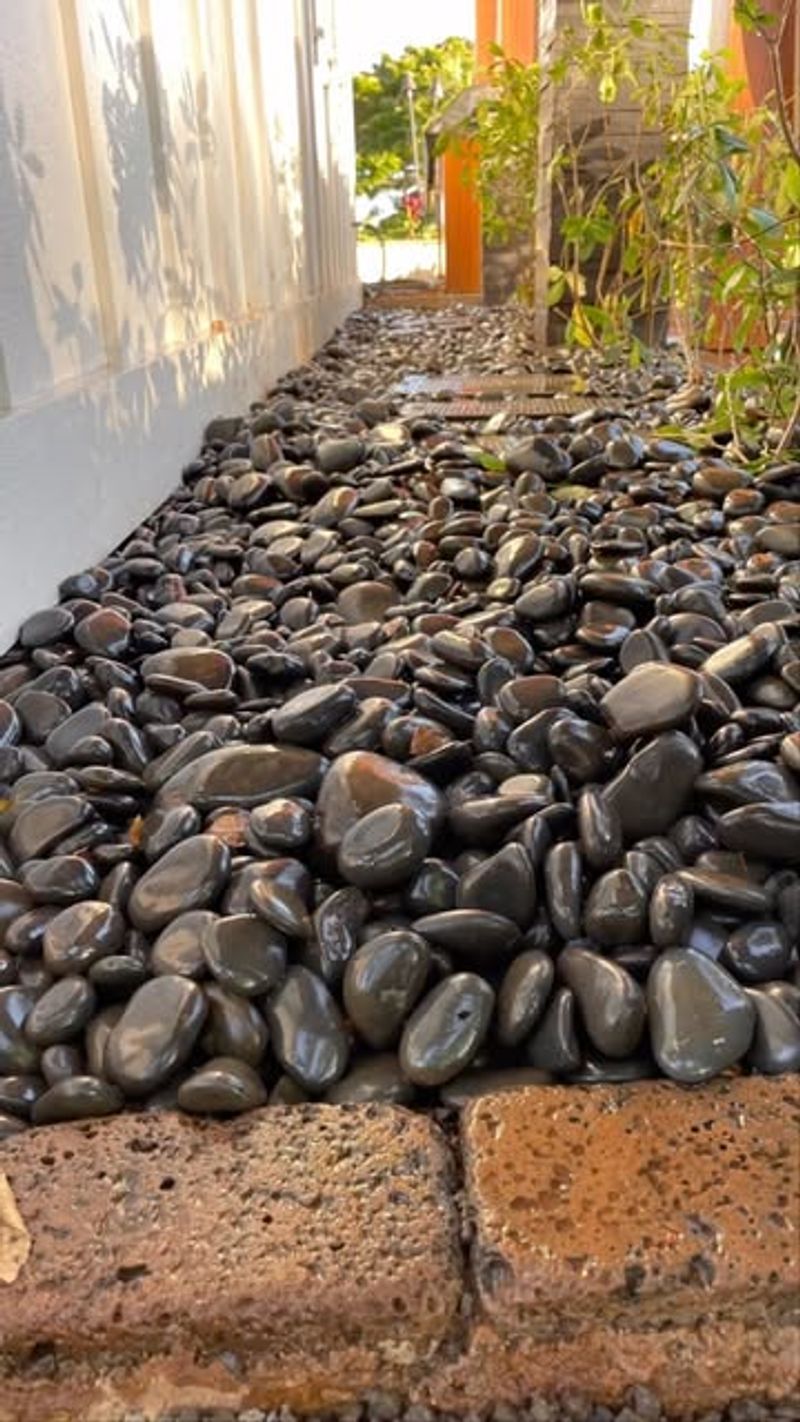
Establishing a vegetation-free zone around your home’s perimeter serves as an effective deterrent against clover mites approaching your living spaces here.
A strip of bare soil, gravel, or decorative rock extending eighteen to twenty-four inches from the foundation eliminates the food sources nearby.
This simple landscaping modification makes it much harder for clover mites to reach walls and potential entry points into Utah homes.
Mulch can also work as a barrier material, though it should be kept relatively dry to avoid creating favorable habitats instead.
Wood chips or bark mulch should be spread several inches thick to prevent vegetation growth while still looking attractive around homes.
Regular maintenance of these barrier zones ensures grass, weeds, and clover don’t encroach back toward foundations where they would attract mites again.
Trimming vegetation away from walls and keeping grass mowed short near buildings further reduces clover mite populations around residential properties effectively.
Removing dense groundcover plants that grow directly against foundations eliminates hiding spots and food sources that support large mite populations.
Utah residents who implement these barrier strategies typically experience significantly fewer clover mite problems compared to neighbors with vegetation growing right against structures.
7. Vacuuming Works Better Than Squishing Them
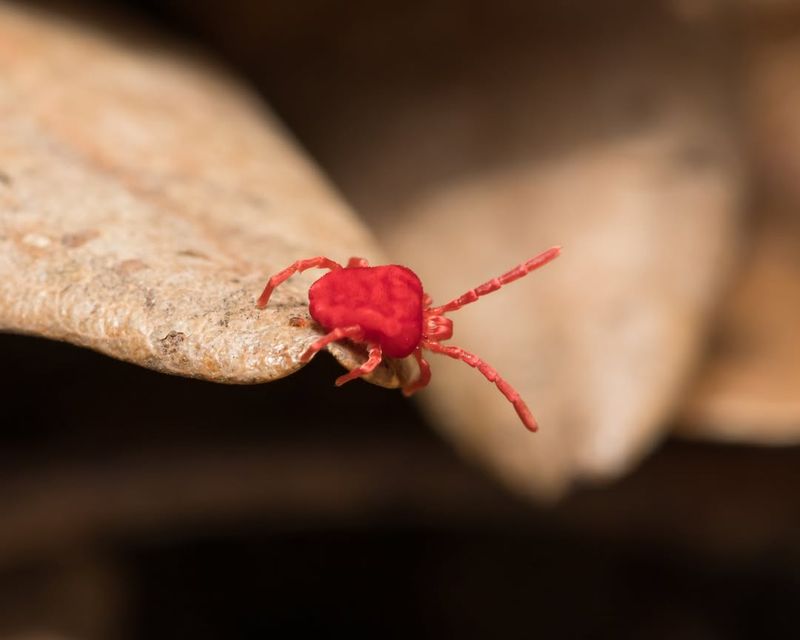
When clover mites invade your home, resist the urge to squish them with your hand or a tissue immediately and impulsively.
Crushing these tiny arachnids releases their body fluids, which contain pigments that leave stubborn reddish-brown stains on walls, furniture, and fabrics.
These marks can be difficult to remove completely, especially from porous surfaces like drywall or unsealed wood throughout Utah homes.
A vacuum cleaner with a hose attachment provides the most effective and stain-free method for removing clover mites from indoor surfaces.
Simply run the vacuum over affected areas, collecting the mites without crushing them against walls or windowsills in the process.
Empty the vacuum bag or canister outside immediately after cleaning to prevent any survivors from crawling back out into your home.
For stubborn individuals in hard-to-reach corners, a slightly damp cloth can gently lift them away without causing the red staining problem.
Avoid using excessive pressure or rubbing motions that might crush the mites and release their pigmented fluids onto surfaces accidentally.
Utah homeowners who use proper removal techniques can clear clover mite invasions quickly without creating additional cleaning challenges or permanent staining issues.
8. Natural Predators Help Control Their Populations
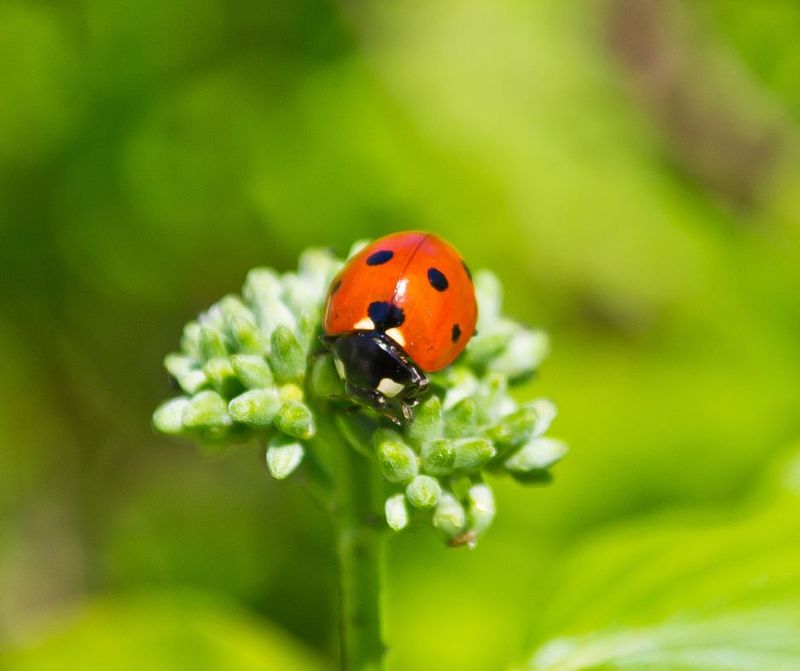
Encouraging natural predators in your yard creates a balanced ecosystem that helps keep clover mite populations under control without chemical interventions.
Predatory mites, ladybugs, lacewings, and ground beetles all feed on clover mites and their eggs throughout the growing season naturally.
Utah gardens that support diverse beneficial insect populations typically experience fewer pest problems overall, including issues with clover mites during peak seasons.
Avoiding broad-spectrum pesticides allows these helpful predators to thrive and perform their natural pest control functions effectively throughout your property.
Chemical treatments often eliminate both pests and beneficial insects, creating an imbalance that can lead to even larger mite populations later.
Instead, focus on creating habitats that attract and support predatory insects through diverse plantings and minimal chemical use around homes.
Planting flowers that attract beneficial insects, such as alyssum, yarrow, and dill, can boost predator populations in your Utah landscape naturally.
Providing water sources, shelter, and varied vegetation creates an environment where natural pest control happens continuously without your direct intervention needed.
This ecological approach takes patience but results in long-term population management that works with nature rather than against it effectively.
9. They Will Disappear When Conditions Change
Perhaps the most reassuring fact about clover mites is that their presence remains temporary, lasting only while conditions favor their activity.
As Utah’s weather warms into summer and temperatures consistently exceed eighty degrees, clover mites naturally become dormant or retreat to cooler locations.
They either enter a resting phase or migrate to shadier, more protected areas away from hot, dry surfaces around residential properties.
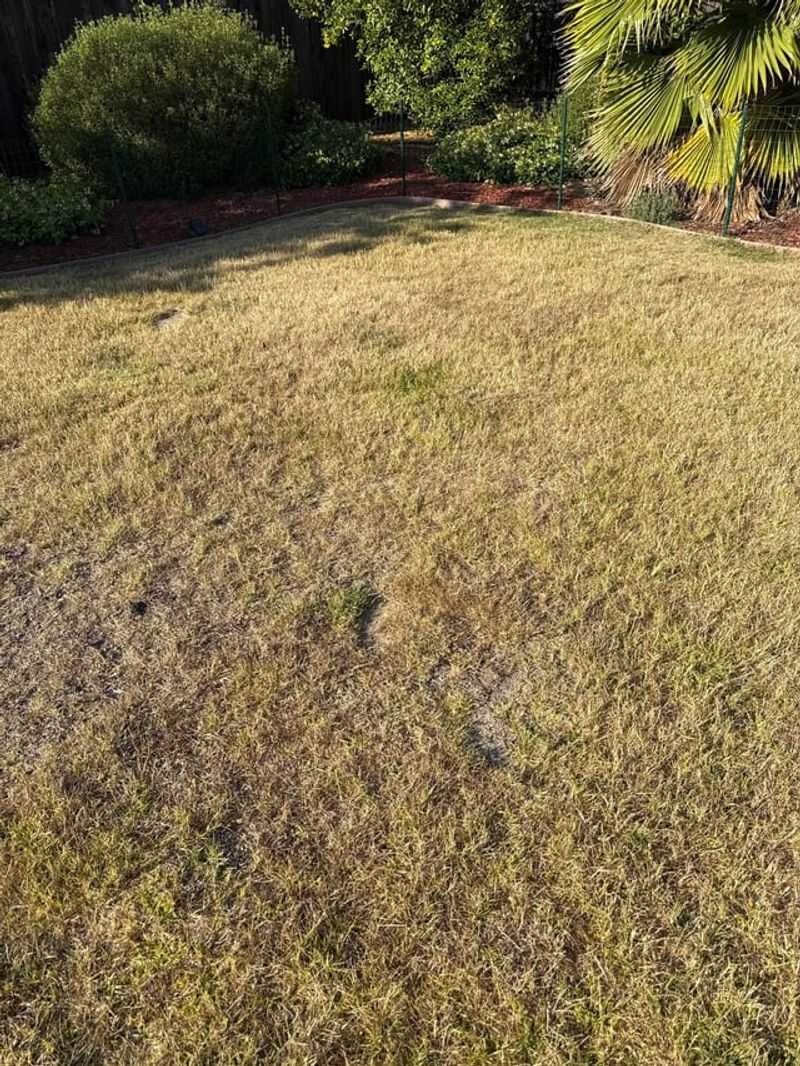
Populations also decline naturally as their food sources become stressed from heat and reduced moisture during typical summer conditions here.
Brown, dormant grass provides little nutrition for clover mites, forcing them to either move elsewhere or enter dormancy until conditions improve.
This natural cycle means that even without intervention, clover mite problems typically resolve themselves within a few weeks as seasons change.
Understanding this temporary nature can help homeowners remain patient and avoid overreacting with unnecessary chemical treatments during peak activity periods.
Simple preventive measures and occasional vacuuming usually provide adequate management until weather conditions naturally reduce populations to barely noticeable levels.
Utah residents can take comfort knowing that clover mite invasions represent a seasonal nuisance rather than a permanent pest problem requiring ongoing management.