Water Features Arizona Homeowners Can’t Install Without Approval
Water features are a beautiful addition to any Arizona yard, but some come with strict regulations due to the state’s water conservation efforts.
Homeowners eager to add a pond, fountain, or waterfall may be surprised to find that some installations require approval before they can be built.
In a state where water resources are limited, Arizona has set rules in place to ensure that water features do not contribute to unnecessary waste.
From large ponds that may need special permits to fountains with recirculating systems, there are specific features that require official approval to avoid disrupting the local water supply.
I’ve seen homeowners excited about creating an oasis, only to learn that their dream feature needs to be carefully reviewed by local authorities first.
The concern is often about water usage, evaporation rates, and whether the feature will be designed to use water efficiently or if it could lead to waste.
Some areas may require homeowners to use recirculating pumps, while others may limit the size of the water feature to conserve resources.
Not getting the proper permits could lead to fines or the need to remove the feature, making the approval process crucial.
Fortunately, by following the rules and obtaining approval, homeowners can still enjoy the beauty of water features without contributing to unnecessary water loss.
If you’re thinking of adding a water feature, it’s important to check local regulations to ensure your dream design fits with Arizona’s water conservation guidelines.
1. In-Ground Swimming Pools

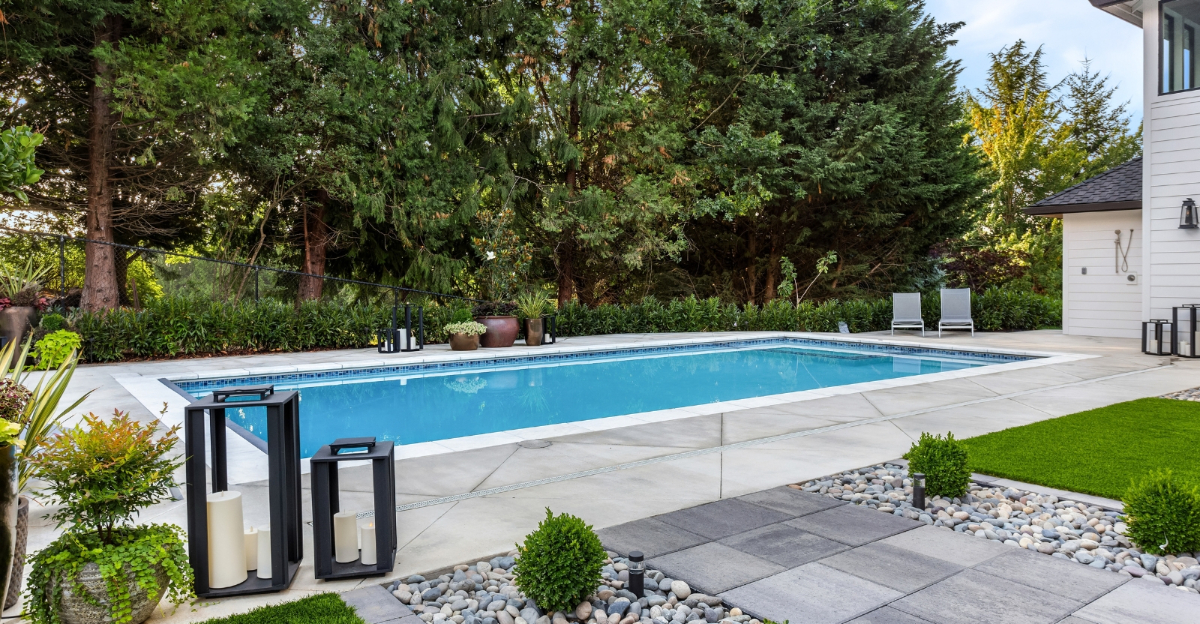
Building an in-ground pool requires extensive permits because it involves major excavation and permanent changes to your Arizona property landscape significantly.
Most cities throughout Arizona mandate structural permits to ensure the pool meets safety codes, proper depth requirements, and adequate fencing around perimeters.
Electrical permits become necessary since pools require pumps, filters, heaters, and lighting systems that must comply with strict electrical safety standards always.
Your homeowner association might also have specific rules about pool size, location, fencing style, and even the color of materials used.
Skipping the permit process could result in fines ranging from hundreds to thousands of dollars depending on your local jurisdiction rules.
Inspectors check everything from reinforcement bars in concrete to proper drainage systems that prevent water from damaging neighboring properties or foundations.
Arizona building departments typically require multiple inspections at different construction stages before granting final approval for pool use and occupancy.
Some communities restrict pool depth or require additional safety features like alarms if young children live in the neighborhood surrounding homes.
Obtaining proper permits protects your investment and ensures your pool adds value rather than creating legal problems when selling later on.
2. Large Decorative Fountains
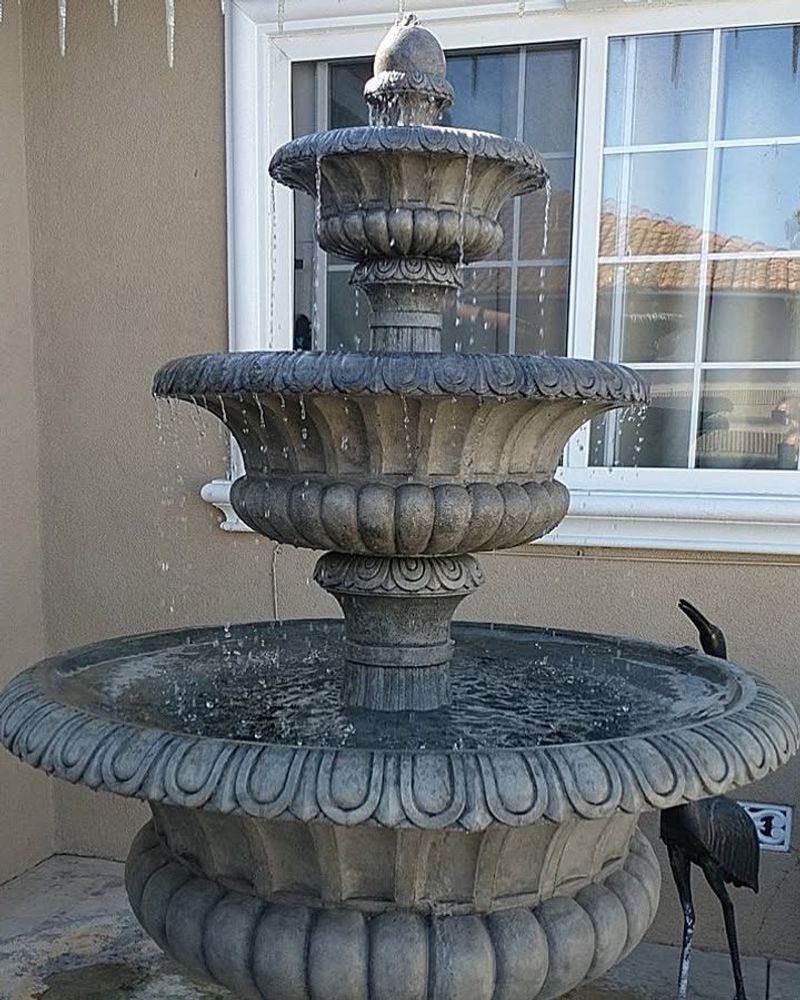
Elaborate fountains exceeding certain height or water capacity limits often require approval from local Arizona authorities before installation begins on properties.
Municipalities worry about water usage, noise levels, and structural safety when fountains become large enough to potentially cause neighborhood disturbances daily.
Homeowner associations frequently regulate fountain appearance, placement, and operating hours to maintain consistent aesthetic standards throughout Arizona residential communities everywhere.
Your Arizona Garden Changes Every Week. Your Plan Should Too.
Gardening in Arizona changes quickly throughout the season. Every Friday you’ll receive a simple weekly plan showing exactly what to plant, prune, fertilize, harvest, and protect so you never miss the right timing.
Electrical connections for pumps and lighting must meet code requirements, which means hiring licensed electricians and obtaining proper electrical permits first.
Water supply lines connecting to your main system might need plumbing permits to ensure proper backflow prevention and compliance with standards.
Some Arizona cities have specific ordinances about water features visible from streets, requiring architectural review board approval before construction starts officially.
Fountains producing excessive noise might violate local sound ordinances, so understanding decibel limits helps avoid complaints from neighbors living nearby daily.
Setback requirements determine how close fountains can sit to property lines, sidewalks, or streets, varying by neighborhood and city regulations.
Checking with your HOA and local building department before purchasing expensive fountain materials saves money and prevents installation headaches later unexpectedly.
3. Outdoor Hot Tubs and Spas
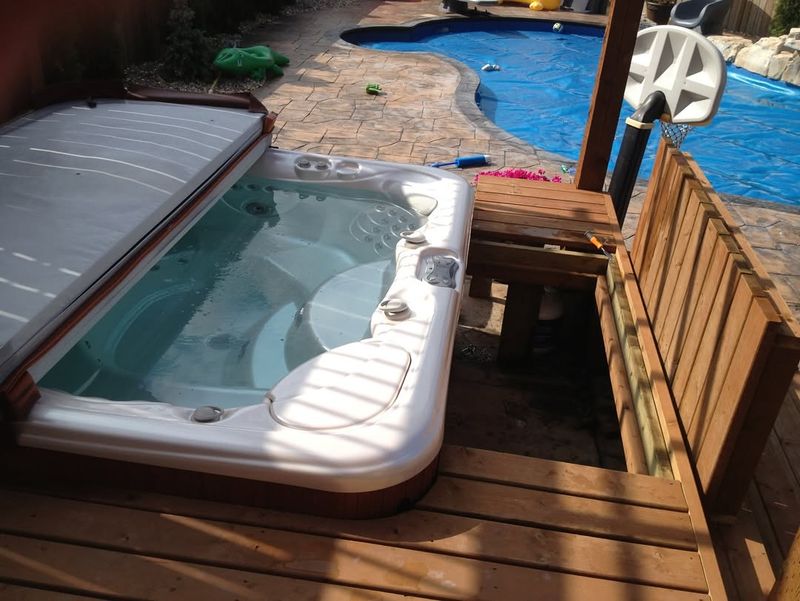
Hot tubs and spas require permits in most Arizona jurisdictions because they involve electrical work, plumbing connections, and structural support considerations.
Electrical permits ensure your spa’s 220-volt connection meets safety standards and includes proper ground fault circuit interrupter protection for users.
Building permits verify that decks or patio surfaces can support the substantial weight of water-filled spas, which often exceed thousands of pounds.
Arizona building codes require specific distances between spas and property lines, buildings, or overhead power lines for safety and accessibility reasons.
Homeowner associations might restrict spa placement to backyard areas only, prohibiting front yard or side yard installations that affect neighborhood appearances.
Plumbing permits become necessary when connecting spas to existing water lines or drainage systems, ensuring proper installation without contamination risks.
Some Arizona cities require fencing around spas just like pools, especially in neighborhoods with young children to prevent accidental drownings.
Energy efficiency standards in certain communities might dictate insulation requirements or cover specifications to reduce water heating costs and conserve resources.
Installing without permits risks insurance claim denials if accidents occur, potentially leaving homeowners financially responsible for injuries or property damage costs.
4. Artificial Waterfalls and Rock Features
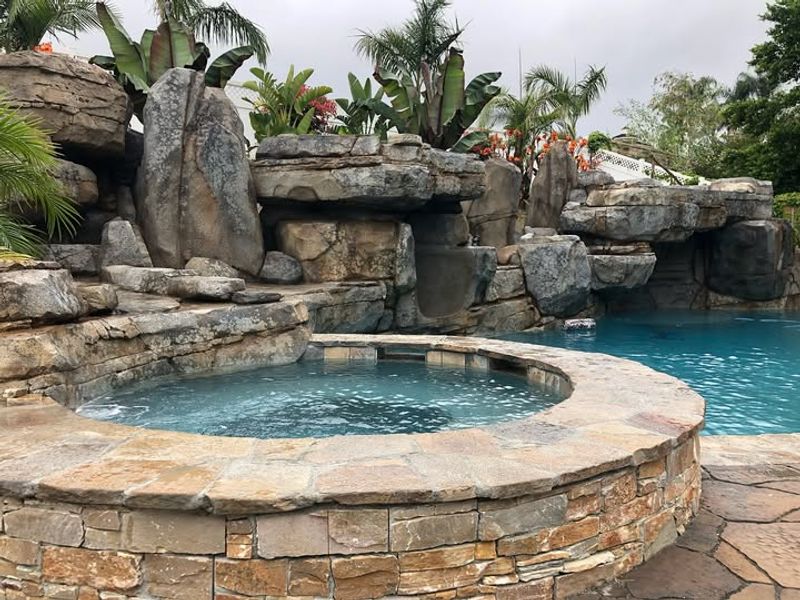
Constructing artificial waterfalls involves significant landscaping changes that often trigger permit requirements throughout various Arizona municipalities and counties statewide.
Structural permits ensure that heavy rock installations won’t shift, collapse, or create hazards, especially in areas with unstable soil conditions.
Water recirculation systems require electrical permits for pumps and lighting, plus plumbing permits for water supply and drainage line connections.
Arizona building departments evaluate whether waterfalls might cause erosion, flooding, or drainage problems affecting neighboring properties during monsoon season rains.
Homeowner associations typically review waterfall designs for aesthetic compatibility with community standards and architectural guidelines before approving construction plans.
Height restrictions might apply to artificial rock features, particularly in communities with strict landscaping codes designed to maintain uniform appearances.
Some Arizona cities require engineering reports for waterfalls exceeding certain heights, ensuring stability and safety through professional structural analysis and calculations.
Noise considerations matter too, since cascading water can disturb neighbors, especially during nighttime hours when ambient noise levels drop significantly.
Obtaining proper approvals protects you from forced removal or expensive modifications if inspectors discover unpermitted construction during routine neighborhood checks.
5. Koi Ponds and Large Water Gardens

Koi ponds exceeding certain depths or surface areas typically require permits because they represent permanent landscape alterations with potential safety concerns.
Arizona municipalities worry about mosquito breeding in stagnant water, so permit applications often require proof of adequate filtration and circulation systems.
Electrical permits cover pond pumps, filters, aerators, and lighting systems that keep fish healthy while creating attractive nighttime ambiance for homeowners.
Fencing requirements might apply to deeper ponds, particularly in neighborhoods where young children could accidentally fall into water features unsupervised.
Homeowner associations frequently regulate pond size, location, and appearance to ensure water features complement rather than clash with community aesthetics.
Water usage becomes a consideration in drought-prone Arizona, with some communities limiting pond sizes or requiring water conservation measures like covers.
Setback regulations determine how close ponds can sit to property boundaries, preventing water seepage or structural issues affecting neighboring properties nearby.
Some Arizona cities require wildlife management plans for ponds attracting birds, frogs, or other animals that might create noise or nuisance complaints.
Proper permits ensure your pond investment remains legal and adds property value rather than becoming a liability during home sales later.
6. Swim Spas and Endless Pools
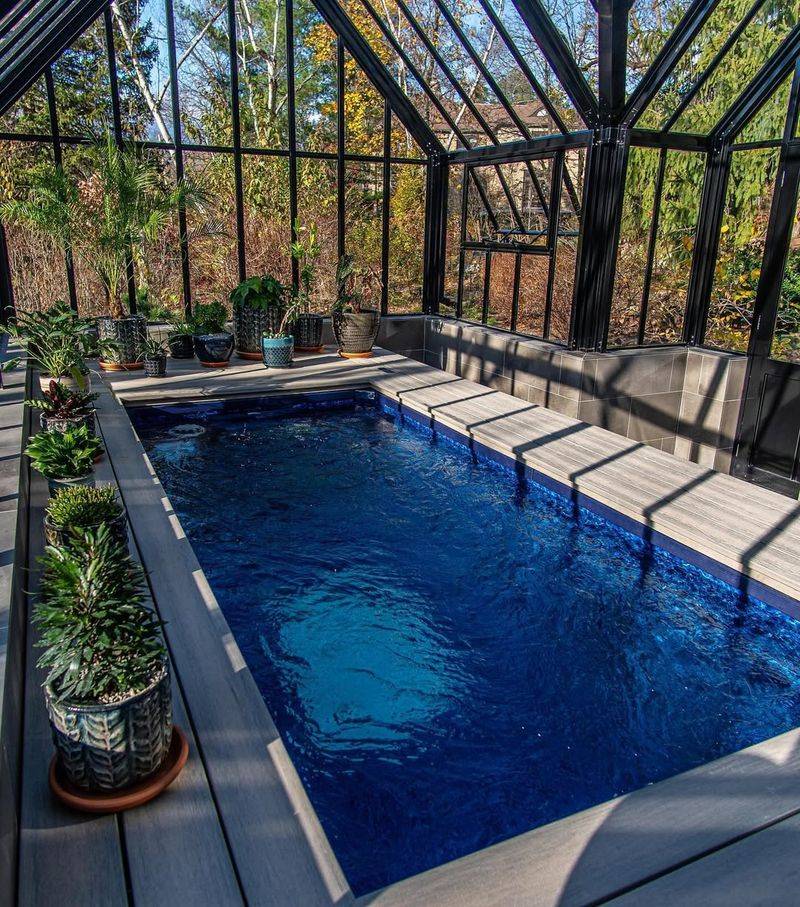
Swim spas combine exercise equipment with water features, creating unique permit challenges since they function as both pools and therapeutic devices.
Arizona building departments treat swim spas similarly to traditional pools, requiring structural permits to verify proper installation and foundation support capacity.
Electrical permits ensure safe 220-volt connections for powerful jets and heating systems that operate continuously throughout the year in desert climates.
Plumbing permits cover water supply lines, drainage systems, and backflow prevention devices that protect municipal water supplies from contamination risks.
Homeowner associations might classify swim spas differently than regular pools, potentially allowing different placement options or relaxed fencing requirements depending on regulations.
Some Arizona communities require engineering reports for above-ground swim spa installations, especially when placed on elevated decks or existing patio structures.
Setback requirements determine placement relative to property lines, with many jurisdictions requiring several feet of clearance for maintenance access and safety.
Noise ordinances might apply since swim spa jets create substantial sound levels that could disturb neighbors during early morning or evening hours.
Skipping permits risks insurance coverage gaps, potentially leaving homeowners liable for accidents or injuries occurring in unpermitted water features on properties.
7. Pondless Waterfall Systems
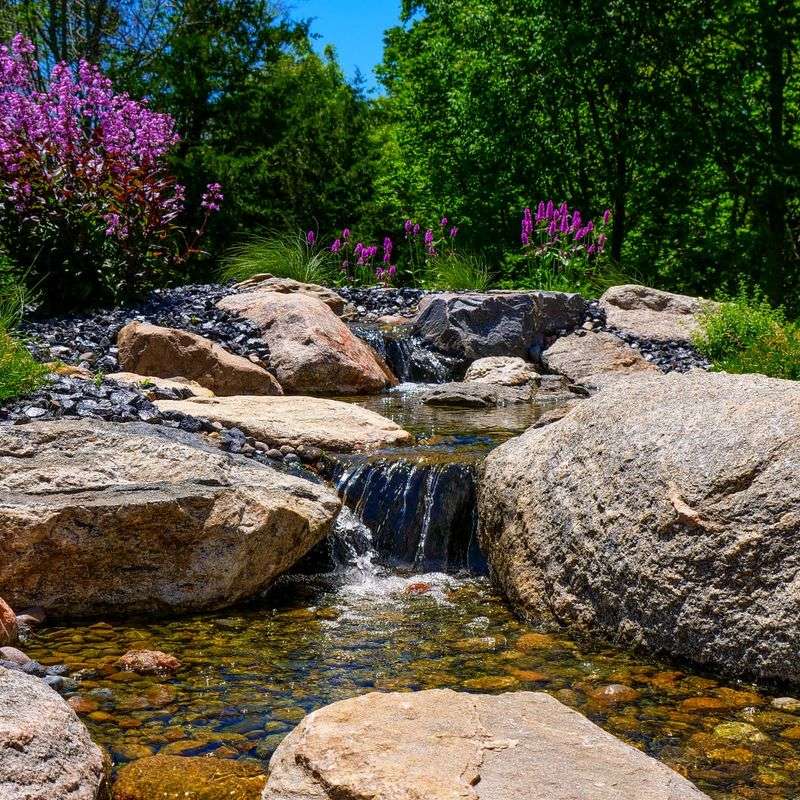
Pondless waterfalls seem simpler than traditional ponds, but they still require permits in many Arizona cities due to plumbing and electrical components.
Building permits verify that underground reservoirs are properly installed with adequate drainage to prevent water accumulation that could damage foundations or landscapes.
Electrical permits cover pump systems and lighting installations, ensuring safe outdoor electrical work that withstands Arizona’s extreme temperature fluctuations and weather.
Homeowner associations review pondless waterfall designs for aesthetic compatibility, often requiring natural-looking installations that blend with existing desert landscaping themes.
Arizona municipalities evaluate whether water features might create runoff problems during heavy rains, potentially requiring drainage plans that protect neighboring properties.
Some communities have specific regulations about water feature noise levels, requiring homeowners to demonstrate compliance with decibel limits before granting approvals.
Setback requirements determine how close pondless systems can sit to property boundaries, sidewalks, or structures, varying significantly between different Arizona jurisdictions.
Water conservation concerns lead some cities to regulate pondless waterfall sizes or require automatic shutoff timers that reduce unnecessary water circulation.
Obtaining proper permits protects your investment and ensures your beautiful water feature remains legal and compliant with all applicable regulations permanently.
8. Stream Beds and Water Channels
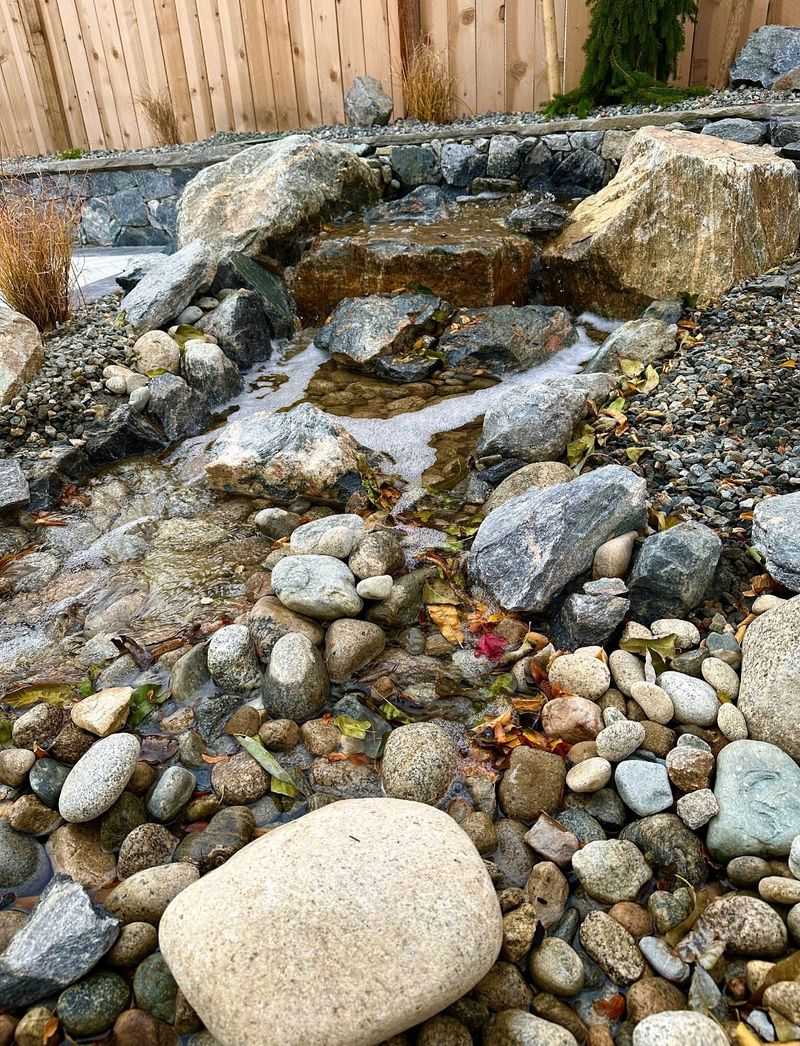
Artificial stream beds that carry water across your property often require permits because they alter natural drainage patterns and affect water flow.
Arizona building departments evaluate whether stream installations might cause erosion, flooding, or drainage problems impacting neighboring properties during monsoon season storms.
Electrical permits become necessary when streams include pumps for water circulation or lighting systems that illuminate flowing water during evening hours.
Plumbing permits cover water supply connections and drainage systems that prevent streams from creating standing water that breeds mosquitoes or causes odors.
Homeowner associations typically review stream bed designs for aesthetic consistency with community standards, often requiring natural appearances that complement desert landscapes.
Some Arizona cities require engineering studies for longer stream installations, ensuring proper slope calculations and erosion control measures throughout the feature.
Setback regulations determine stream placement relative to property lines, preventing water from flowing onto neighboring lots and creating disputes or damage.
Water rights become complicated in Arizona, where some jurisdictions regulate any water movement across properties, even decorative streams using recirculated water.
Proper permits ensure your stream bed enhances property value legally rather than creating code violations that require expensive modifications or removal later.
9. Splash Pads and Play Water Features
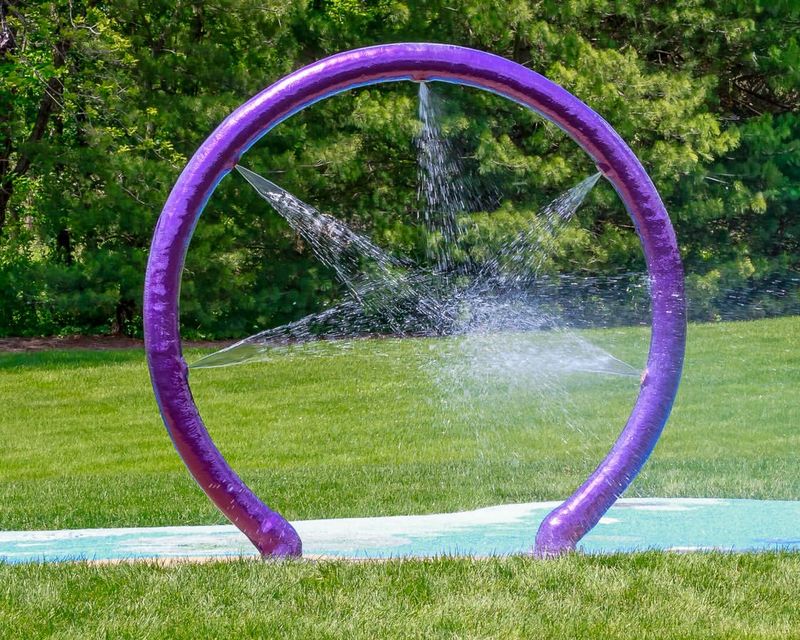
Splash pads designed for children’s play require permits because they involve complex plumbing, electrical systems, and safety considerations that protect young users.
Arizona building codes mandate proper drainage systems that prevent standing water, which creates slip hazards and breeds mosquitoes in warm desert climates.
Electrical permits ensure ground fault protection for all water feature components, preventing dangerous electrical shocks when children play in wet areas.
Plumbing permits cover water supply lines, recirculation systems, and backflow prevention devices that keep drinking water safe from contamination by recreational water.
Homeowner associations often regulate splash pad appearances, sizes, and operating hours to minimize noise complaints from neighbors living in surrounding homes.
Some Arizona communities require fencing around splash pads just like pools, especially when water depths exceed certain measurements or features attract neighborhood children.
Health department approvals might be necessary for splash pads with standing water or shared water systems that could spread bacteria between users.
Setback requirements determine splash pad placement relative to property boundaries, ensuring adequate space for drainage and preventing water spray from reaching neighbors.
Obtaining proper permits protects children’s safety and shields homeowners from liability if accidents occur on unpermitted recreational water features installed improperly.
10. Rainwater Harvesting Systems with Decorative Features
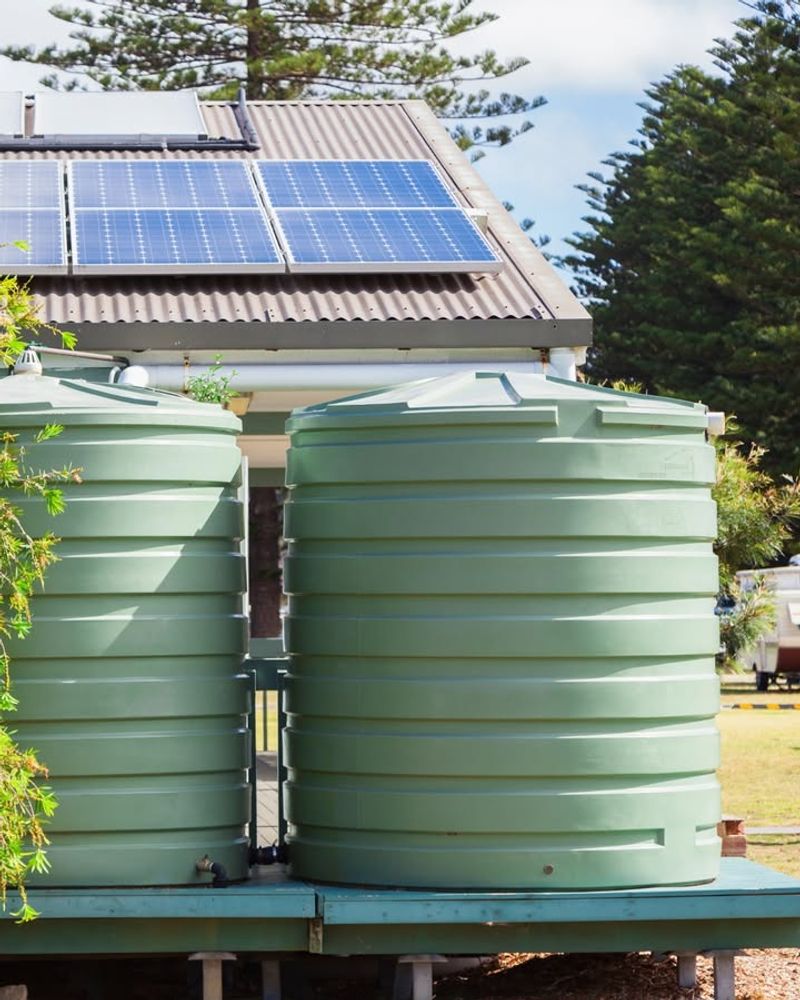
Rainwater harvesting systems incorporating decorative water features require permits because they involve plumbing modifications and potential structural changes to properties.
Arizona building departments regulate cistern installations to ensure proper structural support for heavy water storage containers that can weigh thousands of pounds.
Plumbing permits cover connections between roof gutters, storage tanks, and any decorative overflow features that activate during heavy monsoon rainfall events.
Electrical permits become necessary when systems include pumps for water distribution or lighting that highlights decorative aspects of rainwater collection features.
Homeowner associations might restrict cistern visibility or require screening to hide storage containers that don’t match community aesthetic standards and guidelines.
Some Arizona municipalities offer permit fee waivers or expedited processing for rainwater harvesting systems that promote water conservation and sustainable practices.
Health codes regulate how harvested rainwater can be used, particularly when systems include features that might create confusion about potable versus non-potable water.
Setback requirements determine cistern placement relative to property lines and structures, ensuring adequate access for maintenance while preventing water damage to foundations.
Proper permits ensure your eco-friendly water feature complies with regulations while qualifying for potential rebates or tax incentives offered in Arizona.