8 Ways Oregon Gardeners Are Ending Slug Problems Before Spring Arrives
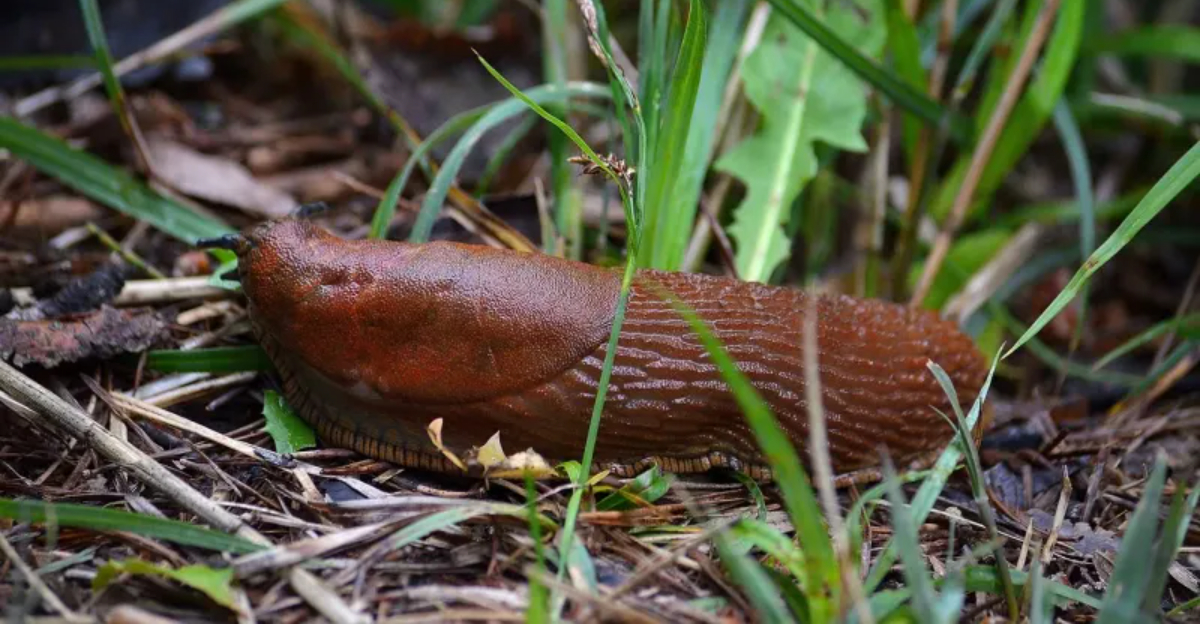
If you’ve ever gone out to check on your garden after a rainy Oregon day and noticed little slime trails where plants should be, you know the feeling, a mix of frustration and “here we go again.”
I’ve definitely had those mornings, thinking, “How do I keep these little pests from taking over?”
Slugs are sneaky, persistent, and they thrive in our cool, wet climate, making spring prep a little tricky.
But here’s the good news. A few smart, early steps can make a huge difference before the season really kicks in.
From checking for hiding spots to setting up barriers, natural deterrents, and smart watering habits, there are ways to get ahead of them so your plants stay healthy.
Taking action now can save a lot of headaches later – and keep your garden looking great when everything starts growing again.
Slugs don’t have to win this spring!
1. Winter Garden Cleanup Removes Slug Hiding Spots
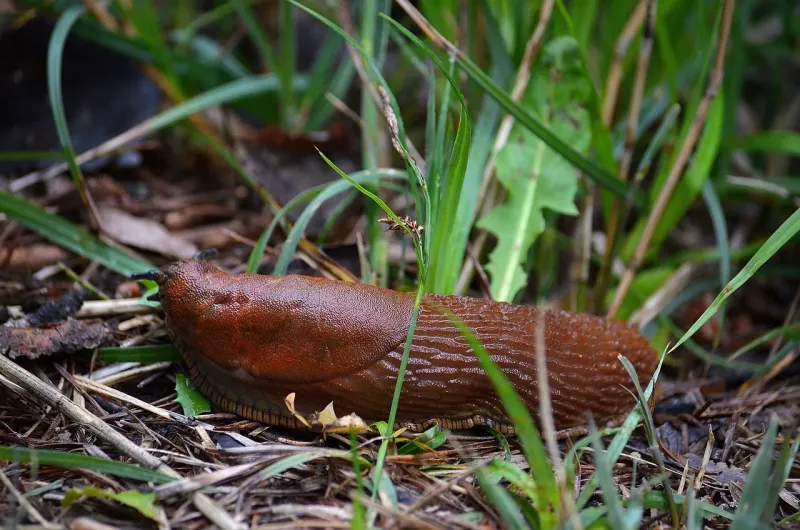
Slugs love to hide under piles of leaves, boards, and garden debris during the day.
When you remove these cozy hiding places in winter, you force slugs out into the open where they become vulnerable to cold temperatures and predators.
Start by raking up fallen leaves from garden beds and pathways.
Check under pots, stepping stones, and any wood or cardboard sitting on the ground.
These spots stay damp and protected, making them perfect slug hotels.
Clear away dead plant material from last season, especially thick stems and large leaves that create sheltered spaces underneath.
Stack firewood away from garden areas, and store empty pots upside down or in a shed.
Even removing weeds helps, since their root systems and leaf cover provide additional shelter.
Once you clean up, slugs have fewer places to hide during daylight hours.
They become more exposed to birds, ground beetles, and other natural predators that help keep populations under control.
This simple step costs nothing and takes just an afternoon, but it makes a huge difference in how many slugs survive until spring.
Many Oregon gardeners report seeing far fewer slugs after a thorough winter cleanup.
Your garden looks tidier too, which makes planning spring plantings much easier and more enjoyable.
2. Copper Tape Barriers Block Entry To Raised Beds

Have you noticed how slugs avoid certain surfaces?
Copper creates a mild electrical charge when slug slime touches it, and this sensation stops them in their tracks.
Gardeners attach copper tape around the edges of raised beds, creating a protective barrier that slugs refuse to cross.
You can buy copper tape at most garden centers or online.
It comes with adhesive backing that sticks to wood, plastic, or metal surfaces.
Measure the perimeter of your raised beds and cut strips to fit.
Apply the tape about two inches below the top edge of the bed, making sure it forms a complete, unbroken circle.
Any gaps will give slugs a way through, so overlap the ends slightly.
Winter is the perfect time to install copper barriers because your beds are mostly empty and easy to access.
Your Oregon Garden Changes Every Week. Your Plan Should Too.
Gardening in Oregon changes quickly throughout the season. Every Friday you’ll receive a simple weekly plan showing exactly what to plant, prune, fertilize, harvest, and protect so you never miss the right timing.
The tape lasts for several years if you choose thick, high-quality copper.
Some gardeners also wrap copper tape around individual pots or the trunks of young plants for extra protection.
This method works especially well for protecting lettuce, hostas, and other slug favorites.
Once spring arrives, your barriers are already in place, and you can transplant seedlings with confidence knowing slugs cannot reach them easily.
3. Diatomaceous Earth Creates Protective Zones Around Plants
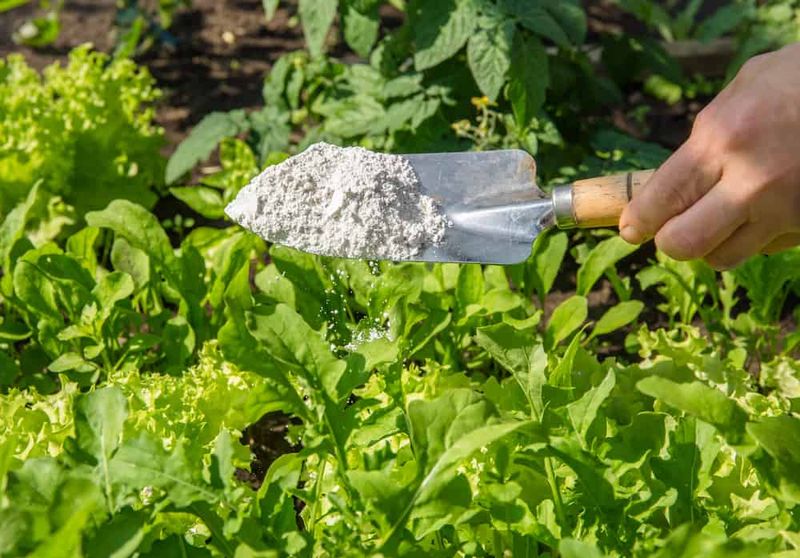
Picture tiny fossilized algae with sharp, microscopic edges.
That’s diatomaceous earth, and while it feels soft to humans, it acts like broken glass to soft-bodied slugs.
When slugs try to crawl over it, the sharp particles damage their skin, causing them to dry out and retreat.
You can sprinkle food-grade diatomaceous earth around the base of plants or in circles around garden beds.
Apply it on dry days because rain washes it away and reduces its effectiveness.
During Oregon’s drier winter weeks, this gives you windows of opportunity to create protective barriers.
Reapply after heavy rain or every few weeks to maintain protection.
Focus on areas where you plan to put early spring transplants or where you notice the most slug activity.
The powder works best when applied in a band about two to three inches wide.
Make sure to wear a dust mask when spreading it, since the fine particles can irritate your lungs if you breathe them in.
Many gardeners combine diatomaceous earth with other methods for stronger protection.
It costs relatively little and a single bag covers a large area.
By starting in winter, you reduce the slug population before they can reproduce in spring.
4. Beer Traps Catch Slugs Before They Multiply
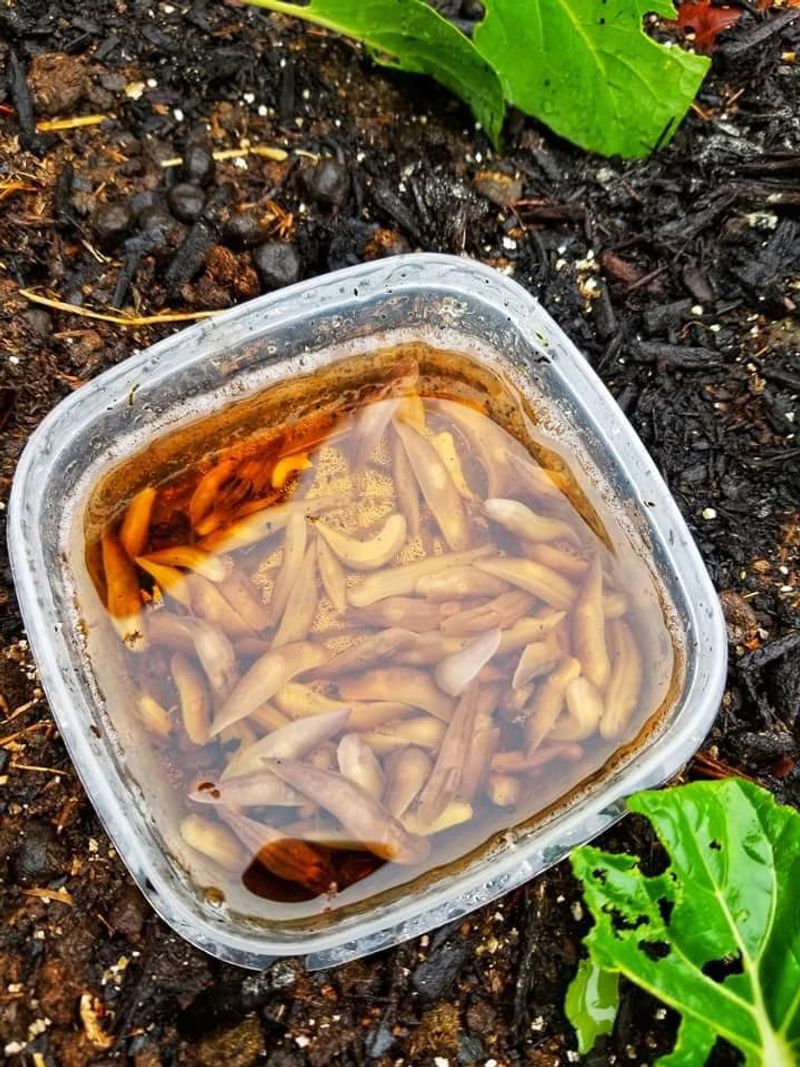
Slugs are attracted to the yeast and sugar in beer, making it an effective bait.
Gardeners bury shallow containers in the soil, fill them with beer, and wait for slugs to crawl in.
Once inside, the slugs cannot climb back out.
You can use old yogurt containers, tuna cans, or specially designed slug traps from garden stores.
Dig a hole so the rim sits level with the soil surface.
Fill the container about halfway with cheap beer (expensive craft beer works no better than budget brands).
Check traps every few days and empty them as needed.
Refill with fresh beer to keep them attractive to slugs.
Winter is a smart time to set up beer traps because you catch slugs before they lay hundreds of eggs in spring.
Each slug you trap now means far fewer slugs later.
Place traps near areas where you see the most slug damage or along garden edges where slugs enter from surrounding vegetation.
Some gardeners add a small amount of water to make the beer last longer.
Rain can dilute the beer, so you may need to refresh traps more often during wet weather.
This method requires regular maintenance but proves highly effective when done consistently throughout late winter.
5. Crushed Eggshells Form Sharp Barriers Slugs Avoid
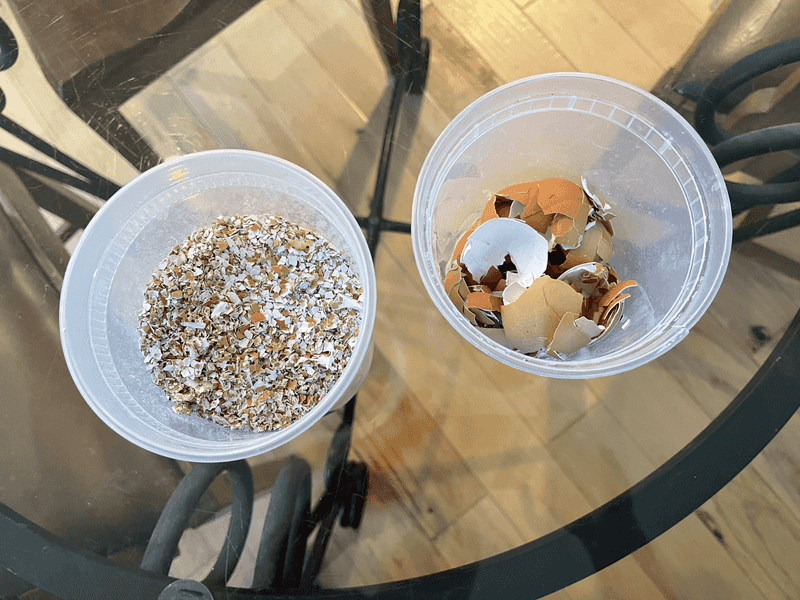
Instead of throwing away eggshells, savvy gardeners rinse them, let them dry, and crush them into small pieces.
The sharp edges create an uncomfortable surface that slugs prefer not to cross.
Start saving eggshells in winter so you have plenty ready by early spring.
Once you collect a good amount, crush them using a rolling pin or pulse them briefly in a blender.
You want pieces about the size of your pinky fingernail.
Too fine and they lose their effectiveness, too large and slugs can navigate around them.
Spread crushed eggshells in a band around vulnerable plants or along the edges of garden beds.
Make the barrier at least two inches wide for best results.
Eggshells also add calcium to your soil as they break down, which benefits tomatoes and other plants prone to blossom end rot.
This double benefit makes eggshells a favorite among organic gardeners.
Rain can wash shells away over time, so you may need to add more every few weeks.
Some gardeners combine eggshells with coffee grounds or diatomaceous earth for extra protection.
The method costs nothing since you use kitchen waste, and it reduces landfill contributions while protecting your garden naturally.
6. Encouraging Natural Predators Reduces Slug Populations
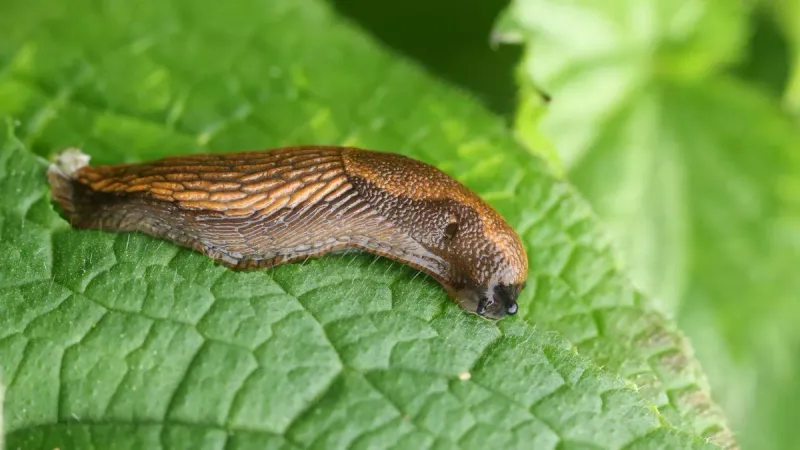
Did you know that ground beetles, birds, frogs, and even some snakes eat slugs?
Creating a garden environment that welcomes these helpful creatures gives you free, natural slug control that works around the clock.
Birds like robins and thrushes love to hunt for slugs, especially in the early morning.
You can encourage them by providing bird baths, native shrubs for shelter, and avoiding chemical pesticides that harm insects birds feed on.
Ground beetles are slug-eating champions, but they need places to hide during the day.
Leave some stones, logs, or small brush piles in quiet corners of your garden to give them shelter.
Frogs and toads also eat slugs and appreciate having a small water source and damp hiding spots.
Even a shallow dish of water can help.
Winter is a good time to create these habitats because wildlife will discover and use them before spring arrives.
The more diverse your garden ecosystem becomes, the better it self-regulates pest problems.
Predators naturally keep slug numbers in check without any effort from you.
This approach takes patience because it builds over time, but once established, it provides ongoing protection year after year.
7. Reducing Excess Moisture Makes Gardens Less Slug-Friendly
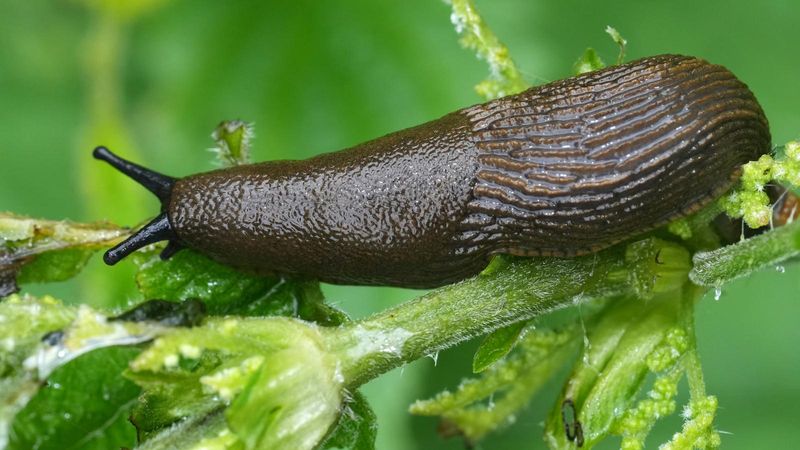
Slugs need moisture to survive, and Oregon winters provide plenty of it.
However, you can still make small changes that reduce the dampness in your garden beds.
Good drainage prevents water from pooling where slugs congregate.
Check your garden beds for low spots where water collects after rain.
Add compost or soil to level these areas and improve drainage.
If you have heavy clay soil, mixing in organic matter helps water move through more easily.
Avoid overwatering during winter, even though plants need less water in cooler months.
Many gardeners accidentally create perfect slug habitats by keeping soil too wet.
Consider improving pathways between beds so water runs off instead of soaking in.
Gravel or mulched paths dry faster than bare soil and give slugs fewer damp places to travel.
Space plants appropriately so air circulates between them, which helps soil surfaces dry out during breaks in the rain.
Dense plantings trap moisture and create humid microclimates that slugs adore.
These adjustments take some work in winter, but they pay off by making your entire garden less attractive to slugs throughout the year.
Drier conditions also reduce fungal diseases, giving your plants an extra health boost.
8. Applying Organic Slug Pellets Before Spring Rush
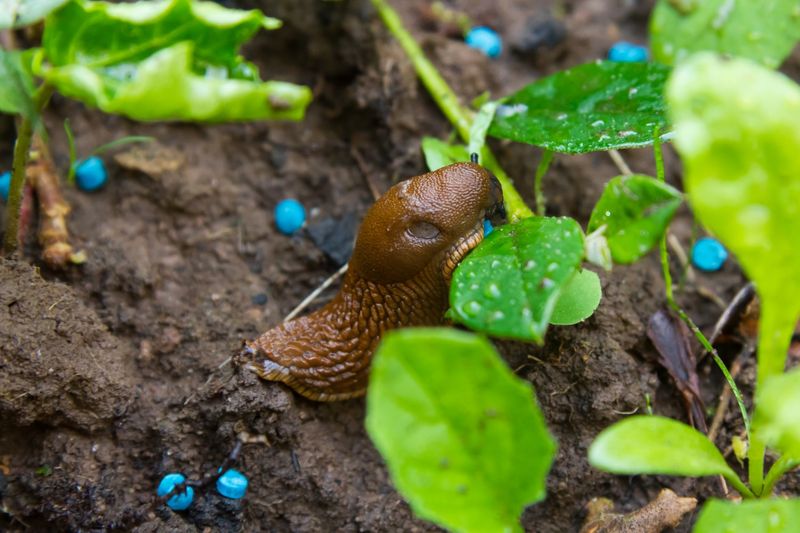
Not all slug controls involve chemicals that harm other wildlife.
Organic slug pellets containing iron phosphate offer an effective option that breaks down safely into soil nutrients.
Unlike older products that contained toxic chemicals, iron phosphate pellets only affect slugs and snails.
Birds, pets, and beneficial insects can safely encounter them.
Slugs eat the pellets, stop feeding, and crawl away to hide.
You scatter the pellets around plants or along garden bed edges according to package directions.
Winter application makes sense because you target slugs before they lay eggs.
Each slug you stop now prevents hundreds of potential offspring.
The pellets remain effective even after light rain, though heavy downpours may require reapplication.
Look for products certified for organic gardening if you maintain organic practices.
Many Oregon gardeners use iron phosphate pellets as part of a broader strategy that includes barriers, traps, and habitat management.
Combining multiple methods gives better results than relying on any single approach.
Apply pellets every few weeks through late winter and early spring for continuous protection.
Store unused pellets in a dry place to maintain their effectiveness.
This method requires purchasing products, but the cost remains reasonable and results prove reliable.