9 Reasons Winter Is The Smartest Time To Improve Oregon Garden Soil
When most people think about gardening, winter feels like a quiet pause as the ground is cold, wet, and often messy, and it’s tempting to leave it alone until spring.
I used to think the same way, staring at soggy soil and wondering if there was any point in doing anything.
But over time, I’ve realized that winter is actually one of the smartest times to improve your Oregon garden soil.
With fewer plants in the ground, cooler temperatures, and plenty of rain, the soil is easier to work with in certain ways, and the changes you make now set you up for a stronger, healthier garden in the spring.
From adding organic matter to checking pH or planning raised beds, there are plenty of small steps that make a big difference later.
A little attention now saves a lot of frustration when planting season arrives.
Remember, winter isn’t downtime for your garden.
1. Soil Microbes Stay Active In Oregon’s Mild Winters
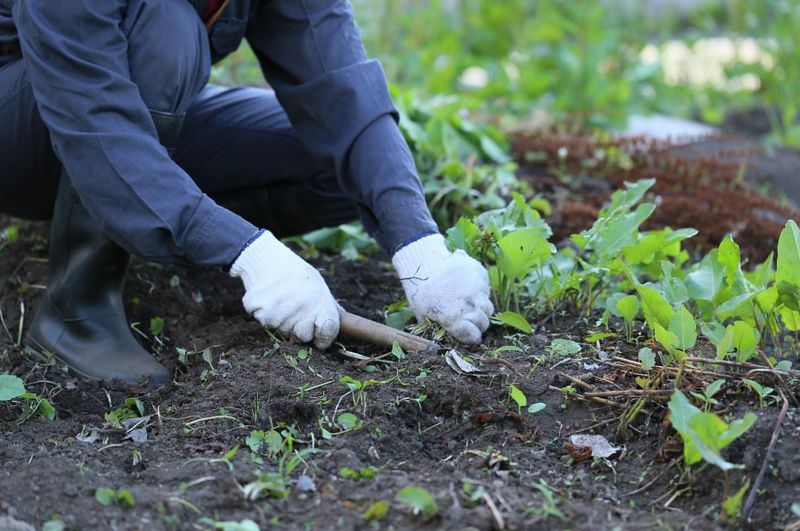
Oregon winters are surprisingly gentle compared to other parts of the country.
Temperatures often hover above freezing, which means the tiny organisms living in your soil stay busy breaking down organic matter.
These microbes are like little soil factories, turning compost and amendments into nutrients your plants can actually use.
When you add compost, aged manure, or other organic materials in winter, microbes get to work right away.
By spring, all that good stuff has already started transforming into rich, plant-ready nutrients.
If you wait until spring to add amendments, your plants have to compete with the breakdown process.
Winter gives microbes months of uninterrupted time to do their thing.
This head start means your soil is primed and ready when you plant your first seeds.
You also avoid the risk of burning tender roots with fresh materials.
The slow, steady decomposition that happens over winter creates a balanced soil ecosystem.
Plus, you can layer on thick amounts of compost without worrying about overwhelming your plants.
Think of it as giving your soil a long, nourishing meal instead of a quick snack.
2. Rain Does The Heavy Lifting For You
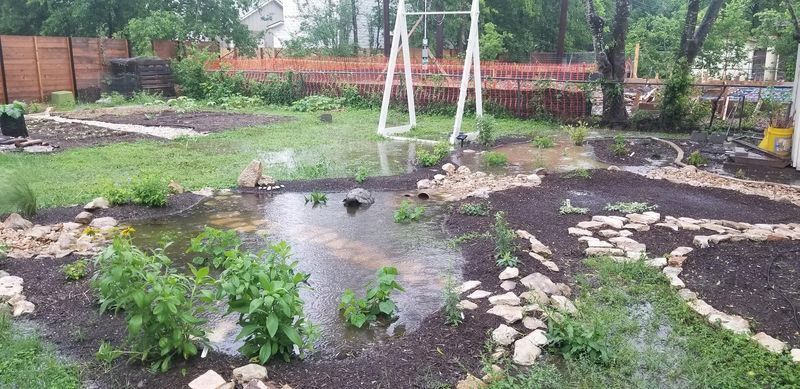
Oregon gets plenty of rain during the winter months, and that water is incredibly useful for soil improvement.
When you spread amendments like lime, gypsum, or rock dust, rain slowly washes those materials down into the soil layers.
This natural watering system works better than any hose or sprinkler because it happens gradually and evenly.
Amendments get distributed throughout the root zone without you lifting a finger.
Rain also helps break down larger chunks of compost and organic matter, speeding up the decomposition process.
If you add these materials in summer, you would need to water constantly to get the same effect.
Winter rain saves you time, effort, and money on your water bill.
The moisture also keeps your soil from compacting as much when you walk on it.
Wet soil is easier to work with than bone-dry summer dirt.
You can dig, turn, and mix amendments without creating dust clouds or straining your back.
Your Oregon Garden Changes Every Week. Your Plan Should Too.
Gardening in Oregon changes quickly throughout the season. Every Friday you’ll receive a simple weekly plan showing exactly what to plant, prune, fertilize, harvest, and protect so you never miss the right timing.
Mother Nature basically does half the work for you during these rainy months.
Just be sure to avoid working soil when it’s completely saturated and muddy.
3. Freezing And Thawing Breaks Up Compacted Soil
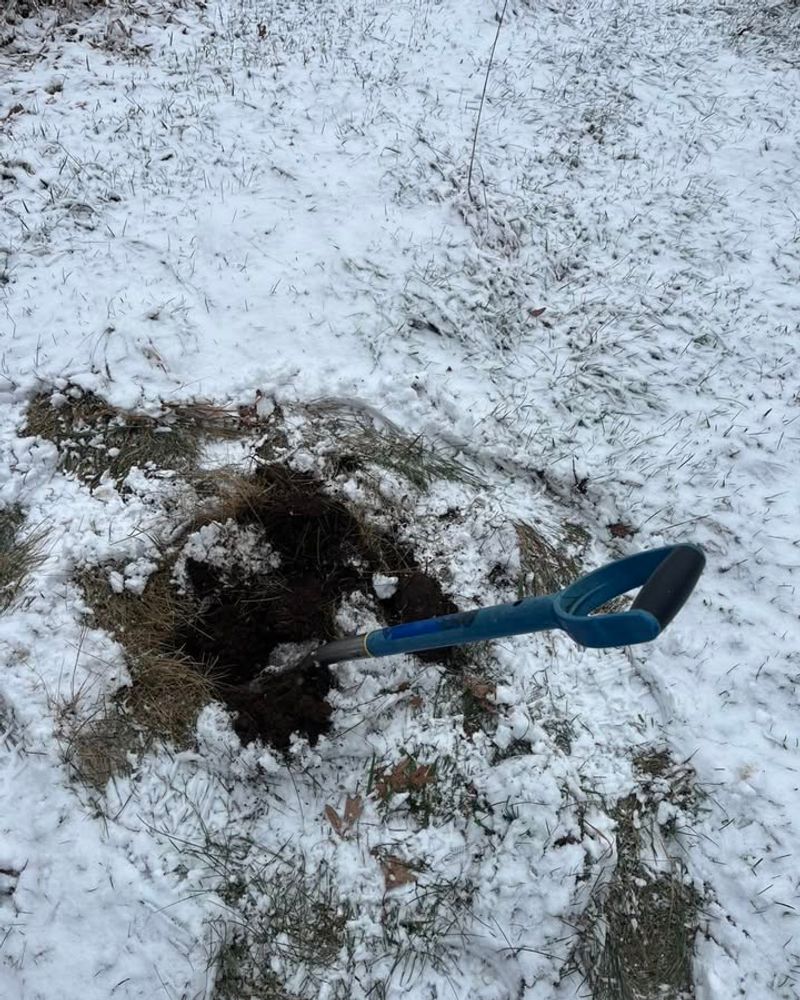
Even though Oregon winters are mild, we still get occasional freezes, especially in the mornings.
These freeze-thaw cycles are actually fantastic for your soil structure.
When water in the soil freezes, it expands and creates tiny cracks and air pockets.
Then when it thaws, the soil settles into a looser, more crumbly texture.
This natural process breaks up hard, compacted areas that would otherwise require tons of manual labor.
Clay soils especially benefit from this winter magic.
Heavy clay that seems impossible to work in summer becomes much more manageable after a winter of freeze-thaw action.
You can take advantage of this by spreading compost on top of compacted areas before the coldest part of winter.
The organic matter works its way into those newly created cracks and spaces.
By spring, your soil has better drainage, more air flow, and healthier structure overall.
Plants can push their roots through easier, which means stronger growth and better harvests.
This is one of those times when doing less work actually gets you better results.
4. Cover Crops Have Time To Establish Strong Roots
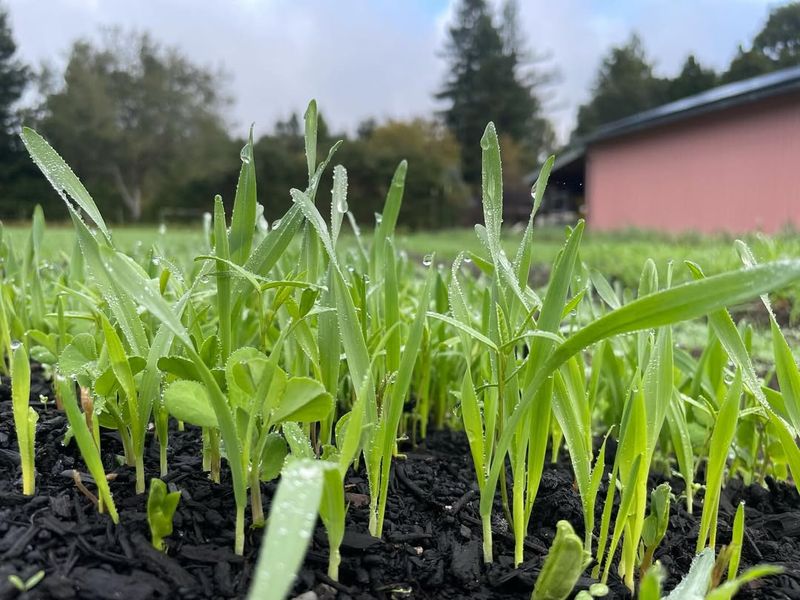
Planting cover crops in fall or early winter gives them several months to grow before spring planting season.
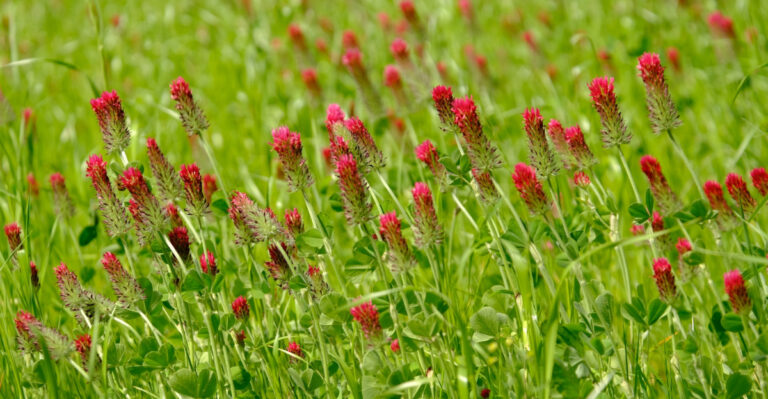
These plants, like crimson clover, winter rye, or fava beans, develop deep root systems that break up compacted soil layers.
Their roots create channels that improve drainage and let air reach deeper into the ground.
When you turn cover crops into the soil in early spring, all that green plant material becomes rich organic matter.
This process, called green manuring, adds nitrogen and other nutrients back into your beds.
Cover crops also prevent erosion during Oregon’s heavy winter rains.
Bare soil gets washed away, but cover crops hold everything in place with their roots.
They also outcompete weeds, so you have fewer unwanted plants to deal with come spring.
Some cover crops, like legumes, actually pull nitrogen from the air and store it in their roots.
This free fertilizer becomes available to your vegetables and flowers after you turn the cover crop under.
Starting cover crops in winter gives them maximum time to grow and do their job.
You end up with healthier soil and less work during the busy spring rush.
5. Compost Piles Break Down Faster In Winter Moisture
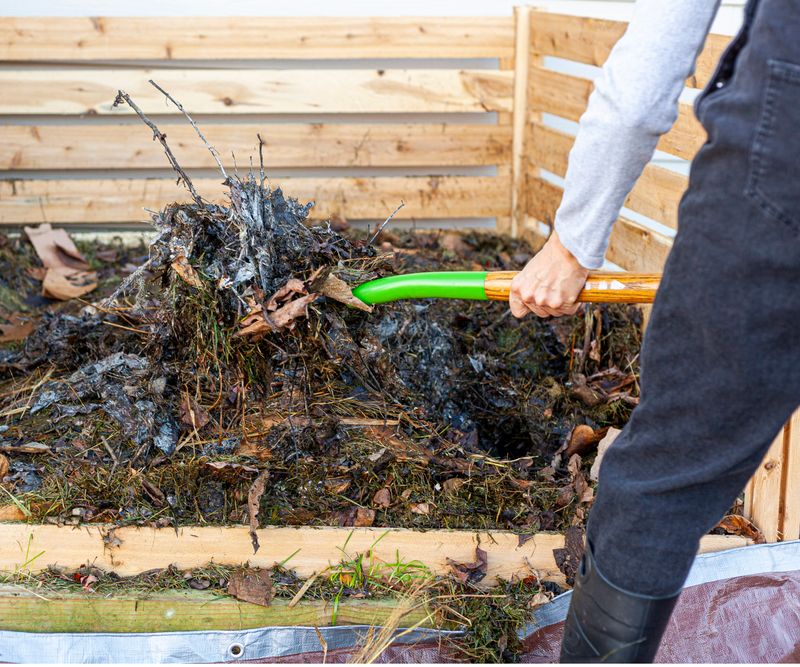
Many gardeners assume compost piles slow down or stop working in winter, but that’s not true in Oregon.
Our mild, wet winters actually create ideal conditions for composting.
The combination of moisture and moderate temperatures keeps the decomposition process moving along nicely.
You can add all your fall leaves, garden trimmings, and kitchen scraps to the pile knowing they will break down over winter.
By spring, you have fresh, finished compost ready to spread on your beds.
The rain keeps your pile at the perfect moisture level without you needing to water it.
Winter composting also gives you something productive to do with all those fallen leaves and spent plants.
Instead of bagging them up or letting them sit, you turn them into garden gold.
The cooler temperatures mean compost piles smell less and attract fewer pests than summer piles.
You can build up a big stockpile of finished compost during winter months.
Then when spring planting arrives, you have plenty of rich material to mix into your beds.
This timing works out perfectly for busy gardeners who want to maximize their growing season.
6. Soil Testing Results Come Back With Time To Adjust
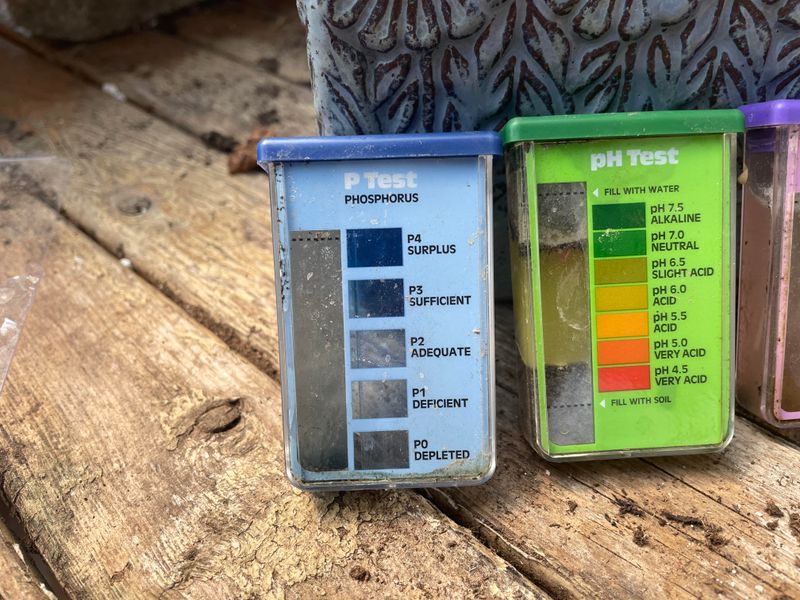
Winter is the perfect time to test your soil and actually have time to fix any problems before planting.
You can send samples to a lab or use a home testing kit to check pH levels and nutrient content.
When you test in winter, you get results back with plenty of time to make adjustments.
If your soil is too acidic, you can add lime and let it work for several months.
If phosphorus or potassium levels are low, you can mix in rock phosphate or greensand.
These amendments need time to break down and become available to plants.
Adding them in winter means they are ready to go by spring.
If you wait until spring to test, you might get results back after you have already planted.
Then you are stuck trying to fix problems while plants are growing, which is way harder.
Winter testing also shows you the true baseline of your soil without active plant growth affecting the numbers.
You get a clearer picture of what your soil actually needs.
Plus, you can take your time researching the best amendments and application methods without rushing.
This thoughtful approach leads to better results and healthier plants all season long.
7. Mulch Has Months To Break Down And Enrich Soil
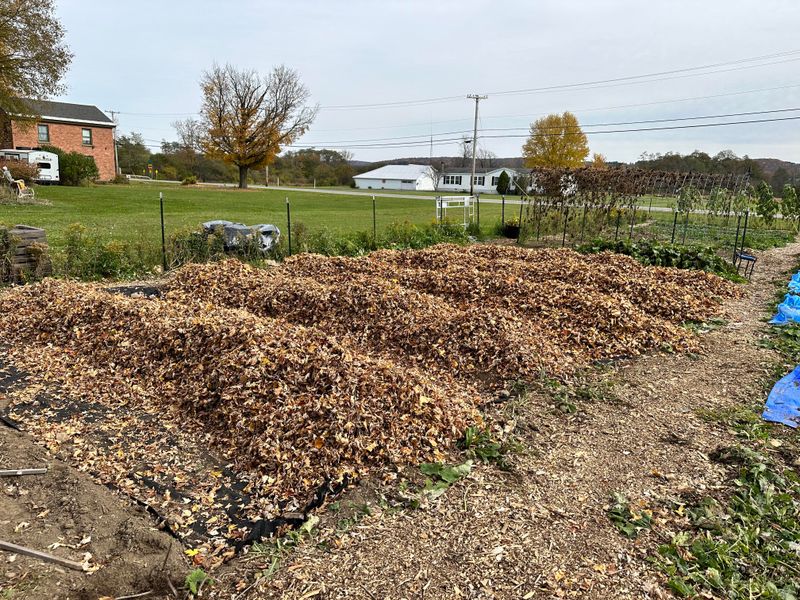
Spreading a thick layer of mulch in winter protects your soil and slowly adds nutrients as it decomposes.
Materials like wood chips, straw, or shredded leaves create a protective blanket over your beds.
This blanket prevents erosion from heavy rains and keeps soil temperatures more stable.
As winter progresses, the bottom layer of mulch starts breaking down and mixing with the soil.
Earthworms and other soil creatures pull bits of organic matter down into the ground.
By spring, your soil has better structure, more organic matter, and improved moisture retention.
Winter mulching also suppresses weeds by blocking light from reaching weed seeds.
You start the growing season with cleaner beds and less competition for your plants.
The slow breakdown of mulch feeds soil microbes throughout the winter months.
These microbes then create nutrients that plants can use right away in spring.
Mulch also moderates soil temperature, preventing rapid freezing and thawing that can damage soil structure.
Applying mulch in winter is easier too because you are not working around growing plants or worrying about smothering tender seedlings.
You can pile it on thick and let nature do the rest.
8. No Plant Roots Means You Can Work Soil Deeply
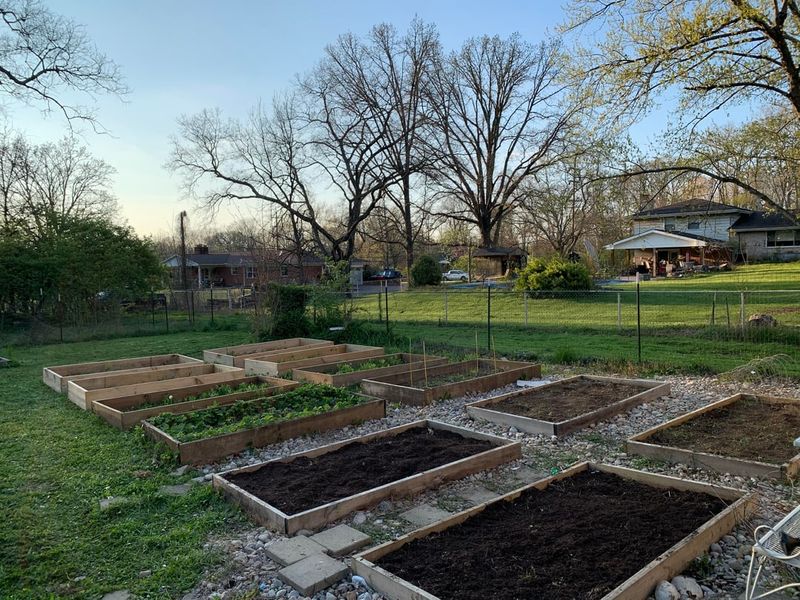
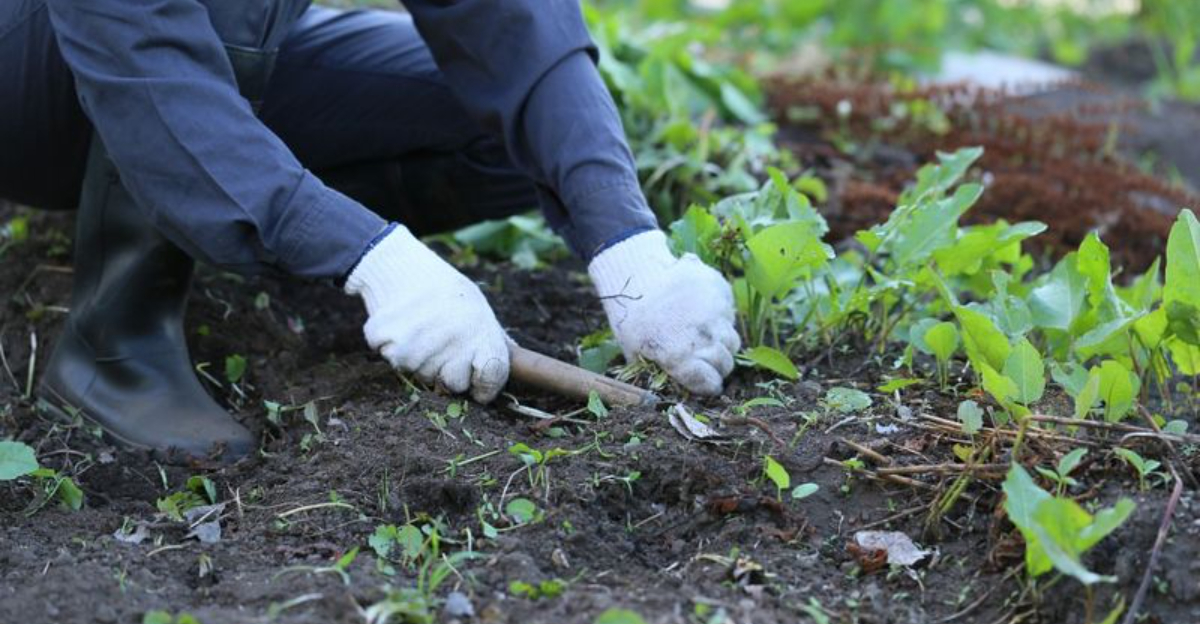
When your beds are empty in winter, you have total freedom to dig, turn, and amend soil without worrying about damaging plants.
You can work compost deeply into the soil layers where roots will eventually reach.
This deep incorporation improves soil structure throughout the entire root zone, not just at the surface.
You can also dig in soil conditioners like perlite, vermiculite, or sand to improve drainage in problem areas.
These materials need to be mixed thoroughly to be effective, which is impossible when plants are growing.
Winter gives you the chance to really transform your soil from top to bottom.
You can create raised beds, reshape existing beds, or even double-dig areas that need serious improvement.
All this work happens without the pressure of planting deadlines or the guilt of disturbing plant roots.
The physical labor is also easier in cool weather than in hot summer sun.
You can take breaks, work at your own pace, and really focus on doing the job right.
By the time spring arrives, your beds are perfectly prepared and ready for planting.
You skip the frantic spring prep work and can focus on the fun part of actually growing things.
9. Organic Amendments Are Cheaper And More Available
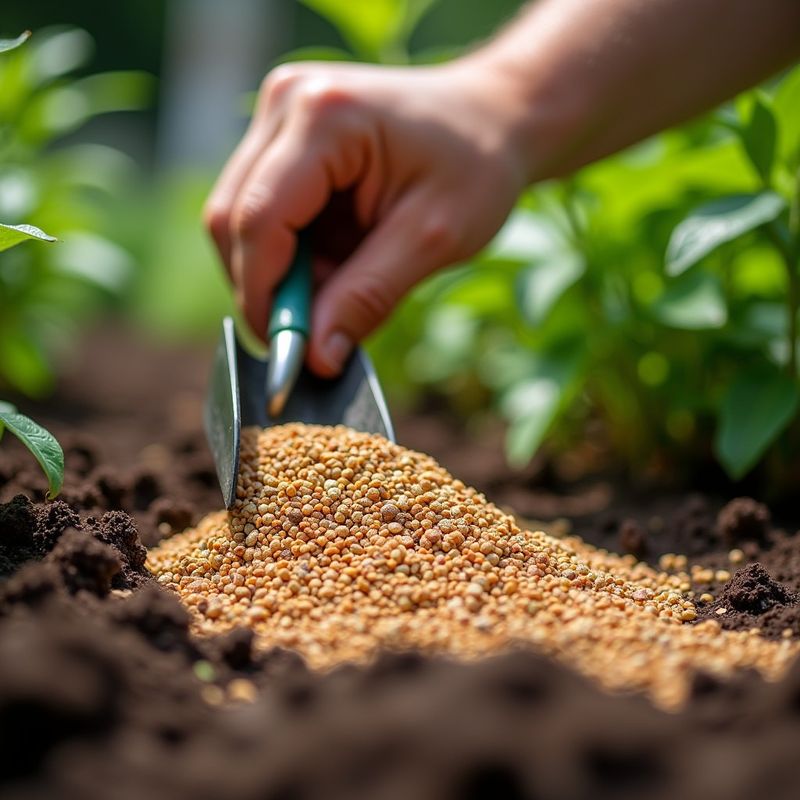
Many garden centers and farms offer great deals on compost, manure, and other soil amendments during winter months.
Demand is lower, so prices often drop compared to the spring rush.
You can stock up on everything you need without competing with crowds of other gardeners.
Farms that raise animals often have aged manure available in winter that they are happy to sell or even give away.
This is prime time to load up your truck or arrange delivery of bulk materials.
You also have time to shop around and compare prices instead of grabbing whatever is available in a spring panic.
Municipal yard waste programs often have free or cheap compost available year-round, but winter means shorter lines and better selection.
You can also make deals with tree services who are looking for places to dump wood chips during their slow season.
Free wood chips make excellent mulch and soil amendments.
Buying or gathering materials in winter means you can store them and let them age even more before using them.
This extra aging time makes amendments even more effective and plant-friendly.
Planning ahead and buying in winter saves you money and ensures you have everything ready when planting season arrives.