Snow Or Bare Cold, Which Is Worse? Here’s Why Snow Is Often Better For Montana Gardens
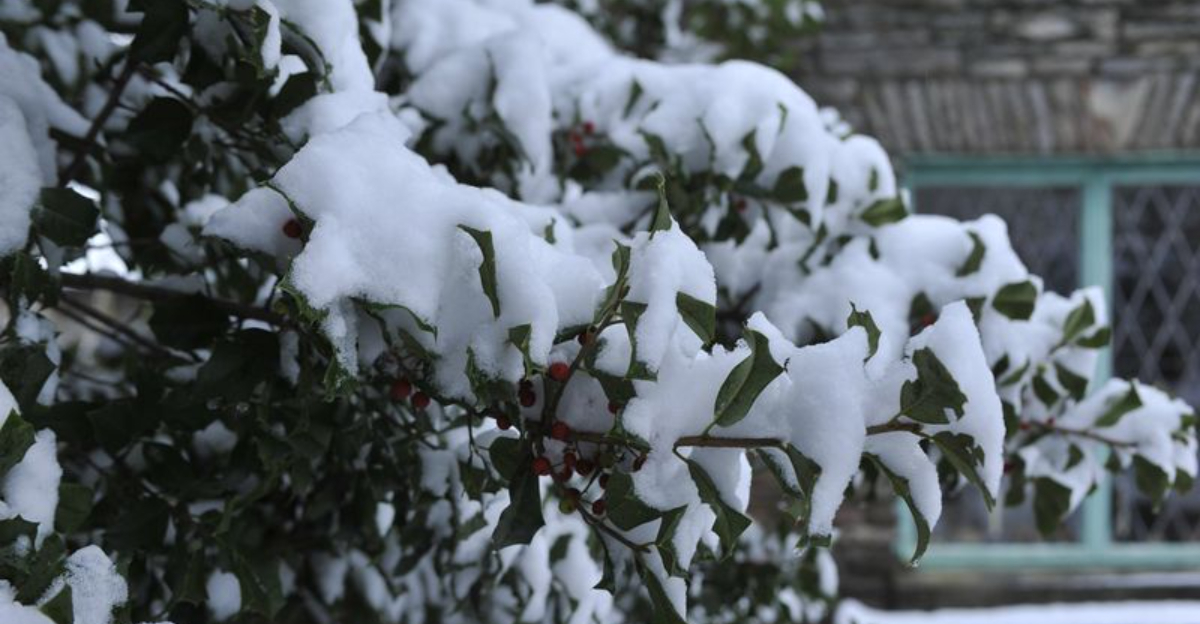
Montana winters are harsh—there’s no sugarcoating it.
Between biting winds, frozen ground, and endless gray days, gardeners often worry about the fate of their plants.
But surprisingly, snow—a seemingly heavy, suffocating blanket—can actually be a lifesaver for your garden.
That thick layer of snow? It’s secretly your plants’ best winter armor.
Snow insulates soil and roots, protecting them from extreme temperature swings that bare ground can’t buffer.
While bare cold leaves plants exposed, vulnerable, and prone to frost damage, a good snow cover acts like a natural blanket, keeping roots warmer and soil moisture steady.
Beyond protection, snow even provides nutrients as it melts, slowly feeding plants and setting the stage for strong spring growth.
Bare cold can stress your garden, but snow quietly nurtures it.
For Montana gardeners, embracing snow instead of fearing it changes the winter mindset entirely.
Understanding its benefits helps you plan, protect, and anticipate a healthier, more resilient garden come spring.
Winter isn’t just a time to hibernate—your plants are thriving under that white cover.
Snow Prevents Sudden Temperature Swings In Soil
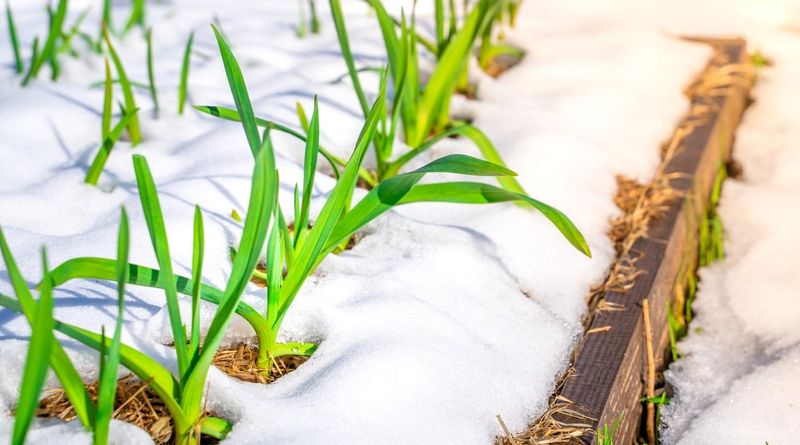
Bare soil exposed to Montana’s wildly fluctuating winter weather experiences rapid freezing and thawing cycles that wreak havoc on plant roots.
One day might bring bright sunshine that warms exposed ground, only to have nighttime temperatures crash again.
These repeated freeze-thaw events cause ice crystals to form and expand in soil, physically damaging delicate root tissues and perennial crowns.
Snow cover acts as a buffer against these dangerous temperature rollercoasters by maintaining consistent conditions beneath its surface.
When snow blankets your garden, the soil underneath stays at a much steadier temperature regardless of what’s happening in the air above.
This stability prevents the destructive expansion and contraction that occurs when water in soil repeatedly freezes and melts.
Plants protected by snow experience far less cellular damage and structural stress than those left exposed to bare cold.
The consistency snow provides is especially crucial for shallow-rooted perennials and newly planted specimens that haven’t developed extensive root systems yet.
Even a modest snow covering of just a few inches can dramatically reduce the severity of temperature swings.
Gardens that maintain snow cover throughout winter typically show healthier plants with stronger root systems come spring.
Snow Protects Plants From Drying Winter Winds
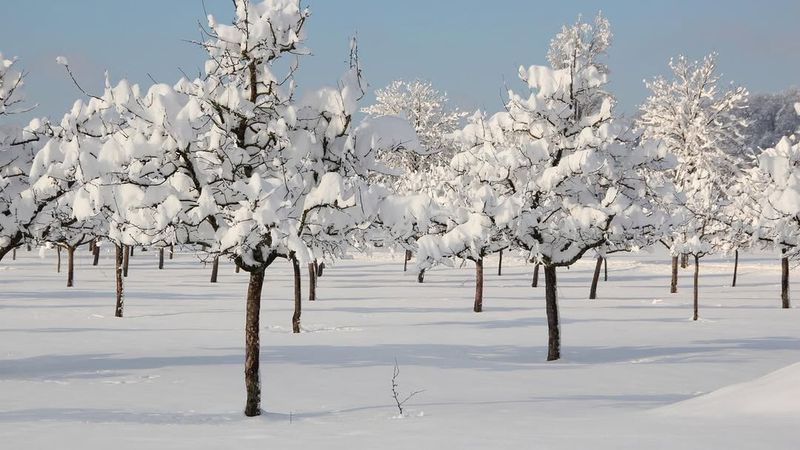
Montana’s winter winds can be absolutely relentless, sweeping across open landscapes and sucking moisture from anything in their path.
Plants lose water through their leaves and stems even during winter, and harsh winds accelerate this moisture loss dramatically.
This process, called desiccation, causes winter burn that shows up as brown, scorched-looking foliage on evergreens and woody plants.
Snow provides a physical barrier that shields plants from these damaging winds, essentially burying them beneath a protective fortress.
Perennials and low-growing shrubs covered by snow remain completely sheltered from wind exposure throughout the coldest months.
Even taller plants benefit when snow accumulates around their bases, protecting lower branches and root crowns from drying gusts.
Without this protection, plants struggle to replace lost moisture because frozen soil prevents roots from absorbing water.
The combination of freezing temperatures, bright sun, and drying winds creates a triple threat that snow effectively neutralizes.
Evergreens like junipers and pines particularly benefit from snow cover that prevents their needles from drying out and browning.
When spring arrives, snow-protected plants emerge with vibrant green foliage rather than the crispy, damaged appearance of wind-battered specimens.
Snow Reduces Frost Heaving Of Perennials
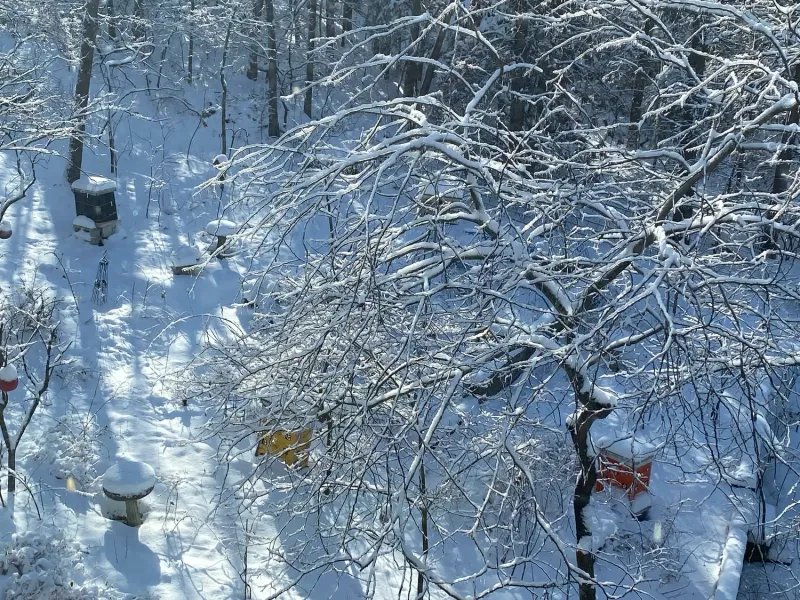
Frost heaving sounds mysterious, but it’s actually a simple yet destructive process that threatens Montana perennials every winter.
When exposed soil freezes and thaws repeatedly, water in the ground expands as it turns to ice, literally pushing soil upward.
This lifting action forces plant roots and crowns right out of the ground, exposing them to freezing air and breaking their connection with surrounding soil.
Heaved plants often don’t survive winter because their roots dry out or freeze once thrust above the soil surface.
Snow cover prevents this problem by keeping soil temperatures stable and reducing the freeze-thaw cycles that cause heaving.
The insulating properties of snow mean the ground underneath stays consistently frozen rather than alternating between frozen and thawed states.
Perennials like hostas, daylilies, and coneflowers remain safely anchored in place when protected by adequate snow coverage.
Even relatively shallow snow depths of four to six inches can significantly reduce heaving damage in garden beds.
Gardeners who walk their beds in early spring often find heaved plants in bare areas while snow-covered sections remain undisturbed.
This protection alone can mean the difference between a thriving perennial garden and one that needs extensive replanting each spring.
Snow Acts As A Natural Insulating Blanket
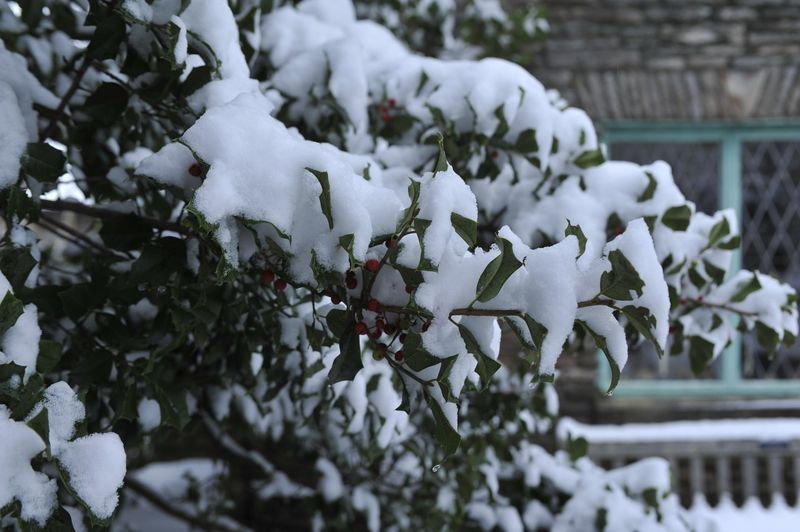
When fresh snow falls and settles over your garden beds, something remarkable happens beneath that fluffy white surface.
Air pockets trapped between snowflakes create an insulating layer that works much like a down comforter for your plants.
This natural barrier keeps the soil temperature surprisingly stable, often hovering right around freezing even when air temperatures plummet far below zero.
Plant roots tucked safely under this snowy shield avoid the harshest temperature extremes that would otherwise penetrate bare ground.
Montana’s notorious cold snaps can send thermometers plummeting to twenty or thirty degrees below zero, but under six inches of snow, soil temperatures remain relatively moderate.
The insulating effect grows stronger as snow depth increases, with deeper accumulations providing even better protection.
Without this protective covering, roots become vulnerable to freezing damage that weakens or harms perennials, shrubs, and bulbs.
Snow essentially wraps your garden in a cozy thermal blanket that moderates temperature swings and creates a stable underground environment.
This simple natural phenomenon makes an enormous difference in plant survival rates throughout Montana’s long, challenging winters.
Gardeners who welcome snow rather than curse it understand this valuable protective benefit.
Snow Preserves Soil Moisture For Spring
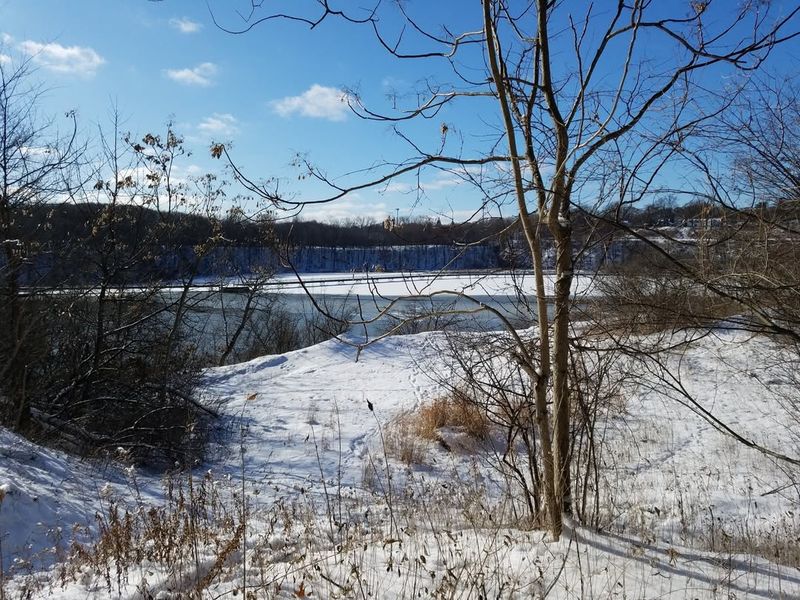
Winter snow serves as a frozen reservoir that stores precious moisture until your garden needs it most.
As temperatures warm in spring, accumulated snow melts gradually, allowing water to soak deeply into soil rather than running off.
This slow, steady rehydration process thoroughly moistens garden beds and replenishes groundwater supplies that plants will draw on throughout the growing season.
Bare ground exposed to winter winds and sun loses moisture through evaporation, leaving soil dry and compacted when spring planting time arrives.
Gardens that held snow cover all winter emerge with soft, moist soil that’s ready for seeds and transplants.
The moisture boost from melting snow gives plants an early advantage, supporting vigorous root development as growth begins.
Montana’s relatively dry climate makes this natural irrigation especially valuable for gardeners who want to conserve water.
Snowmelt penetrates deeper than most spring rains, reaching root zones that benefit from thorough soaking after months of dormancy.
This deep moisture encourages plants to develop extensive root systems rather than shallow ones that need constant watering.
Gardens starting the season with snow-recharged soil require less supplemental irrigation and support healthier, more resilient plants throughout Montana’s short but intense growing season.
Snow Shields Bulbs And Crowns From Extreme Cold
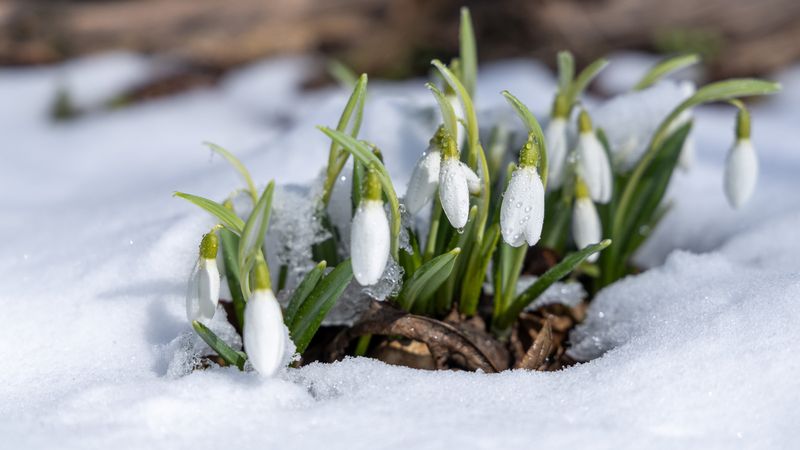
Tulip, daffodil, and crocus bulbs spend winter underground in a dormant state, but they’re not invincible against Montana’s extreme cold.
Perennial crowns—the growing points where stems emerge from roots—are equally vulnerable to temperature damage when soil freezes hard.
These tender plant tissues can suffer cellular damage or complete loss when exposed to prolonged periods of intense cold.
Snow cover provides crucial thermal protection that keeps soil temperatures moderate enough to prevent bulb and crown damage.
Even hardy spring bulbs appreciate the buffer that snow creates between them and frigid air temperatures.
The difference between survival and loss often comes down to whether these underground structures stayed protected beneath snow or lay exposed in bare, frozen ground.
Perennials like peonies, irises, and daylilies rely on healthy crowns to produce strong growth each spring.
When crowns suffer cold damage, plants emerge weak and stunted, producing fewer flowers and struggling to establish themselves.
Snow-protected bulbs and crowns emerge vigorous and ready to grow, producing abundant blooms that make Montana gardens spectacular.
The simple presence of snow coverage can transform your spring display from disappointing to dazzling by ensuring these critical plant parts survive winter intact.
Snow Protects Beneficial Soil Life
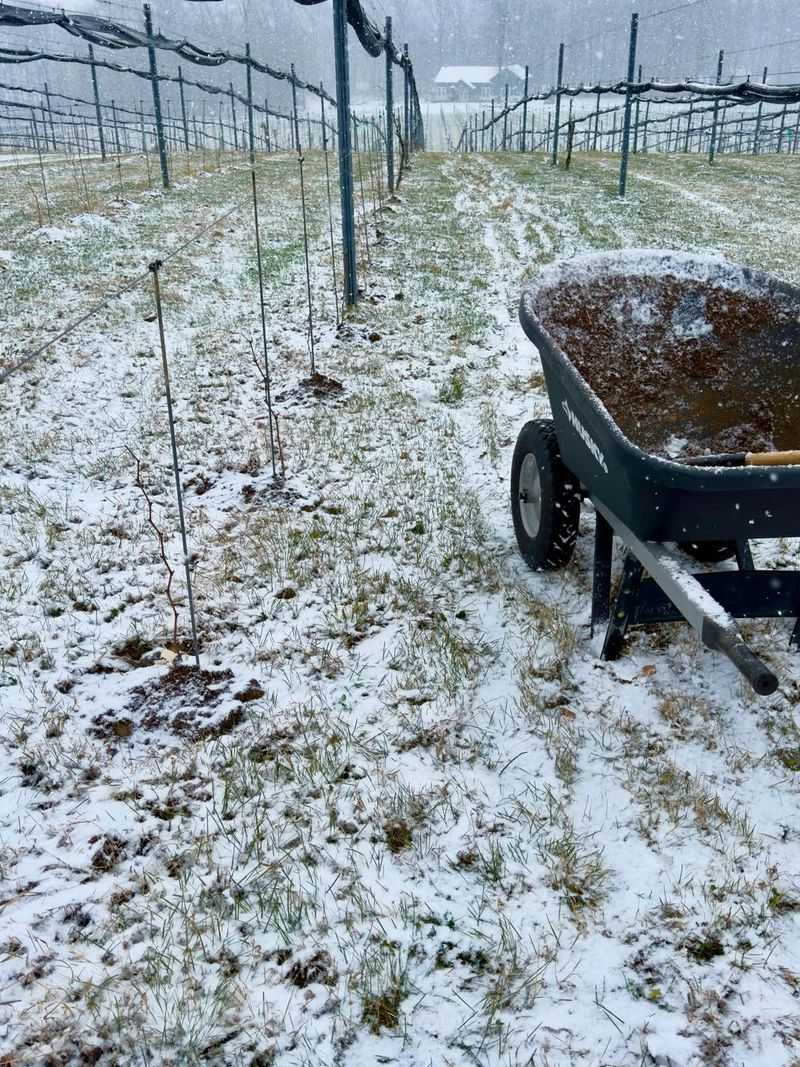
Your garden soil hosts an invisible community of beneficial bacteria, fungi, and tiny organisms that make nutrients available to plants.
These microscopic helpers are essential for healthy soil, but many struggle to survive when ground freezes solid without protection.
Snow insulation keeps soil temperatures moderate enough for beneficial microorganisms to remain dormant but viable throughout winter months.
When bare soil freezes hard and deep, many of these helpful organisms perish, leaving soil biologically impoverished come spring.
Gardens with good snow cover maintain living soil that’s ready to support plant growth as soon as temperatures rise.
The difference shows up in how quickly plants green up and grow once the growing season begins.
Soil teeming with beneficial life processes nutrients efficiently, helping plants access the food they need for vigorous growth.
Earthworms, another crucial component of healthy garden soil, also benefit tremendously from snow protection during Montana winters.
These natural tillers survive cold weather by burrowing deep, but snow cover allows them to remain closer to the surface where they provide the most benefit.
Protecting soil life through winter means your garden starts spring with a biological advantage that translates directly into healthier, more productive plants throughout the growing season.
Snow Reduces Winter Sun Scald On Plants
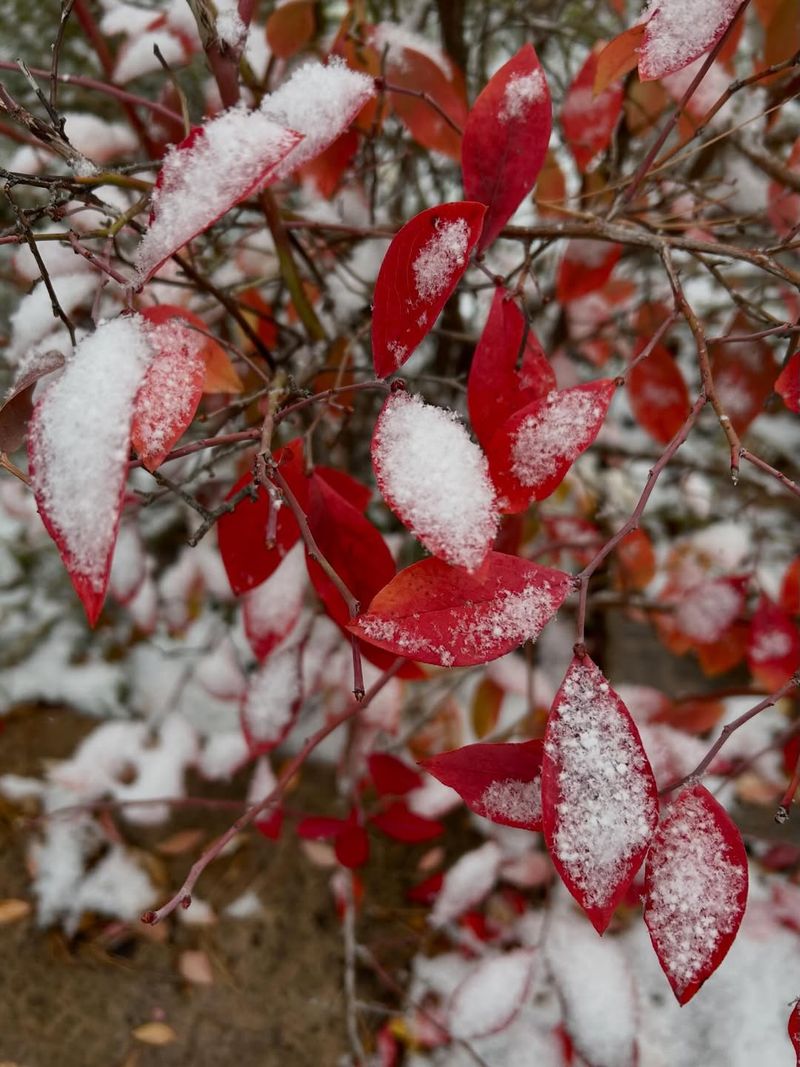
Bright winter sunshine reflecting off frozen ground and snow creates intense conditions that can actually burn plant tissues.
Tree bark on the south and west sides of trunks heats up during sunny winter days, only to freeze again when temperatures drop at night.
This repeated warming and freezing causes bark cells to rupture, creating cracks and sunken areas that weaken trees and provide entry points for disease.
Evergreen foliage can also suffer from sun scald, developing brown patches where intense light and cold combined to damage leaf tissues.
Snow cover moderates these effects by reflecting light away from vulnerable plant parts and maintaining more consistent temperatures.
Plants buried or partially covered by snow avoid the harsh combination of bright sun and extreme cold that causes scalding.
Even the presence of snow around plant bases helps by reducing the amount of reflected light bouncing upward onto bark and lower branches.
Young trees and newly planted shrubs are especially susceptible to sun scald damage during their first few Montana winters.
Snow protection during this vulnerable establishment period can prevent damage that would otherwise set plants back or require corrective pruning.
Gardens that maintain good snow cover show fewer signs of winter damage and require less spring cleanup and plant rehabilitation.
Snow Slows Premature Spring Wake-Ups
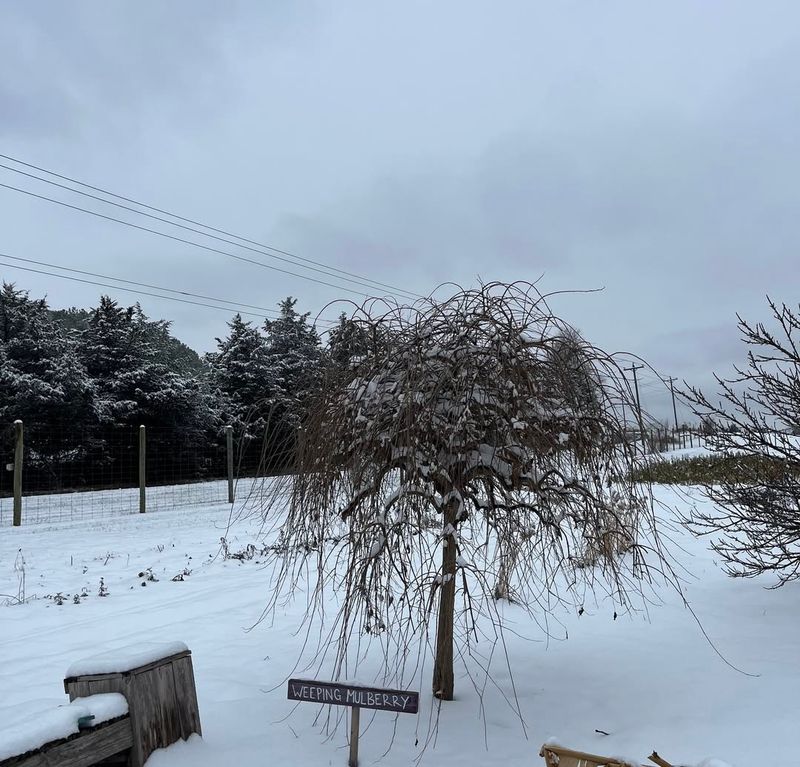
Montana’s famous false springs can trick plants into breaking dormancy weeks before it’s truly safe to grow.
A stretch of warm, sunny weather in February or March sends temperatures soaring and convinces bulbs and perennials that spring has arrived.
Plants respond by sending up tender new growth that’s completely vulnerable when inevitable cold snaps return.
Snow cover keeps soil cold and plants dormant, preventing them from responding to those deceptive warm spells.
This delayed wake-up might seem like a disadvantage, but it actually protects plants from launching growth that will just get frozen back.
Gardens that hold snow later into spring often leapfrog those that warmed early, because their plants didn’t waste energy on false starts.
Fruit trees are particularly vulnerable to early blooming triggered by warm weather, only to have frost destroy developing flowers.
Snow-covered gardens stay dormant longer, timing their emergence to coincide with more reliably warm conditions.
This natural timing mechanism helps plants avoid the boom-and-bust cycle of premature growth followed by frost damage.
When plants finally do emerge from beneath melting snow, they grow steadily and strongly without the setbacks that come from repeated freeze damage to tender new tissues.
Snow Sets Montana Gardens Up For Stronger Spring Growth
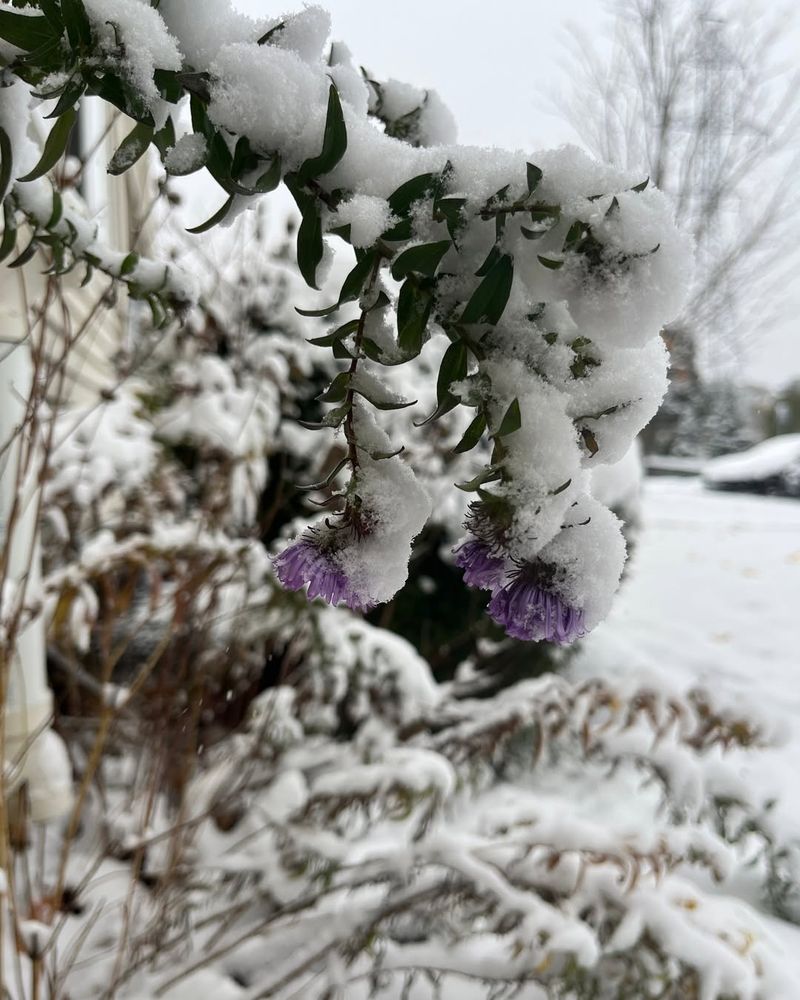
All the benefits snow provides throughout winter combine to create gardens that emerge stronger, healthier, and more vigorous when spring finally arrives.
Plants that enjoyed consistent protection, adequate moisture, stable temperatures, and freedom from wind damage start the growing season with tremendous advantages.
Their roots are intact and undamaged, their crowns and buds are healthy, and the soil around them is moist and biologically active.
This strong foundation translates into faster spring growth, earlier blooming, and more abundant flowers throughout the season.
Montana’s notoriously short growing season makes every week count, so plants that emerge ready to grow make the most of limited warm weather.
Gardens that spent winter under snow cover typically require less spring rehabilitation, with fewer plants needing replacement or recovery time.
The time and money saved on repairing winter damage can instead go toward enjoying your garden and planning new additions.
Snow-protected plants also show better stress tolerance throughout summer, having started the season with robust root systems and healthy tissues.
Rather than viewing snow as an inconvenience or threat, successful Montana gardeners recognize it as a valuable ally in creating beautiful, productive gardens.
Embracing winter’s white blanket sets your garden up for success and transforms those cold months into a period of natural protection and preparation.