13 Creatures Pennsylvania Residents Aren’t Legally Allowed To Remove From Their Homes Or Gardens
Pennsylvania gardens and homes are full of wildlife—but not all creatures are fair game when it comes to removal.
Some species, even if they wander into your living room or nibble on your plants, are protected by law.
Removing them without permission can mean fines, legal trouble, or worse.
Not every uninvited visitor can be shown the door—some have legal rights too!
From certain birds and bats to turtles and other native species, Pennsylvania law protects wildlife that plays a vital role in ecosystems.
While it may feel frustrating to coexist with these visitors, understanding the rules helps you protect yourself, your property, and the animals.
These 13 creatures are commonly encountered yet legally protected, making it crucial for homeowners to know their boundaries and options.
Ignoring the law isn’t just risky—it can cost you more than you think.
By learning which species are off-limits, Pennsylvania residents can find safe, legal ways to coexist, deter unwanted visits, or contact licensed professionals when needed.
Knowledge turns potential conflicts into responsible stewardship.
Your garden may be shared, but respecting wildlife laws keeps everyone safe.
1. Bats (Especially During Maternity Season)
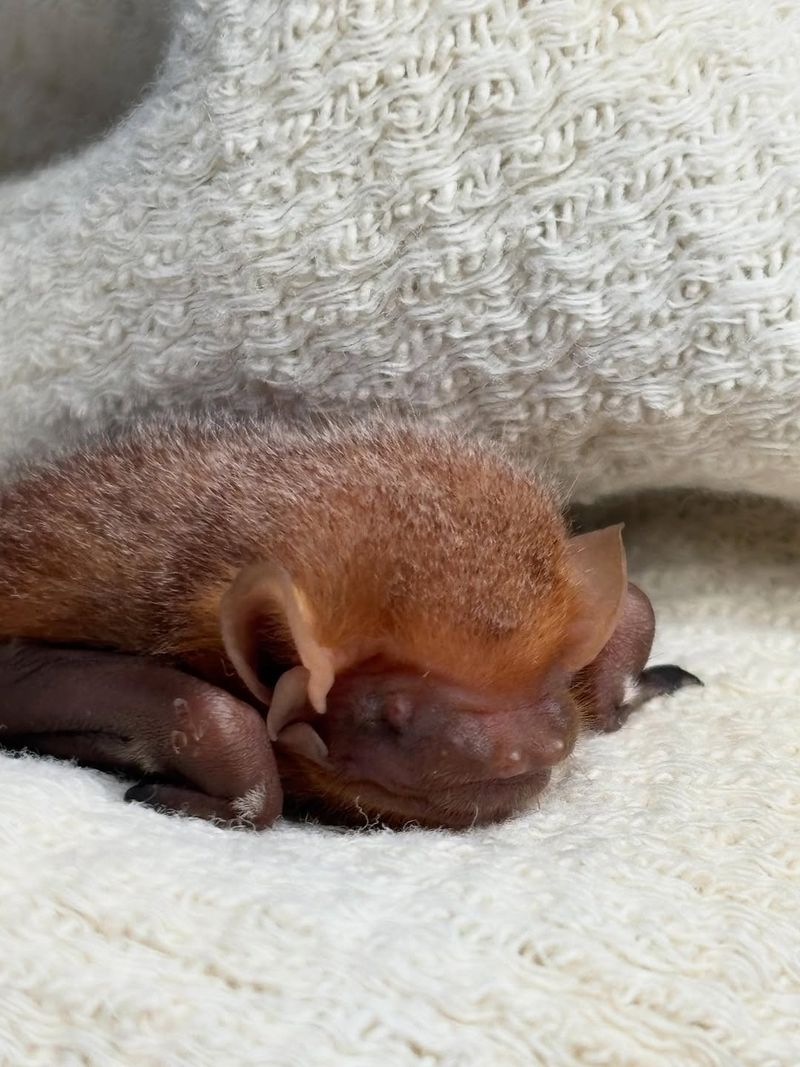
Pennsylvania takes bat protection seriously, particularly during the maternity season that runs from May through August when mothers are raising their young.
Disturbing or removing bats during this critical period violates both state and federal laws because separating mothers from their babies can result in the young perishing without care.
Bats face numerous health threats including white-nose syndrome, a fungal disease that has decimated populations across the northeastern United States.
Beyond the legal ramifications, bats provide incredible benefits by consuming thousands of insects each night, including mosquitoes and agricultural pests that would otherwise require chemical control.
If bats have taken up residence in your home, you must wait until after maternity season ends to pursue exclusion.
Even then, you cannot simply remove them yourself—Pennsylvania law requires that exclusion be performed by licensed professionals who understand proper timing and humane methods.
These experts install one-way doors that allow bats to leave but prevent their return, ensuring compliance with wildlife protection statutes.
Attempting removal on your own, especially during maternity season, can result in fines exceeding several thousand dollars plus potential criminal charges for violating the Endangered Species Act if threatened species are involved.
2. Active Bird Nests (Even On Your House Or Shed)
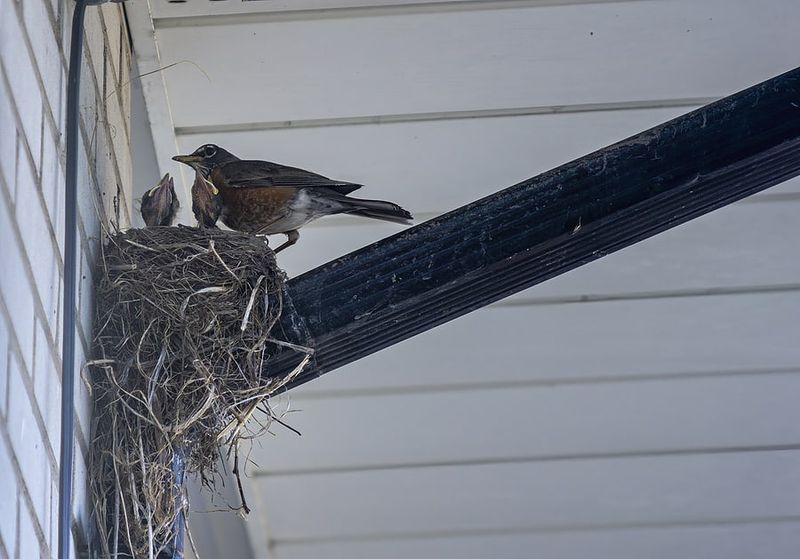
Federal law makes it illegal to disturb, damage, or remove any active bird nest, regardless of where it happens to be located on your property.
The Migratory Bird Treaty Act protects nearly all native bird species, and violations can result in fines up to fifteen thousand dollars along with potential jail time.
An active nest is defined as one containing eggs or young birds, even if the parents temporarily leave to gather food.
Many homeowners mistakenly believe they have the right to remove nests from their own structures, but property ownership does not override federal wildlife protections.
Once birds begin building, the law requires you to wait until the nesting cycle completes naturally before taking any action.
Your Pennsylvania Garden Changes Every Week. Your Plan Should Too.
Gardening in Pennsylvania changes quickly throughout the season. Every Friday you’ll receive a simple weekly plan showing exactly what to plant, prune, fertilize, harvest, and protect so you never miss the right timing.
Most songbirds complete their nesting in four to six weeks from egg-laying to fledging, though some species may take longer.
Instead of removal, homeowners should observe from a respectful distance and appreciate the opportunity to witness nature’s remarkable parenting behaviors.
After the young birds leave and the nest sits empty for several days, you can then remove the structure and install deterrents to prevent future nesting in inconvenient locations.
Taking preventive measures before nesting season begins is always the smartest approach.
3. Migratory Birds Themselves
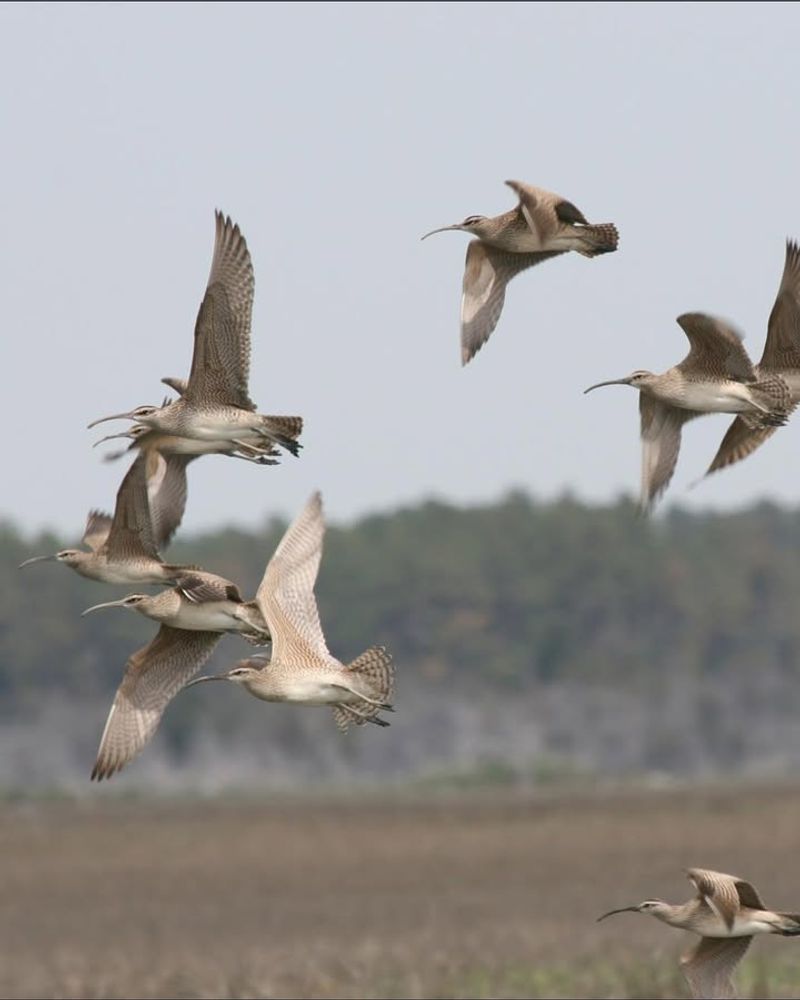
The Migratory Bird Treaty Act casts a wide protective net over more than one thousand bird species that travel through or reside in Pennsylvania.
This federal law makes it illegal to pursue, hunt, take, capture, harm, or possess migratory birds without specific permits issued by the U.S. Fish and Wildlife Service.
Even collecting feathers, eggs, or nests from protected species violates this act and can lead to serious penalties.
Pennsylvania residents sometimes assume that common birds like robins, cardinals, or blue jays fall outside these protections, but nearly every native bird species enjoys federal safeguarding.
The treaty originated in 1918 when people recognized that unregulated hunting and habitat destruction were pushing many bird populations toward extinction.
Today, these protections remain crucial as birds face modern threats including habitat loss, window collisions, and climate change.
If a migratory bird enters your home through an open window or door, your legal obligation is to safely encourage it back outside rather than capturing or harming it.
Creating a single exit point and darkening the room usually guides confused birds toward freedom without human handling.
Penalties for violating the Migratory Bird Treaty Act include fines up to fifteen thousand dollars and potential imprisonment for up to six months.
4. Bald Eagles And Their Nesting Areas

Bald eagles hold special status under both the Bald and Golden Eagle Protection Act and the Migratory Bird Treaty Act, providing them with the strongest legal protections available to any bird species.
Pennsylvania has witnessed a remarkable recovery of bald eagle populations, with nesting pairs now found throughout the commonwealth after decades of conservation efforts.
The law prohibits not just removing eagles themselves but also disturbing their nests or even approaching too closely during sensitive breeding periods.
Federal guidelines establish buffer zones extending hundreds of feet around active eagle nests, and any activity within these zones that causes the birds to alter their behavior constitutes illegal disturbance.
Eagles typically return to the same nesting sites year after year, building massive structures that can weigh over a ton and measure six feet across.
If eagles choose to nest on or near your property, you must modify your activities to avoid disturbing them rather than attempting any form of removal or harassment.
Violations carry penalties up to one hundred thousand dollars and a year in prison for individuals, with even higher fines for organizations.
Pennsylvania residents should consider eagle presence a privilege and contact wildlife authorities if concerns arise about nesting locations near human activity.
5. Hawks, Falcons, And Other Birds Of Prey
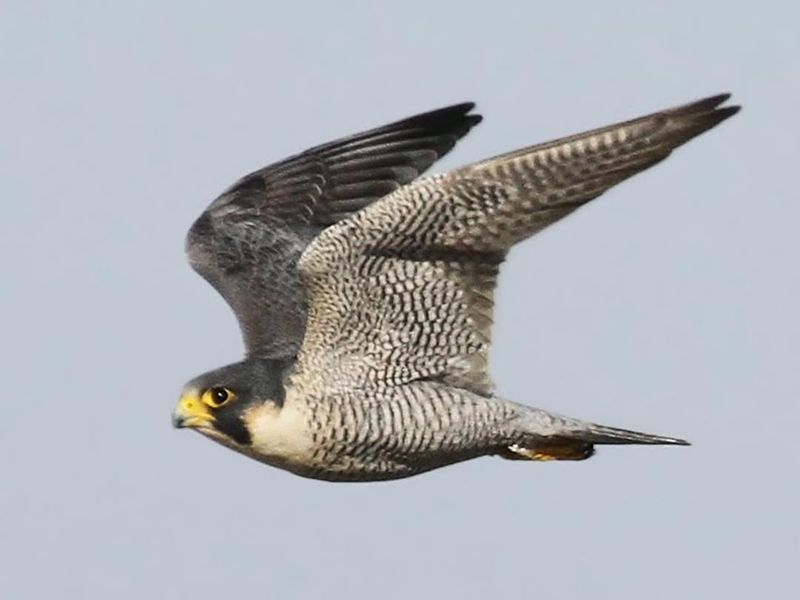
All raptor species receive federal protection under the Migratory Bird Treaty Act, making it illegal to harm, harass, or remove hawks, falcons, owls, and other birds of prey from your property.
These magnificent hunters play essential roles in controlling rodent populations and maintaining ecological balance in both rural and suburban environments.
Pennsylvania hosts numerous raptor species including red-tailed hawks, Cooper’s hawks, American kestrels, and peregrine falcons, all of which may hunt or nest near human structures.
Some homeowners worry when raptors take up residence nearby, particularly if they keep small pets or backyard chickens.
However, the law requires you to take preventive measures rather than removing the protected birds.
Providing secure enclosures for vulnerable animals and supervising small pets outdoors offers legal protection without violating wildlife statutes.
Raptors often perch on fence posts, utility poles, or tall trees while scanning for prey, and their presence actually indicates a healthy ecosystem.
If a bird of prey repeatedly targets your domestic animals, you can contact Pennsylvania Game Commission for guidance on legal deterrent methods.
Never attempt to trap, relocate, or harm these birds yourself, as penalties include substantial fines and potential criminal prosecution.
Appreciating these skilled hunters from a distance benefits both wildlife and your legal standing.
6. Owls Living In Trees Or Structures

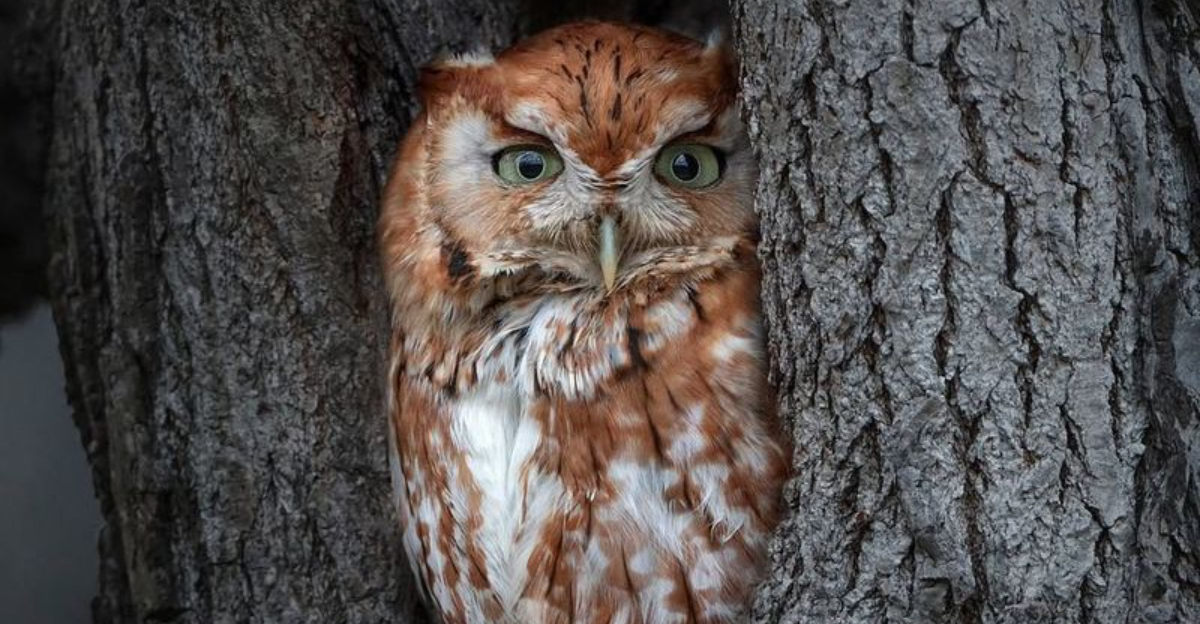
Owls enchant people with their mysterious nighttime calls and striking appearance, but these nocturnal hunters enjoy the same federal protections as all other birds of prey.
Pennsylvania hosts several owl species including great horned owls, barred owls, screech owls, and barn owls, many of which readily adapt to nesting in human structures like barns, sheds, and large trees near homes.
Removing owls or their nesting sites violates both the Migratory Bird Treaty Act and Pennsylvania state regulations, regardless of whether they occupy natural cavities or man-made structures.
Some property owners become concerned when owls roost near their homes, particularly due to the pellets they regurgitate containing undigested bones and fur from their prey.
These pellets, while messy, pose no health risk and actually provide fascinating insights into local rodent populations.
Owls deliver tremendous pest control benefits by consuming mice, rats, and voles that would otherwise damage gardens and potentially enter homes.
If owls nest in an inconvenient location, you must wait until the nesting cycle completes before taking any preventive action.
Installing exclusion devices or modifying structures can only occur after young owls fledge and the family group disperses.
Attempting premature removal risks substantial fines and disrupts nature’s most effective rodent control specialists.
7. Eastern Box Turtles Found In Yards Or Gardens
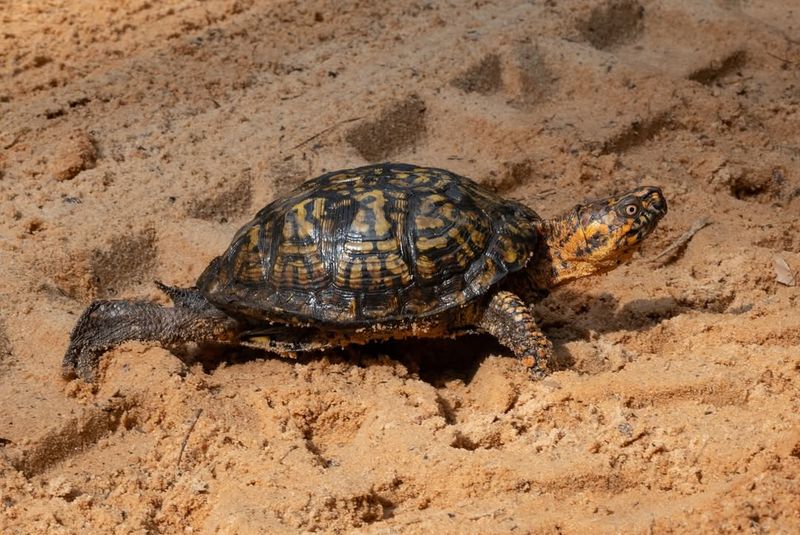
Eastern box turtles hold protected status in Pennsylvania, meaning you cannot collect, possess, or relocate them even if you find one wandering through your garden.
These terrestrial turtles live remarkably long lives, often exceeding fifty years, and they maintain strong attachments to their home territories spanning just a few acres.
Moving a box turtle to what seems like a better habitat actually causes significant harm because these creatures spend their entire lives learning the resources and shelter locations within their small range.
Relocated turtles often spend the rest of their lives trying to return home, crossing dangerous roads and expending precious energy while failing to establish themselves in unfamiliar territory.
Pennsylvania law recognizes this scientific understanding by prohibiting the removal or relocation of box turtles found on private property.
If you encounter one in your yard, simply observe and photograph it before allowing the turtle to continue on its way.
Box turtles benefit gardens by consuming slugs, snails, and insect pests while also eating fallen fruit and mushrooms.
Creating turtle-friendly habitats with brush piles, leaf litter, and shallow water sources encourages these beneficial reptiles to visit regularly.
Violations of box turtle protections can result in fines and contribute to the declining populations that prompted protective legislation in the first place.
8. Certain Native Snake Species
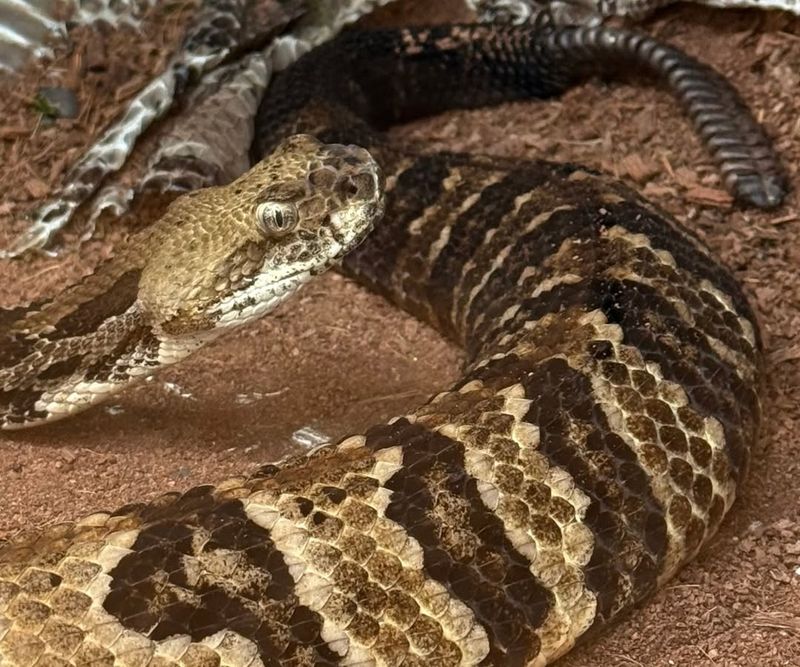
Pennsylvania protects several snake species under state law, and even those without specific protected status benefit from regulations prohibiting unnecessary harm to wildlife.
Common misconceptions lead many people to assume all snakes pose dangers, but Pennsylvania hosts only three venomous species—timber rattlesnakes, copperheads, and massasaugas—while the majority of snakes encountered are completely harmless.
Protected species include the eastern smooth green snake, northern coal skink, and the endangered eastern massasauga rattlesnake, among others.
Removing, harming, or destroying these snakes violates Pennsylvania Game Commission regulations and can result in substantial fines.
Even common species like garter snakes, black rat snakes, and milk snakes provide valuable services by controlling rodent populations around homes and gardens.
A single black rat snake can consume dozens of mice and rats annually, providing natural pest control far more effective and environmentally friendly than poisons or traps.
If you encounter a snake on your property, the legal and practical solution involves leaving it alone to continue on its way.
Snakes naturally avoid human interaction and will typically move along within hours if left undisturbed.
For persistent snake presence, habitat modification removing brush piles, sealing foundation gaps, and controlling rodent populations makes your property less attractive without violating wildlife protection laws.
9. Endangered Or Threatened Salamanders And Frogs
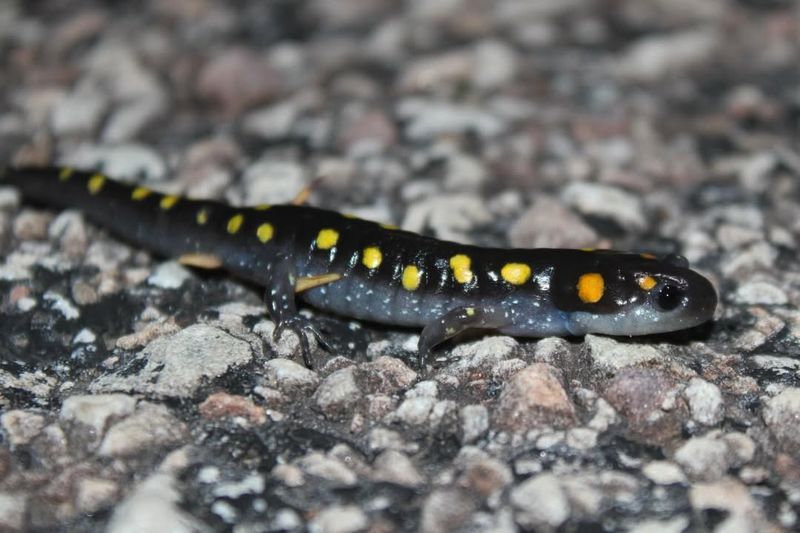
Amphibian populations have declined dramatically worldwide, prompting strong legal protections for many salamander and frog species in Pennsylvania.
The state lists several amphibians as endangered, threatened, or species of special concern, making their removal or harassment illegal under Pennsylvania Fish and Boat Commission regulations.
Protected species include the eastern hellbender, northern cricket frog, mountain chorus frog, and various salamander species that depend on specific wetland and forest habitats.
Even moving amphibians from your property to seemingly suitable habitat elsewhere violates these protections because relocating individuals disrupts breeding populations and can spread diseases between isolated groups.
Amphibians serve as biological indicators of environmental health since their permeable skin makes them sensitive to pollution and habitat degradation.
Finding frogs or salamanders in your garden actually signals good environmental conditions and healthy ecosystem functioning.
These creatures consume enormous quantities of insects including mosquitoes, flies, and garden pests, providing natural pest control without chemicals.
If you discover amphibians on your property, especially during spring breeding migrations, the legal requirement involves leaving them undisturbed or creating safe passage around obstacles.
Installing temporary fencing to guide migrating amphibians around roadways or driveways demonstrates environmental stewardship while complying with protection laws.
Violations carry penalties and contribute to the ongoing decline of these ecologically critical animals.
10. Beehives Belonging To Native Or Managed Pollinators
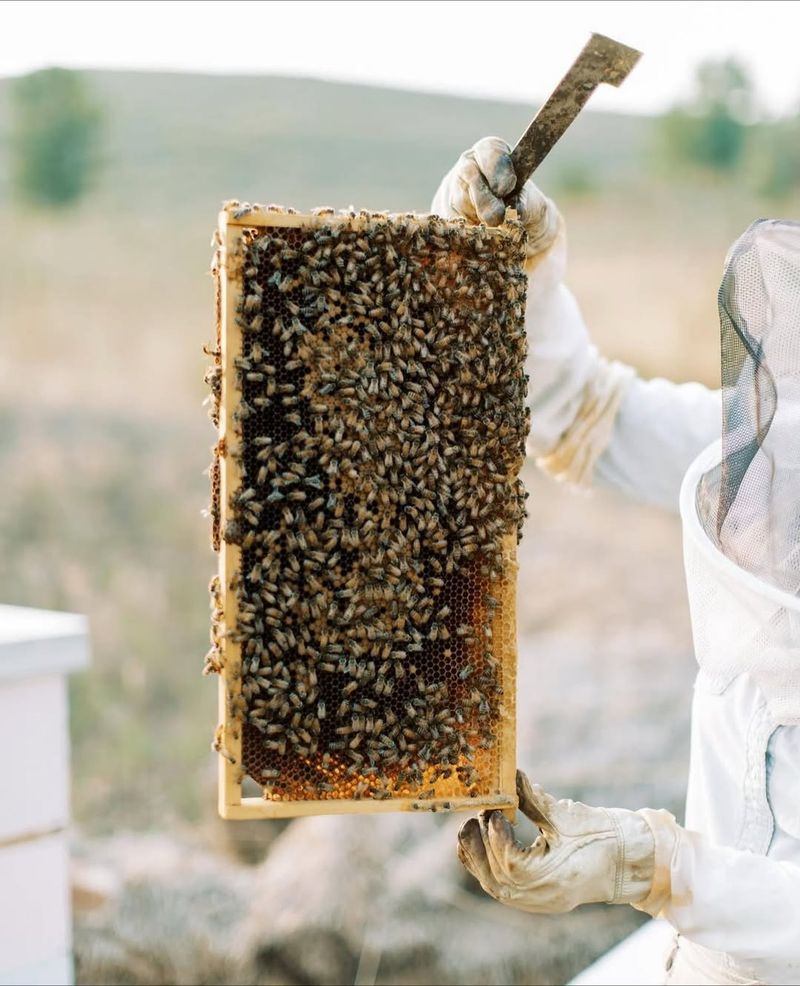
Pollinators face unprecedented challenges from habitat loss, pesticides, and diseases, prompting increased legal protections for both managed honeybees and native bee species.
Pennsylvania law recognizes beekeeping as agriculture, and managed hives receive protections under agricultural regulations that prohibit unauthorized interference or destruction.
Native bee species including bumblebees, mason bees, and leafcutter bees also benefit from wildlife protection statutes, particularly when nesting in natural cavities or ground burrows.
If honeybees establish a hive in your wall, attic, or tree, Pennsylvania law discourages extermination and instead requires removal by licensed beekeepers who can relocate the colony intact.
Many local beekeepers offer free or low-cost removal services because established colonies hold significant value for pollination and honey production.
Destroying bee colonies not only violates regulations but also eliminates pollinators responsible for fertilizing approximately one-third of the food crops humans consume.
Ground-nesting native bees often create small holes in lawns or gardens, and while their presence may seem concerning, these gentle insects rarely sting and provide exceptional pollination services.
Leaving native bee nests undisturbed supports local ecosystems and complies with wildlife protection principles.
If stinging insects create genuine safety hazards, contact pest control professionals who can identify the species and recommend legal management approaches that prioritize relocation over extermination whenever possible.
11. Raccoons When Babies Are Present
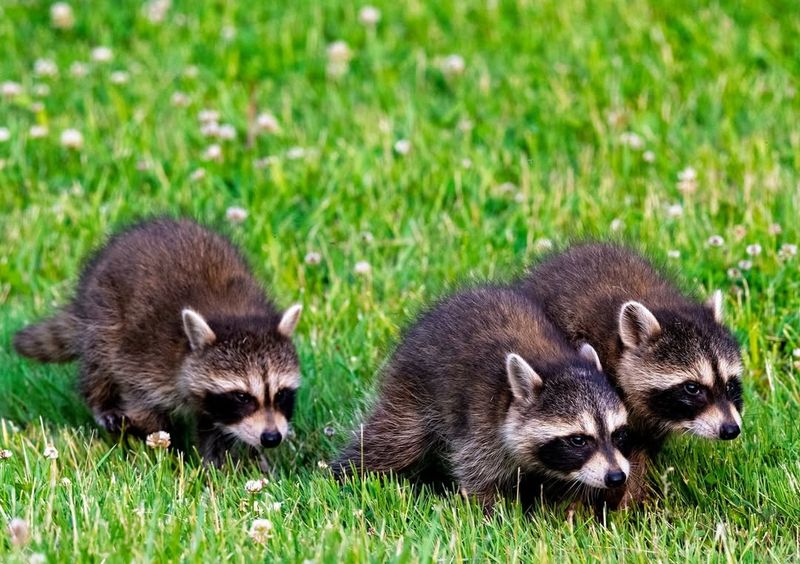
Pennsylvania wildlife regulations include seasonal protections preventing the removal of raccoon mothers with dependent young, typically from late winter through early summer when breeding and rearing occur.
Separating mothers from babies results in the young perishing from starvation or exposure, which violates animal cruelty statutes in addition to wildlife management regulations.
Raccoons commonly den in attics, chimneys, and crawl spaces where they raise their litters in relative safety from predators.
If you discover raccoons nesting in your home during maternity season, Pennsylvania law requires waiting until the young reach independence before pursuing exclusion.
Baby raccoons typically remain dependent on their mothers for eight to ten weeks after birth, and attempting premature removal creates both legal and ethical problems.
Licensed wildlife control operators understand these timing restrictions and can assess situations to determine when legal removal becomes possible.
Humane eviction techniques involve installing one-way doors after confirming all young can exit independently alongside their mother.
Some homeowners try using harassment techniques like loud noises or bright lights to encourage raccoons to relocate their young naturally, which remains legal if done carefully.
However, any method that separates families or harms animals violates state regulations.
Patience during the denning season prevents legal troubles while allowing nature to take its course before implementing permanent exclusion measures.
12. Skunks Actively Denning With Young
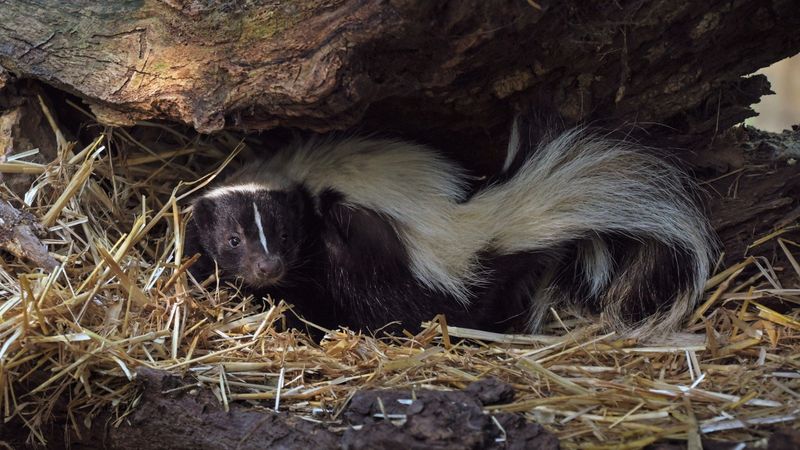
Skunks receive similar seasonal protections as other mammals that raise dependent young, making it illegal to remove denning mothers with babies during spring and early summer months.
These nocturnal animals often establish dens under porches, sheds, or decks where they give birth to litters averaging four to six young that remain dependent for approximately eight weeks.
Pennsylvania regulations prohibit separating skunk mothers from their offspring, and attempting removal during denning season can result in fines plus the unfortunate consequence of trapped babies creating terrible odors as they perish.
Beyond legal considerations, disturbing denning skunks dramatically increases the likelihood of defensive spraying, which creates far worse problems than simply waiting for the family to relocate naturally.
Mother skunks typically move their young to alternative den sites if they feel threatened, so mild harassment techniques like placing ammonia-soaked rags near den entrances sometimes encourages voluntary relocation.
However, these methods only work if the young can travel independently alongside their mother.
Licensed wildlife professionals can assess whether babies have reached sufficient maturity for safe eviction and can install exclusion devices at appropriate times.
Skunks actually provide beneficial pest control by consuming grubs, beetles, and rodents that damage lawns and gardens.
Tolerating their temporary presence during denning season avoids legal problems while allowing these helpful animals to complete their reproductive cycle before permanent exclusion measures take effect.
13. What Pennsylvania Residents Should Do Instead Of Removal
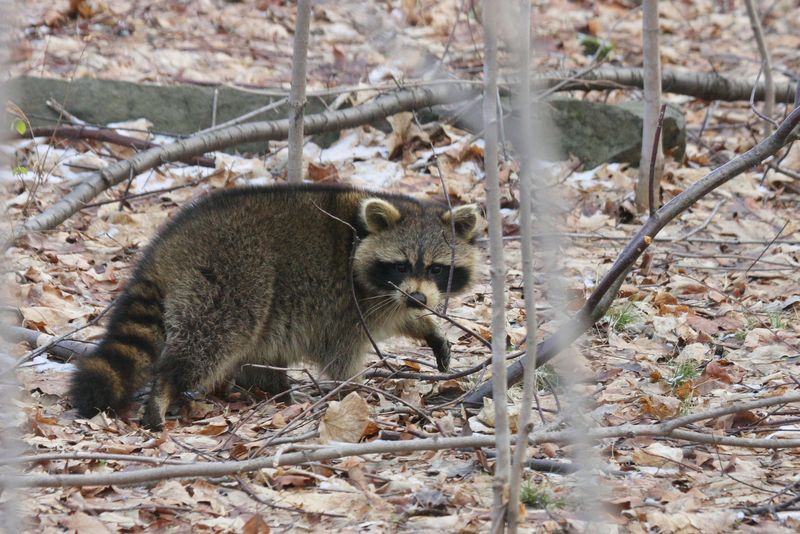
Understanding legal alternatives to wildlife removal protects both Pennsylvania residents from penalties and animals from unnecessary harm.
The first step involves correctly identifying the species in question, since different animals fall under different regulatory frameworks requiring specific management approaches.
Pennsylvania Game Commission and Fish and Boat Commission websites provide identification guides and contact information for wildlife concerns.
Exclusion represents the most effective long-term solution for wildlife conflicts, involving modifications that prevent animals from accessing structures while allowing current occupants to leave voluntarily.
One-way doors, chimney caps, vent covers, and foundation repairs create permanent barriers without trapping or harming protected species.
Timing matters critically—exclusion must occur outside breeding seasons to avoid separating parents from dependent young.
Licensed wildlife control operators possess the training and permits necessary to handle protected species legally and can advise on appropriate timing for various animals.
Habitat modification reduces wildlife attractants by securing garbage, removing food sources, trimming vegetation away from structures, and eliminating water sources that draw animals to properties.
Many wildlife conflicts resolve naturally if residents practice patience, particularly during brief nesting or denning periods.
Pennsylvania residents facing wildlife concerns should document the situation, research the species involved, and contact licensed professionals rather than attempting unauthorized removal that risks substantial fines and criminal charges.