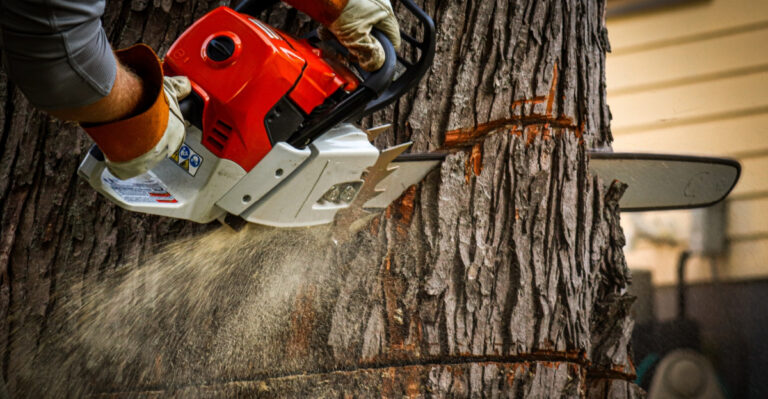
These Trees Tennessee Residents Can Be Fined For Not Cutting Down
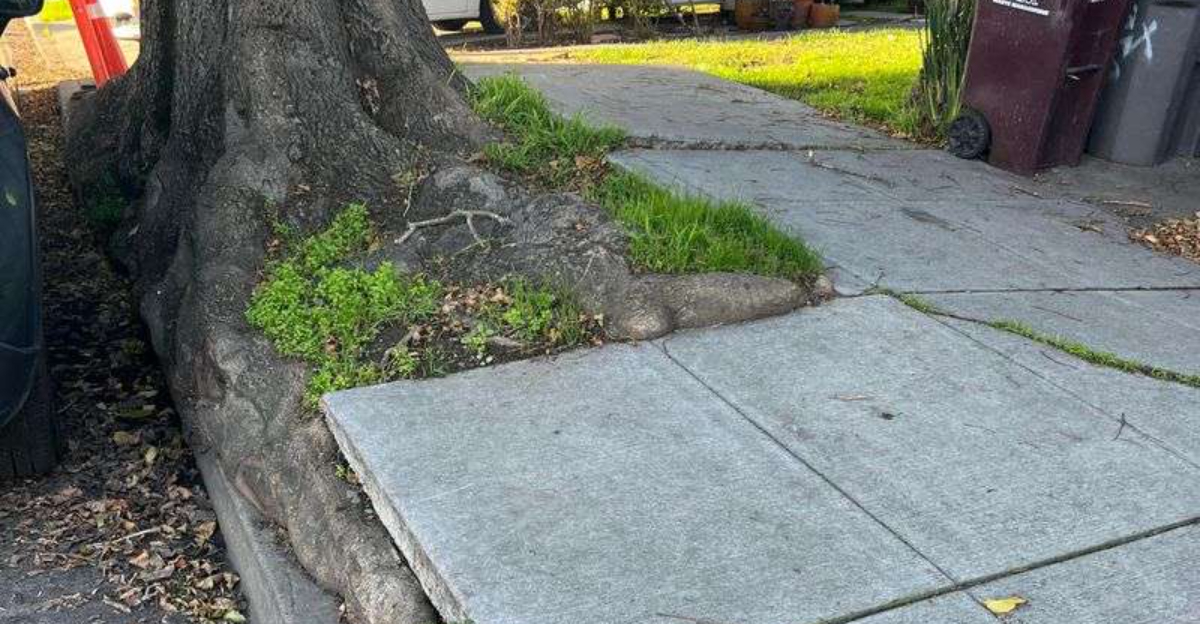
Not every tree in your Tennessee yard is just a scenic backdrop—some can be a serious legal headache if left unchecked.
Certain species are considered hazardous due to disease, invasiveness, or fire risk, and the state can actually fine homeowners who fail to remove them.
Ignoring the rules isn’t just risky—it can cost you thousands.
In Tennessee, some trees aren’t just optional—they’re legally required to go.
From fast-spreading invasives to trees prone to disease or falling hazards, these species pose threats to neighboring properties, infrastructure, and even public safety.
Municipalities and counties have the authority to enforce removal, ensuring that dangerous trees don’t linger unchecked.
Homeowners need to stay informed to avoid fines, legal complications, and potential liability if damage occurs.
Your yard might look lush, but one illegal tree can turn it into a legal nightmare.
Knowing which trees are regulated, how to remove them safely, and when to act can protect both your wallet and your community.
Tennessee residents who stay proactive can maintain beautiful landscapes without running afoul of the law.
Some trees belong in your yard… and some belong gone—legally.
Dried Out Trees Deemed A Safety Hazard
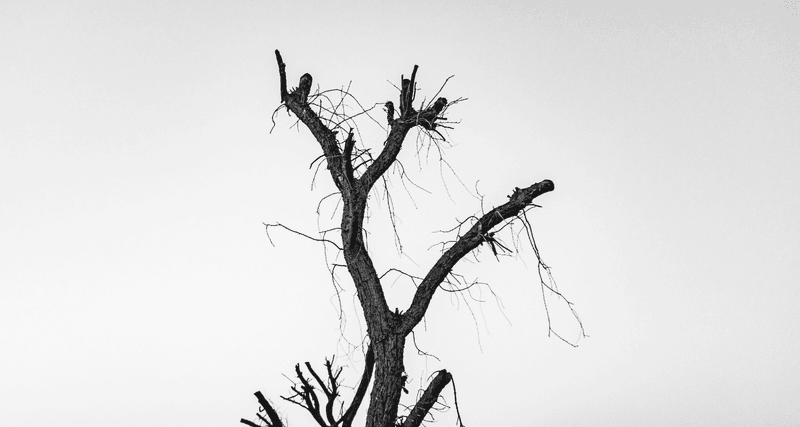
When a tree loses its vitality and becomes completely dried out, it transforms from a beautiful landscape feature into a potential disaster waiting to happen.
Local municipalities throughout Tennessee take these situations seriously because brittle branches can snap without warning, especially during windstorms or heavy snow.
City and county code enforcement officers regularly patrol neighborhoods looking for hazardous vegetation that could injure people or damage property.
Once they identify a dried out tree on your property, they’ll typically send a formal notice requiring removal within a specific timeframe, often between 30 to 90 days.
Ignoring these notices isn’t just risky—it’s expensive.
Fines can start at a few hundred dollars and increase daily until you comply with the removal order.
Some Tennessee counties have been known to remove the tree themselves and bill the property owner for the work, often at a much higher cost than hiring your own contractor.
Insurance companies also take note of these violations, and your homeowner’s policy might not cover damage caused by a tree you were already warned about.
Regular inspections of your trees can help you spot problems before they become legal issues.
Trees Damaged By Storms Or High Winds
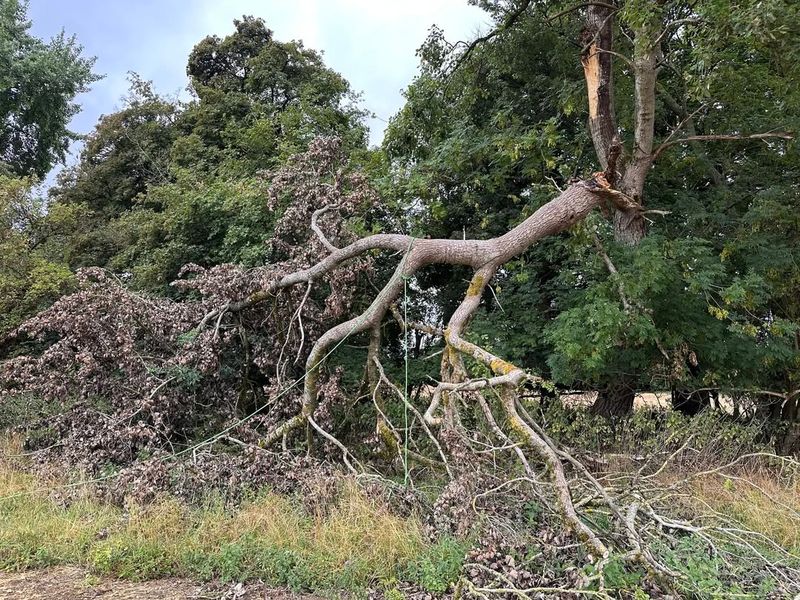
Tennessee weather can be unpredictable, with severe thunderstorms and occasional tornadoes leaving trees split, leaning, or partially uprooted across the state.
After major weather events, local authorities conduct assessments to identify trees that pose immediate threats to homes, roads, or utility infrastructure.
A tree that’s been compromised by wind damage might look stable at first glance, but its root system could be fatally weakened.
When officials determine that a storm-damaged tree on your property threatens public safety, they’ll issue a removal order with a tight deadline.
These post-storm notices are taken very seriously because the next weather event could cause that weakened tree to fall.
Your Tennessee Garden Changes Every Week. Your Plan Should Too.
Gardening in Tennessee changes quickly throughout the season. Every Friday you’ll receive a simple weekly plan showing exactly what to plant, prune, fertilize, harvest, and protect so you never miss the right timing.
Homeowners who ignore these warnings face escalating fines that can reach thousands of dollars, especially if the tree eventually causes damage or injury.
Emergency removal orders sometimes require action within just a few days, leaving little time to shop around for tree services.
Many Tennessee residents have learned the hard way that procrastination after receiving a storm-damage notice can result in both fines and liability.
Document all damage with photos and keep copies of any official notices you receive to protect yourself legally.
Bradford Pear (Callery Pear) Trees Classified As Invasive
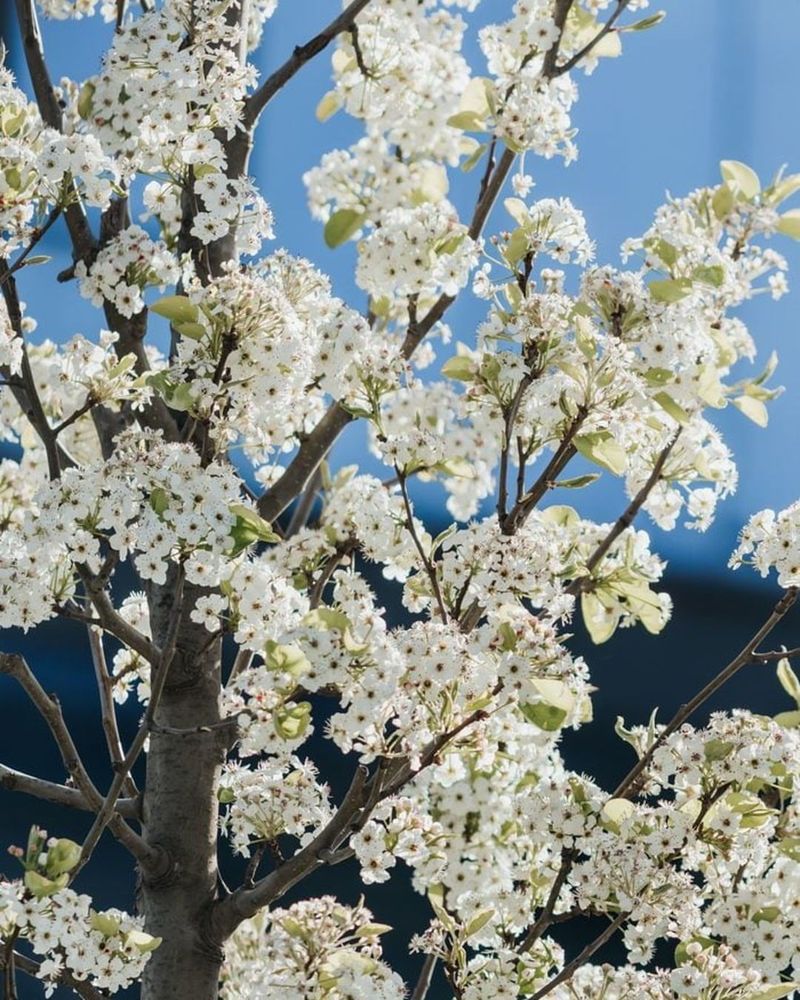
Those pretty white blossoms that appear each spring might actually be growing on one of Tennessee’s most problematic trees.
Bradford pears were once popular ornamental trees planted throughout neighborhoods, but they’ve since been classified as invasive species in many Tennessee communities.
These trees spread aggressively, crowding out native vegetation and disrupting local ecosystems.
Their weak branch structure makes them prone to splitting during storms, creating hazards that can damage property and block roads.
Several Tennessee cities and counties have enacted ordinances requiring property owners to remove Bradford pears, especially when they’re located near natural areas or public spaces.
Some municipalities offer removal assistance programs or even free replacement trees if you take down your Bradford pear.
Enforcement varies by location, but documented cases exist where homeowners received fines for refusing to remove these invasive trees after receiving official notice.
The fines typically start modestly but increase if you continue to ignore removal orders.
Environmental groups across Tennessee have been advocating for stricter enforcement because these trees reproduce rapidly and spread into forests and parks.
Check with your local government to see if your area has specific regulations about Bradford pears before assuming you can keep yours indefinitely.
Tree Of Heaven (Ailanthus Altissima)
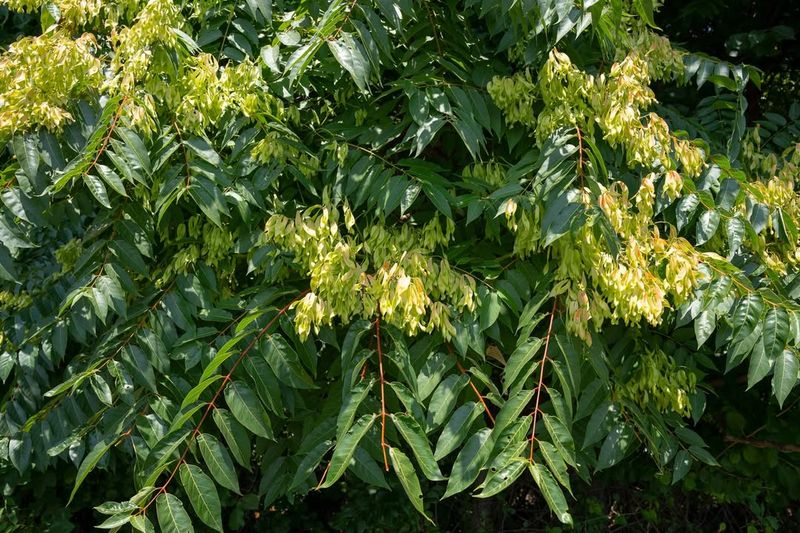
Despite its heavenly name, this tree is anything but a blessing for Tennessee property owners and ecosystems.
Tree of Heaven grows at an alarming rate, producing chemicals that prevent other plants from growing nearby and taking over landscapes within just a few seasons.
Originally from China, this invasive species has become a serious problem throughout Tennessee, displacing native trees and providing habitat for destructive spotted lanternflies.
State agricultural and environmental agencies have identified Tree of Heaven as a priority for removal, and many local governments have followed suit with mandatory removal ordinances.
When code enforcement identifies this tree on your property, you’ll receive a notice requiring its complete removal, including the root system.
Simply cutting it down isn’t enough because Tree of Heaven sprouts aggressively from remaining roots, often returning stronger than before.
Property owners who fail to properly remove these trees after notification face fines that increase with each inspection cycle.
Some Tennessee counties have specialized removal programs because improper cutting can actually worsen the infestation.
The penalties for ignoring removal orders can reach several thousand dollars, especially if the tree spreads to neighboring properties or public land.
Professional removal is strongly recommended because these trees require specific techniques to prevent regrowth and further spreading.
Trees Interfering With Power Lines Or Utility Easements
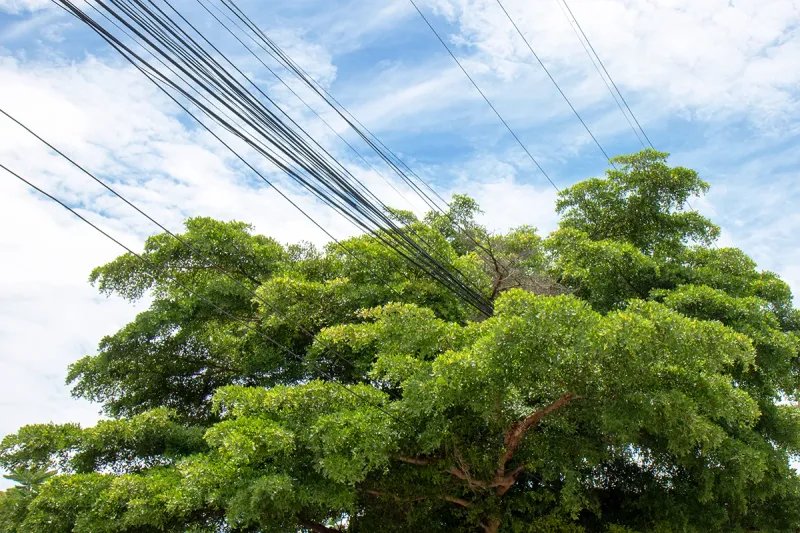
Electricity and tree branches make a dangerous combination that utility companies and local governments take very seriously.
When trees grow into power lines or encroach on utility easements, they create fire hazards, power outage risks, and safety concerns for line workers.
Tennessee law gives utility companies authority to trim or remove trees that interfere with their infrastructure, but property owners bear the primary responsibility for maintaining clearance.
If a utility company notifies you that your tree violates clearance requirements, you typically have a set period to address the problem yourself.
Failing to act means the company can remove the tree and bill you for the service, often at premium rates.
Local governments can also issue fines for trees that remain in violation after notice, with penalties increasing for repeated offenses.
Some homeowners mistakenly believe they can refuse access to utility easements on their property, but these are legally protected areas where utilities have rights.
Storm damage to power lines caused by unmaintained trees can result in liability for the property owner, including restoration costs and fines.
Regular pruning and strategic tree placement during planting can prevent these conflicts entirely, saving you from legal headaches and potential penalties down the road.
Trees Blocking Roads, Sidewalks, Or Sightlines
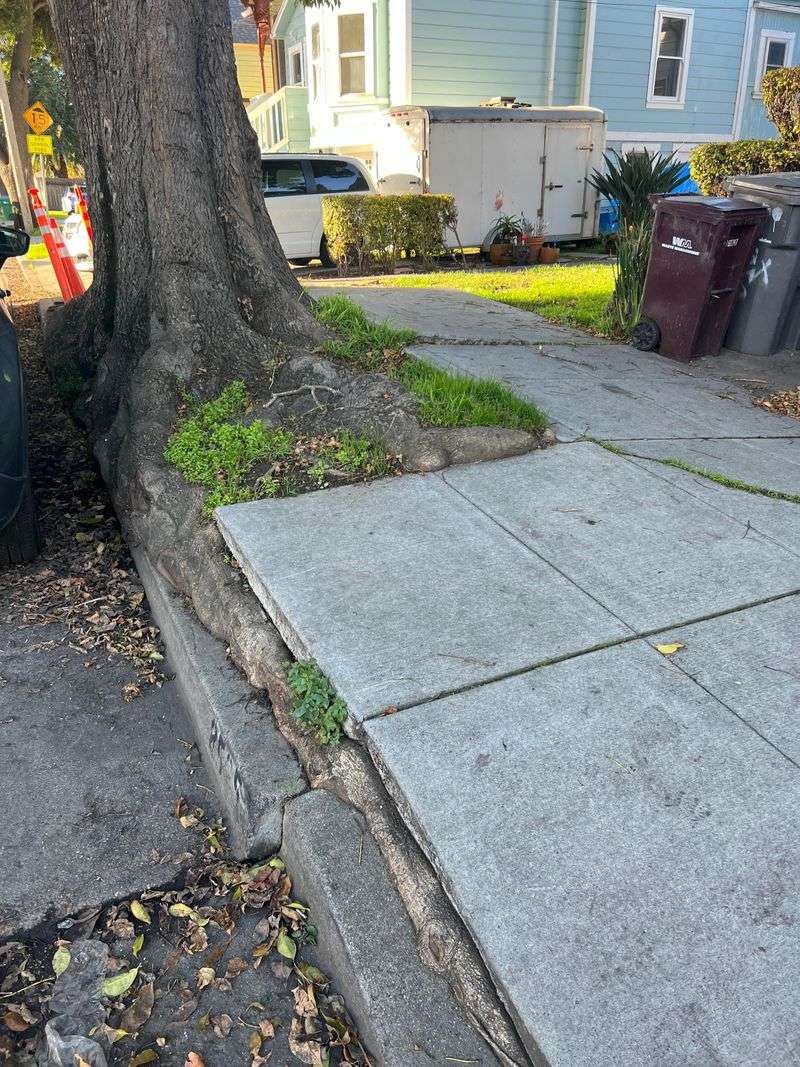
Public safety depends on clear sightlines at intersections and unobstructed pathways for pedestrians, making overgrown trees a legitimate code enforcement issue.
Tennessee municipalities have specific regulations about how close tree branches can hang over sidewalks, typically requiring at least eight feet of clearance for pedestrian areas.
Trees that block traffic signs, obscure intersection visibility, or force pedestrians into the street violate public right-of-way ordinances in most communities.
Local governments conduct regular inspections and respond to citizen complaints about obstructed pathways and sightlines.
When your tree is identified as a violation, you’ll receive a notice specifying what needs to be trimmed or removed and a deadline for compliance.
These deadlines are usually reasonable, ranging from two weeks to a month, depending on the severity of the obstruction.
Fines for non-compliance start around $50 to $100 but can increase significantly with each subsequent inspection that finds continued violations.
Some Tennessee cities will trim the tree themselves after the deadline passes and add the cost to your property tax bill.
Accidents caused by obstructed sightlines can also create liability issues for property owners, making compliance both a legal and financial necessity.
Regular maintenance keeps your trees beautiful while ensuring they don’t become a public safety concern or legal problem.
Trees Causing Documented Property Or Structural Damage
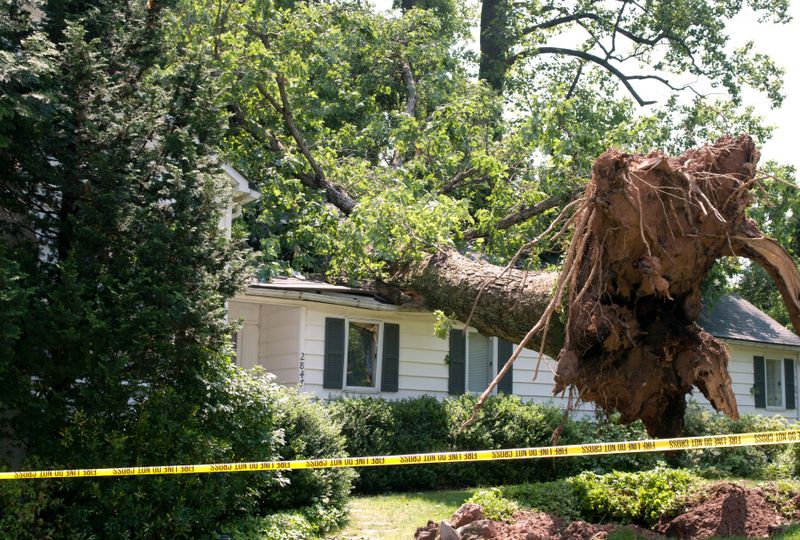
Root systems don’t respect property boundaries or structural foundations, and when trees cause documented damage, removal can become legally mandatory.
Large trees planted too close to homes can send roots under foundations, causing cracks, settling, and expensive structural repairs.
Sewer and water lines are particularly vulnerable to invasive tree roots that seek out moisture and nutrients, leading to costly plumbing emergencies.
When a neighbor’s tree damages your property in Tennessee, you have legal recourse, and code enforcement can become involved if the tree owner refuses to address the problem.
Similarly, if your tree is causing documented damage to neighboring property or public infrastructure, you may receive a mandatory removal order.
These orders typically come after engineering assessments or inspection reports that clearly link the tree to ongoing structural damage.
Ignoring such orders exposes you to escalating fines and potential liability for continued damage.
Courts in Tennessee have ruled in favor of property owners harmed by neighboring trees when the tree owner was notified but failed to act.
The cost of removal and fines combined is almost always less than the cost of repairing foundation damage or replacing sewer lines.
Professional arborists can assess whether your trees pose structural risks before problems develop into legal and financial nightmares.
Trees Declared A Public Nuisance By Code Enforcement
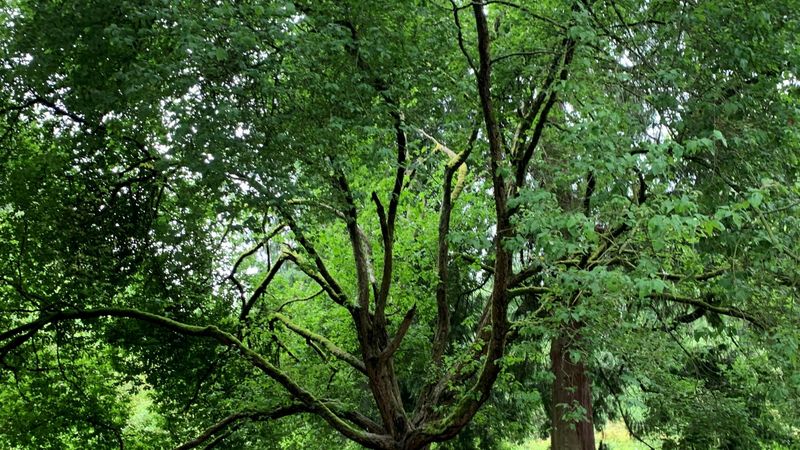
Tennessee municipalities have broad authority to declare trees as public nuisances when they create ongoing problems for neighborhoods or public spaces.
A nuisance tree might drop excessive debris, harbor pests, produce foul odors, or create conditions that diminish property values or quality of life.
Code enforcement officers investigate complaints from neighbors and conduct their own assessments to determine if a tree meets the legal definition of a nuisance.
The process typically involves documentation, photos, and sometimes expert opinions from certified arborists or environmental specialists.
Once a tree is officially declared a nuisance, the property owner receives a formal notice with specific compliance requirements and deadlines.
These deadlines vary but usually provide 30 to 60 days for the owner to remove the tree or correct the conditions causing the nuisance designation.
Fines for non-compliance start relatively small but accumulate quickly, with some Tennessee jurisdictions charging daily penalties until the situation is resolved.
Property owners have the right to appeal nuisance declarations, but the burden of proof typically falls on them to demonstrate the tree doesn’t meet nuisance criteria.
Repeated nuisance violations can result in liens on your property, making it difficult to sell or refinance until the issue is addressed.
Maintaining your trees proactively and addressing neighbor concerns before they escalate can prevent nuisance declarations entirely.
Trees Violating HOA Or Subdivision Agreements
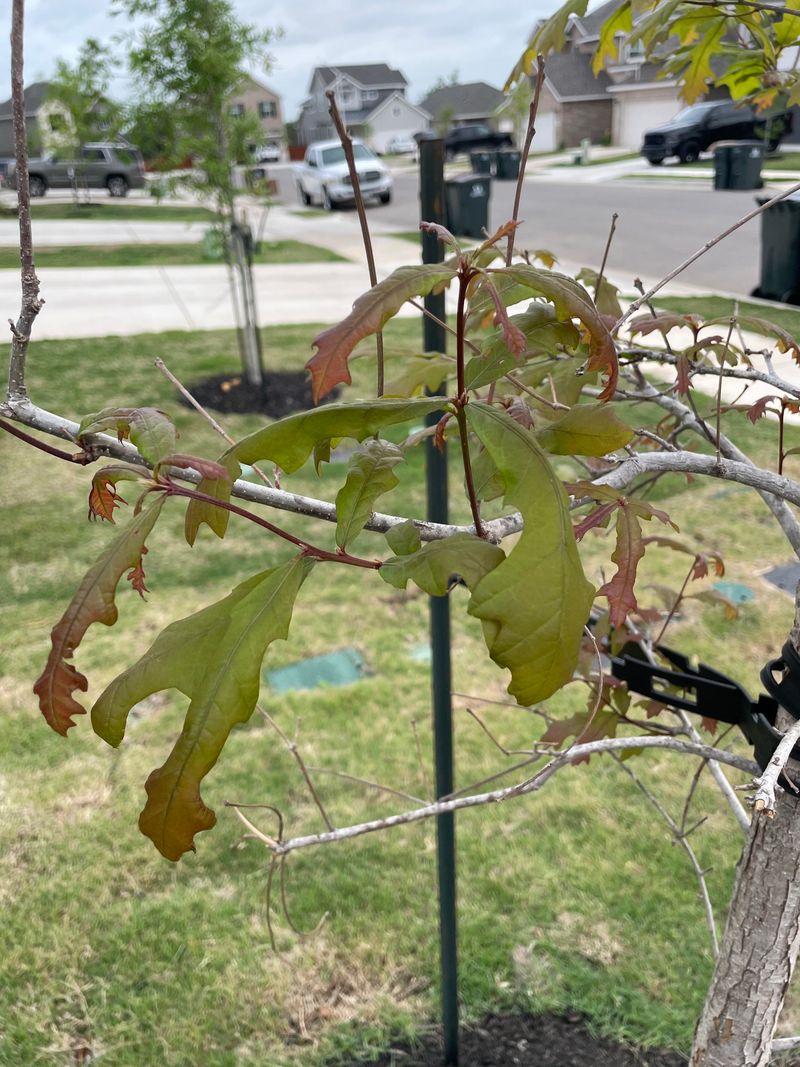
Homeowners associations and planned communities in Tennessee have legal authority to enforce landscaping covenants, including specific requirements about trees.
When you purchase property in an HOA-governed community, you agree to abide by recorded covenants that often include detailed rules about tree species, sizes, and placement.
Some associations prohibit certain tree types entirely, while others require approval before planting or removing trees.
If your tree violates these recorded agreements, your HOA can require removal and fine you for non-compliance.
These fines are legally enforceable in Tennessee courts, and HOAs can place liens on your property for unpaid penalties.
The amounts vary widely depending on your specific covenants, but they typically start around $25 to $50 per day and can accumulate quickly.
Many Tennessee homeowners have been surprised to learn that HOA rules override their personal preferences when it comes to landscaping decisions.
The association usually provides written notice of violations and a reasonable timeframe for correction before imposing fines.
Ignoring HOA tree removal requirements can lead to escalating penalties, legal action, and difficulty selling your home.
Review your HOA covenants carefully before planting new trees, and address any existing violations promptly to avoid unnecessary expenses and conflicts with your community association.
Trees On Vacant Or Neglected Property Creating Safety Risks
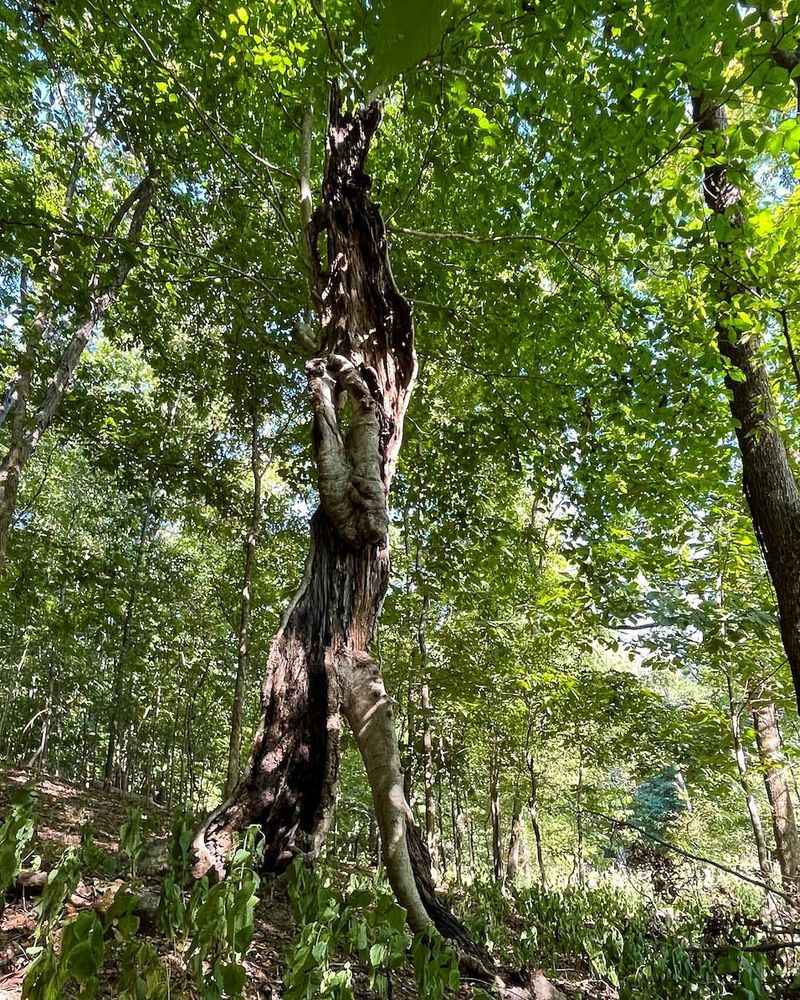
Absentee property owners and neglected lots create special challenges for Tennessee communities, particularly when unmaintained trees become hazardous.
Local governments pay particularly close attention to vacant properties because dangerous trees there often go unaddressed until they cause actual damage.
Code enforcement agencies have streamlined processes for dealing with absentee owners, including posting notices on the property itself and using certified mail to last-known addresses.
When trees on vacant property threaten neighboring homes, roads, or utilities, municipalities act more aggressively with shorter compliance deadlines and steeper fines.
These fines can escalate rapidly because vacant property violations are often treated more seriously than those on occupied homes.
Some Tennessee counties will remove hazardous trees from neglected properties and place liens for the costs, which must be paid before the property can be sold.
The combination of removal costs and accumulated fines can reach tens of thousands of dollars for severely neglected properties with multiple hazardous trees.
Neighbors affected by dangerous trees on vacant lots can petition local government for emergency removal, which speeds up enforcement actions.
Property investors and heirs who inherit Tennessee real estate should immediately assess tree conditions to avoid inheriting expensive code violations along with the land.
Regular property checks and maintenance contracts can prevent small tree issues from becoming major legal and financial burdens.