These Trees In Ohio Can Get You Fined If You Don’t Remove Them
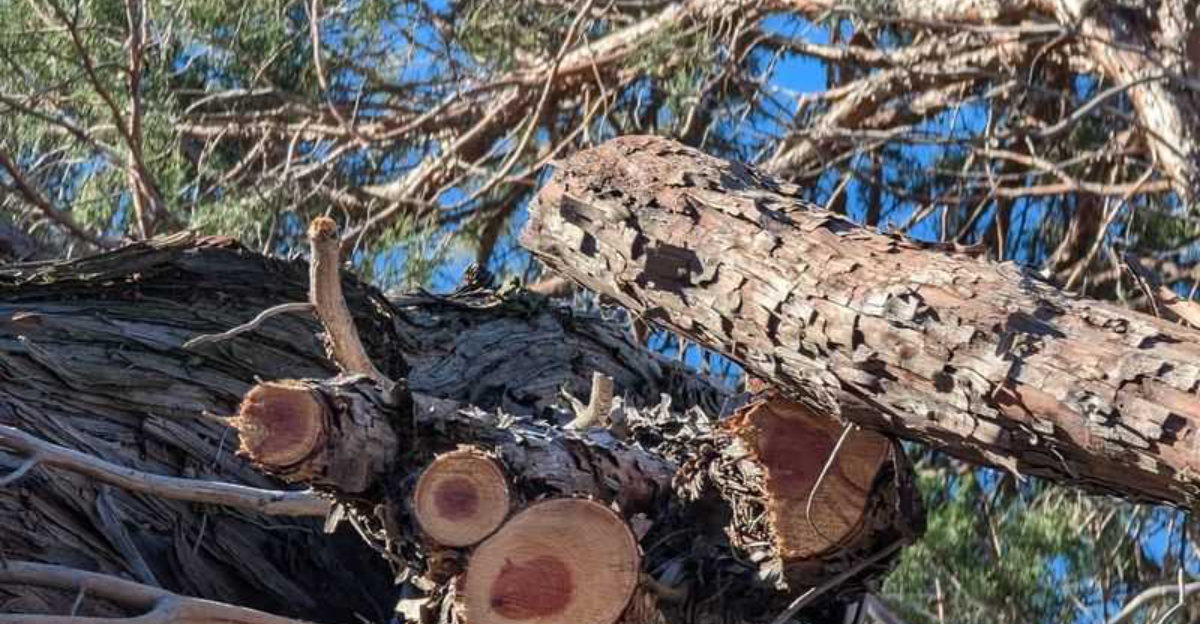
Not all trees in Ohio are just a beautiful part of the landscape—some can become costly legal liabilities if left unchecked.
Certain species are considered hazardous, invasive, or disease-prone, and homeowners who fail to remove them may face fines or even legal action.
In other words, a seemingly innocent tree could quietly be draining your wallet.
In Ohio, ignoring the wrong tree can cost you more than just space in your yard—it can cost you big.
From weak-branched trees that pose safety risks to fast-spreading invasive species, these trees aren’t just an aesthetic concern—they’re a matter of public safety and environmental protection.
Municipalities enforce removal to prevent damage to property, power lines, and neighboring landscapes, meaning homeowners have both a responsibility and a deadline.
Your yard might look fine now, but some trees have legal strings attached.
Ohio residents who know which trees are regulated, how to remove them safely, and when to act can avoid costly fines while keeping their gardens healthy and compliant.
Some trees belong in your yard—and some belong gone—legally and quickly.
Dry Trees Classified As Safety Hazards
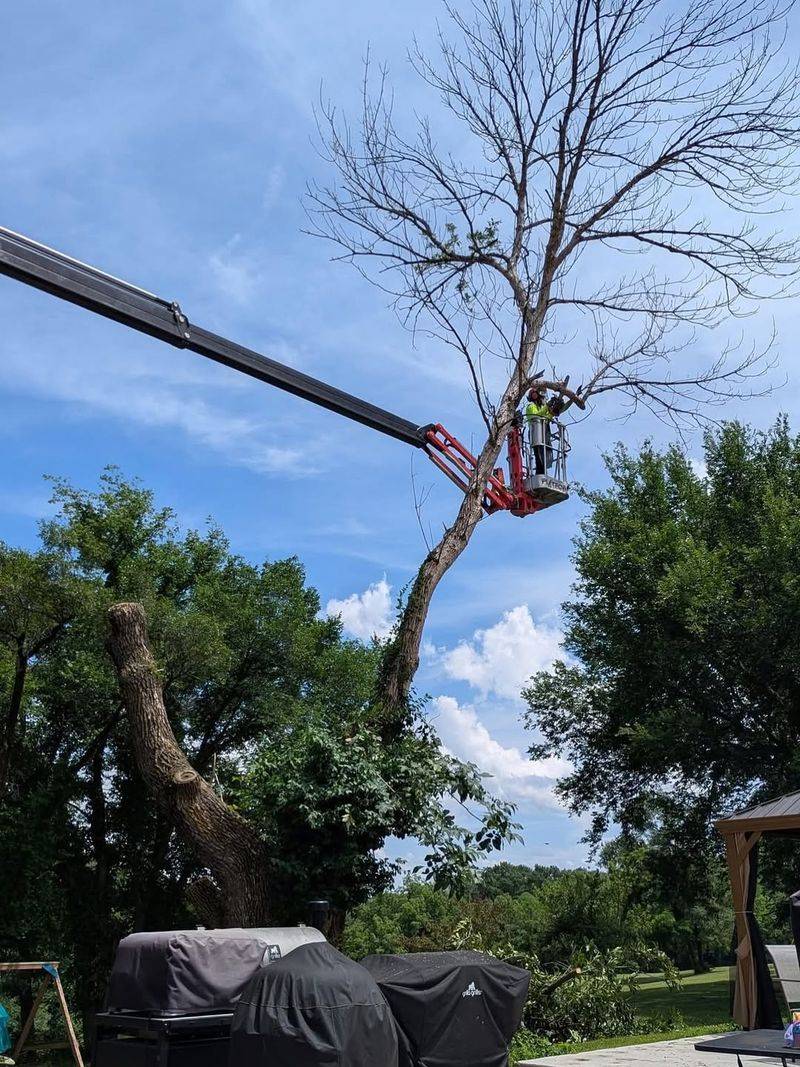
Municipal code enforcement officers in Ohio take dried-out trees very seriously because they represent immediate dangers to people and property.
When a tree loses its ability to transport water and nutrients, the wood becomes brittle and unpredictable, making it prone to sudden collapse during windstorms or even calm weather.
Local inspectors regularly survey neighborhoods, looking for trees showing signs of severe decline such as missing bark, hollow trunks, or complete absence of foliage during growing season.
Once identified, homeowners typically receive a written notice detailing the hazard and setting a deadline for removal, often ranging from 30 to 90 days depending on the severity.
Failure to comply triggers fines that start around $100 but can climb to $500 or more per day in some jurisdictions.
The municipality may also hire a contractor to remove the tree and bill the property owner for all costs, which can exceed several thousand dollars.
Many Ohio communities offer assistance programs or lists of certified arborists to help residents address these situations affordably.
Acting quickly not only protects your family and neighbors but also prevents financial penalties from piling up unexpectedly.
Ash Trees Ruined By Emerald Ash Borer
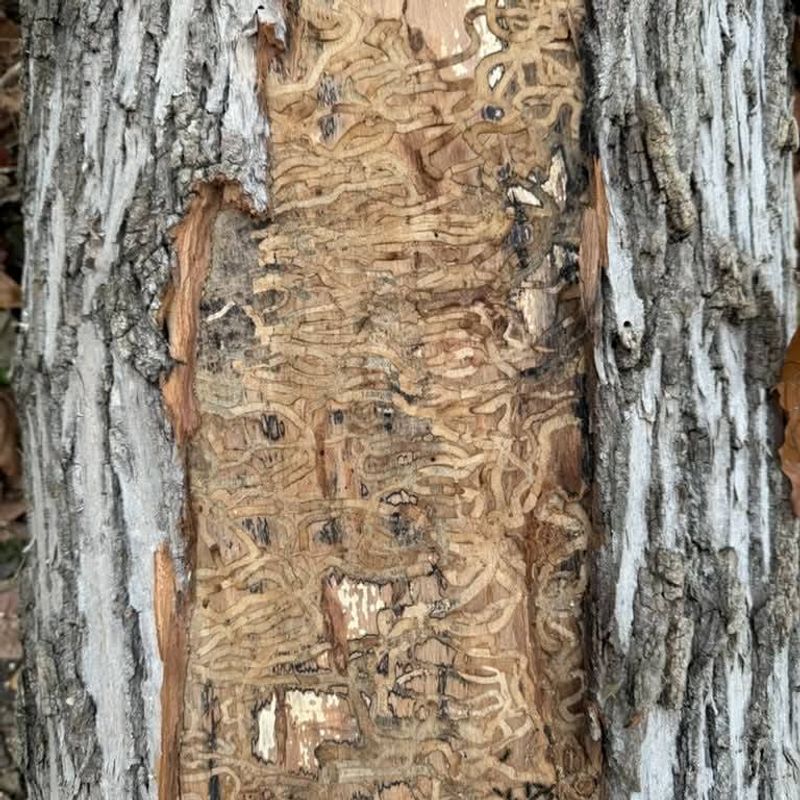
Emerald ash borer has devastated Ohio’s ash tree population since its discovery in the state, turning healthy giants into unstable hazards within just a few years.
This invasive beetle burrows beneath the bark, disrupting the tree’s ability to move water and nutrients, which leads to rapid decline and structural weakness.
Municipalities across Ohio have enacted specific ordinances targeting infested ash trees because they become brittle and prone to dropping large limbs without warning.
Property owners receive official notices when inspectors identify infested specimens, especially those near homes, sidewalks, or roadways where falling branches could cause injury or damage.
Compliance deadlines vary by community but typically range from 60 to 120 days, giving homeowners time to hire certified tree services.
Your Ohio Garden Changes Every Week. Your Plan Should Too.
Gardening in Ohio changes quickly throughout the season. Every Friday you’ll receive a simple weekly plan showing exactly what to plant, prune, fertilize, harvest, and protect so you never miss the right timing.
Ignoring these orders results in fines starting at $150 and increasing daily, plus the city may remove the tree and place a lien on your property for all expenses.
Some Ohio communities offer cost-sharing programs or low-interest loans to help residents afford removal and replacement with resistant species.
Addressing infested ash trees promptly protects public safety and helps slow the spread of this destructive pest to neighboring properties.
Bradford Pear (Callery Pear) Trees
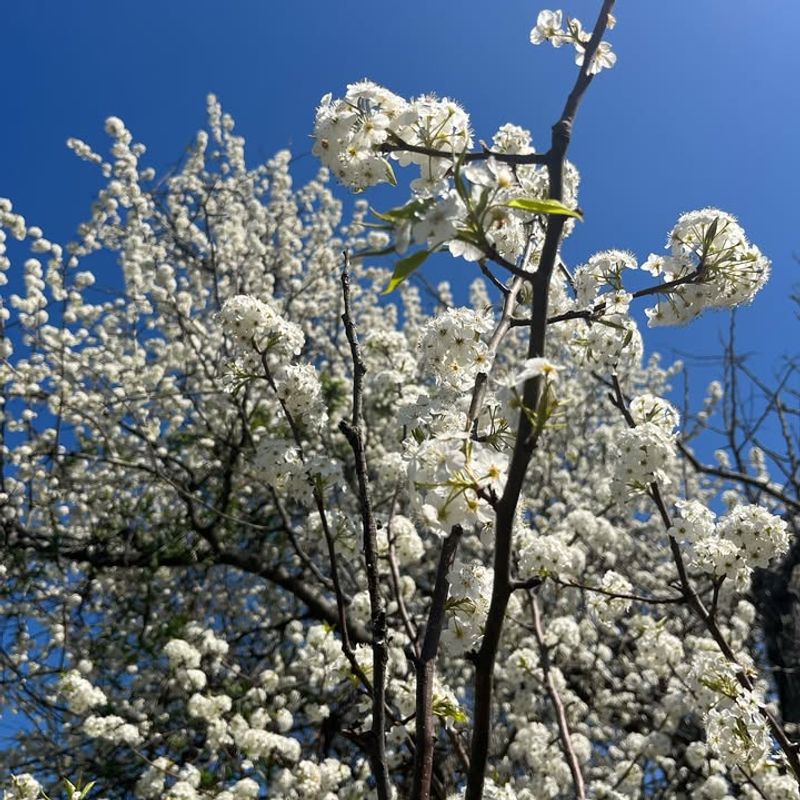
Bradford pear trees were once celebrated for their showy spring blooms and rapid growth, but they have become a nightmare for Ohio communities due to their weak branch structure and invasive tendencies.
The tight V-shaped branch angles make these trees prone to splitting apart during storms, ice, or even under their own weight as they mature.
When branches crack and fall, they can damage homes, vehicles, and power lines, creating liability issues for property owners.
Beyond structural problems, Bradford pears spread aggressively through seeds, crowding out native vegetation and reducing biodiversity in Ohio’s natural areas.
Many municipalities now require removal of Bradford pears once they reach a certain size or show signs of splitting, especially if located near public spaces.
Homeowners receive notices outlining the hazard and setting removal deadlines, typically 30 to 90 days.
Fines for non-compliance start around $100 and increase with each violation period, and the city may remove the tree at the owner’s expense.
Replacing Bradford pears with native alternatives like serviceberry or redbud provides beauty without the risks and helps restore Ohio’s ecological balance.
Tree Of Heaven (Ailanthus Altissima)
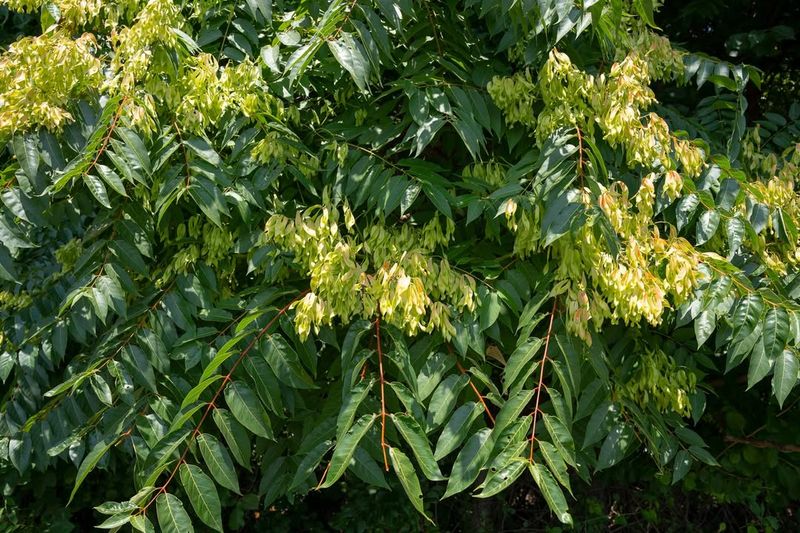
Tree of Heaven earned its name from its ability to grow almost anywhere, but Ohio authorities consider it a serious ecological threat requiring aggressive management.
This invasive species spreads rapidly through root suckers and prolific seed production, quickly forming dense thickets that choke out native plants and reduce habitat quality for wildlife.
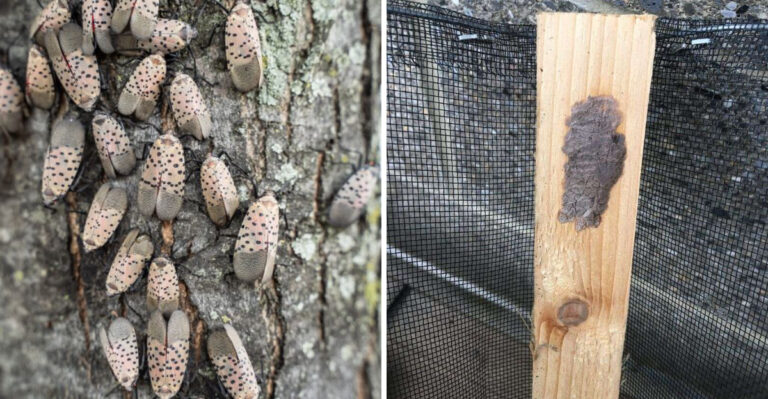
The tree also serves as the preferred host for spotted lanternfly, another destructive invasive pest that threatens agriculture and ornamental plants throughout Ohio.
Municipal codes in many Ohio communities now mandate removal of Tree of Heaven from residential properties, especially when specimens reach maturity and begin producing thousands of seeds.
Property owners receive official notices detailing the invasive threat and setting compliance deadlines, usually 60 to 90 days.
Removal requires careful technique because cutting the tree without treating the stump triggers explosive root suckering, potentially creating dozens of new sprouts.
Fines for ignoring removal orders start at $150 and escalate quickly, with municipalities authorized to hire contractors and bill homeowners for all removal costs.
Working with a qualified arborist ensures proper removal using herbicide treatments that prevent regrowth and protect surrounding desirable vegetation from damage.
Trees Growing Into Power Lines Or Utility Easements
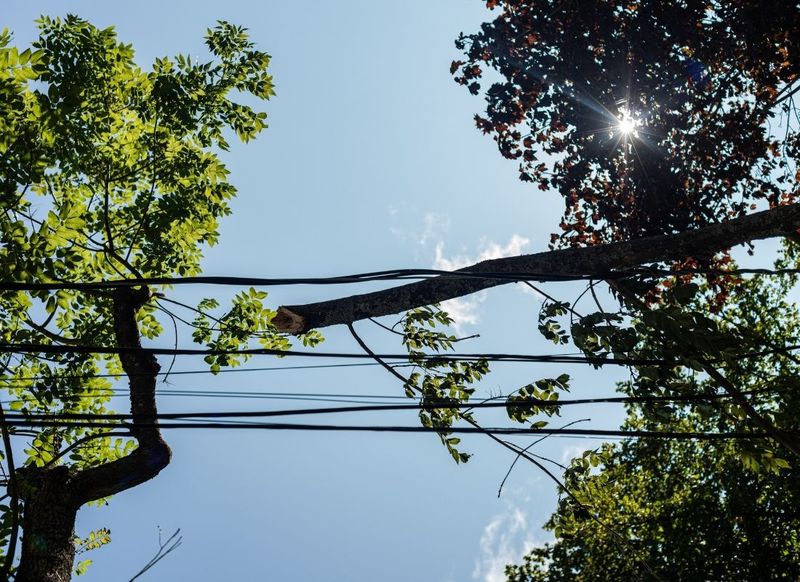
Utility companies and municipalities in Ohio maintain strict clearance requirements around power lines to prevent outages, fires, and electrocution hazards.
When trees grow into these zones, they create serious risks including arcing electricity, line damage during storms, and interference with emergency repairs.
Property owners receive notices from utility companies or local code enforcement when vegetation encroaches on easements or approaches minimum safe distances from conductors.
These notices specify removal or trimming requirements and set deadlines, typically 30 to 60 days depending on the severity of the encroachment.
Homeowners who ignore these warnings face fines starting at $100 per violation, with daily penalties accumulating until compliance is achieved.
Utility companies also reserve the right to enter properties and remove vegetation at the owner’s expense, often using aggressive pruning methods that leave trees disfigured.
Proactive trimming by certified arborists who understand proper clearance distances and tree health prevents both penalties and unsightly utility company cuts.
Many Ohio communities offer free or discounted tree replacement programs when removal near power lines becomes necessary, helping homeowners replant with appropriate low-growing species in safer locations.
Storm-Damaged Trees Declared Unsafe
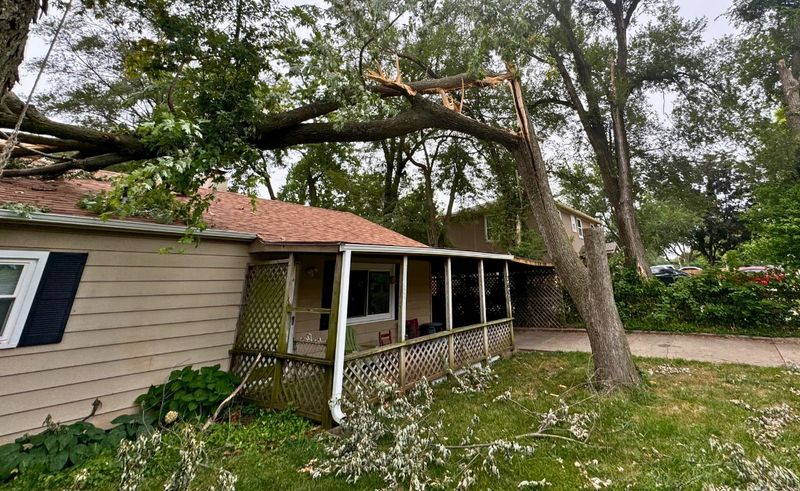
Severe weather events regularly sweep through Ohio, leaving behind trees with compromised structural integrity that pose ongoing threats long after the storm passes.
Wind damage can crack trunks internally without obvious external signs, while ice accumulation splits branches and creates widow-makers that hang precariously overhead.
Code enforcement officers conduct post-storm surveys to identify hazardous trees, looking for signs like significant lean, major branch loss, root upheaval, or visible cracks in the trunk.
Property owners receive urgent notices when inspectors determine that damaged trees threaten homes, vehicles, or public spaces, with removal deadlines often shortened to 15 to 30 days.
Simply trimming damaged portions rarely satisfies safety requirements because hidden internal damage can cause sudden failure months or years later.
Fines for non-compliance with storm damage removal orders start at $150 and increase rapidly, with municipalities authorized to remove trees immediately and bill owners for emergency contractor rates.
Many homeowner insurance policies cover tree removal when storm damage creates imminent hazards, so contacting your insurer before paying out of pocket can save significant money.
Acting quickly after storm damage protects your property value and prevents injuries that could result in costly liability claims.
Trees Blocking Roads, Sidewalks, Or Traffic Sightlines
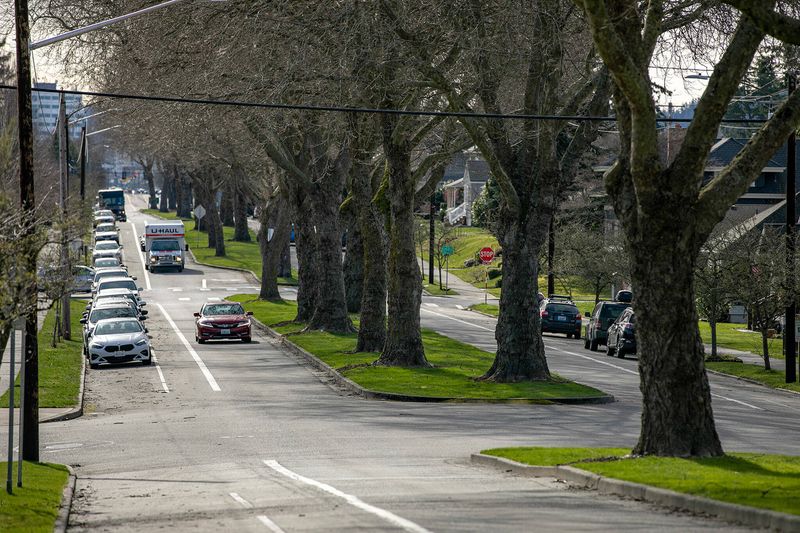
Ohio municipalities maintain clear standards for vegetation near public rights-of-way to ensure safe passage for pedestrians, cyclists, and motorists.
Trees with low-hanging branches force people into streets, create hazards for delivery drivers, and obscure traffic signs or signals that drivers need to see.
Overgrown specimens at intersections block sightlines, preventing drivers from seeing oncoming traffic, pedestrians, or cyclists until it’s too late to react safely.
Local codes typically require minimum clearances of seven feet above sidewalks and fourteen feet above roadways, with additional restrictions at corners and crosswalks.
Property owners receive notices when code enforcement identifies violations, with deadlines usually set at 30 to 45 days for compliance through trimming or removal.
If trimming cannot adequately resolve the obstruction because the tree’s trunk or root system encroaches on public space, complete removal may be mandated.
Fines for ignoring clearance violations start around $75 and increase with each inspection cycle, while municipalities may trim or remove offending vegetation and bill the property owner.
Regular maintenance trimming prevents violations and keeps trees healthy, while strategic placement of new plantings away from rights-of-way avoids future conflicts entirely.
Invasive Tree Species Ordered Removed By Local Ordinance
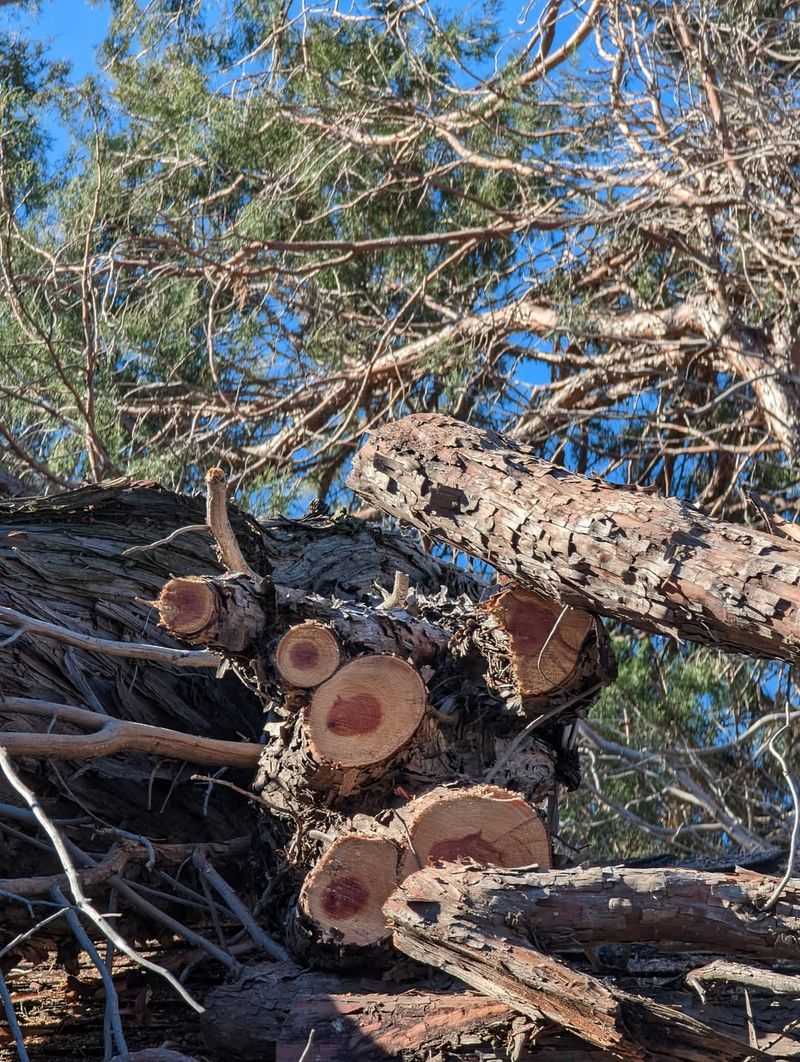
Ohio communities increasingly adopt ordinances targeting invasive tree species that threaten native ecosystems, reduce property values, and create management headaches for landowners.
Species like autumn olive, amur honeysuckle, and Norway maple spread aggressively, forming dense stands that exclude native plants and provide poor habitat for wildlife.
These invasives often produce thousands of seeds that birds and wind distribute widely, turning one property’s problem into a neighborhood-wide infestation.
Municipal codes now authorize inspectors to order removal of specific invasive species when they reach certain sizes or densities on residential properties.
Property owners receive notices identifying the invasive species present, explaining the ecological concerns, and setting removal deadlines typically ranging from 60 to 120 days.
Removal requirements may include not just cutting but also treating stumps and roots to prevent resprouting, which can multiply the problem if done incorrectly.
Fines for non-compliance with invasive species removal orders start at $100 and increase with subsequent violations, with cities authorized to contract removal and bill homeowners.
Many Ohio counties offer free identification services and removal assistance through soil and water conservation districts, making compliance more affordable and ensuring proper techniques are used.
Trees Causing Verified Damage To Foundations Or Infrastructure
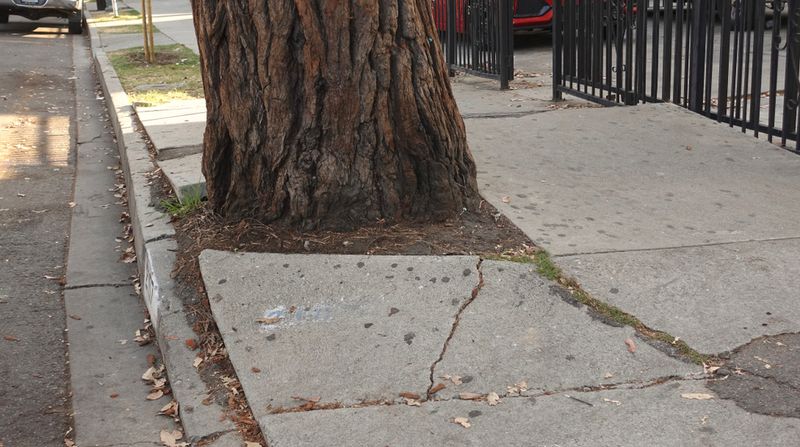
Aggressive tree root systems can cause thousands of dollars in damage to sidewalks, driveways, sewer lines, and even building foundations, creating liability issues for property owners.
Species like silver maple, willow, and poplar send roots far from the trunk in search of water, often infiltrating underground pipes and lifting concrete surfaces.
When neighbors or the municipality document damage caused by roots from your tree, you may receive a removal order rather than just a trimming requirement.
Root pruning alone rarely solves the problem because trees continue growing and damaged infrastructure remains compromised, requiring expensive repairs that will face the same issues again.
Ohio property owners are legally responsible for damage their trees cause to public infrastructure like sidewalks and streets, making removal orders both a safety and financial matter.
Notices specify the documented damage, set removal deadlines of 30 to 90 days, and may include repair requirements for the damaged infrastructure.
Fines for ignoring these orders start at $150 and escalate daily, while municipalities can remove the tree, repair the damage, and place liens on the property for all costs.
Consulting with both an arborist and a structural engineer helps determine whether removal is truly necessary or if alternative solutions might preserve the tree while protecting infrastructure.
Trees Officially Declared A Public Nuisance
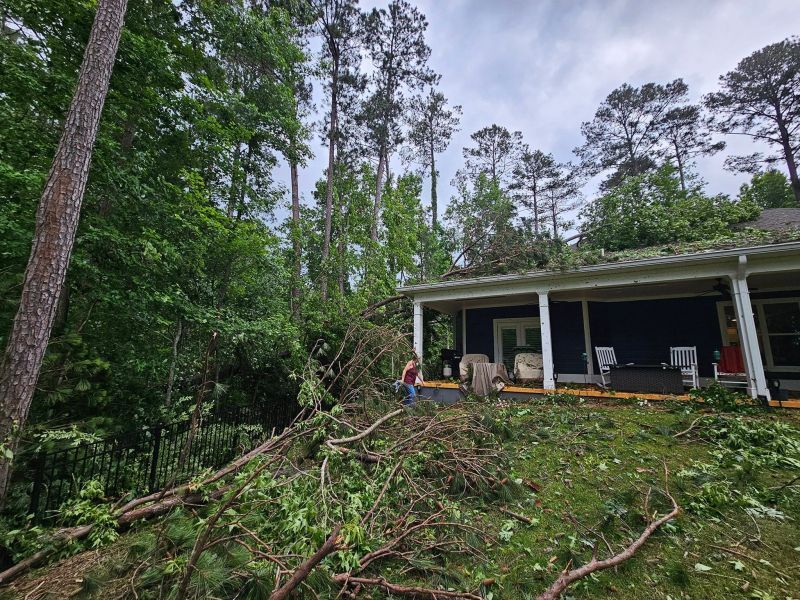
Ohio municipalities reserve the broadest enforcement authority for trees officially declared public nuisances, a category that encompasses multiple violations or severe individual problems.
Nuisance declarations typically result from combinations of issues such as hazardous condition plus obstruction of public ways, or invasive species plus verified property damage.
The formal nuisance designation follows a documented process including inspection, photographic evidence, and written notice to the property owner detailing all violations.
Homeowners receive specific deadlines for removal, usually 30 to 60 days, along with information about appeals processes if they believe the designation is incorrect.
Fines for nuisance trees are typically higher than single-issue violations, starting at $200 and increasing by $50 to $100 for each day past the deadline.
Municipalities can obtain court orders allowing immediate removal without further notice if the nuisance poses imminent danger to public safety.
All removal costs, plus administrative fees and daily fines, become liens on the property if unpaid, potentially complicating future sales or refinancing.
Responding promptly to initial notices and working cooperatively with code enforcement prevents escalation to nuisance status and keeps resolution costs manageable for homeowners.