Plant These 11 Fruit Trees And Berry Bushes Before Spring Hits Oregon

Spring is coming, whether we’re ready or not, and that means it’s prime time to think about planting fruit trees and berry bushes in Oregon.
Even in the cooler, wetter months, getting these plants in the ground now gives them a head start to grow strong roots and thrive when the growing season really begins.
From crisp apples and juicy pears to sweet blueberries and raspberries, the right plants can turn your backyard into a small, productive orchard.
With a little planning and the right timing, you’ll be setting yourself up for a summer (and beyond) full of fresh, homegrown fruit.
Get ahead of the season and plant these fruit trees and berries now for a fruitful Oregon garden.
1. Blueberry Bushes

Oregon soil is naturally acidic, which makes it ideal for blueberries.
These bushes love our wet winters and mild summers, and once established, they produce buckets of sweet berries every year.
You can eat them fresh, freeze them for smoothies, or bake them into muffins and pies.
Blueberries need at least two varieties planted nearby for better pollination, so plan to pick up a couple of different types.
They grow best in full sun but can tolerate a bit of shade.
Plant them in well-draining soil and mulch around the base to keep moisture in and weeds out.
Early spring blooms bring delicate white flowers that attract bees, and by summer, you will be picking handfuls of berries.
Blueberries are low maintenance and rarely need pruning in their first few years.
They also look beautiful in your yard with their glossy green leaves that turn red and orange in fall.
Kids love picking these berries, and you can feel good knowing they are packed with vitamins and antioxidants.
Plant them now, and by next summer, you will have your first real harvest.
2. Apple Trees
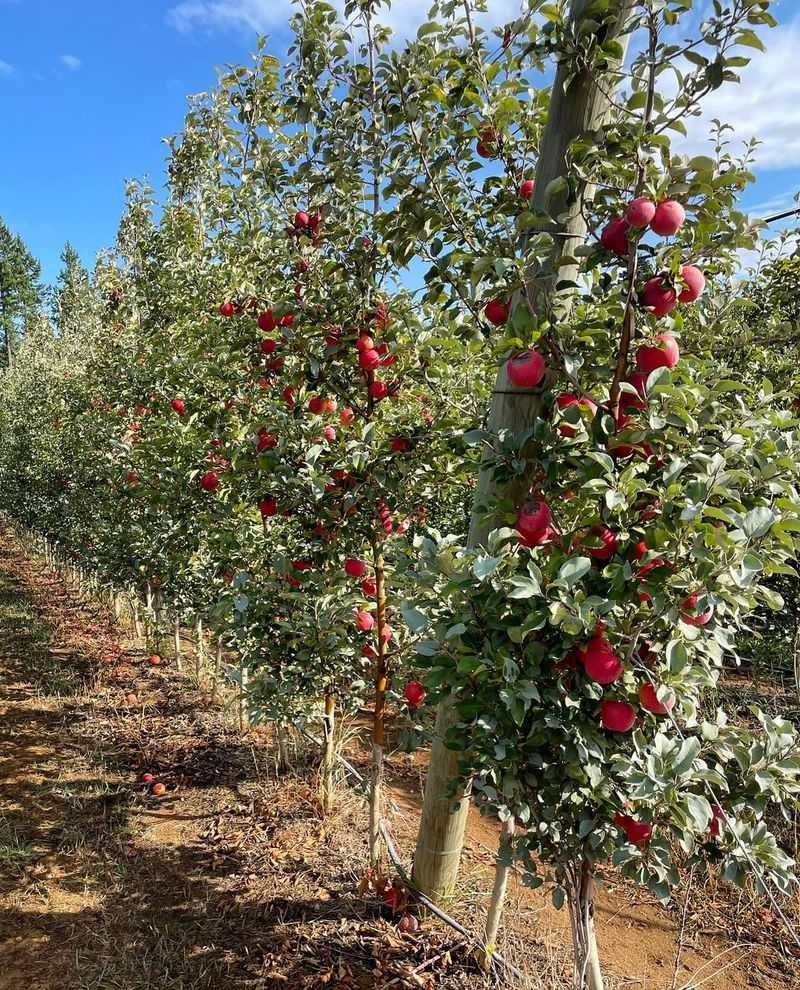
Nothing beats biting into a crisp apple you grew yourself.
Apple trees do incredibly well in Oregon because our climate offers the chill hours they need in winter and warm, dry summers for ripening.
Popular varieties like Honeycrisp, Fuji, and Gravenstein thrive here and produce reliable crops year after year.
You will want to choose a dwarf or semi-dwarf tree if space is limited, as these stay manageable and still give you plenty of fruit.
Plant your apple tree in a sunny spot with good drainage.
Most apples need a pollinator partner, so consider planting two different varieties or check if a neighbor has one nearby.
Apples take a few years to start producing, but the wait is worth it.
Once they start fruiting, you can enjoy fresh apples, make applesauce, bake pies, or press cider.
Pruning in late winter helps shape the tree and encourages strong branches.
Apples are also great for teaching kids about patience and the cycle of seasons.
Get your tree in the ground now, and in a few years, autumn will mean baskets of homegrown apples.
3. Raspberry Canes
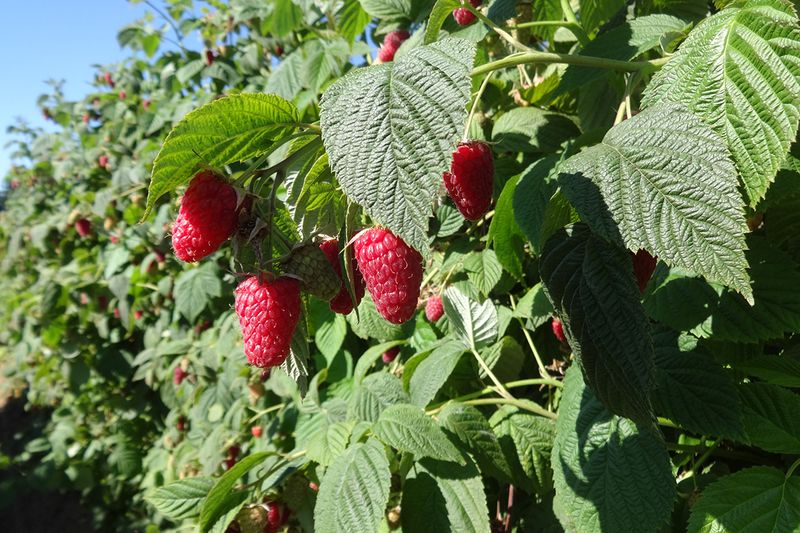
Raspberries spread fast and produce fruit like crazy once they get going.
Your Oregon Garden Changes Every Week. Your Plan Should Too.
Gardening in Oregon changes quickly throughout the season. Every Friday you’ll receive a simple weekly plan showing exactly what to plant, prune, fertilize, harvest, and protect so you never miss the right timing.
Oregon gardeners love them because they are hardy, forgiving, and incredibly productive.
You can choose summer-bearing types that fruit once a year or ever-bearing varieties that give you two harvests.
Raspberries prefer full sun but will tolerate some afternoon shade, especially in hotter areas.
Plant them in rows or along a fence where they can climb and spread without taking over your whole yard.
They need support, so set up a simple trellis or wire system early on.
Raspberries love rich, well-draining soil and benefit from a layer of compost each spring.
Once established, they require minimal care beyond watering during dry spells and trimming old canes after harvest.
Fresh raspberries are sweet, tangy, and perfect for snacking, adding to cereal, or making jam.
Kids can safely pick them without getting pricked too badly if you choose thornless varieties.
Plant them before spring, and by summer, you will be enjoying handfuls of berries straight from the garden.
4. Cherry Trees
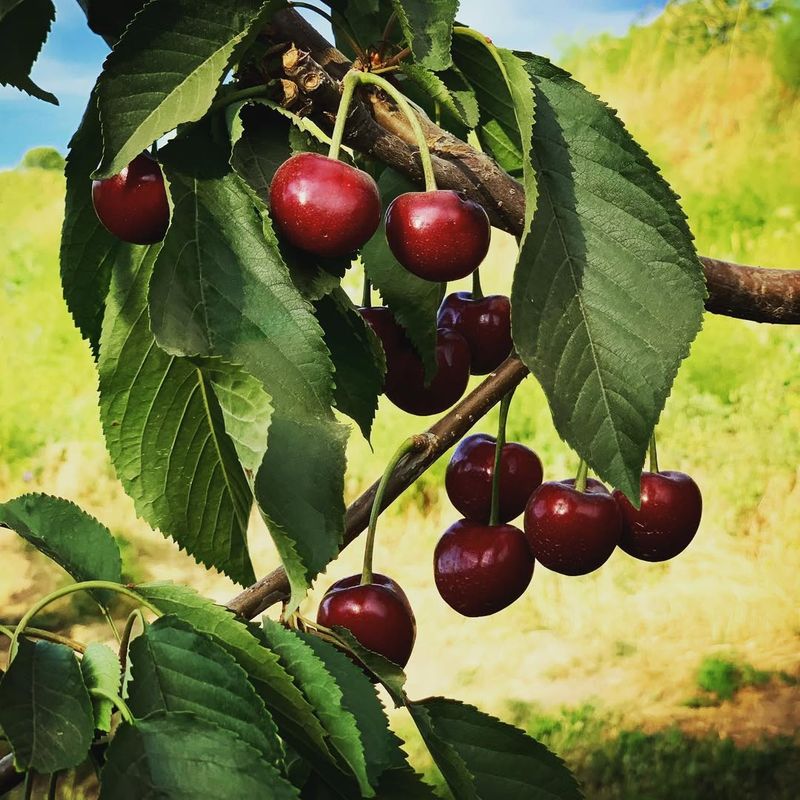
Sweet cherries and tart cherries both grow beautifully in Oregon, especially in the Willamette Valley and surrounding areas.
Sweet varieties like Bing and Rainier need another cherry tree nearby for pollination, while tart cherries like Montmorency are often self-pollinating.
Cherries love full sun and well-drained soil, and they reward you with stunning spring blossoms before the fruit arrives.
Tart cherries are perfect for pies, jams, and preserves, while sweet cherries are incredible eaten fresh or added to salads and desserts.
Cherry trees can grow quite tall, so consider a dwarf variety if you have limited space or want easier picking.
Birds love cherries as much as we do, so you may need to use netting to protect your harvest.
Plant your tree now, and in a few years, you will be picking juicy cherries in early summer.
Cherries are also packed with nutrients and antioxidants, making them a healthy treat for the whole family.
Pruning is important to keep the tree manageable and encourage strong growth.
With proper care, a cherry tree can produce fruit for decades.
5. Strawberry Plants
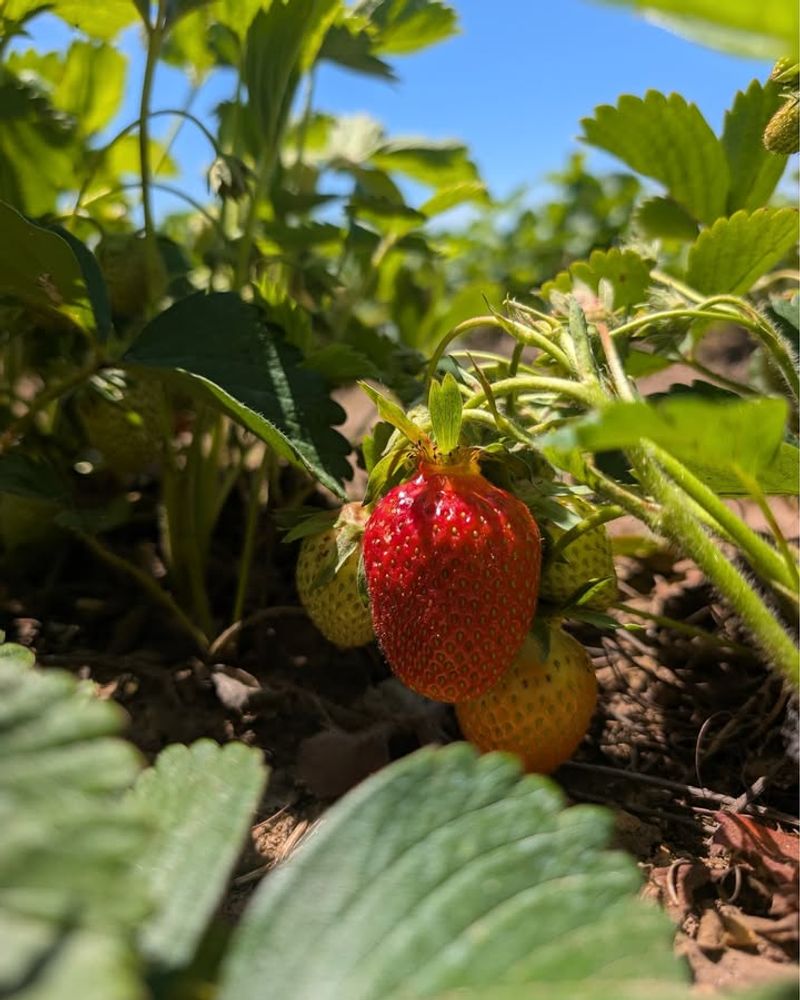
Strawberries are one of the easiest and most rewarding fruits to grow in Oregon.
They do not take up much space, and you can plant them in garden beds, containers, or even hanging baskets.
June-bearing varieties produce one big crop in early summer, while ever-bearing types give you smaller harvests throughout the season.
Strawberries love full sun and rich, well-draining soil.
Plant them in early spring or late winter, and they will start producing fruit within a few months.
Mulch around the plants to keep the berries clean and reduce weeds.
Strawberries send out runners that create new plants, so you can expand your patch easily over time.
Fresh strawberries taste incredible, and they are perfect for snacking, making jam, or topping desserts.
Kids love picking strawberries because they are low to the ground and easy to reach.
These plants are also great for beginners because they are forgiving and produce quickly.
Keep them watered during dry spells, and watch for slugs and birds that might snack on your berries.
Plant them now, and you will be enjoying sweet, juicy strawberries by late spring.
6. Pear Trees
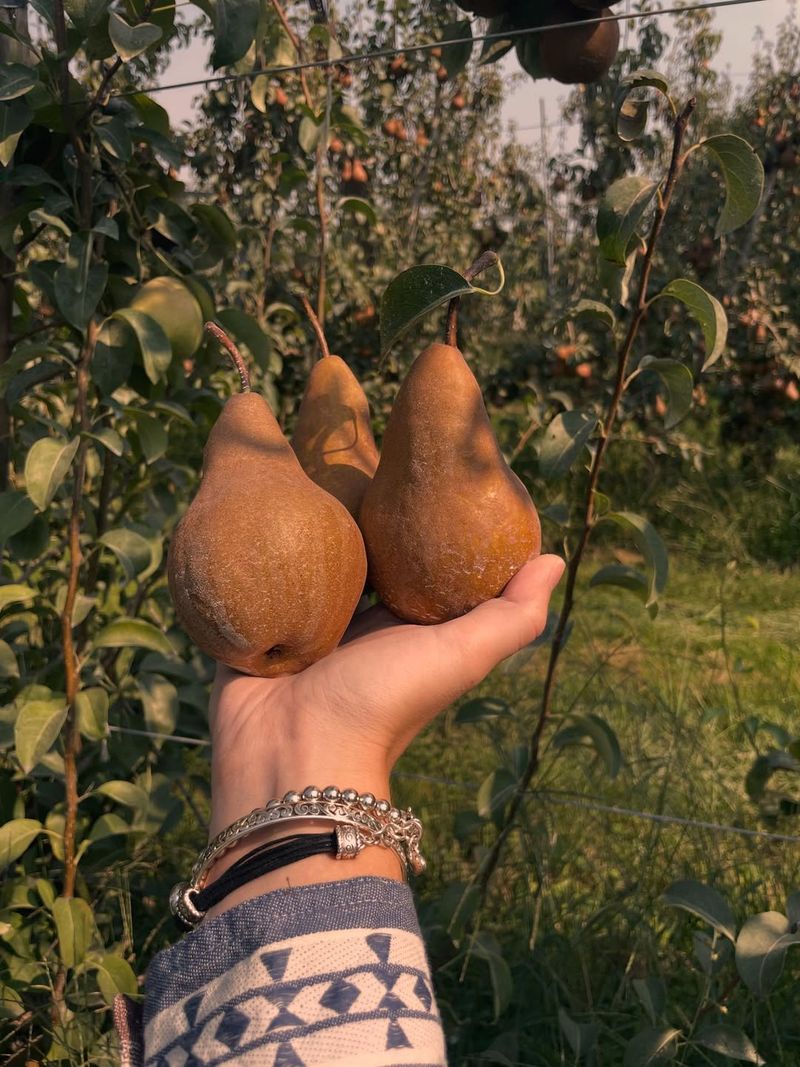
Pears are often overlooked, but they are one of the best fruit trees for Oregon gardens.
They handle our wet winters well and produce abundant crops of sweet, juicy fruit.
Bartlett, Bosc, and Anjou are popular varieties that thrive in our climate.
Pears need a pollinator partner, so plant at least two different varieties for the best results.
They prefer full sun and well-draining soil, and they are more tolerant of heavy clay than many other fruit trees.
Pear trees bloom early in spring, so late frosts can sometimes damage flowers, but most years they produce reliably.
Harvest pears when they are still firm and let them ripen indoors for the best flavor and texture.
Fresh pears are delicious on their own, baked into tarts, or canned for winter storage.
Pear trees can grow quite large, so consider a dwarf variety if space is tight.
Pruning in late winter helps maintain shape and encourages healthy growth.
With minimal care, a pear tree can produce fruit for many decades and become a beautiful part of your landscape.
7. Blackberry Bushes
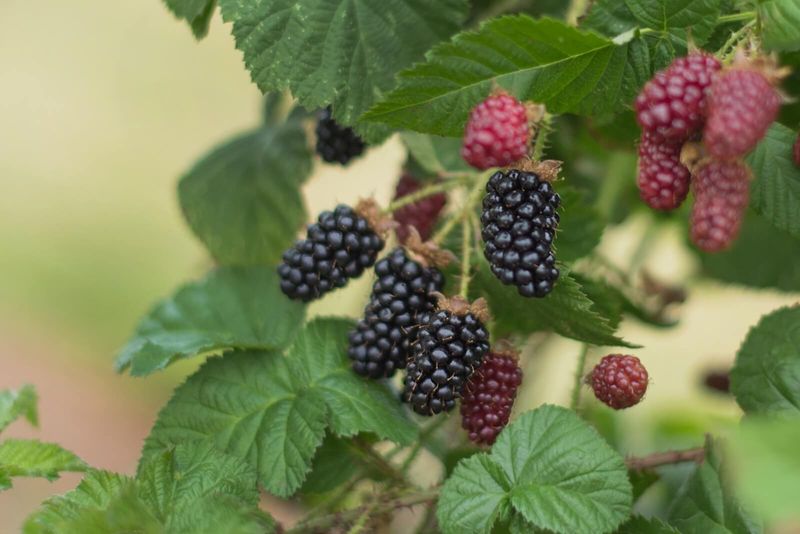
Blackberries grow wild all over Oregon, but planting cultivated varieties gives you bigger, sweeter berries without the aggressive spreading.
Thornless varieties are especially popular because they are easier to pick and maintain.
Blackberries love full sun and well-draining soil, and they produce heavily once established.
Plant them along a fence or trellis where they can climb and spread without taking over your garden.
Blackberries are incredibly productive, and a few plants can provide more berries than your family can eat fresh.
Freeze the extras for smoothies, bake them into cobblers, or make homemade jam.
These berries ripen in mid to late summer, and picking them becomes a fun family activity.
Blackberries need regular watering during dry spells and benefit from mulch to keep roots cool and moist.
Prune old canes after harvest to encourage new growth and better fruit production.
Cultivated blackberries are less invasive than wild types, but they still spread, so give them plenty of room.
Plant them now, and by next summer, you will be harvesting bowls full of juicy, sweet blackberries.
8. Plum Trees
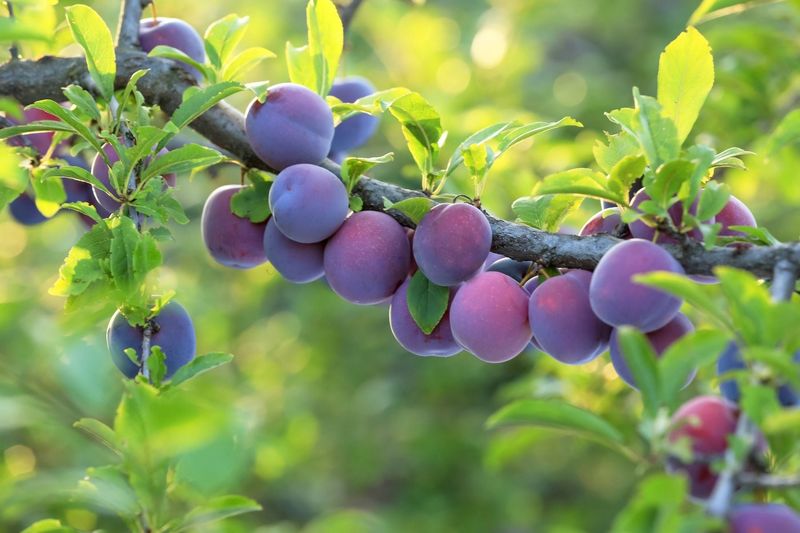
Plums are incredibly versatile and grow beautifully in Oregon gardens.
European plums like Italian Prune are self-pollinating and perfect for canning, drying, or baking.
Japanese plums like Santa Rosa are sweeter and juicier, ideal for eating fresh, but they need a pollinator partner.
Plums handle our wet winters well and produce reliable crops with minimal fuss.
Plant your tree in full sun with good drainage, and it will reward you with abundant fruit.
Plum trees bloom early, so they bring beautiful spring flowers before the fruit sets.
Harvest plums when they are slightly soft to the touch, and enjoy them fresh, baked into tarts, or made into jam.
Plums are also great for making fruit leather and preserves that last all winter.
Dwarf varieties are perfect for smaller yards and still produce plenty of fruit.
Prune your tree in late winter to maintain shape and encourage strong branches.
Plums are packed with vitamins and fiber, making them a healthy snack for kids and adults alike.
Plant your plum tree now, and in a few years, you will enjoy buckets of sweet, juicy plums every summer.
9. Fig Trees
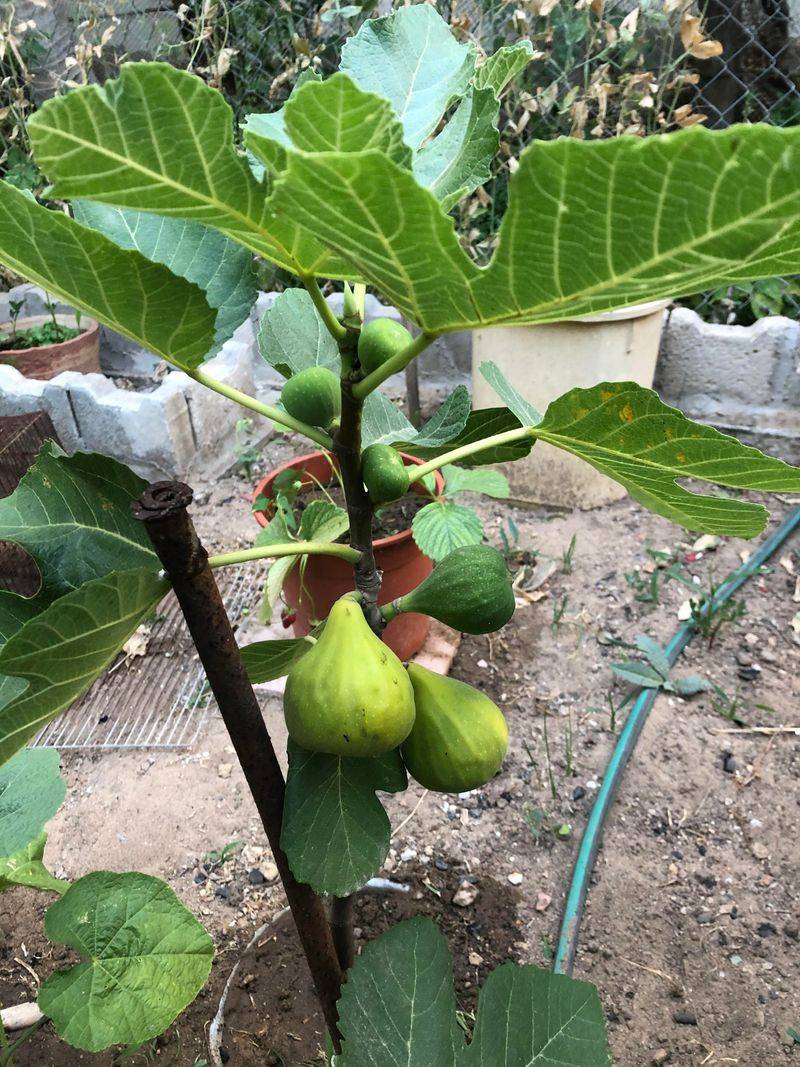
Figs might seem like a tropical fruit, but certain varieties thrive in Oregon, especially in milder areas like the Willamette Valley.
Desert King and Brown Turkey are two varieties that handle our climate well and produce sweet, delicious figs.
Figs love full sun and well-draining soil, and they can tolerate some drought once established.
Plant them in a protected spot near a south-facing wall where they can soak up warmth and stay sheltered from harsh winter winds.
Figs are self-pollinating, so you only need one tree to get fruit.
Fresh figs are incredibly sweet and can be eaten straight from the tree, added to salads, or baked into desserts.
They also dry beautifully and make a healthy snack for winter months.
Fig trees can be grown in large containers if you want to move them indoors during cold snaps.
They need minimal pruning and are relatively pest-free.
Figs ripen in late summer and early fall, giving you a unique harvest when most other fruits are done.
Plant your fig tree now, and in a few years, you will enjoy the exotic sweetness of homegrown figs.
10. Currant Bushes
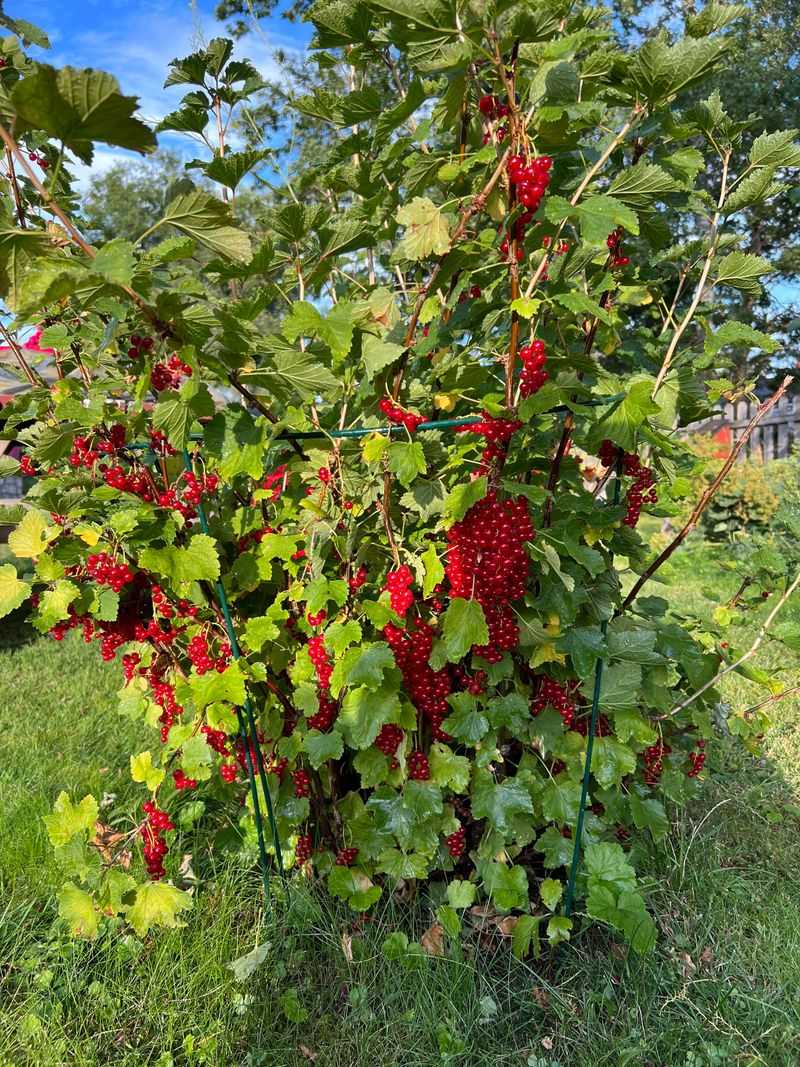
Currants are small, tart berries that grow incredibly well in Oregon and are often overlooked by home gardeners.
Red, white, and black currants all thrive here, and they are packed with vitamins and antioxidants.
Currants prefer cooler climates and can tolerate partial shade, making them perfect for spots where other fruits struggle.
Plant them in well-draining soil with plenty of organic matter, and they will produce heavily year after year.
Currants are self-pollinating, so you only need one bush, but planting more increases your harvest.
These berries ripen in early summer and are perfect for making jams, jellies, syrups, and sauces.
Fresh currants are too tart for most people to eat raw, but they shine in recipes.
Currant bushes are compact and easy to manage, making them great for smaller gardens.
They need regular watering during dry spells and benefit from mulch to keep roots cool.
Currants are also resistant to most pests and diseases, making them low-maintenance and reliable.
Prune them lightly each year to encourage new growth and better fruiting.
Plant currants now, and by next summer, you will have buckets of beautiful, tangy berries.
11. Gooseberry Bushes
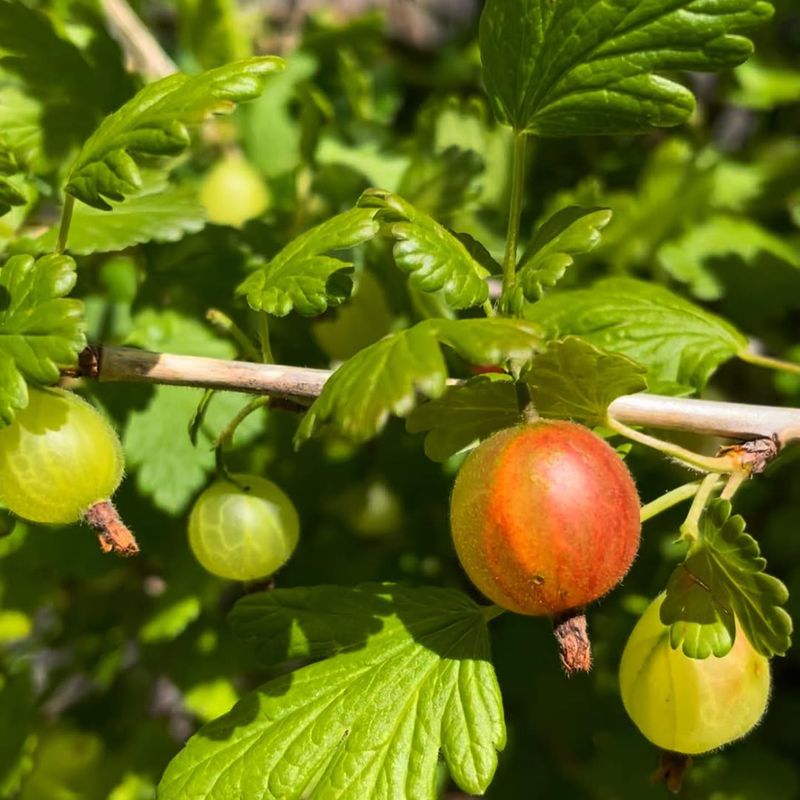
Gooseberries are another underrated fruit that grows exceptionally well in Oregon.
These tart, tangy berries are perfect for pies, jams, and desserts, and they tolerate our cool, wet climate better than most fruits.
Gooseberries prefer full sun but can handle partial shade, making them versatile for different garden spots.
Plant them in well-draining soil with plenty of compost, and they will produce heavily for many years.
Gooseberries are self-pollinating, so one bush is enough, but more plants mean more berries.
They ripen in early summer, and you can pick them green for cooking or wait until they turn pink or red for sweeter flavor.
Gooseberries are covered in tiny spines, so wear gloves when harvesting.
These bushes are compact and easy to manage, making them ideal for smaller gardens.
They are also resistant to most pests and diseases, so they require minimal care once established.
Gooseberries are packed with vitamin C and make a unique addition to your homegrown fruit collection.
Prune lightly each year to encourage new growth and better fruiting.
Plant gooseberries now, and by next summer, you will enjoy their unique, tangy flavor in homemade treats.