These Are The Most Popular Pet-Safe Houseplants In Washington Right Now
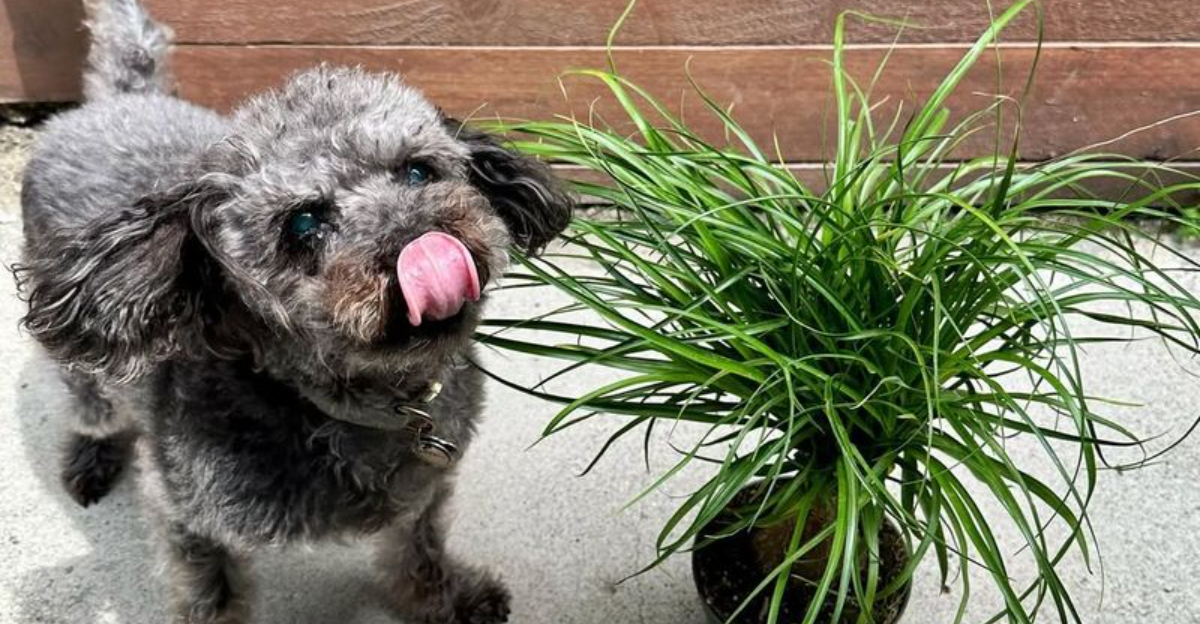
Houseplants are having a big moment in Washington, and pet owners are paying close attention to what they bring home.
With cats jumping on shelves and dogs sniffing every corner, not every plant is a safe choice anymore.
That is why pet safe houseplants are becoming more popular than ever across the state.
People want beautiful greenery without worrying about their pets getting sick.
From bright city apartments to quiet suburban homes, Washington residents are filling their spaces with plants that are both stylish and safe.
Many of these popular picks are easy to care for and fit well into busy lifestyles.
They add color, fresh air, and a calm feeling without creating extra stress.
As more people work from home and spend time indoors, the right plants can make a big difference in how a space feels.
Choosing pet safe options lets plant lovers enjoy their hobby with peace of mind.
When you know which plants are trending and why, it becomes easier to build a home that looks great and keeps every member of the family happy.
1. Spider Plant
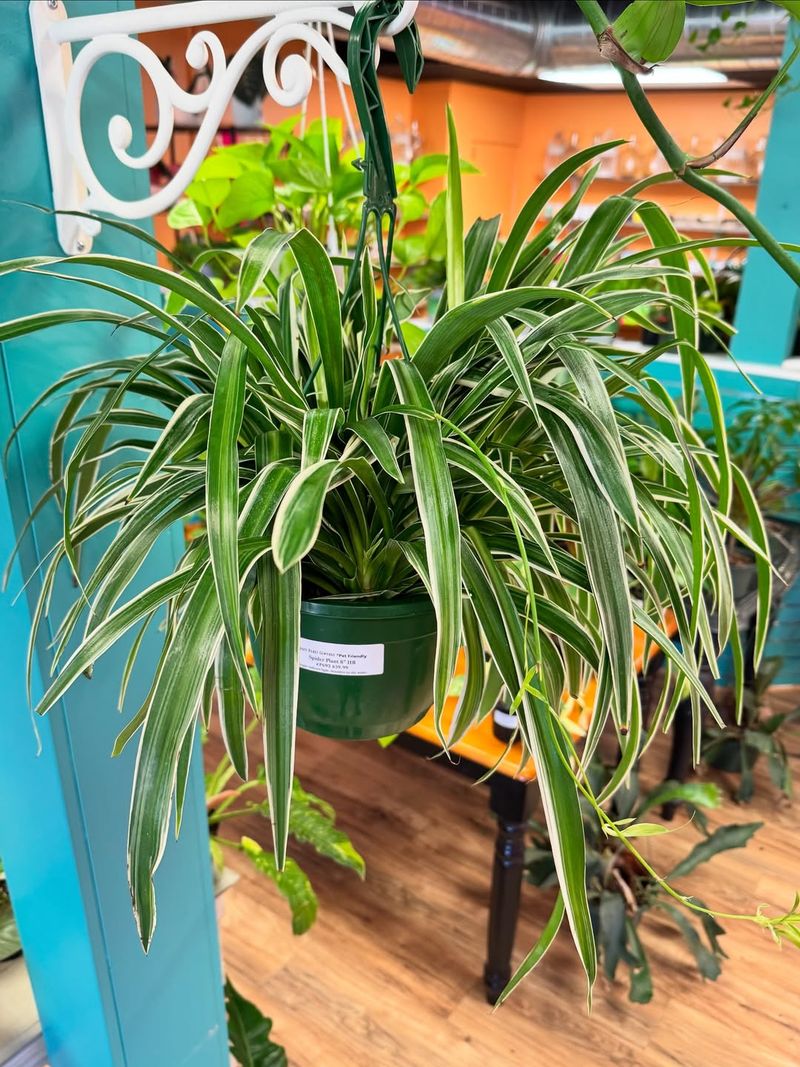
Spider plants have earned their reputation as one of the most forgiving houseplants for Washington pet owners who want something easy to maintain.
Their long, arching leaves create beautiful cascading displays that look stunning in hanging baskets or on tall shelves.
Cats seem particularly drawn to these plants, but thankfully they’re completely safe if your curious pet decides to bat at the dangling leaves.
Washington’s indoor humidity levels work perfectly for spider plants, which thrive in typical home environments without demanding constant attention.
These plants produce adorable baby plantlets that dangle from the mother plant, creating opportunities to expand your collection or share with friends.
They tolerate a wide range of lighting conditions, from bright indirect light to shadier corners of your Seattle apartment or Spokane home.
Watering once a week usually keeps them happy, though they’ll forgive you if you occasionally forget.
Their air-purifying qualities make them functional as well as decorative, helping to clean the air in your living spaces.
Brown tips might appear if your water has too much fluoride, but switching to filtered water solves this minor issue easily.
2. Peperomia
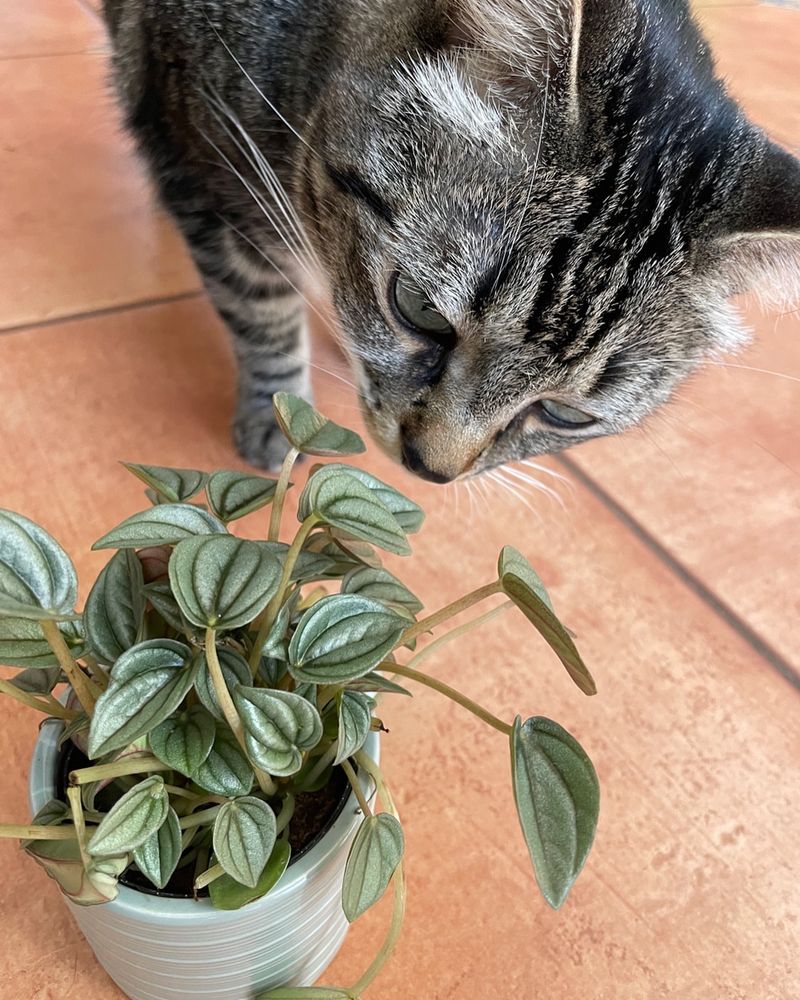
Compact and charming, peperomias pack a lot of personality into small packages that fit perfectly on desks, shelves, or windowsills throughout Washington homes.
With over a thousand varieties available, you’ll find leaf shapes and colors ranging from smooth and glossy to rippled and textured.
Some types feature red undersides, while others sport silvery stripes or heart-shaped leaves that add whimsy to any space.
Their small size makes them ideal for Tacoma apartments or smaller homes where space comes at a premium.
Peperomias store water in their thick leaves, meaning they tolerate occasional neglect better than many houseplants.
Watering every week or two usually suffices, depending on your home’s temperature and humidity levels.
They thrive in medium to bright indirect light, though they’ll adapt to lower light situations if necessary.
Your Washington Garden Changes Every Week. Your Plan Should Too.
Gardening in Washington changes quickly throughout the season. Every Friday you’ll receive a simple weekly plan showing exactly what to plant, prune, fertilize, harvest, and protect so you never miss the right timing.
Pet owners appreciate how these plants pose zero risk to animals who might investigate their interesting textures.
Root rot is their main enemy, so always err on the side of underwatering rather than overwatering.
Their slow growth means you won’t need to repot often, and they rarely attract pests, making them wonderfully low-maintenance additions to your pet-friendly indoor garden.
3. Boston Fern
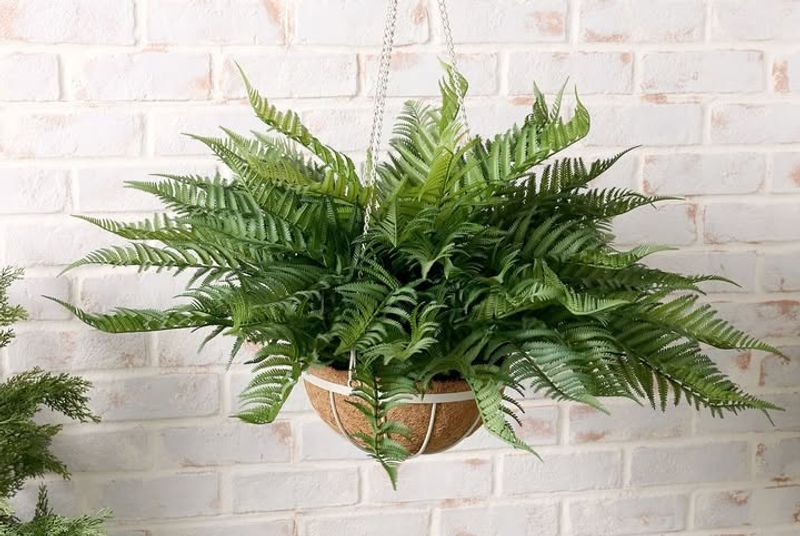
Lush and feathery, Boston ferns bring a touch of the Pacific Northwest forest right into your home.
These classic beauties have been gracing Washington homes for generations, and their pet-safe status makes them even more appealing to modern families.
The delicate fronds create a soft, romantic look that complements both traditional and contemporary decor styles.
Your bathroom might be the perfect spot for a Boston fern since they absolutely love the humidity from showers and baths.
Washington’s naturally humid climate, especially west of the Cascades, provides an ideal environment for these moisture-loving plants.
Keep the soil consistently moist but not waterlogged, checking it every few days to maintain the right balance.
Bright, indirect light works best, though they’ll adapt to medium light conditions if needed.
Regular misting helps keep the fronds looking their best, especially during drier winter months when indoor heating can reduce humidity.
If your pet nibbles on the fronds, you don’t need to worry since these ferns pose no danger to curious animals.
Their air-cleaning abilities make them valuable additions to any pet-friendly Washington household.
4. Ponytail Palm
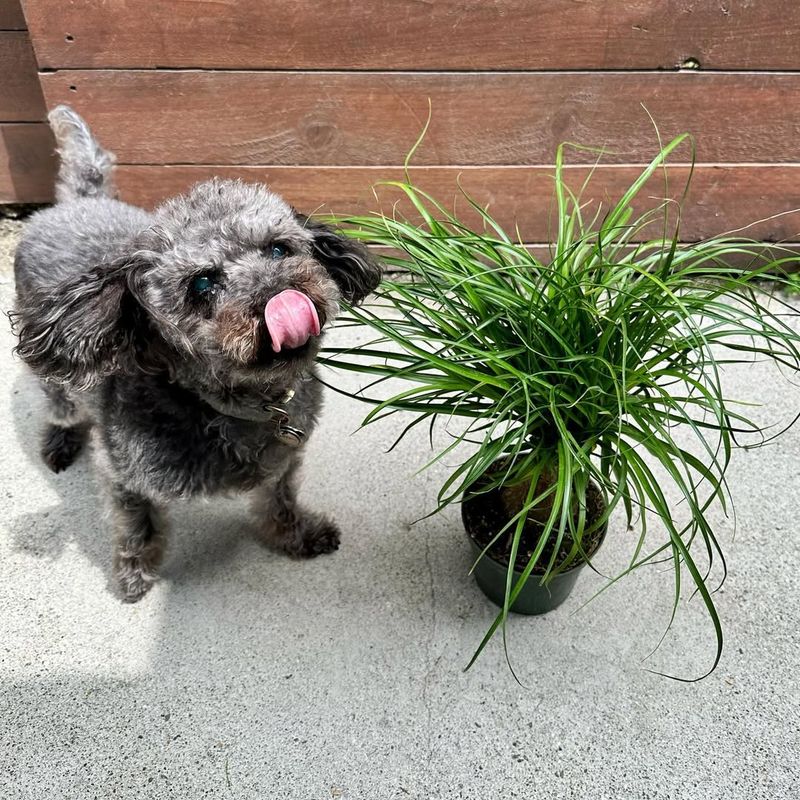
Quirky and sculptural, ponytail palms look like something from a Dr. Seuss book with their bulbous trunks and fountains of long, thin leaves.
These conversation starters aren’t actually palms at all but succulents that store water in their swollen bases.
Washington pet owners love their unusual appearance combined with their complete safety for animals.
The thick trunk means they can go weeks without water, making them perfect for forgetful plant parents or frequent travelers.
Bright light keeps them happiest, so south-facing windows in Bellevue or Vancouver work wonderfully for these sun-lovers.
They grow slowly and can live for decades, becoming cherished parts of your home that witness years of family memories.
The cascading leaves create dramatic silhouettes that cast interesting shadows on walls when backlit by afternoon sun.
Cats sometimes find the long leaves irresistible for playing, but thankfully they’re completely harmless if nibbled.
Well-draining soil is crucial since soggy roots spell trouble for these drought-adapted plants.
Their sculptural quality makes them stand out as living art pieces that require minimal maintenance while providing maximum visual impact in your pet-friendly Washington home.
5. Parlor Palm
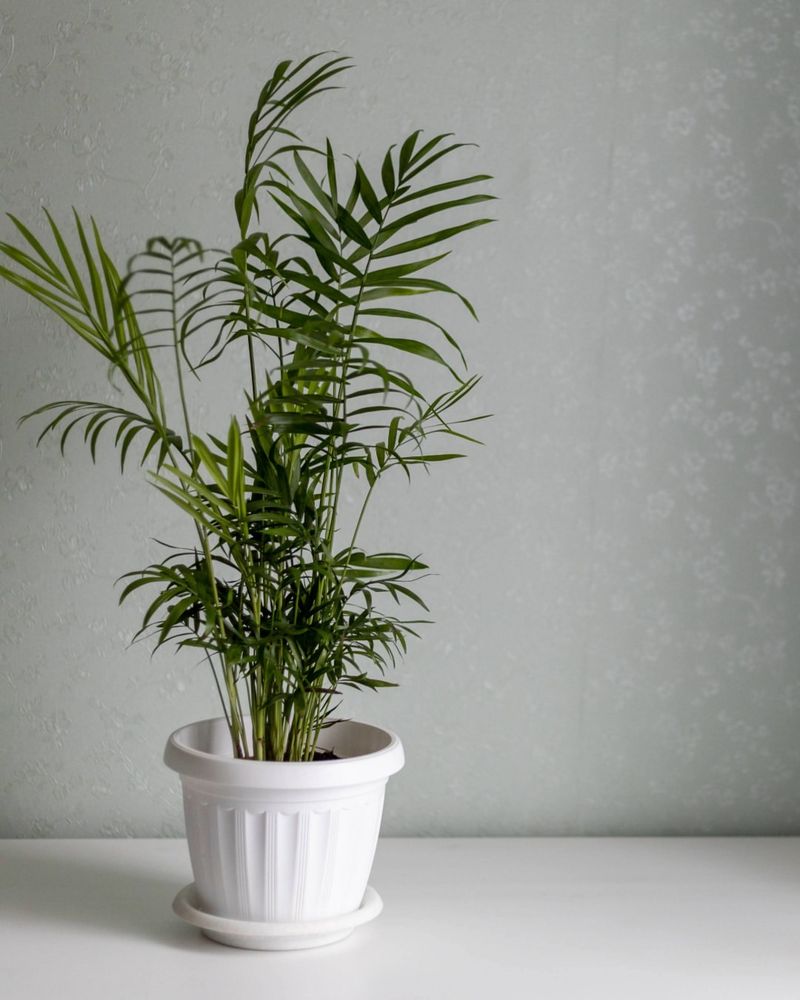
Bringing a tropical vibe to Washington homes, parlor palms create an instant vacation feeling without endangering your four-legged family members.
These elegant palms grow slowly but steadily, eventually reaching three to four feet tall indoors.
Their graceful fronds add vertical interest to corners and empty spaces that need a living sculpture.
Unlike many palms that demand intense care, parlor palms adapt well to the lower light conditions common in Pacific Northwest homes during cloudy seasons.
They prefer temperatures between 65 and 80 degrees, which matches most comfortable indoor settings perfectly.
Water when the top inch of soil feels dry, usually about once a week depending on your home’s conditions.
Seattle apartment dwellers appreciate how these palms tolerate the limited natural light that comes with urban living.
The leaves might attract playful cats, but you can rest easy knowing they won’t cause any harm.
Occasional wipedowns with a damp cloth keep the fronds dust-free and looking their best.
These palms rarely need repotting, making them low-maintenance companions for busy Washington pet owners who want greenery without constant fussing.
6. Prayer Plant
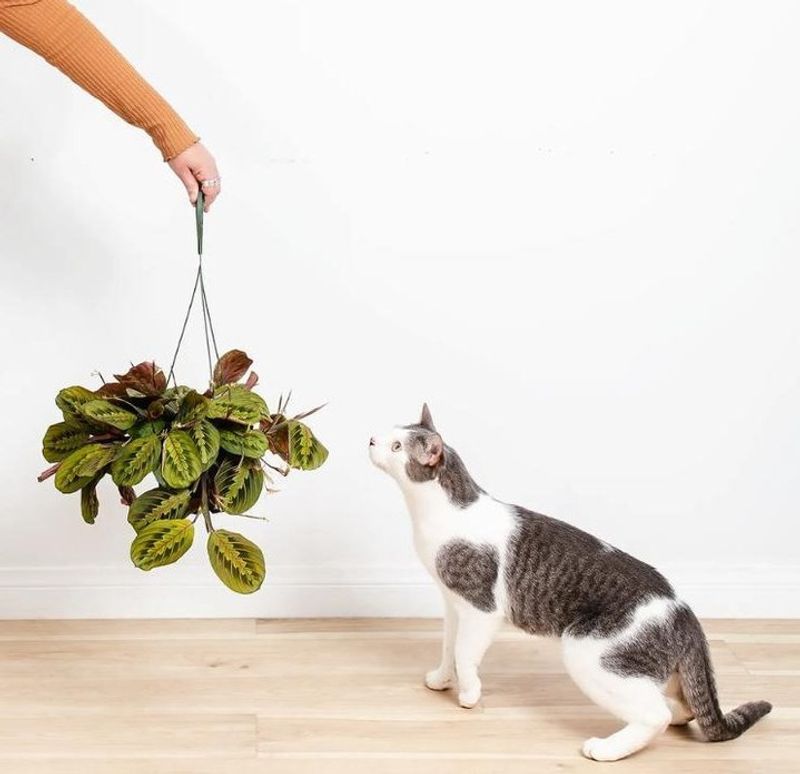
Named for their habit of folding their leaves upward at night like hands in prayer, these plants bring both beauty and intrigue to Washington homes.
Their leaves display stunning combinations of green shades with red veins and patterns that make each plant look hand-painted.
Watching them move throughout the day creates a sense of connection with nature that static decorations simply cannot provide.
Pet safety is guaranteed with prayer plants, so you can place them anywhere your curious animals can reach without worry.
They appreciate the naturally humid conditions found in many Washington homes, especially during rainy seasons.
Consistent moisture keeps them thriving, though they dislike sitting in water, so drainage remains important.
Medium to low light suits them well, making them excellent choices for rooms without abundant natural light.
The leaves can fade if exposed to direct sun, so filtered light from curtained windows works best.
Their compact growth habit makes them suitable for bathrooms, bedrooms, or office spaces throughout your home.
Many Olympia and Everett residents have discovered these plants as perfect solutions for adding life to darker corners while maintaining pet safety standards.
7. Calathea
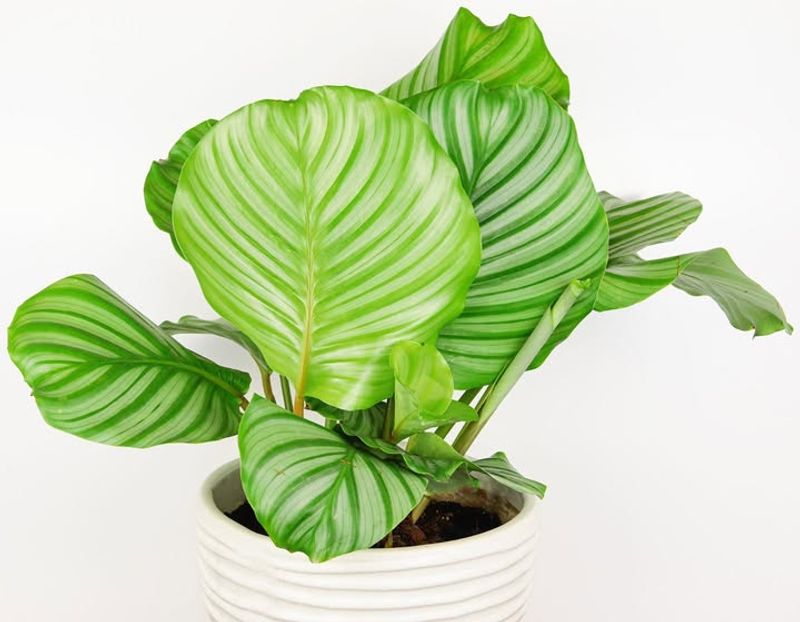
Walking into a room with a calathea feels like discovering a hidden treasure, thanks to their stunning patterned leaves that look almost painted by hand.
Each variety offers different markings, from bold stripes to intricate designs that captivate anyone who sees them.
Washington pet owners love knowing these showstoppers are completely safe for curious cats and dogs.
The leaves actually move throughout the day, folding up at night in a phenomenon called nyctinasty that fascinates plant enthusiasts.
This movement creates a living, breathing element in your home that changes from morning to evening.
They prefer consistent moisture without sitting in soggy soil, so well-draining potting mix is essential.
Humidity matters for calatheas, making them perfect for Washington’s western regions where moisture in the air comes naturally.
Brown edges can develop in drier eastern Washington homes, but a simple humidifier solves this problem quickly.
Indirect light keeps their colors vibrant, while direct sun can fade the beautiful patterns that make them special.
These plants reward attentive care with incredible beauty, becoming conversation pieces that also keep your pets safe.
8. Haworthia
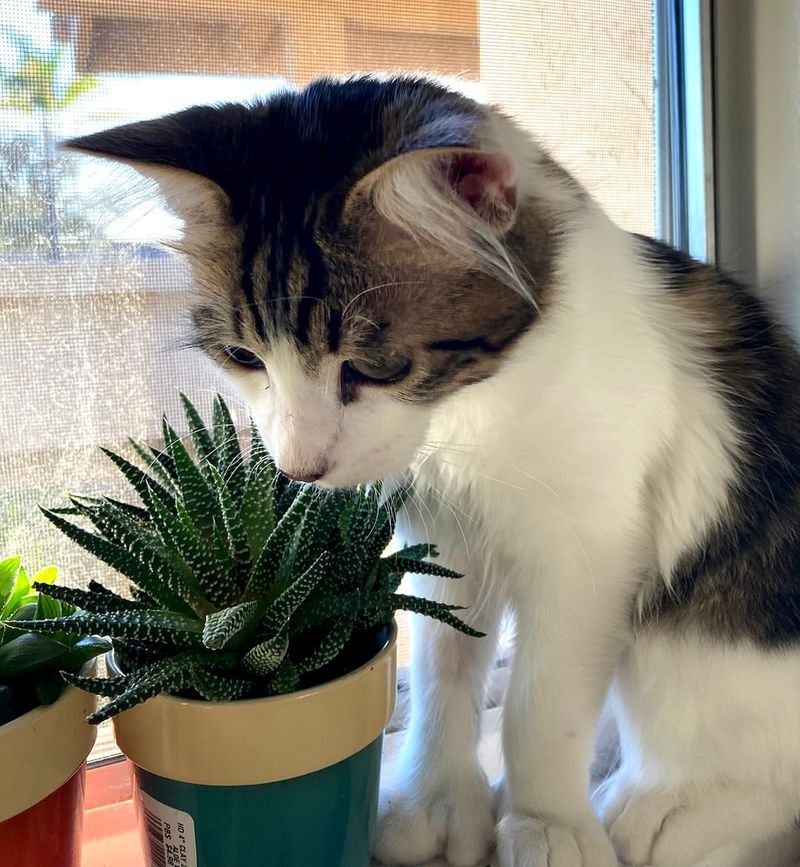
Resembling tiny aloe plants, haworthias offer all the architectural interest of succulents without any danger to your Washington pets.
Their compact rosettes of thick, pointed leaves create geometric patterns that appeal to modern design aesthetics.
Some varieties feature white stripes or translucent leaf tips that catch the light in fascinating ways.
These little succulents rarely grow larger than a few inches across, making them perfect for small spaces or grouped collections.
Bright indirect light keeps them happy, though they tolerate lower light better than many other succulents.
Watering every two to three weeks suffices since they store moisture in their leaves for times of drought.
Washington’s mild temperatures suit them perfectly, and they’ll thrive on sunny windowsills from Spokane to Bellingham.
Their slow growth means they’ll stay content in the same pot for years without becoming rootbound.
Pets rarely show interest in these firm-leaved plants, but even if they do, they’re completely safe.
Beginning plant enthusiasts find haworthias forgiving and easy, while experienced collectors appreciate the numerous varieties available for creating interesting displays that bring desert beauty to the Pacific Northwest.
9. African Violet
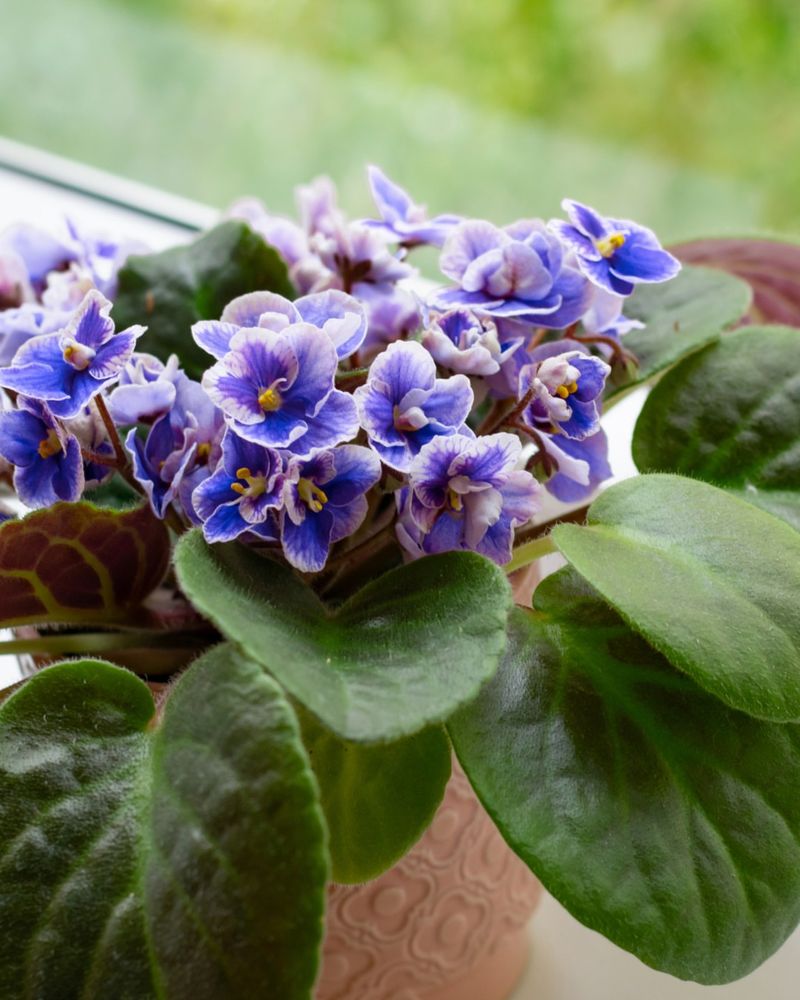
Grandmothers across Washington have long treasured African violets, and today’s pet owners are rediscovering why these flowering beauties never go out of style.
Their velvety leaves and cheerful blooms in purple, pink, white, or blue brighten even the grayest Seattle winter days.
Unlike most flowering houseplants that need intense care, African violets bloom reliably with just basic attention.
They prefer consistent temperatures and indirect light, making east-facing windows in Washington homes perfect spots for them.
Bottom watering works best since getting water on the leaves can cause spots, so place the pot in a saucer and let it soak up moisture from below.
Room temperature water prevents shock to the roots, which can slow growth or reduce flowering.
These plants stay compact, rarely growing larger than six to eight inches across, making them suitable for small spaces.
Your pets can safely coexist with African violets, though most animals naturally avoid the fuzzy leaves anyway.
Regular fertilizing with a formula designed for African violets encourages continuous blooming throughout the year.
Many Washington plant enthusiasts start collections of different varieties, creating colorful displays that bring joy without bringing danger to beloved pets.