Don’t Panic! These 9 Insects Are Actually Helping Your Oregon Yard
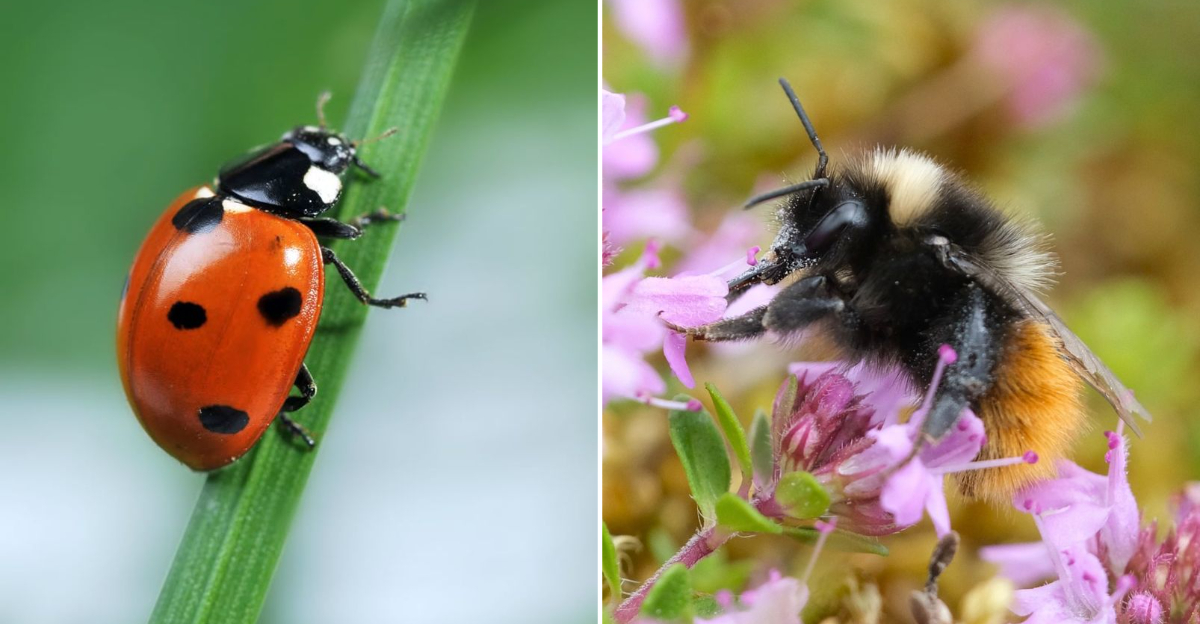
I’ve spent plenty of mornings in my Oregon yard, cup of coffee in hand, watching all kinds of bugs crawl, buzz, and flit around, and I’ve learned that not all insects are a nuisance.
In fact, there are some little critters that make me genuinely happy to see.
They’re quiet helpers, pollinators, and natural pest controllers, working behind the scenes to keep my garden healthy.
From bees and ladybugs to lacewings and other tiny marvels, these beneficial insects quietly do their jobs while I focus on planting, pruning, or just enjoying the yard.
Seeing them around reminds me that a thriving garden isn’t just about flowers and vegetables, it’s about the small, helpful creatures that make it all possible.
Not all bugs are bad news and these little insects are welcome visitors in any Oregon garden.
1. Ladybugs
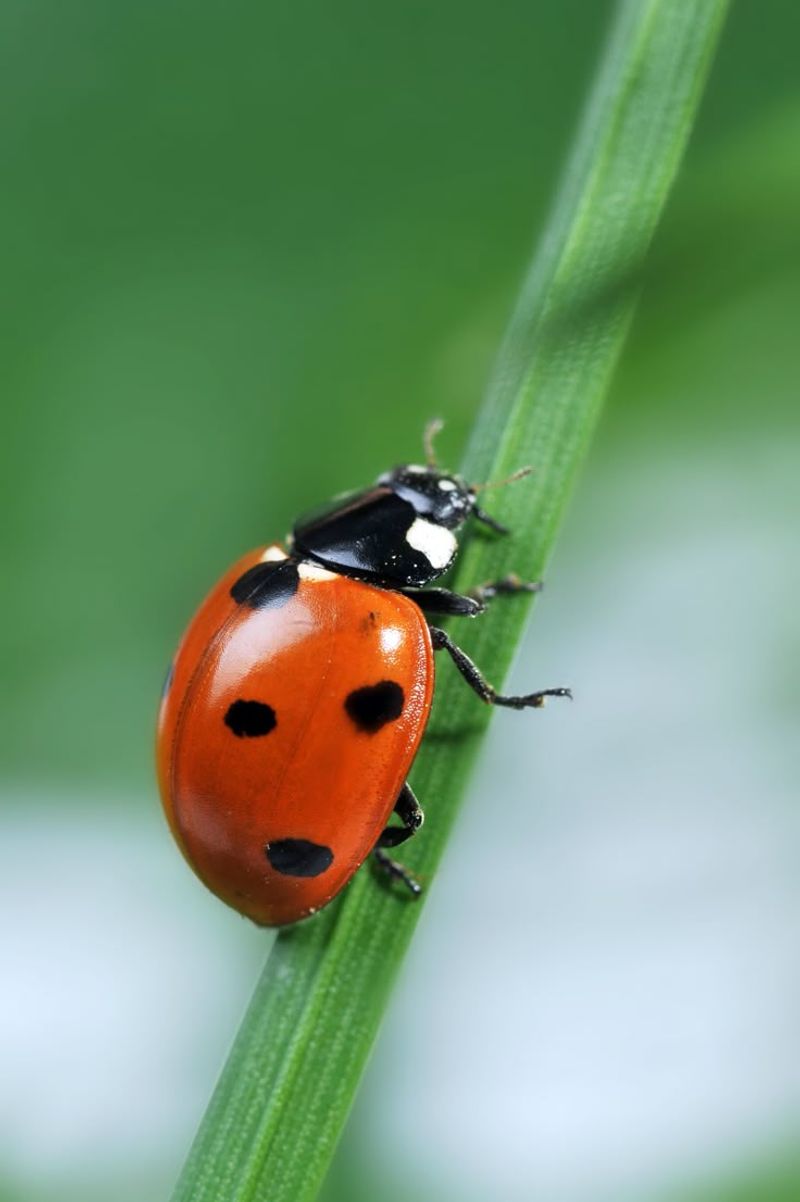
Ladybugs are the rock stars of garden helpers.
Their bright red shells and tiny black spots make them easy to spot, and kids love finding them on leaves and stems.
But their cuteness is just a bonus.
These small beetles have huge appetites for aphids, which are notorious for sucking the life out of your plants.
A single ladybug can munch through dozens of aphids in one day.
That means fewer damaged leaves and healthier growth for your flowers and vegetables.
Oregon gardens provide the perfect habitat for ladybugs, especially when you grow flowers like yarrow, dill, and fennel.
They need pollen and nectar when aphids are scarce.
You might also see their larvae, which look like tiny alligators with orange and black stripes.
Do not mistake them for pests.
Ladybug larvae are even hungrier than the adults.
If you find a cluster of yellow eggs under a leaf, leave them alone.
Those eggs will hatch into your next generation of aphid controllers.
Ladybugs are proof that good things come in small, spotted packages.
When you see one, you know your garden is in good hands.
2. Ground Beetles
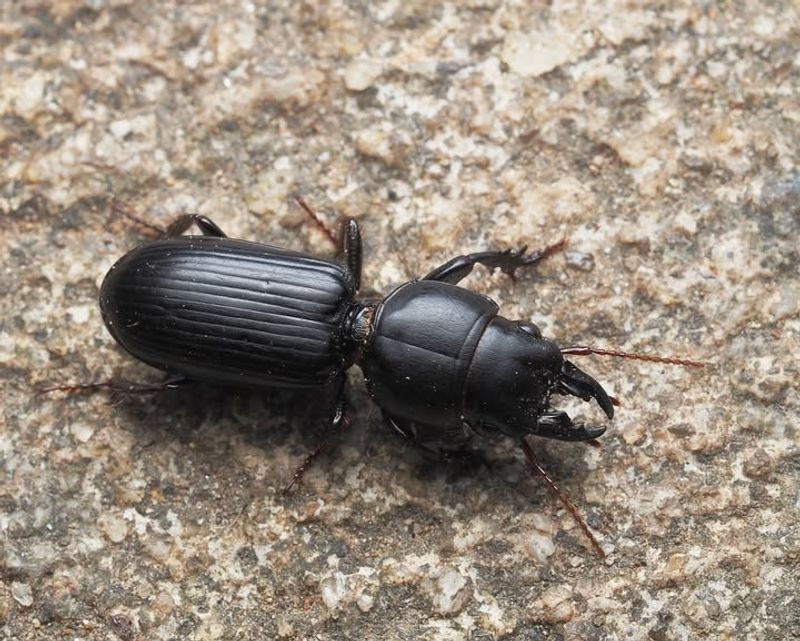
Ground beetles are the night shift workers of your yard.
Most people never see them because they hide under rocks, logs, and mulch during the day.
But once the sun sets, they come out to hunt.
These beetles have long legs and fast reflexes, perfect for chasing down slugs, snails, and caterpillars that munch on your plants after dark.
Oregon’s damp climate attracts plenty of slugs, so ground beetles are especially valuable here.
They patrol your garden like tiny security guards, keeping the pest population under control without any chemicals.
Ground beetles come in shades of black, brown, and even metallic green or purple.
Their hard shells give them a tough, armored look.
Some species can even spray a stinky liquid when threatened, so handle them gently if you pick one up.
To encourage ground beetles, avoid using pesticides and leave some leaf litter or wood piles in quiet corners of your yard.
They need shelter and moisture to thrive.
If you spot one scurrying across your path, count yourself lucky.
Your Oregon Garden Changes Every Week. Your Plan Should Too.
Gardening in Oregon changes quickly throughout the season. Every Friday you’ll receive a simple weekly plan showing exactly what to plant, prune, fertilize, harvest, and protect so you never miss the right timing.
Ground beetles work hard to protect your plants while you sleep.
They deserve a little appreciation.
3. Lacewings
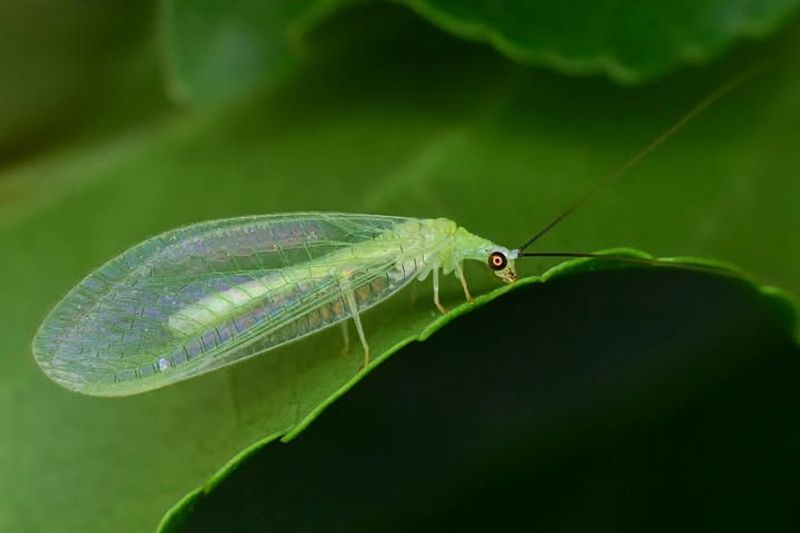
Lacewings look like they belong in a fairy tale.
Their pale green bodies and delicate, see-through wings shimmer in the sunlight.
You might think something so fragile could not be much help, but lacewings are fierce predators.
Adult lacewings feed mostly on nectar and pollen, but their larvae are the real stars.
Baby lacewings, sometimes called aphid lions, have curved jaws that grab onto soft-bodied pests like aphids, mites, and whiteflies.
They can consume hundreds of pests during their short larval stage.
In Oregon, lacewings thrive in gardens with plenty of flowering plants.
They love dill, coriander, and sweet alyssum.
If you grow these plants, you will likely see lacewings fluttering around at dusk.
Their eggs are easy to recognize too.
Each one sits on top of a thin, thread-like stalk attached to a leaf.
This keeps the eggs safe from predators and even from their own hungry siblings.
When you spot a lacewing, take a moment to admire its beauty.
Then remember that this gentle-looking insect is one of your best allies against garden pests.
Lacewings prove that strength does not always come in a tough package.
4. Bumblebees
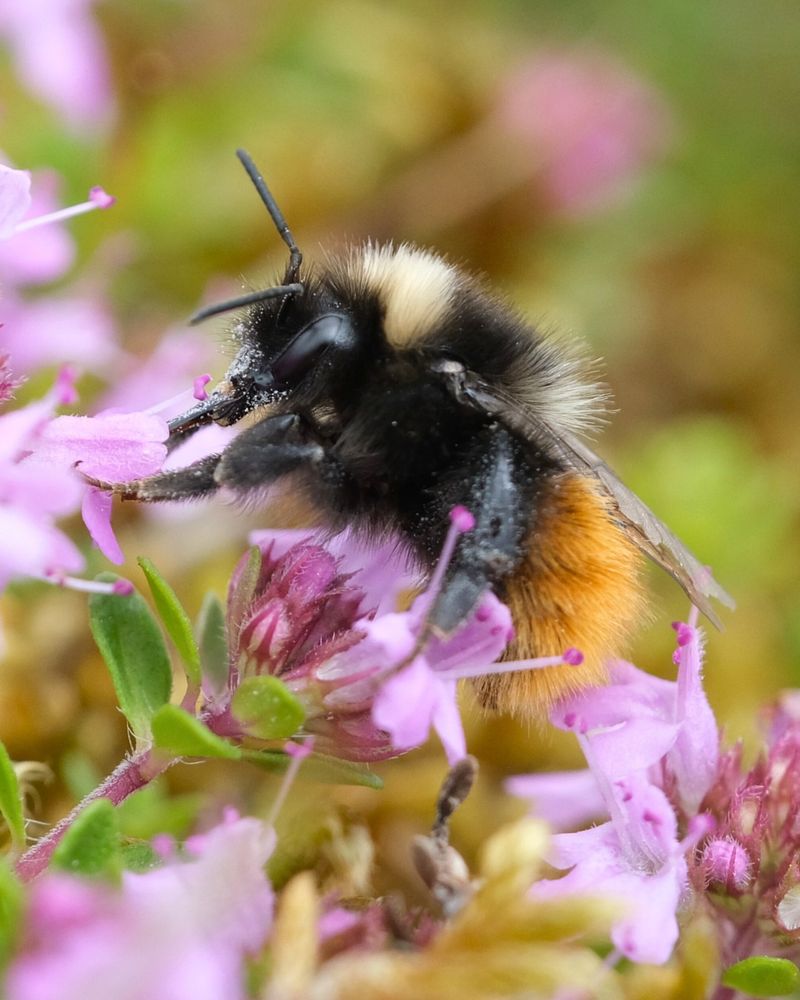
Bumblebees bring energy and life to any garden.
Their big, fuzzy bodies and loud buzzing make them impossible to ignore.
Watching one bounce from flower to flower is oddly satisfying.
These bees are champion pollinators.
Their thick fur collects pollen as they move, spreading it from plant to plant.
Tomatoes, blueberries, and squash all depend on bumblebees for pollination.
Oregon’s cool spring weather does not slow them down either.
Bumblebees can fly in temperatures that other pollinators find too cold.
They vibrate their flight muscles to warm up, a behavior called buzz pollination.
This technique shakes pollen loose from flowers that honeybees can not access.
Bumblebees nest in the ground or in old rodent burrows, so avoid disturbing piles of leaves or compost in early spring.
A healthy bumblebee colony can have up to a few hundred workers, all busy gathering nectar and pollen.
Planting native flowers like lupine, penstemon, and clover will keep bumblebees coming back year after year.
They prefer tubular or clustered blooms.
When you see a bumblebee in your yard, you know your plants are about to get a productivity boost.
These hardworking pollinators deserve every bit of praise they get.
5. Hoverflies
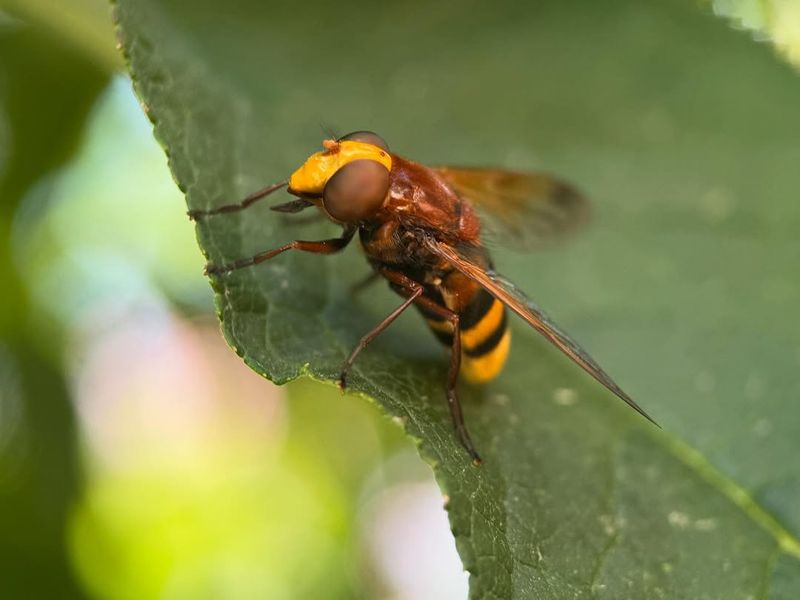
Hoverflies are masters of disguise.
They look almost exactly like bees or wasps, with yellow and black stripes and a similar size.
But take a closer look and you will notice they only have two wings instead of four, and they do not sting.
These harmless insects are excellent pollinators.
Adults feed on nectar and pollen, visiting flowers throughout the day.
Their larvae, however, are the real pest control experts.
Baby hoverflies are small, slug-like creatures that crawl along stems and leaves, hunting for aphids.
A single hoverfly larva can consume hundreds of aphids before it matures.
That makes them just as valuable as ladybugs in keeping your plants healthy.
Hoverflies are common in Oregon gardens, especially near flowers like marigolds, sunflowers, and asters.
They hover in place, which is how they got their name, and dart quickly from bloom to bloom.
Their ability to fly backward and sideways makes them fun to watch.
If you see a bee-like insect that seems to pause mid-air, it is probably a hoverfly.
Do not swat it.
Instead, appreciate the double duty it performs: pollinating your flowers and controlling aphids.
Hoverflies are proof that looks can be deceiving in the best possible way.
6. Praying Mantis
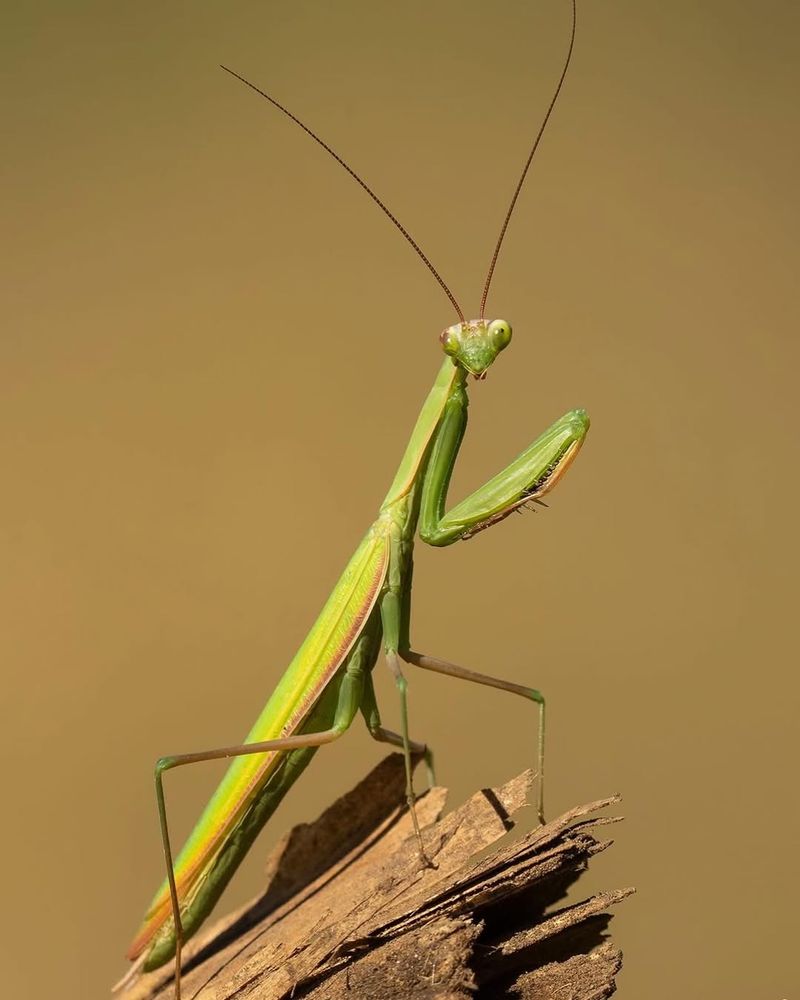
Few insects command as much respect as the praying mantis.
With its long neck, triangular head, and folded front legs, it looks like a tiny alien warrior.
Kids are fascinated by them, and for good reason.
Praying mantises are ambush predators.
They sit perfectly still on a leaf or stem, waiting for prey to come close.
Then, in a lightning-fast strike, they snatch up flies, beetles, caterpillars, and even other mantises.
Their incredible camouflage helps them blend into plants, making them nearly invisible until they move.
In Oregon, you might spot a green or brown mantis hiding among your tomatoes or roses.
They prefer warm, sunny spots where insects are plentiful.
Praying mantises are generalist hunters, meaning they eat both pests and beneficial insects.
That can be a downside, but their overall impact on pest control is positive.
They help keep populations balanced without chemicals or sprays.
If you find a mantis egg case, which looks like a tan foam blob stuck to a twig, leave it alone.
In spring, hundreds of tiny mantises will hatch and spread through your garden.
Watching a praying mantis hunt is like seeing nature’s precision in action.
These insects are both beautiful and brutally effective.
7. Parasitic Wasps
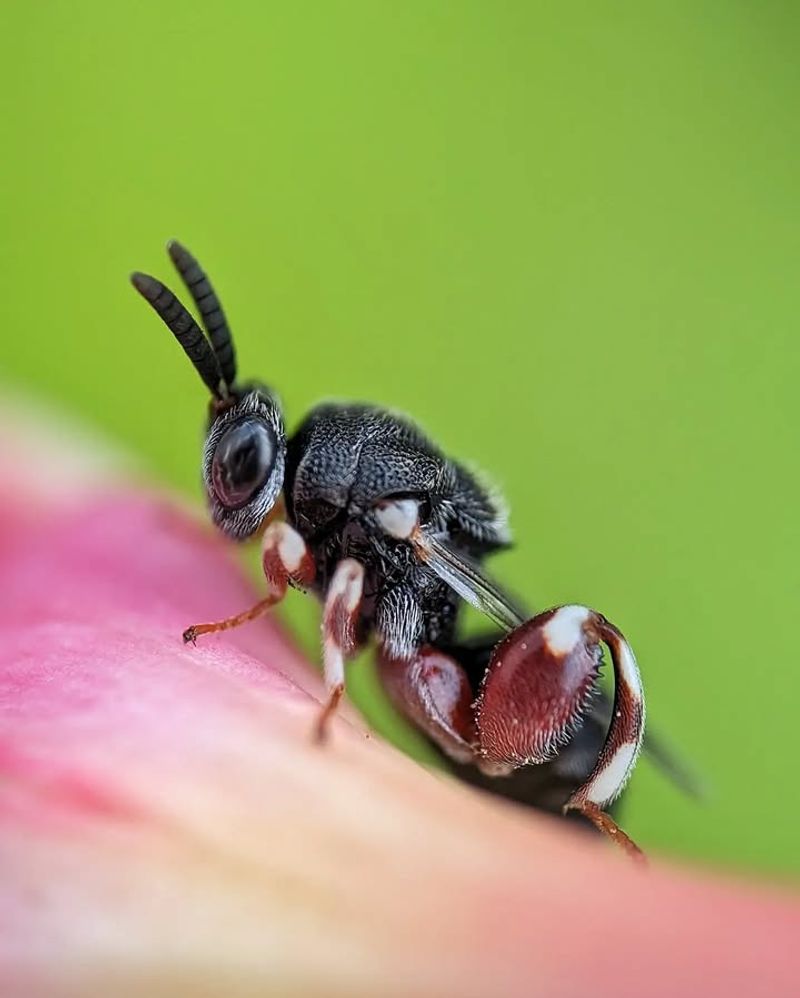
Parasitic wasps do not get much love, but they should.
Most people think of wasps as aggressive stingers, but parasitic wasps are different.
They are tiny, often smaller than a grain of rice, and they do not bother humans at all.
What they do bother are garden pests.
Female parasitic wasps lay their eggs inside or on top of aphids, caterpillars, and other soft-bodied insects.
When the eggs hatch, the wasp larvae feed on the host, eventually stopping the pest from causing more damage.
This might sound harsh, but it is one of nature’s most effective pest control methods.
Oregon gardens benefit greatly from parasitic wasps, especially in controlling cabbage worms, tomato hornworms, and aphid populations.
You might notice a caterpillar covered in tiny white cocoons.
That is the work of a parasitic wasp.
To attract these helpful insects, plant flowers like dill, parsley, and Queen Anne’s lace.
Parasitic wasps need nectar to fuel their search for hosts.
You probably will not notice them unless you look closely, but their impact is huge.
These quiet workers keep pest numbers down without any effort on your part.
Parasitic wasps prove that not all wasps are bad news.
8. Soldier Beetles
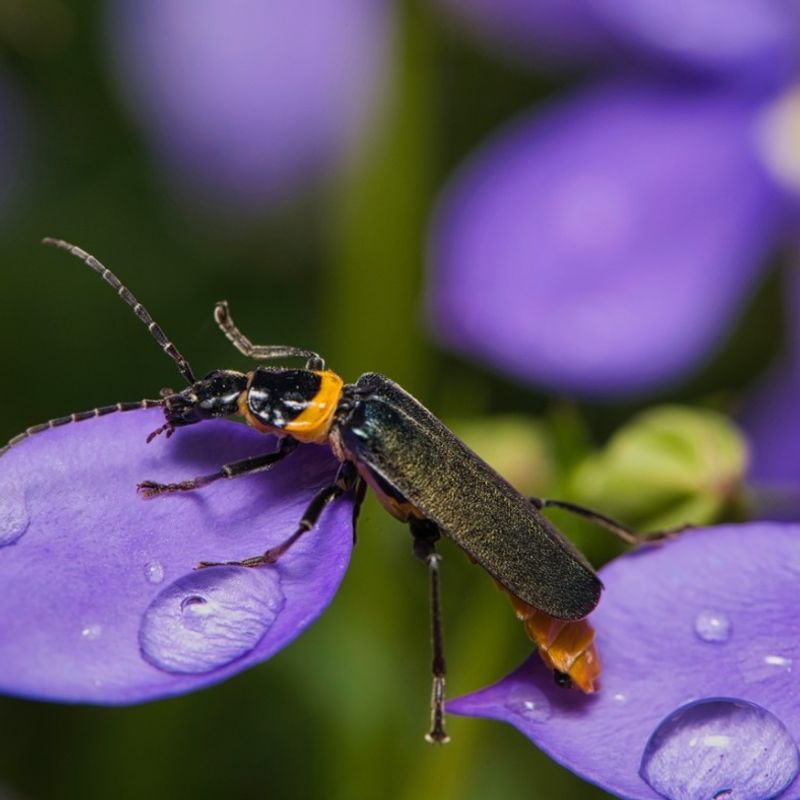
Soldier beetles wear their colors with pride.
Their orange and black bodies make them easy to spot on flowers, especially during the warm summer months.
Some people confuse them with fireflies, but soldier beetles do not glow.
What they do is hunt.
Both adults and larvae feed on aphids, caterpillars, and other soft-bodied pests.
They are especially fond of aphids, making them valuable allies in any Oregon garden.
Adult soldier beetles also drink nectar and help pollinate flowers, giving you a two-for-one benefit.
You will often find them on goldenrod, milkweed, and hydrangeas.
They move slowly compared to other beetles, so they are easy to observe up close.
Soldier beetle larvae live in the soil and leaf litter, where they hunt for pest eggs and larvae.
This makes them helpful even when you can not see them.
To encourage soldier beetles, avoid tilling your soil too often and leave some plant debris in place over winter.
They need shelter to survive the cold months.
When you see a soldier beetle basking on a flower, know that it is doing more than just enjoying the sun.
It is actively protecting your plants.
Soldier beetles are hardworking, easy to identify, and always welcome in the garden.
9. Spiders
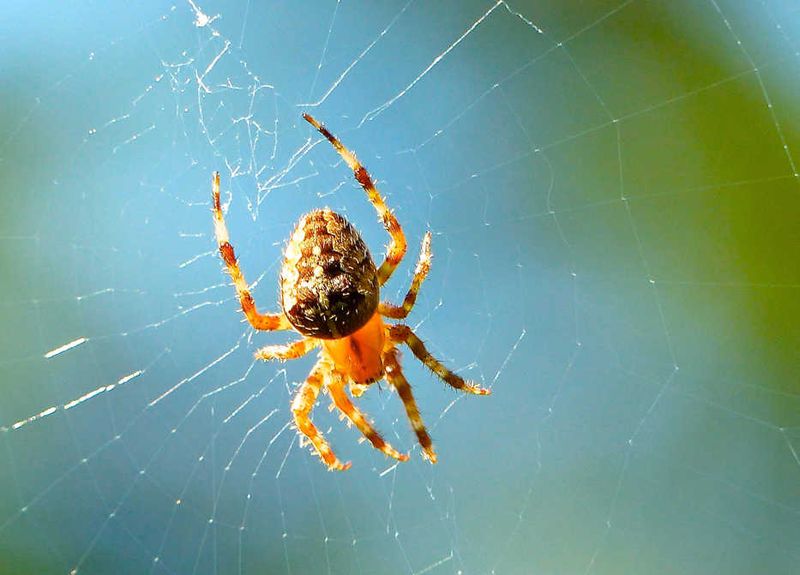
Okay, spiders are not technically insects, but they are too important to leave out.
These eight-legged hunters are some of the best pest controllers you can have in your yard.
They catch flies, mosquitoes, moths, and countless other pests in their webs or by hunting on the ground.
Oregon gardens are home to many harmless spider species, including orb weavers, jumping spiders, and wolf spiders.
Orb weavers build the classic circular webs you see glistening with morning dew.
Jumping spiders, with their big eyes and curious behavior, hunt actively instead of using webs.
Wolf spiders patrol the ground, chasing down prey with impressive speed.
Each type plays a unique role in keeping pest populations under control.
Spiders do not damage plants, and most want nothing to do with humans.
If you find a spider web near your vegetables or flowers, leave it alone.
That web is working around the clock to trap pests.
Teaching kids to respect spiders instead of fearing them can change how they see the natural world.
Spiders are quiet, efficient, and incredibly helpful.
When you see one in your yard, take a moment to appreciate the work it does.
Your garden is safer and healthier because of these misunderstood creatures.