Stop Fertilizing These Houseplants In January In Massachusetts

January in Massachusetts is a quiet month for most houseplants, even though they still sit in bright windows and look green and full of life.
Many plant owners believe this is the perfect time to give their plants extra fertilizer, hoping it will help them stay strong through winter.
In reality, this is when many houseplants naturally slow down, even if they do not look like they are resting.
Short days, lower light, and cooler indoor air change how plants grow, and their roots are not able to use nutrients the same way they do in spring or summer.
When fertilizer is added during this slow period, it can build up in the soil and cause stress instead of growth.
Leaves may start to turn yellow, edges can brown, and some plants may even stop growing altogether.
This kind of damage often happens quietly and is not noticed until weeks later.
Knowing which houseplants should not be fertilized in January can prevent these problems before they start.
By adjusting your care routine now, you give your plants the chance to rest, recover, and prepare for a healthier and more active growing season when warmer weather returns.
1. Snake Plant (Sansevieria)
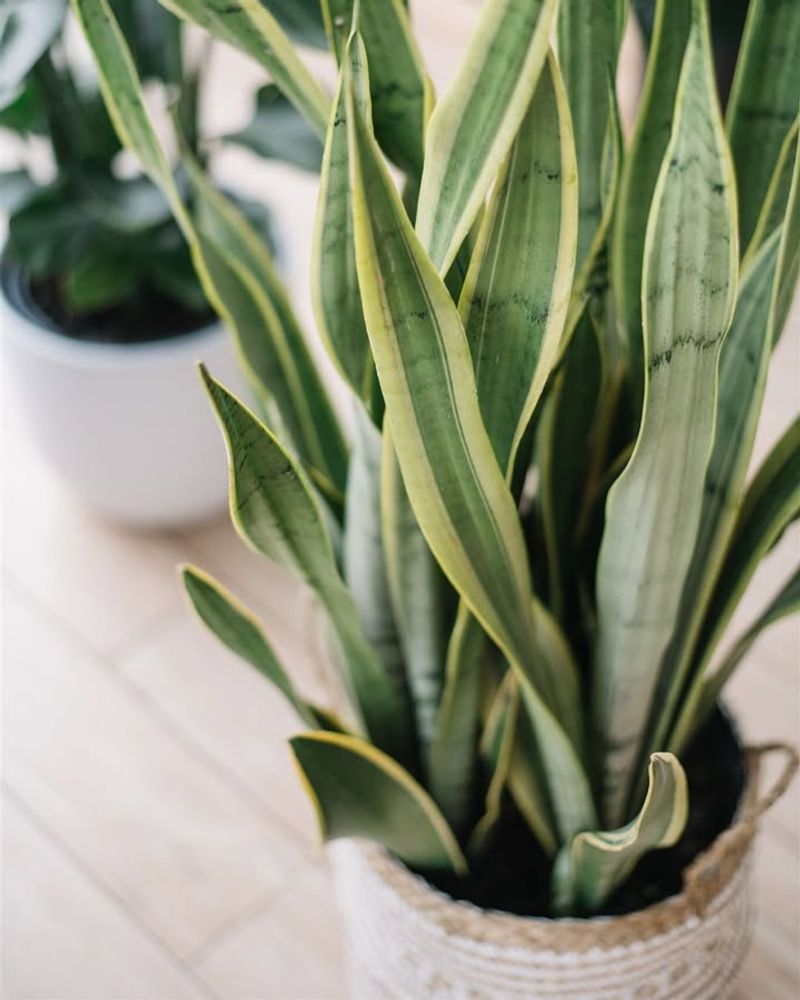
Snake plants are known for being tough survivors that can handle neglect better than most houseplants, but even these hardy beauties need a winter break from fertilizer.
During the cold Massachusetts winter, snake plants enter a natural dormancy period where their growth slows to almost nothing.
The shorter daylight hours and cooler indoor temperatures signal the plant to conserve energy rather than produce new leaves.
Feeding them fertilizer during this time is like trying to fuel a car that’s already parked for the season.
When you add nutrients to a dormant snake plant, the roots cannot absorb them properly because the plant isn’t actively growing.
This causes salts and minerals from the fertilizer to build up in the soil, creating a toxic environment that can damage the delicate root system.
You might notice brown tips, yellowing leaves, or even mushy roots if fertilizer burn sets in.
Snake plants naturally store water and nutrients in their thick, upright leaves, which means they have reserves to draw from during lean months.
In Massachusetts, where January temperatures can drop significantly, these plants appreciate minimal care.
Water sparingly, maybe once every three to four weeks, and skip the fertilizer entirely until late March or early April when daylight increases.
By giving your snake plant a rest, you’re actually helping it prepare for a strong growing season ahead.
When spring arrives and you resume feeding, your plant will reward you with fresh green growth and vibrant coloring.
2. Pothos (Epipremnum Aureum)
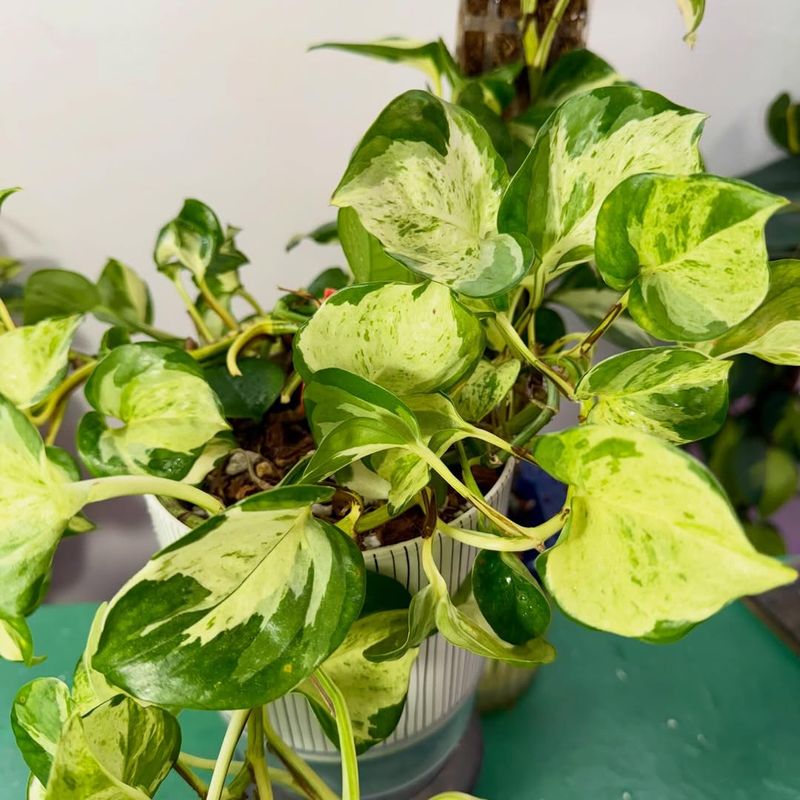
Pothos plants are often called the perfect beginner houseplant because they tolerate all kinds of conditions, but wintertime in Massachusetts calls for a different care approach.
These trailing vines with heart-shaped leaves naturally slow their growth when temperatures drop and light levels decrease.
In January, your pothos isn’t sending out new shoots or unfurling fresh leaves like it does in summer, which means it doesn’t need the extra nutrients that fertilizer provides.
Your Massachusetts Garden Changes Every Week. Your Plan Should Too.
Gardening in Massachusetts changes quickly throughout the season. Every Friday you’ll receive a simple weekly plan showing exactly what to plant, prune, fertilize, harvest, and protect so you never miss the right timing.
Continuing to feed it can overwhelm the roots and create imbalances in the soil chemistry.
Pothos plants are native to tropical regions where they experience wet and dry seasons rather than true winter.
However, when grown indoors in colder climates, they adapt by taking a rest period.
During this time, their metabolic processes slow down significantly, and they focus on maintaining existing foliage rather than producing new growth.
Fertilizing a resting pothos is counterproductive and can lead to salt buildup that damages tender roots.
In Massachusetts homes, where heating systems can dry out the air and reduce humidity, pothos plants already face environmental stress in January.
Adding fertilizer to the mix only compounds the problem.
Instead, focus on providing consistent but infrequent watering, allowing the top inch or two of soil to dry out between waterings.
Wait until you notice new growth emerging in spring before resuming your fertilizing routine.
Your pothos will appreciate the break and come back stronger when conditions improve.
3. Spider Plant (Chlorophytum Comosum)
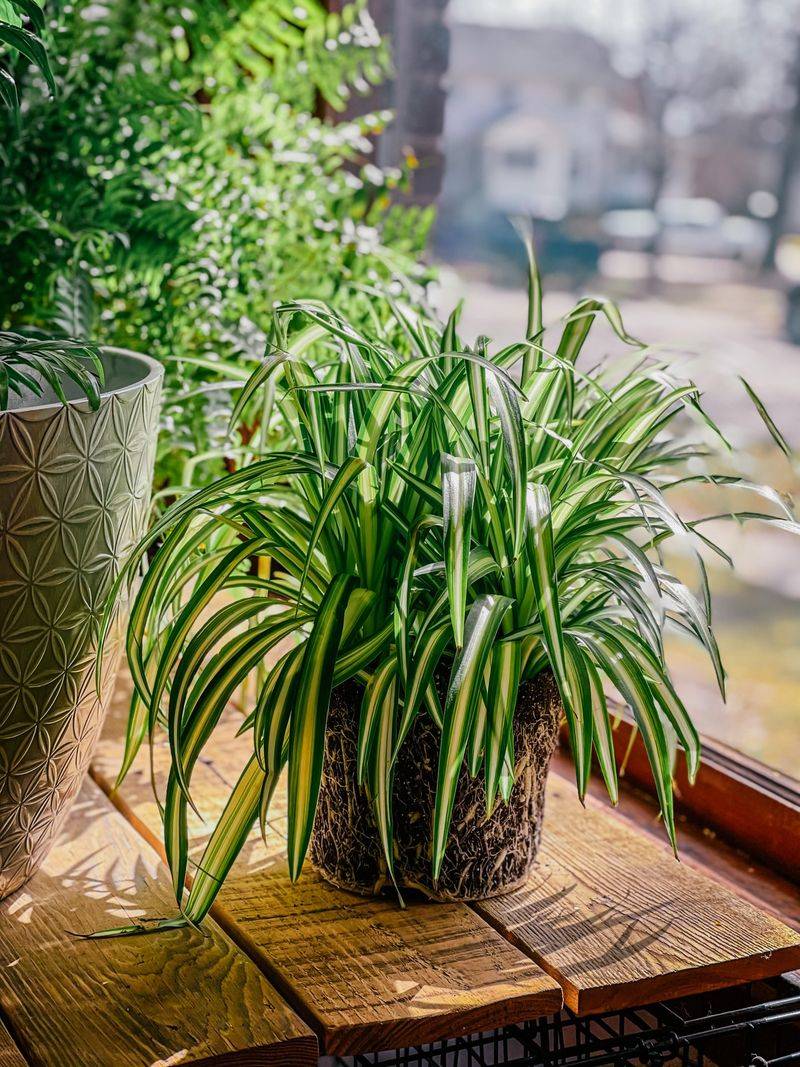
Spider plants are famous for their arching green and white striped leaves and the adorable baby plantlets that dangle from long stems like tiny spiders on silk threads.
These cheerful houseplants are incredibly adaptable, but they still follow natural growth cycles that slow down during winter months.
In January, when Massachusetts experiences its coldest and darkest days, spider plants take a much-needed rest.
Their growth rate decreases dramatically, and they stop producing those characteristic baby plants.
Fertilizing during this dormant phase can stress the plant and cause more problems than benefits.
Spider plants are sensitive to fluoride and salts found in many fertilizers, and these chemicals can accumulate in the soil when the plant isn’t actively growing.
You might notice brown leaf tips or edges, which is often a sign of fertilizer burn or chemical buildup.
During winter, when the plant’s root system is less active, it cannot process or use the nutrients you provide, leading to toxic soil conditions.
Massachusetts winters can be harsh on indoor plants, with dry heated air and limited natural light creating challenging conditions.
Spider plants handle these conditions best when given minimal intervention.
Water them only when the soil feels dry an inch below the surface, and hold off on any feeding until you see new growth starting in late winter or early spring.
By allowing your spider plant to rest naturally, you’re setting it up for a vigorous growing season when warmer weather returns.
4. ZZ Plant (Zamioculcas Zamiifolia)
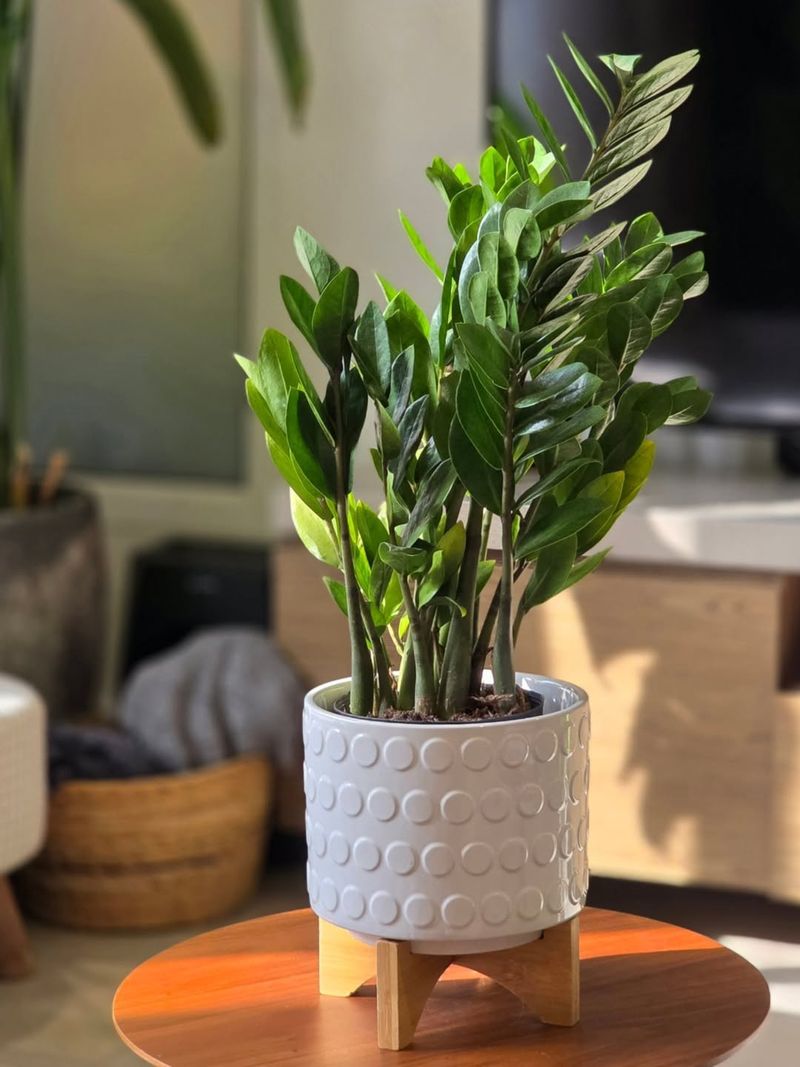
ZZ plants have become wildly popular in recent years thanks to their glossy, dark green leaves and reputation for surviving even the most forgetful plant owners.
Native to East Africa, these plants have evolved to handle drought and periods of scarce resources by storing water and nutrients in their thick rhizomes underground.
When January rolls around in Massachusetts, ZZ plants naturally enter a state of dormancy where they conserve energy and pause new growth.
Fertilizing them during this time goes against their natural rhythm and can cause serious problems.
The rhizomes of a ZZ plant act like storage tanks, holding reserves of water and nutrients that the plant draws from during slow periods.
When you add fertilizer in winter, those nutrients have nowhere to go because the plant isn’t actively growing or using resources.
This leads to salt accumulation in the soil, which can damage the roots and eventually affect the glossy leaves you love so much.
Brown spots, yellowing, or leaf drop can all result from winter fertilizing.
In Massachusetts homes, where indoor heating creates dry conditions, ZZ plants already face environmental challenges in January.
They prefer to be left alone during this time, with minimal watering and absolutely no feeding.
Water your ZZ plant only when the soil is completely dry, which might be once a month or even less frequently.
Resume fertilizing in April or May when you notice new shoots emerging from the soil, signaling that your plant is ready to grow again.
5. Jade Plant (Crassula Ovata)
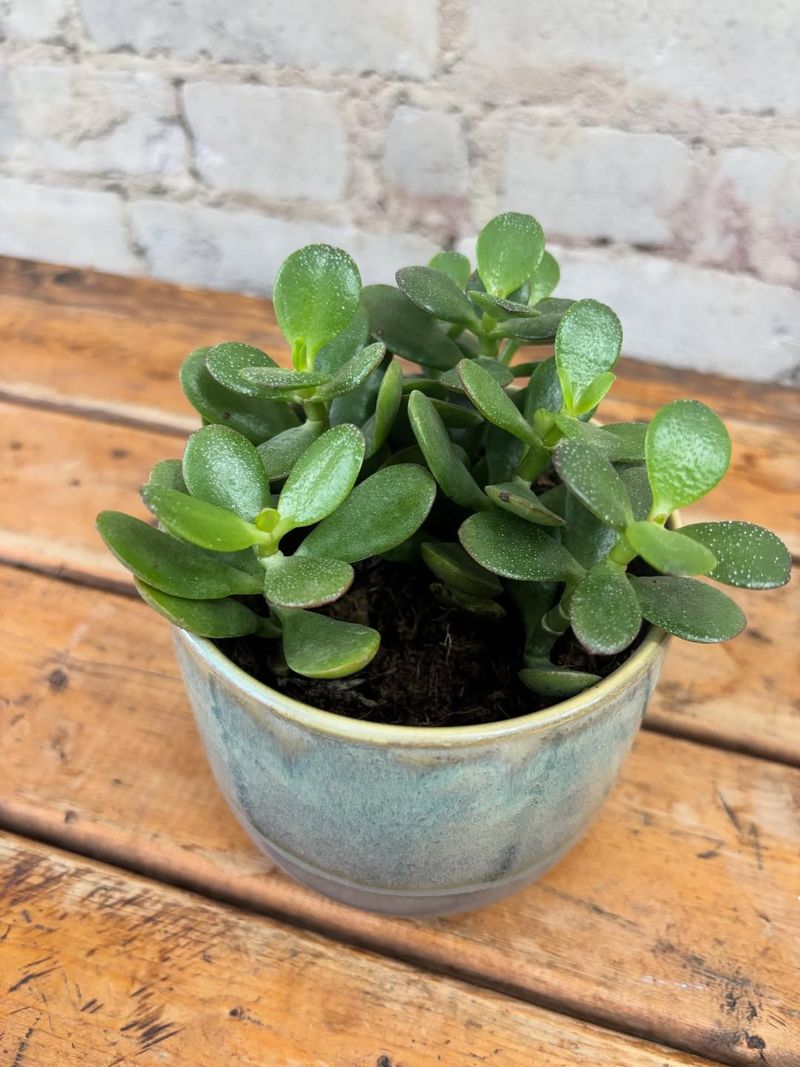
Jade plants are beloved succulents with thick, fleshy leaves that resemble miniature trees, often passed down through generations as symbols of good luck and prosperity.
These charming plants are native to South Africa, where they experience distinct growing and resting seasons based on rainfall patterns.
When grown indoors in Massachusetts, jade plants adapt to local conditions by slowing their growth during the cold, dark winter months.
January is definitely not the time to push them with fertilizer, as they need to conserve energy and rest.
Succulents like jade plants store water and nutrients in their leaves and stems, giving them built-in reserves to draw from during dormancy.
Adding fertilizer when the plant isn’t actively growing means those nutrients cannot be absorbed properly, leading to salt buildup in the soil.
This can damage the delicate feeder roots and eventually affect the plant’s ability to take up water, causing leaves to shrivel or drop unexpectedly.
Massachusetts winters bring challenges like low humidity and reduced light levels, both of which signal jade plants to slow down.
During January, your jade plant should be watered very sparingly, perhaps once every three to four weeks, and never fertilized.
The soil should dry out completely between waterings to prevent root rot, which jade plants are particularly susceptible to in winter.
Wait until late March or April, when you see new leaf growth starting, before you resume any feeding schedule.
Your jade plant will thank you with healthy, plump leaves and maybe even some delicate white or pink flowers.
6. Peace Lily (Spathiphyllum)
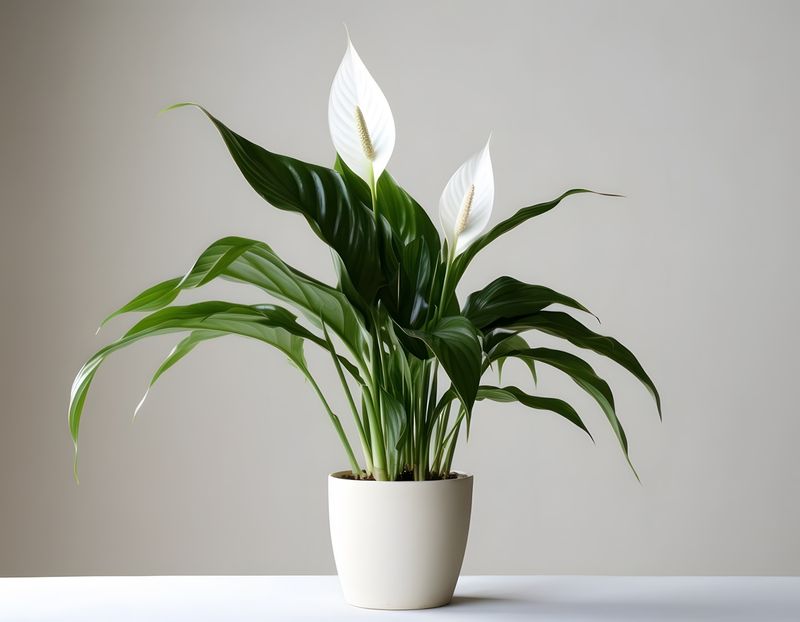
Peace lilies are elegant houseplants known for their glossy green foliage and striking white flowers that bloom throughout the year under the right conditions.
However, when winter arrives in Massachusetts, even these reliable bloomers take a break from their active growing phase.
In January, with its short days and cold temperatures, peace lilies naturally slow down their growth and stop producing flowers.
This dormancy period is crucial for the plant to rest and prepare for the next growing season.
Fertilizing during this time can disrupt the plant’s natural cycle and cause more harm than good.
Peace lilies are sensitive to fertilizer salts, which can accumulate in the soil when the plant isn’t actively using nutrients.
This buildup can lead to brown leaf tips, yellowing foliage, and even root damage.
During winter, when the plant’s metabolic processes are slowed, it simply cannot absorb and use the nutrients you provide, making fertilization pointless and potentially harmful.
Massachusetts homes in January often have dry indoor air from heating systems, which can stress peace lilies even without the added challenge of excess fertilizer.
Focus instead on maintaining consistent moisture in the soil without overwatering, and consider misting the leaves occasionally to increase humidity.
Keep your peace lily in bright, indirect light, and water when the top inch of soil feels dry.
Resume fertilizing in late March or early April when you notice new growth emerging and flower buds beginning to form.
Your peace lily will reward your patience with beautiful blooms.
7. Rubber Plant (Ficus Elastica)
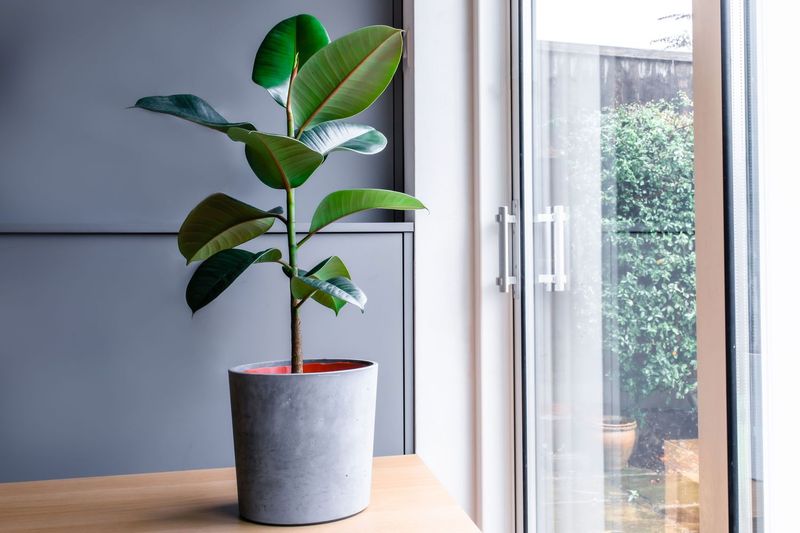
Rubber plants are stunning focal points in any home, with their large, glossy leaves in shades of deep green, burgundy, or variegated patterns that command attention.
Native to tropical regions of India and Southeast Asia, rubber plants are accustomed to warm, humid conditions with consistent light.
When transplanted to Massachusetts homes in January, they face a dramatically different environment.
The combination of cold temperatures, dry heated air, and reduced daylight triggers these plants to enter a dormant state where growth slows or stops completely.
Fertilizing during this rest period is unnecessary and can actually harm the plant.
Rubber plants have a sensitive root system that can easily be damaged by excess fertilizer salts, especially when the plant isn’t actively growing.
When you add nutrients in winter, they sit in the soil unused, building up to toxic levels that can cause root burn.
You might notice leaves dropping, brown edges, or a general decline in the plant’s appearance if fertilizer burn occurs.
During January in Massachusetts, rubber plants need very little from you beyond occasional watering and proper placement away from cold drafts and heating vents.
Water only when the top two inches of soil feel dry, which might be every two to three weeks.
Keep the leaves clean by wiping them gently with a damp cloth to remove dust and help the plant make the most of available light.
Hold off on fertilizing until you see new leaf growth emerging in spring, usually around late April or May.