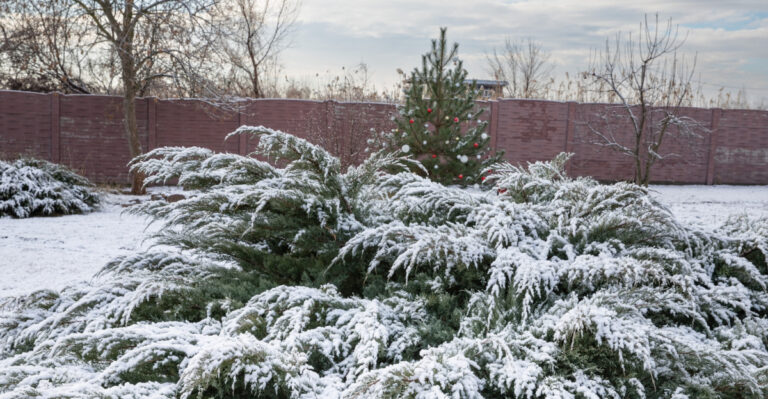
These 7 Houseplants Benefit From January Pruning In Colorado
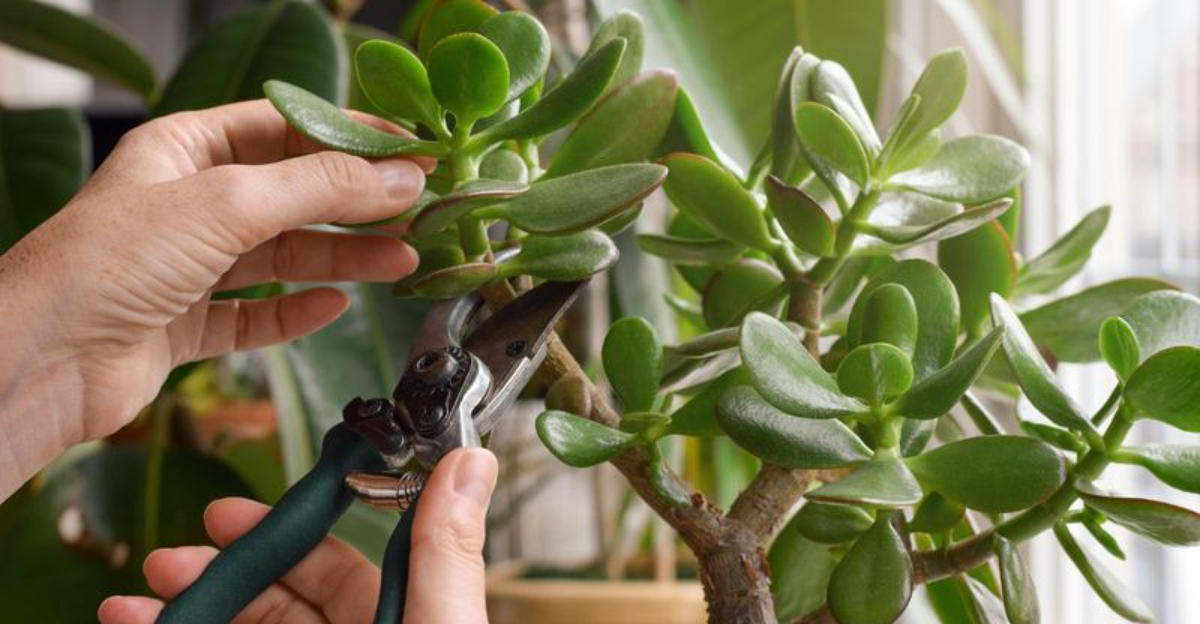
January may feel like the wrong time to pick up your pruning shears in Colorado, but for many houseplants, it is actually a hidden opportunity.
While outdoor gardens are frozen, indoor plants are quietly preparing for their next cycle of growth.
Pruning at the right time helps remove weak, leggy, or damaged stems so plants can focus their energy where it matters most.
Many Colorado homes deal with dry air and low winter light, which can cause plants to stretch or lose their shape.
A careful trim in January can keep houseplants looking neat while also helping them grow stronger when spring arrives.
Some houseplants respond especially well to winter pruning because it encourages fresh growth and better leaf shape.
Instead of waiting for problems to appear, trimming now can prevent overcrowding and help air and light reach every part of the plant.
This simple step also makes it easier to spot pests or disease before they spread.
Knowing which plants benefit from January pruning allows you to care for your indoor garden with confidence.
When you take the time to prune wisely, your plants reward you with fuller growth and a healthier look all year long.
1. Pothos
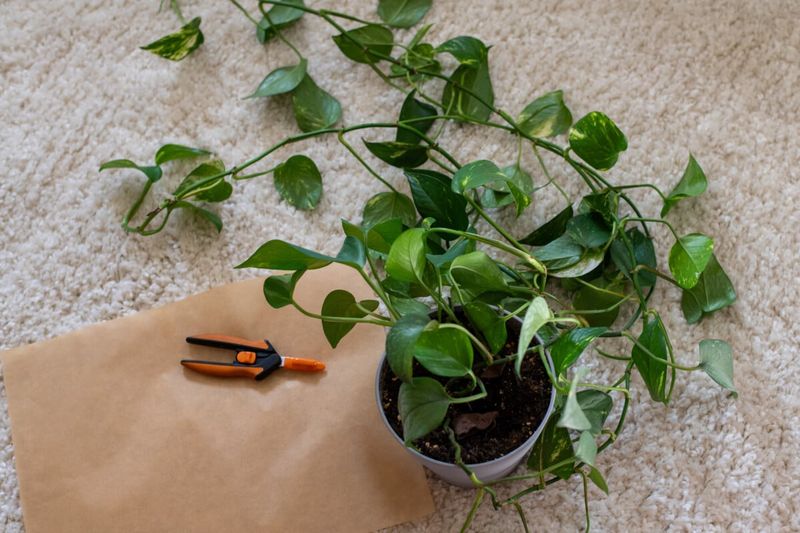
Trailing vines that stretch across shelves and climb up walls make pothos one of the most popular houseplants in Colorado homes.
When left unpruned, these vines can become sparse and leggy, with leaves concentrated only at the tips.
January pruning encourages fuller growth by stimulating dormant nodes along the stems to produce new shoots.
Start by identifying the longest vines and cutting them back to your desired length, making cuts just above a leaf node.
The node is where new growth will emerge, so proper placement ensures a bushier appearance.
You can propagate the cuttings in water, creating new plants to share or expand your collection.
Pothos handles pruning exceptionally well, rarely showing signs of stress even when you remove significant portions.
Colorado’s dry indoor air during winter means you should check soil moisture regularly after pruning, as the plant redirects energy to new growth.
Remove any yellowing or damaged leaves at the base while you’re working, keeping the plant tidy and healthy.
Pruning also prevents the vines from becoming too heavy for their supports, which can cause breakage.
Within weeks of your January trim, you’ll notice fresh green leaves emerging from previously bare sections of vine.
This burst of growth prepares your pothos for the brighter days ahead, creating a lush, full appearance that enhances any room.
Regular winter pruning keeps pothos manageable and attractive, preventing the tangled mess that develops when vines grow unchecked for too long.
2. Spider Plant
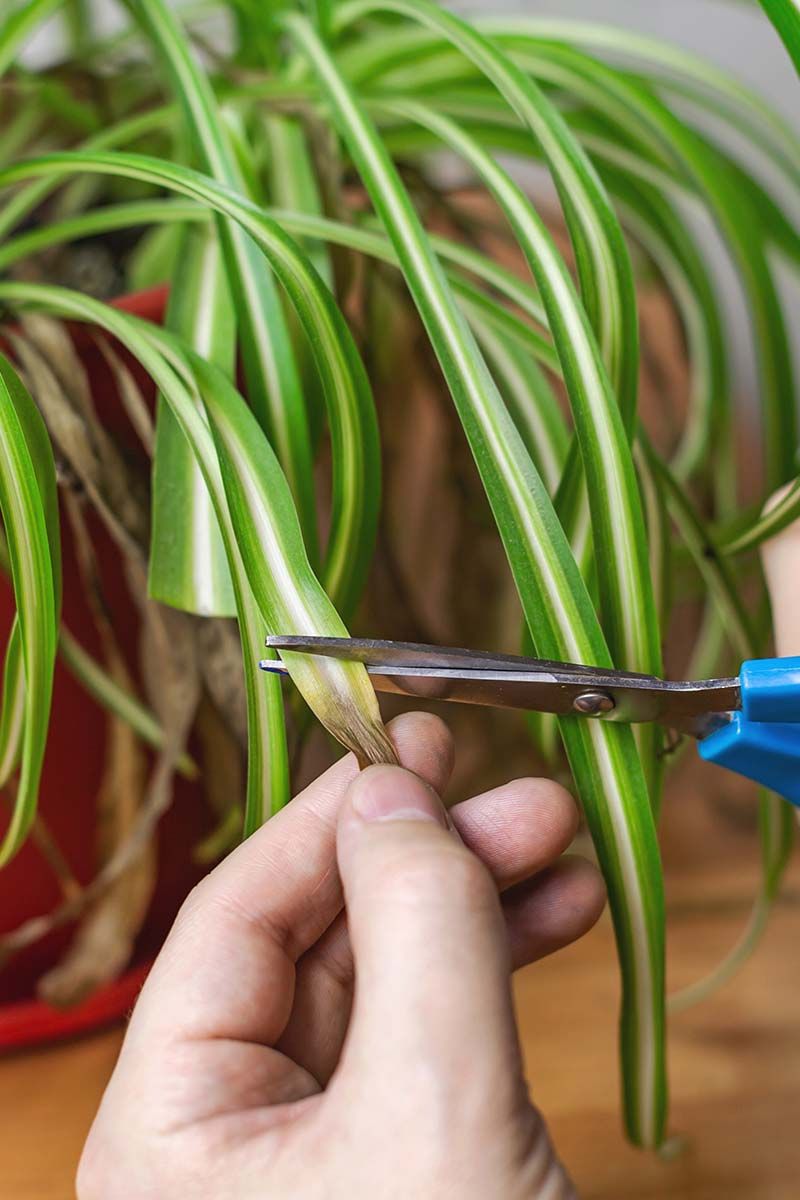
Arching leaves and dangling baby plantlets give spider plants their distinctive charm, but overgrowth can make them look messy rather than elegant.
January offers an ideal time to tidy these resilient plants, removing brown tips and excessive offshoots.
Colorado’s low humidity often causes leaf tips to brown, which detracts from the plant’s overall beauty.
Your Colorado Garden Changes Every Week. Your Plan Should Too.
Gardening in Colorado changes quickly throughout the season. Every Friday you’ll receive a simple weekly plan showing exactly what to plant, prune, fertilize, harvest, and protect so you never miss the right timing.
Trim brown tips at an angle following the natural leaf shape, removing only the damaged portion to maintain a natural appearance.
If your spider plant has produced numerous plantlets, consider removing some to redirect energy back to the mother plant.
Too many babies can drain resources, resulting in smaller, less vibrant foliage on the main plant.
Cut the runners close to the base using clean, sharp scissors, and pot the healthiest plantlets if you want new spider plants.
Removing older, yellowing leaves at the crown also improves air circulation and reduces the risk of fungal issues in Colorado’s heated indoor environments.
Spider plants respond to pruning by producing fresh, bright green growth from the center.
This rejuvenation makes them look more compact and tidy, perfect for display on plant stands or hanging baskets.
After pruning, place your spider plant in bright, indirect light and maintain consistent watering to support new leaf development.
The combination of winter pruning and proper care results in a fuller, healthier plant that showcases the graceful fountain shape spider plants are known for.
By February, you’ll see noticeable improvement in both appearance and vigor.
3. Rubber Plant
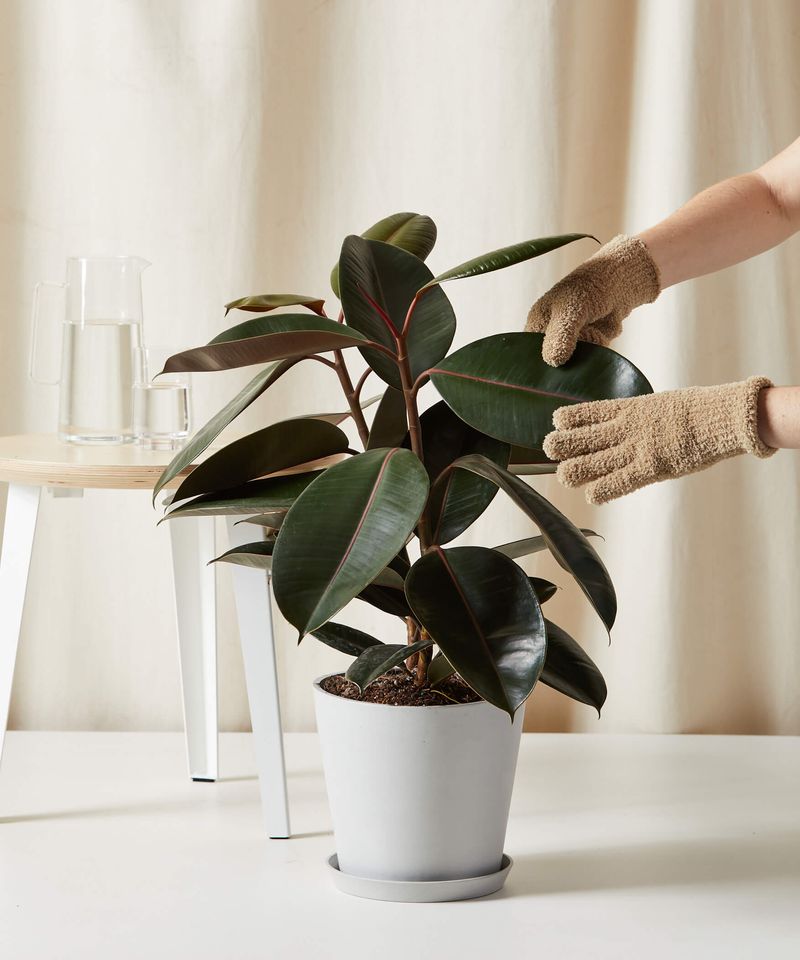
Bold, glossy leaves make rubber plants statement pieces in any Colorado home, but they can quickly outgrow their space without proper management.
January pruning helps control height and encourages branching, creating a fuller, more attractive shape.
Rubber plants naturally grow tall and single-stemmed, which can look sparse and unbalanced in smaller rooms.
Cutting the main stem just above a leaf node forces the plant to branch, resulting in multiple stems and denser foliage.
Use clean, sharp pruning shears and make your cut at a slight angle to prevent water from pooling on the wound.
Rubber plants produce a milky sap when cut, so wear gloves and wipe the sap away with a damp cloth to prevent skin irritation.
You can also remove lower leaves that have yellowed or become damaged, focusing the plant’s energy on healthy upper growth.
Colorado’s winter light levels are lower, making this an excellent time to prune without shocking the plant during active growth periods.
After pruning, position your rubber plant near a bright window but away from cold drafts that can stress the newly trimmed plant.
Reduce watering slightly following pruning, as the plant will need less moisture with reduced leaf surface area.
New growth typically appears within four to six weeks, emerging from the nodes below your cuts.
This fresh growth will be more compact and bushy, transforming a leggy rubber plant into a well-proportioned specimen.
Regular January pruning keeps rubber plants manageable and prevents them from reaching ceiling height too quickly.
4. Philodendron
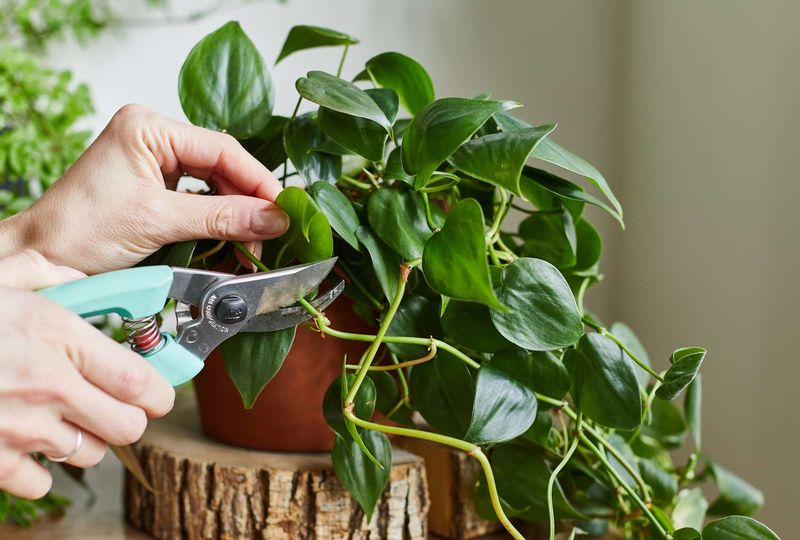
Climbing and trailing varieties of philodendron both benefit from winter pruning to maintain their lush appearance and manageable size.
These adaptable plants tolerate pruning extremely well, making them perfect candidates for January trimming in Colorado homes.
Overgrown philodendrons often develop long, bare stems with leaves clustered only at the ends, creating an unbalanced look.
Pruning stimulates growth along the stem, filling in bare spots and creating a fuller, more attractive plant.
Cut back stems to just above a node, where you’ll see small bumps indicating potential growth points.
These nodes will produce new leaves and branches within a few weeks, transforming the plant’s appearance.
If your philodendron has grown too large for its space, don’t hesitate to remove up to one-third of the growth.
These resilient plants handle aggressive pruning without issue, quickly recovering and producing fresh foliage.
Remove any yellowing or damaged leaves at the base, keeping the plant healthy and preventing potential pest problems.
Colorado’s dry winter air can stress philodendrons, so increase humidity around your newly pruned plant with a pebble tray or humidifier.
Proper humidity helps new growth emerge strong and healthy rather than stunted or crispy.
After pruning, maintain consistent watering and provide bright, indirect light to support recovery and new leaf development.
Philodendrons pruned in January show remarkable improvement by spring, with dense, vibrant foliage that showcases their natural beauty and makes them standout features in your indoor garden.
5. Peace Lily
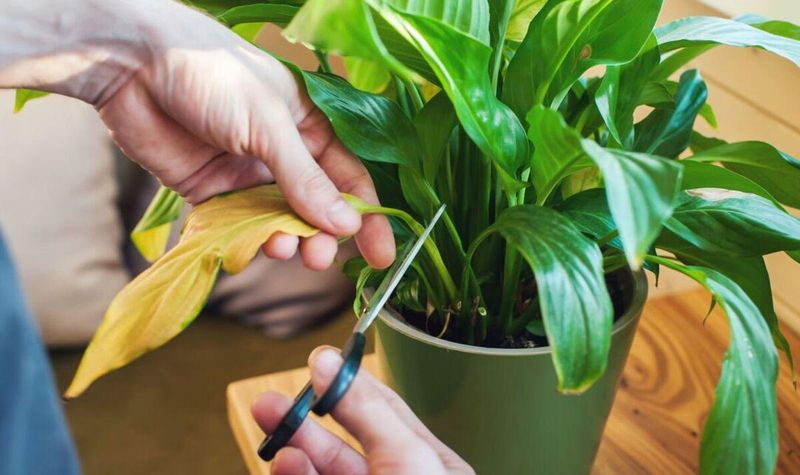
Elegant white blooms and deep green leaves make peace lilies favorites in Colorado households, but they require regular maintenance to look their best.
January provides an excellent opportunity to remove spent flowers and damaged foliage, preparing the plant for renewed blooming in spring.
Old flower stalks turn brown and detract from the plant’s beauty, so cut them at the base where they emerge from the soil.
This removal redirects energy away from seed production and back into leaf and root development.
Peace lilies often develop brown leaf tips and edges in Colorado’s dry indoor environment, which you can trim away carefully.
Use sharp scissors to cut along the natural leaf shape, removing only the damaged portions while preserving healthy green tissue.
If entire leaves have yellowed or browned, remove them completely at the base to improve the plant’s appearance and air circulation.
Overcrowded peace lilies benefit from division during winter pruning, which involves separating the root ball into smaller sections.
Each division should have several leaves and healthy roots, and can be potted individually to create new plants.
After pruning and potential division, water your peace lily thoroughly and place it in a location with bright, indirect light.
Avoid direct sunlight, which can scorch the leaves and stress the plant following pruning.
Increase humidity around your peace lily to support recovery, as these plants prefer moist air that’s often lacking in Colorado winters.
With proper January pruning, your peace lily will produce abundant new foliage and flowers throughout the growing season.
6. English Ivy
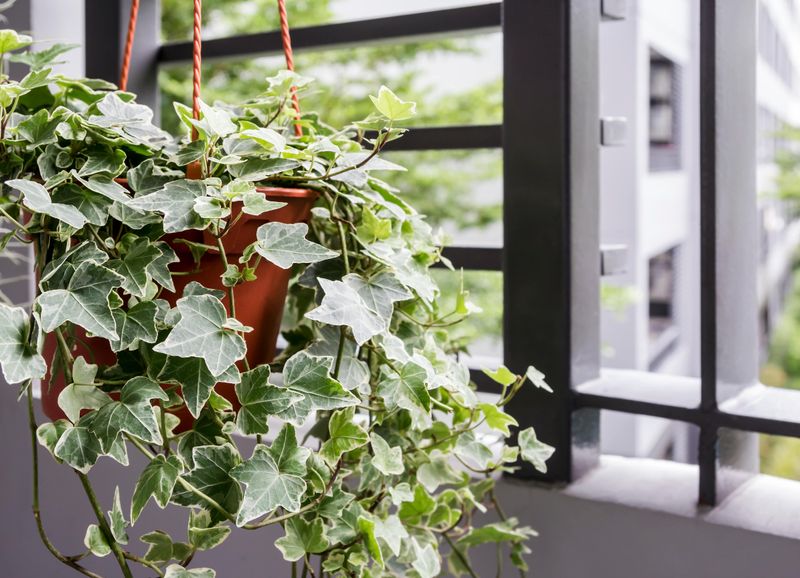
Cascading vines and delicate leaves give English ivy a romantic, cottage-garden appeal, but this vigorous grower needs regular pruning to stay attractive.
January is perfect for cutting back ivy that has become too long or sparse, encouraging dense, compact growth.
Unpruned ivy develops extremely long runners with widely spaced leaves, creating a stringy rather than lush appearance.
Trim vines back to your desired length, cutting just above a leaf to promote branching at that point.
English ivy responds to pruning by producing multiple new shoots from each cut, quickly filling in and creating a fuller plant.
Remove any dry or damaged stems at the base, which improves air circulation and reduces the risk of pest infestations.
Spider mites particularly love ivy, especially in Colorado’s dry winter conditions, so inspect carefully while pruning.
If you notice webbing or stippled leaves, treat the plant before pruning to prevent spreading pests to healthy growth.
You can shape English ivy into topiaries or train it along frames, with January pruning helping establish and maintain these decorative forms.
After pruning, ensure your ivy receives adequate moisture, as dry soil combined with low humidity can stress the plant.
Place it in bright, indirect light to support new growth without causing leaf burn.
The cuttings you remove can be propagated in water or soil, creating additional plants for other areas of your Colorado home.
By late winter, your pruned English ivy will show renewed vigor with fresh, compact growth that looks healthy and well-maintained.
7. Jade Plant
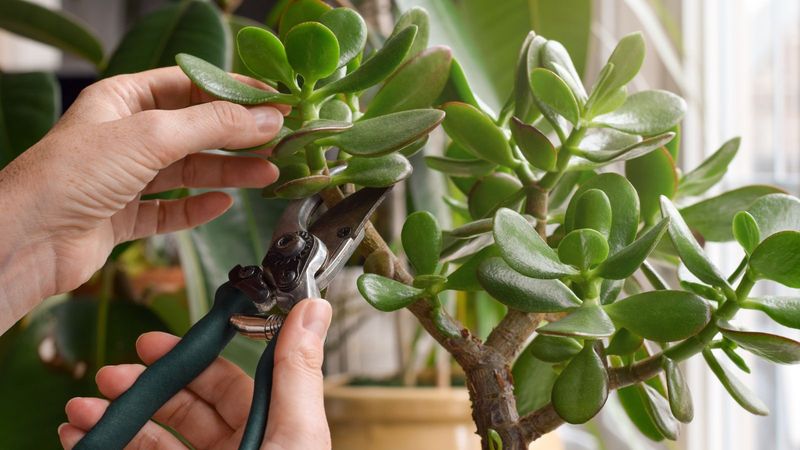
Thick, succulent leaves and woody stems give jade plants a miniature tree appearance that improves dramatically with strategic pruning.
January is ideal for shaping jade plants because they’re in a semi-dormant state, reducing stress from cutting.
Colorado’s bright winter sun provides excellent conditions for jade plant recovery, as these succulents need strong light to heal properly after pruning.
Overgrown jade plants become top-heavy and unbalanced, sometimes tipping their pots or developing weak, stretched growth.
Prune to create a more compact, tree-like shape by removing leggy branches and encouraging branching lower on the stem.
Make cuts just above a leaf node using clean, sharp pruners, and allow the cut surface to dry for a day before watering.
This drying period prevents rot, which can occur when moisture enters fresh wounds on succulent plants.
Remove any damaged or shriveled leaves, which often accumulate during winter when watering needs decrease.
Jade plants store water in their leaves and stems, so they require less frequent watering after pruning than most houseplants.
Wait until the soil is completely dry before watering again, typically every two to three weeks in Colorado’s dry climate.
Position your pruned jade plant in a south-facing window where it will receive several hours of direct sunlight daily.
Strong light prevents etiolation and helps the plant develop the compact, robust growth that makes jade plants so appealing.
Cuttings from jade plants root easily, so save healthy stems to propagate new plants that you can share with friends or use throughout your home.