7 Houseplants You Can Easily Repot In January In Pennsylvania
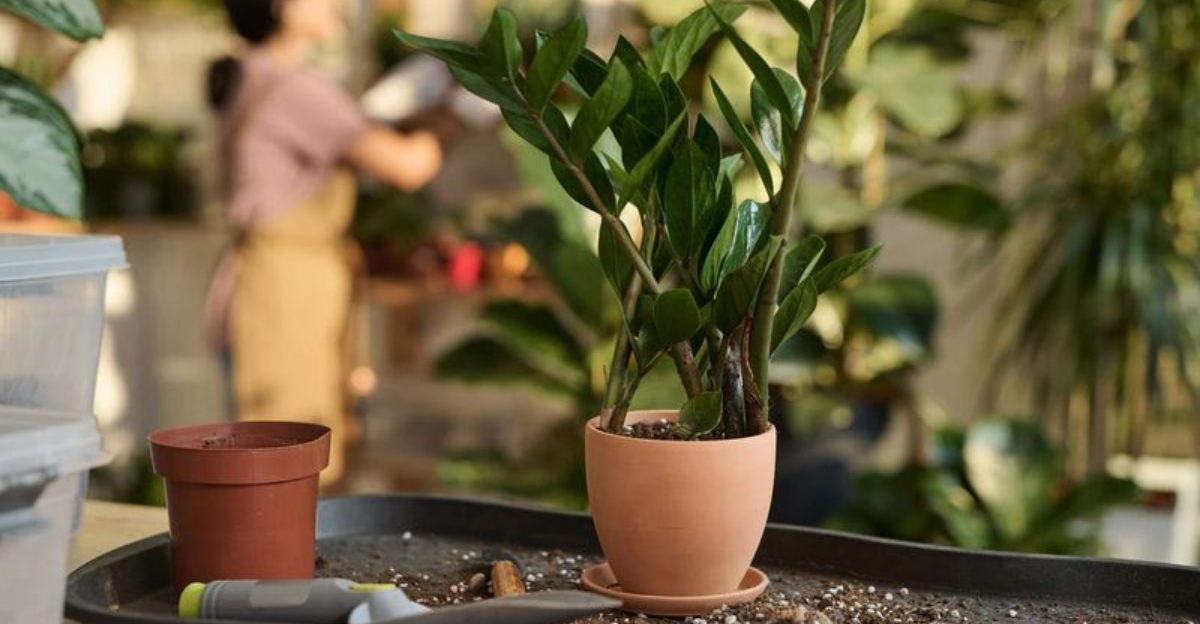
January might seem like a quiet month for gardening in Pennsylvania, but it’s actually the perfect time to give your houseplants some much-needed attention indoors.
While snow blankets the ground outside and temperatures drop, your indoor green friends are still growing and may be ready for a fresh start in a new pot.
Repotting during this winter month helps plants prepare for their spring growth spurt, giving them more room to stretch their roots and access fresh nutrients.
Pennsylvania winters keep us indoors more often, making it an ideal time to tackle indoor plant care without the distraction of outdoor garden chores.
Many houseplants show signs they need repotting, like roots poking through drainage holes or water running straight through the soil without absorbing.
Taking care of these tasks now means healthier, happier plants come springtime.
Whether you’re a seasoned plant parent or just starting your indoor jungle, repotting doesn’t have to be complicated or messy.
Some houseplants are especially forgiving and easy to work with, making them perfect candidates for a January repotting session.
Let’s explore some fantastic options that thrive with a little winter in your Pennsylvania home.
1. Pothos
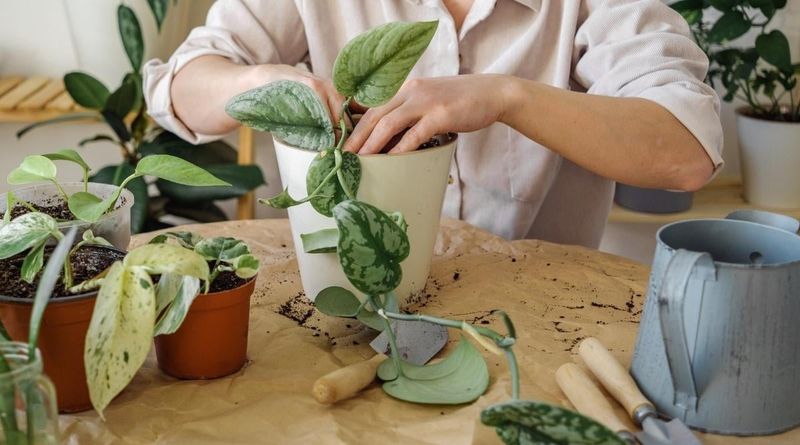
Pothos plants are basically indestructible, which makes them a fantastic choice for your first January repotting project in Pennsylvania.
Their trailing vines and heart-shaped leaves add beauty to any room, and they forgive almost any repotting mistake you might make.
When you notice roots circling the bottom of the pot or growing through drainage holes, it’s time to give your pothos a bigger home.
The process couldn’t be simpler for this hardy plant.
Gently remove it from its current container, loosen the root ball with your fingers, and place it in a pot that’s about two inches larger in diameter.
Fill around the roots with fresh potting mix, water thoroughly, and you’re done.
Pothos adapts quickly to its new space without showing signs of stress.
Pennsylvania’s dry indoor winter air doesn’t bother pothos much, though they appreciate occasional misting.
Place your newly repotted plant in bright, indirect light near a window, but it will tolerate lower light conditions too.
The beauty of repotting pothos in January is that you’re preparing it for vigorous spring growth.
One fun bonus is that you can propagate cuttings from your pothos during repotting.
Simply snip a few stems below a leaf node and place them in water until roots develop.
Within weeks, you’ll have baby plants to share with friends or expand your own collection.
This plant truly keeps on giving, making it perfect for Pennsylvania plant lovers looking for low-maintenance greenery during the cold months.
2. Snake Plant
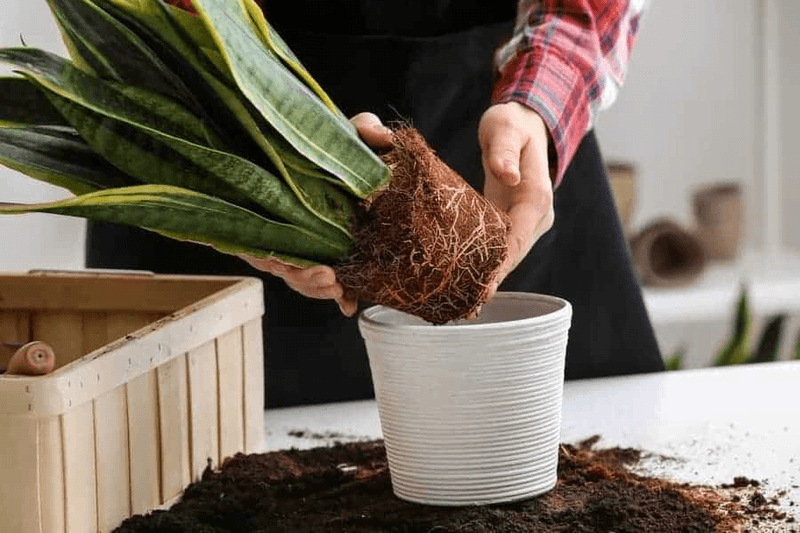
Few houseplants can match the snake plant’s tolerance for neglect and its ability to bounce back from repotting with zero drama.
Also called mother-in-law’s tongue, this striking plant features tall, upright leaves with gorgeous patterns that add architectural interest to Pennsylvania homes.
January repotting works beautifully because snake plants grow slowly and won’t mind the disruption during their dormant period.
Your Pennsylvania Garden Changes Every Week. Your Plan Should Too.
Gardening in Pennsylvania changes quickly throughout the season. Every Friday you’ll receive a simple weekly plan showing exactly what to plant, prune, fertilize, harvest, and protect so you never miss the right timing.
Check if your snake plant needs repotting by looking for roots pushing against the pot’s sides or even cracking plastic containers.
These tough plants develop strong root systems that can actually break their pots over time.
When repotting, choose a sturdy container with drainage holes and use a well-draining cactus or succulent mix to prevent root rot.
The repotting process is straightforward but requires a gentle touch with the thick roots.
Tip the pot on its side and carefully slide out the entire root ball.
Shake off old soil, trim any damaged roots with clean scissors, and nestle the plant into its new home.
Snake plants prefer being slightly pot-bound, so don’t go too large with the new container.
After repotting in your Pennsylvania home, water sparingly and place the snake plant in indirect light.
These plants are incredibly forgiving about light conditions and can thrive in corners that would stress other houseplants.
Their air-purifying qualities make them excellent bedroom companions, and the January repotting ensures they’re ready to produce new shoots when warmer weather arrives outside.
3. Spider Plant
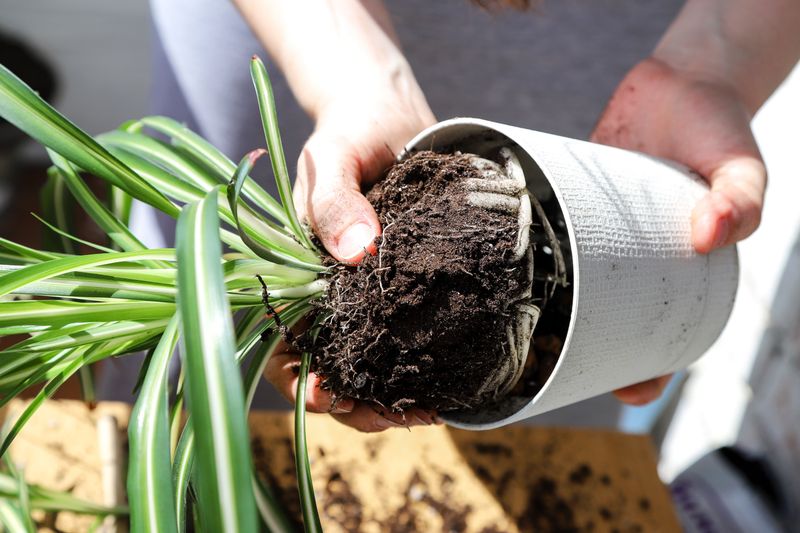
Spider plants practically beg to be repotted when their thick, fleshy roots start bulging out of the pot, making January in Pennsylvania an excellent time to give them fresh space.
These cheerful plants with arching, striped leaves produce adorable baby plantlets that dangle from long stems, creating a cascading waterfall effect.
Their easygoing personality makes them perfect for anyone nervous about repotting.
When you’re ready to repot, you’ll likely find a dense mass of tuberous roots that have completely filled the container.
Don’t worry if the root ball seems impossibly tangled.
Gently tease apart the roots with your fingers, removing old, depleted soil as you work.
Spider plants appreciate a good-quality potting mix with added perlite for drainage.
Choose a new pot just one or two sizes larger than the current one.
Spider plants actually bloom and produce more babies when they’re slightly crowded, so resist the urge to go too big.
After settling your plant into its new home, water it well and place it in a spot with bright, indirect light.
Pennsylvania’s winter homes can have dry air, which spider plants tolerate, though brown leaf tips may develop.
January repotting gives you the perfect opportunity to separate and pot up those dangling baby plantlets too.
Simply snip them off and plant them in small pots with moist soil.
Within a few weeks, they’ll establish roots and start growing independently.
This multiplication factor makes spider plants incredibly rewarding for Pennsylvania gardeners waiting out the winter months indoors.
4. Philodendron
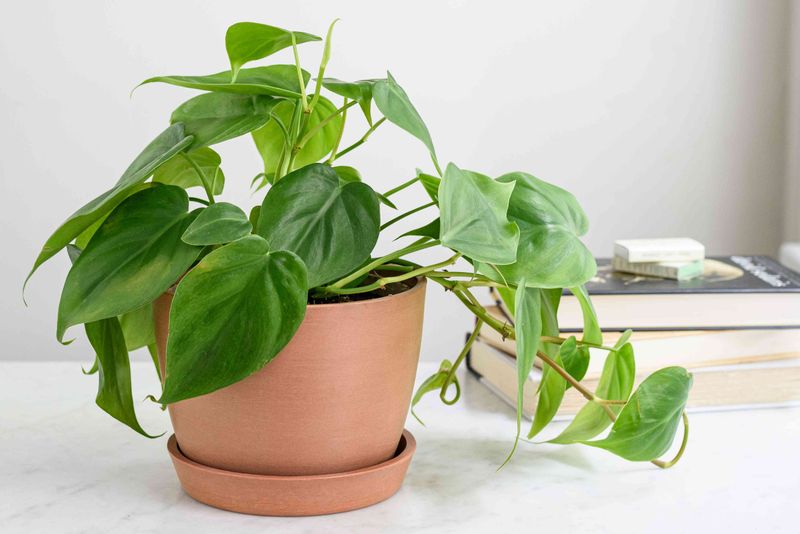
Philodendrons bring tropical vibes to Pennsylvania homes even when winter winds howl outside, and they handle repotting with remarkable grace during January’s quiet days.
With dozens of varieties available, from heart-leaf to split-leaf types, there’s a philodendron to match every decorating style and skill level.
Their fast growth means they often need repotting annually, making winter an ideal time for this task.
Signs your philodendron needs repotting include water running straight through the pot without absorbing and roots visible at the soil surface or through drainage holes.
When you remove the plant from its container, you’ll likely see roots wrapped around the outside of the soil ball.
Gently loosen these roots and trim any that look mushy or damaged with clean, sharp scissors.
Philodendrons prefer a rich, well-draining potting mix with some peat moss or coconut coir for moisture retention.
Select a container about two inches wider than the previous one, ensuring it has adequate drainage.
Position your philodendron at the same depth it was growing before, fill in with fresh soil, and water thoroughly until it drains from the bottom.
The beauty of January repotting in Pennsylvania is that your philodendron can recover from any transplant stress in the calm winter environment before spring growth begins.
Place your freshly potted plant in bright, indirect light and maintain consistent moisture without overwatering.
Philodendrons also appreciate humidity, so grouping plants together or using a pebble tray can help combat dry indoor heating.
By spring, your philodendron will reward your January efforts with lush new growth.
5. Peace Lily
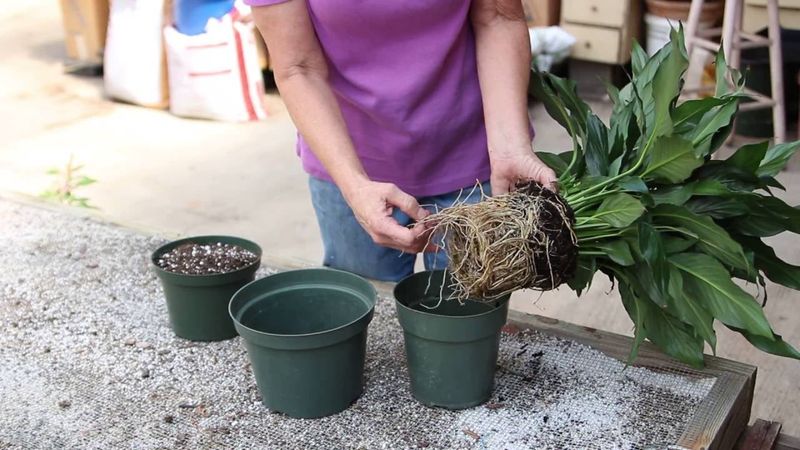
Peace lilies are beloved by Pennsylvania plant enthusiasts for their elegant white flowers and ability to communicate their needs clearly, making them surprisingly easy to repot in January.
When these plants need water, they dramatically droop, then perk right back up after a drink.
This same resilience applies to repotting, as peace lilies quickly adjust to their new containers without prolonged stress.
You’ll know it’s time to repot when your peace lily becomes rootbound and starts wilting more frequently despite regular watering.
The roots need more space to access moisture and nutrients efficiently.
Carefully slide the plant from its pot and examine the root system.
Healthy roots should be white or light tan, while any dark or slimy roots should be trimmed away.
Peace lilies thrive in a peat-based potting mix that retains moisture without becoming waterlogged.
Choose a new container with drainage holes that’s about two inches larger than the old one.
After repotting, water your peace lily generously and place it in a location with low to medium indirect light.
These plants actually prefer shadier spots than many houseplants, making them perfect for Pennsylvania rooms that don’t get bright winter sun.
One wonderful benefit of January repotting is that peace lilies often respond by producing their signature white spathes in late winter or early spring.
They appreciate the humidity from Pennsylvania’s winter indoor heating when you mist their leaves occasionally.
Peace lilies also filter indoor air pollutants, making them functional as well as beautiful.
Their forgiving nature and clear communication make them confidence-building plants for anyone learning to repot houseplants during the quiet winter months.
6. Rubber Plant
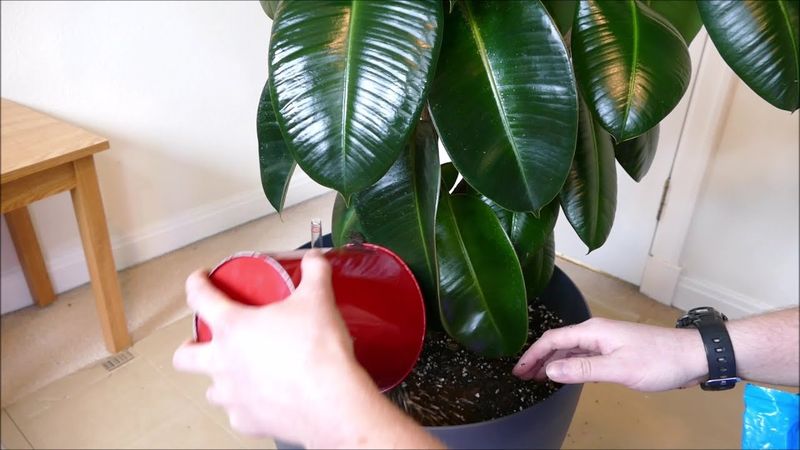
Rubber plants make a bold statement in Pennsylvania homes with their large, glossy leaves that practically shine under winter’s soft indoor lighting.
These sturdy plants develop substantial root systems that eventually demand more space, and January provides the perfect opportunity for repotting before their active growing season begins.
Despite their impressive size, rubber plants are remarkably tolerant of the repotting process.
When your rubber plant becomes top-heavy or you notice roots emerging from drainage holes, it’s time for a larger home.
Prepare yourself for a bit of a workout, as these plants can be heavy, especially once they’re several years old.
Gently tip the pot on its side and work the root ball free, being careful not to damage the thick stems or break off leaves.
Rubber plants appreciate a well-draining potting mix with good structure to support their weight.
Select a sturdy pot that’s about two to three inches wider than the current container, ensuring it’s stable enough to prevent tipping.
Position the plant at its original depth, backfill with fresh soil, and water thoroughly.
The new pot should feel substantial enough to balance the plant’s height and leaf mass.
After repotting in your Pennsylvania home, place your rubber plant in bright, indirect light where it receives consistent conditions.
These plants don’t appreciate being moved around frequently, so choose your spot wisely.
Wipe the large leaves occasionally with a damp cloth to remove dust and help them photosynthesize efficiently during winter’s shorter days.
Your January repotting efforts will be rewarded with vigorous new growth and possibly even larger, more impressive leaves as spring approaches.
7. ZZ Plant
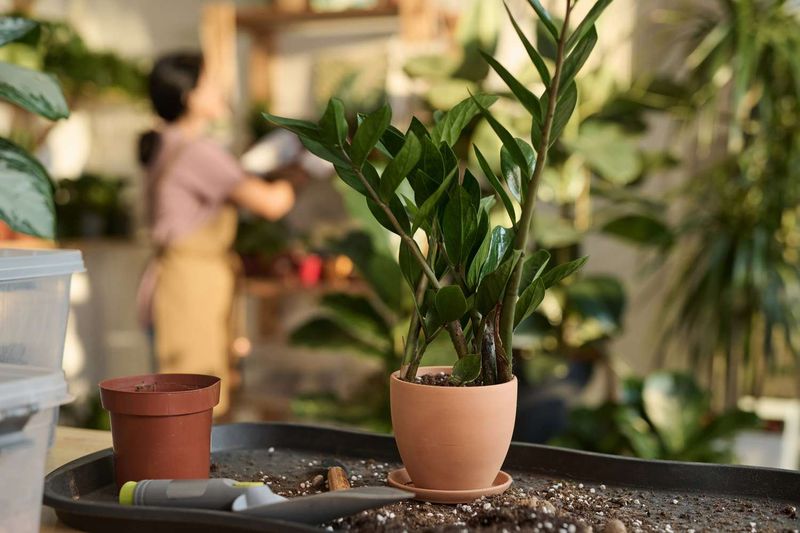
ZZ plants have earned their reputation as virtually indestructible houseplants, making them absolutely perfect for Pennsylvania residents tackling their first January repotting project.
Their thick, waxy leaves grow on upright stems that emerge from underground rhizomes, creating an architectural presence in any room.
What makes ZZ plants especially suitable for winter repotting is their slow growth and extreme tolerance for disturbance.
These plants can go years without repotting, but when roots begin pushing the plant upward out of the soil or the pot starts to crack, it’s definitely time.
ZZ plants develop potato-like rhizomes that store water, so the root system might surprise you with its unique appearance.
When removing the plant from its container, you might need to flex plastic pots or tap ceramic ones firmly to loosen the root ball.
Use a well-draining potting mix, preferably one formulated for cacti and succulents, since ZZ plants are sensitive to overwatering.
Choose a pot with excellent drainage that’s only slightly larger than the previous one.
These plants actually prefer being somewhat crowded and won’t mind a snug fit.
After repotting, water sparingly and place in low to bright indirect light.
ZZ plants are incredibly forgiving about Pennsylvania’s dry winter indoor conditions and can tolerate neglect better than almost any other houseplant.
They’re ideal for offices, bedrooms, or any space where you want greenery without constant maintenance.
January repotting means your ZZ plant will be perfectly positioned for its slow but steady growth throughout the year.
By the time summer arrives, you’ll notice fresh stems emerging from those underground rhizomes you carefully repotted during the snowy winter months.