9 Native Ground Covers Oregon Gardeners Are Loving Right Now
Ever notice those tricky little spots in your garden that never seem to grow anything?
Maybe it’s the shady corner under a tree, the patch along the fence, or a slope that’s hard to keep watered.
It can be frustrating when you want something to fill the space, but nothing seems quite right.
A lot of Oregon gardeners have found a simple solution: native ground covers.
These plants are low-maintenance, hardy, and suited to the local climate, so they thrive without constant care.
They can turn an empty patch into a lush, green carpet, attract pollinators, and even help keep weeds in check.
Their dense growth also helps stabilize soil and reduce erosion on slopes.
The best part?
Once established, many of these plants need little to no watering or fertilizing.
There’s a wide variety to choose from, each with its own texture, color, and personality.
Some stay low and soft, while others form thicker mats or trailing stems.
Whether you’re looking for something soft underfoot, flowering, or evergreen, there’s likely a native ground cover that fits your garden perfectly.
Many also provide habitat for beneficial insects and small wildlife.
Here are some favorites gardeners are loving right now.
1. Kinnikinnick (Arctostaphylos uva-ursi)
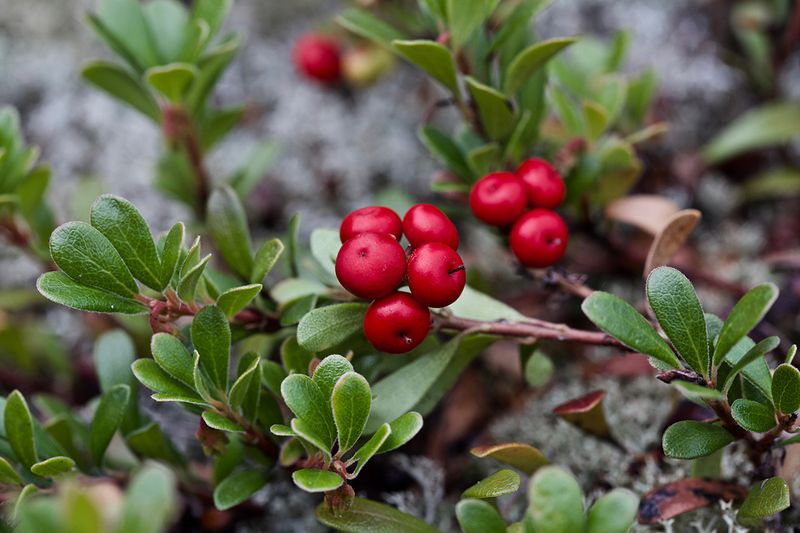
Kinnikinnick spreads across the ground like a living carpet with glossy evergreen leaves that catch the light beautifully throughout the year.
This tough little plant produces delicate pink flowers in spring, followed by bright red berries that birds absolutely adore.
It handles poor soil conditions better than most ground covers and actually prefers the rocky, well-drained spots where other plants struggle.
Once your kinnikinnick gets going, it forms a dense mat that crowds out weeds naturally without any chemicals or constant pulling on your part.
The plant stays low to the ground, rarely reaching more than six inches tall, making it perfect for slopes where mowing would be dangerous or impossible.
During winter, the leaves often take on bronze or reddish tones that add unexpected color to dormant garden beds.
Native pollinators visit the spring blooms enthusiastically, and the berries provide food for wildlife well into winter months.
Kinnikinnick tolerates our dry summers remarkably well after the first year, needing only occasional deep watering during extended droughts.
Plant it in full sun to partial shade for best results, and enjoy it every morning you step outside!
2. Wild Ginger (Asarum caudatum)
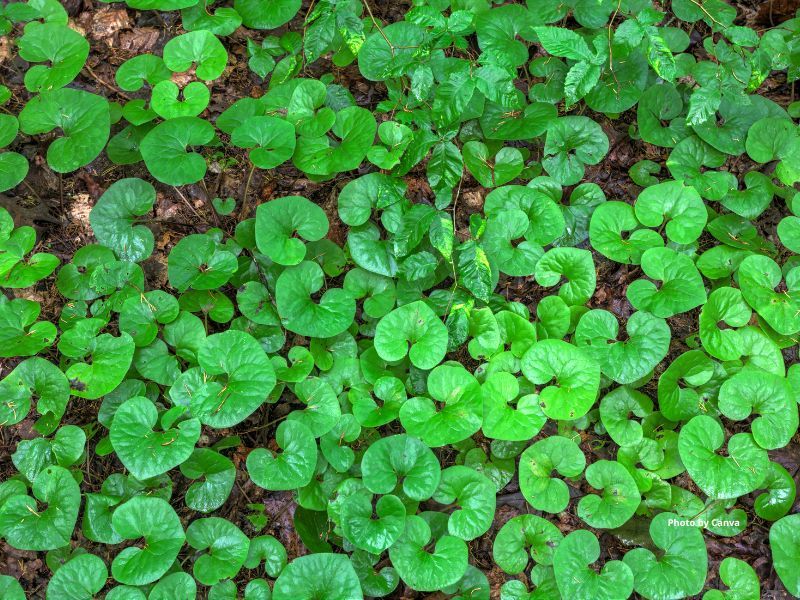
Shade gardeners rejoice when they discover wild ginger, a plant that transforms dark, forgotten corners into lush green spaces.
Heart-shaped leaves emerge in pairs, creating an overlapping pattern that looks almost too perfect to be natural.
The flowers hide beneath the foliage near the soil surface, featuring unusual burgundy-brown petals with long tails that give the plant its species name.
Wild ginger spreads slowly but steadily through underground rhizomes, eventually forming dense colonies that suppress weeds effectively.
This ground cover thrives in the moist, shady conditions under trees where grass refuses to grow, solving one of the most common landscaping challenges.
Your Oregon Garden Changes Every Week. Your Plan Should Too.
Gardening in Oregon changes quickly throughout the season. Every Friday you’ll receive a simple weekly plan showing exactly what to plant, prune, fertilize, harvest, and protect so you never miss the right timing.
The leaves release a pleasant ginger-like scent when crushed, though the plant is not related to culinary ginger and should not be eaten.
Oregon’s native wild ginger provides important cover for small creatures like salamanders and ground-dwelling insects that help maintain healthy garden ecosystems.
Plant it in deep to partial shade with consistent moisture for the most vigorous growth.
The evergreen foliage looks fresh and vibrant even during our wettest winter months.
3. Inside-Out Flower (Vancouveria hexandra)
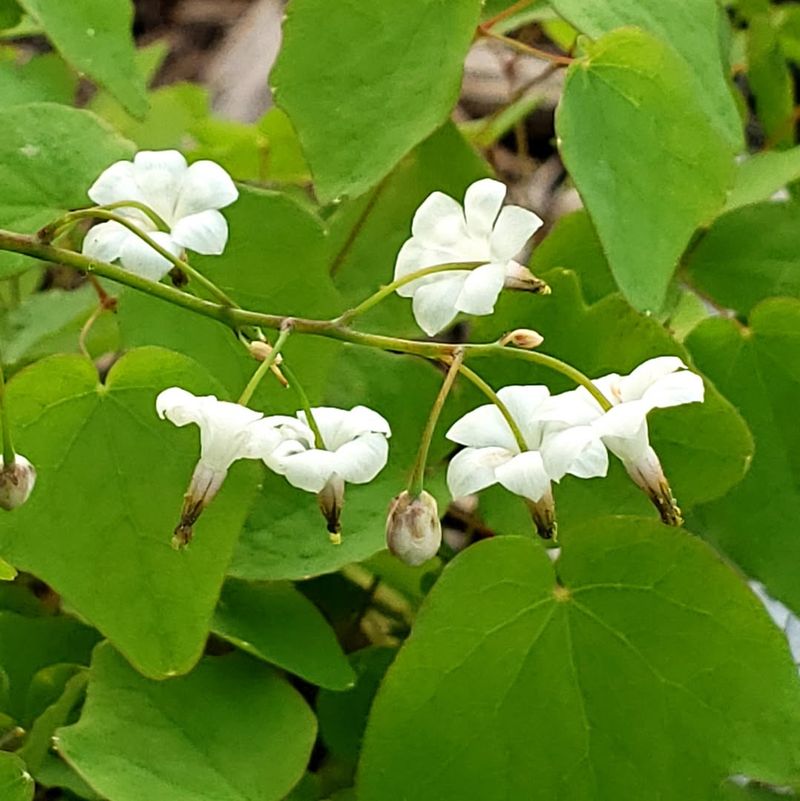
Delicate and graceful, inside-out flower brings an airy quality to shaded gardens with its dainty white blooms that seem to float above the foliage.
The common name comes from the flower petals that sweep backward, exposing the stamens in a way that looks like the blossom turned itself inside out.
Compound leaves divided into small hexagonal leaflets create a fine-textured appearance that contrasts beautifully with bold hostas or ferns.
This ground cover spreads through rhizomes at a moderate pace, filling in gaps without becoming aggressive or invasive in garden beds.
Inside-out flower tolerates dry shade better than many native ground covers, making it valuable for spots under established trees with extensive root systems.
The plant goes semi-deciduous in cold winters but bounces back quickly when spring temperatures rise.
Blooms appear in late spring through early summer, attracting small native bees and other beneficial insects to your garden.
These pollinators help improve fruit set and overall plant health throughout the growing season.
Their activity also supports the surrounding ecosystem by boosting biodiversity and natural balance.
A steady presence of beneficial insects reduces the need for chemical pest control.
The foliage grows six to twelve inches tall, creating enough presence to be noticeable without overwhelming smaller companion plants.
Plant inside-out flower in partial to full shade with well-drained soil for best performance.
4. Western Sword Fern (Polystichum munitum)
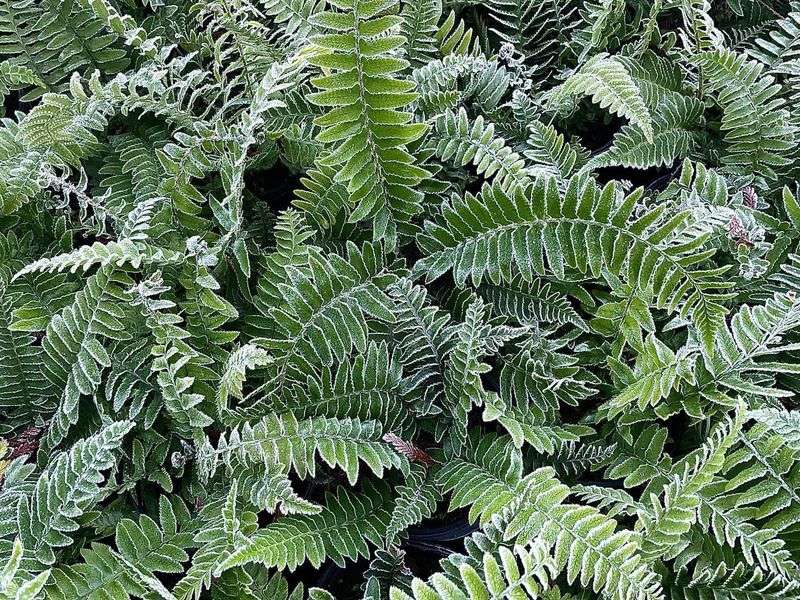
Bold fronds arch dramatically from the center of western sword fern, creating sculptural focal points that anchor shady garden designs.
Each frond features dozens of small leaflets arranged like teeth on a saw blade, giving the plant its common name and distinctive appearance.
While technically a fern rather than a typical ground cover, sword fern fills space so effectively that Oregon gardeners use it exactly that way in woodland settings.
The evergreen fronds stay vibrant and green throughout winter, providing structure and color when most other plants look dormant or bedraggled.
Mature plants can reach three feet tall and equally wide, making them substantial enough to suppress weeds through sheer presence.
Western sword fern tolerates deep shade where few other plants survive, thriving under dense tree canopies that block most sunlight.
This fern also handles summer drought surprisingly well once established, though it looks best with occasional deep watering during extended dry spells.
The fiddle-heads emerge in spring, unfurling in a mesmerizing spiral pattern that delights observers young and old.
Plant sword ferns in shade with organic-rich soil for the healthiest growth.
They thrive beneath trees or along north-facing walls where direct sunlight is limited.
Adding compost or leaf mold improves moisture retention and mimics their natural forest-floor habitat.
Once established, sword ferns form lush, arching clumps that provide year-round greenery.
5. Yerba Buena (Clinopodium douglasii)
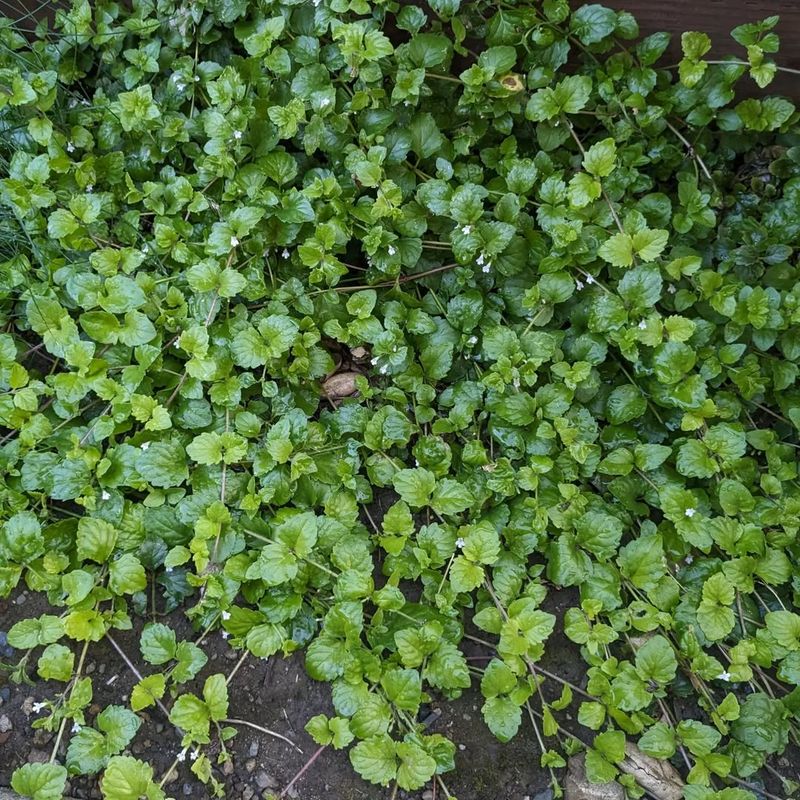
Tiny trailing stems covered with round, aromatic leaves make yerba buena a charming addition to rock gardens and pathway edges.
The name means good herb in Spanish, reflecting the plant’s traditional use as a medicinal tea, though modern gardeners appreciate it mainly for ornamental value.
Small white flowers appear sporadically throughout the growing season, providing nectar for tiny native bees and other miniature pollinators.
Yerba buena spreads slowly but persistently, weaving between rocks and over rough terrain where other ground covers fail to gain traction.
The foliage releases a pleasant minty scent when brushed or stepped on, making it wonderful along pathways where people walk regularly.
This ground cover stays very low, rarely exceeding two inches in height, creating a living mulch that looks intentional rather than messy.
Oregon gardeners particularly value yerba buena for its ability to handle both sun and shade, adapting to whatever conditions exist in a given spot.
The plant remains evergreen in mild winters, though it may look a bit tattered after hard freezes.
Plant yerba buena in well-drained soil with moderate moisture for steady growth throughout the season.
6. Sedum oreganum (Oregon Stonecrop)
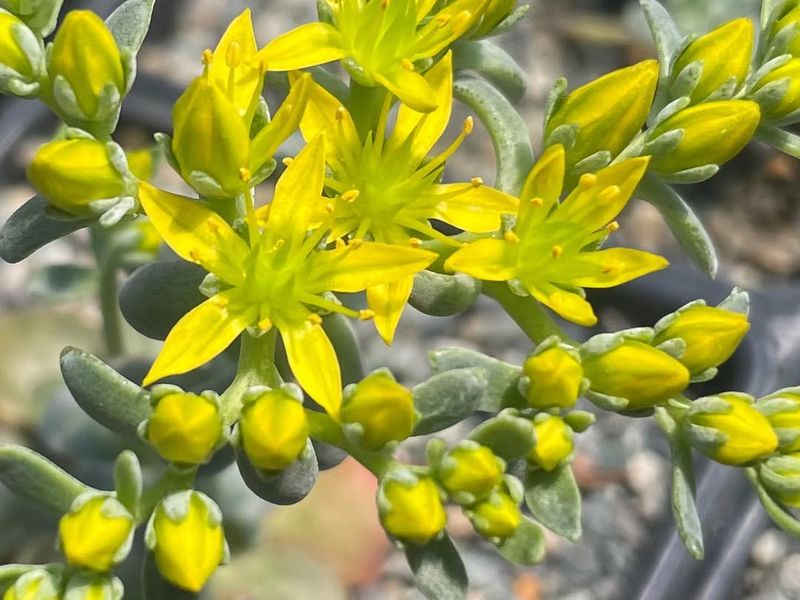
Succulent leaves arranged in rosettes give Oregon stonecrop a tidy, geometric appearance that appeals to gardeners who love order and pattern.
The fleshy foliage stores water efficiently, allowing this ground cover to survive on rocky outcrops and in thin soils where most plants would perish quickly.
Bright yellow star-shaped flowers blanket the plants in summer, creating cheerful patches of color that attract butterflies and beneficial insects.
Oregon stonecrop spreads through offsets and stem fragments, gradually colonizing bare areas without aggressive runners that invade other plantings.
The leaves often take on reddish or bronze tints during cold weather, adding unexpected visual interest to winter gardens.
This sedum grows only a few inches tall, making it perfect for green roofs, rock gardens, and spaces between paving stones.
Once established, Oregon stonecrop needs virtually no supplemental water during summer, even during extended droughts that stress most other garden plants.
The plant also tolerates foot traffic reasonably well, bouncing back quickly from occasional stepping.
Plant Oregon stonecrop in full sun to light shade with excellent drainage for the healthiest, most colorful growth throughout the year.
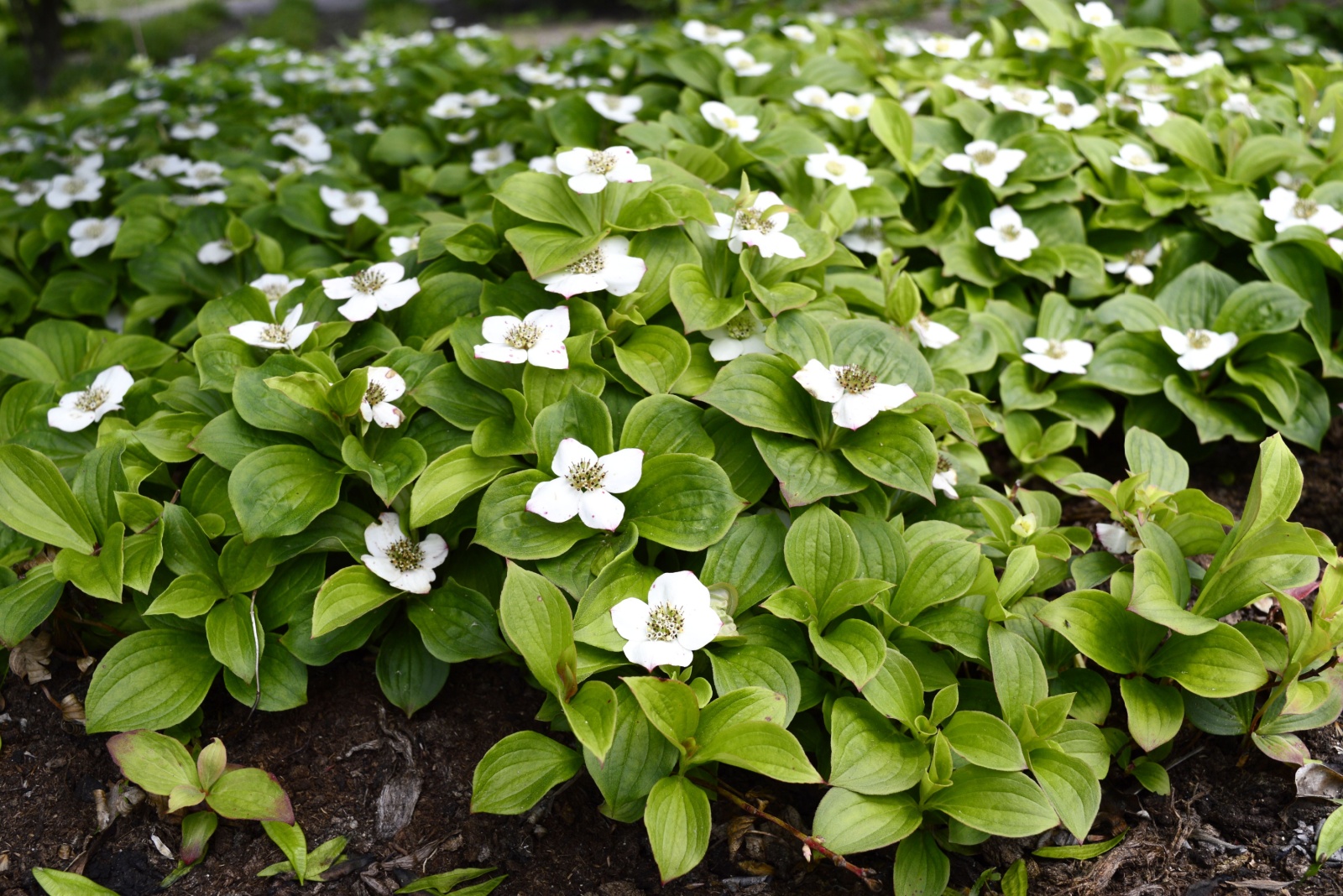
7. Bunchberry (Cornus canadensis)
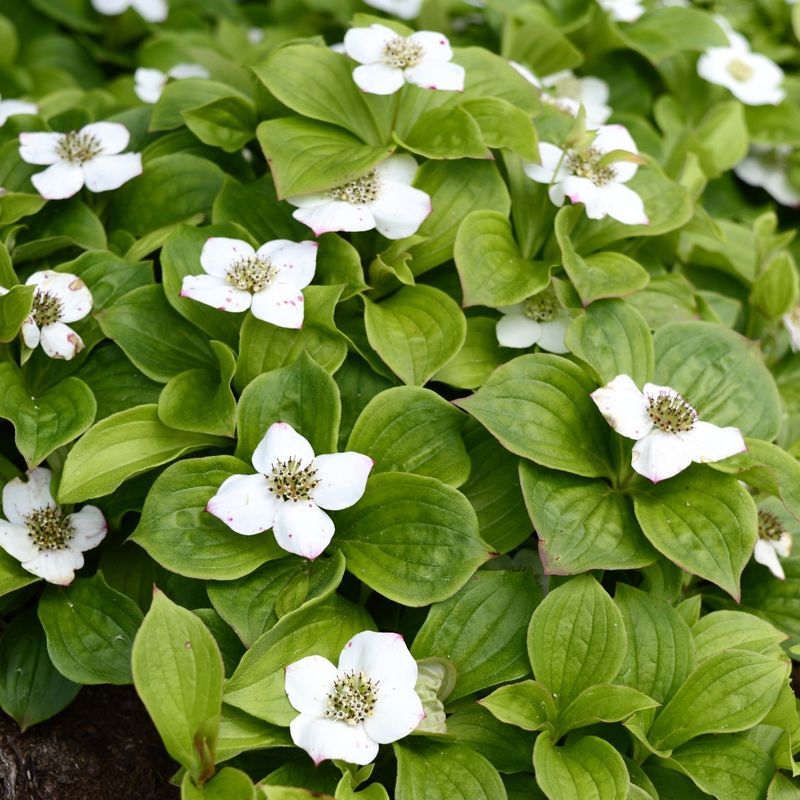
Four white bracts surround tiny flowers at the center, creating what looks like a single large bloom on each bunchberry stem.
The botanical truth is fascinating: those white petals are actually modified leaves, while the real flowers cluster in the middle as a tight greenish-yellow bunch.
Whorled leaves arrange themselves in perfect symmetry around each stem, giving the plant a structured, almost formal appearance despite its woodland origins.
Bright red berries appear in late summer, providing food for birds and adding brilliant color to shaded gardens during the transition to fall.
Bunchberry spreads through underground rhizomes, forming colonies that look like miniature dogwood trees carpeting the forest floor.
This ground cover prefers acidic soil rich in organic matter, making it ideal for gardens under conifers where pH naturally runs low.
The plant goes dormant in winter, disappearing completely until spring warmth triggers new growth from the underground network.
Oregon gardeners in cooler, moister regions have the best success with bunchberry, as it struggles in hot, dry microclimates.
Plant bunchberry in partial to full shade with consistent moisture and acidic soil for the most reliable establishment and spread.
8. Fringecup (Tellima grandiflora)
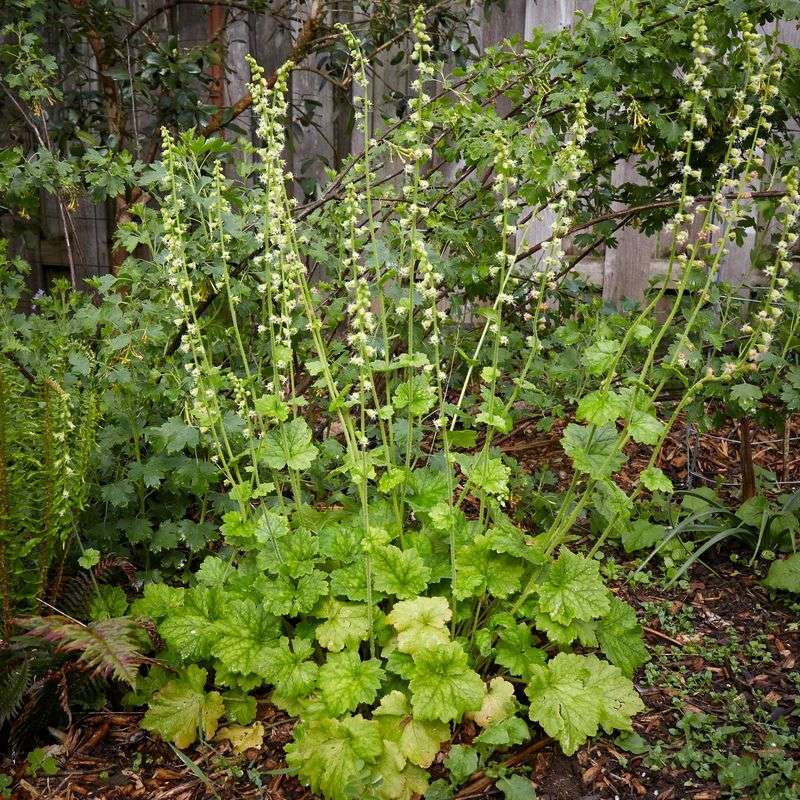
Scalloped leaves with hairy surfaces create interesting texture in shade gardens, catching light and moisture in ways that smooth-leaved plants cannot match.
Tall flower spikes emerge in spring, bearing dozens of small greenish-white blooms with delicately fringed petals that give the plant its descriptive common name.
Fringecup forms substantial clumps over time, with foliage reaching eight to twelve inches tall and flower stems extending up to two feet above the leaves.
The flowers age from pale green to pinkish tones, creating a subtle color progression that adds visual interest throughout the blooming period.
This ground cover tolerates a wide range of conditions, from moist shade to relatively dry woodland edges, making it adaptable for various garden situations.
Oregon gardeners appreciate how fringecup provides both attractive foliage and interesting flowers, offering multiple seasons of garden value from a single planting.
The leaves remain semi-evergreen in mild winters, though they may look tired by late winter before fresh growth emerges.
Native bees and small flies visit the flowers, contributing to garden biodiversity and supporting healthy pollinator populations.
Plant fringecup in partial to full shade with moderate moisture for vigorous growth and reliable flowering each spring.
9. Redwood Sorrel (Oxalis oregana)
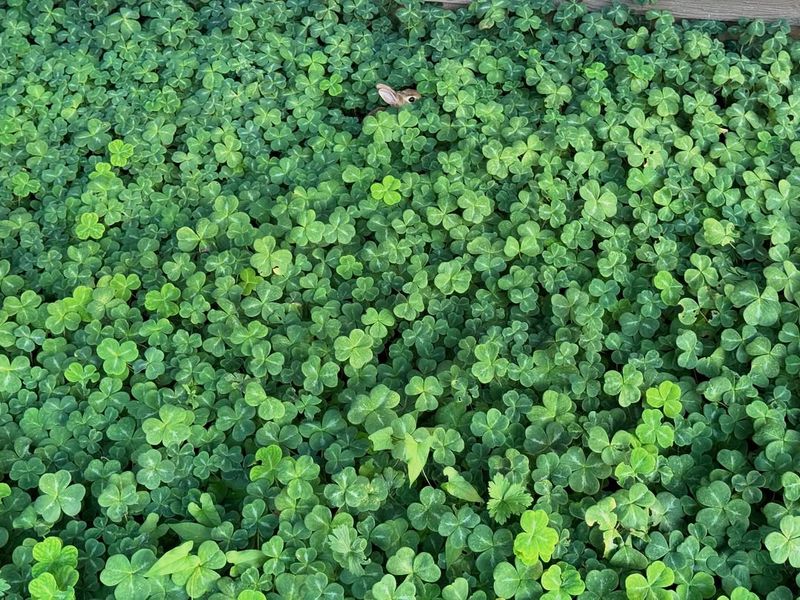
Clover-like leaves divided into three heart-shaped leaflets give redwood sorrel an instantly recognizable appearance that reminds many people of childhood discoveries.
The leaflets fold downward at night and during intense heat or cold, a fascinating movement that demonstrates the plant’s responsive nature.
Pink or white flowers with delicate veining appear above the foliage in spring, creating a soft carpet of color in shaded woodland gardens.
Redwood sorrel spreads vigorously through rhizomes in ideal conditions, forming dense colonies that exclude weeds and create uniform ground coverage.
This ground cover thrives in the deep shade and moist conditions found under Oregon’s native conifers, where it naturally occurs in forest ecosystems.
The foliage contains oxalic acid, giving it a pleasantly sour taste when nibbled, though eating large quantities is not recommended.
Oregon gardeners find redwood sorrel particularly valuable for slopes and banks where erosion control is needed in shaded areas.
The plant remains evergreen in mild winters, though foliage may look ragged after hard freezes before recovering in spring.
Plant redwood sorrel in partial to full shade with consistent moisture and organic-rich soil for the most vigorous growth and spread.