10 Signs Your Oregon Garden Is Ready To Plant In Early Spring
Spring is just around the corner, and if you’re like many Oregon gardeners, you’re probably starting to think about planting.
But it’s not always easy to know when the time is right.
Plant too early, and your seeds or young plants could struggle in cold, wet soil.
Wait too long, and you might feel like the season is slipping away before you even get started.
In Oregon, early spring can be unpredictable.
Some days feel warm and ready for growth, while others still carry a chill in the air.
That’s why paying attention to your garden’s subtle cues can make all the difference.
How does the soil feel when you dig your fingers in?
Are the early bulbs poking through, or are the perennials starting to show new shoots?
Even your local birds and insects can give hints that the garden is waking up.
By noticing these signs, you can plant with confidence and give your garden a strong start to the season.
From soil texture to plant behavior, these little hints can guide you to the perfect moment for early spring planting.
Here are some signs your Oregon garden is ready to grow.
1. Soil Temperature Reaches 50 Degrees
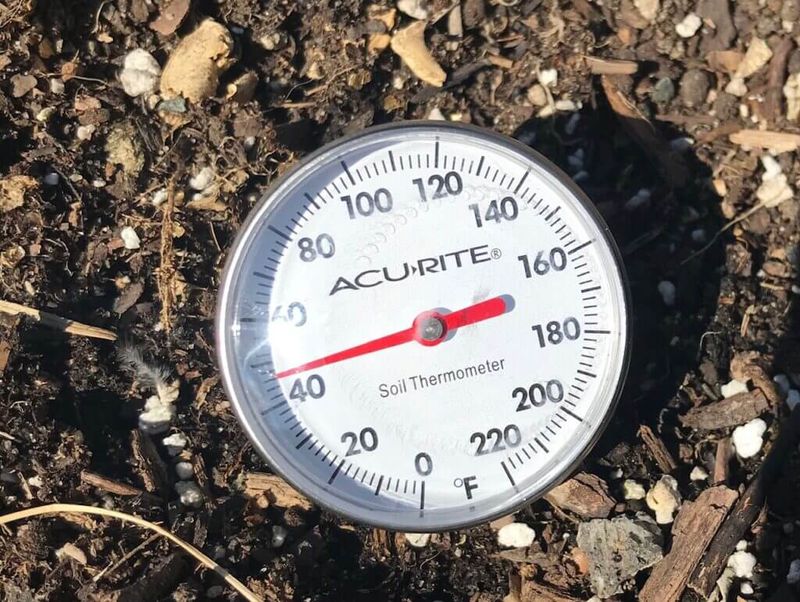
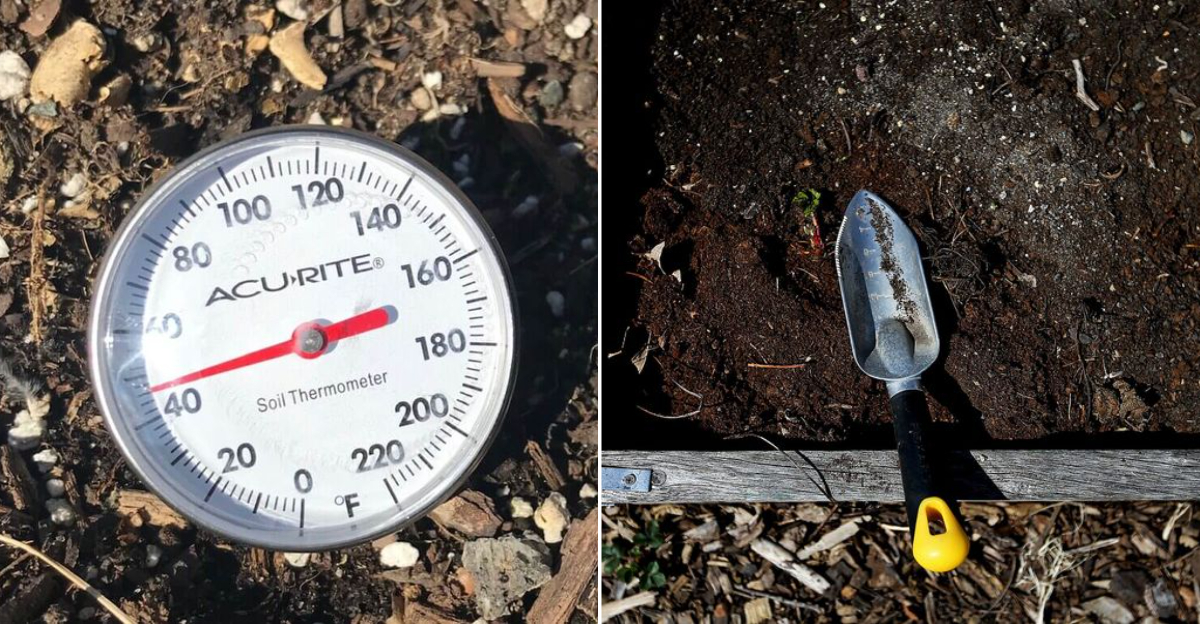
A simple soil thermometer can become your best gardening tool in early spring.
Most cool-season vegetables need soil temperatures around 50 degrees Fahrenheit to germinate properly.
Stick the thermometer about two inches into the ground in the morning, and check the reading.
Cold soil slows down seed germination and can even cause seeds to rot before they sprout.
Warm enough soil means roots can develop quickly and plants establish themselves faster.
Different crops have different needs, but 50 degrees is a solid baseline for peas, lettuce, spinach, and other early vegetables.
If you plant when the soil is still too cold, you might end up waiting weeks longer for anything to pop up.
Patience pays off here.
Check the temperature for several days in a row to make sure it stays consistent.
Oregon weather can be unpredictable, so one warm day does not mean spring has truly settled in.
Once your thermometer shows steady readings at or above 50 degrees, you can confidently start sowing seeds outdoors.
This simple step takes the guesswork out of planting and helps you avoid common beginner mistakes.
Your garden will thank you with healthier, faster-growing plants.
2. The Ground Is No Longer Muddy
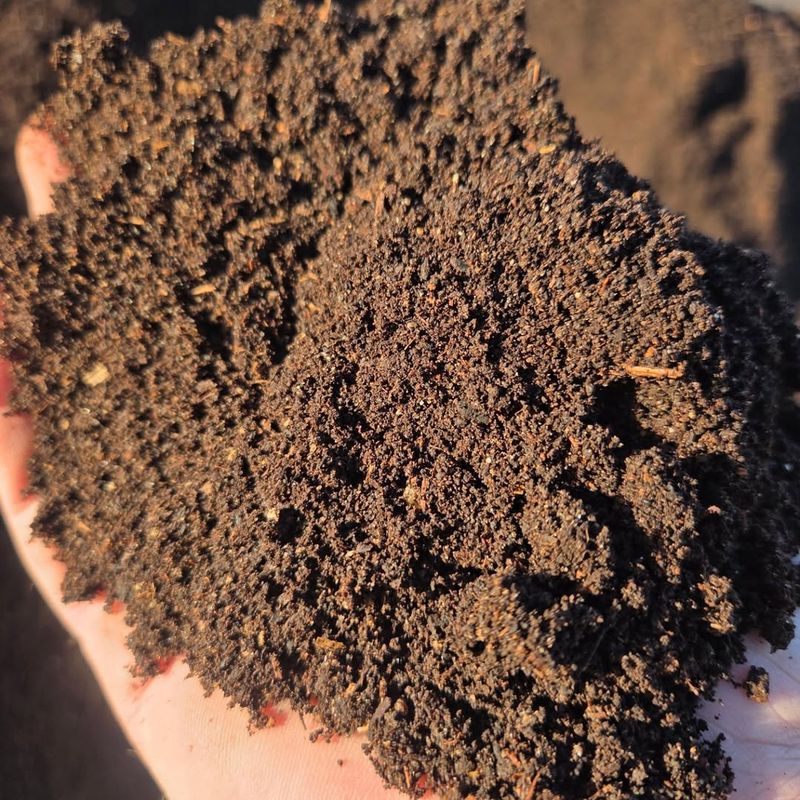
Grab a handful of soil and squeeze it in your palm.
Does it clump together in a wet, sticky ball?
If so, wait a little longer before planting.
Muddy soil compacts easily when you walk on it or work it with tools.
Compacted soil lacks the air pockets that roots need to grow and spread.
When soil is too wet, you can actually do more harm than good by digging or planting in it.
Instead, look for soil that crumbles apart when you squeeze it.
It should feel slightly damp but not soggy.
This texture means the soil has good structure and drainage, both essential for healthy plant growth.
Your Oregon Garden Changes Every Week. Your Plan Should Too.
Gardening in Oregon changes quickly throughout the season. Every Friday you’ll receive a simple weekly plan showing exactly what to plant, prune, fertilize, harvest, and protect so you never miss the right timing.
Oregon winters bring plenty of rain, so early spring soil often takes time to dry out properly.
Be patient and resist the urge to rush into planting just because the calendar says it is time.
Working in wet soil can damage its structure for the entire season.
Wait until you can walk across your garden beds without leaving deep footprints or muddy tracks.
Once the ground feels firm and crumbly, you are ready to prepare beds and start planting with confidence.
3. Daffodils And Crocuses Are Blooming
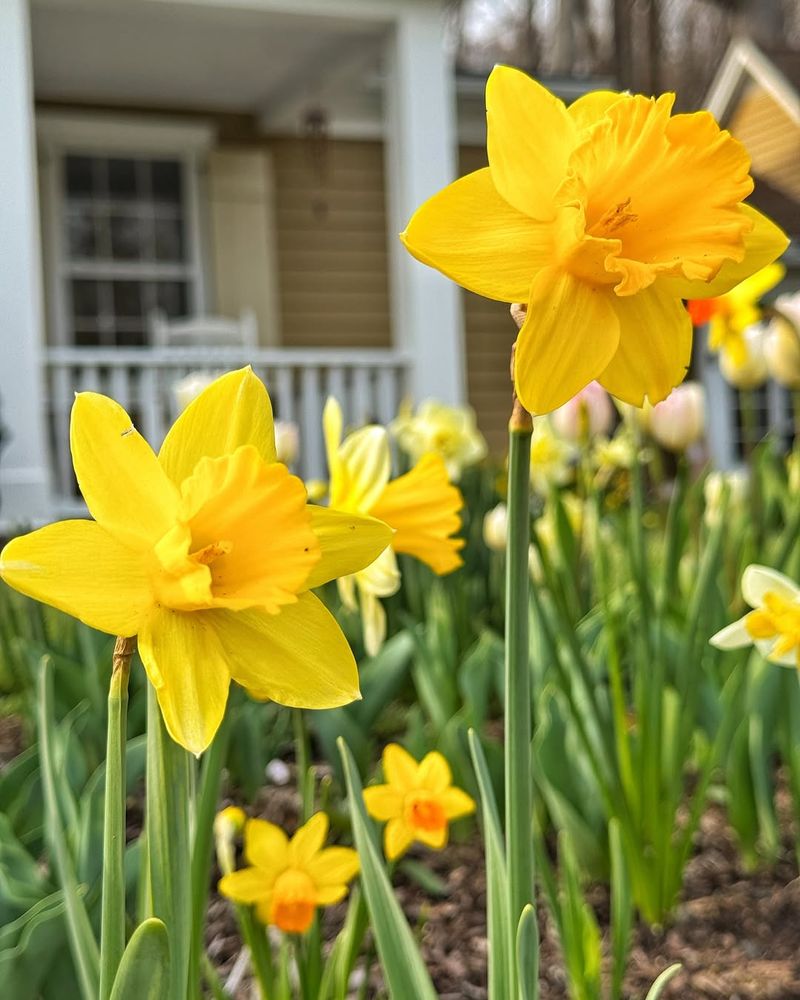
Nature has its own calendar, and early spring bulbs are some of the best indicators that warmer weather has arrived.
When daffodils and crocuses start to bloom in your yard or neighborhood, it usually means soil temperatures are rising and frost risk is decreasing.
These hardy flowers push through the ground even when nights are still chilly, but their blooms signal a shift in the season.
Gardeners have relied on these natural markers for generations.
Bulbs respond to soil temperature and day length, so they bloom right around the time conditions become favorable for planting cool-season crops.
You do not need fancy equipment or weather apps when you have nature giving you clear signals.
Take a walk around your neighborhood and notice what is blooming.
If you see bright yellow daffodils or cheerful purple crocuses, your garden is likely ready for peas, lettuce, and other early vegetables.
This method is especially helpful in Oregon, where microclimates can vary widely even within a single town.
Your specific location might warm up earlier or later than average forecasts predict.
Watching local plants gives you customized, accurate information about your exact growing conditions.
Trust what you see blooming around you.
4. Robins Return To Your Yard
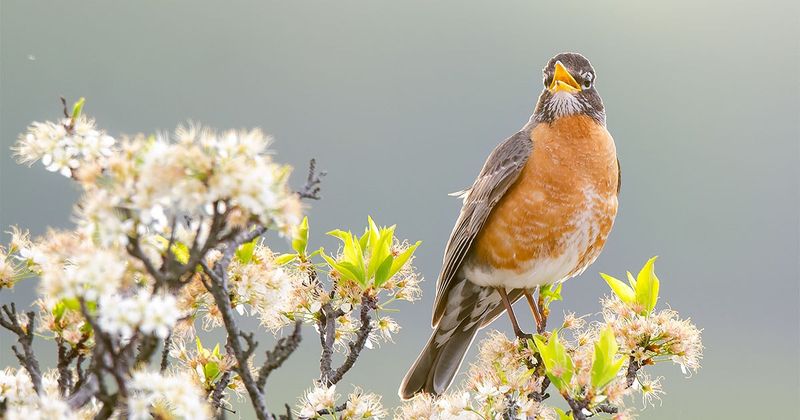
Spotting the first robin of spring brings a smile to any gardener’s face.
These cheerful birds migrate back to Oregon when temperatures warm up and the ground softens enough for them to find worms and insects.
Robins need soft soil to hunt for food, so their arrival means the earth is thawing and becoming workable.
This same condition is exactly what your garden needs for successful planting.
Birds are incredibly sensitive to environmental changes.
They time their migration based on food availability, which directly relates to soil conditions.
When robins show up hopping across your lawn, it is a strong sign that your garden soil is ready for seeds and transplants.
You might also notice other birds becoming more active, building nests, and singing more frequently.
All of these behaviors indicate that spring has truly arrived.
Oregon gardeners can use wildlife as a reliable guide for planting timing.
Pay attention to what is happening around you.
Nature offers free, accurate advice if you take the time to observe.
Once robins are a regular sight in your yard, you can feel confident about starting your early spring planting.
Their presence confirms that conditions are right for growth.
5. Weeds Begin To Sprout
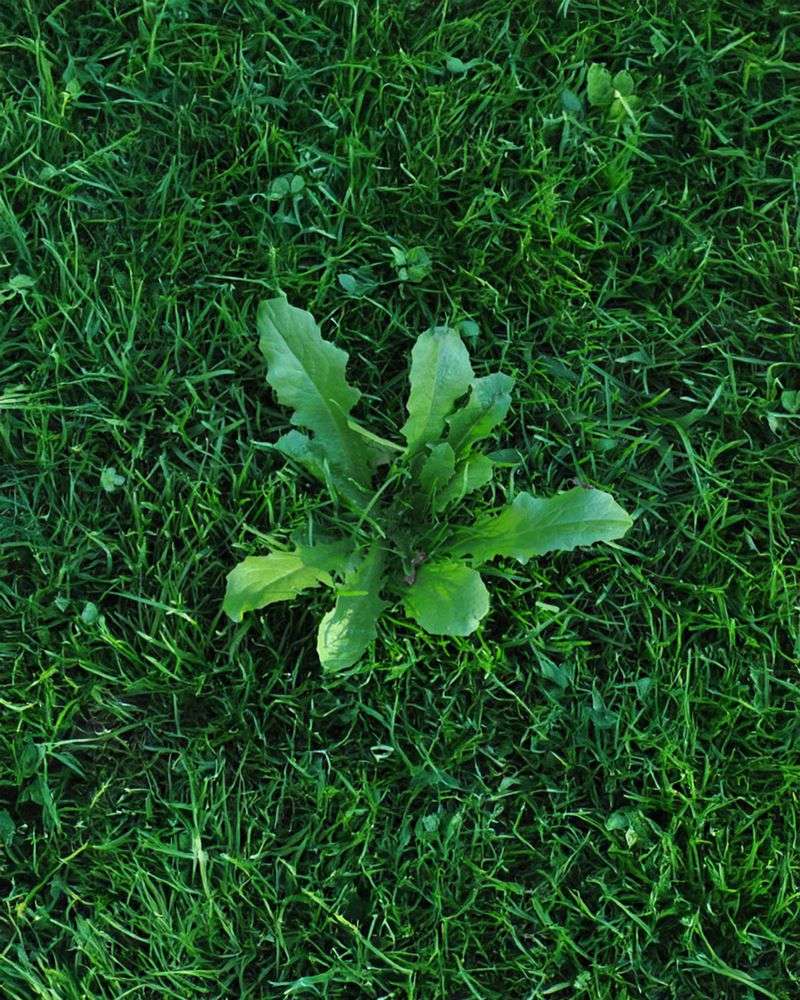
Nobody loves weeds, but their appearance can actually be helpful information.
When you start noticing small green shoots popping up in your garden beds and pathways, it means soil conditions are favorable for plant growth.
Weeds germinate under the same conditions that your vegetables need.
If weeds can grow, so can your crops.
This might seem like a frustrating sign, but it is actually quite useful.
Weeds are tough and opportunistic, so they sprout as soon as conditions allow.
Their early appearance tells you that the soil is warm enough and moist enough for seeds to germinate successfully.
You can use this natural indicator to time your planting perfectly.
Take a few minutes to walk through your garden and check for new growth.
Even tiny weeds signal that spring has taken hold.
Of course, you will want to remove those weeds before they get established, but their presence is still valuable information.
Oregon gardens often see chickweed, dandelions, and other common weeds emerge in early spring.
When you spot them, you know the soil is ready for planting.
Use this free, natural sign to guide your gardening schedule and get your seeds in the ground at just the right time.
6. Frost Dates Have Passed

Every Oregon gardener should know their average last frost date.
This date varies depending on where you live in the state.
Coastal areas might see their last frost in late February or early March, while inland valleys and higher elevations can have frost into April or even May.
Checking your local frost date gives you a baseline for when it is safe to plant tender crops.
Cool-season vegetables like lettuce, peas, and broccoli can handle light frost, so you can plant them a few weeks before the last frost date.
However, warm-season crops like tomatoes, peppers, and squash need to wait until all danger of frost has passed.
You can find your specific frost date through local extension services or online gardening resources.
Mark it on your calendar and plan your planting schedule around it.
Keep in mind that these dates are averages, not guarantees.
Oregon weather can surprise you with a late cold snap.
Watch the forecast closely in early spring and be ready to protect young plants if unexpected frost threatens.
Once you are past the average last frost date, your garden is much safer for a wider variety of plants.
This milestone gives you confidence to expand your planting beyond the hardiest crops.
7. Perennials Start Pushing Through
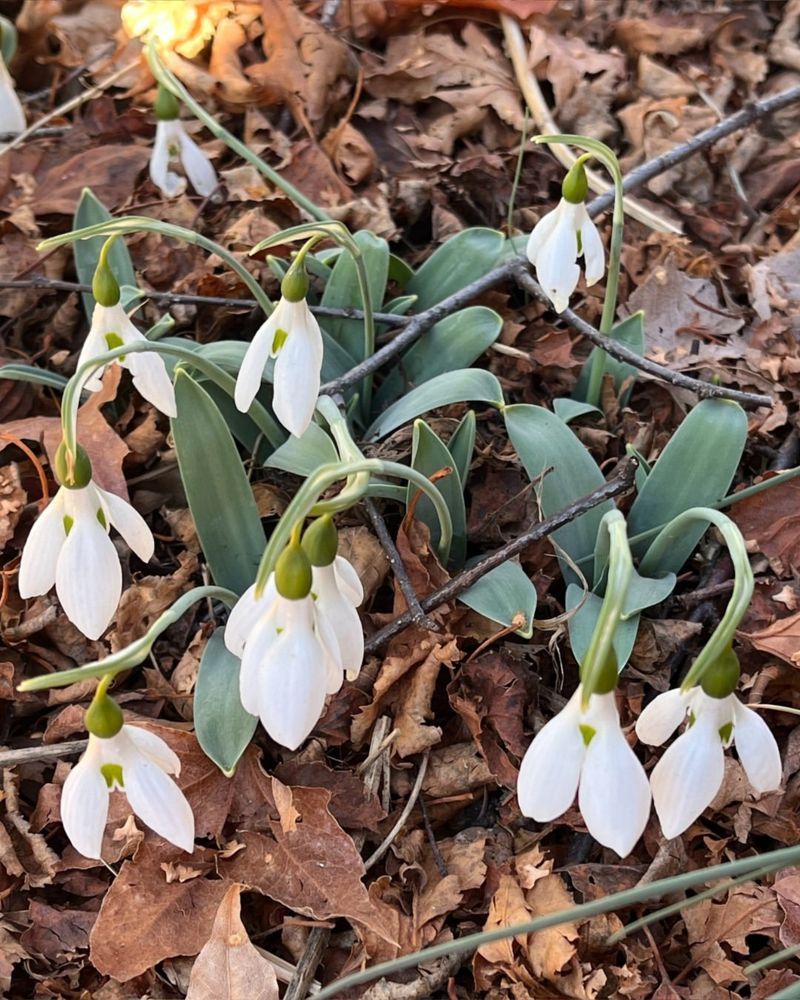
Established perennials in your garden know exactly when to wake up.
When you see hostas, daylilies, or other perennial plants sending up new shoots, it means the soil has warmed enough to support active growth.
These plants have deep root systems that sense soil temperature and moisture levels.
They will not waste energy growing if conditions are not right.
Perennials are incredibly reliable indicators because they are already established in your specific location.
They respond to your exact microclimate, not just general weather patterns.
If your perennials are growing, your garden is ready for new plantings too.
Walk through your garden and look for signs of life.
You might notice green tips poking through the soil or small leaves unfurling.
These early shoots confirm that spring has truly arrived in your garden.
Oregon gardeners can rely on plants like chives, rhubarb, and asparagus as especially early indicators.
These cold-hardy perennials emerge when soil temperatures are still relatively cool but stable enough for growth.
Once you see your perennials waking up, you can confidently plant cool-season vegetables and herbs.
Nature provides clear signals if you pay attention to what is already growing in your space.
8. Morning Dew Appears Regularly
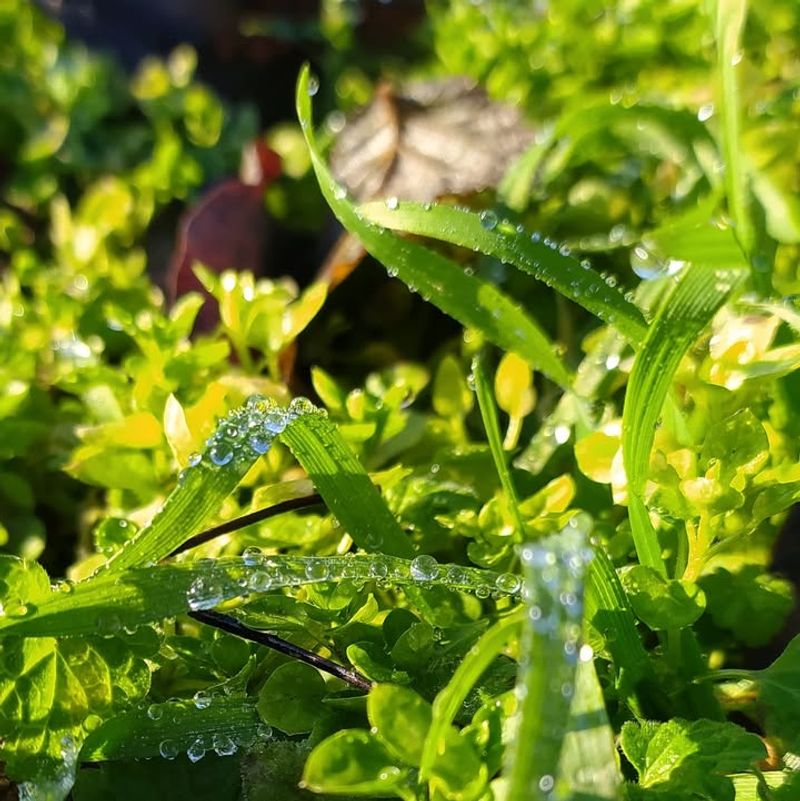
Step outside early in the morning and check your garden for dew on the grass and leaves.
Regular morning dew is a sign that nighttime temperatures are staying above freezing and humidity levels are balanced.
Dew forms when warm, moist air cools overnight and condensation settles on surfaces.
This pattern indicates stable spring weather, which is ideal for planting.
When temperatures drop below freezing, you get frost instead of dew.
So consistent dew means your garden is past the danger zone for hard frosts.
This simple observation can tell you a lot about your local conditions without any special equipment.
Oregon springs can be unpredictable, but dew patterns help you gauge when things have stabilized.
If you see dew several mornings in a row, it suggests that your garden is ready for planting.
Soil moisture levels are also likely good when dew is present regularly.
Plants need consistent moisture to germinate and establish roots.
Dew contributes to this moisture balance and signals that the growing environment is favorable.
Take note of what you see each morning.
This small habit can give you valuable insight into your garden’s readiness.
When dew becomes a regular sight, you can move forward with your spring planting plans.
9. Earthworms Are Active Near The Surface
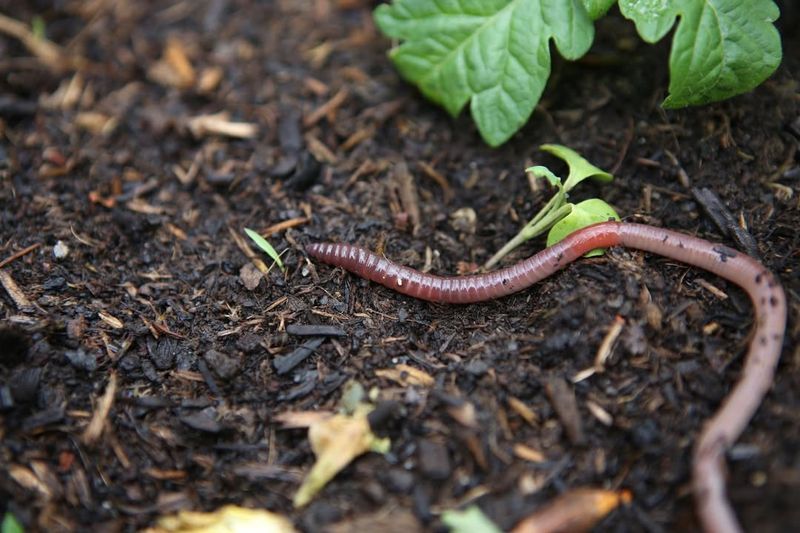
Grab a shovel and turn over a bit of soil in your garden bed.
Do you see earthworms wriggling around?
Active earthworms near the surface are an excellent sign that your soil is ready for planting.
These helpful creatures stay deep underground during cold winter months when the soil is frozen or too cold for activity.
When soil warms up and moisture levels are right, earthworms move closer to the surface to feed and aerate the soil.
Earthworms improve soil structure by creating tunnels that allow air and water to reach plant roots.
Their presence indicates healthy, biologically active soil.
If earthworms are thriving, your plants will thrive too.
Oregon soils benefit greatly from earthworm activity, especially after wet winters.
These natural tillers help break down organic matter and release nutrients that plants need.
Seeing earthworms tells you that your soil ecosystem is awake and functioning.
This is exactly the environment you want for successful spring planting.
Check several spots in your garden to get a good sense of overall activity.
If earthworms are abundant and active, you can feel confident that conditions are right.
Healthy soil equals healthy plants, and earthworms are one of the best indicators of soil health.
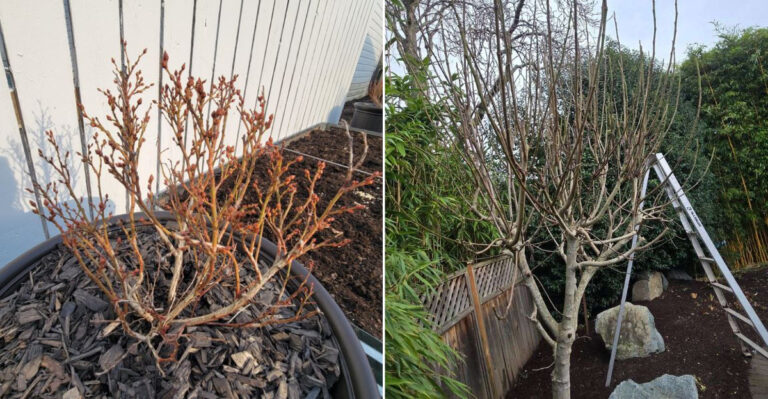
10. Deciduous Trees Show Swelling Buds
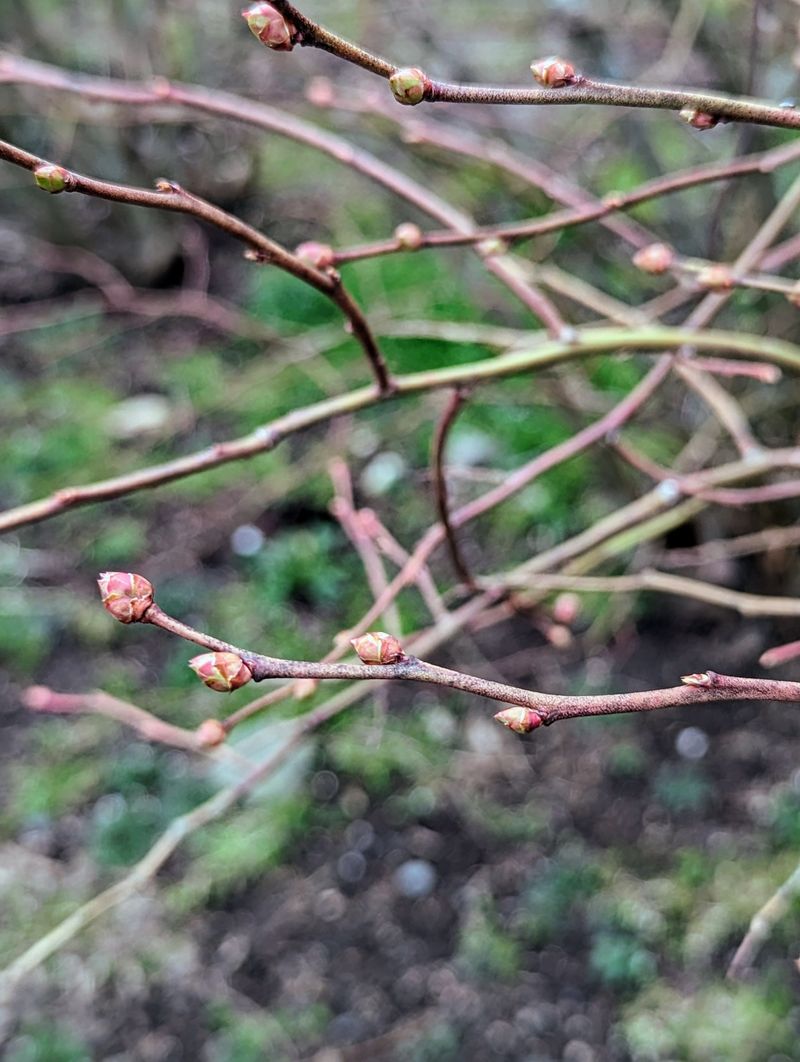
Take a moment and look up at the trees in your yard or neighborhood.
Are the buds on deciduous trees starting to swell and show hints of green or color?
Swelling buds indicate that trees are responding to longer days and warmer temperatures.
Trees have deep roots that sense soil temperature changes, so their budding tells you that the ground has warmed significantly.
This is a reliable sign that your garden soil is also ready for planting.
Different tree species bud at different times, but common Oregon trees like maples, birches, and fruit trees all follow similar patterns.
When you notice buds swelling and preparing to open, spring has arrived in earnest.
This natural signal has guided gardeners for centuries.
Trees do not waste energy budding out if conditions are not favorable.
Their response to environmental cues is incredibly accurate.
You can trust what the trees are telling you about the season.
Oregon gardeners can use local trees as a customized planting guide.
Your specific area might warm up earlier or later than state averages suggest.
Watching trees in your immediate surroundings gives you precise, location-specific information.
Once you see those buds swelling, you know your garden is ready for action.