These 8 Beneficial Insects Are Ones You Actually Want In Your Virginia Yard
Not all insects are troublemakers.
In fact, some of the tiniest residents of your Virginia yard are your best allies, quietly protecting plants, pollinating flowers, and keeping pests in check.
If you’ve been swatting bugs without a second thought, it’s time to rethink who you’re letting stay—and who you’re encouraging to leave.
Your garden’s smallest helpers might just be its biggest secret weapon.
From ladybugs munching on aphids to predatory wasps keeping caterpillars in check, these eight beneficial insects provide natural pest control and promote healthier, more vibrant gardens.
They save time, reduce the need for chemical sprays, and help your flowers and vegetables thrive.
Understanding how to attract and protect them turns a backyard into a self-sustaining ecosystem that works for you.
Not every bug is a nuisance—some are essential to your garden’s success.
Virginia gardeners who welcome these helpful insects can enjoy stronger plants, increased pollination, and a yard that practically manages itself.
Protecting these tiny allies ensures a flourishing garden with minimal effort and maximum results.
Invite the right bugs, and watch your garden flourish like never before.
1. Lady Beetles (Ladybugs) That Control Aphids Naturally
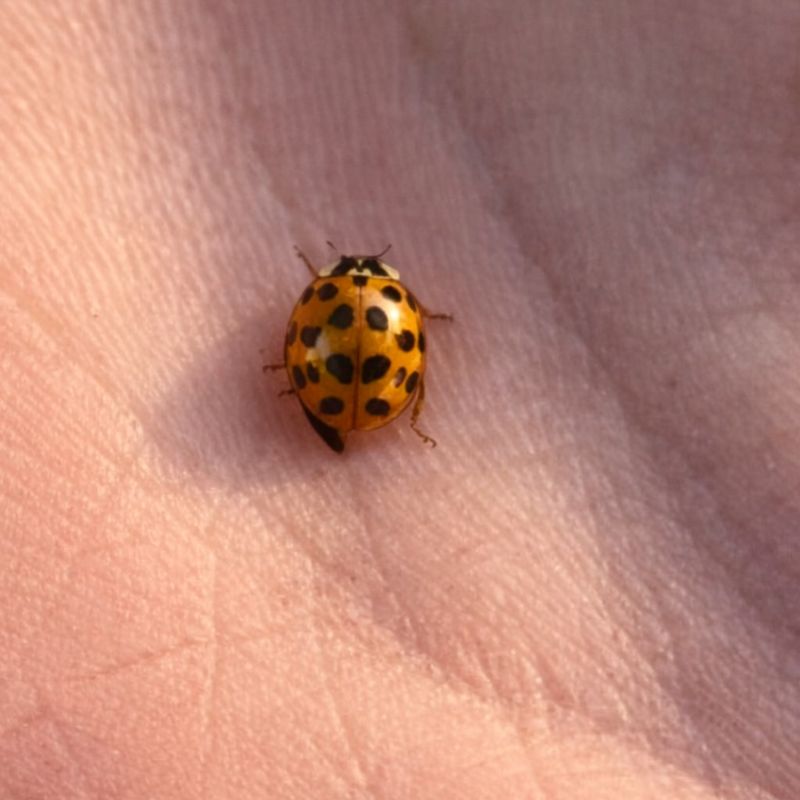
Bright red shells dotted with black spots make lady beetles one of the most recognizable garden helpers in Virginia.
Both adult beetles and their larvae feast on aphids, mealybugs, and scale insects that damage roses, tomatoes, and ornamental plants.
A single ladybug can consume up to 50 aphids in one day, making them incredibly efficient at keeping pest populations under control.
You’ll often find them clustering on the undersides of leaves where aphids gather to feed on plant sap.
Lady beetles are attracted to gardens with plenty of flowering herbs like dill, fennel, and yarrow, which provide nectar and pollen when prey is scarce.
Planting these companion plants near vegetable beds encourages ladybugs to stick around all season long.
Avoid using broad-spectrum pesticides, as these chemicals can harm ladybugs along with the pests you’re trying to manage.
In Virginia’s mild climate, lady beetles may overwinter in leaf litter or under tree bark, emerging in spring ready to hunt.
Some gardeners even purchase ladybugs to release in their yards, though wild populations are often more effective because they’re already adapted to local conditions.
Encouraging these cheerful beetles means fewer aphids and healthier plants without lifting a finger.
2. Lacewings For Silent Pest Control
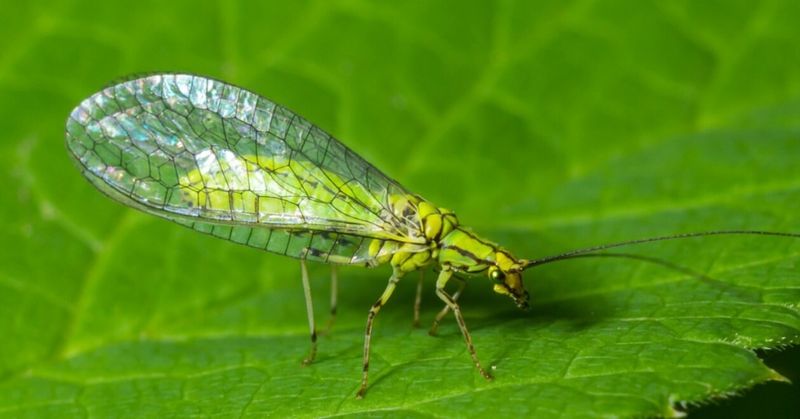
Delicate green wings and golden eyes give lacewings an almost magical appearance as they flutter through Virginia gardens at dusk.
While the adults feed mainly on nectar and pollen, it’s their larvae that do the heavy lifting when it comes to pest management.
Lacewing larvae are voracious predators, earning the nickname “aphid lions” for their ability to consume hundreds of aphids, spider mites, thrips, and whiteflies during their development.
These tiny hunters use their curved jaws to pierce soft-bodied pests and drain them completely, leaving behind only empty shells.
Vegetable gardens and flower beds benefit enormously from lacewing activity, especially during the peak growing season when pest pressure is highest.
Your Virginia Garden Changes Every Week. Your Plan Should Too.
Gardening in Virginia changes quickly throughout the season. Every Friday you’ll receive a simple weekly plan showing exactly what to plant, prune, fertilize, harvest, and protect so you never miss the right timing.
Lacewings are drawn to gardens with diverse plantings, particularly those featuring sweet alyssum, coreopsis, and angelica.
Providing a water source like a shallow dish with pebbles can also encourage them to stay in your yard.
Unlike some predators, lacewings are active throughout the day and night, offering round-the-clock protection for your plants.
Their presence is a sign of a balanced ecosystem where beneficial insects outnumber harmful ones.
By welcoming lacewings, Virginia gardeners gain a quiet, tireless workforce that keeps pest populations in check naturally.
3. Praying Mantises For Larger Garden Pests
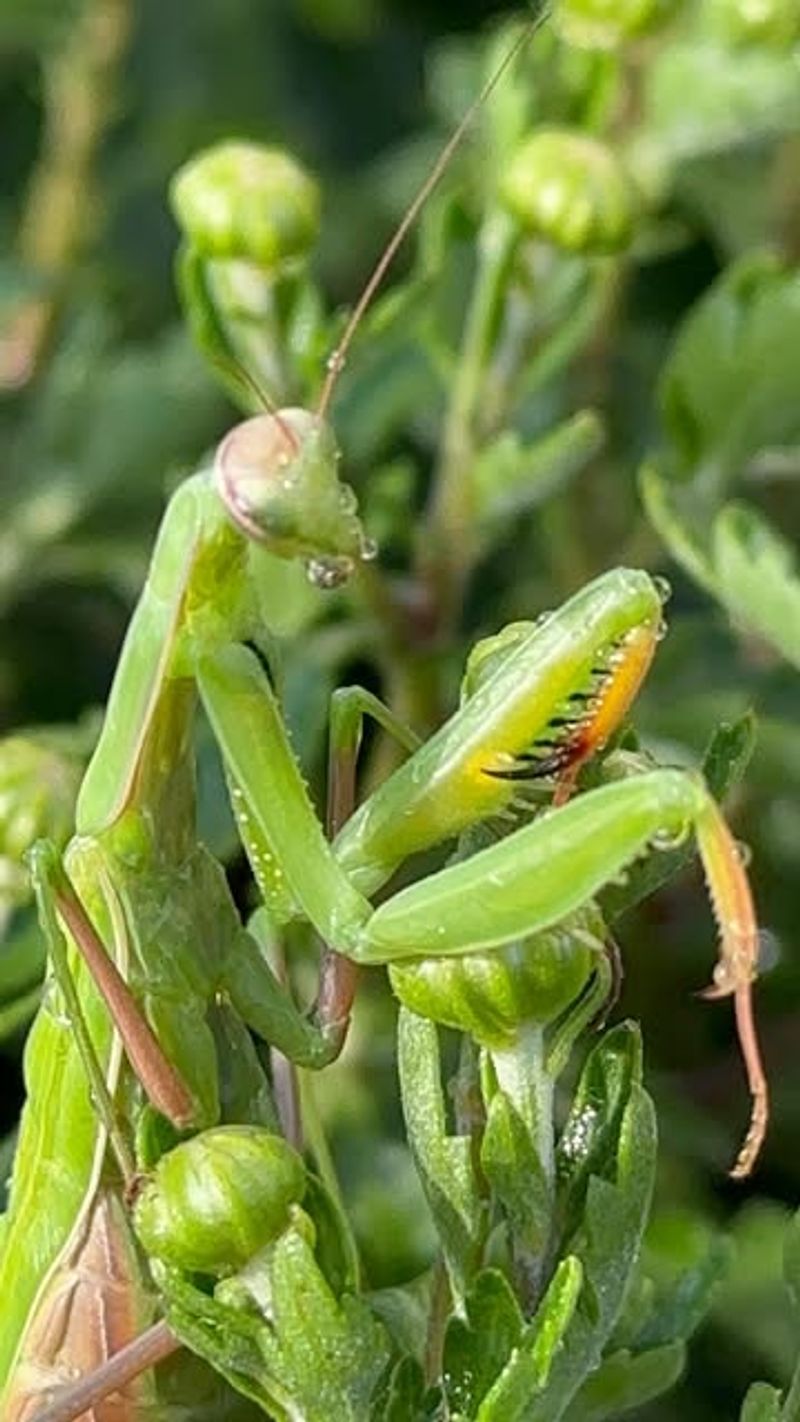
With their triangular heads and folded front legs, praying mantises look like they’re deep in meditation, but they’re actually scanning for their next meal.
These fascinating insects are generalist predators that hunt grasshoppers, caterpillars, beetles, and even small moths that threaten garden plants.
Mantises are ambush hunters, remaining perfectly still until prey wanders within striking distance, then snatching it with lightning-fast reflexes.
Virginia gardeners often spot them perched on shrubs, tall grasses, or flower stalks where they blend in with foliage.
Mantises need diverse habitats with plenty of shelter, so leaving some areas of your yard a little wild helps them thrive.
They lay egg cases called oothecae on twigs and stems in late summer, which overwinter and hatch in spring.
If you find an egg case, leave it undisturbed so the next generation can emerge and continue protecting your garden.
While mantises will occasionally catch beneficial insects too, their overall impact on pest control is positive, especially for larger, harder-to-manage pests.
Watching a mantis stalk and capture prey is a reminder of how nature balances itself when given the chance.
Encouraging these patient predators means fewer grasshoppers munching on your lettuce and fewer caterpillars chewing through your cabbage.
4. Ground Beetles That Protect Soil And Roots
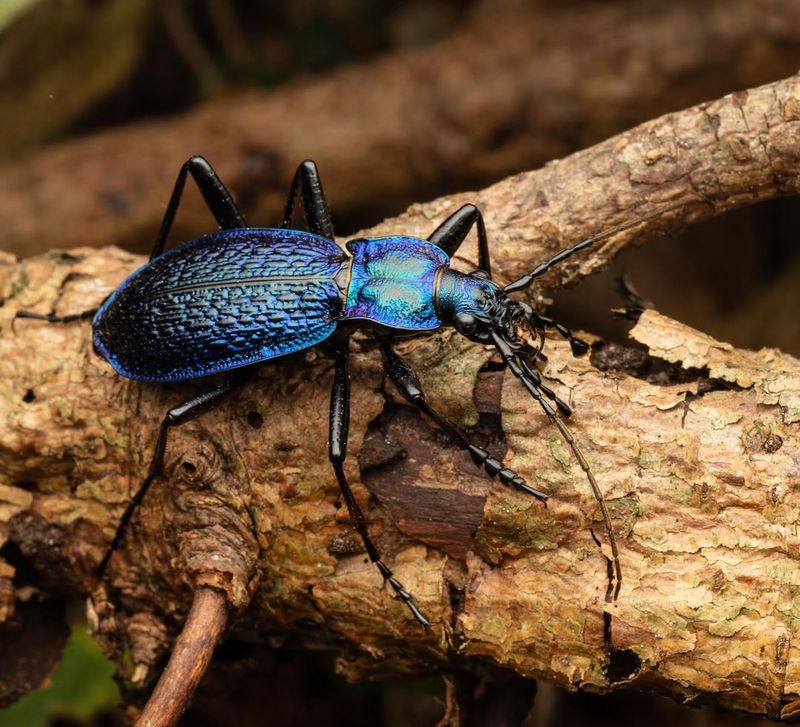
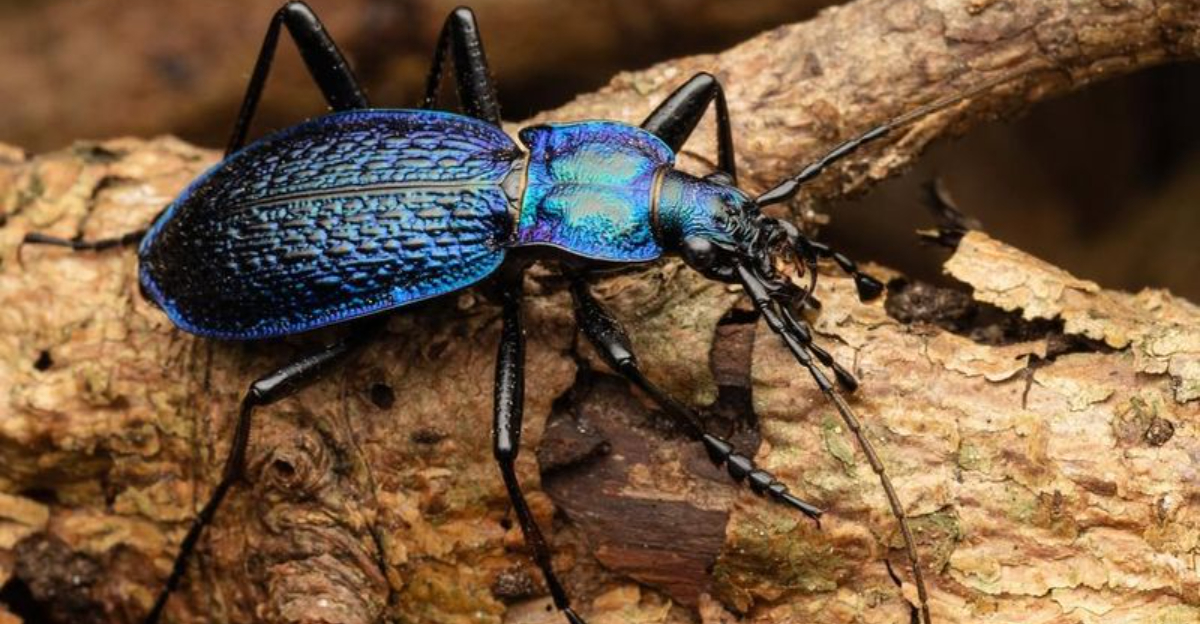
Ground beetles are the unsung heroes of the garden, working tirelessly after dark to patrol the soil surface and hunt down pests.
These shiny black or metallic beetles emerge at night to feed on slugs, cutworms, root maggots, and other insects that damage plants from below.
Many species are flightless and spend their entire lives in the leaf litter and soil, making them perfectly adapted to Virginia’s garden conditions.
Ground beetles thrive in gardens with plenty of organic mulch, rocks, and logs that provide daytime hiding spots and moist environments.
Healthy soil rich in organic matter supports larger populations of these beetles because it attracts the prey they depend on.
Reducing tillage and avoiding soil disturbance helps protect ground beetle habitat and keeps their populations strong.
Some ground beetles can live for several years, providing long-term pest control that builds over time.
They’re especially valuable in vegetable gardens where cutworms and root-feeding larvae can cause significant crop losses.
If you lift a board or stone and see a beetle scurry away, that’s a good sign your garden ecosystem is functioning well.
By maintaining mulch layers and minimizing chemical use, Virginia gardeners can support these nocturnal protectors and enjoy healthier, more resilient plants.
5. Hoverflies That Pollinate And Eat Aphids
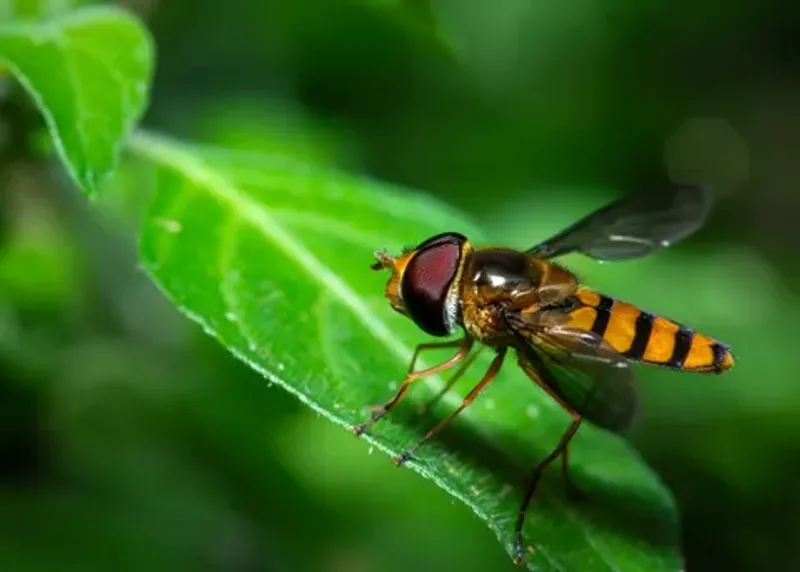
Hoverflies are often mistaken for bees because of their yellow and black stripes, but they’re completely harmless and lack stingers.
These acrobatic fliers can hover in place, dart sideways, and even fly backward, making them a delight to watch as they visit flowers.
Adult hoverflies feed on nectar and pollen, making them excellent pollinators for vegetables, fruits, and flowering plants throughout Virginia.
Their larvae, however, are where the real pest control magic happens.
Hoverfly larvae are small, slug-like creatures that crawl along stems and leaves, devouring aphids at an impressive rate.
A single larva can consume hundreds of aphids before reaching adulthood, providing natural pest management without any effort from gardeners.
Hoverflies are attracted to gardens with abundant flowers, especially those with open, accessible blooms like marigolds, cosmos, and sunflowers.
Planting a variety of flowering species that bloom at different times ensures hoverflies have a steady food source all season.
Because they’re active during the day, hoverflies complement other beneficial insects that work at night or in shady areas.
Their dual role as pollinators and pest controllers makes them one of the most valuable insects a Virginia gardener can attract.
6. Parasitic Wasps That Control Garden Invaders
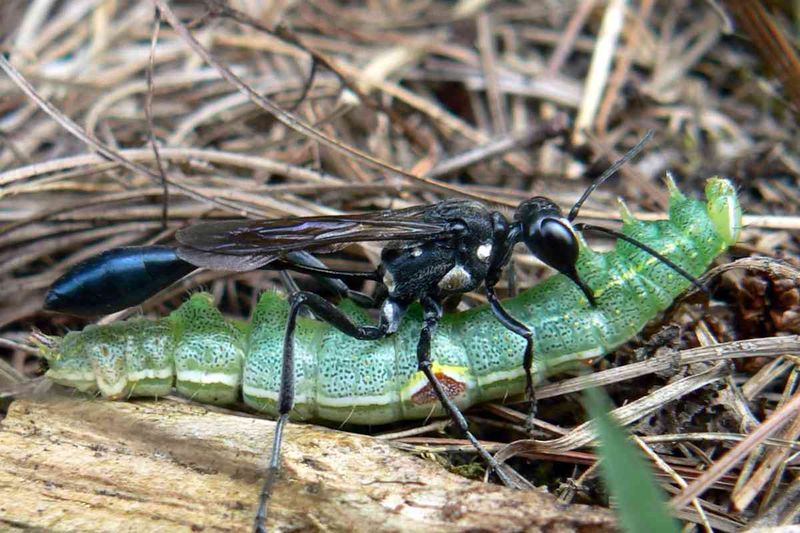
Parasitic wasps are tiny, non-aggressive insects that most people never notice, yet they play a critical role in controlling garden pests.
Unlike the large wasps that build paper nests, parasitic wasps are often smaller than a grain of rice and have no interest in people or picnics.
These wasps lay their eggs inside or on the bodies of pest insects like caterpillars, aphids, and beetle larvae.
As the wasp larvae develop, they consume the host from the inside, naturally reducing pest populations without harming plants or beneficial species.
Tomato hornworms covered in tiny white cocoons are a classic example of parasitic wasps at work in Virginia gardens.
Encouraging these wasps means planting nectar-rich flowers like parsley, dill, and Queen Anne’s lace, which provide food for the adults.
Parasitic wasps are incredibly diverse, with different species targeting different pests, so a varied garden supports a wider range of these helpers.
They’re completely safe around children and pets, as they don’t sting humans and prefer to focus on their insect hosts.
By supporting parasitic wasps, Virginia gardeners tap into a powerful, self-sustaining form of biological pest control.
These tiny allies work quietly in the background, keeping pest numbers low and reducing the need for chemical interventions.
7. Spiders That Provide Around-The-Clock Pest Control
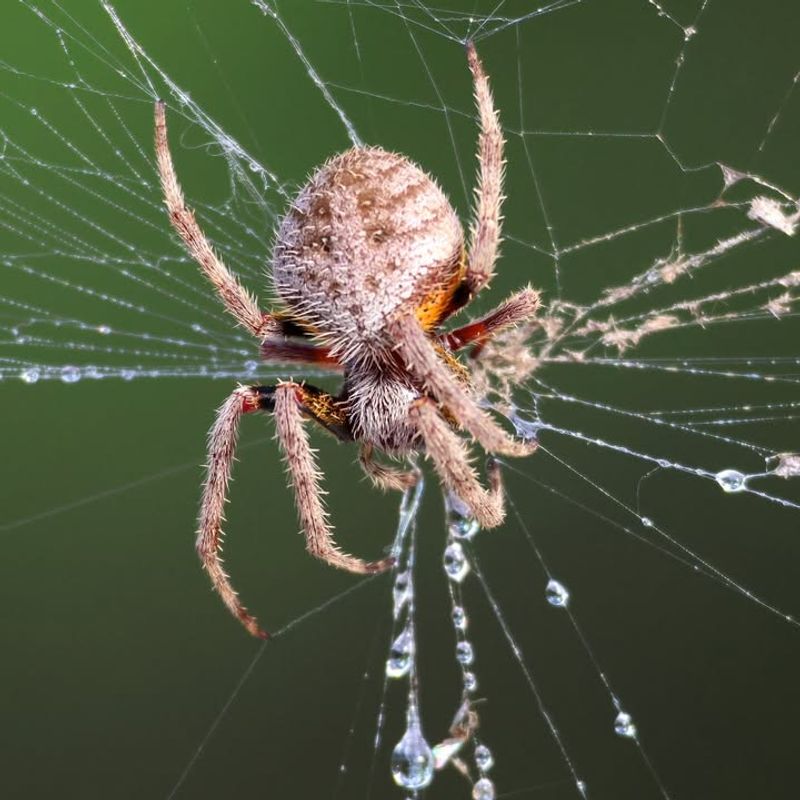
Garden spiders may not be everyone’s favorite, but they’re among the most effective pest controllers in any Virginia yard.
These eight-legged hunters build intricate webs that trap flying insects like mosquitoes, flies, moths, and gnats before they can damage plants or annoy people.
Common Virginia species include orb weavers, which create large circular webs, and wolf spiders, which hunt on the ground without webs.
Spiders are active day and night, providing continuous pest control that complements the work of other beneficial insects.
Their webs are often found stretched between plants, under eaves, or across garden pathways where flying insects are most active.
While some people are tempted to remove webs, leaving them in place allows spiders to do their job and keeps pest populations under control.
Spiders are also an important food source for birds, frogs, and other wildlife, making them a key part of the garden food web.
Providing ground cover, mulch, and undisturbed areas gives spiders the habitat they need to thrive.
Most garden spiders are harmless to humans and prefer to avoid contact whenever possible.
By welcoming spiders into your Virginia garden, you gain tireless allies that work around the clock to keep flying and crawling pests in check.
8. Native Bees That Keep Flowers And Crops Producing
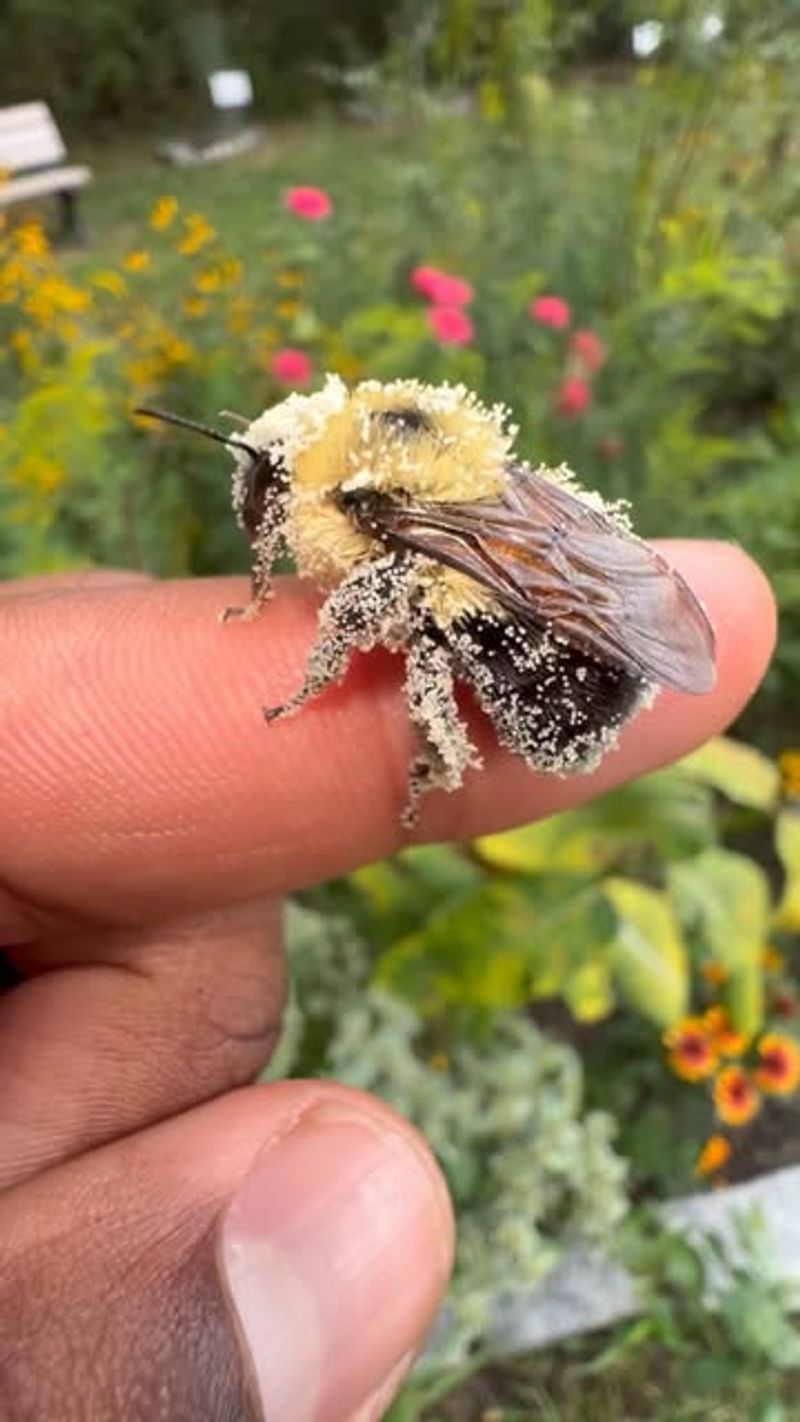
While honeybees get most of the attention, Virginia is home to over 400 species of native bees that are just as important for pollinating gardens and landscapes.
Native bees like bumblebees, mason bees, and sweat bees are incredibly efficient pollinators, often visiting more flowers per minute than honeybees.
These bees are especially valuable for crops like tomatoes, peppers, blueberries, and squash, which benefit from the buzz pollination technique many native bees use.
Unlike honeybees, most native bees are solitary and nest in the ground, hollow stems, or small cavities rather than building large hives.
Creating habitat for native bees is simple: leave bare patches of soil, provide bundles of hollow stems, and plant a variety of native flowers that bloom throughout the season.
Native bees are generally docile and rarely sting, making them safe to have around children and pets.
They’re also more cold-tolerant than honeybees, so they’re active earlier in spring and later into fall, extending the pollination season.
Avoiding pesticides, especially during bloom times, protects these vital pollinators and ensures they can continue their work.
By supporting native bees, Virginia gardeners boost fruit and vegetable yields while helping preserve biodiversity.
These hardworking pollinators are the backbone of a productive, thriving garden ecosystem.