Yes, You Can Grow Cucumbers Indoors, Here’s How Gardeners In Washington Are Doing It
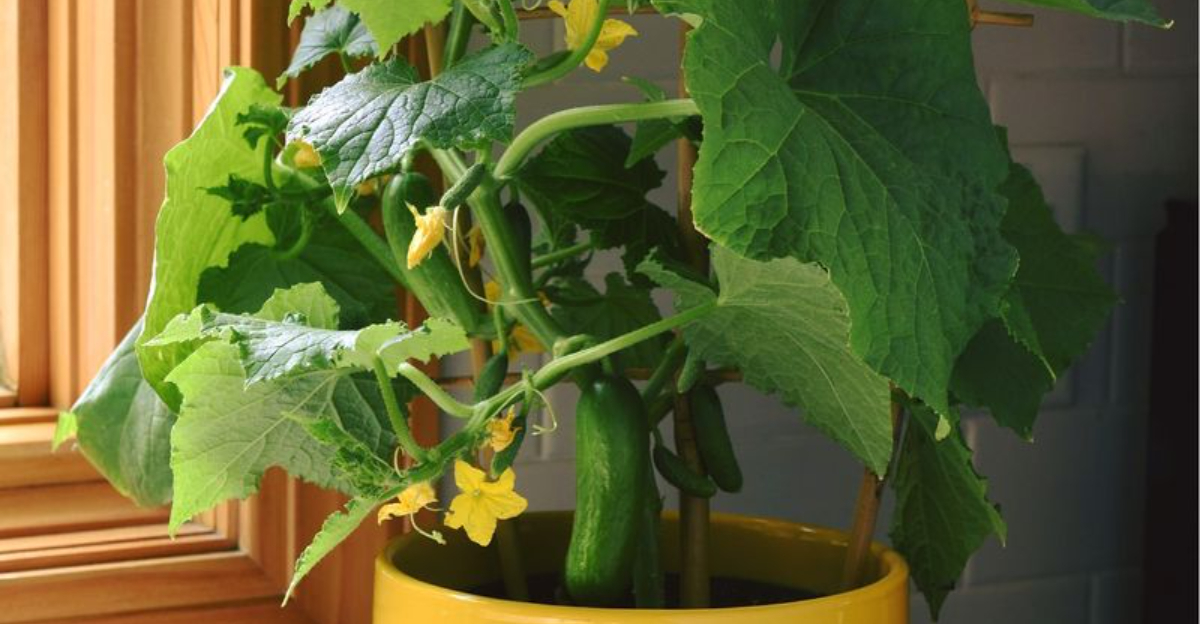
Think cucumbers are only for summer gardens?
Think again.
Washington gardeners are proving that with the right setup, cucumbers can thrive indoors year-round, producing crisp, flavorful fruits even when the outdoor growing season is long gone.
It’s all about light, temperature, and a little container know-how.
Who says cucumbers have to wait for summer?
Grow them inside and enjoy freshness all year!
Indoor cucumber growing isn’t just a novelty—it’s a practical solution for apartment dwellers, small-space gardeners, and anyone craving homegrown flavor in winter.
From selecting the right variety to choosing support systems for climbing vines, these gardeners have mastered the tricks that keep cucumbers productive, juicy, and healthy indoors.
Windowsills, balconies, and cozy indoor gardens are becoming cucumber powerhouses.
With careful planning, regular watering, and enough light, Washington gardeners are harvesting cucumbers months before outdoor gardens wake up.
Whether you want a steady salad supply or just the joy of growing your own produce, indoor cucumbers make it possible.
Forget the store—your kitchen can grow fresh, crunchy cucumbers year-round!
Why Cucumbers Are Surprisingly Well-Suited For Indoor Growing
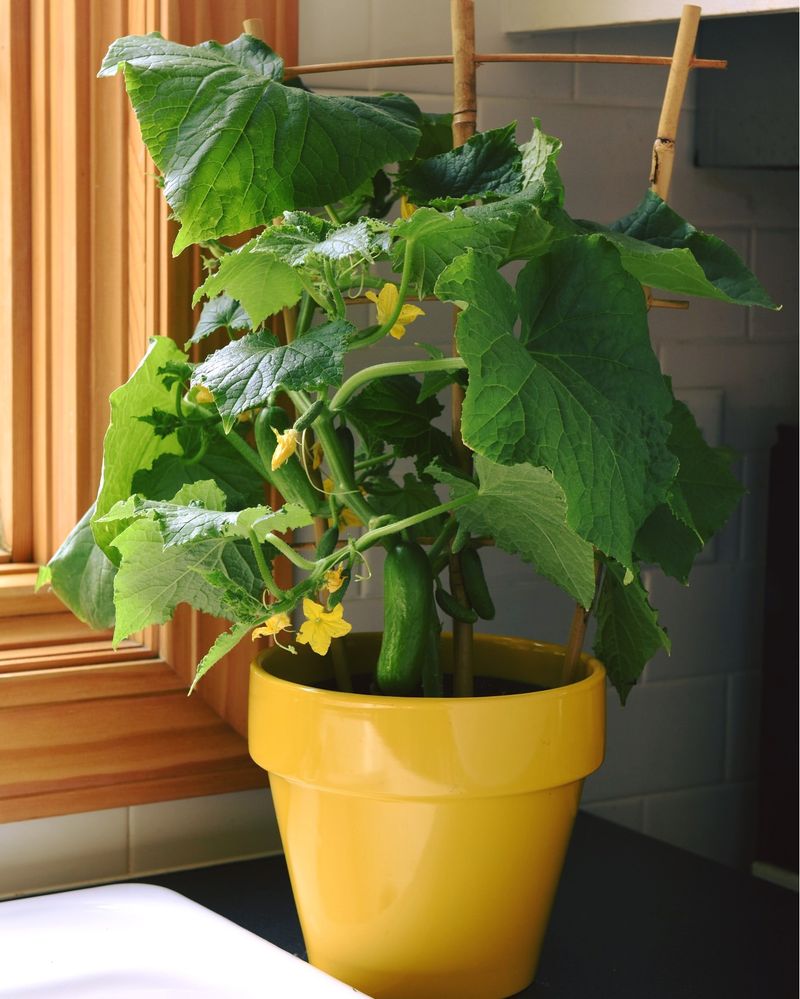
Cucumbers have a reputation for sprawling across garden beds and climbing up outdoor trellises, but their natural traits actually make them fantastic candidates for indoor cultivation.
Their fast growth cycle means you can see results in just 50 to 70 days from seed to harvest, which keeps indoor gardeners motivated and engaged.
Unlike some vegetables that need months of patience, cucumbers reward you quickly with visible progress almost daily.
Washington gardeners appreciate that cucumbers don’t require a deep root system compared to crops like tomatoes or peppers.
A container that’s about 12 inches deep can support most cucumber varieties comfortably, making them perfect for windowsills, countertops, or grow shelves.
Their vining nature also means they naturally want to climb, which works beautifully in vertical indoor spaces where floor area is limited.
Another advantage is their tolerance for consistent temperatures, which indoor environments provide naturally.
While outdoor cucumbers face temperature swings, wind, and pests, indoor cucumbers enjoy stable conditions that reduce stress and disease.
Washington’s cool, cloudy climate makes indoor growing especially appealing since you bypass the unpredictable weather patterns.
Cucumbers also respond well to supplemental lighting, so even if your home lacks bright natural light, grow lights can fill the gap effectively.
All these factors combine to make cucumbers one of the most beginner-friendly and rewarding vegetables for indoor gardening adventures.
The Varieties Washington Gardeners Are Choosing For Indoors
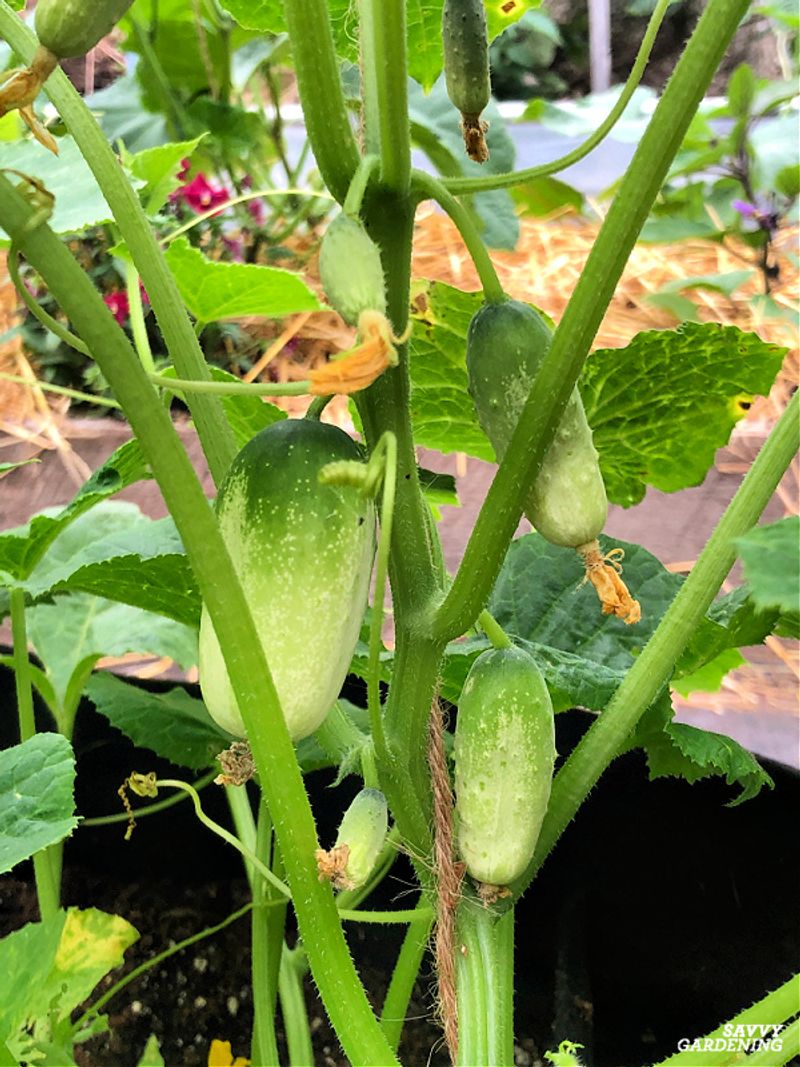
Not all cucumber varieties perform equally well indoors, and Washington gardeners have learned through trial and experience which types deliver the best results in limited spaces.
Compact or bush varieties like ‘Bush Champion’ and ‘Spacemaster’ top the list because they stay manageable without aggressive vining that overwhelms small areas.
These varieties were bred specifically for container growing, producing full-sized cucumbers on plants that remain under three feet tall.
Parthenocarpic varieties have become incredibly popular among indoor growers because they produce fruit without needing pollination from bees or manual intervention.’Diva,’ ‘Socrates,’ and ‘Mini Munch’ are favorites in Washington households since they set fruit reliably indoors where pollinators can’t reach.
Your Washington Garden Changes Every Week. Your Plan Should Too.
Gardening in Washington changes quickly throughout the season. Every Friday you’ll receive a simple weekly plan showing exactly what to plant, prune, fertilize, harvest, and protect so you never miss the right timing.
This characteristic removes a major hurdle that stops many beginners from succeeding with indoor cucumbers.
Persian and Lebanese cucumber varieties also shine indoors due to their smaller fruit size and excellent flavor.
These cucumbers stay crisp and mild, perfect for fresh eating, and their compact fruits don’t weigh down indoor vines as heavily as traditional slicing cucumbers.
Some adventurous Washington gardeners experiment with pickling varieties like ‘Picklebush’ for year-round pickle production right from their kitchens.
The key is matching variety characteristics to your available space and light conditions.
Choosing the right variety from the start dramatically increases your chances of a bountiful indoor harvest that keeps producing week after week.
How Much Light Indoor Cucumbers Really Need
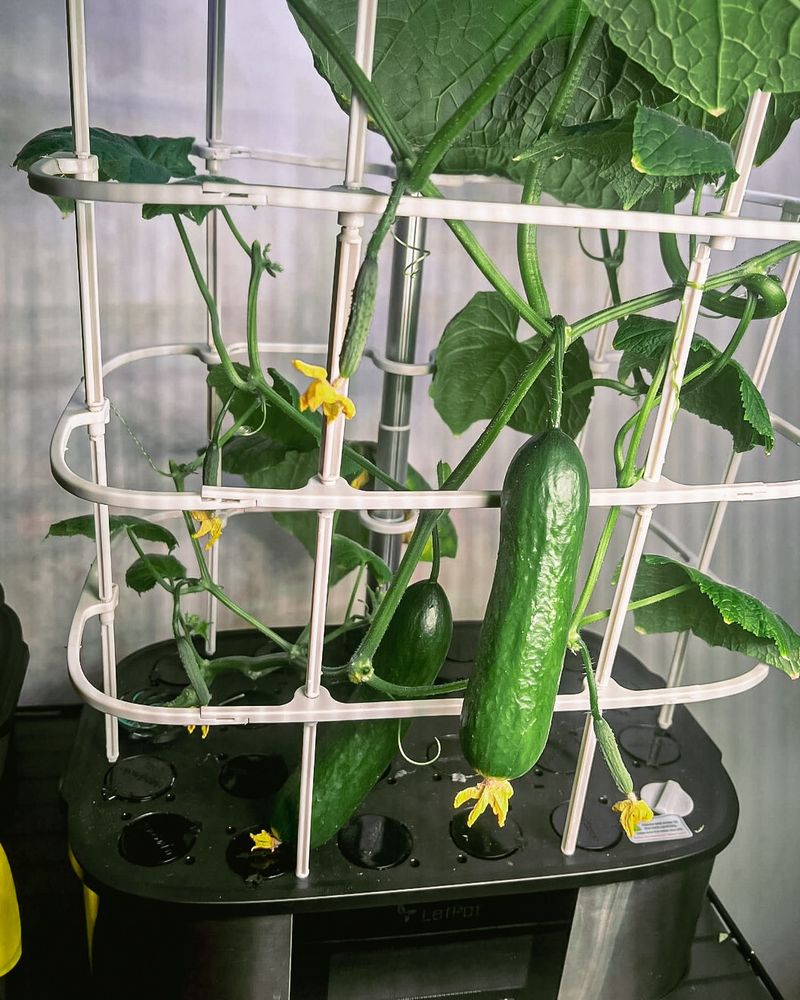
Light is the single most important factor determining whether your indoor cucumbers will thrive or struggle, and Washington gardeners have figured out the sweet spot through plenty of experimentation.
Cucumbers need a minimum of 12 to 14 hours of bright light daily to photosynthesize effectively and produce healthy fruit.
Natural sunlight from south-facing windows can work during summer months, but Washington’s frequently overcast skies make supplemental lighting almost essential for consistent success.
LED grow lights have become the go-to solution for serious indoor cucumber growers because they provide the full spectrum of light plants need without excessive heat or energy costs.
Full-spectrum LED panels positioned 6 to 12 inches above the plant canopy deliver optimal results, mimicking natural sunlight conditions.
Many Washington gardeners use timers to automate their lighting schedule, ensuring plants receive consistent light exposure even when life gets busy.
The intensity of light matters just as much as duration, and cucumbers prefer bright, direct light rather than dim ambient lighting.
If your cucumber leaves start stretching toward the light source or the stems become leggy and weak, that’s a clear sign they need more intense illumination.
Some growers combine natural window light with supplemental LED lighting to maximize photosynthesis without relying entirely on artificial sources.
Proper lighting not only promotes vigorous growth but also improves fruit quality, flavor, and overall plant health throughout the growing season indoors.
The Container Size That Makes Or Breaks Success
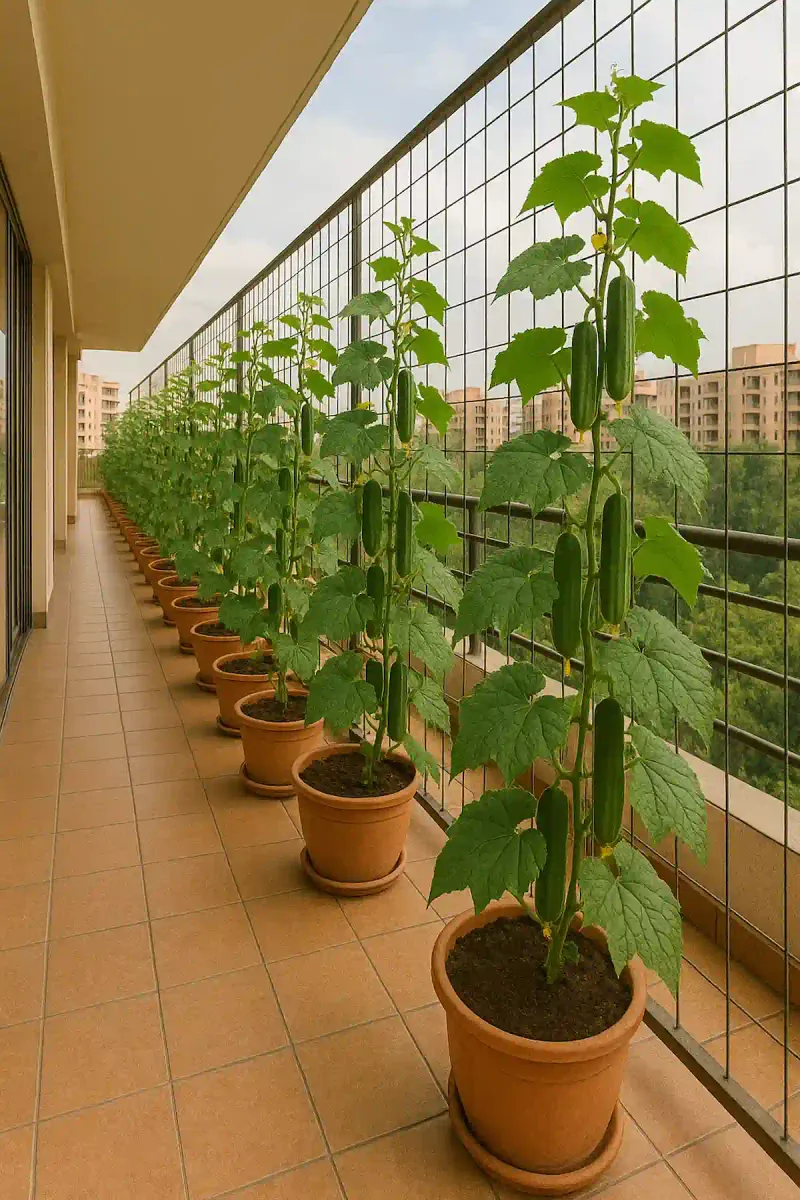
Choosing the right container size might seem like a small detail, but it’s actually one of the biggest factors that separates successful indoor cucumber growers from frustrated beginners.
Cucumbers need adequate root space to support their rapid growth and heavy fruit production, and skimping on container size leads to stunted plants and disappointing harvests.
Washington gardeners recommend starting with containers that hold at least 5 gallons of soil, though 7 to 10 gallons works even better for larger varieties.
The container depth matters more than width because cucumber roots grow downward before spreading outward.
A pot that’s 12 to 14 inches deep gives roots room to establish properly, anchor the plant securely, and access moisture and nutrients throughout the soil volume.
Shallow containers dry out too quickly and can’t support the water demands of a mature cucumber plant producing multiple fruits simultaneously.
Drainage is absolutely critical, and every container must have multiple drainage holes at the bottom to prevent waterlogging and root rot.
Many Washington indoor gardeners place saucers beneath their pots to catch excess water, protecting floors and furniture while maintaining proper moisture balance.
Material choice also matters—fabric grow bags provide excellent aeration and prevent roots from circling, while plastic pots retain moisture longer between waterings.
Investing in appropriately sized containers from the beginning saves frustration later and creates the foundation for healthy, productive cucumber plants that reward your efforts with abundant harvests throughout the growing season.
Why Vertical Trellising Is The Secret Indoors
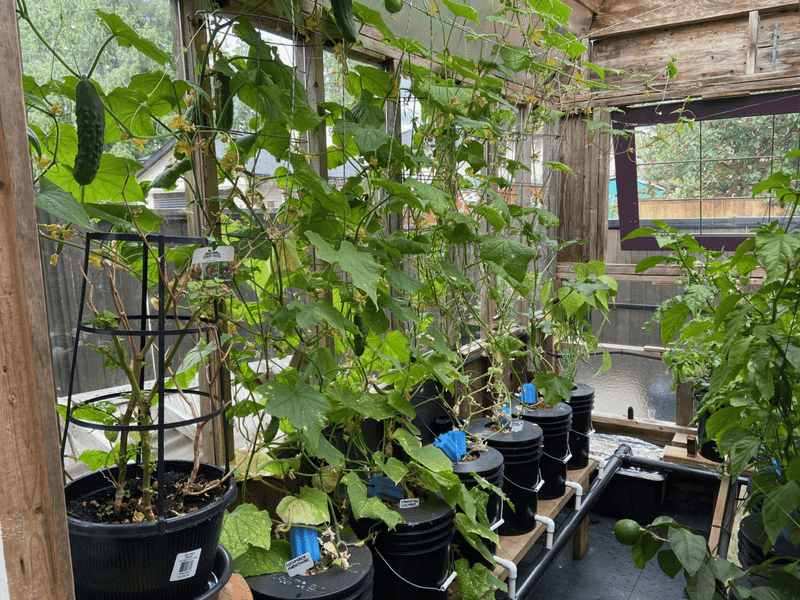
Vertical growing isn’t just a space-saving trick for indoor cucumber gardeners in Washington—it’s an absolute game-changer that transforms how these vining plants perform in limited spaces.
Cucumbers naturally want to climb, and providing a trellis or support structure allows them to follow their instincts while keeping your floor space clear.
A simple bamboo stake, tomato cage, or string trellis gives vines something to grip as they reach upward toward your grow lights.
Vertical growing improves air circulation around leaves and fruits, which dramatically reduces the risk of fungal diseases like powdery mildew that plague crowded plants.
When cucumber vines sprawl across surfaces, moisture gets trapped and ventilation suffers, creating perfect conditions for problems.
Training vines upward keeps leaves spaced properly and exposes more surface area to light, boosting photosynthesis and overall plant vigor.
Washington gardeners also report that vertically grown cucumbers produce straighter, more uniform fruits compared to those growing on the ground or tangled in their own vines.
Harvesting becomes easier too since fruits hang visibly where you can spot them quickly without disturbing the entire plant.
Setting up a trellis is simple—secure it firmly in or beside your container before the plant gets too large to train without damage.
Gently guide young vines onto the support structure and they’ll naturally grip and climb using their tendrils.
This technique maximizes your vertical space while creating healthier plants and better harvests in whatever indoor area you have available.
How Washington Gardeners Handle Pollination Without Bees
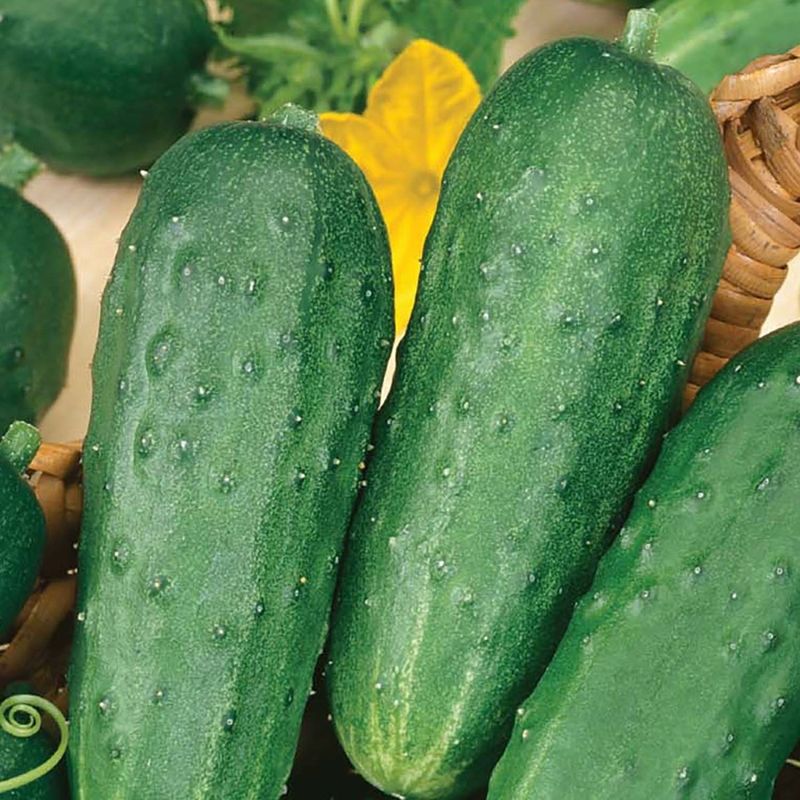
Pollination presents a unique challenge for indoor cucumber growers since bees and other pollinators can’t reach plants growing inside homes and apartments.
Washington gardeners have developed reliable techniques to ensure their cucumbers set fruit successfully without any insect help.
The easiest solution is choosing parthenocarpic varieties that produce fruit without requiring pollination at all, eliminating this concern entirely.
For traditional cucumber varieties that do need pollination, hand-pollination is surprisingly simple and takes only a few minutes when flowers appear.
Cucumber plants produce separate male and female flowers, and you’ll notice male flowers appearing first on longer stems while female flowers have tiny cucumber-shaped swellings at their base.
Using a small paintbrush or cotton swab, gently transfer pollen from the center of male flowers to the center of female flowers in the morning when pollen is most viable.
Some Washington gardeners prefer the direct method of plucking a male flower, removing its petals, and gently rubbing the pollen-covered stamen directly onto the female flower’s stigma.
This technique ensures good pollen transfer and feels more natural than using tools.
You’ll know pollination succeeded when the tiny cucumber at the female flower’s base begins swelling and growing within a few days.
Hand-pollination might sound tedious, but it becomes a quick routine once flowers start blooming regularly, and many growers find it oddly satisfying to take control of this crucial step in the growing process.
Watering And Feeding Cucumbers In Cooler Indoor Air
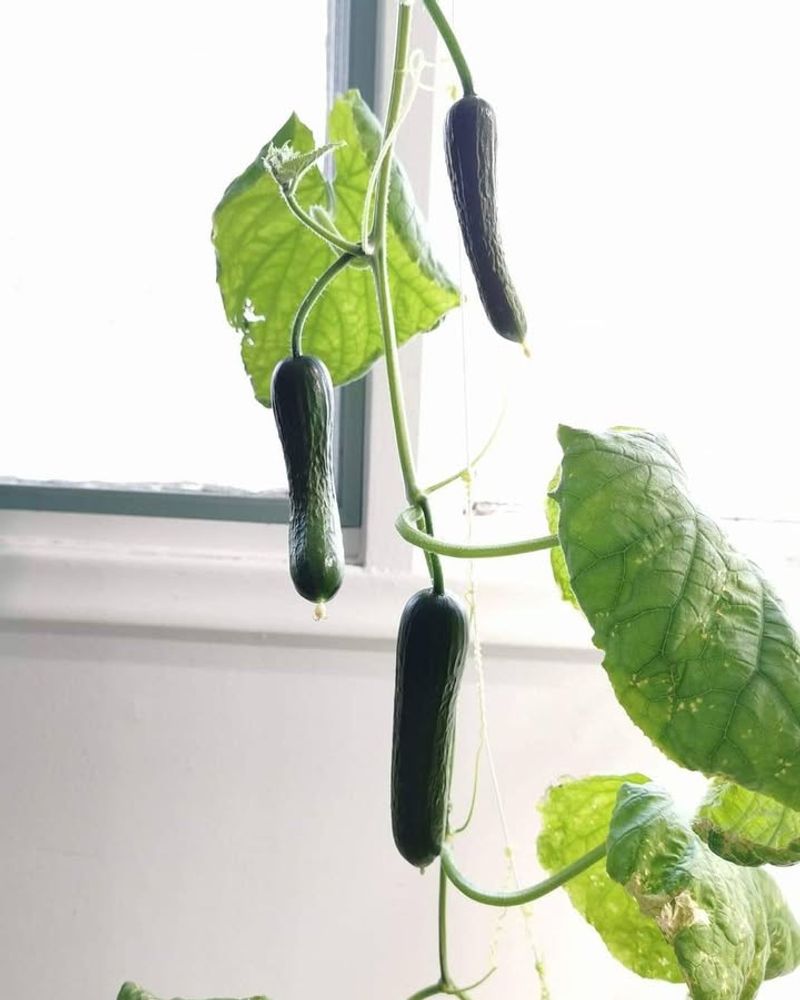
Indoor environments in Washington homes present unique watering challenges because the air tends to be cooler and often drier than outdoor garden conditions, especially during heating season.
Cucumbers are thirsty plants that need consistent moisture to support their rapid growth and high fruit production, but overwatering in cooler indoor conditions can quickly lead to problems.
The key is checking soil moisture regularly by sticking your finger about two inches deep—if it feels dry at that depth, it’s time to water thoroughly.
Washington gardeners recommend watering until excess drains from the bottom of the container, ensuring the entire root zone receives moisture rather than just wetting the surface.
Allow the top inch or two of soil to dry between waterings to prevent root rot while maintaining adequate hydration for the plant.
Room temperature water works best since cold water can shock roots and slow nutrient uptake temporarily.
Feeding is equally important because container-grown cucumbers quickly deplete nutrients from their limited soil volume.
A balanced liquid fertilizer applied every two weeks keeps plants healthy and productive throughout their growing cycle.
Many Washington indoor gardeners prefer organic fish emulsion or seaweed-based fertilizers that provide micronutrients along with primary nutrients.
During heavy fruiting periods, switching to a fertilizer slightly higher in potassium supports fruit development and improves flavor.
Proper watering and feeding create the foundation for vigorous growth, abundant flowers, and continuous cucumber production from your indoor garden setup.
How To Prevent Common Indoor Cucumber Problems
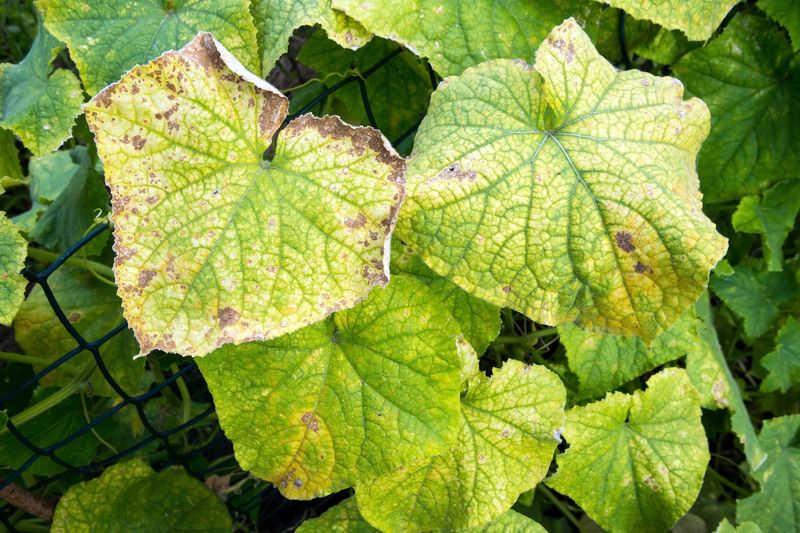
Indoor cucumber growing eliminates many outdoor pests and diseases, but Washington gardeners still encounter a few common issues that can derail success if not addressed promptly.
Powdery mildew tops the list of indoor cucumber problems, appearing as white, powdery spots on leaves when humidity is too high and air circulation is poor.
Preventing this fungal issue requires spacing plants properly, running a small fan near your growing area, and avoiding overhead watering that leaves moisture on foliage.
Spider mites can occasionally hitchhike indoors on plants or clothing, and they thrive in dry indoor air conditions.
These tiny pests cause stippling and yellowing on leaves, eventually weakening plants significantly if populations explode.
Regular inspection of leaf undersides helps catch infestations early when they’re easiest to control with insecticidal soap or neem oil applications.
Yellowing leaves often signal nutrient deficiencies, particularly nitrogen, which cucumbers consume heavily during vegetative growth.
Maintaining a consistent fertilization schedule prevents this problem before it starts, keeping foliage dark green and healthy.
Blossom end rot, appearing as dark, sunken spots on fruit ends, results from calcium deficiency or inconsistent watering rather than disease.
Maintaining even soil moisture and ensuring your fertilizer includes calcium prevents this frustrating condition.
Washington indoor gardeners find that prevention through proper care beats trying to fix problems after they develop, and staying observant helps catch issues early when solutions are simplest and most effective.
What Kind Of Harvests You Can Expect Indoors
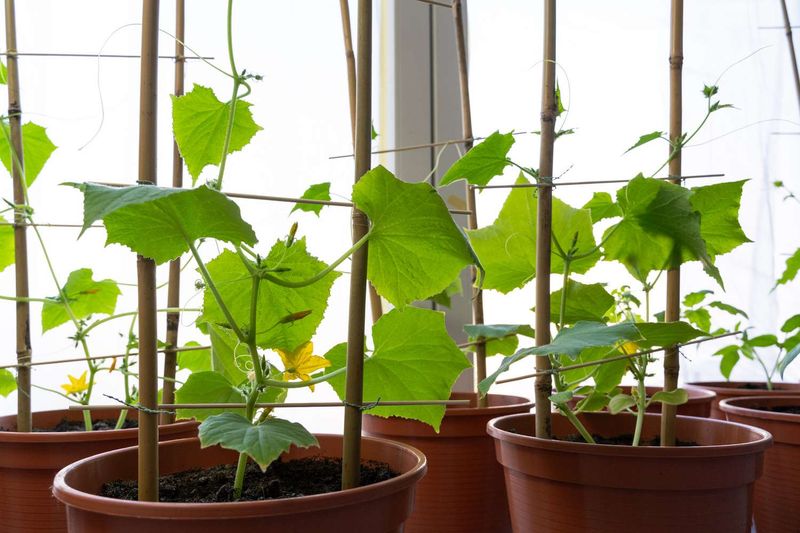
Setting realistic expectations helps indoor cucumber growers in Washington stay motivated and appreciate their harvests without feeling disappointed by comparing themselves to massive outdoor garden yields.
A single healthy indoor cucumber plant can produce 10 to 15 cucumbers over its productive lifespan, depending on variety, growing conditions, and care quality.
Compact varieties and those bred for containers typically produce smaller but more numerous fruits compared to sprawling garden types.
The harvest window for indoor cucumbers typically spans 6 to 8 weeks once the plant begins fruiting, with new cucumbers developing regularly if you harvest promptly.
Leaving mature cucumbers on the vine signals the plant to stop producing new flowers and fruits, so picking cucumbers when they reach optimal size encourages continued production.
Most indoor varieties reach harvest size at 6 to 8 inches long, though mini varieties mature at just 3 to 4 inches.
Washington gardeners appreciate that indoor cucumbers often have superior flavor and crispness compared to store-bought options because they’re picked at peak ripeness.
The controlled environment also means fewer blemishes, pest damage, and weather-related imperfections on your fruits.
While you won’t match the output of a full outdoor garden bed, the convenience of harvesting fresh cucumbers year-round without leaving your home makes indoor growing incredibly rewarding.
Success builds with experience, and many growers find their second and third indoor crops outperform their first attempts significantly as they refine their techniques.
How To Set Up A Simple Indoor Cucumber Growing Station
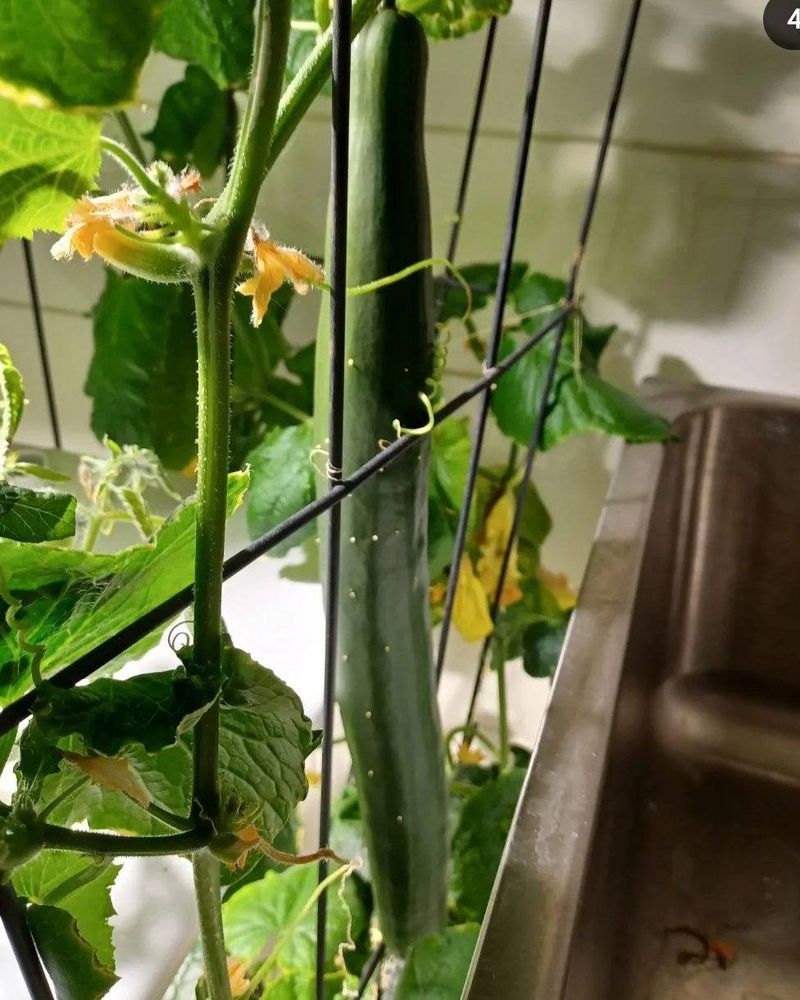
Creating an effective indoor cucumber growing station doesn’t require expensive equipment or complicated systems, and Washington gardeners have perfected simple setups that work in various living spaces.
Start by selecting a location with access to electricity for grow lights and enough space for your container and vertical trellis—a corner of a kitchen, spare room, or even a closet works perfectly.
A waterproof mat or tray beneath your growing area protects floors from water spills and makes cleanup effortless.
Assemble your container with drainage holes, fill it with quality potting mix enriched with compost, and position your trellis securely before planting.
Mount your LED grow light on an adjustable chain or stand so you can raise it as your cucumber plant grows taller, maintaining that optimal 6 to 12-inch distance.
A small oscillating fan placed nearby promotes air circulation, strengthens stems, and helps prevent fungal issues that plague stagnant air environments.
Keep basic supplies organized nearby—watering can, fertilizer, hand pollination tools, and pruning shears—so everything you need is accessible when caring for your plants.
A simple timer for your grow light automates the lighting schedule and ensures consistency even during busy weeks.
Washington indoor gardeners often start with just one plant to learn the process before expanding to multiple containers.
This approach builds confidence and skills without overwhelming your space or time commitment, and success with that first plant often inspires expanding your indoor garden to include other vegetables alongside your cucumbers.