Add Wood Ash To Help These 9 Plants Grow Better In Oregon
If you’ve spent much time in an Oregon garden, you know that the soil can be a bit… stubborn at times.
Some spots are just too acidic, while others seem to hold onto moisture a little too tightly.
Lately, I’ve been turning to an old-school secret in my garden: wood ash.
It’s simple, natural, and I’ve found it gives certain plants just the boost they need to really thrive.
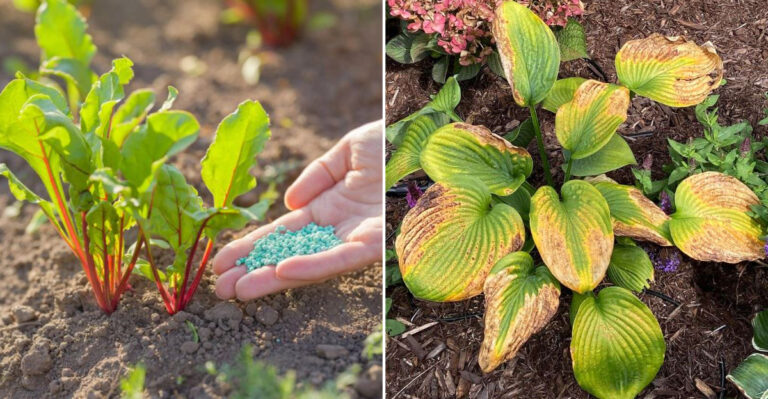
Wood ash works by gently adjusting soil pH, adding minerals like calcium and potassium, and helping plants take in nutrients more efficiently.
It’s especially useful for the types of plants that love a slightly less acidic environment.
The best part?
You don’t need a big bag from a garden center, if you have a fireplace or a wood stove, you already have a ready supply.
Not every plant benefits from it, though.
Too much ash can be harmful, so knowing which ones respond well is key.
In Oregon gardens, certain vegetables, flowers, and even shrubs can really show the difference with a little sprinkle of ash.
Here are some plants that gardeners have found grow stronger, healthier, and more productive when given this natural boost.
1. Tomatoes
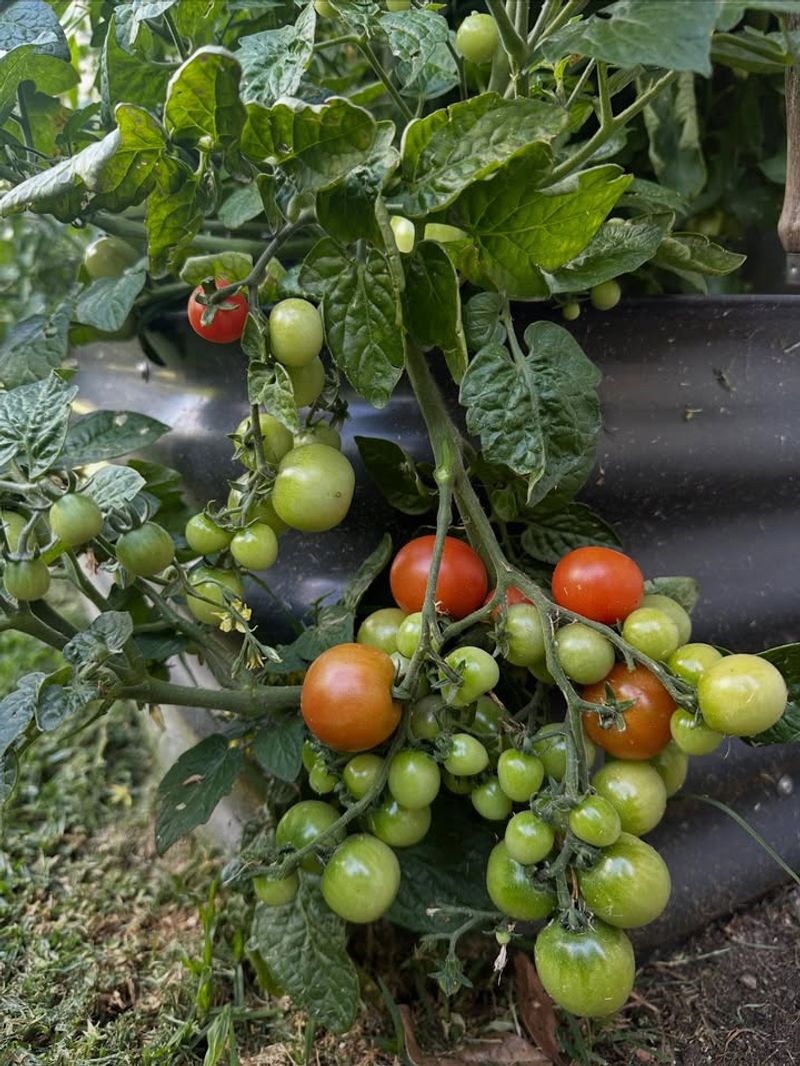
Calcium is essential for healthy fruit development, and wood ash delivers it in generous amounts.
When you add a light dusting of ash around your tomato plants, you help prevent blossom end rot, that frustrating black spot that ruins perfectly good fruit.
Oregon summers can be unpredictable, and strong, healthy tomato plants need all the support they can get to produce those juicy red beauties.
Wood ash also raises soil pH slightly, which tomatoes appreciate since they prefer a more neutral environment.
Spread about a cup of ash per plant in early spring, mixing it gently into the top few inches of soil.
Avoid piling it directly against stems, as too much ash can burn tender tissue.
You can also side-dress your plants midseason with a smaller amount to keep nutrients flowing.
Many Oregon gardeners swear by this trick, especially in areas with naturally acidic soil.
Your tomatoes will reward you with stronger stems, greener leaves, and more fruit that actually makes it to your table instead of the compost bin.
Plus, you get the satisfaction of recycling something you might otherwise throw away, saving money on fertilizers while improving soil health and boosting overall garden productivity.
2. Potatoes
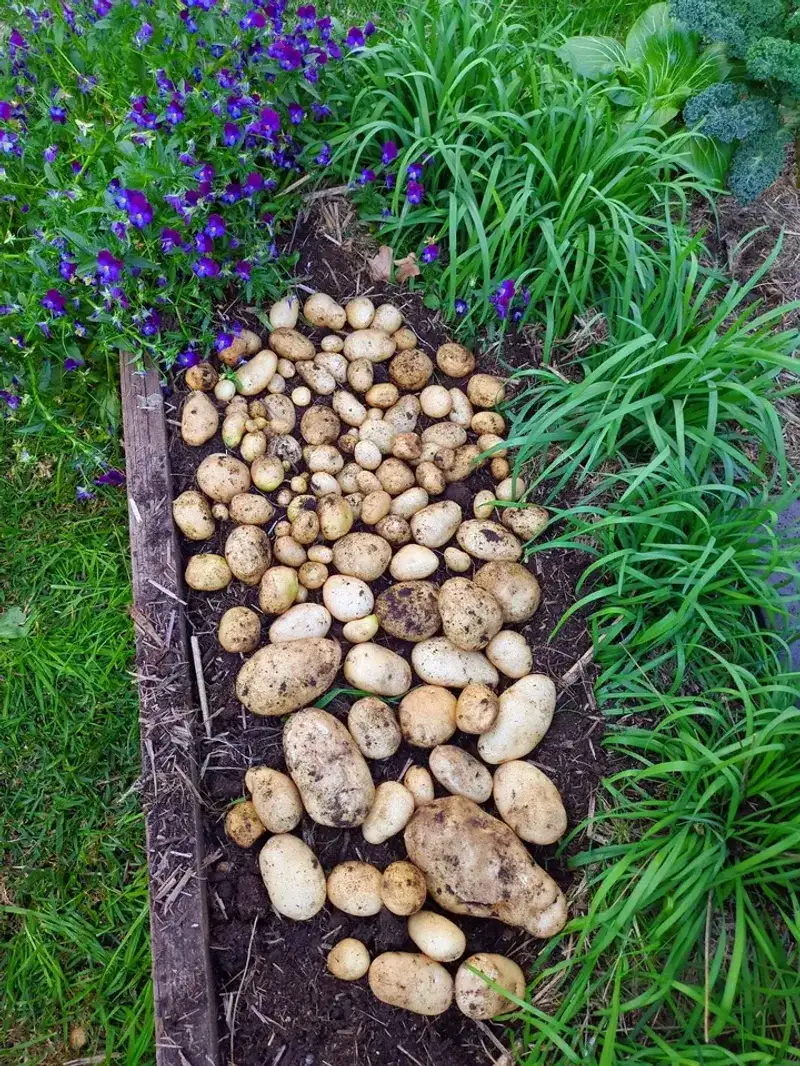
Potatoes love potassium, and wood ash happens to be loaded with it.
This nutrient helps potatoes develop strong roots and produce larger, healthier tubers underground.
Since Oregon soil tends to lean acidic, especially in the western valleys, a bit of wood ash can balance things out and create the perfect environment for potato growth.
Apply about half a cup of ash per square foot of potato bed before planting, working it into the soil thoroughly.
The potassium boost encourages better disease resistance, which matters in our damp climate where fungal issues can pop up.
Potatoes also benefit from the trace minerals found in wood ash, like magnesium and phosphorus, which support overall plant health.
Your Oregon Garden Changes Every Week. Your Plan Should Too.
Gardening in Oregon changes quickly throughout the season. Every Friday you’ll receive a simple weekly plan showing exactly what to plant, prune, fertilize, harvest, and protect so you never miss the right timing.
Be careful not to overdo it, though, because too much ash can make soil too alkaline and cause problems.
A light hand goes a long way.
Many Oregon gardeners notice their potato plants grow more vigorously and produce bigger yields when they add wood ash to their routine.
The best part is that you can use ash from your own fireplace or wood stove, making this an easy, budget-friendly garden hack that improves soil structure, boosts harvests, and reduces household waste at the same time.
3. Cabbage
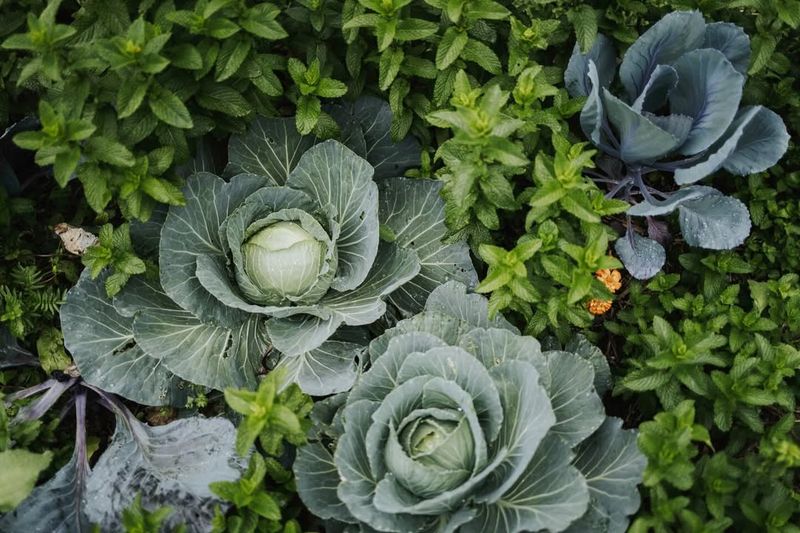
Soil with a higher pH supports healthy head formation, and wood ash can help you reach that balance.
Oregon soil often runs acidic, which can slow down cabbage growth and make plants more vulnerable to pests and diseases.
A sprinkle of wood ash around your cabbage plants raises the pH and provides calcium, which strengthens cell walls and helps heads form properly.
Work about a cup of ash into each planting hole before setting out your cabbage transplants in spring.
You can also scatter a thin layer around established plants and lightly rake it into the soil surface.
The potassium in wood ash supports robust leaf development, which means bigger, denser cabbage heads come harvest time.
Cabbage also benefits from the trace elements in ash, like boron and manganese, which play important roles in plant metabolism.
Many gardeners notice fewer problems with clubroot and other soil-borne issues when they use wood ash regularly.
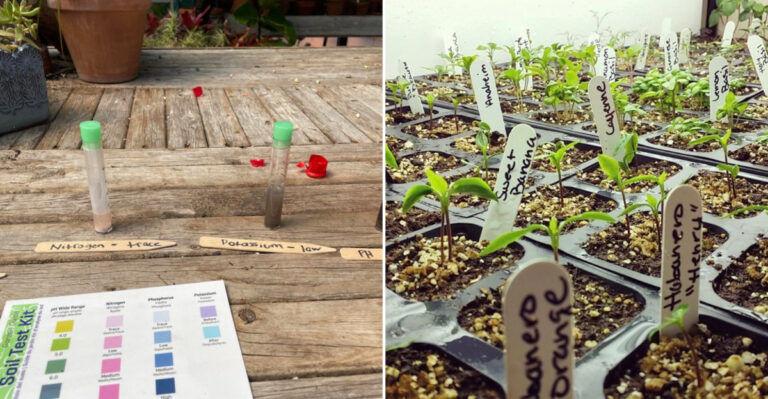
Just remember to test your soil pH first if you can, so you know how much ash to apply.
With the right balance, your cabbage will grow strong and healthy, ready to become coleslaw, sauerkraut, or a delicious stir-fry, while improving soil structure and nutrient availability for future plantings.
4. Roses

Roses adore a slightly alkaline soil, and wood ash can help move your garden in that direction.
Oregon gardeners often struggle with acidic conditions that make roses look pale and weak, but a light application of ash can turn things around.
The calcium in wood ash strengthens rose stems and supports vibrant blooms, while potassium improves overall plant vigor and disease resistance.
Sprinkle about half a cup of ash around the base of each rose bush in early spring, keeping it a few inches away from the stems to avoid burning.
Work it gently into the top layer of soil, then water well to help nutrients soak in.
You can repeat this application once or twice during the growing season if your soil is particularly acidic.
Many rose enthusiasts notice their plants produce more flowers and deeper colors when wood ash becomes part of their care routine.
The trace minerals in ash, like magnesium and phosphorus, also contribute to healthy root development and lush foliage.
Just be mindful not to overdo it, as too much ash can swing pH too far in the other direction.
With the right amount, your roses will bloom beautifully all summer long.
5. Strawberries
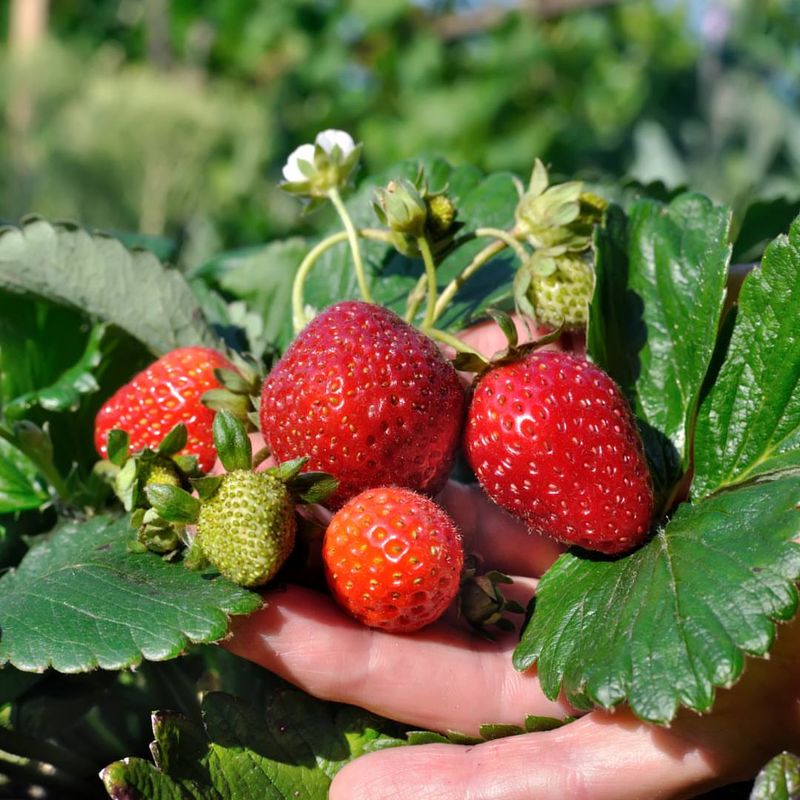
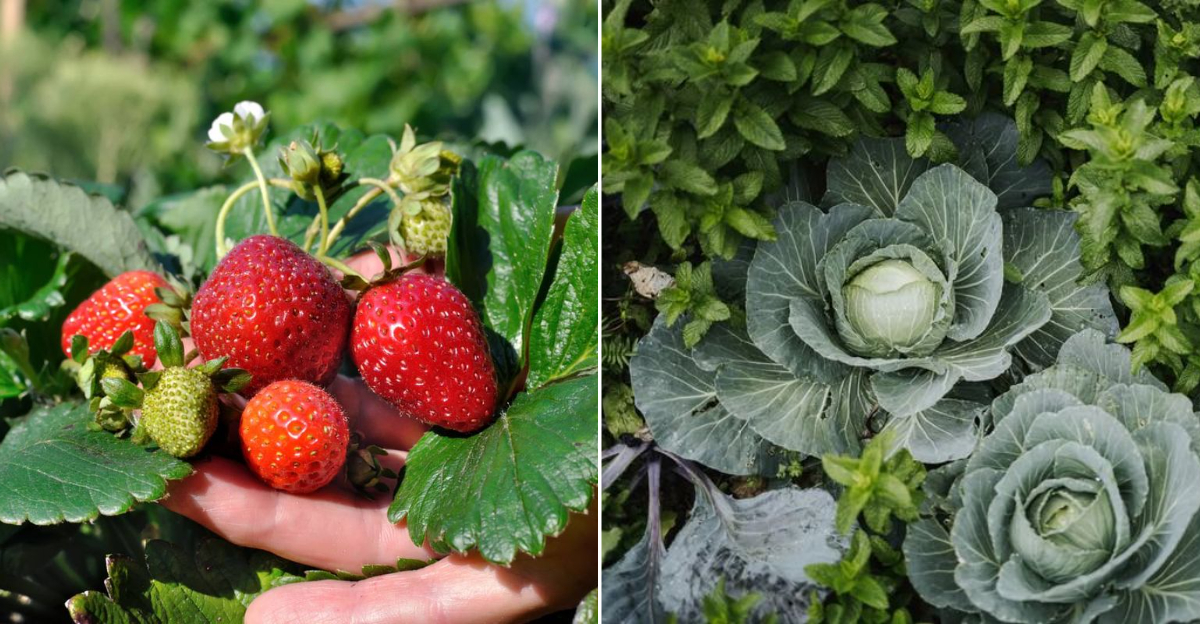
Strawberries need plenty of potassium to produce sweet, juicy berries, and wood ash delivers exactly that.
Oregon strawberry patches often sit in acidic soil, which can limit nutrient uptake and reduce yields.
A light dusting of wood ash in early spring helps balance pH and gives your plants the boost they need to thrive.
Apply about a quarter cup of ash per square foot of strawberry bed, spreading it evenly and working it into the top inch of soil.
The calcium in wood ash also strengthens plant tissues, making your strawberries more resistant to disease and stress.
Potassium improves fruit flavor and size, so your harvest will taste even better.
Many Oregon gardeners notice their strawberry plants produce more runners and fill in beds more quickly when wood ash is part of their routine.
Be careful not to apply too much, though, as strawberries still prefer slightly acidic to neutral soil.
A little goes a long way.
You can also side-dress your plants with a small amount of ash after the first flush of berries to keep them producing through the season.
Your strawberries will thank you with bigger, sweeter fruit that makes every bite worth the effort.
6. Garlic
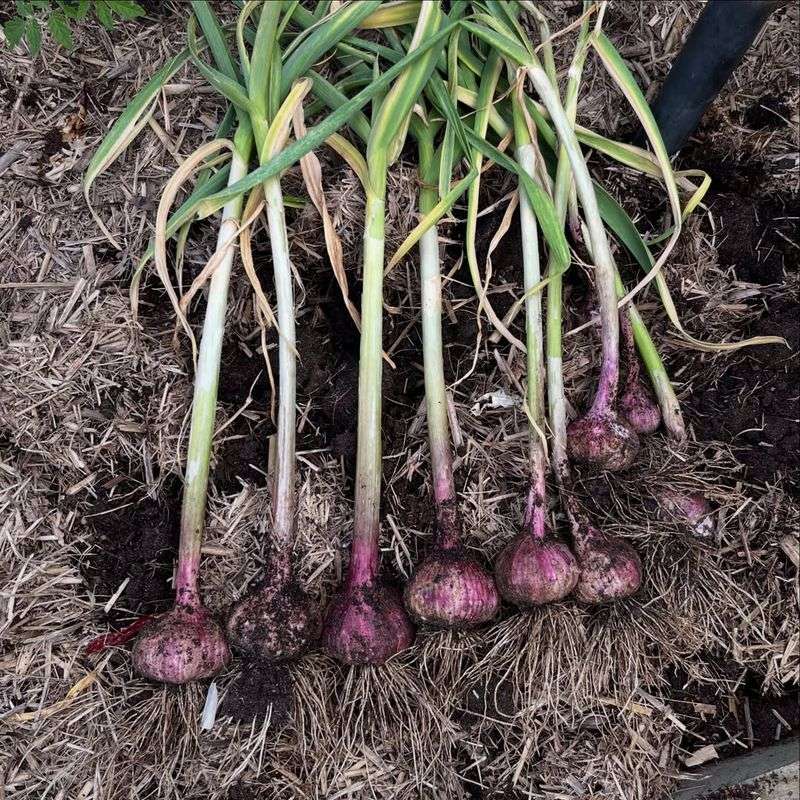
Garlic loves potassium and calcium, both of which wood ash provides in abundance.
Oregon garlic growers often face acidic soil conditions that can stunt bulb development and reduce yields.
Adding wood ash to your garlic bed before planting helps raise pH to a more favorable level and gives your cloves the nutrients they need to grow big and strong.
Work about half a cup of ash per square foot into the soil in fall, a few weeks before you plant your garlic cloves.
This gives the ash time to integrate and adjust soil chemistry.
The potassium in wood ash supports robust root growth and helps bulbs form properly underground.
Calcium strengthens plant tissues and improves storage quality, so your garlic will keep longer after harvest.
Many Oregon gardeners notice their garlic plants grow taller and produce larger bulbs when wood ash is part of their soil preparation.
You can also side-dress your garlic in early spring with a small amount of ash to give it a midseason boost.
Just avoid applying too much, as garlic prefers soil that is only slightly alkaline.
With the right balance, your garlic will reward you with big, flavorful bulbs that make every meal better.
7. Onions
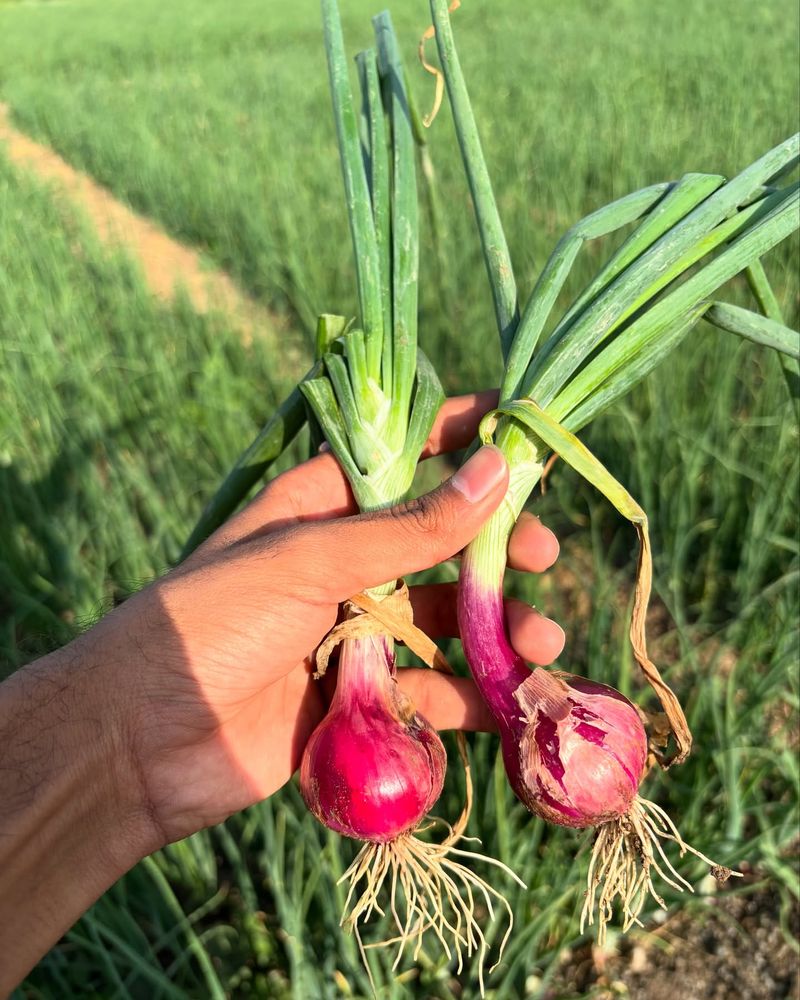
Onions need plenty of nutrients to develop large, flavorful bulbs, and wood ash can help provide what they crave.
Oregon onion growers often deal with acidic soil that limits nutrient availability and slows growth.
A light application of wood ash raises pH and supplies potassium, which is essential for bulb formation and overall plant health.
Before planting your onion sets or transplants, work about half a cup of ash per square foot into the soil.
This helps create the neutral to slightly alkaline conditions that onions prefer.
The calcium in wood ash strengthens plant tissues and reduces the risk of rot and disease during the growing season.
Potassium improves bulb size and storage quality, so your onions will keep longer in the pantry.
Many Oregon gardeners notice their onion plants grow more vigorously and produce bigger bulbs when wood ash is part of their routine.
You can also side-dress your onions in early summer with a small amount of ash to give them a midseason boost.
Just be careful not to overdo it, as too much ash can push pH too high and cause nutrient imbalances.
With the right amount, your onions will grow strong and flavorful, ready to add a punch to any dish.
8. Lavender
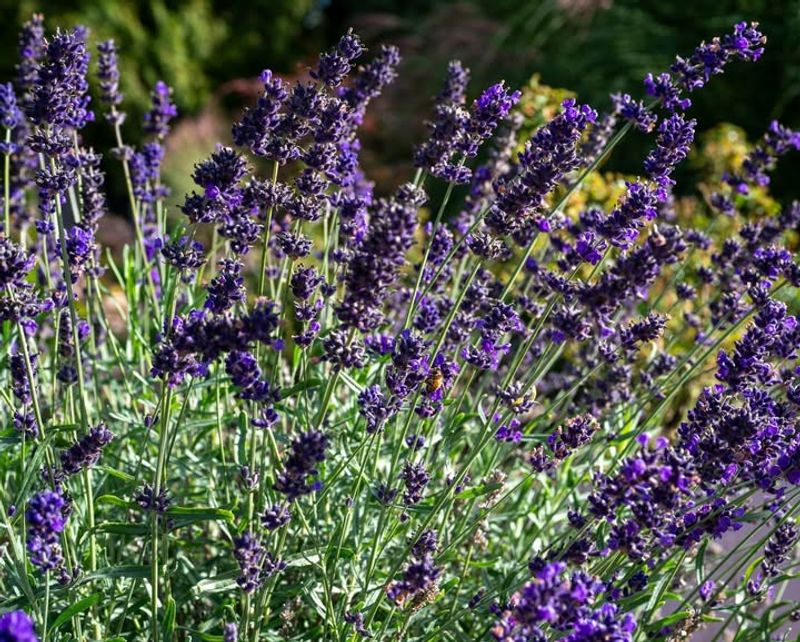
Lavender thrives in alkaline soil, and wood ash can help you create the perfect environment for this fragrant herb
Oregon soil tends to be acidic, which can make lavender struggle and produce fewer flowers.
A light application of wood ash raises pH and provides calcium, which lavender needs for strong stems and healthy growth.
Work about a quarter cup of ash into the soil around each lavender plant in early spring, keeping it a few inches away from the base to avoid burning.
The potassium in wood ash supports vigorous flowering and improves drought tolerance, which is important even in Oregon where summer dry spells can happen.
Lavender also benefits from the trace minerals in ash, like magnesium and boron, which contribute to overall plant health.
Many Oregon gardeners notice their lavender plants grow bushier and produce more blooms when wood ash becomes part of their care routine.
You can reapply a small amount of ash in midsummer to keep your lavender happy through the growing season.
Just be sure not to overdo it, as too much ash can create nutrient imbalances.
With the right balance, your lavender will fill your garden with color and fragrance all summer long, attracting bees and butterflies along the way.
9. Apple trees
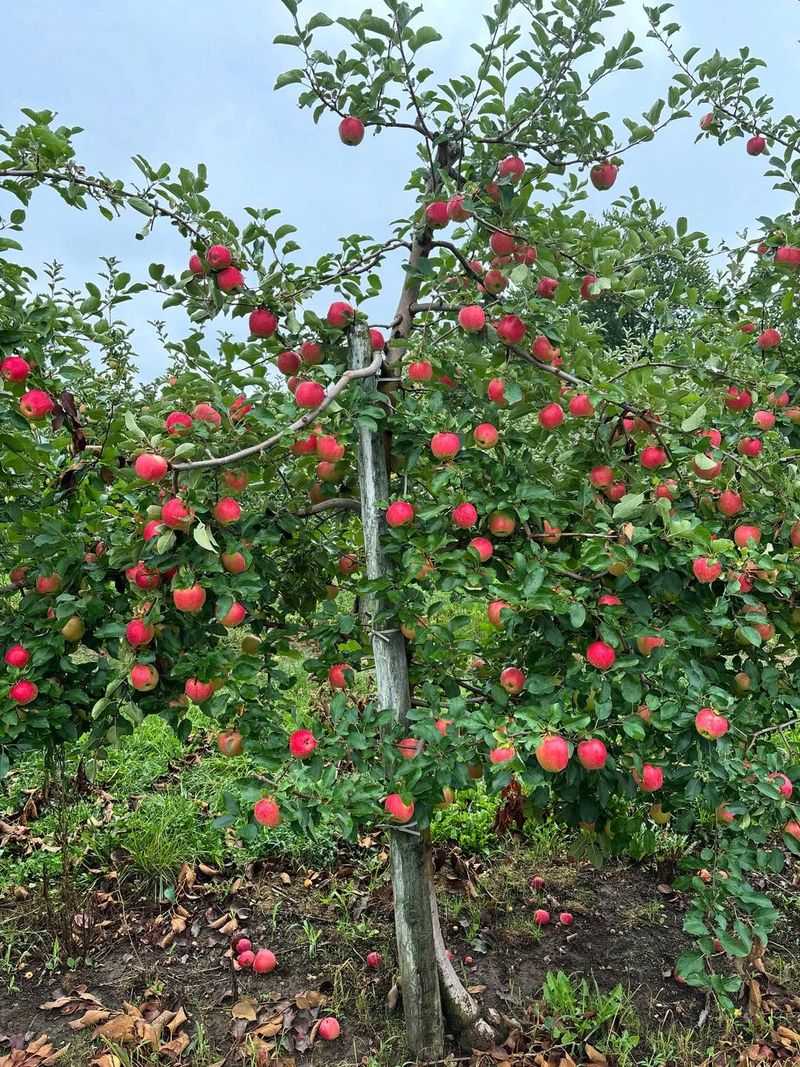
Apple trees need calcium and potassium to produce healthy fruit and resist disease, and wood ash delivers both in generous amounts.
Oregon apple growers often face acidic soil conditions that can limit nutrient uptake and lead to problems like bitter pit, a calcium deficiency disorder.
Adding wood ash around your apple trees helps raise pH and provides the nutrients your trees need to thrive.
Spread about two cups of ash around the drip line of each mature tree in early spring, keeping it away from the trunk to avoid burning bark.
Work it gently into the soil surface, then water well to help nutrients soak in.
The potassium in wood ash supports strong root development and improves fruit quality, while calcium strengthens cell walls and reduces the risk of fruit disorders.
Many Oregon orchardists notice their apple trees produce larger, healthier fruit with fewer blemishes when wood ash is part of their care routine.
You can reapply a smaller amount of ash in midsummer to give your trees a boost during fruit development.
Just be careful not to overdo it, as too much ash can push pH too high and cause nutrient imbalances.
With the right amount, your apple trees will reward you with abundant, delicious fruit year after year.