14 Garden Path Ideas That Can Completely Change A Colorado Backyard
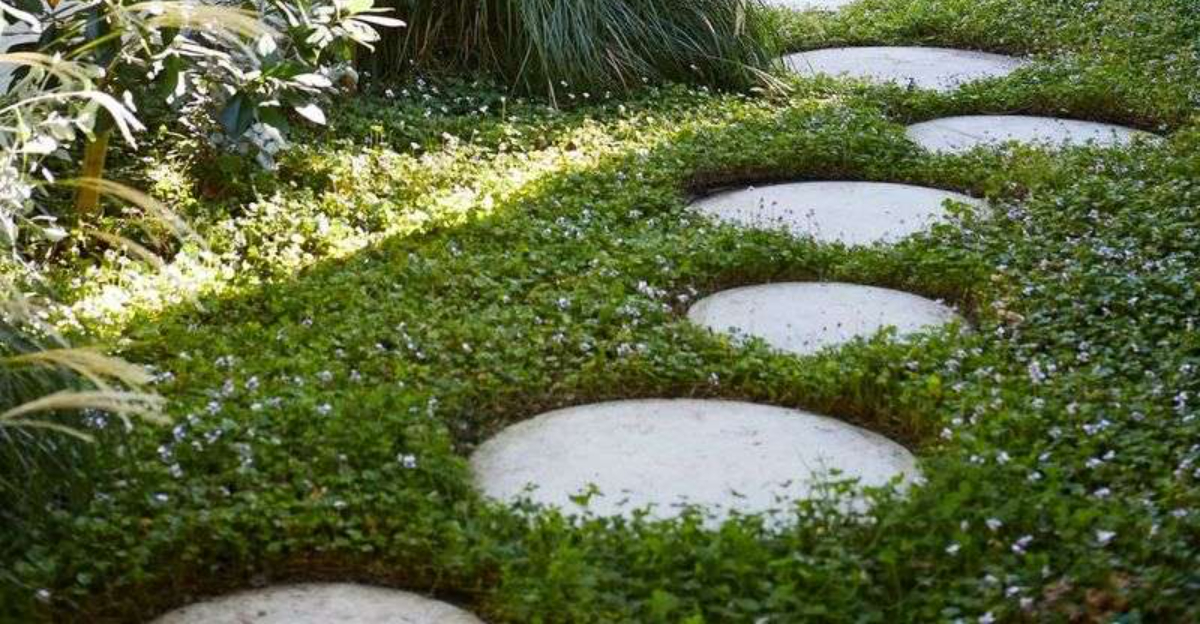
A garden path isn’t just a way to get from point A to B—it’s the backbone of your backyard’s design.
In Colorado, where landscapes range from rustic mountains to modern urban yards, the right path can transform a garden from ordinary to breathtaking.
Whether you want charm, drama, or functionality, a thoughtfully designed path guides visitors, highlights plantings, and adds personality to your outdoor space.
The right garden path doesn’t just lead somewhere—it leads to “wow!”
From natural stone and gravel walkways to stepping stones and curved meandering trails, Colorado gardens offer endless inspiration for paths that work with your climate and style.
A path can create cozy nooks, connect outdoor living areas, or highlight dramatic slopes and flower beds.
Materials, textures, and patterns all play a role in making a backyard feel intentional, welcoming, and uniquely yours.
One small path can completely change how your backyard feels—and how you use it.
Whether you’re designing a new yard or updating an existing one, these fourteen garden path ideas show how to turn simple walkways into striking focal points.
In Colorado, your backyard doesn’t have to be flat or predictable—a path can make it magical.
Walk this way… and watch your backyard come alive!
1. Flagstone Paths That Handle Freeze–Thaw Cycles
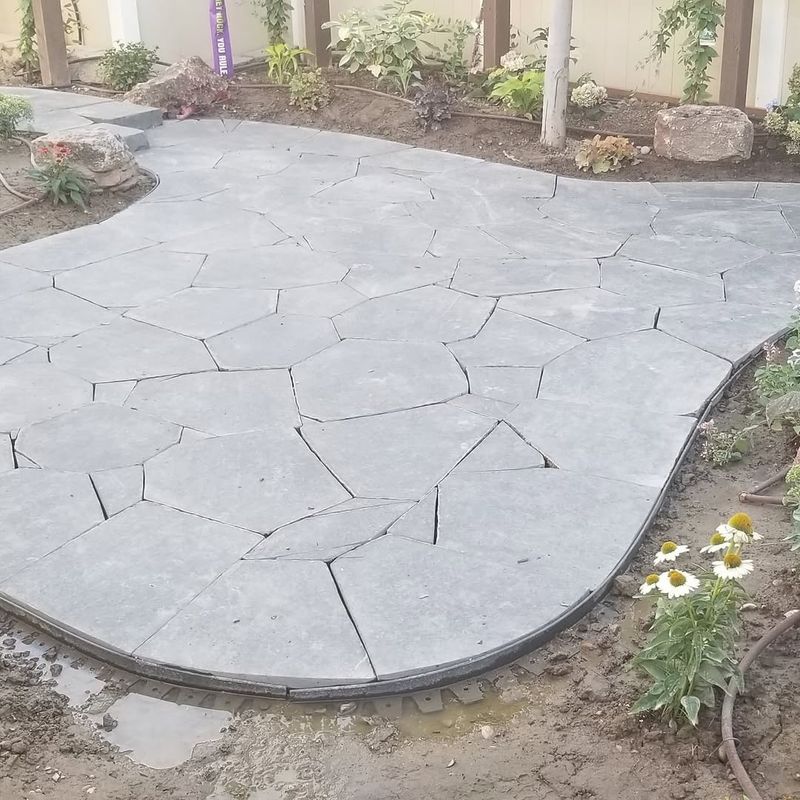
Natural flagstone stands up to Colorado’s wild temperature swings better than almost any other material you can choose for your garden path.
When water seeps into cracks and freezes overnight, weaker materials crack and crumble, but flagstone’s dense composition resists this constant expansion and contraction.
The irregular shapes of flagstone pieces also create natural gaps that allow water to drain away instead of pooling on the surface, which prevents ice buildup during those surprise spring snowstorms.
Installation matters just as much as material choice when you’re working with Colorado’s climate.
A proper base of compacted gravel underneath your flagstone provides additional drainage and prevents shifting when the ground freezes.
Many Colorado homeowners choose sandstone or bluestone varieties because they offer excellent slip resistance even when wet, which makes them safer during morning dew or light rain.
Flagstone paths develop character over time as they weather and age in mountain conditions.
The stone’s natural color variations complement native Colorado plants like blue grama grass and penstemon beautifully.
Maintenance stays minimal since you won’t need to seal or treat the stone annually, and any shifting stones can be easily reset without replacing entire sections of your pathway.
2. Gravel Walkways That Improve Drainage
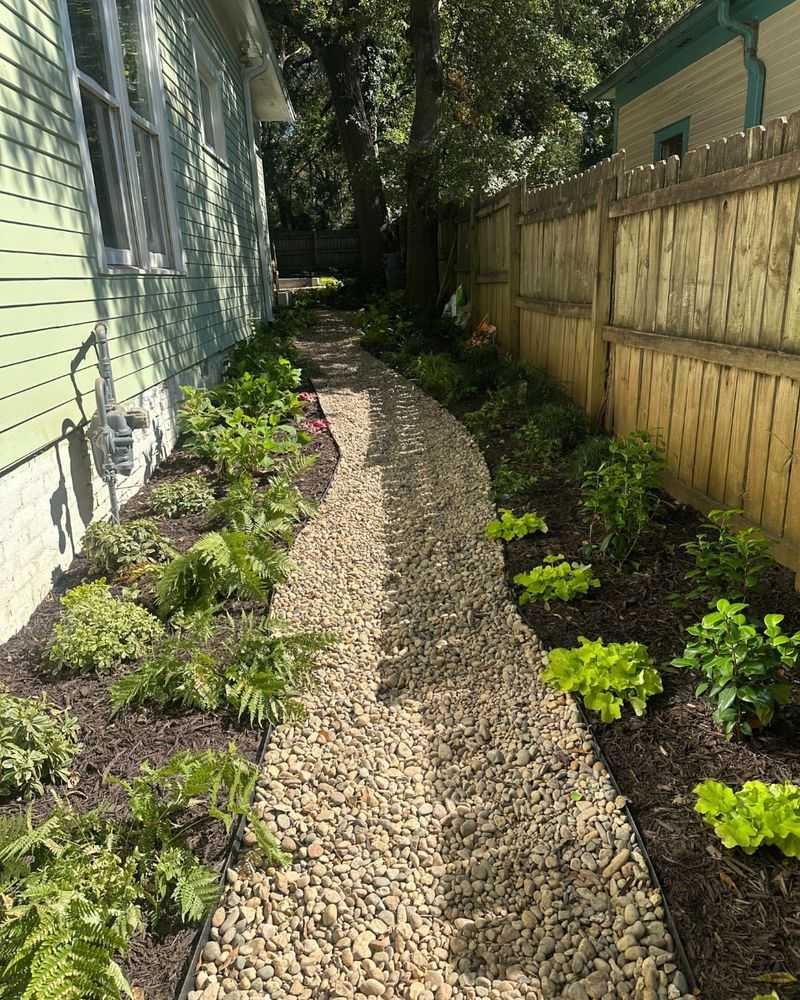
Gravel paths solve one of the biggest problems Colorado gardeners face: managing water runoff during spring snowmelt and summer thunderstorms.
Unlike solid surfaces that channel water elsewhere, gravel allows moisture to percolate straight through to the soil below, preventing erosion and muddy puddles.
This drainage benefit becomes especially valuable on slopes where water naturally wants to rush downhill and wash away your landscaping efforts.
Choosing the right gravel type makes a significant difference in how your path performs and looks.
Your Colorado Garden Changes Every Week. Your Plan Should Too.
Gardening in Colorado changes quickly throughout the season. Every Friday you’ll receive a simple weekly plan showing exactly what to plant, prune, fertilize, harvest, and protect so you never miss the right timing.
Pea gravel offers a smooth walking surface that works well for frequently used paths, while crushed granite or decomposed granite pack down more firmly for better stability.
River rock in larger sizes creates a more rustic mountain aesthetic but can shift underfoot, so it works best for decorative paths rather than main walkways.
Installing landscape fabric underneath your gravel layer prevents weeds from pushing through while maintaining excellent drainage properties.
Edge your gravel paths with stone or metal borders to keep the material contained and looking neat.
Gravel paths need occasional topping up as stones gradually settle and spread, but this maintenance takes just minutes and costs very little compared to repairing cracked concrete or broken pavers.
3. Stepping Stone Paths For Informal Gardens
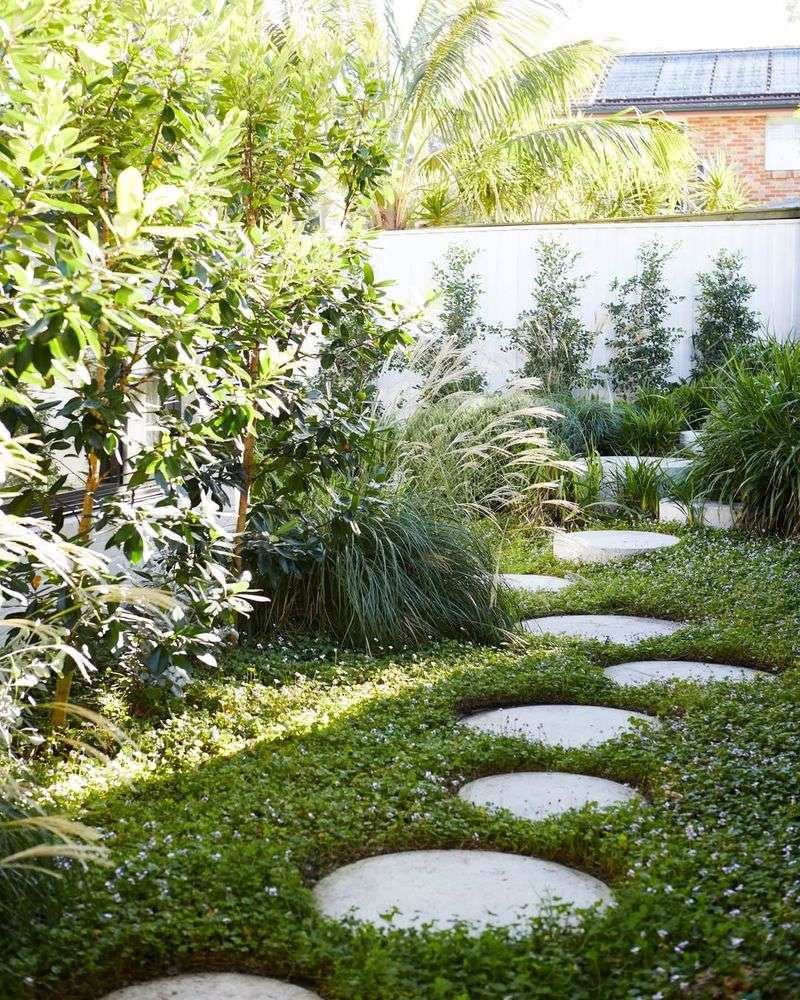
Stepping stones create an inviting, casual feel that encourages wandering through your Colorado garden at a leisurely pace.
Rather than dictating where visitors must walk, these individual stones suggest a route while allowing flexibility and creating visual rhythm across your landscape.
The spaces between stones provide perfect planting opportunities for low-growing groundcovers that can handle Colorado’s climate and occasional foot traffic.
Proper spacing makes the difference between an awkward hop-skip walk and a comfortable stroll through your garden.
Most people find a stride length of about eighteen to twenty-four inches comfortable, though you should adjust based on who uses the path most frequently.
Setting stones slightly deeper than ground level prevents tripping hazards and makes mowing around them easier if they cross lawn areas.
Pairing stepping stones with drought-tolerant plants like creeping thyme, blue star creeper, or woolly thyme adds softness and releases pleasant scents when brushed by passing feet.
These plants also help stabilize soil around the stones and reduce weed growth.
Choose flat-topped stones at least sixteen inches across for stability, and consider sandstone or granite varieties that develop attractive patinas as they age in Colorado’s intense sunshine and occasional moisture.
4. Mulch Or Wood Chip Paths For Mountain-Style Yards

Wood chip paths bring an authentic mountain cabin feeling to shaded Colorado gardens where other materials might feel too formal or out of place.
These organic paths work particularly well under pine trees or in woodland areas where they blend seamlessly with fallen needles and natural forest floor materials.
The soft, cushioned surface feels pleasant underfoot and reduces impact on joints, making longer garden walks more comfortable for everyone in the family.
Fresh wood chips provide excellent weed suppression when laid three to four inches deep, and they gradually break down to enrich your soil with organic matter.
Colorado’s dry climate means wood chips decompose more slowly than in humid regions, so you’ll typically need to refresh paths only once or twice per year.
Choose hardwood chips over softwood when possible because they last longer, though cedar and pine chips offer natural insect-repelling properties that some gardeners prefer.
Edging becomes important with wood chip paths since the material can migrate into surrounding beds during heavy rains or when you’re shoveling snow.
Simple log rounds or buried stones create effective, natural-looking borders that keep chips contained.
These paths work best in areas with moderate foot traffic rather than main walkways, and they’re not ideal for snow shoveling since chips can scatter and mix with snow.
5. Brick Paths For Classic Front And Backyards
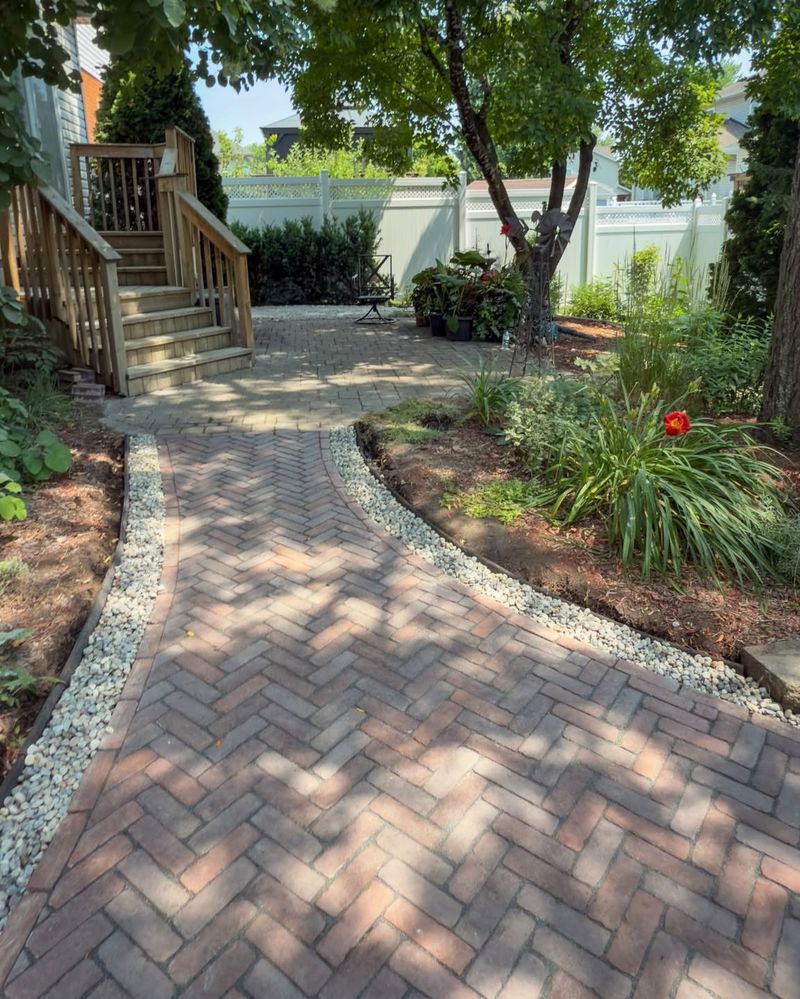
Brick pathways add timeless elegance and warm color tones that complement both historic Colorado homes and newer constructions beautifully.
The rich red and brown hues of traditional brick create visual warmth that contrasts nicely with evergreen landscaping and looks especially inviting against winter snow.
Brick’s modular nature allows for countless pattern possibilities, from simple running bond layouts to intricate herringbone designs that add movement and interest to your landscape.
Selecting frost-resistant brick specifically rated for Colorado’s climate prevents the cracking and spalling that occurs when moisture freezes inside porous materials.
Look for bricks labeled SW (severe weathering) grade, which are fired at higher temperatures and absorb less water than standard building bricks.
Installing bricks on a properly prepared sand base with polymeric sand swept into joints creates flexibility that accommodates freeze-thaw movement without damage.
Brick paths develop an appealing aged patina over time as weather and use soften their appearance and moss sometimes grows in shaded joints.
Regular sweeping keeps joints clear of debris, and occasional re-sanding maintains stability.
If individual bricks do crack or become damaged, replacing them takes just minutes without disturbing surrounding areas.
Brick’s excellent traction when dry makes it safe for most conditions, though it can become slippery when ice forms in winter.
6. Concrete Pavers For Modern Landscapes
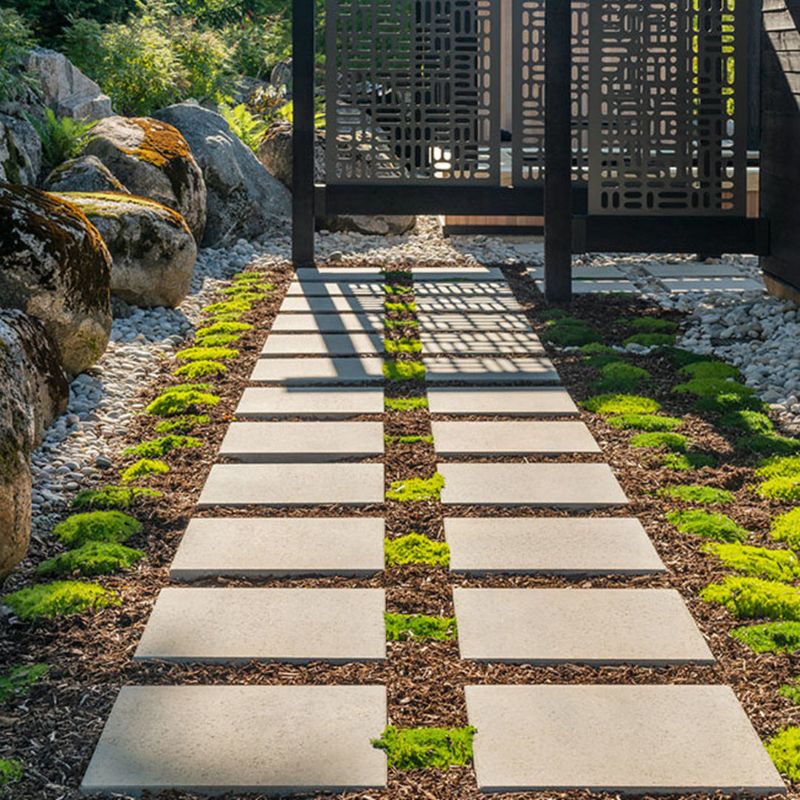
Contemporary concrete pavers deliver the clean lines and geometric precision that modern Colorado homes demand while handling extreme weather conditions remarkably well.
Manufacturing advances have transformed concrete pavers from boring gray slabs into design elements available in dozens of colors, textures, and sizes that can mimic natural stone or create bold contemporary statements.
Large-format pavers in charcoal, tan, or warm gray tones look especially striking against Colorado’s natural landscape and architectural styles.
Properly installed pavers over compacted base material create stable paths that resist heaving during freeze-thaw cycles better than poured concrete, which often cracks under stress.
The joints between pavers allow for slight movement and expansion without visible damage, and individual pavers can be removed and reset if settling occurs in specific spots.
This flexibility makes pavers ideal for areas where tree roots might cause future movement or where utility access might be needed.
Permeable paver options allow water to drain through the surface, reducing runoff and helping manage Colorado’s occasional heavy downpours or rapid snowmelt.
Standard pavers also drain well when installed with proper slope and adequate base preparation.
Maintenance involves occasional sweeping and re-sanding of joints, and power washing every few years keeps them looking fresh.
Their smooth, level surface makes snow removal straightforward, and their durability means they’ll look great for decades with minimal care.
7. Curved Paths That Make Small Yards Feel Bigger
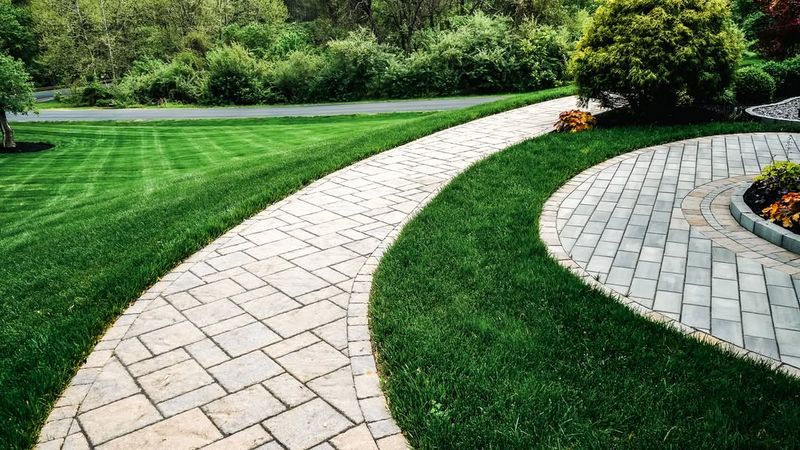
Gently curving paths create an illusion of greater space by preventing visitors from seeing the entire yard at once, which makes even modest Colorado backyards feel more expansive and mysterious.
When your eye follows a path that disappears around a bend or behind plantings, your brain assumes there’s more to explore beyond what’s immediately visible.
This psychological trick works especially well in typical suburban lots where straight paths would reveal the property’s limited dimensions too quickly.
Designing effective curves requires restraint because overly serpentine paths look artificial and force people to cut corners rather than follow the intended route.
Aim for gradual, purposeful curves that appear to navigate around natural features like large rocks, tree trunks, or planting beds even if you’re actually creating those features to justify the curve.
Each bend should have a reason, whether practical or visual, that makes the path’s route feel inevitable rather than arbitrary.
Curved paths slow visitors down and encourage them to notice surrounding plantings, garden art, or views that they might rush past on a straight walkway.
This makes curves particularly valuable when you want to showcase seasonal displays or create intimate garden rooms within a larger space.
In Colorado’s intense sunlight, curves also allow you to position paths partially in shade during different times of day, making walks more comfortable during summer afternoons.
8. Straight Paths For Clean, Contemporary Designs
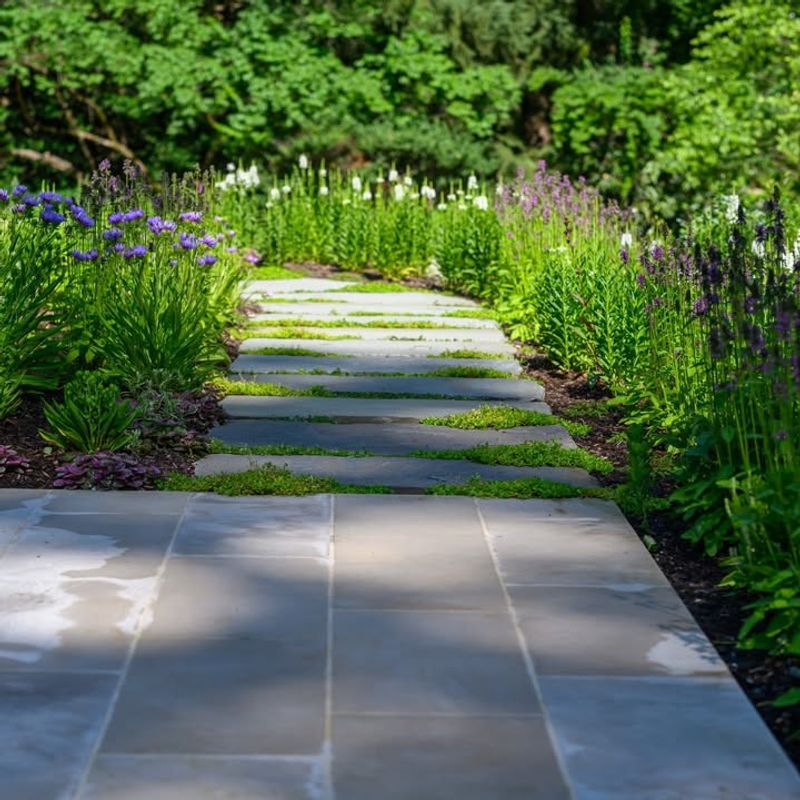
Straight paths deliver the bold, uncompromising geometry that modern Colorado architecture demands, creating strong visual lines that complement angular homes and minimalist landscapes.
Rather than apologizing for their directness, these paths celebrate efficiency and clarity, making definitive statements about where to walk and how spaces connect.
The simplicity of straight paths allows surrounding plantings and architectural features to take center stage without competing for attention.
Contemporary homes with flat roofs, large windows, and horizontal emphasis benefit from paths that echo these design principles rather than fighting against them with unnecessary curves.
Straight paths work particularly well when aligned with building edges, fence lines, or property boundaries to reinforce the overall design grid.
Wide paths in modern materials like large-format concrete pavers or poured concrete with control joints create dramatic corridors through your landscape.
Lighting becomes especially important along straight paths since their length and directness make them perfect candidates for dramatic nighttime illumination.
Low-voltage lights positioned along edges create glowing ribbons that guide visitors while highlighting the path’s clean geometry.
Straight paths also simplify snow removal since you can make efficient passes with shovels or blowers without navigating curves.
In smaller yards, a single straight path from back door to garden focal point creates clarity and makes the space feel intentionally designed rather than accidentally arranged.
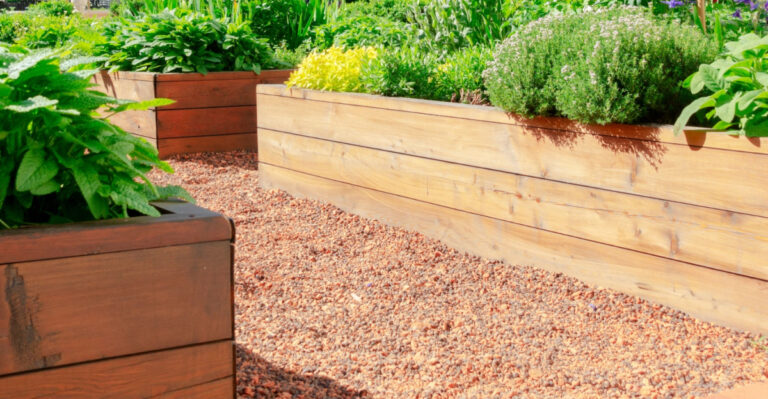
9. Raised Paths For Sloped Or Snowy Yards
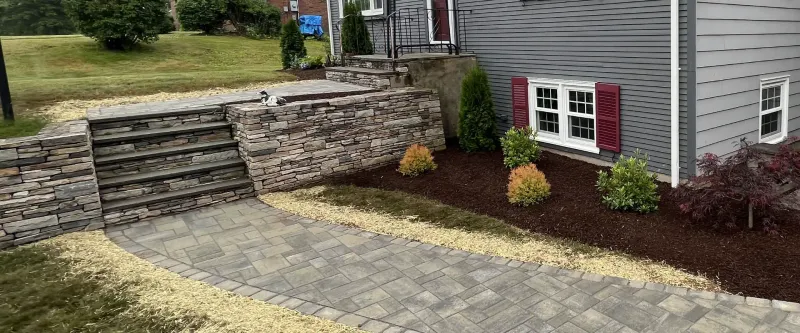
Elevating paths above ground level solves multiple challenges that Colorado’s terrain and weather create, from managing steep slopes to keeping walkways clear during heavy snow seasons.
Raised paths built with retaining walls or timber frames create level walking surfaces across yards where natural grade changes would otherwise require steps or awkwardly sloped walkways.
This approach improves accessibility while preventing erosion on hillsides where water naturally wants to follow the path downhill.
Construction methods vary based on how much elevation change you’re addressing and what aesthetic you prefer.
Low raised paths just four to six inches high can be edged with stacked stone or timber and filled with gravel or pavers, while paths crossing steeper slopes might require substantial retaining walls and professional engineering.
Railroad ties, landscape timbers, or mortared stone all work well for Colorado conditions when properly installed with adequate drainage behind retaining structures.
Snow management becomes significantly easier on raised paths since snow tends to blow off elevated surfaces more readily than ground-level ones, and what does accumulate is easier to shovel away.
Raised paths also stay drier during spring snowmelt since water drains away rather than pooling on the walking surface.
Consider adding gentle ramps at path entrances rather than steps to maintain accessibility, and ensure raised paths are wide enough (at least three feet) to feel safe and comfortable at their elevated height.
10. Stone-And-Gravel Combo Paths For Texture
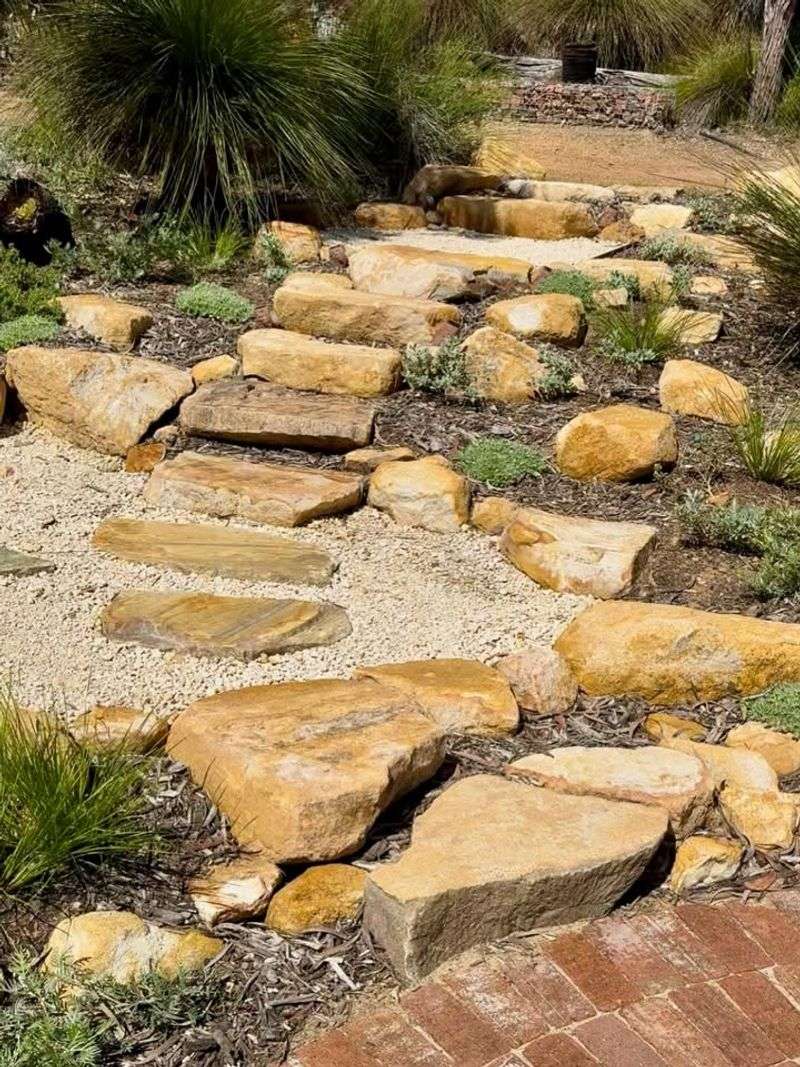
Combining larger stones with gravel infill creates visually rich paths that offer both structure and softness while handling Colorado’s weather extremes beautifully.
This approach gives you the stability and presence of stone stepping areas with the excellent drainage and lower cost of gravel filling the spaces between.
The textural contrast between smooth or rough stone surfaces and smaller gravel pieces adds depth and interest that single-material paths can’t match.
Design possibilities expand dramatically when you mix materials because you can adjust the ratio based on budget, desired formality, and foot traffic patterns.
Widely spaced large flagstones with generous gravel areas create casual, cottage-garden feelings, while closely placed stones with minimal gravel between them feel more formal and provide easier walking.
You might use larger stones down the center of your path for primary foot traffic and fill wider edges with gravel to increase overall path width without the expense of solid stone throughout.
Installation becomes simpler than all-stone paths since you need fewer large pieces, which reduces both material costs and the physical effort of moving heavy stones.
The gravel component allows water to drain freely while the stones provide stable, level spots for comfortable walking.
This combination works exceptionally well in Colorado because gravel won’t crack during freeze-thaw cycles, and any settling that occurs is easily corrected by adding a bit more gravel rather than resetting heavy stones.
11. Garden Paths That Lead To Seating Or Fire Pit Areas
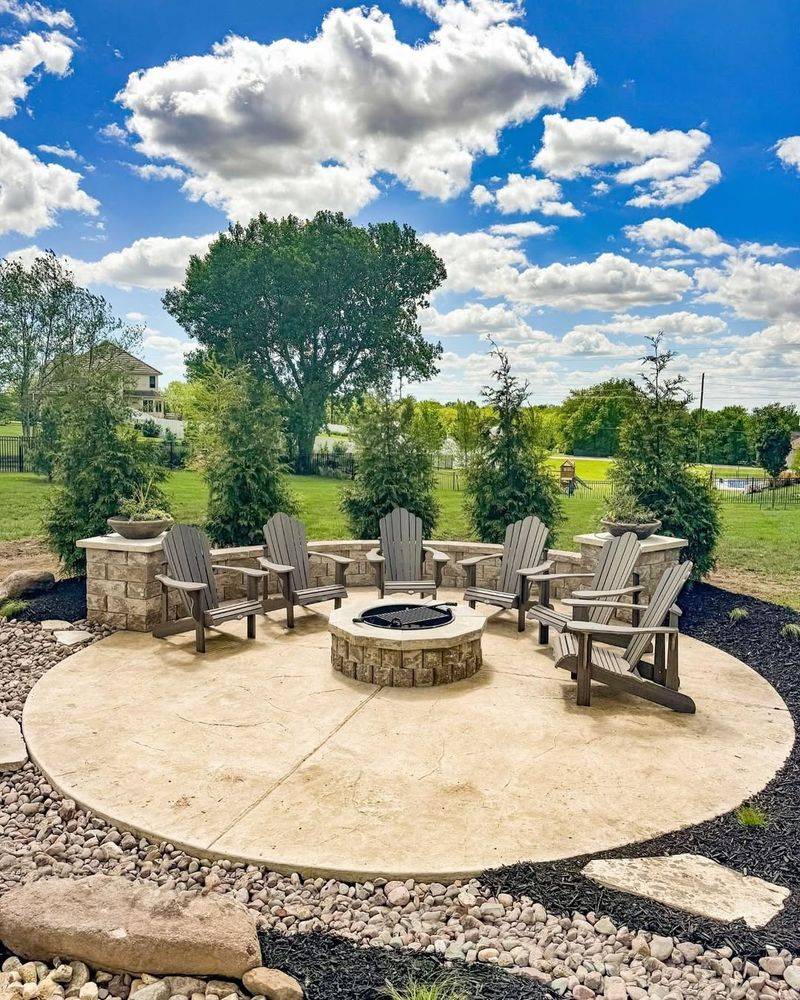
Purposeful paths that guide visitors toward specific destinations transform your Colorado backyard from a collection of random elements into a cohesive outdoor living space with clear intentions.
When paths lead somewhere meaningful like a cozy seating area, outdoor dining space, or gathering spot around a fire pit, they create anticipation and make those destinations feel special rather than accidental.
The journey along the path becomes part of the experience rather than just a means of getting from point to point.
Designing destination-focused paths requires thinking about sightlines and reveals so visitors get enticing glimpses of what’s ahead without seeing everything immediately.
A path might curve around a planted area to hide a fire pit from the house, making its discovery feel like finding a secret retreat.
Widening the path as it approaches the destination signals arrival and provides space for people to gather or pause before entering the seating area.
Material choices can shift along the path to reinforce the sense of moving from one space to another, perhaps starting with simple gravel near the house and transitioning to more substantial flagstone as you approach a formal seating area.
Lighting along these paths extends their usability into evening hours when Colorado’s cool nights make fire pits especially appealing.
Consider the path width carefully near destinations, making it wide enough for two people to walk side by side while carrying drinks or plates from the house to your outdoor gathering spot.
12. Low-Maintenance Paths That Stay Neat Year-Round
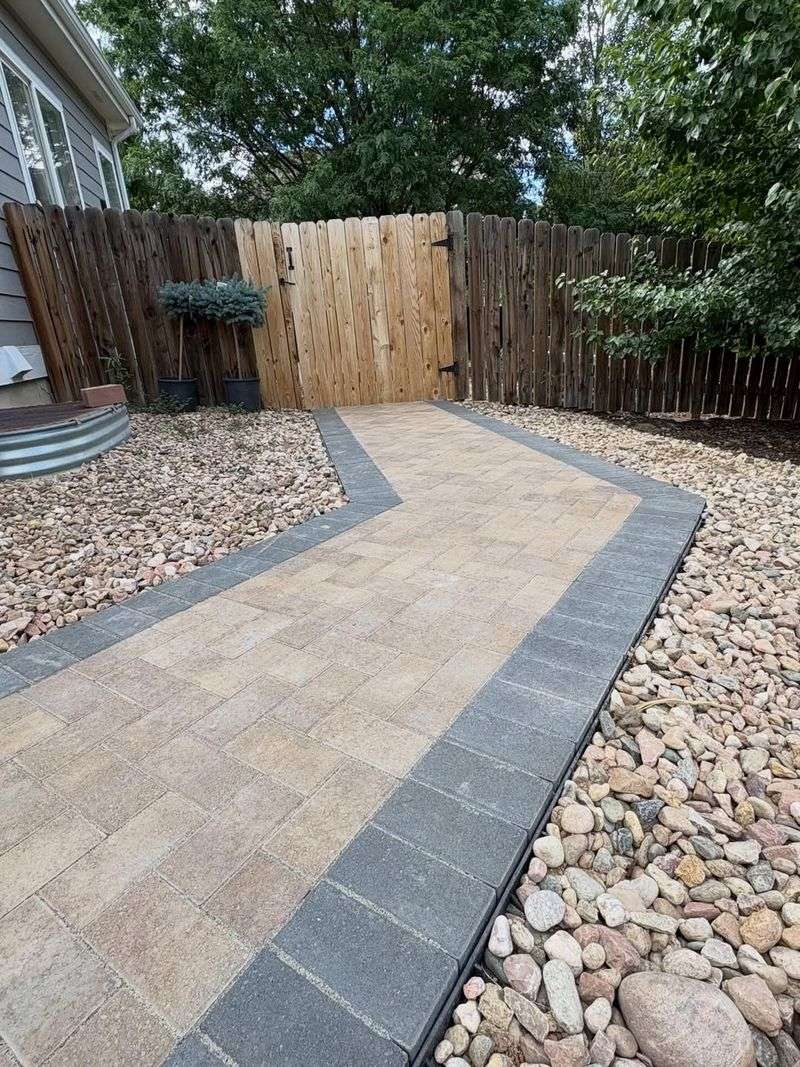
Colorado homeowners who’d rather spend time enjoying their gardens than maintaining them need paths that look great with minimal intervention throughout all four seasons.
Material selection drives maintenance requirements more than any other factor, with some choices demanding regular attention while others essentially take care of themselves.
Gravel, concrete pavers, and natural stone all rank among the lowest-maintenance options because they don’t require sealing, staining, or regular treatments to maintain their appearance and function.
Proper installation dramatically reduces future maintenance needs regardless of which material you choose for your path.
A well-prepared base with adequate drainage prevents settling, shifting, and weed growth that create most maintenance headaches.
Installing landscape fabric underneath gravel or between pavers blocks weed seeds from germinating, while generous edging keeps materials contained and prevents lawn grass from creeping into path areas.
Choosing materials in colors that hide dirt and blend with your surroundings means your paths look presentable even when they’re not perfectly clean.
Mid-tone grays, tans, and earth tones show less dust and debris than stark white or very dark materials.
Avoid wood paths if you want truly minimal maintenance since wood requires periodic replacement as it weathers and breaks down.
Similarly, skip materials that need regular sealing or treatments to prevent damage from Colorado’s intense UV exposure and temperature swings.
The best low-maintenance paths are those you can essentially ignore except for occasional sweeping or hosing off.
13. Paths That Work For Snow Shoveling And Winter Use
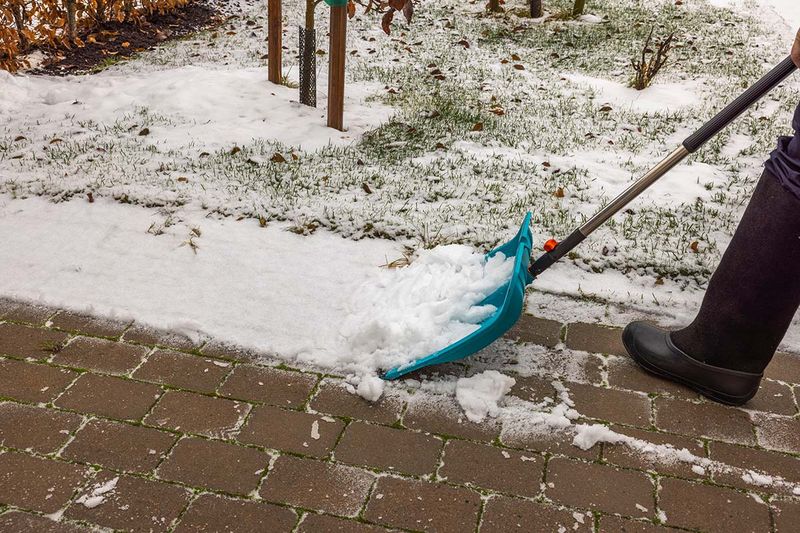
Winter functionality separates paths that serve Colorado homeowners year-round from those that become obstacles or hazards once snow starts falling.
Smooth, level surfaces without lips, gaps, or uneven areas make snow removal straightforward rather than frustrating, allowing you to clear paths quickly with standard shovels or snow blowers.
Materials that provide good traction even when wet or icy keep paths safe during those tricky spring and fall months when freezing and thawing happen daily.
Width matters significantly for winter paths because you need room to pile snow on path edges without burying adjacent plants or creating walls that make the path feel like a tunnel.
Minimum widths of three to four feet work for most residential paths, but consider going wider for frequently used routes where you might need to pass someone or move larger items.
Slightly raising path surfaces above surrounding grade helps snow blow off more easily and makes edges visible when everything’s covered in white.
Certain materials perform better than others in winter conditions, with concrete pavers, flagstone, and brick all offering good traction and easy snow removal.
Avoid smooth concrete finishes that become skating rinks when icy, and skip loose materials like pea gravel that scatter when you shovel and mix with snow to create maintenance headaches.
Consider how your path connects to other hardscaped areas since snow needs somewhere to go when you clear walkways.
Strategic path placement in areas that receive some winter sun helps with natural melting and reduces how often you’ll need to shovel.
14. How To Choose The Best Garden Path For Your Colorado Backyard
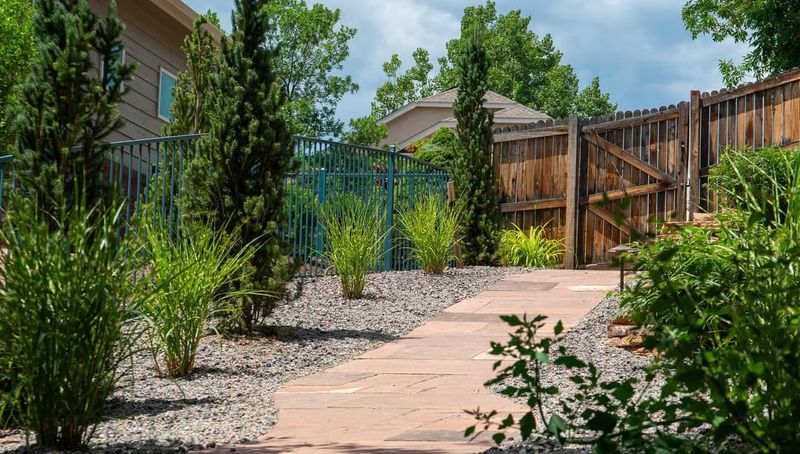
Selecting the ideal path for your specific Colorado property requires balancing multiple factors including your budget, yard slope, sun exposure, and how much time you want to spend on maintenance.
Start by evaluating your yard’s physical characteristics because steep slopes, heavy shade, or poor drainage will eliminate some options while making others clearly superior.
Walk your property during different seasons if possible to understand how water moves through your landscape and where snow tends to accumulate or linger.
Budget considerations extend beyond initial installation costs to include long-term maintenance expenses and lifespan.
Gravel paths cost less initially but need periodic replenishment, while flagstone requires higher upfront investment but lasts decades with minimal care.
Consider whether you’ll install the path yourself or hire professionals, since some materials like loose gravel are very DIY-friendly while others like mortared stone require specialized skills and equipment.
Your home’s architectural style should influence path material and design choices so everything feels cohesive rather than randomly assembled.
Modern homes pair beautifully with clean-lined concrete pavers or poured concrete, while mountain cabins and traditional homes suit natural stone, brick, or wood chip paths better.
Think about how you actually use your yard too, since paths to frequently visited areas need more durability and better winter performance than decorative paths through ornamental gardens.
Ultimately, the best path balances practical requirements with aesthetic preferences while working within your budget to create an outdoor space you’ll enjoy year-round.