Why So Many California Homeowners Keep Rosemary Near The Front Door

Rosemary isn’t just a fragrant herb—it’s a subtle superstar of California landscapes, and many homeowners are giving it prime real estate near their front doors.
Beyond its culinary uses, rosemary is valued for its evergreen beauty, aromatic scent, and the warm, welcoming feel it brings to entrances.
It smells amazing, looks great, and gives your front door instant curb appeal!
Placing rosemary near the entryway isn’t just about aesthetics.
Its upright growth habit creates a natural, structured accent, while the fragrant leaves provide a sensory welcome for guests.
Some gardeners even embrace old traditions, believing rosemary brings good luck, protection, and positive energy into the home.
A little greenery, a little magic, and a lot of style—rosemary does it all.
For California homeowners, rosemary is practical and decorative, thriving in sunny, well-drained spots while requiring minimal maintenance.
Positioned at the front door, it creates a lasting first impression and makes outdoor spaces feel inviting year-round.
Rosemary isn’t just a plant—it’s the perfect combination of beauty, scent, and symbolism.
Rosemary Thrives In California’s Sun-Drenched Entryways
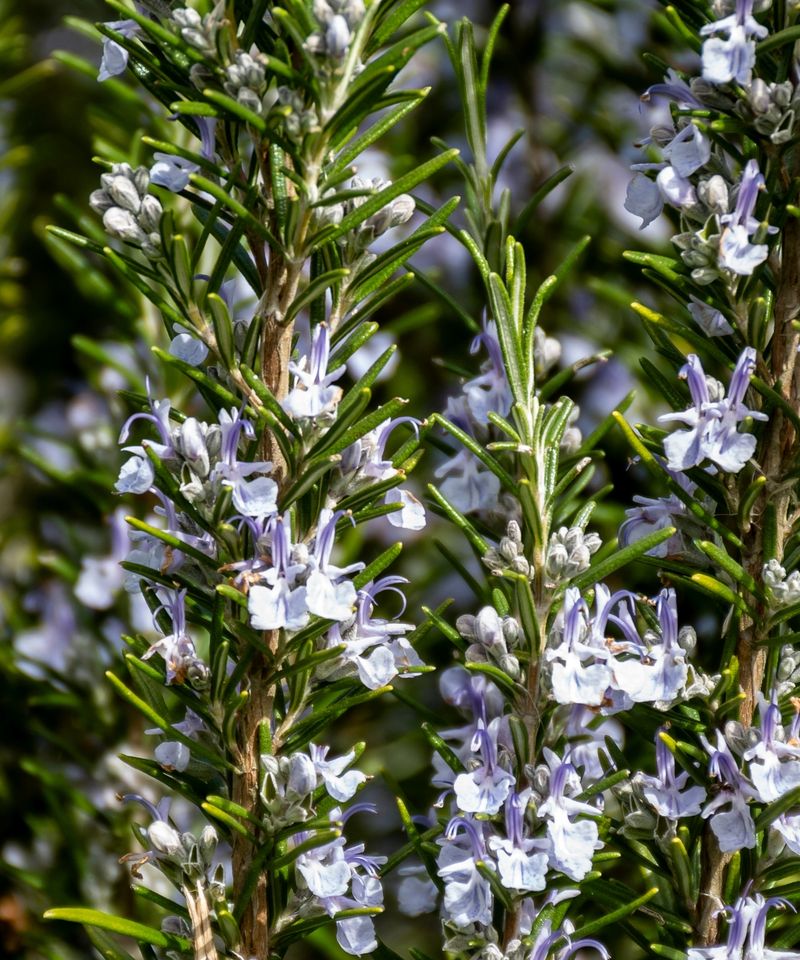
California’s bright sunshine and warm climate create the perfect conditions for rosemary to flourish right where you need it most.
This Mediterranean native absolutely loves soaking up those long, sunny days that are so common throughout the Golden State.
When you plant rosemary near your front door, you’re giving it exactly what it craves: six to eight hours of direct sunlight and the kind of warmth that makes it grow thick, bushy, and incredibly aromatic.
Most California homes have south-facing or west-facing entryways that receive abundant light throughout the day.
Rosemary doesn’t just tolerate this exposure; it actually performs better in full sun than in shade.
The more sunshine it receives, the more essential oils develop in its needle-like leaves, which means stronger fragrance and better flavor if you’re planning to use it in your kitchen.
Unlike many ornamental plants that wilt or burn in intense afternoon heat, rosemary stays vibrant and healthy even during the hottest summer months.
Its silvery-green foliage remains lush and attractive without requiring any special protection or shade cloth.
This makes it an incredibly low-maintenance choice for busy homeowners who want their entryways to look beautiful without constant fussing.
The plant’s natural adaptability to sunny, warm conditions means you won’t need to worry about transplanting it to a shadier spot as seasons change.
The Fragrance Creates A Natural Welcome
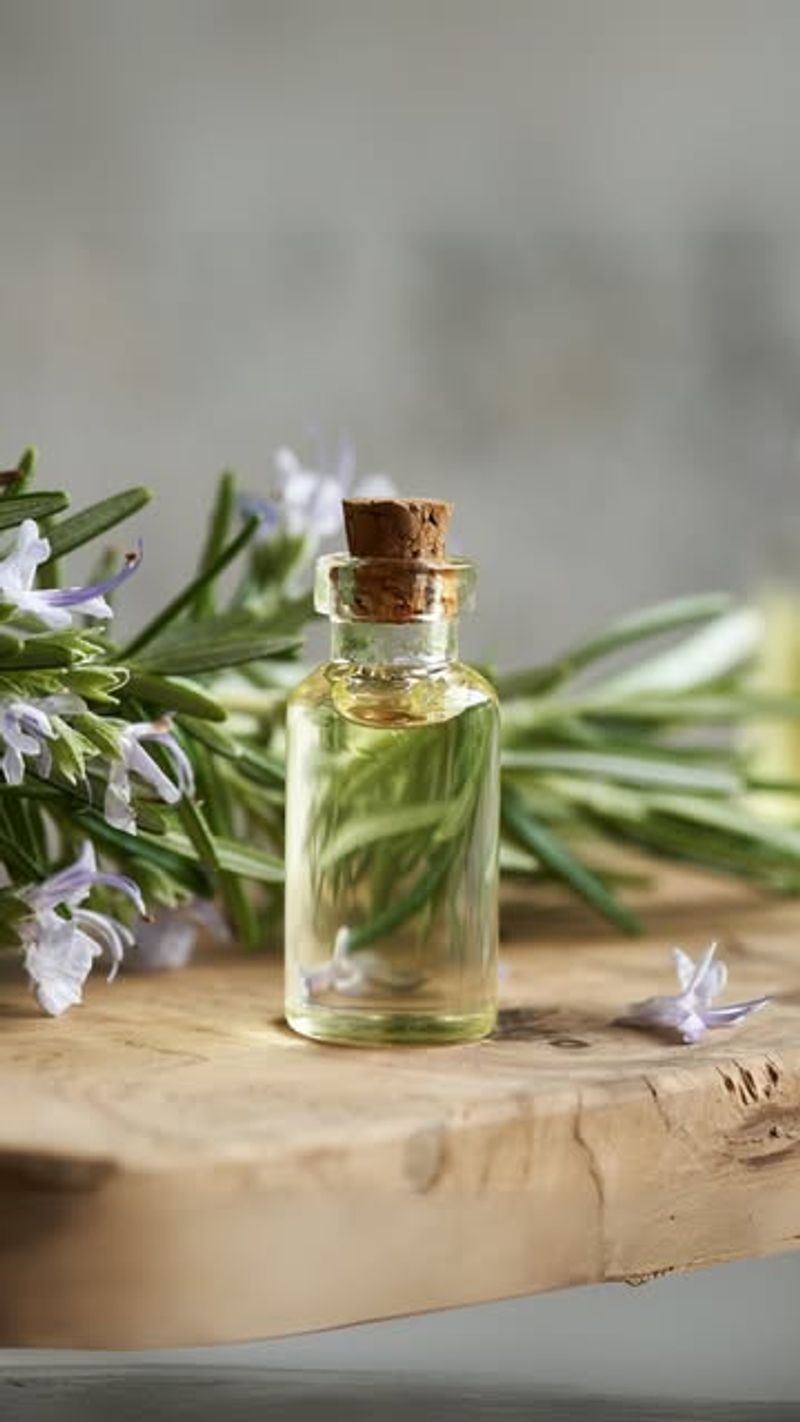
Imagine coming home after a long day and being greeted by the most wonderful herbal scent the moment you reach your front door.
That’s exactly what happens when you plant rosemary near your entryway.
Every time someone brushes past the plant or even walks nearby on a warm day, the leaves release their distinctive pine-like fragrance that instantly makes your home feel more inviting and special.
The essential oils in rosemary are incredibly aromatic, and unlike artificial air fresheners, this scent is completely natural and refreshing.
Your California Garden Changes Every Week. Your Plan Should Too.
Gardening in California changes quickly throughout the season. Every Friday you’ll receive a simple weekly plan showing exactly what to plant, prune, fertilize, harvest, and protect so you never miss the right timing.
Many homeowners find that the smell of rosemary has an uplifting, energizing effect that helps them transition from the outside world into their personal sanctuary.
Guests always comment on how wonderful the entrance smells, and they haven’t even stepped inside yet.
California’s warm climate helps intensify this natural perfume throughout most of the year.
On hot afternoons, the sun warms the plant and causes the oils to volatilize slightly, creating an invisible cloud of fragrance around your doorway.
You don’t need to touch the plant to enjoy it, though gently running your fingers through the foliage releases an even stronger burst of that clean, herbal aroma.
This natural welcome scent sets a positive tone for everyone entering your home and creates memorable first impressions that last.
Rosemary Naturally Repels Insects
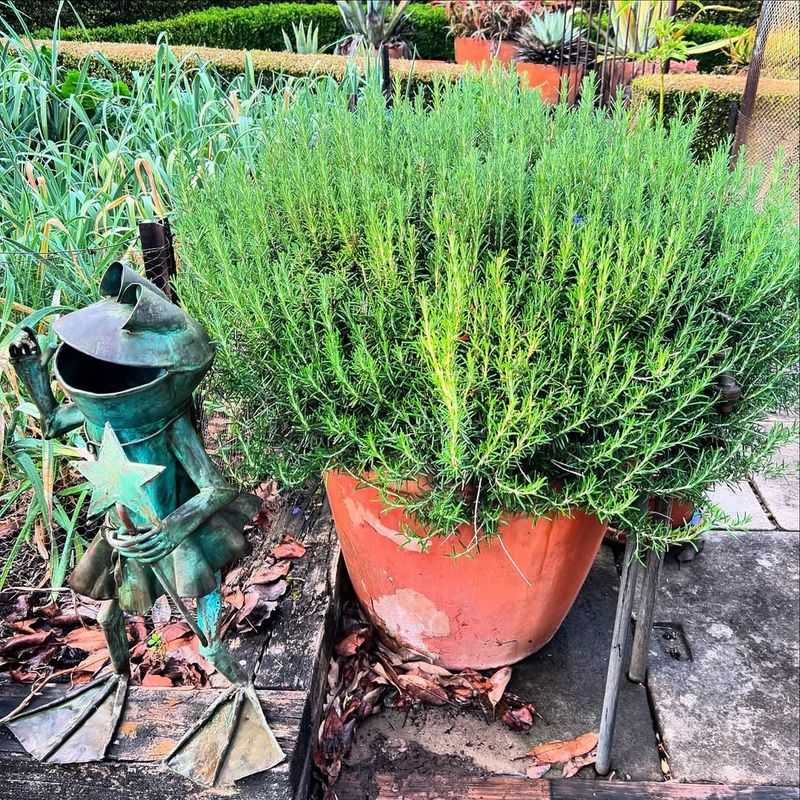
Mosquitoes, flies, and other annoying pests tend to congregate around doorways, but rosemary acts as a natural barrier that keeps them at bay.
The same aromatic compounds that make rosemary smell so wonderful to humans are actually unpleasant and confusing to many insects.
Planting this herb near your front door creates a protective zone that reduces the number of bugs trying to sneak inside every time you open the door.
California’s mild climate means insects remain active nearly year-round in many regions, making natural pest control especially valuable.
Rosemary contains compounds like camphor, cineole, and pinene that interfere with insects’ ability to locate their targets.
When mosquitoes and flies encounter these strong scents, they often choose to go elsewhere rather than push through the aromatic barrier.
Unlike chemical insect repellents that need constant reapplication and can be harmful to pets or children, rosemary works passively and safely.
You don’t need to spray anything or set up traps; the plant does all the work simply by being there and releasing its natural oils.
This makes it perfect for families who want effective pest control without introducing synthetic chemicals around their home’s entrance.
Many homeowners notice a significant reduction in the number of insects hovering around their doors once they plant rosemary nearby, making outdoor time more enjoyable.
It’s One Of The Toughest Plants For High-Traffic Areas
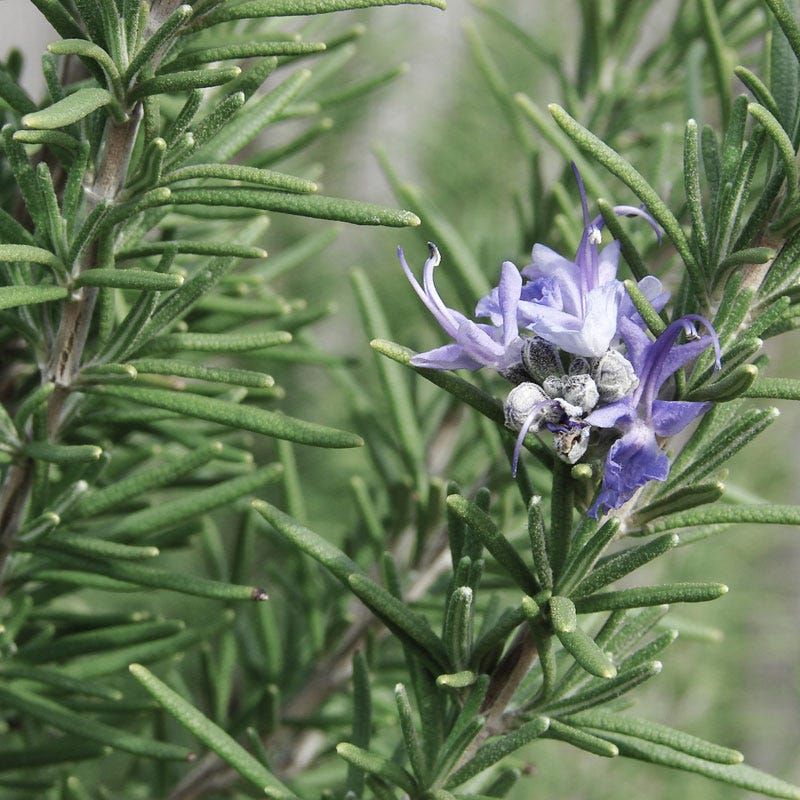
Front entryways see constant activity with people coming and going, packages being delivered, and kids running in and out throughout the day.
Rosemary handles all this commotion better than almost any other ornamental plant you could choose.
Its woody stems and dense growth pattern make it remarkably resilient to accidental bumps, brushes, and even the occasional misplaced footstep.
California’s Mediterranean climate is nearly identical to rosemary’s native habitat, which means the plant isn’t just surviving near your door—it’s thriving in conditions it was naturally designed for.
While delicate flowers might get damaged or stressed by the activity around a busy entrance, rosemary actually seems to become fuller and bushier with light contact.
The plant’s sturdy branches don’t break easily, and minor pruning from accidental brushes only encourages more compact, attractive growth.
Heat radiating from nearby pavement, walls, or driveways doesn’t bother rosemary at all.
Many other plants would struggle with the reflected heat and potential temperature fluctuations that come with being planted near a home’s entrance, but rosemary takes it all in stride.
Its deep root system helps it stay anchored and stable even in challenging conditions.
This toughness means you can enjoy beautiful, fragrant greenery right where you need it most without constantly worrying about damage or replacement.
Rosemary Adds Year-Round Greenery
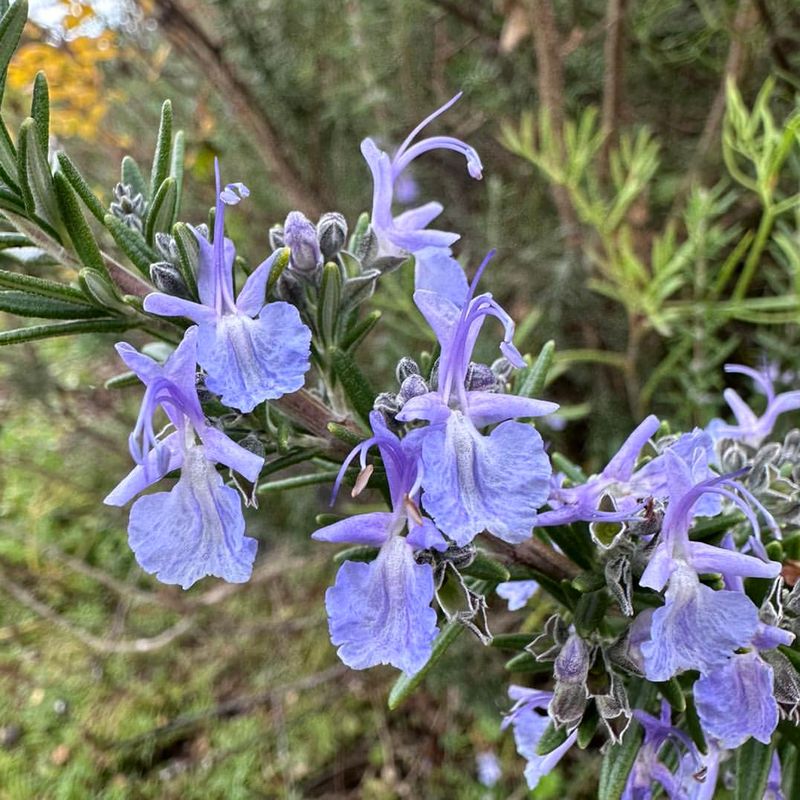
While many plants lose their leaves or look scraggly during certain seasons, rosemary stays lush and green twelve months a year.
This evergreen quality makes it incredibly valuable for California homeowners who want their entryways to look polished and welcoming no matter what time of year it is.
Even during the cooler winter months when other plants might go dormant, rosemary continues providing that fresh, vibrant appearance that makes homes look cared for and inviting.
California’s mild winters mean rosemary never experiences the harsh freezing temperatures that would damage it in other regions.
The plant keeps its needle-like leaves throughout every season, maintaining the same attractive appearance in January as it does in July.
This consistency is especially appealing for people who don’t want to constantly replant or rotate seasonal displays near their front doors.
The silvery-green color of rosemary foliage provides a neutral, elegant backdrop that complements any home’s color scheme.
Whether your house features warm earth tones, cool grays, or bright accent colors, rosemary’s subtle coloring works beautifully without clashing or looking out of place.
During late winter and early spring, many rosemary varieties produce delicate blue or purple flowers that add an extra touch of beauty without being overwhelming.
This reliable, year-round performance makes rosemary one of the smartest investments for California landscaping around entryways.
It Fits Both Modern And Cottage-Style Homes

California’s diverse architectural landscape includes everything from sleek contemporary designs to charming Spanish colonials and cozy cottage-style homes.
Rosemary has a remarkable ability to look appropriate and attractive alongside any of these styles.
Its natural, informal growth habit softens the hard lines of modern architecture while providing the traditional, herb-garden feel that complements older or more rustic home designs.
For contemporary homes with clean lines and minimalist landscaping, rosemary can be trimmed into neat, geometric shapes that echo the home’s architectural style.
The plant’s dense foliage responds well to shaping, allowing homeowners to create formal spheres, cones, or low hedges that look intentional and designed.
This versatility means the same plant species can serve very different aesthetic purposes depending on how it’s maintained.
Cottage-style and traditional homes benefit from rosemary’s more relaxed, natural growth pattern.
When allowed to grow with minimal pruning, rosemary develops an pleasantly unstructured appearance that feels organic and welcoming.
Its Mediterranean heritage gives it an Old-World charm that perfectly suits Spanish, Italian, and French-inspired architecture that’s so common throughout California.
The plant’s neutral color and texture work as a bridge between different landscaping elements, tying together various design features around your entrance.
Whether your home features stone, stucco, wood, or modern materials, rosemary adapts beautifully to create visual harmony.
Homeowners Love Being Able To Snip Fresh Herbs On The Way In
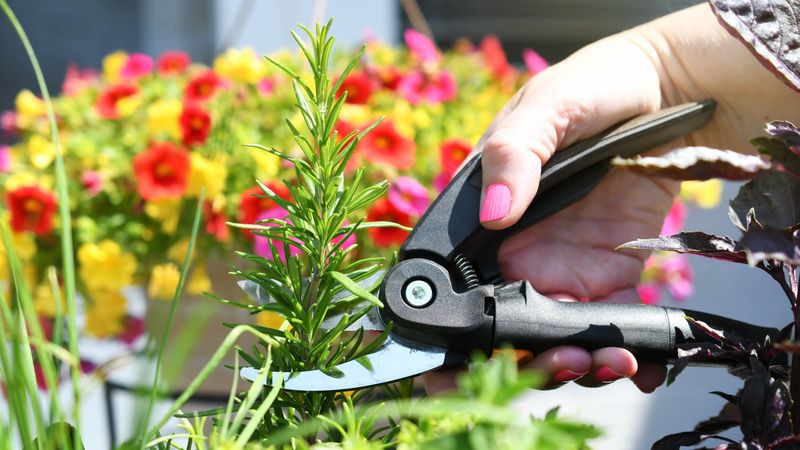
Having rosemary right by your front door transforms it from just a decorative plant into a practical kitchen resource that you’ll use constantly.
Imagine walking in from work, remembering you need rosemary for tonight’s dinner, and simply reaching out to snip a few sprigs without making a separate trip to the store or even to the backyard.
This convenience factor is one of the biggest reasons California homeowners choose to place rosemary near their main entrance.
Fresh herbs from your own garden taste dramatically better than store-bought versions that have been sitting in plastic containers for days.
When you harvest rosemary just moments before using it, the essential oils are at their peak, delivering maximum flavor and aroma to your cooking.
California’s cuisine culture, with its emphasis on fresh, Mediterranean-inspired dishes, makes having immediate access to quality herbs especially valuable.
The plant produces so much foliage that regular harvesting actually helps keep it healthy and compact.
You’re not harming the plant by snipping stems for cooking; you’re actually performing beneficial pruning that encourages bushier, more attractive growth.
Many homeowners find themselves using rosemary more often simply because it’s so convenient, which leads to more creative and flavorful cooking.
Kids also love being able to help harvest herbs for family meals, making the front-door rosemary plant a small but meaningful part of family routines and food traditions.
Rosemary Is Symbolically Linked To Protection And Good Energy
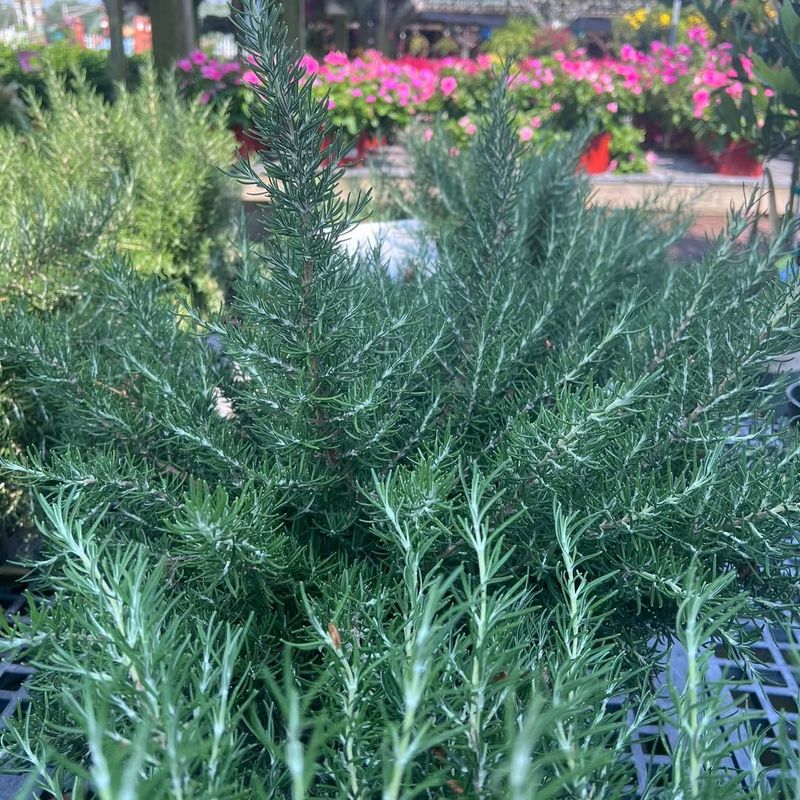
Throughout history and across many cultures, rosemary has been associated with protection, remembrance, and positive energy.
Ancient Greeks and Romans believed the herb had the power to ward off negative influences and bring good fortune to households.
Many California homeowners appreciate this symbolic dimension and choose rosemary for their entryways partly because of these meaningful traditional associations that add depth to their landscaping choices.
In medieval Europe, people often planted rosemary near doorways specifically to protect their homes and families from harm.
While modern homeowners might not hold these exact beliefs, there’s something appealing about continuing a tradition that connects us to generations of gardeners who valued this special plant.
The idea of creating a welcoming, protected space around your home’s entrance resonates with many people regardless of their specific cultural background.
Some feng shui practitioners and home energy enthusiasts suggest that aromatic, evergreen plants near entrances help maintain positive flow and create boundaries between public and private spaces.
Whether or not you subscribe to these beliefs, there’s no denying that having healthy, fragrant rosemary by your door creates a psychological sense of care and intentionality about your home.
The plant serves as a living symbol of the care and attention you give to your household, signaling to visitors and family members alike that this is a place where details matter and where tradition meets practical beauty.
It Requires Almost No Water Once Established
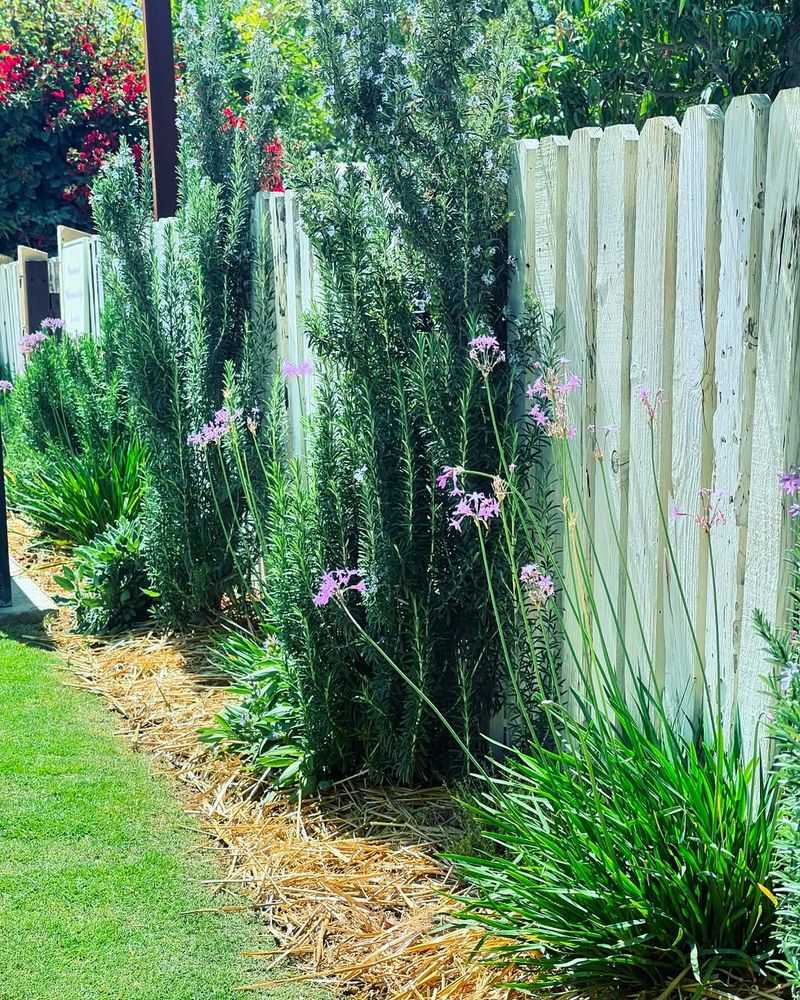
California’s ongoing water conservation efforts have made drought-tolerant landscaping not just environmentally responsible but often legally necessary in many communities.
Rosemary stands out as one of the most water-efficient plants you can choose for your landscape, requiring virtually no supplemental irrigation once its root system is established.
This makes it perfect for homeowners who want beautiful entryways without contributing to water waste or facing high utility bills.
During the first few months after planting, rosemary does need regular watering to help roots grow deep and strong.
However, once established—typically after just one growing season—the plant can survive entirely on natural rainfall in most California regions.
Its Mediterranean heritage means it’s adapted to long, dry summers and can actually suffer from overwatering rather than underwatering.
Many California water districts offer rebates for replacing thirsty lawns and ornamentals with drought-tolerant alternatives like rosemary.
Choosing this herb for your entryway might even qualify you for financial incentives while helping your community meet conservation goals.
The plant’s deep roots allow it to access moisture far below the surface, meaning it stays green and healthy even during extended dry periods when other plants would need frequent irrigation.
This water-wise quality means you can maintain an attractive, fragrant entrance garden while being a responsible steward of California’s precious water resources and setting a positive example for your neighborhood.
Rosemary Makes Homes Look Instantly Established And Elegant
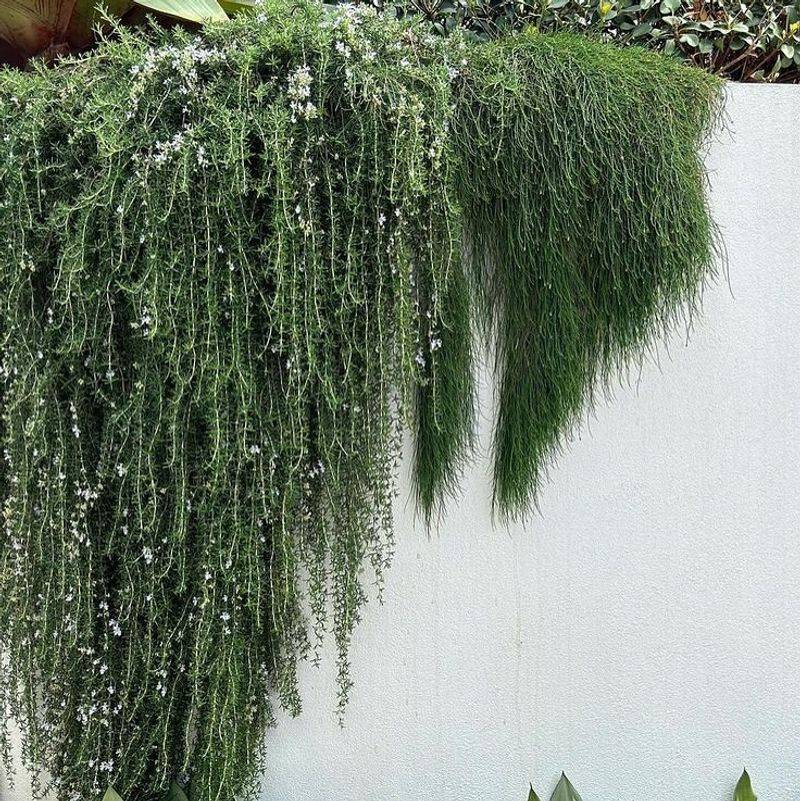
There’s something about mature rosemary plants that gives homes an established, sophisticated appearance that’s hard to achieve with other landscaping choices.
Even relatively young rosemary develops a substantial, woody character that makes properties look like they’ve been carefully tended for years.
California homeowners appreciate how this herb can transform a bare or newly landscaped entrance into something that looks settled, elegant, and thoughtfully designed.
Real estate professionals often note that homes with well-placed rosemary near entrances photograph better and make stronger first impressions on potential buyers.
The plant’s full, lush appearance suggests that the property has been maintained with care and attention to detail.
Unlike colorful annuals that can look temporary or trendy, rosemary provides a timeless, classic look that appeals to people across different age groups and style preferences.
The silvery-green foliage and woody stems add texture and visual interest without being loud or demanding attention.
Rosemary creates a subtle foundation that allows other landscape elements to shine while still contributing significantly to the overall impression.
Many landscape designers consider it one of their secret weapons for creating curb appeal that feels authentic rather than staged.
When you plant rosemary near your front door, you’re investing in a living element that actually improves with age, becoming more characterful and attractive as the years pass and making your California home feel like it truly belongs in its Mediterranean-climate setting.