Who Has To Deal With A Neighbor’s Fallen Leaves In Massachusetts?
Autumn in Massachusetts is magical—until the leaves start falling… everywhere.
When your neighbor’s trees shed across your yard, driveways, or sidewalks, the question inevitably arises: who is responsible for cleaning them up?
It’s a common source of frustration, but Massachusetts law and local ordinances have guidance that can help homeowners navigate the leafy dilemma.
Fallen leaves may be pretty—but they can also create a sticky legal situation.
In most cases, property owners are responsible for their own trees, but the cleanup rules vary by town.
Sidewalks, drainage areas, and stormwater systems can complicate matters, and ignoring the issue could result in fines or accidents.
Knowing your rights and responsibilities ahead of time helps prevent conflict and keeps neighborhoods safe and tidy.
Leaves don’t just fall—they can start neighbor disputes if you’re not careful.
For Massachusetts homeowners, understanding who cleans up what—and when—makes autumn a little less stressful.
Clear communication, local regulations, and smart landscaping can help you manage the mess without ruffling feathers.
Because in Massachusetts, even something as simple as a leaf can become a legal question.
Why Massachusetts Law Focuses On Where Leaves Land
Property law in Massachusetts operates on a simple principle that might surprise many homeowners: you’re generally responsible for whatever lands on your property, regardless of where it came from.
This means that when your neighbor’s oak tree sheds its leaves onto your lawn, those leaves become your responsibility to manage and remove.
The reasoning behind this approach stems from centuries-old common law traditions that view natural occurrences, like falling leaves, as part of normal property ownership rather than something your neighbor caused intentionally.
Massachusetts courts have consistently upheld this principle because autumn leaf fall is considered a predictable, natural event that all property owners must reasonably expect and handle.
The state’s legal framework doesn’t treat windblown leaves the same way it treats intentional dumping or negligent behavior.
Understanding this fundamental concept helps homeowners set realistic expectations about yard maintenance during fall season.
However, there are important exceptions to this general rule that come into play when leaves cause actual damage or when a neighbor’s negligence contributes to an excessive problem.
The law balances property rights with reasonable expectations of neighborly conduct, recognizing that while nature takes its course, property owners still have certain obligations to maintain their trees and landscaping responsibly.
When Fallen Leaves Become Your Responsibility

The moment leaves cross your property line and touch down on your yard, driveway, or roof, they officially become your problem to solve.
Massachusetts homeowners cannot legally rake leaves back onto a neighbor’s property or demand that the tree owner come clean up the mess.
This responsibility exists even if the source tree sits entirely on your neighbor’s land and you don’t own a single leaf-dropping tree yourself, which can feel frustrating during heavy leaf seasons.
Your duty to manage these leaves extends beyond simple aesthetics and includes preventing them from creating hazards or causing damage to your own property.
Your Massachusetts Garden Changes Every Week. Your Plan Should Too.
Gardening in Massachusetts changes quickly throughout the season. Every Friday you’ll receive a simple weekly plan showing exactly what to plant, prune, fertilize, harvest, and protect so you never miss the right timing.
Letting leaves pile up can lead to lawn suffocation, pest problems, and drainage issues that ultimately affect your property value.
Many municipalities also have ordinances requiring homeowners to keep their properties reasonably maintained, which typically includes regular leaf removal during autumn months.
Smart homeowners develop efficient leaf management strategies that work with their schedules and budgets, whether that means weekly raking sessions, investing in a quality leaf blower, or hiring professional landscaping services.
The key is accepting that leaf cleanup is simply part of property ownership in Massachusetts, especially in tree-rich neighborhoods where nature puts on her spectacular autumn show each year.
What Happens If Leaves Cause Property Damage

Property damage changes the entire conversation about leaf responsibility in Massachusetts, shifting from simple maintenance obligations to potential legal liability.
When accumulated leaves cause tangible harm to your property, such as clogged gutters leading to water damage, foundation problems from blocked drainage systems, or roof deterioration from prolonged moisture exposure, your neighbor might actually bear financial responsibility.
The critical factor is proving that their negligence or failure to maintain their trees contributed directly to the damage you experienced.
Documentation becomes absolutely essential if you’re pursuing a damage claim related to leaf accumulation from a neighbor’s property.
Take photographs showing the source of the leaves, the accumulation patterns, the resulting damage, and any evidence that your neighbor failed to properly maintain their trees despite reasonable requests.
Keep records of all communication with your neighbor, including polite requests for tree trimming or more frequent maintenance, as these demonstrate your good-faith efforts to resolve the situation before seeking legal remedies.
Massachusetts courts will examine whether the tree owner knew or should have known that their tree posed an unreasonable risk to neighboring properties.
If a massive, poorly maintained tree dumps excessive amounts of leaves that consistently overwhelm normal cleanup efforts and cause repeated damage, liability may shift to the tree owner, especially if they ignored requests to address the problem through reasonable trimming or maintenance.
How Nuisance Laws Apply To Leaf Piles
Nuisance law in Massachusetts provides an important legal avenue when a neighbor’s trees create leaf problems that go far beyond normal seasonal inconvenience.
A legal nuisance exists when someone’s use of their property substantially and unreasonably interferes with another person’s use and enjoyment of their own property.
For leaves to qualify as a nuisance, the situation typically needs to be extreme, ongoing, and significantly more burdensome than what reasonable homeowners would normally expect during autumn months.
Courts evaluate several factors when determining whether excessive leaves constitute a legal nuisance, including the severity and frequency of the problem, whether the tree owner has taken reasonable steps to maintain their trees, and how the situation compares to typical neighborhood conditions.
Simply having more leaves than you’d like doesn’t meet the legal threshold for nuisance.
However, if a neighbor refuses to trim dangerously overgrown trees that dump enormous quantities of leaves day after day, creating genuine hardship despite your best cleanup efforts, you might have grounds for a nuisance claim.
Pursuing a nuisance case requires careful consideration because these lawsuits can be expensive, time-consuming, and permanently damage neighborhood relationships.
Before heading to court, Massachusetts homeowners should exhaust all reasonable alternatives, including friendly conversations, mediation services, and requests through homeowner associations if applicable, as judges appreciate seeing good-faith efforts to resolve disputes amicably before involving the legal system.
What Homeowners Are Allowed To Do About Overhanging Trees
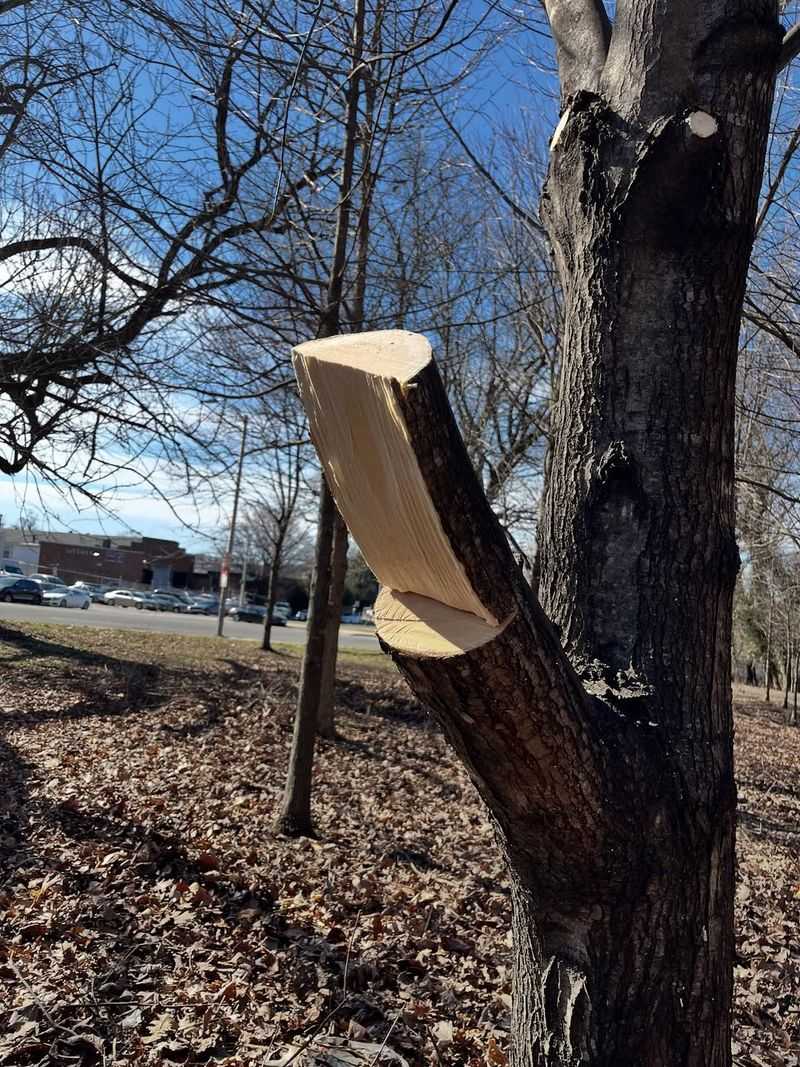
Massachusetts law grants homeowners specific rights when dealing with branches from a neighbor’s tree that extend over the property line into their airspace.
You have the legal authority to trim any branches that cross onto your property, cutting them back to the exact property line without needing permission from the tree owner.
This right extends to roots that invade your underground space as well, giving you control over what portions of a neighbor’s tree occupy your land, though you must exercise this right carefully and responsibly.
However, this trimming right comes with important limitations that protect both the tree and the tree owner’s property interests.
You cannot trespass onto your neighbor’s property to perform the trimming, cannot cut so aggressively that you harm or endanger the tree’s health, and remain responsible for any damage you cause through improper cutting techniques.
Hiring a certified arborist to handle the trimming ensures the work is done properly and protects you from potential liability if the tree suffers harm from overzealous or unskilled cutting.
Before grabbing your saw, consider the relationship implications and practical consequences of exercising your trimming rights.
A friendly conversation with your neighbor often leads to cooperative solutions where they handle the trimming themselves, potentially at their own expense, preserving neighborhood harmony while addressing your concerns about overhanging branches and the resulting leaf accumulation on your property each autumn season.
When A Neighbor Can Be Held Responsible
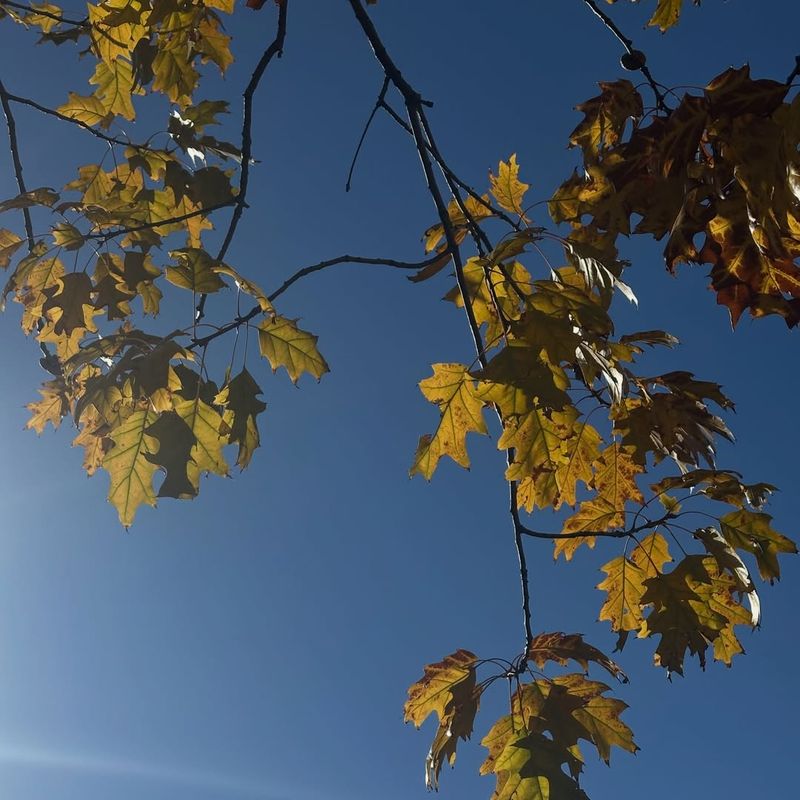
Specific circumstances exist where Massachusetts law shifts leaf-related responsibility directly onto your neighbor rather than leaving you to manage their tree’s natural shedding.
Negligent tree maintenance represents the most common scenario where liability transfers, particularly when a neighbor ignores obvious signs that their tree is unhealthy, structurally compromised, or growing in ways that create unreasonable burdens on surrounding properties.
If they’ve received warnings about problematic trees from arborists, city officials, or multiple neighbors but fail to take appropriate action, they may face responsibility for resulting problems.
Intentional or reckless behavior can also create neighbor liability, such as deliberately planting fast-growing, high-maintenance trees extremely close to property lines with full knowledge they’ll create excessive leaf problems for adjacent homeowners.
Similarly, if a neighbor removes natural barriers or changes their landscaping in ways that dramatically increase the volume of leaves blowing onto your property, they might bear some responsibility for the amplified impact.
The law recognizes a difference between unavoidable natural processes and situations where property owners make choices that unreasonably burden their neighbors.
Proving neighbor responsibility requires solid evidence showing their actions or inactions directly caused problems beyond normal expectations.
Consulting with a local attorney who specializes in property disputes helps you understand whether your specific situation meets the legal standards for holding a neighbor accountable, potentially recovering cleanup costs or compelling them to take corrective action through court orders.
How Local Ordinances Change The Rules
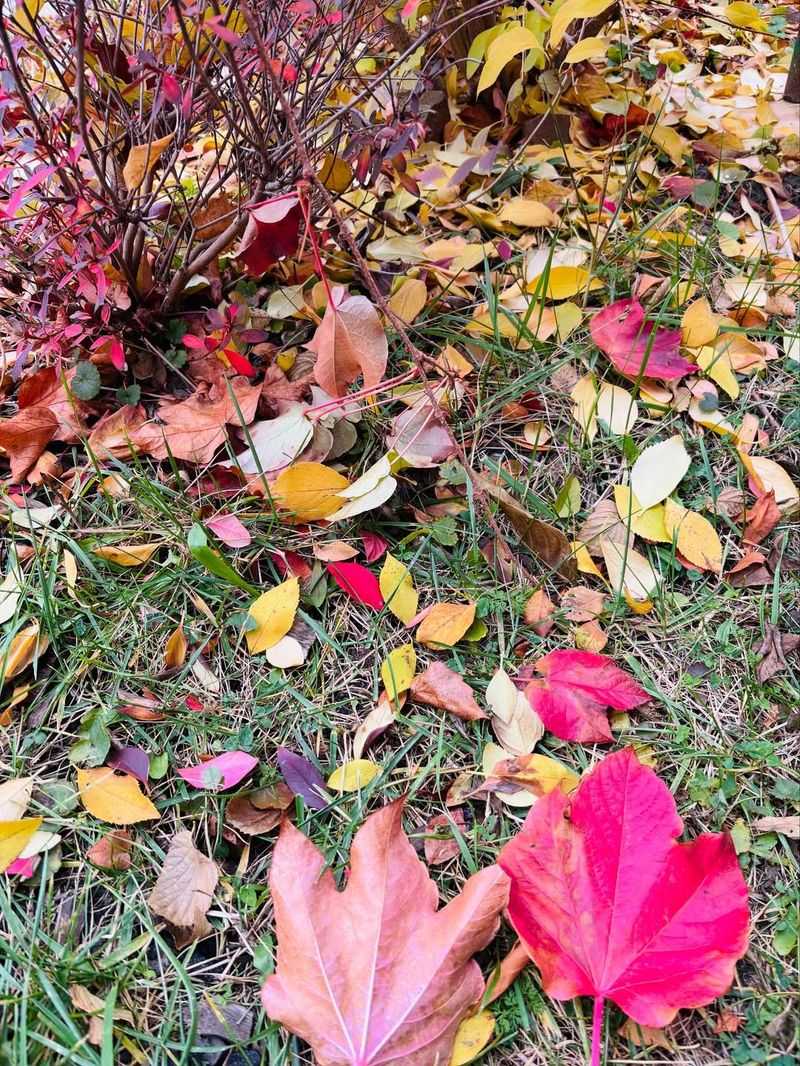
Municipal regulations throughout Massachusetts add another layer to leaf responsibility that can significantly impact how disputes get resolved in your specific community.
Many cities and towns have adopted local ordinances that impose maintenance requirements, restrict certain tree species near property lines, or establish procedures for handling tree-related disputes between neighbors.
These local rules sometimes provide stronger protections or clearer remedies than state law alone, making it essential to understand what regulations govern your particular municipality.
Some Massachusetts communities require property owners to keep trees trimmed to prevent them from becoming nuisances, mandate regular removal of fallen leaves from sidewalks and public areas, or set specific timelines for autumn cleanup activities.
Certain towns have established tree wardens or similar officials with authority to inspect problematic trees, order necessary maintenance, and even arrange for removal in extreme cases.
Familiarizing yourself with your local ordinances reveals what tools and resources are available when dealing with leaf-related conflicts.
Homeowner association rules add yet another potential source of regulations that might address tree maintenance and leaf management responsibilities.
These private agreements can be more restrictive than municipal or state law, potentially requiring members to trim trees regularly, prohibiting certain species, or establishing shared responsibility for common area trees.
Reviewing your HOA documents and local town bylaws gives you a complete picture of the rules governing leaf disputes in your neighborhood.
What To Do If Leaves Block Drains, Walkways, Or Gutters
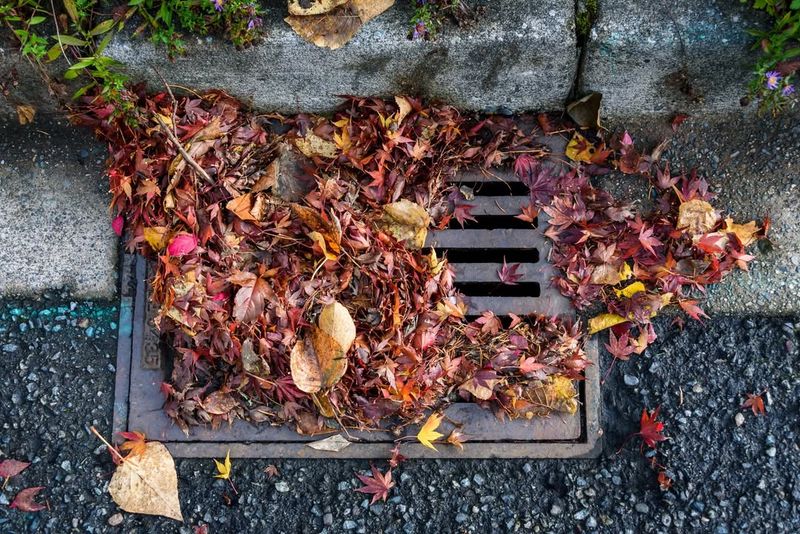
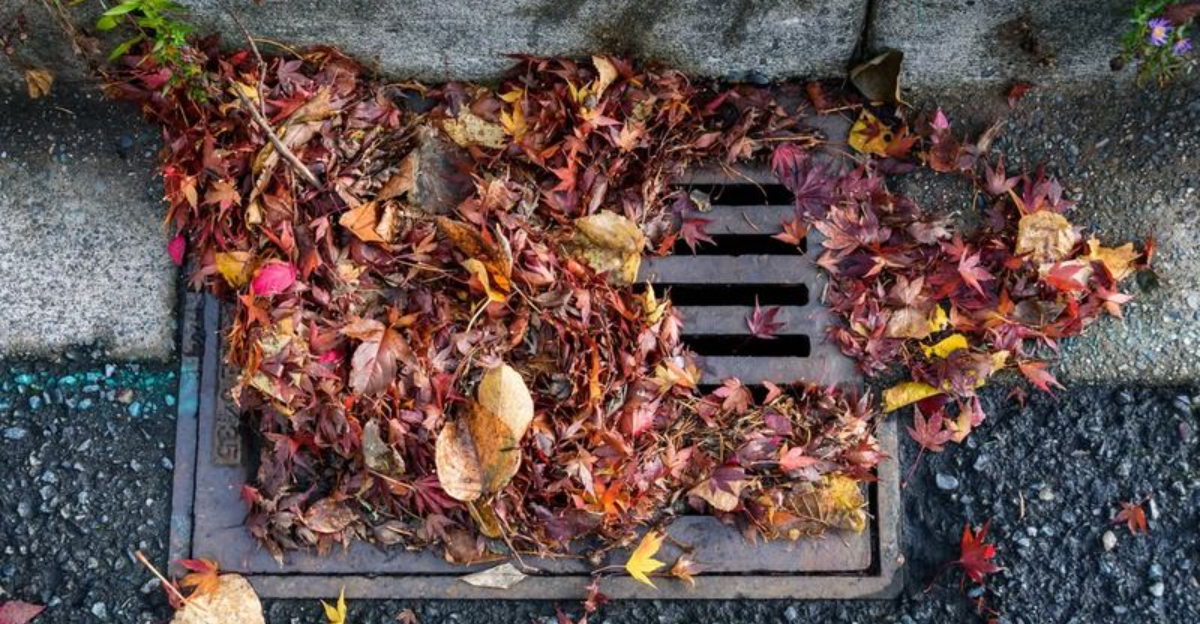
Blocked drainage systems and covered walkways present immediate safety and maintenance concerns that require prompt action, regardless of where the leaves originated.
Massachusetts homeowners must address these situations quickly because accumulated leaves in critical areas can cause water damage, create slip hazards, and lead to expensive repairs if left unattended.
Your first priority should always be removing the leaves and restoring proper function to these essential systems, then dealing with any neighbor-related issues afterward.
Regular preventive maintenance dramatically reduces problems with leaf-blocked infrastructure throughout your property.
Installing gutter guards provides excellent protection against leaf accumulation while still allowing water to flow freely, potentially saving hundreds of dollars in water damage repairs.
Scheduling frequent walkway inspections during peak leaf season helps you catch and remove hazardous accumulations before anyone slips and gets injured.
Keeping storm drains near your property clear protects your foundation and basement from flooding during autumn rainstorms.
When a neighbor’s trees consistently cause blocking problems despite your diligent maintenance efforts, document the pattern carefully and approach your neighbor with specific information about the issue.
Most reasonable people will work with you to find solutions, whether that means more frequent tree trimming, installing barriers to redirect leaf fall, or sharing the cost of protective measures like extended gutter guards.
If informal discussions fail and the problem threatens your property’s safety or integrity, consulting with local authorities or legal professionals helps you understand your options for compelling necessary action.
How Massachusetts Homeowners Can Handle Leaf Disputes Without Conflict
Starting with friendly, face-to-face conversation represents the most effective approach for resolving leaf-related tensions between neighbors in Massachusetts communities.
Choose a calm moment outside of peak leaf season when emotions aren’t running high, approach your neighbor with a positive attitude, and frame the discussion around finding mutually beneficial solutions rather than assigning blame.
Many people genuinely don’t realize their trees are creating significant problems for others, and a simple conversation often leads to cooperative arrangements that satisfy everyone involved.
Proposing practical solutions during your discussion shows good faith and increases the likelihood of reaching agreement.
Offer to share costs for professional tree trimming services, suggest installing a privacy fence that might catch more leaves before they reach your property, or propose a schedule where both of you commit to regular maintenance during autumn months.
Sometimes neighbors appreciate help identifying qualified arborists or learning about proper tree care, turning a potential conflict into an opportunity for building stronger community connections.
When direct conversations don’t resolve the situation, consider using mediation services before resorting to legal action.
Many Massachusetts communities offer free or low-cost mediation programs specifically designed to help neighbors work through property disputes with the help of trained neutral facilitators.
Mediation preserves relationships, costs far less than litigation, and often produces creative solutions that courts couldn’t order, making it an excellent middle step between informal discussion and formal legal proceedings for persistent leaf disputes.