These 10 Trees Could Lead To Fines If Illinois Homeowners Don’t Remove Them
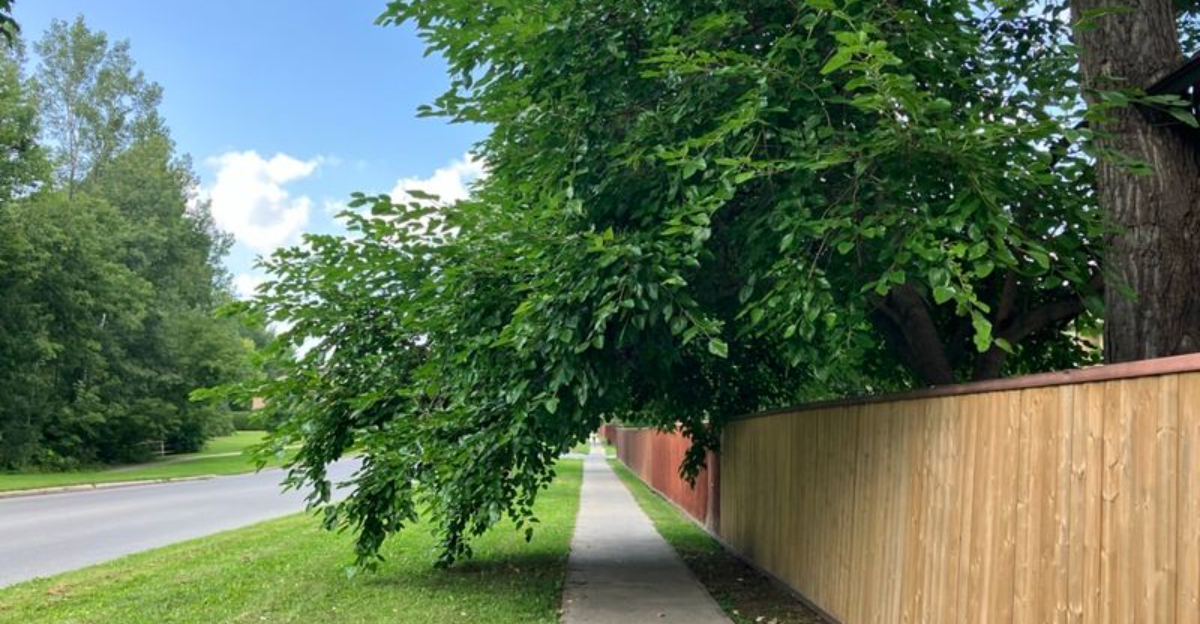
Not every tree in your Illinois yard is just a scenic backdrop—some can become costly legal liabilities if left unchecked.
Certain species are considered hazardous, diseased, or invasive, and local authorities can issue fines if homeowners fail to remove them.
What looks like a harmless tree could quickly turn into an expensive problem.
In Illinois, one tree can make a big impact—on your wallet.
From weak-branched trees prone to falling to aggressive species that threaten neighbors’ properties, these ten trees carry legal obligations.
Ignoring the rules isn’t just risky—it can mean fines, mandated removal, and even liability if damage occurs.
Homeowners need to know which species are regulated, how to handle removal safely, and when to act to avoid penalties.
Beautiful doesn’t always mean legal—some trees are off-limits.
By staying informed, Illinois residents can maintain a safe, healthy, and legal landscape.
Proper identification and timely action ensure that your yard is both attractive and compliant, preventing headaches down the line.
Some trees belong in your yard—and some legally belong gone.
1. Old Trees Classified As Safety Hazards
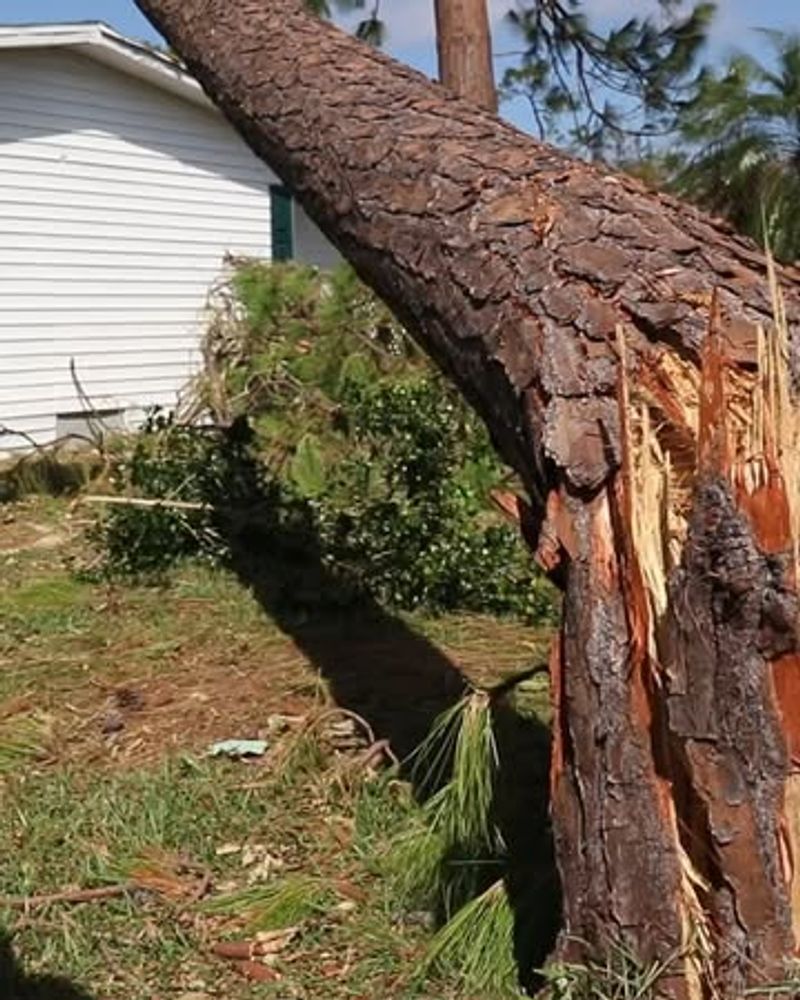
Aging trees with hollow trunks, cracked limbs, or leaning postures catch the attention of city inspectors throughout Illinois.
Municipal codes give local governments authority to order removal when a tree threatens pedestrians, nearby structures, or vehicles.
Property owners often don’t realize their towering oak or maple has become unstable until an inspector posts a notice on their door.
Most Illinois cities conduct routine inspections after storms or in response to neighbor complaints.
Inspectors look for signs like large cavities, fungal growth at the base, or branches hanging precariously over sidewalks.
Once a tree is officially deemed hazardous, homeowners typically receive a written notice with a deadline ranging from 30 to 90 days.
Ignoring these notices triggers a cascade of consequences.
Initial fines usually start around $100 to $250 per day after the deadline passes.
Some municipalities will remove the tree themselves and bill the homeowner for the full cost, often adding administrative fees that can double the expense.
Regular tree maintenance and professional inspections can prevent surprise removal orders.
Certified arborists can spot structural weaknesses early, giving homeowners time to address issues before the city gets involved.
Proactive care protects both your wallet and your community’s safety.
2. Ash Trees Affected By Emerald Ash Borer
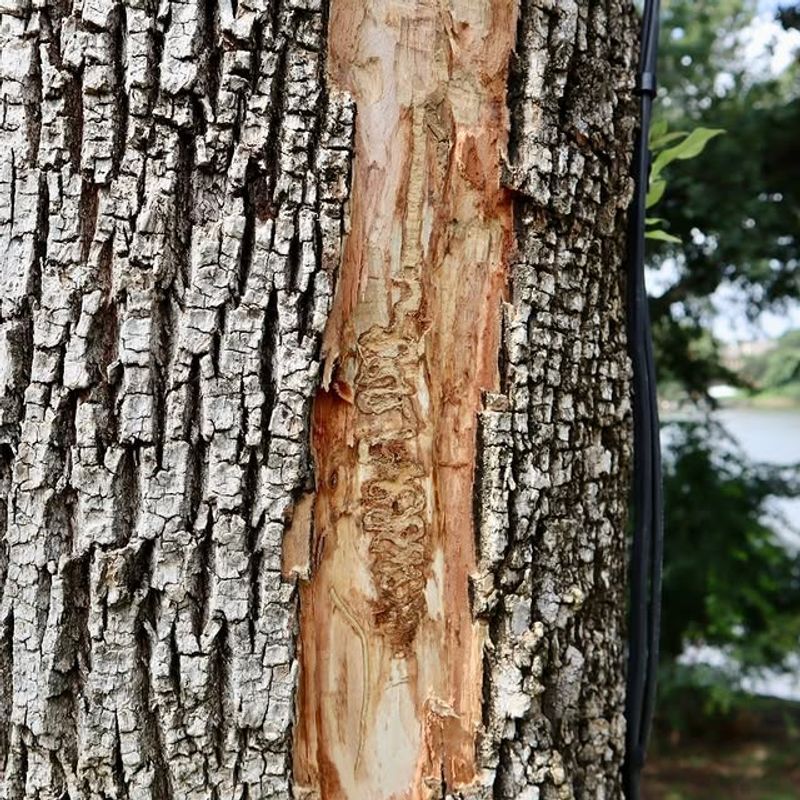
Emerald ash borers have devastated Illinois ash tree populations since their arrival in the early 2000s.
These metallic green beetles lay eggs in ash bark, and their larvae tunnel through the wood, disrupting the tree’s ability to transport water and nutrients.
Within two to four years, infested ash trees lose vitality and become structurally unsound, creating serious hazards in residential areas.
Many Illinois municipalities have enacted specific ordinances targeting compromised ash trees.
Cities like Chicago, Naperville, and Springfield require property owners to remove ash trees once they show significant decline or pose safety risks.
Inspectors identify these trees by the characteristic D-shaped exit holes, bark splitting, and canopy thinning caused by the borer infestation.
Your Illinois Garden Changes Every Week. Your Plan Should Too.
Gardening in Illinois changes quickly throughout the season. Every Friday you’ll receive a simple weekly plan showing exactly what to plant, prune, fertilize, harvest, and protect so you never miss the right timing.
Homeowners who delay removal face mounting fines that increase with each passing week.
Some communities impose penalties starting at $50 per day, while others charge flat fines of $500 or more for non-compliance.
Beyond financial penalties, homeowners may be held liable if a compromised ash tree causes property damage or injury.
Treatment options exist for ash trees in early infestation stages, but severely compromised specimens must come down.
Professional arborists can assess whether your ash tree is salvageable or requires removal to comply with local regulations and protect your neighborhood.
3. Bradford Pear (Callery Pear) Trees
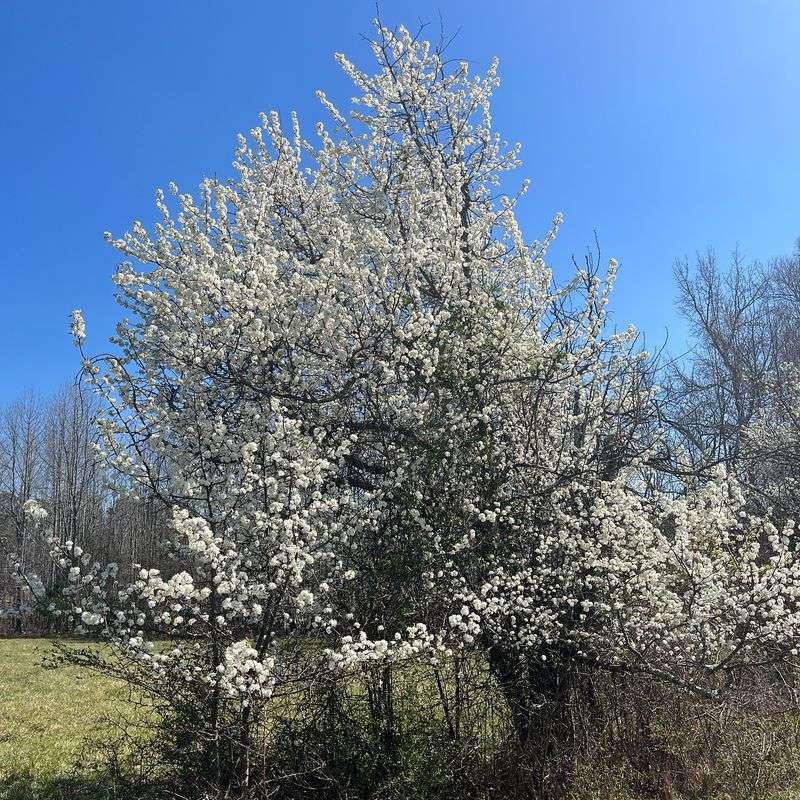
Bradford pears became popular landscape trees in the 1960s because of their showy spring blooms and rapid growth.
Unfortunately, these same qualities mask serious structural flaws that make them a liability for Illinois homeowners.
The trees develop weak branch angles that split apart during windstorms, ice accumulation, or even under their own weight as they mature.
Beyond structural problems, Bradford pears have proven invasive across Illinois.
They cross-pollinate with other Callery pear varieties, producing thorny offspring that crowd out native plants in forests and prairies.
Recognizing this ecological threat, several Illinois municipalities now require removal of Bradford pears when they become hazardous or reach a certain size threshold.
Local ordinances vary, but many towns issue removal orders when Bradford pears show major splitting, lean dangerously, or grow too close to power lines and structures.
Homeowners typically receive 60 to 90 days to comply before fines begin accumulating.
Daily penalties often range from $75 to $200, depending on the municipality.
Replacing Bradford pears with native alternatives like serviceberry or redbud provides spring beauty without the structural risks and ecological harm.
Many Illinois communities offer tree replacement programs that subsidize native species, making the transition more affordable for property owners facing mandatory removal.
4. Tree Of Heaven (Ailanthus Altissima)
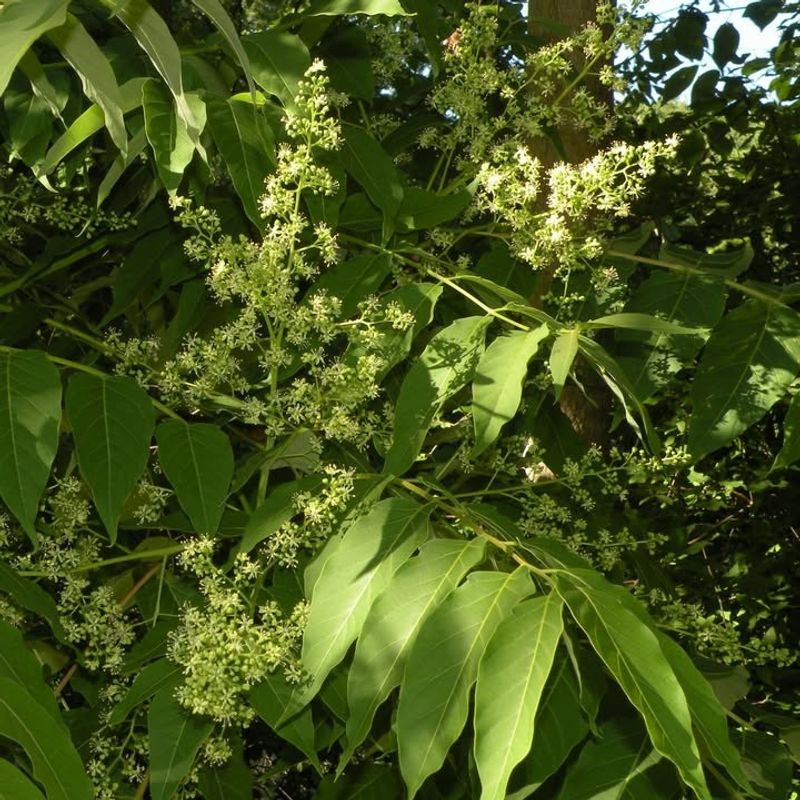
Originally imported from China as an ornamental species, Tree of Heaven has become one of Illinois’ most aggressive invasive plants.
This fast-growing tree spreads rapidly through root suckers and prolific seed production, forming dense thickets that choke out native vegetation.
Its presence on residential properties can trigger removal orders from municipal authorities concerned about ecological preservation.
Tree of Heaven also serves as a preferred host for spotted lanternfly, an invasive pest that threatens agriculture and ornamental plants throughout the Midwest.
Illinois officials are particularly vigilant about removing these trees in areas where spotted lanternfly populations have been detected.
Property owners in affected zones may receive mandatory removal notices as part of broader pest management strategies.
Identifying Tree of Heaven is relatively straightforward.
Look for compound leaves with 11 to 25 leaflets, smooth gray bark with lighter streaks, and clusters of yellowish-green flowers in summer.
The tree also emits a distinctive unpleasant odor when leaves or bark are crushed.
Removal requires careful planning because cutting Tree of Heaven without proper treatment causes aggressive resprouting.
Homeowners must follow up with herbicide applications to prevent regrowth.
Failure to remove these trees after receiving a municipal notice can result in fines starting at $100 per day in many Illinois communities.
5. Trees Growing Into Power Lines Or Utility Easements
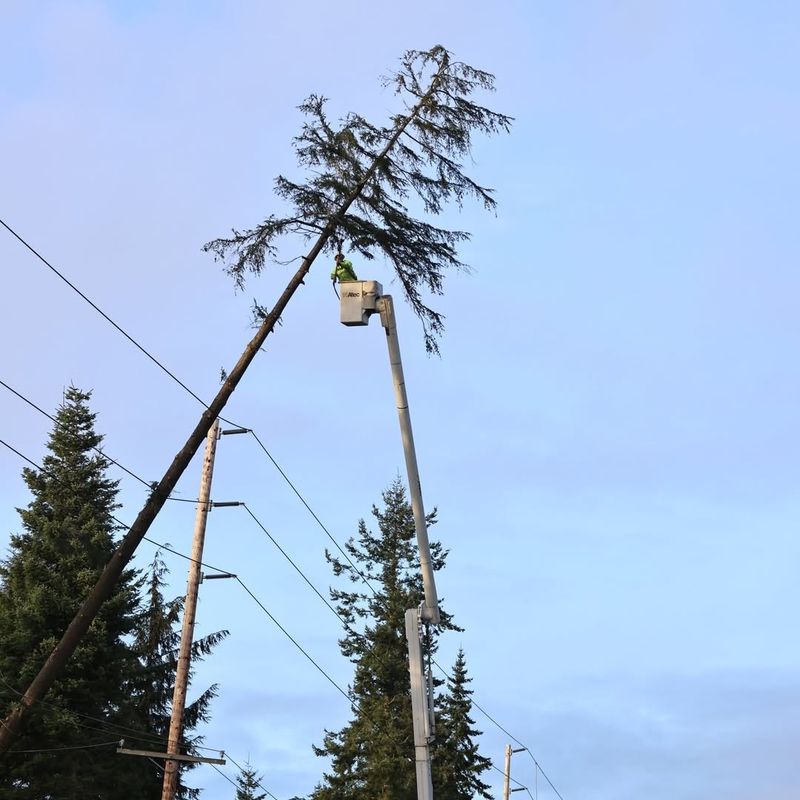
Utility companies and municipalities take power line safety extremely seriously throughout Illinois.
Trees that grow into or near electrical lines create fire hazards, power outage risks, and potential electrocution dangers for utility workers.
When trees encroach on utility easements, property owners can receive mandatory trimming or removal orders from both the utility company and local government.
Illinois law grants utility companies the right to trim or remove trees that interfere with power lines, even on private property.
However, many municipalities require homeowners to handle the work themselves within specified timeframes.
Notices typically give property owners 30 to 60 days to trim branches back at least 10 feet from power lines or remove the tree entirely if it poses ongoing risks.
Fines for non-compliance vary widely across Illinois communities.
Some charge flat fees of $250 to $500, while others impose daily penalties that accumulate until the issue is resolved.
In extreme cases, utility companies may perform emergency trimming and bill homeowners for the full cost, often at premium rates.
Homeowners should never attempt to trim trees near power lines themselves due to electrocution risks.
Licensed tree care professionals with proper safety equipment and utility company coordination should handle all work near electrical infrastructure.
Proactive trimming every few years prevents emergency situations and keeps you in compliance with local codes.
6. Storm-Damaged Trees Declared Unsafe
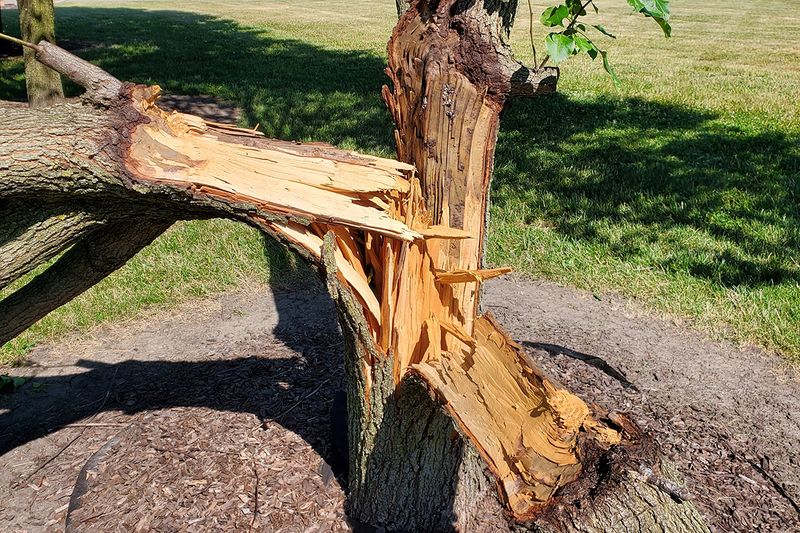
Illinois weather can be brutal on trees.
Severe thunderstorms, ice storms, and occasional tornadoes leave lasting damage that compromises tree stability long after the weather clears.
Property owners often underestimate the danger posed by trees with cracked trunks, partially uprooted root systems, or large broken branches hanging in the canopy.
Municipal inspectors typically survey neighborhoods after major weather events, identifying trees that pose immediate or developing hazards.
Lightning strikes can shatter internal wood structure without obvious external signs.
Ice accumulation can create stress fractures that weaken limbs for years afterward.
Wind damage may partially uproot trees, leaving them leaning precariously toward homes or streets.
Once inspectors declare a storm-damaged tree unsafe, homeowners receive removal orders with relatively short compliance deadlines due to the immediate risk.
Most municipalities allow 15 to 45 days for removal, with fines starting immediately after the deadline passes.
Daily penalties typically range from $100 to $300, reflecting the urgent safety concern.
Insurance policies often cover storm-damaged tree removal, but only if the tree has already caused property damage or poses an imminent threat to structures.
Homeowners should document all storm damage with photographs and obtain professional arborist assessments to support insurance claims and demonstrate compliance with municipal orders.
7. Trees Blocking Roads, Sidewalks, Or Traffic Sightlines
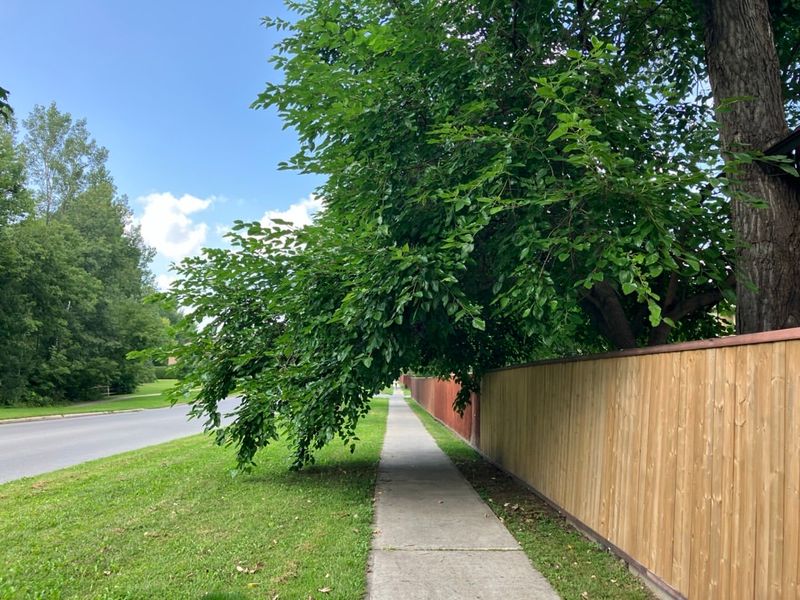
Public right-of-way regulations in Illinois require property owners to maintain clear passage on sidewalks and unobstructed views at street corners and driveways.
Trees with low-hanging branches, sprawling canopies, or trunks growing into pedestrian paths violate these codes and create liability risks for homeowners.
Most Illinois municipalities specify minimum clearance requirements: typically 8 feet above sidewalks and 14 feet above streets.
Corner lots have additional restrictions requiring clear sight triangles to ensure drivers can see approaching traffic, pedestrians, and cyclists.
Trees that grow into these zones must be trimmed back or removed entirely if trimming cannot solve the problem.
Code enforcement officers respond to complaints from residents, mail carriers, utility workers, and city maintenance crews.
Once a violation is identified, homeowners receive a notice specifying the problem and required corrections.
Compliance deadlines usually range from 14 to 30 days for trimming and 30 to 60 days for removal.
Fines escalate quickly for obstruction violations because they affect public safety and accessibility.
Initial penalties often start at $50 to $100 per day, but can increase substantially if the violation causes accidents or prevents emergency vehicle access.
Some municipalities will perform the trimming or removal themselves and bill homeowners for the work plus administrative fees, often totaling $500 to $2,000 depending on tree size.
8. Invasive Trees Ordered Removed By Local Ordinance
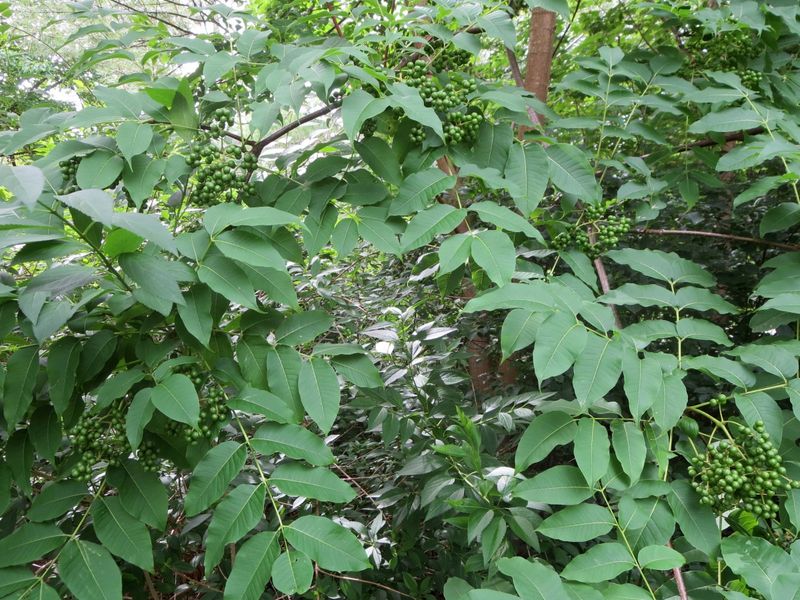
Illinois communities are increasingly proactive about protecting native ecosystems from invasive tree species.
Beyond Bradford pear and Tree of Heaven, other problematic species include Norway maple, white mulberry, and various buckthorn species.
Local ordinances in environmentally conscious municipalities may require removal of these trees, especially when they spread onto public lands or natural areas.
Norway maples, for example, create dense shade that prevents native wildflowers and tree seedlings from establishing.
White mulberry hybridizes with native red mulberry, threatening the genetic integrity of the native species.
Buckthorn species form impenetrable thickets that reduce wildlife habitat quality and increase erosion along streams and rivers.
Municipal approaches vary considerably across Illinois.
Some communities maintain lists of prohibited species that must be removed when identified on private property.
Others focus enforcement on trees near parks, forest preserves, and waterways where invasive spread causes the greatest ecological harm.
Homeowners typically receive removal orders with 60 to 90-day compliance deadlines.
Fines for failing to remove invasive species usually start at $50 to $150 per day but reflect the municipality’s commitment to environmental protection.
Many Illinois communities offer free or subsidized native tree replacements when homeowners comply with invasive species removal orders, making the transition more affordable while improving local ecosystem health.
9. Trees Causing Verified Damage To Foundations Or Infrastructure
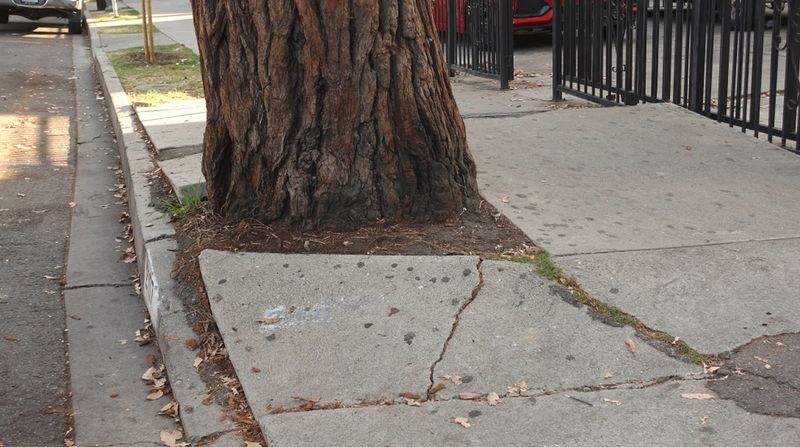
Tree roots are remarkably strong and persistent, capable of cracking foundations, buckling sidewalks, and infiltrating sewer lines.
When trees cause documented damage to public infrastructure like sidewalks, curbs, or underground utilities, Illinois municipalities can require property owners to remove the offending trees and repair the damage.
Large species like silver maple, willow, and poplar are notorious for aggressive root systems that seek out water sources and exploit weaknesses in concrete and pipe joints.
Even trees planted at proper distances can eventually extend roots that cause problems as they mature.
Municipal engineers document infrastructure damage through inspections, photographs, and sometimes ground-penetrating radar to trace root systems.
Once a tree is identified as the cause of infrastructure damage, homeowners receive removal orders along with repair requirements.
Compliance deadlines typically range from 30 to 90 days, depending on the severity of the damage.
Fines for non-compliance often start at $100 per day and can increase if the damage worsens or affects public safety.
The financial burden can be substantial.
Beyond tree removal costs, homeowners may be responsible for sidewalk replacement, sewer line repairs, or foundation work.
Some municipalities offer payment plans or cost-sharing programs for infrastructure repairs, but tree removal costs fall entirely on the property owner.
Professional arborists can help identify problematic root systems before they cause expensive damage.
10. Trees Officially Declared A Public Nuisance
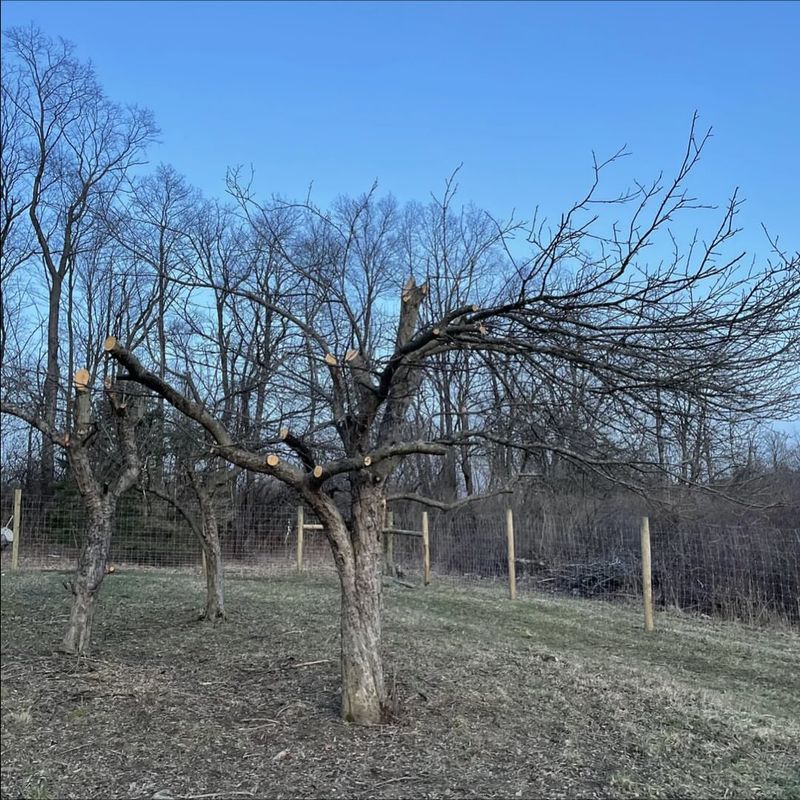
Illinois municipalities have broad authority to declare trees as public nuisances when they threaten health, safety, or property.
This catch-all category covers situations not specifically addressed by other ordinances, including trees that harbor pest infestations, drop excessive debris, or create ongoing maintenance burdens for the community.
The nuisance declaration process typically begins with complaints from neighbors or city staff observations.
Municipal officials investigate and document the problem, then issue a formal nuisance declaration if the tree meets legal criteria.
Homeowners receive written notification explaining the specific nuisance, required actions, and compliance deadline.
Nuisance declarations often allow 30 to 60 days for tree removal, with fines beginning immediately after the deadline.
Initial penalties usually range from $50 to $200 per day, but many ordinances include escalation clauses that increase fines weekly or monthly.
Some Illinois communities impose maximum daily fines of $500 or more for continued non-compliance.
Property owners can appeal nuisance declarations through administrative hearings, but must act quickly since appeal deadlines are typically short.
Successful appeals require evidence that the tree doesn’t meet nuisance criteria or that less drastic remedies would solve the problem.
Understanding your rights and local ordinance specifics helps homeowners respond appropriately to nuisance declarations and avoid escalating fines.