These Houseplants Are Easy To Propagate Indoors In January In Wisconsin

Wisconsin winters are long, cold, and perfect for indoor gardening experiments.
While snow piles up outside, savvy plant lovers are taking cuttings, rooting leaves, and expanding their collections from the warmth of their homes.
Indoor propagation in January is a low-risk, rewarding way to grow new plants and get a jump on spring greenery.
Why wait for spring?
Start growing new plants right in your living room!
These nine houseplants are especially forgiving, making them ideal candidates for indoor propagation.
From simple stem cuttings to leaf propagation, they thrive in pots, trays, or water-filled jars.
Not only do they give you more greenery for your home, but they also help build propagation skills and confidence for more ambitious projects later in the year.
Turn the dead of winter into a season of growth and creativity.
Wisconsin gardeners who try indoor propagation now can enjoy fresh greenery, stronger plants, and a head start on their spring gardens.
With minimal space, simple tools, and a little patience, you can expand your indoor jungle and keep winter colorful.
Even in the chilliest month, your plants—and your green thumb—can flourish!
Pothos For Foolproof Winter Propagation
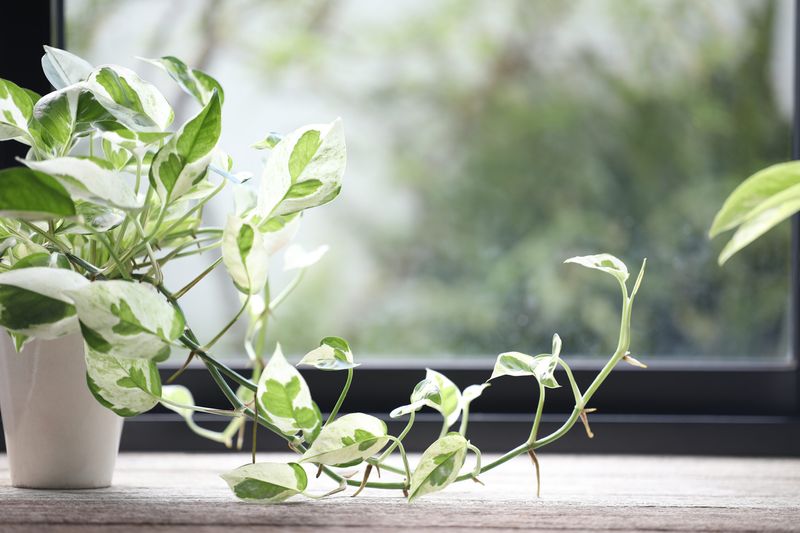
Pothos plants are famous for being nearly impossible to mess up, which makes them perfect for anyone trying propagation for the first time during Wisconsin’s coldest month.
You can snip a stem section with at least one or two leaves attached, place it in a glass of water on your kitchen counter, and watch roots appear within a week or two.
The magic happens because pothos naturally produces nodes along its stems, which are the bumpy spots where roots emerge when given moisture and a bit of warmth.
Even though January brings short, gray days to Wisconsin, pothos doesn’t demand bright sunshine to root successfully.
A spot near a window with indirect light works perfectly, and the warm temperatures inside your home provide exactly what the cutting needs to develop a strong root system.
Change the water every few days to keep it fresh and prevent any cloudiness that might slow down root growth.
Once the roots reach about two inches long, you can transfer your new pothos into a small pot filled with regular houseplant soil.
The plant will continue growing through winter, trailing beautifully from shelves or hanging baskets, and you can repeat the process as many times as you like to fill your home with lush greenery without spending extra money at the garden center.
Spider Plant From Baby Offshoots
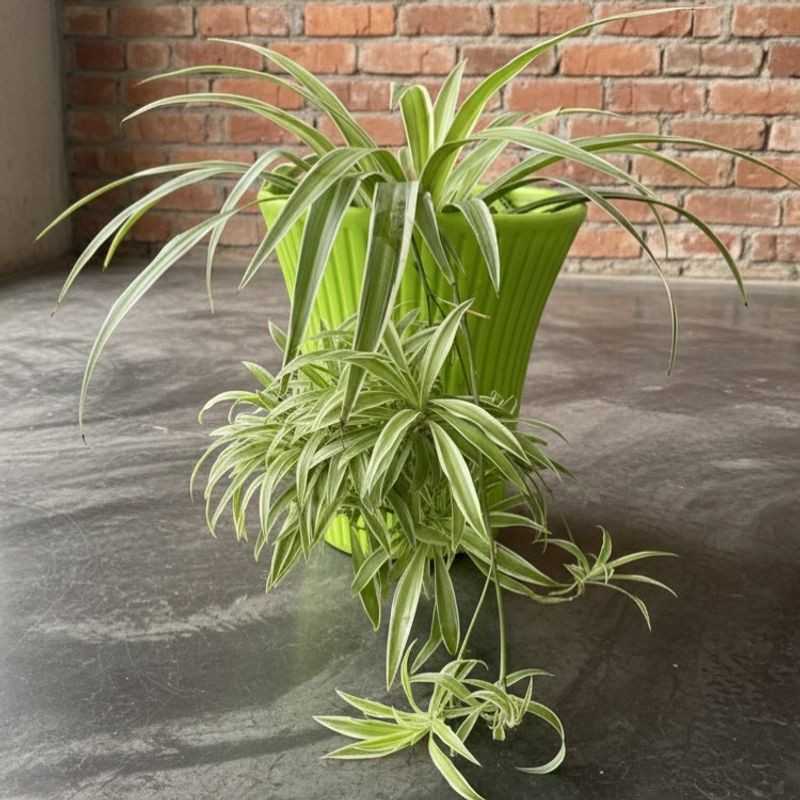
Spider plants produce adorable miniature versions of themselves called plantlets or pups, which dangle from long stems like tiny green spiders hanging on silk threads.
These baby plants already have small root nubs forming before you even cut them from the mother plant, making propagation incredibly straightforward and nearly foolproof for Wisconsin gardeners stuck indoors during January’s freezing temperatures.
Simply snip off a healthy-looking pup with scissors, and you’re halfway to a brand-new plant.
The heated air inside Wisconsin homes during winter creates ideal conditions for rooting spider plant babies because they appreciate consistent warmth and don’t mind the drier indoor atmosphere.
Your Wisconsin Garden Changes Every Week. Your Plan Should Too.
Gardening in Wisconsin changes quickly throughout the season. Every Friday you’ll receive a simple weekly plan showing exactly what to plant, prune, fertilize, harvest, and protect so you never miss the right timing.
You can place the pup directly into moist potting soil or let it sit in a shallow dish of water until the roots grow longer and stronger.
Either method works beautifully, though soil propagation sometimes produces faster results since the plantlet transitions more smoothly into its permanent growing medium.
Spider plants aren’t fussy about light requirements, tolerating everything from bright indirect sun to shadier corners, which makes them adaptable to whatever window space you have available in January.
Within a few weeks, your new spider plant will establish itself and start producing its signature arching leaves, eventually creating its own babies that you can share with neighbors or use to brighten every room in your house.
Philodendron Cuttings That Root Quickly
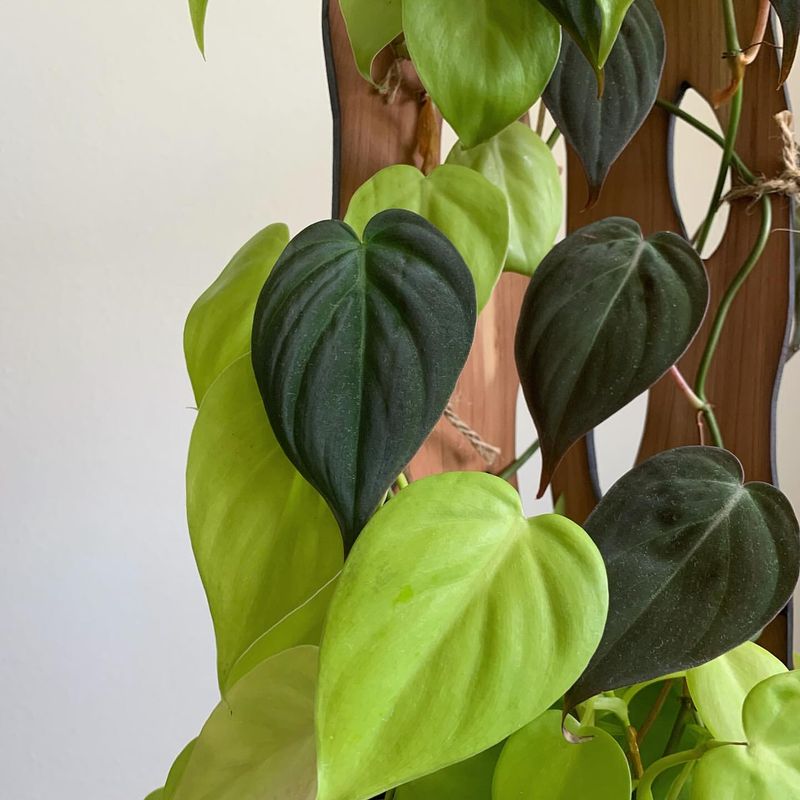
Philodendrons rank among the most rewarding houseplants for winter propagation because their stem cuttings develop roots remarkably fast, often showing visible progress within just five to seven days.
The secret lies in choosing a healthy stem section that includes at least one node, which looks like a small bump or joint where a leaf connects to the main stem.
This node contains special cells that transform into roots when the cutting is placed in water or moist soil, making it the most important part of your propagation effort.
January’s indoor environment in Wisconsin homes provides stable warmth that philodendrons absolutely love, encouraging rapid root development even when outdoor temperatures plunge below zero.
Place your cutting in a clear container filled with room-temperature water, positioning it so the node stays submerged while the leaves remain above the waterline.
A bright spot away from direct sunlight works best, as harsh rays can stress the cutting before it establishes a strong root system.
As the roots grow longer and branch out, you’ll notice the cutting perking up and sometimes even producing new leaf growth while still in water.
After two to three weeks, when the roots measure several inches long, transplant your philodendron into a pot with well-draining soil and watch it flourish throughout the rest of winter, giving you a head start on spring gardening season.
Tradescantia (Wandering Dude) For Fast Results
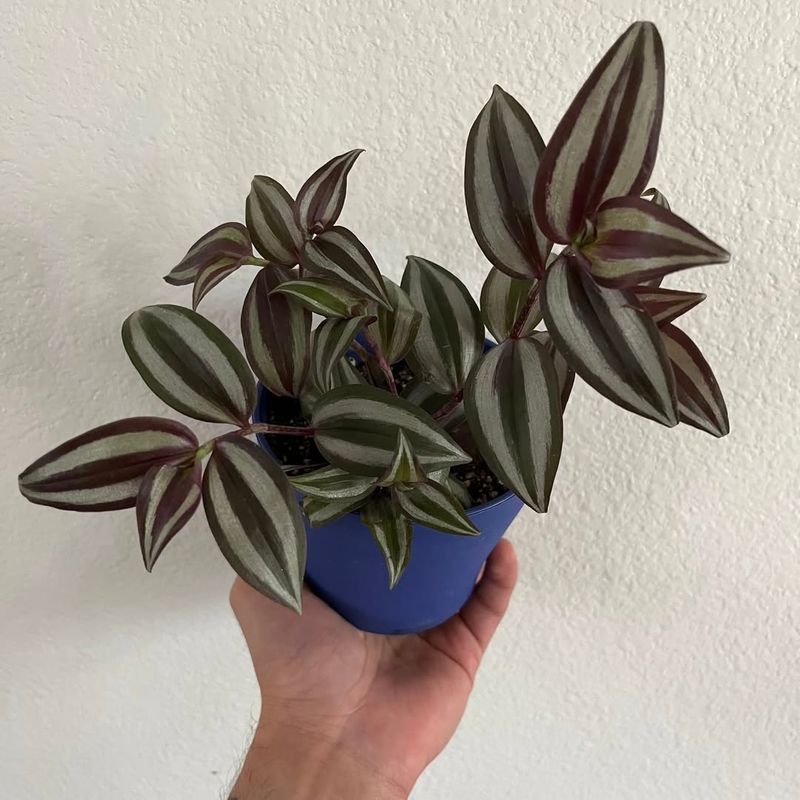
Tradescantia, commonly known as wandering dude or inch plant, earns its reputation as one of the speediest propagators you can try during Wisconsin’s winter months.
Cuttings from this colorful trailing plant often show tiny root beginnings within just three to four days, making it incredibly satisfying for impatient gardeners who want to see quick results.
The plant’s natural vigor means you can take multiple cuttings at once and create a whole collection of new plants from a single mother specimen.
Snip stem sections about four to six inches long, making sure each piece has several sets of leaves, then remove the bottom leaves to expose the nodes that will produce roots.
Drop these prepared cuttings into a jar of fresh water, and place the container in a warm spot with bright but filtered light.
Wisconsin homes tend to have very dry air during January when furnaces run constantly, so check the water level daily and add more as needed to keep the nodes submerged and happy.
The gorgeous purple, silver, or green striped foliage of tradescantia brightens up dreary winter days, and the plant grows so enthusiastically that you’ll have cascading vines to enjoy by early spring.
Once roots reach about an inch long, pot up your new plants in loose, well-draining soil, and pinch back the tips occasionally to encourage bushier, fuller growth that looks stunning in hanging baskets or on high shelves.
Snake Plant Leaf Cuttings
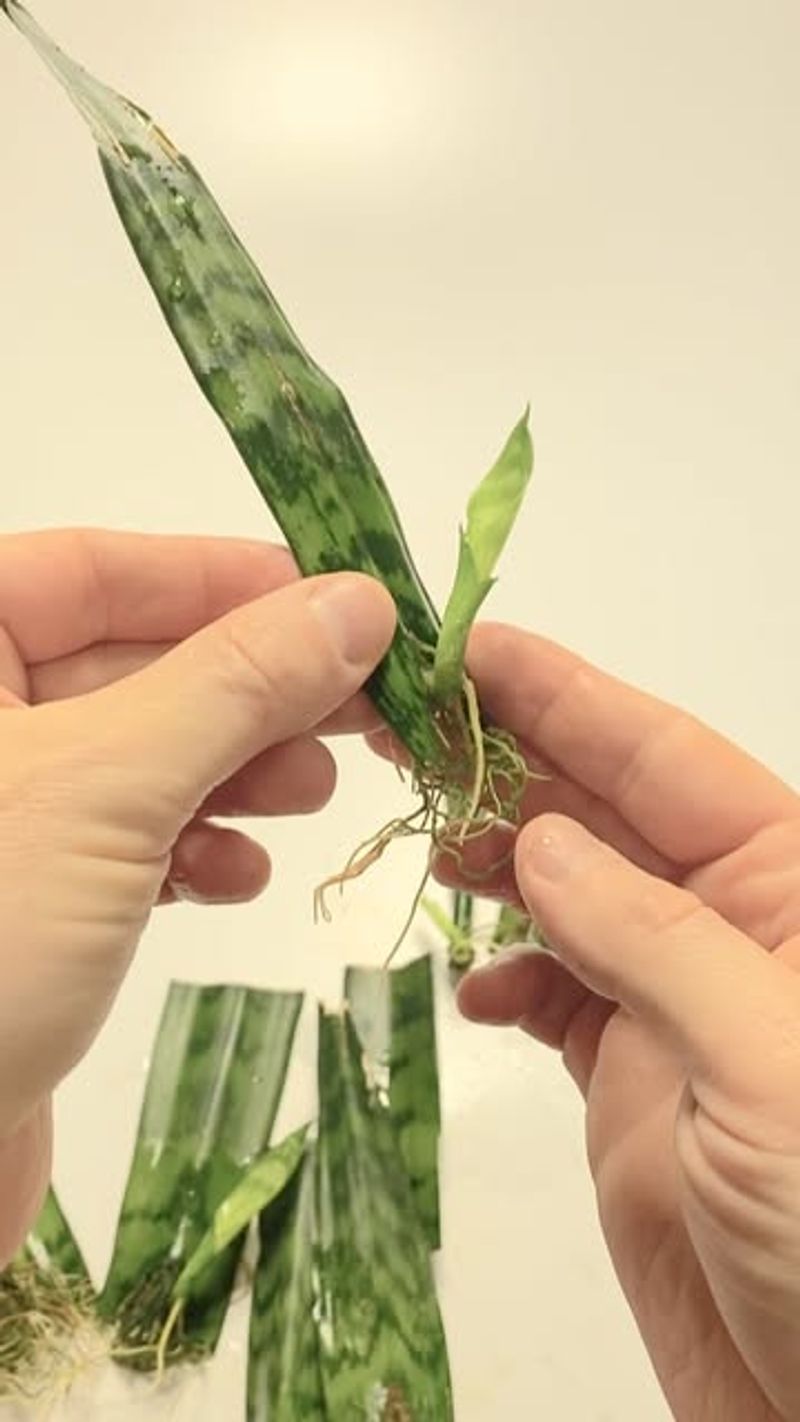
Snake plants offer a completely different propagation experience compared to the quick-rooting vining plants on this list, requiring patience and trust in the process rather than instant gratification.
Instead of taking stem cuttings, you’ll slice a healthy leaf into sections about three to four inches long, making sure to remember which end was pointing up on the original plant since that orientation matters for successful rooting.
Each section contains the genetic information needed to grow roots and eventually produce tiny new snake plant pups from the base.
Allow the cut edges to dry out for a day or two until they form a slightly calloused surface, which helps prevent rotting when you place them in soil.
Insert the bottom inch of each leaf section into a pot filled with cactus or succulent mix, which drains quickly and prevents the moisture problems that can doom snake plant propagation attempts.
Place the pot in a spot with bright indirect light, and water sparingly, letting the soil dry out completely between waterings since snake plants are adapted to drought conditions.
The waiting game begins now, as snake plant leaf cuttings can take anywhere from four to eight weeks to develop roots and even longer to produce visible new growth.
Wisconsin’s heated indoor environment during January actually helps because snake plants prefer warmth, though they tolerate cooler temperatures better than many tropicals, making them forgiving choices for less-than-perfect growing conditions.
African Violet From A Single Leaf
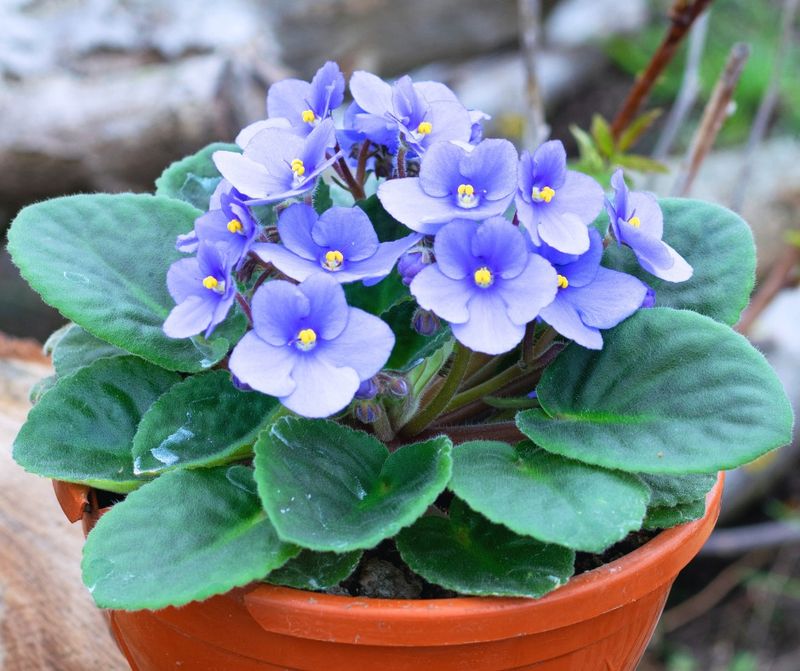
African violets hold a special place in the hearts of many Wisconsin gardeners because these compact flowering plants bloom reliably indoors even during the darkest winter months.
Propagating them from a single leaf feels almost magical, as one healthy leaf can eventually produce multiple baby plants clustered around its base.
Choose a medium-sized leaf from the middle rows of your plant rather than the outer or inner leaves, and cut it with about an inch or two of stem attached, which gives you room to work with during planting.
Fill a small pot with light, fluffy potting mix or a special African violet soil blend, then insert the leaf stem at a shallow angle so the leaf blade rests just above the soil surface.
Creating a mini greenhouse effect helps tremendously with African violet propagation, so try covering the pot with a clear plastic bag or placing it inside a clear plastic container to trap humidity.
The extra moisture in the air compensates for the dry conditions typical in heated Wisconsin homes during January.
Position your propagating African violet in a warm spot with bright but indirect light, avoiding cold drafts from windows or doors that might chill the developing roots.
Within four to six weeks, tiny plantlets will emerge from the soil near the base of the original leaf, and once these babies grow large enough to handle, you can carefully separate them and pot them individually to create your own collection of blooming African violets.
Begonia Leaf Propagation
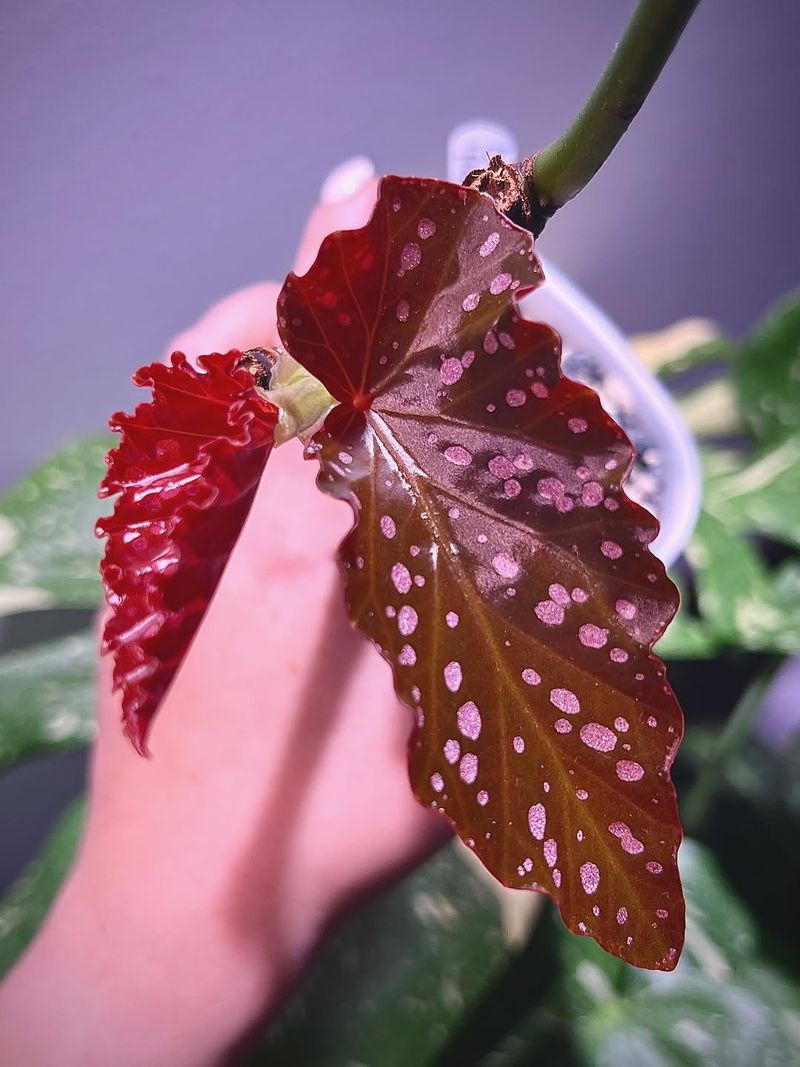
Begonias showcase some of the most beautiful foliage in the houseplant world, with leaves ranging from spotted and swirled patterns to deep burgundy colors that look almost unreal.
Many begonia varieties propagate readily from leaf cuttings during winter, making January an excellent time to multiply your collection while staying cozy indoors.
Rex begonias and other rhizomatous types work especially well, though you can experiment with different begonia species to see which ones respond best to your propagation techniques.
The process involves cutting a healthy leaf from your plant and either placing the whole leaf flat on moist soil or cutting it into wedge-shaped sections that each contain a major vein.
Press the cut edges gently into the soil surface, making sure they have good contact with the growing medium, then cover the container with plastic or glass to maintain high humidity levels.
Begonias need consistent moisture and warmth to produce new plantlets along the cut edges, and the humid microclimate you create mimics the tropical conditions these plants evolved in.
Place your begonia propagation setup in a warm location with bright but filtered light, checking regularly to make sure the soil stays lightly moist but never soggy or waterlogged.
Within several weeks, tiny new begonia plants will sprout from the leaf veins, eventually growing large enough to separate and pot individually.
This method lets you create numerous new plants from a single leaf, filling your Wisconsin home with stunning foliage that brightens even the grayest January days.
Coleus For Colorful New Plants
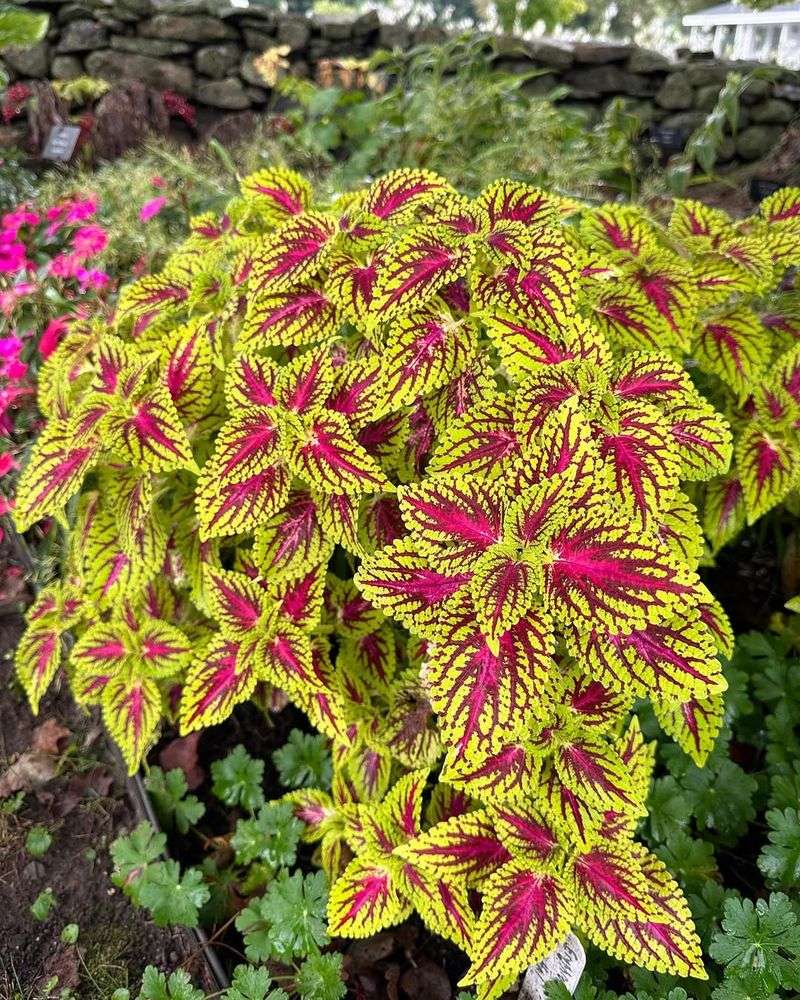
Coleus plants bring an explosion of color to indoor spaces with their vibrant leaves painted in combinations of pink, red, yellow, purple, and green that rival any flower display.
These fast-growing beauties root so easily in water that even young children can successfully propagate them, making coleus perfect for getting the whole family involved in indoor gardening during Wisconsin’s long winter.
A single coleus plant can provide dozens of cuttings throughout the season, letting you create enough new plants to fill every sunny window in your house.
Cut stem sections about four to six inches long just below a node, then strip off the lower leaves to prevent them from rotting in the water.
Place several cuttings together in a clear glass or jar filled with room-temperature water, positioning them in a bright spot where they’ll receive plenty of light but not harsh direct sun that might cook the tender cuttings.
Roots typically appear within a week, growing rapidly into thick white tangles that signal your coleus is ready for potting.
The brilliant foliage colors of coleus can fade slightly in lower winter light, but the plants remain attractive and continue growing steadily throughout January and beyond.
Once roots measure about two inches long, transplant your cuttings into individual pots with rich, well-draining soil, and pinch back the growing tips regularly to encourage bushy, compact growth.
By the time spring arrives, you’ll have robust coleus plants ready to move outdoors or continue brightening your indoor spaces with their cheerful colors.
Why January Is The Perfect Time To Multiply Houseplants
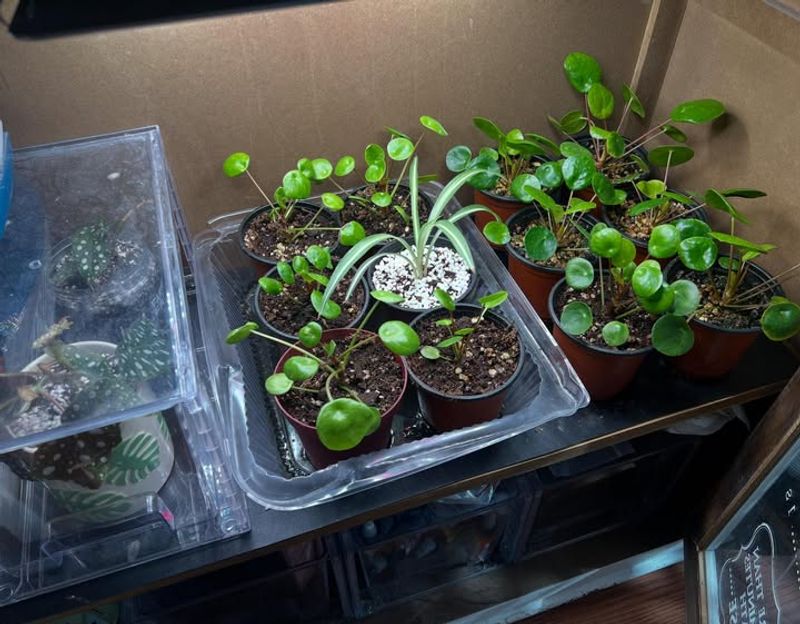
Wisconsin gardeners face a long stretch between the last fall harvest and the first spring planting, but January propagation projects keep your green thumb active and your spirits lifted during the coldest, darkest weeks of winter.
Working with plants indoors provides a welcome connection to nature when the outdoor landscape lies frozen and dormant, offering both mental health benefits and practical advantages for the growing season ahead.
The controlled environment inside your home eliminates weather worries and lets you focus entirely on nurturing your new plant babies without battling wind, frost, or temperature swings.
Propagating houseplants saves substantial money compared to buying new plants at garden centers, especially if you’re planning to fill outdoor containers and hanging baskets come spring.
A single mother plant can generate dozens of offspring throughout winter, giving you plenty of extras to share with friends, donate to plant swaps, or use as thoughtful handmade gifts.
The skills you develop through winter propagation also build confidence and knowledge that carries over into all your gardening endeavors.
Starting propagation projects in January gives your new plants several months to establish strong root systems and healthy growth before they’re needed for outdoor planting in May.
By the time Wisconsin’s last frost date arrives, your propagated plants will be robust and ready to thrive in gardens, window boxes, and patio containers, giving you a significant head start on the season and a sense of accomplishment that makes all the winter waiting worthwhile.