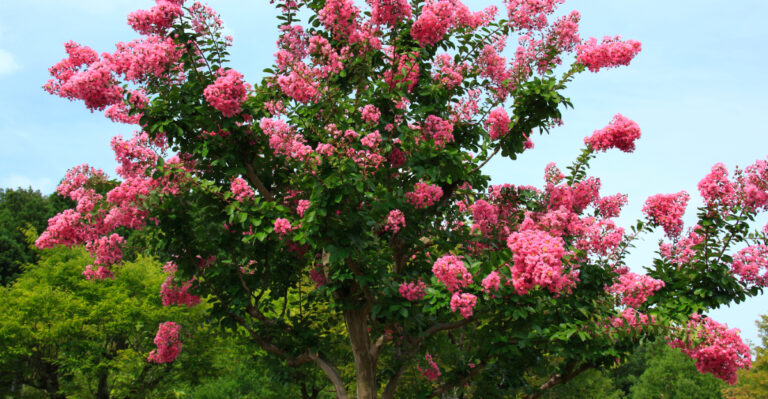
These Plants Are Best Pruned In January In North Carolina
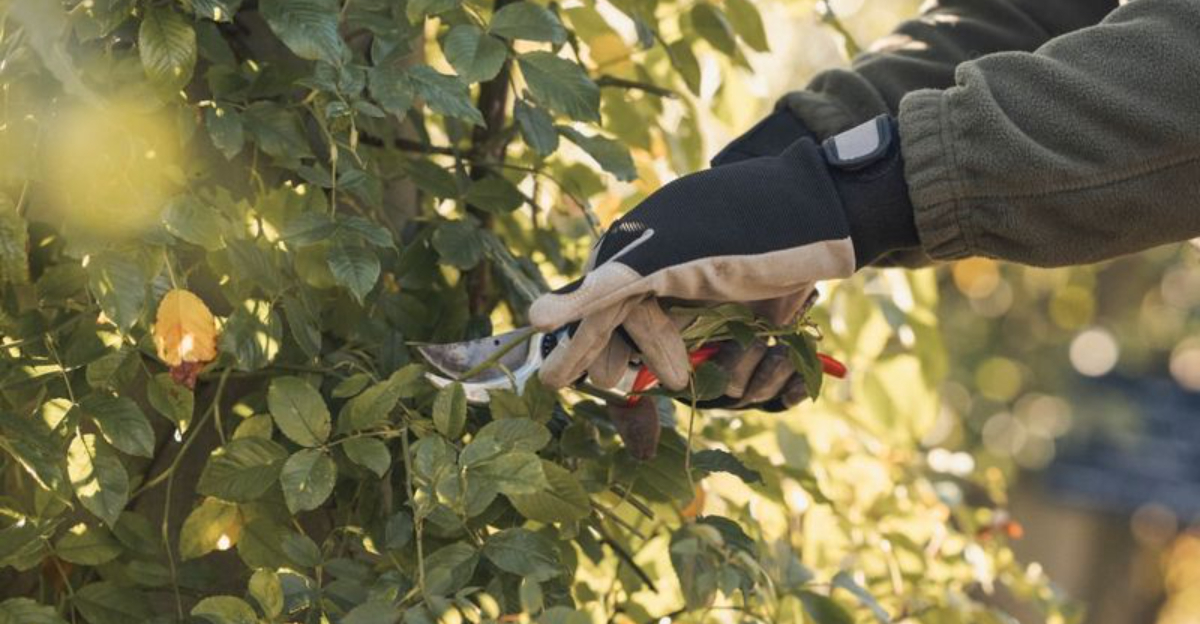
January might seem quiet in North Carolina gardens, but for savvy gardeners, it’s the perfect time to prune certain plants and set the stage for a stunning growing season.
Proper winter pruning improves plant health, encourages vibrant blooms, and ensures strong, productive growth once spring arrives.
Prune now, and your garden will thank you with bigger blooms and healthier plants!
These eleven plants respond particularly well to January pruning, from flowering shrubs to deciduous perennials.
Removing dead wood, shaping branches, and thinning crowded growth reduces disease risk, opens up airflow, and helps energy flow to the parts of the plant that need it most.
Skip this step, and you might see smaller flowers, weaker stems, or overgrown shapes come spring.
The right cut at the right time makes all the difference.
For North Carolina gardeners, understanding which plants need winter pruning—and how to do it properly—turns a chilly month into an opportunity.
With careful attention, your garden will emerge stronger, healthier, and more beautiful when the growing season kicks in.
January pruning isn’t just maintenance—it’s setting your garden up for success.
Crape Myrtles For Stronger Summer Blooms
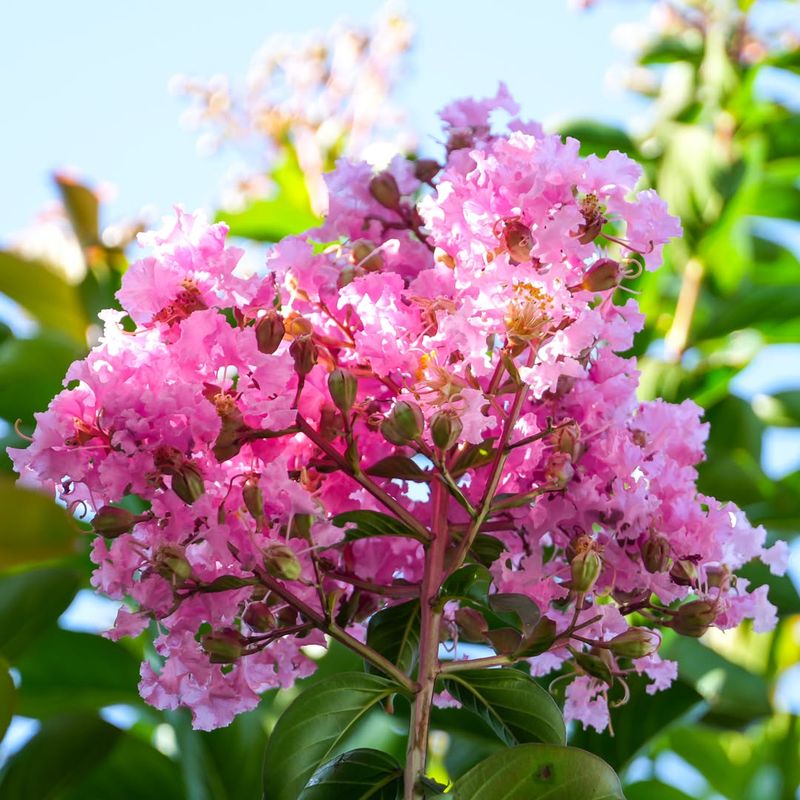
Often called the “lilac of the South,” crape myrtles stand as one of North Carolina’s most beloved landscape plants, and January offers the ideal window for giving them a gentle trim.
When temperatures drop and these beauties enter dormancy, their branch structure becomes clearly visible, making it much easier to identify which limbs need attention.
Light pruning during this month encourages robust new growth that will carry abundant flower clusters when summer arrives.
Many gardeners make the mistake of cutting back crape myrtles too severely, creating what experts call “crape murder,” but the truth is these plants respond best to selective, thoughtful cuts.
Focus on removing any branches that cross or rub against each other, along with thin, twiggy growth that won’t produce strong blooms.
Opening up the center of the plant allows better air circulation, which helps prevent fungal issues during humid Carolina summers.
The timing couldn’t be more perfect because pruning before new growth emerges means all the plant’s energy will be directed toward developing fresh, flower-bearing branches.
North Carolina’s mild winter climate allows crape myrtles to bounce back quickly once spring warmth returns.
By taking just an hour or two in January to shape your crape myrtles properly, you’ll be rewarded with a spectacular display of vibrant blooms that last from June through September, making your landscape the envy of the neighborhood.
Roses That Benefit From Winter Shaping
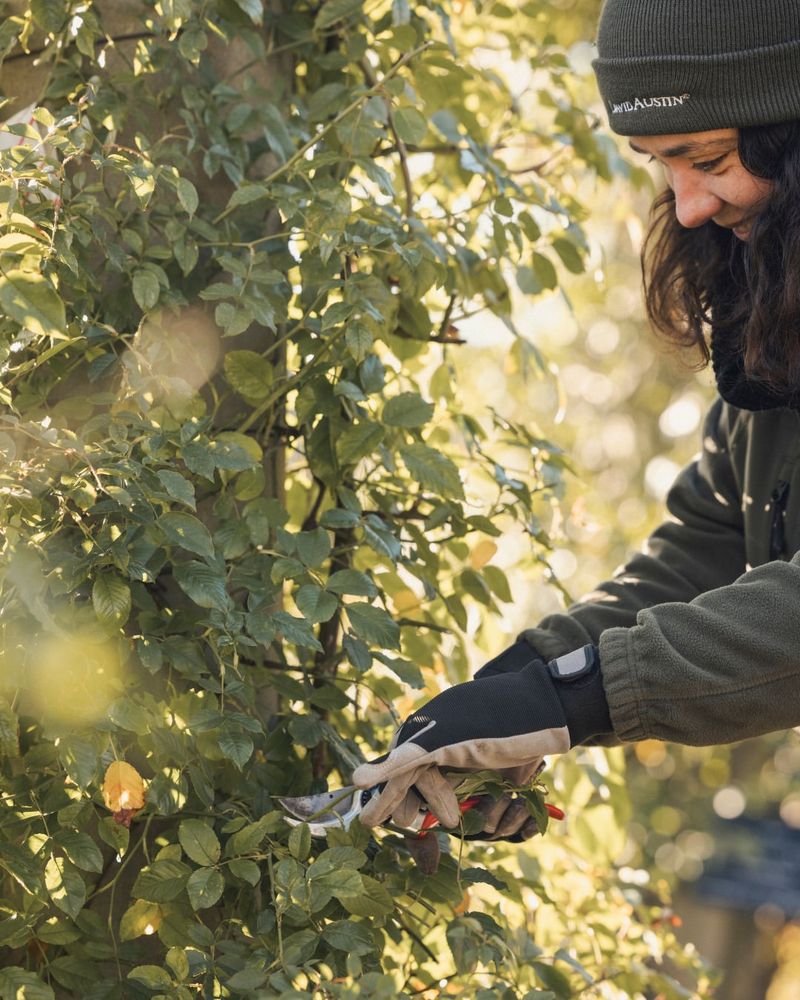
Roses have earned their reputation as the queens of the garden, and January pruning sets the stage for their royal performance throughout the growing season.
Hybrid teas, floribundas, and grandifloras all respond beautifully to dormant-season trimming, which helps them develop strong, disease-resistant canes that support spectacular blooms.
When roses are sleeping through winter, they’re not actively growing, so pruning won’t stress them or waste their valuable energy reserves.
Your North Carolina Garden Changes Every Week. Your Plan Should Too.
Gardening in North Carolina changes quickly throughout the season. Every Friday you’ll receive a simple weekly plan showing exactly what to plant, prune, fertilize, harvest, and protect so you never miss the right timing.
Start by removing any canes that look damaged, diseased, or weaker than a pencil in thickness, as these won’t produce quality flowers anyway.
Cut back the remaining healthy canes to about 12 to 18 inches tall, making each cut at a 45-degree angle just above an outward-facing bud.
This technique encourages the plant to grow outward rather than inward, creating an open vase shape that improves air circulation and reduces the risk of fungal problems.
North Carolina’s climate can be tricky, with occasional warm spells followed by cold snaps, but pruning in January generally keeps roses dormant until consistent spring warmth arrives.
Clean, sharp pruning shears are essential because ragged cuts can invite disease and pests.
After pruning, many gardeners apply a layer of fresh mulch around the base to protect roots from temperature fluctuations.
The result of this winter care is a bush that produces more numerous, larger, and healthier roses starting in late spring and continuing through fall.
Butterfly Bush For Compact Growth
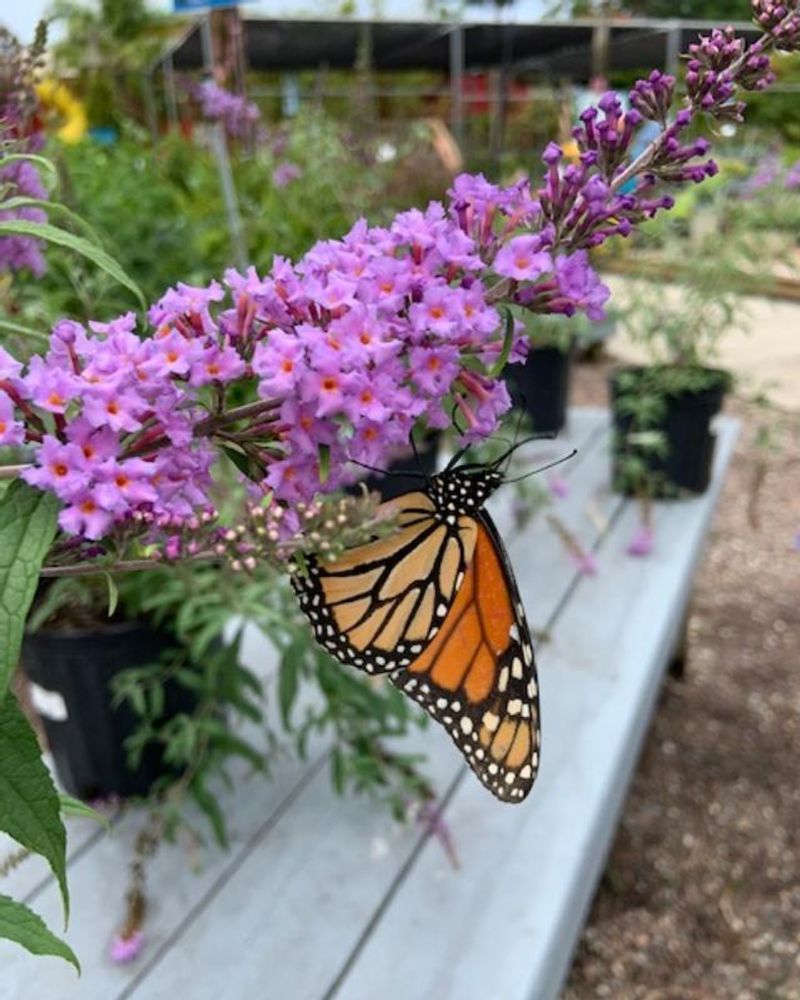
Butterfly bushes earn their name honestly, attracting clouds of colorful butterflies throughout summer and fall with their fragrant, nectar-rich flower spikes.
These vigorous growers can become quite leggy and overgrown if left to their own devices, but a hard cutback in January transforms them into compact, bushy plants that produce even more flowers.
Since butterfly bushes bloom on new wood, meaning the current season’s growth, you won’t sacrifice any flowers by pruning them back severely during winter dormancy.
Most gardening experts recommend cutting butterfly bushes down to about 12 to 24 inches from the ground, which might seem extreme but actually rejuvenates these fast-growing shrubs.
This aggressive approach eliminates old, woody stems that don’t flower well and encourages the plant to send up multiple fresh shoots from the base.
Each of these new stems will be loaded with flower spikes by midsummer, creating a fuller, more attractive plant than one left unpruned.
January’s cool temperatures in North Carolina mean the plant remains fully dormant during pruning, so it won’t try to push out new growth prematurely.
When spring arrives and soil temperatures rise, your butterfly bush will respond with enthusiastic growth, quickly reaching three to five feet tall.
The abundant blooms that follow will turn your garden into a pollinator paradise, with monarchs, swallowtails, and other beneficial insects visiting constantly from June through the first frost.
Panicle Hydrangeas (Hydrangea Paniculata)
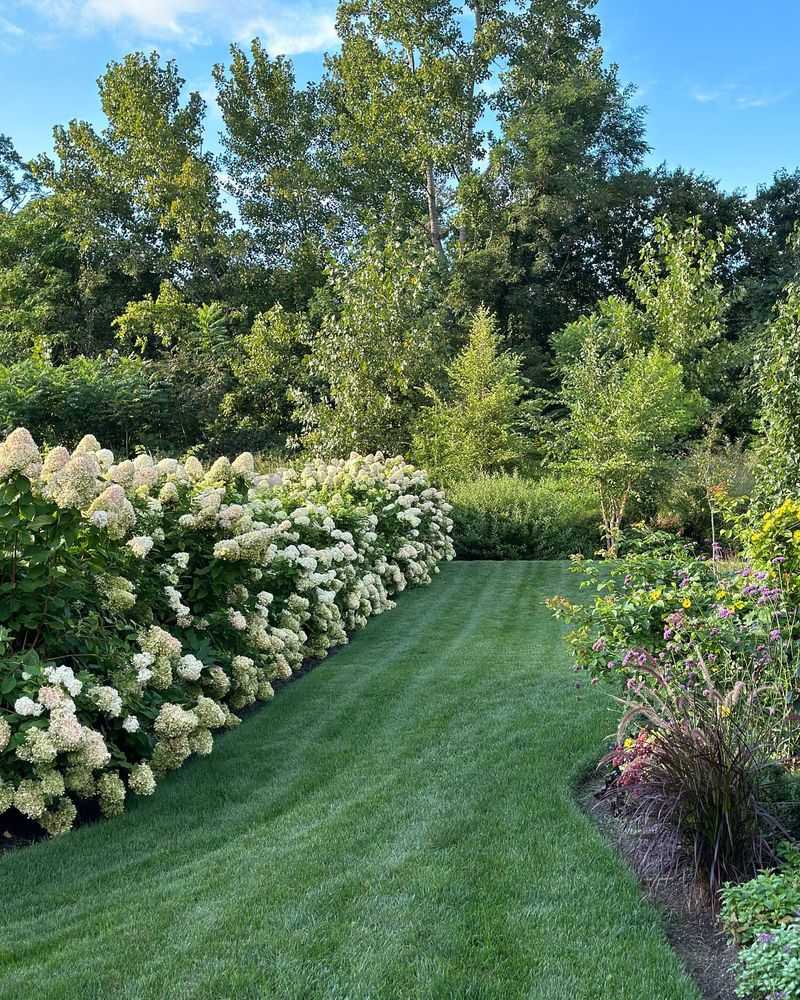
Panicle hydrangeas stand out from their cousins with their cone-shaped flower clusters and remarkable ability to bloom reliably every single year.
Popular varieties like Limelight, Little Lime, and Pinky Winky have become staples in North Carolina landscapes because they’re so forgiving and produce such stunning displays.
The secret to their consistent performance lies in the fact that they bloom on new wood, meaning the stems that grow during the current season, making January the perfect time for pruning.
Unlike mophead or lacecap hydrangeas that can be tricky to prune, panicle hydrangeas welcome a good cutback without any risk of losing flowers.
You can safely remove up to one-third of the plant’s height, cutting back to strong buds that will develop into vigorous new branches.
Some gardeners even cut them back harder, to about two or three feet tall, which results in fewer but larger flower panicles that make dramatic statements in summer borders.
Pruning in January while the plant is dormant means you’re not interfering with active growth or stressing the plant during its busy season.
North Carolina’s winter weather provides ideal conditions because the plant won’t be tempted to break dormancy too early.
As spring warmth arrives, your pruned panicle hydrangea will put on impressive growth, developing strong stems topped with those magnificent flower cones that start out creamy white and often age to pink shades, providing months of garden interest from July through fall.
Smooth Hydrangeas (Hydrangea Arborescens)
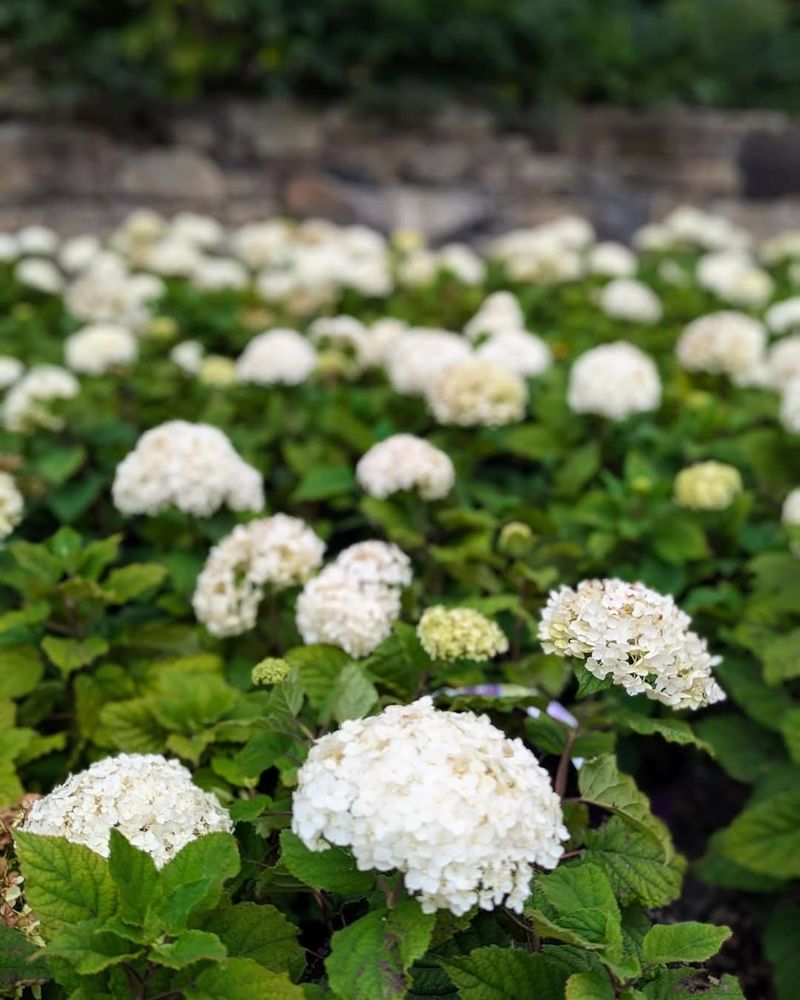
Smooth hydrangeas, with the beloved Annabelle variety being the most famous representative, produce enormous snowball-like blooms that can measure up to a foot across.
These North American natives are incredibly tough and adaptable, thriving in North Carolina gardens with minimal fuss.
What makes them particularly pruning-friendly is their growth habit: they bloom exclusively on new wood, so you can cut them back quite hard in January without worrying about sacrificing a single flower.
Many gardeners choose to cut smooth hydrangeas down to just 12 to 18 inches above the ground each winter, which might look drastic but actually prevents the floppy growth that often plagues these plants.
Those massive flower heads can become so heavy that they cause stems to bend or even break, especially after rain.
By pruning hard in winter, you encourage the development of sturdier stems that can better support the weight of those spectacular blooms.
January pruning also provides an opportunity to remove any stems that didn’t perform well the previous year or that are growing in awkward directions.
Since smooth hydrangeas are so forgiving, even beginning gardeners can confidently tackle this task without fear of making mistakes.
When spring arrives, the plant will send up numerous strong shoots that quickly grow to three or four feet tall, each one topped with those iconic white blooms that light up shady garden spots from June through August, eventually fading to an attractive green that provides interest well into fall.
Fruit Trees Like Apples And Pears
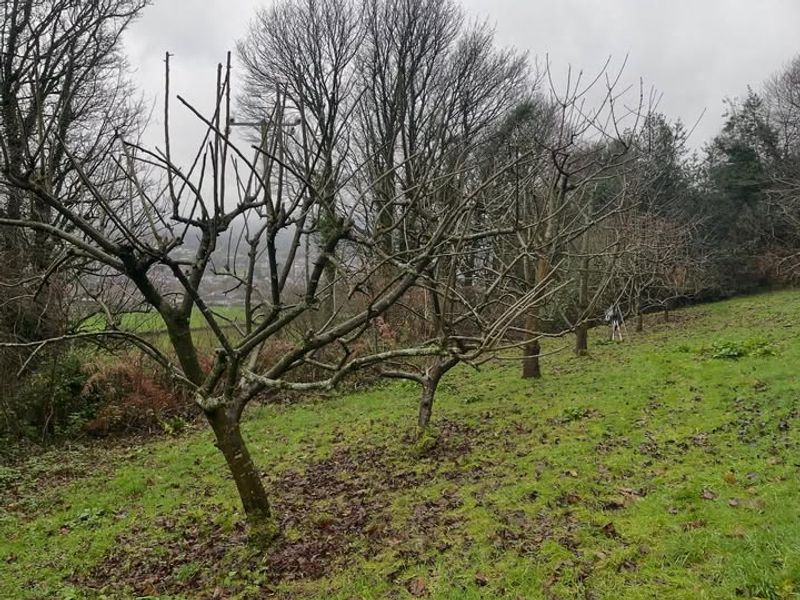
There’s something deeply satisfying about harvesting fruit from your own backyard trees, and proper January pruning is one of the most important steps toward achieving a bountiful crop.
Apple and pear trees benefit tremendously from dormant-season pruning, which helps develop strong branch structure, improves air circulation, and directs the tree’s energy toward fruit production rather than excessive leafy growth.
North Carolina’s January weather typically keeps these trees fully dormant, making it the ideal time to grab your pruning tools and get to work.
Begin by removing any branches that grow straight up (called water sprouts) or straight down, as these rarely produce fruit and instead drain energy from productive limbs.
Focus on creating an open center or modified leader shape that allows sunlight to reach all parts of the tree, which is essential for fruit ripening and disease prevention.
Thinning out crowded branches also reduces the likelihood of fungal infections that thrive in humid Carolina summers.
Timing matters because pruning too early in fall can stimulate new growth that gets damaged by winter cold, while pruning too late in spring wastes the tree’s stored energy on branches you’ll just remove.
January hits the sweet spot when trees are deeply dormant but spring isn’t too far away.
Proper pruning also makes fruit easier to harvest by keeping trees at a manageable height and encouraging fruit production on lower, more accessible branches, so you won’t need a ladder to enjoy your homegrown apples and pears come harvest time.
Grape Vines For Better Yields
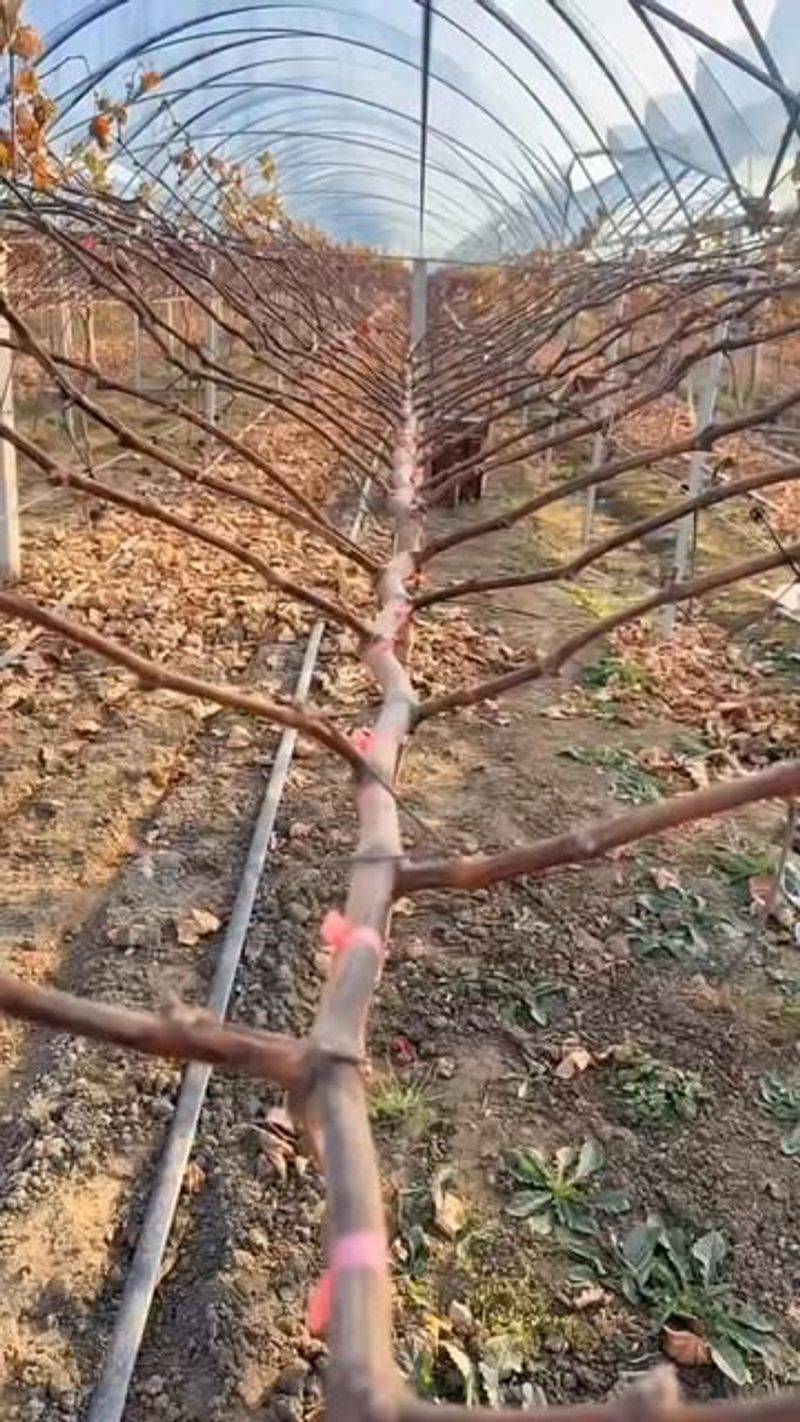
Growing your own grapes might seem like something only professional vineyards do, but backyard grape production is entirely possible in North Carolina with proper care, and January pruning is absolutely critical to success.
Grapevines are among the most vigorous growers in the garden, capable of producing massive amounts of leafy growth that can quickly become an unmanageable tangle.
Without annual pruning, vines put their energy into leaves and stems rather than fruit, resulting in disappointing harvests of small, poorly developed grape clusters.
The key to productive grapevines is understanding that they fruit on one-year-old wood, meaning canes that grew during the previous season.
During January pruning, you’ll remove the majority of the previous year’s growth, keeping only a few carefully selected canes that will produce this year’s crop.
This might mean cutting away 90 percent or more of the vine’s growth, which feels counterintuitive but is exactly what grapes need to channel their energy into developing quality fruit.
North Carolina’s January weather keeps vines fully dormant, making it easy to see the structure and decide which canes to keep and which to remove.
Most home gardeners use a cane or spur pruning system, training the vine along a fence, arbor, or trellis for support.
Proper pruning also improves air circulation around developing grape clusters, reducing problems with fungal diseases that can plague grapes in humid climates.
The payoff for this intensive winter work is a generous harvest of delicious grapes, perfect for eating fresh, making juice, or even trying your hand at homemade wine.
Wisteria For Bloom Control
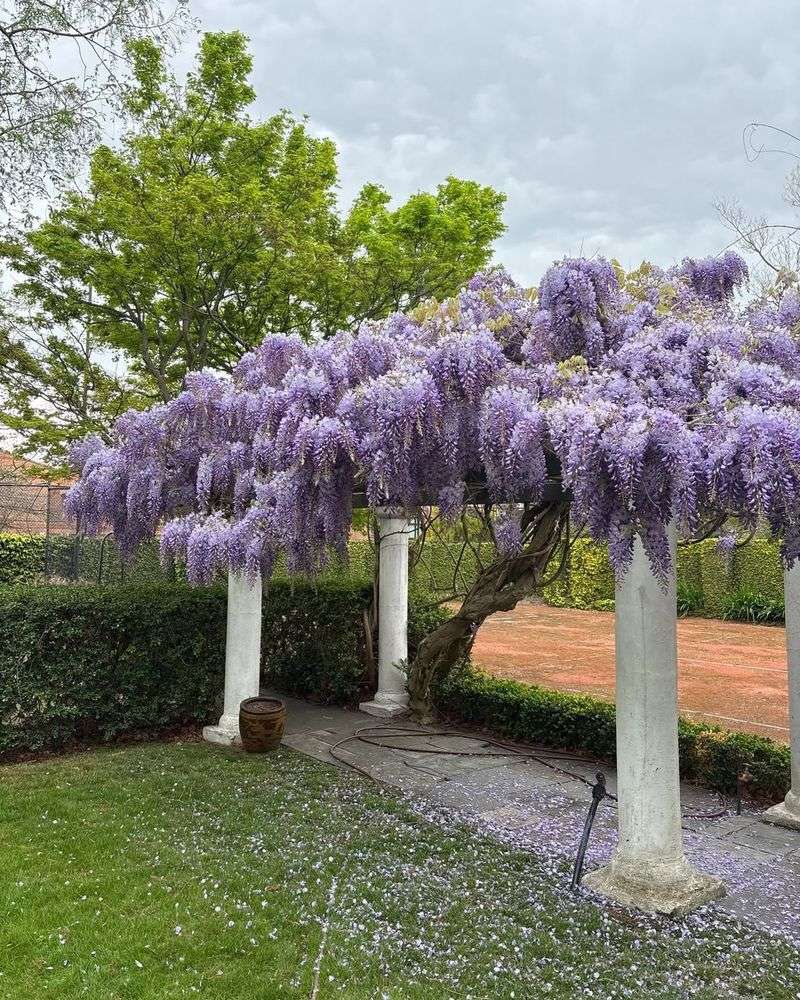
Few flowering vines create as much drama as wisteria, with its cascading clusters of fragrant purple, pink, or white blooms that seem to drip from arbors and pergolas like floral waterfalls.
However, wisteria’s enthusiastic growth habit can quickly turn from charming to overwhelming if you don’t stay on top of pruning.
These powerful vines can grow 10 feet or more in a single season, and without regular trimming, they’ll take over everything in sight, from fences to trees to even house siding.
January pruning serves two important purposes for wisteria: controlling size and encouraging more abundant flowering.
During this dormant-season trim, cut back the long whip-like shoots that grew during the previous summer, reducing them to just a few buds from the main framework.
This concentrates the plant’s energy into developing flower buds rather than endless vegetative growth.
Many gardeners are surprised to learn that the most floriferous wisterias are those that receive consistent pruning twice a year, once in summer and again in winter.
North Carolina’s climate suits wisteria perfectly, perhaps a little too well, which is why winter pruning is so essential for keeping these vigorous vines under control.
When you prune in January, the vine’s structure is clearly visible without leaves obscuring your view, making it easier to identify which stems to keep and which to remove.
The reward for this diligent care comes in April and May when properly pruned wisteria transforms into a breathtaking cloud of fragrant blooms that make any garden feel like a romantic paradise.
Fig Trees That Need Winter Maintenance
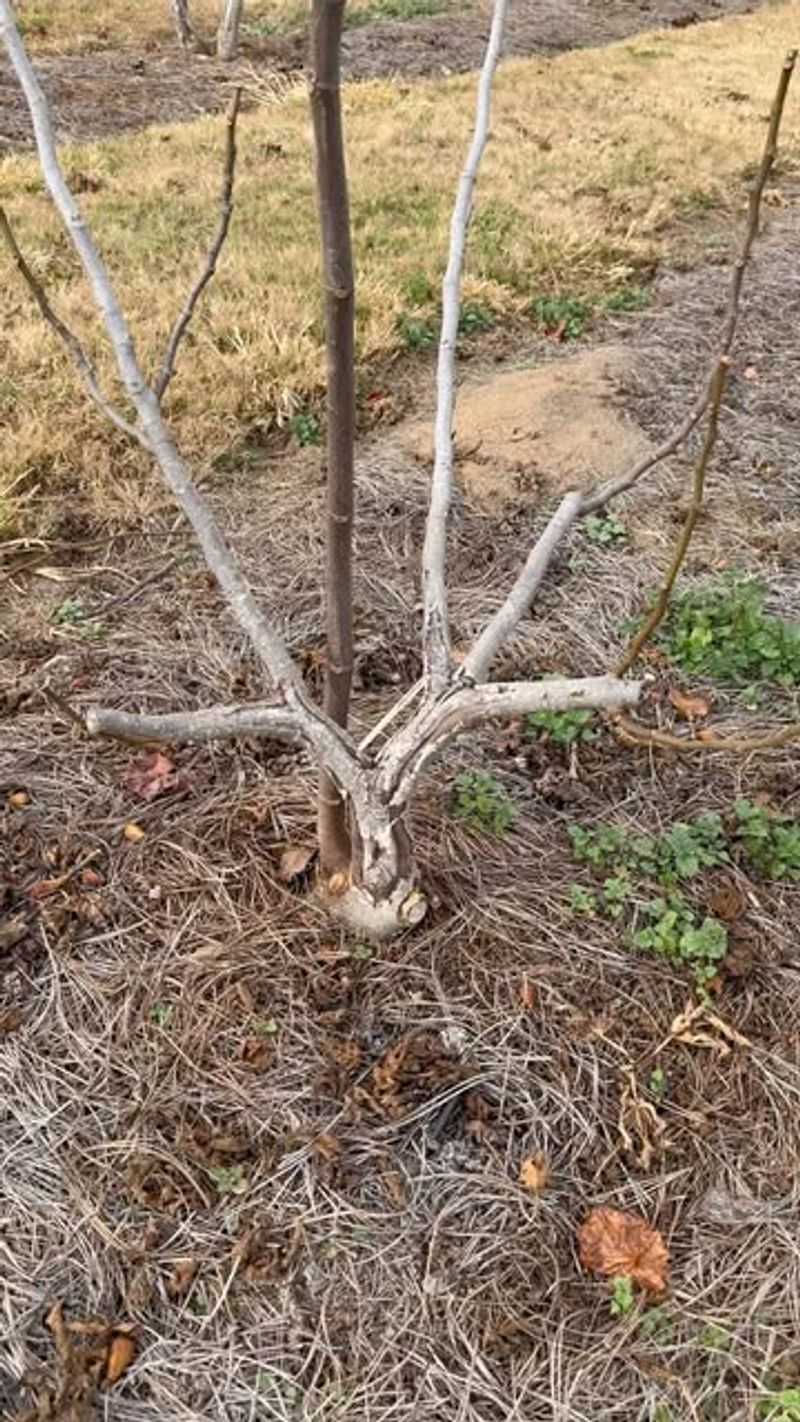
Figs have been growing in Southern gardens for centuries, and North Carolina’s climate, especially in the warmer coastal and piedmont regions, provides excellent conditions for these Mediterranean favorites.
Varieties like Brown Turkey and Celeste produce delicious fruit with minimal care, but a little January pruning helps maintain manageable size and encourages better fruit production.
Figs produce their main crop on new wood, so winter pruning won’t reduce your harvest and might actually improve it.
The approach to pruning figs depends somewhat on your location within North Carolina and how you’re growing them.
In warmer areas where figs rarely experience severe cold damage, you can focus on removing branches that are too tall, crossing limbs, and any growth that makes the tree’s center too crowded.
Keeping the tree at a height where you can easily reach the fruit makes harvesting much more enjoyable and allows better air circulation, which helps prevent fungal issues that can affect figs in humid climates.
In cooler parts of the state where occasional hard freezes might damage branches, January pruning provides a good opportunity to assess winter injury and remove any affected wood before spring growth begins.
Some gardeners prefer to keep their figs as large shrubs rather than trees, which makes them easier to protect during cold snaps and keeps fruit at a convenient picking height.
Regardless of your approach, pruning in January while the tree is dormant minimizes stress and ensures that when warm weather returns, your fig will focus its energy on producing those incredibly sweet fruits that ripen throughout summer and early fall.
Boxwood And Evergreen Shrubs
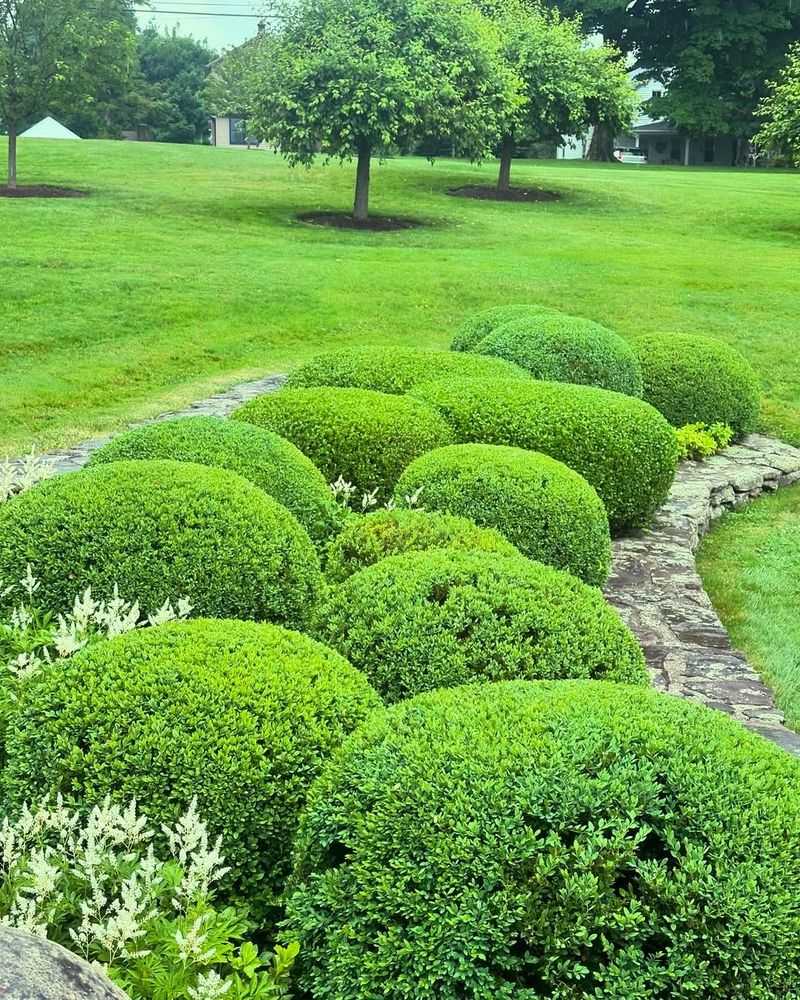
Boxwoods and other evergreen shrubs form the backbone of many North Carolina landscapes, providing year-round structure and greenery that keeps gardens looking polished even in the depths of winter.
While these plants don’t require the aggressive pruning that some flowering shrubs need, a light trim in January can help maintain their shape and encourage denser growth when spring arrives.
The key word here is light, as evergreens don’t respond well to severe cutbacks into old wood that lacks green foliage.
January offers a convenient window for this maintenance because the plants are semi-dormant, growing very slowly in winter’s cool temperatures.
This means pruning won’t stimulate a flush of tender new growth that could be damaged by late winter cold snaps.
Focus on removing any branches that stick out beyond the desired shape, creating an uneven appearance, or that have been damaged by snow, ice, or winter winds.
Using sharp hedge shears or hand pruners, make clean cuts that won’t leave ragged edges susceptible to disease.
Many gardeners appreciate that boxwoods and similar evergreens are forgiving subjects that tolerate regular shaping without complaint.
However, it’s important to maintain the plant’s natural form rather than forcing it into unnatural shapes that require constant maintenance.
Light January pruning also provides an opportunity to inspect plants for any signs of pest damage or disease, allowing you to address problems before they become serious.
When spring arrives, your evergreens will respond with fresh new growth that fills in nicely, creating the dense, uniform appearance that makes these plants so valuable in formal and informal landscapes alike.
What Not To Prune In January
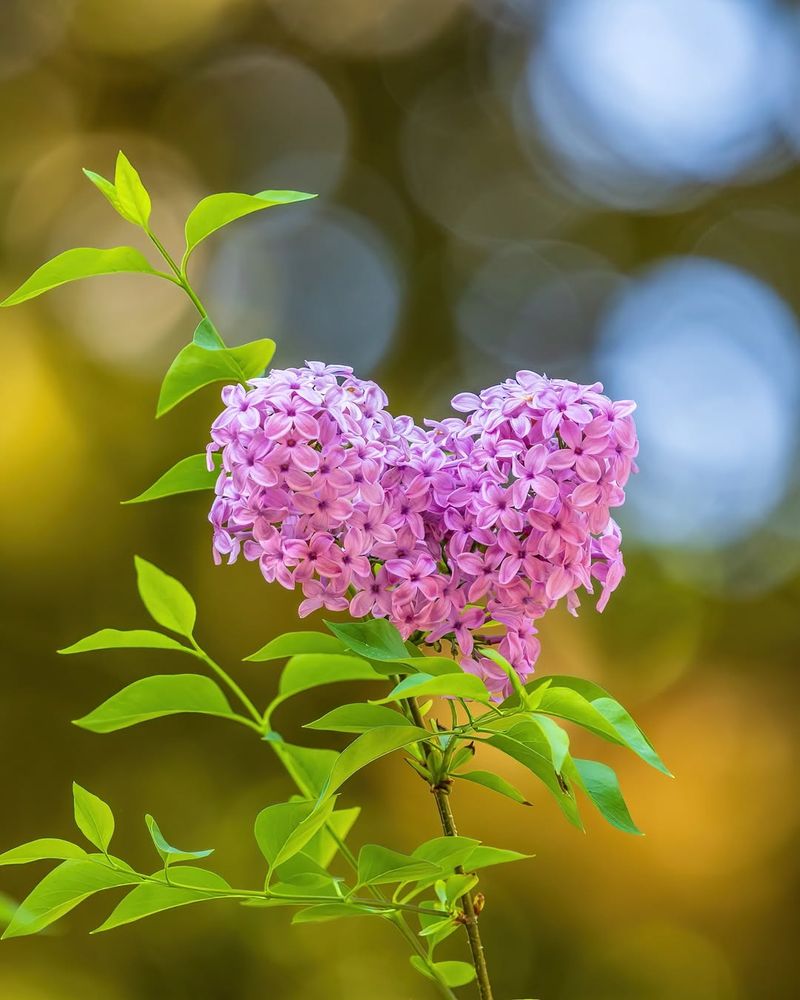
Knowing what not to prune is just as important as knowing what should be trimmed, and January is definitely not the time to grab your pruning shears and start cutting everything in sight.
Many popular spring-blooming shrubs set their flower buds during the previous summer and fall, carrying them through winter to bloom when warm weather returns.
If you prune these plants in January, you’ll be cutting off all those precious flower buds, leaving yourself with a nicely shaped shrub that produces exactly zero blooms when spring arrives.
Azaleas, rhododendrons, forsythia, lilacs, and flowering quince all fall into this “don’t prune now” category because they bloom on old wood.
Wait until immediately after they finish flowering in spring to do any necessary pruning, which gives them the entire summer to develop next year’s flower buds.
Similarly, early-blooming hydrangeas like mopheads and lacecaps should be left alone in January because they also bloom on old wood, and winter pruning will result in a disappointing bloom-free summer.
Other plants to avoid pruning in January include spring-blooming trees like dogwoods, redbuds, and cherry trees, which are best pruned right after flowering.
Evergreens that are marginally hardy in your area also shouldn’t be pruned in winter because cutting stimulates new growth that could be damaged by late cold snaps.
When in doubt, research the specific plant’s blooming habit before reaching for your pruners.
Understanding the difference between plants that bloom on new wood versus old wood is the key to successful pruning that enhances rather than eliminates your garden’s seasonal flower display.