These 13 Plants Are Worth Pruning In January In Arkansas
January in Arkansas might seem like a quiet month for gardens, but it’s actually prime time to prune certain plants and give them a head start for spring.
Pruning now removes dead or crowded growth, encourages stronger stems, and sets the stage for fuller blooms and healthier plants later in the season.
Prune in January, and your garden will reward you with beauty and vitality come spring!
These plants thrive when trimmed during the winter months, from flowering shrubs to hardy perennials.
Proper pruning improves air circulation, prevents disease, and helps energy flow to the areas of the plant that need it most.
Neglecting this step can lead to messy, weak growth, smaller flowers, and a garden that feels unkempt when spring arrives.
The right cut now means bigger, brighter blooms later.
For Arkansas gardeners, knowing which plants respond best to winter pruning turns a slow month into an opportunity for garden success.
With the right care, your landscape will emerge healthy, vibrant, and ready to impress once warmer days return.
January pruning isn’t a chore—it’s a secret weapon for a thriving garden.
1. Crape Myrtles For Stronger Summer Blooms
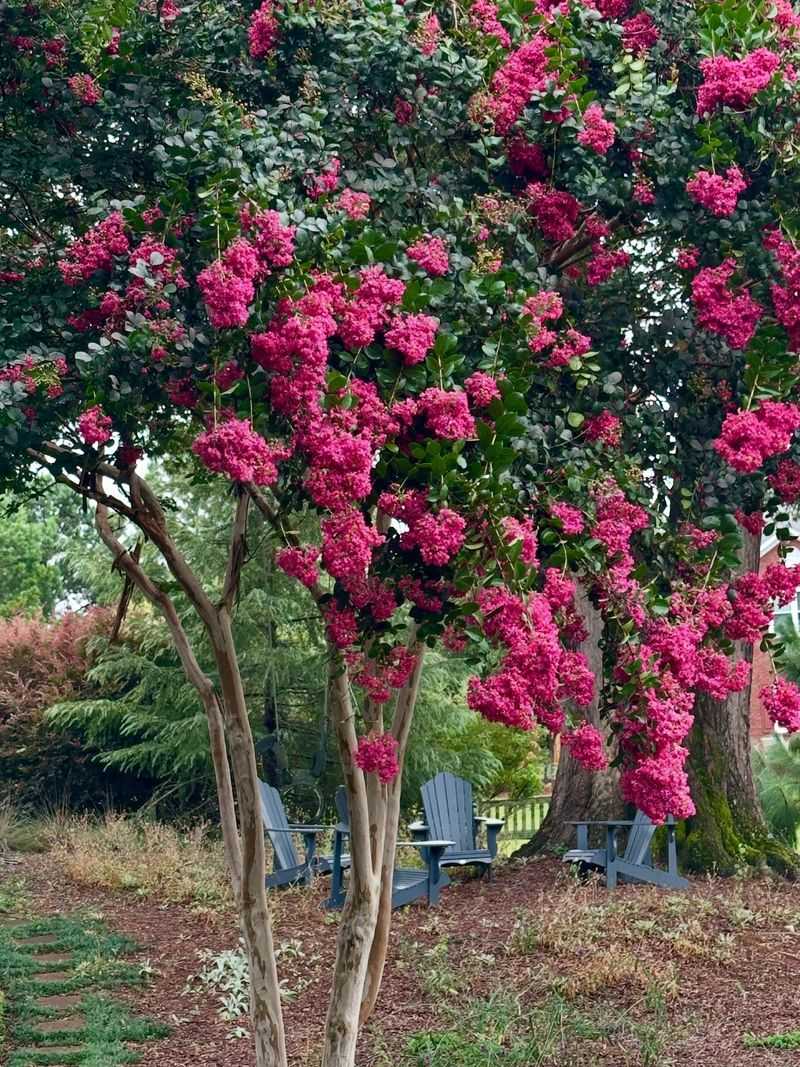
Arkansas gardeners know that crape myrtles are the stars of the summer landscape, and January is your chance to help them shine even brighter.
When these beautiful trees are dormant, their structure becomes easy to see, allowing you to make thoughtful cuts that enhance both form and flowering potential.
Light pruning during this time removes crossing branches, opens up the center for better air circulation, and encourages the development of strong new shoots that will carry those gorgeous flower clusters come July and August.
Many people make the mistake of topping their crape myrtles, creating those unfortunate knobby stubs sometimes called “crape murder.” Instead, focus on selective pruning that maintains the tree’s natural graceful shape.
Remove any branches smaller than a pencil in diameter, and cut back to a main branch or the trunk rather than leaving stubs.
This approach promotes healthier growth and more abundant blooms without sacrificing the elegant architecture that makes crape myrtles so beloved.
The cool temperatures in January mean your crape myrtles won’t waste energy trying to heal wounds while also pushing out new growth.
They can focus entirely on recovery, building strength for the growing season ahead.
By the time spring warmth arrives, your pruned crape myrtles will be ready to burst forth with vigorous new branches covered in flower buds, rewarding your winter efforts with a spectacular summer display that neighbors will envy.
2. Roses That Benefit From Dormant-Season Pruning
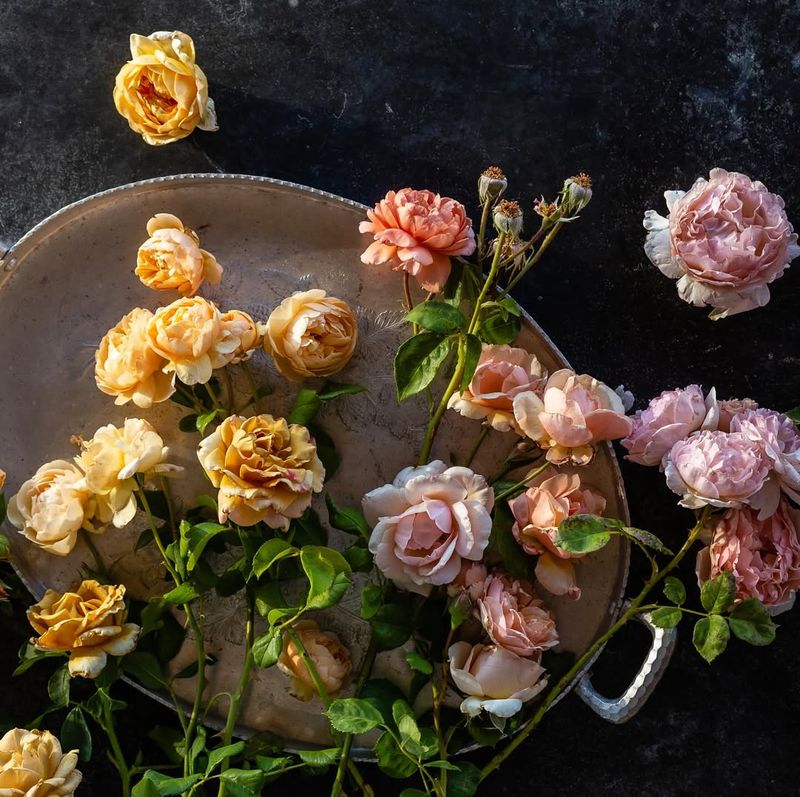
Roses have a reputation for being finicky, but January pruning in Arkansas can transform them into robust, flower-producing powerhouses.
Hybrid tea roses, floribundas, and grandifloras all respond beautifully to dormant-season trimming, which removes old canes, shapes the plant, and directs energy toward producing those stunning blooms we all adore.
When roses are leafless and dormant, you can easily identify which canes are healthy and which have suffered winter damage or disease, making your pruning decisions much more straightforward.
Your Arkansas Garden Changes Every Week. Your Plan Should Too.
Gardening in Arkansas changes quickly throughout the season. Every Friday you’ll receive a simple weekly plan showing exactly what to plant, prune, fertilize, harvest, and protect so you never miss the right timing.
Start by removing any canes that look shriveled, discolored, or damaged, cutting them back to healthy green tissue or all the way to the base if necessary.
Next, thin out the center of the plant to create an open vase shape that allows sunlight and air to reach all parts of the rose.
This open structure reduces humidity around the leaves and stems, which helps prevent fungal diseases like black spot and powdery mildew that plague Arkansas gardens during humid summers.
For hybrid teas, cut back the remaining healthy canes to about 12 to 18 inches tall, making your cuts at a 45-degree angle just above an outward-facing bud.
This encourages new growth to spread outward rather than inward, maintaining that desirable open shape.
Floribundas and grandifloras can be pruned slightly less severely.
Your roses will thank you with vigorous spring growth and an abundance of beautiful, fragrant flowers throughout the growing season.
3. Butterfly Bush For Fuller Growth
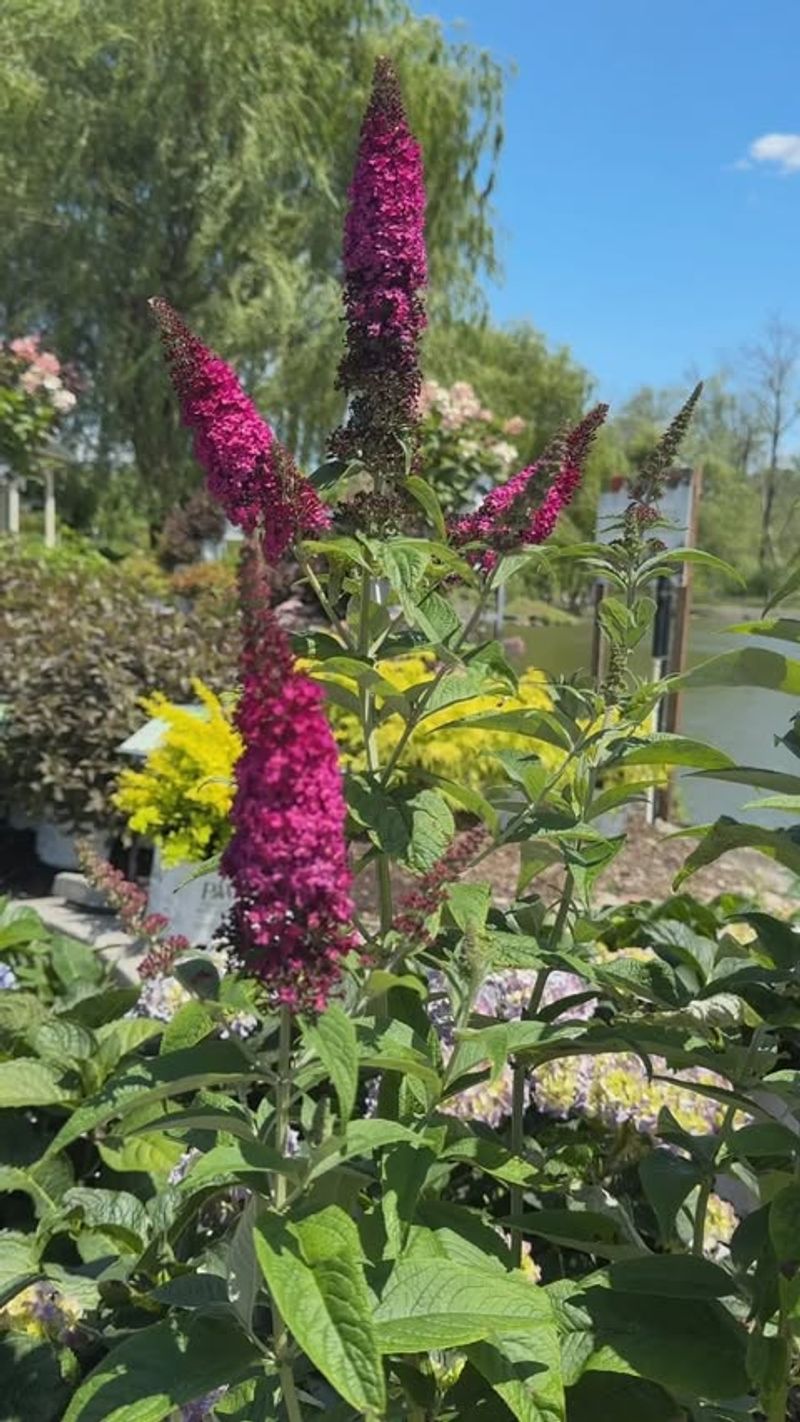
Butterfly bush earned its name honestly, attracting clouds of colorful butterflies to gardens throughout the summer months.
If you want your butterfly bush to be a compact, flower-covered magnet for pollinators rather than a tall, leggy shrub with blooms only at the tips, January is your moment to take action.
These vigorous growers bloom on new wood, meaning flowers appear on the current season’s growth, so cutting them back hard in winter won’t cost you a single bloom.
In fact, aggressive pruning actually increases the number of flowers your butterfly bush produces.
By cutting the entire plant back to about 12 to 18 inches from the ground, you stimulate the development of multiple new shoots that will each produce their own flower spikes.
The result is a fuller, bushier plant absolutely covered in fragrant blooms that butterflies, bees, and hummingbirds find irresistible.
Arkansas’s mild winter climate means your butterfly bush may still have some green growth or even a few lingering leaves in January, but don’t let that stop you from pruning.
The plant is still dormant even if it doesn’t look completely bare.
Use sharp, clean pruners to make your cuts, and don’t worry about being too precise with placement since the plant grows so vigorously.
Come spring, you’ll be amazed at how quickly your butterfly bush bounces back, developing into a gorgeous, compact specimen that becomes the centerpiece of your pollinator garden all summer long.
4. Panicle Hydrangeas (Hydrangea Paniculata)
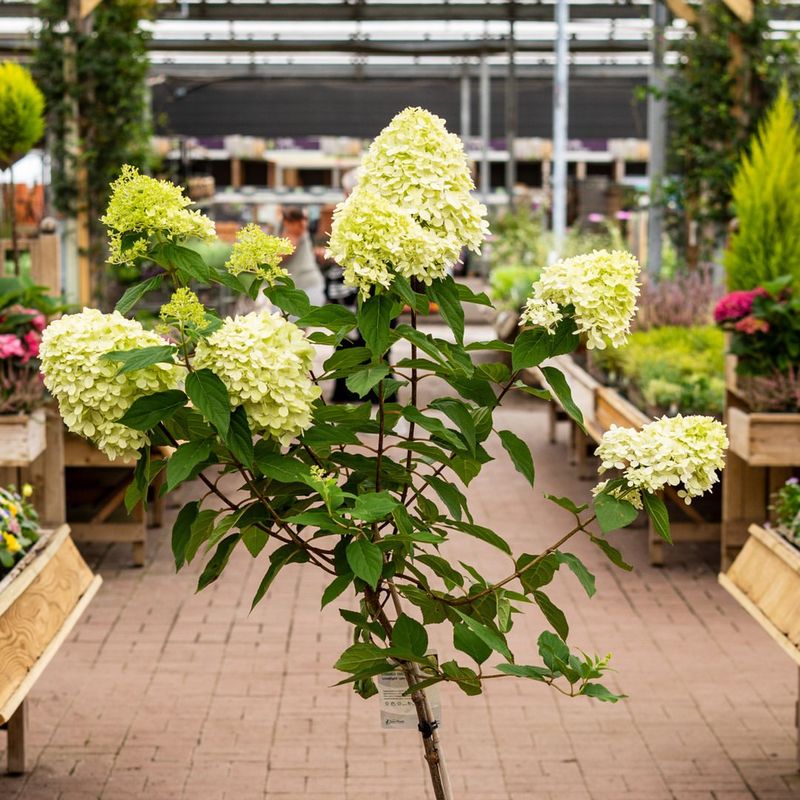
Not all hydrangeas are created equal when it comes to pruning, and understanding the differences can mean the distinction between a shrub covered in blooms and one that produces only leaves.
Panicle hydrangeas, including popular varieties like ‘Limelight’ and ‘Little Lime,’ bloom on new wood, which makes them perfect candidates for January pruning in Arkansas.
These tough, reliable shrubs produce those distinctive cone-shaped flower clusters on the current season’s growth, so cutting them back in winter actually increases flower production.
January pruning helps control the size of panicle hydrangeas, which can grow quite large if left unpruned.
You can cut them back by one-third to one-half of their height, removing the thinnest stems entirely to focus the plant’s energy on fewer, stronger branches.
This results in larger, more impressive flower panicles that won’t flop over under their own weight during summer rains.
The beauty of pruning panicle hydrangeas in winter is that you can see the plant’s framework clearly without foliage in the way.
Remove any branches that cross or rub against each other, and thin out the center to improve air circulation.
If you want to train your panicle hydrangea as a small tree rather than a multi-stemmed shrub, January is also the time to remove lower branches and suckers.
Your efforts will be rewarded with a beautifully shaped plant covered in spectacular blooms that transition from white to pink as summer progresses into fall.
5. Smooth Hydrangeas (Hydrangea Arborescens)
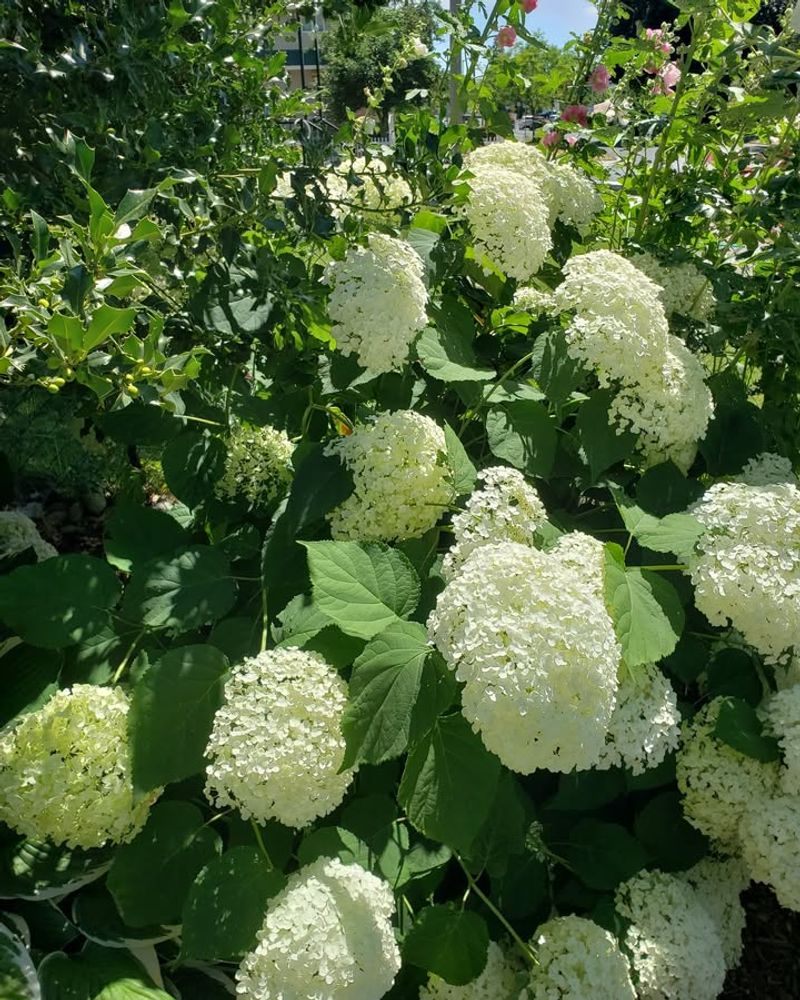
Smooth hydrangeas, including the classic ‘Annabelle’ with its enormous white flower globes, are among the most forgiving shrubs you can grow in Arkansas gardens.
Like their panicle cousins, smooth hydrangeas bloom on new wood, but they’re even more tolerant of aggressive pruning.
You can literally cut these plants back to just a few inches above the ground in January, and they’ll bounce back with vigorous growth and plenty of those spectacular blooms.
This hard pruning approach is actually beneficial for smooth hydrangeas because it prevents them from becoming too tall and floppy.
Those massive flower heads can be heavy, especially after a rain, and stems on unpruned plants often bend or break under the weight.
By cutting the plant back severely each winter, you encourage the development of sturdier stems that can better support the blooms, reducing the need for staking or other supports.
Arkansas gardeners appreciate smooth hydrangeas because they’re native to the southeastern United States, making them well-adapted to our climate and growing conditions.
They tolerate heat, humidity, and a range of soil types, thriving with minimal care.
January pruning is simple: just grab your loppers or pruning saw and cut all stems back to about 6 to 12 inches from the ground.
Don’t worry about being precise or selective; smooth hydrangeas are incredibly resilient and will reward your bold approach with lush growth and abundant flowers that brighten shady corners from June through August.
6. Apple And Pear Trees
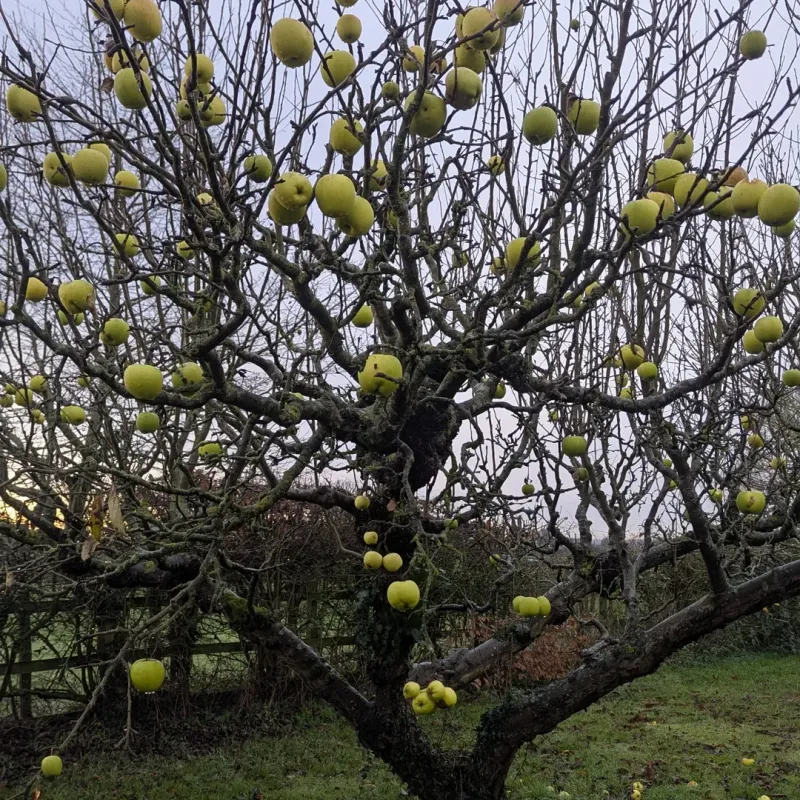
Arkansas has a proud tradition of fruit growing, and January is prime time for pruning apple and pear trees in home orchards throughout the state.
Winter pruning while trees are dormant offers multiple advantages: you can easily see the branch structure without leaves obscuring your view, the trees aren’t actively growing so they won’t waste energy on wound healing, and you reduce the risk of spreading diseases that thrive in warmer, wetter conditions.
Proper pruning improves fruit quality, increases yields, and helps maintain a manageable tree size for easier harvesting.
Start by removing any branches that are broken, diseased, or growing straight up or straight down, as these won’t contribute to good fruit production.
Then focus on opening up the center of the tree to allow sunlight to penetrate throughout the canopy.
Fruit trees produce the best quality fruit on branches that receive adequate light, and good air circulation through the center helps prevent fungal diseases that can plague Arkansas orchards during humid summers.
For apple trees, aim for a central leader structure with well-spaced scaffold branches, while pear trees often do well with a modified central leader or open center shape.
Remove any water sprouts (those vigorous vertical shoots) and thin out crowded areas where multiple branches compete for space.
Make clean cuts just outside the branch collar, and avoid leaving stubs that can become entry points for disease.
Your winter pruning efforts will be rewarded with healthier trees and a bountiful harvest of delicious, homegrown fruit.
7. Peach Trees
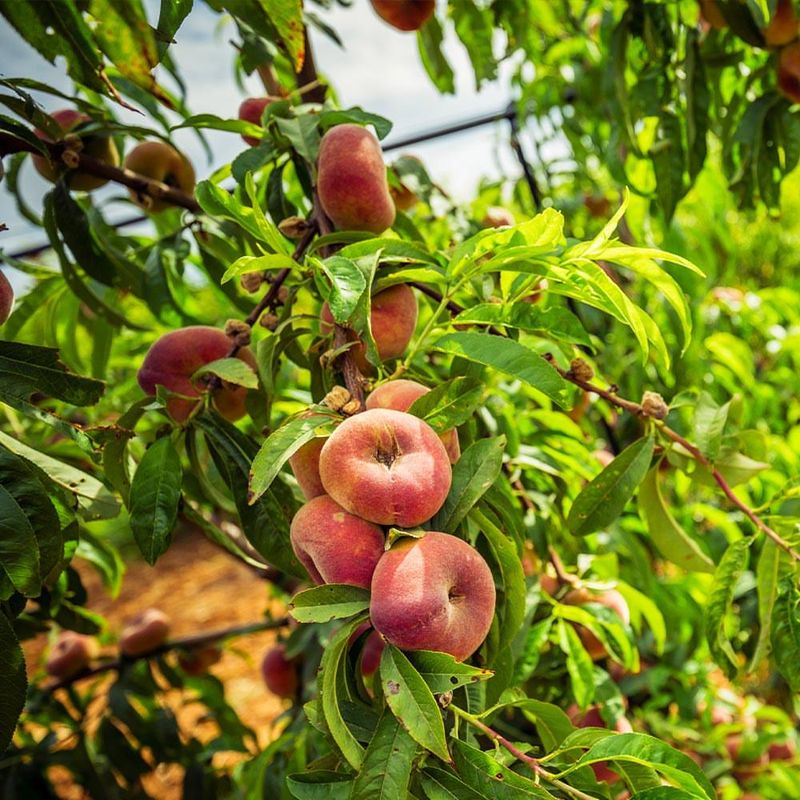
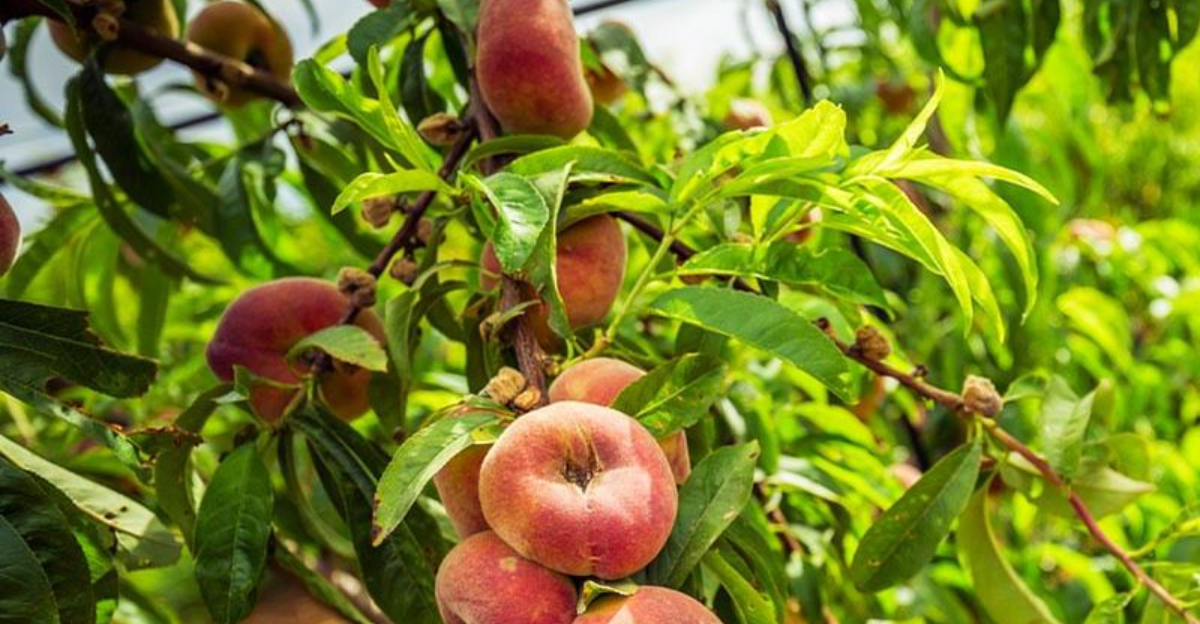
Peach trees are a favorite in Arkansas home gardens, producing juicy, flavorful fruit that tastes nothing like the supermarket varieties shipped from distant states.
However, peaches require more attentive pruning than apples or pears to stay healthy and productive.
January pruning is essential for peach trees because it helps prevent diseases like peach leaf curl and bacterial spot, both of which can devastate trees in Arkansas’s humid climate.
Pruning also improves fruit size and quality by ensuring that the tree’s energy goes into fewer, larger peaches rather than numerous small ones.
Peach trees produce fruit on one-year-old wood, meaning the branches that grew last summer will bear this year’s crop.
Your January pruning should focus on maintaining an open center or vase shape that allows sunlight to reach all parts of the tree.
Remove any branches growing toward the center, and thin out areas where branches are crowded or crossing.
This open structure improves air circulation, which helps leaves and fruit dry quickly after rain or dew, reducing disease pressure.
Don’t be afraid to prune peach trees fairly aggressively; they can handle and actually benefit from removing up to one-third of the tree’s growth each year.
Thin out some of the fruiting wood to prevent overproduction, which can result in small fruit and can even break branches under the weight.
Make your cuts just above an outward-facing bud to encourage growth away from the center.
With proper January pruning, your peach tree will reward you with a manageable harvest of large, sweet peaches that make Arkansas summers even more delicious.
8. Grape Vines For Better Yields
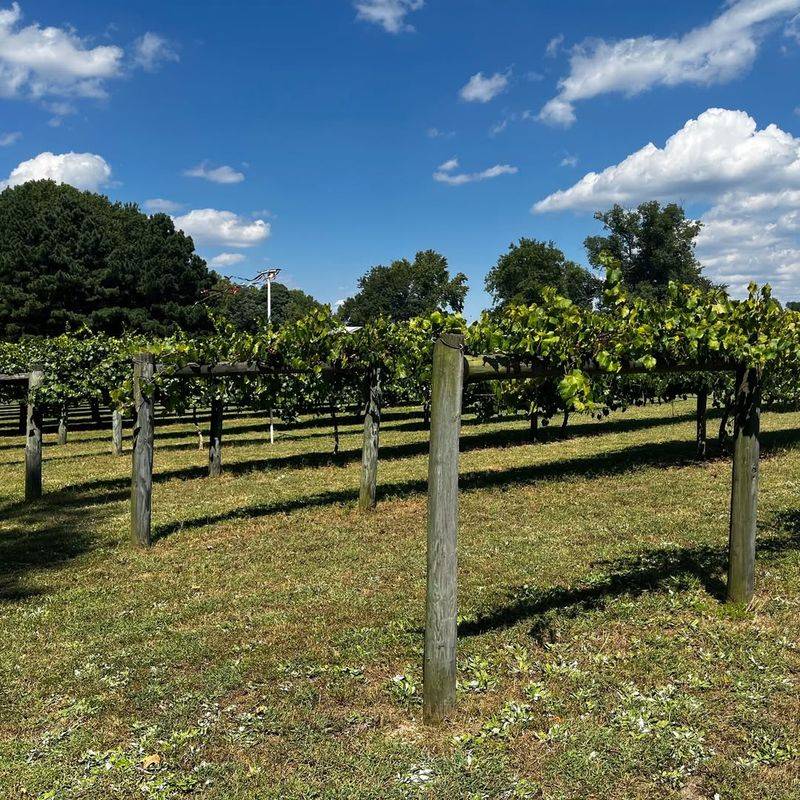
Growing grapes in Arkansas can be incredibly rewarding, whether you’re producing table grapes for fresh eating, juice grapes for preserves, or wine grapes for homemade vintages.
However, unpruned grapevines quickly become tangled, unproductive messes that produce more leaves than fruit.
January is the ideal time to prune grapevines in Arkansas because they’re fully dormant, and pruning now prevents the excessive “bleeding” of sap that occurs if you wait until late winter or early spring when sap begins to flow.
Grapevines require aggressive pruning to produce quality fruit.
You’ll typically remove 80 to 90 percent of the previous year’s growth, which sounds drastic but is exactly what grapes need.
Grapes produce fruit on new shoots that grow from one-year-old canes, so your pruning strategy involves selecting a few healthy canes from last year’s growth and removing everything else.
The retained canes should be about pencil thickness, healthy, and well-positioned along your trellis or support system.
For most home grape growers in Arkansas, a simple four-cane Kniffin system works well.
Select four canes, two on each side of the trunk, and tie them horizontally along your trellis wires.
Cut each cane back to about 10 buds, and remove all other growth.
Also prune back the short renewal spurs near the trunk to two buds each; these will produce the canes you’ll select for next year’s fruiting wood.
This systematic approach to January pruning keeps your grapevines manageable, productive, and healthy, ensuring abundant harvests year after year.
9. Wisteria To Control Size And Encourage Blooms
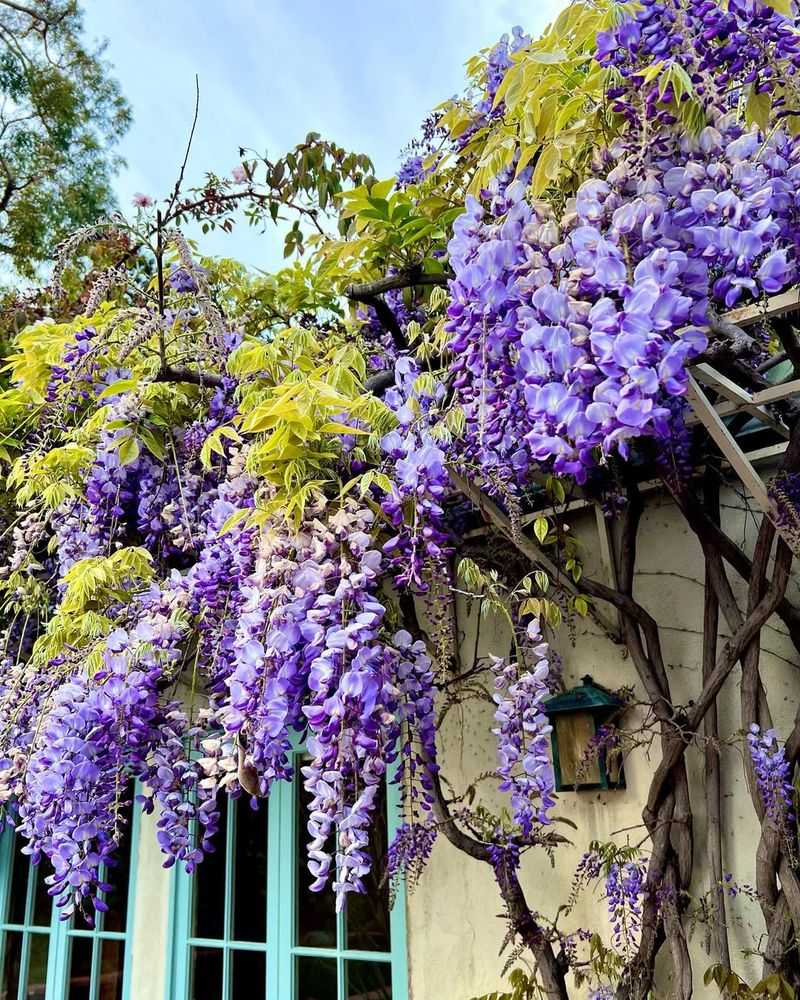
Wisteria is simultaneously one of the most beautiful and most challenging plants Arkansas gardeners can grow.
Its cascading clusters of fragrant purple, pink, or white flowers are absolutely breathtaking, but its vigorous growth can quickly overwhelm structures, climb into trees, and take over entire sections of the garden if left unchecked.
January pruning is your opportunity to control wisteria’s enthusiastic growth while encouraging more abundant flowering, transforming a potential garden thug into a well-behaved showstopper.
Wisteria blooms on short spurs that develop on older wood, and January pruning helps develop these flowering spurs while controlling the long, whip-like shoots that wisteria produces throughout the growing season.
Start by identifying the main framework of branches you want to keep as the permanent structure of your wisteria.
Then cut back all the long shoots that grew last year to just two or three buds from the main framework.
This severe pruning might seem harsh, but it redirects the plant’s energy into producing flower buds rather than more vegetative growth.
Regular January pruning also prevents wisteria from becoming too heavy for its support structure.
These vigorous vines can damage arbors, pergolas, and even buildings if allowed to grow unchecked, so keeping them trimmed back is essential for both aesthetic and structural reasons.
After pruning, your wisteria will look much more manageable and tidy.
Come spring, those short spurs you created will burst into bloom, covering your vine in spectacular flower clusters that justify all the effort you put into taming this beautiful but exuberant plant.
10. Fig Trees For Healthier Growth
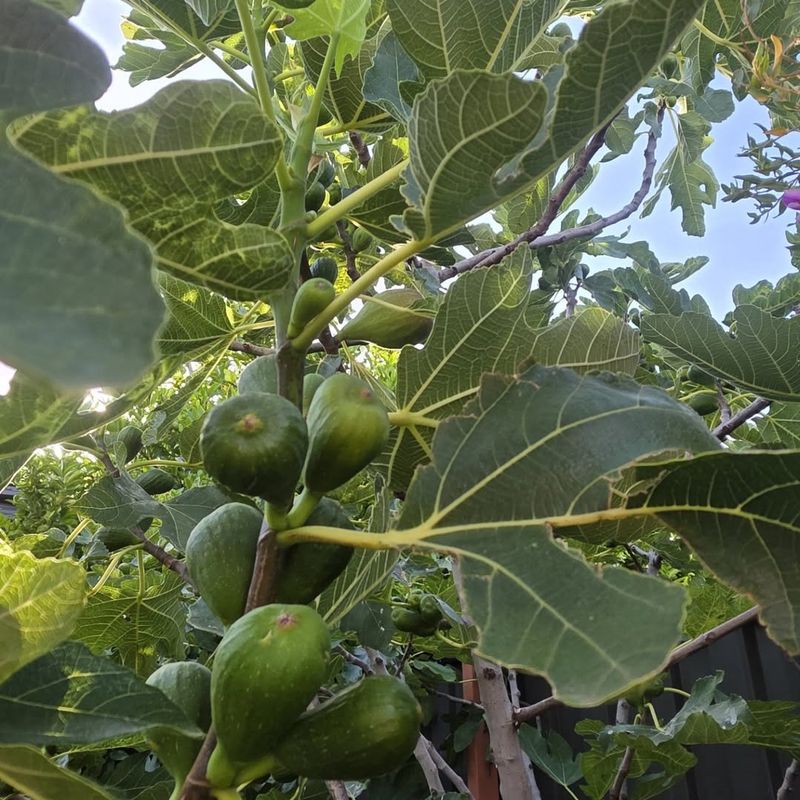
Fig trees have been growing in Arkansas gardens for generations, thriving in our climate and producing delicious fruit that tastes like candy straight from the tree.
Arkansas’s relatively mild winters allow fig trees to survive and even flourish, though they may experience some winter damage in colder years.
January is the perfect time to assess your fig tree’s condition, remove any damaged wood, and shape the tree for optimal fruit production and easy harvesting.
Start your fig pruning by removing any branches that suffered winter damage, cutting back to healthy green wood.
Even if the damage isn’t obvious, you can scratch the bark with your fingernail; healthy wood will show green underneath, while damaged wood appears brown or gray.
Next, thin out the center of the tree to improve air circulation and light penetration, which helps fruit ripen evenly and reduces disease pressure during humid Arkansas summers.
Figs produce fruit both on the previous year’s wood and on new growth, depending on the variety, so your pruning approach should maintain a balance between old and new wood.
Remove any suckers growing from the base of the tree, as these drain energy from the main trunk.
If your fig tree has grown too tall for easy harvesting, January is the time to cut it back to a more manageable height.
Fig trees respond well to pruning and will quickly produce new growth when spring arrives.
Your winter pruning efforts will be rewarded with a healthier, more productive tree that makes harvesting your delicious figs a pleasure rather than a challenge.
11. Boxwood And Evergreen Shrubs
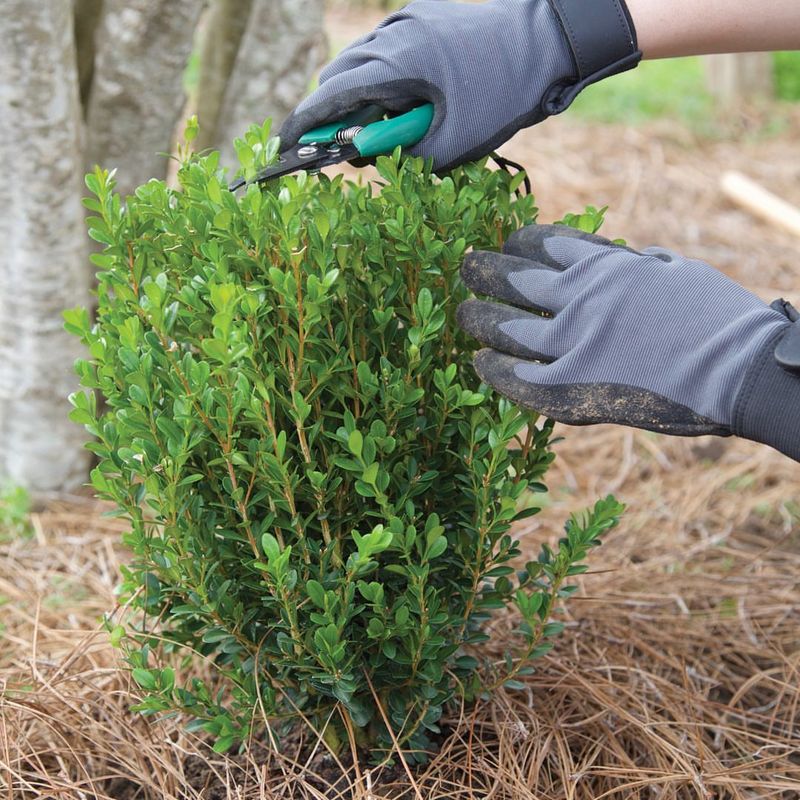
Boxwoods and other evergreen shrubs provide year-round structure and beauty to Arkansas landscapes, serving as hedges, foundation plantings, and garden anchors that look good even in the depths of winter.
While these plants don’t require the same aggressive pruning as deciduous shrubs, January offers an excellent opportunity for light shaping and maintenance pruning that improves their appearance and health without stimulating tender new growth that could be damaged by late winter cold snaps.
Focus your January pruning on removing any branches that were damaged by winter weather, including those broken by ice or snow or browned by cold winds.
Also thin out the interior of dense evergreen shrubs slightly to improve air circulation, which helps prevent fungal diseases and allows light to reach inner branches, keeping them healthy and green.
This is particularly important for boxwoods, which can develop bare centers if the interior becomes too shaded and congested.
Avoid heavy shearing or shaping of evergreen shrubs in January, as this stimulates new growth that may emerge during warm spells and then suffer damage when cold weather returns.
Instead, use hand pruners to make selective cuts that maintain the plant’s natural shape while removing problematic branches.
If you have formal hedges that require precise shaping, wait until late spring after the danger of hard freezes has passed.
Light January maintenance keeps your evergreen shrubs looking tidy and healthy, ensuring they continue to provide beautiful structure to your Arkansas landscape throughout the year.
12. Ornamental Grasses
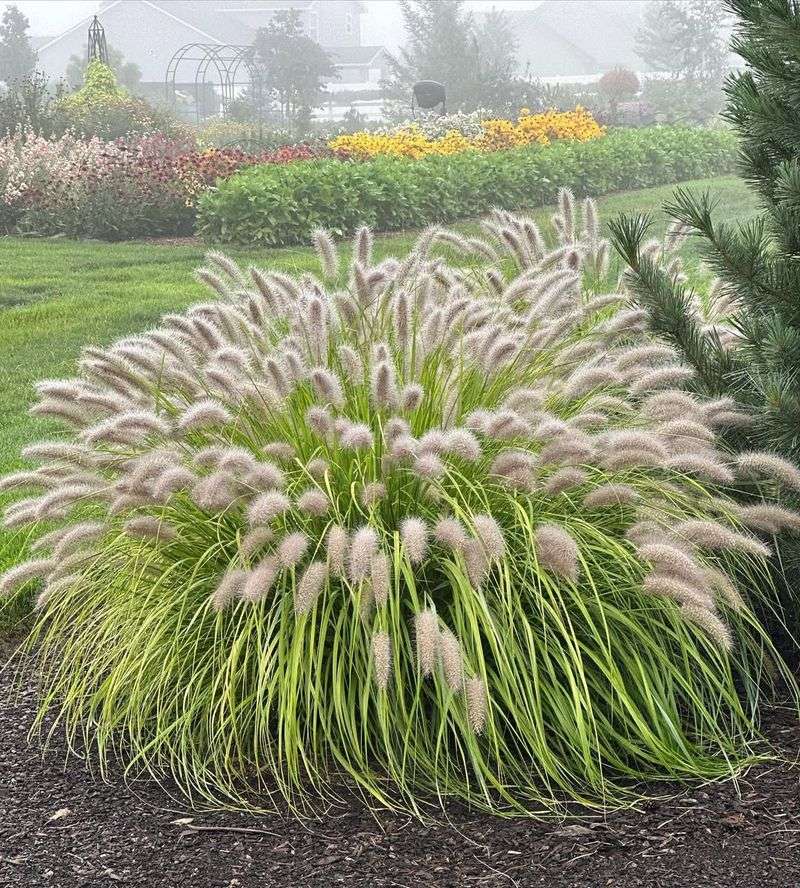
Ornamental grasses add movement, texture, and winter interest to Arkansas gardens, with their tawny plumes and foliage creating beautiful silhouettes against snow or frost.
However, by January, most ornamental grasses are looking tired and tattered, and it’s time to cut them back before new growth begins emerging from the base.
Pruning ornamental grasses in January is one of the easiest and most satisfying gardening tasks, transforming messy clumps into tidy plants ready to produce fresh new foliage.
The technique for cutting back ornamental grasses couldn’t be simpler: gather the foliage together with one hand or tie it loosely with twine, then use hedge shears, loppers, or even a power trimmer to cut the entire clump back to about 4 to 6 inches above the ground.
Make your cut above the crown of the plant where new growth emerges, being careful not to damage the growing point.
The old foliage comes away in a neat bundle that you can add to your compost pile or use as mulch.
Timing is important when cutting back ornamental grasses in Arkansas.
If you prune too early in fall or early winter, you miss out on the beautiful winter interest these plants provide.
Wait too long into late winter or early spring, and you risk damaging new green shoots that have already started growing.
January hits the sweet spot, giving you a clean slate before spring growth begins in earnest.
Your freshly pruned grasses will quickly send up bright green blades when warmer weather arrives, looking refreshed and ready for another season of adding beauty and movement to your garden.
13. Crepe Jasmine And Summer-Blooming Shrubs
Many summer-blooming shrubs besides the ones already mentioned benefit from January pruning in Arkansas, and understanding which plants bloom on new wood versus old wood is the key to pruning success.
Crepe jasmine, rose of Sharon, beautyberry, and vitex are just a few examples of shrubs that produce flowers on the current season’s growth, making them perfect candidates for dormant-season pruning.
Cutting these plants back in January removes old, unproductive wood and stimulates vigorous new growth that will be covered in blooms when summer arrives.
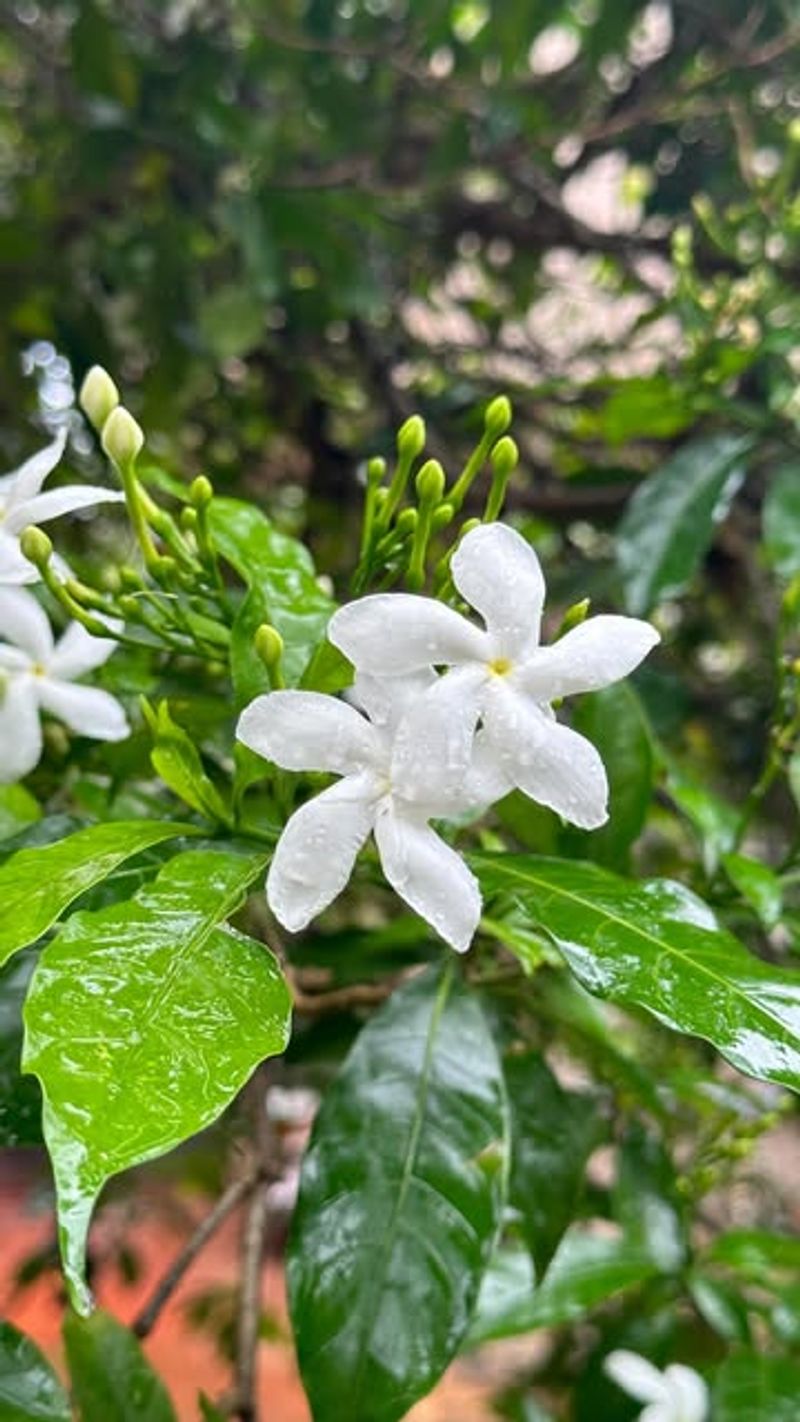
Crepe jasmine, despite its name, isn’t actually a jasmine at all but rather a tropical evergreen shrub that performs well in southern Arkansas gardens.
It produces clusters of fragrant white flowers throughout the summer on new wood, so January pruning helps control its size and encourages bushier, more floriferous growth.
Rose of Sharon is another summer bloomer that responds beautifully to winter pruning, developing into a compact, flower-covered specimen rather than a tall, leggy shrub with blooms only at the tips.
When pruning summer-blooming shrubs in January, you can be fairly aggressive since they’ll have the entire growing season to recover and produce flowering wood.
Remove about one-third of the oldest stems entirely, cutting them back to the ground to encourage new growth from the base.
Then cut back the remaining stems by one-third to one-half their height, making your cuts just above an outward-facing bud.
This approach creates a balanced, attractive shape while maximizing flower production.
Your January pruning efforts will be rewarded with healthy, vigorous shrubs that provide color and interest throughout the summer months.