10 Agave Care Tips That Actually Work For Arizona Gardeners
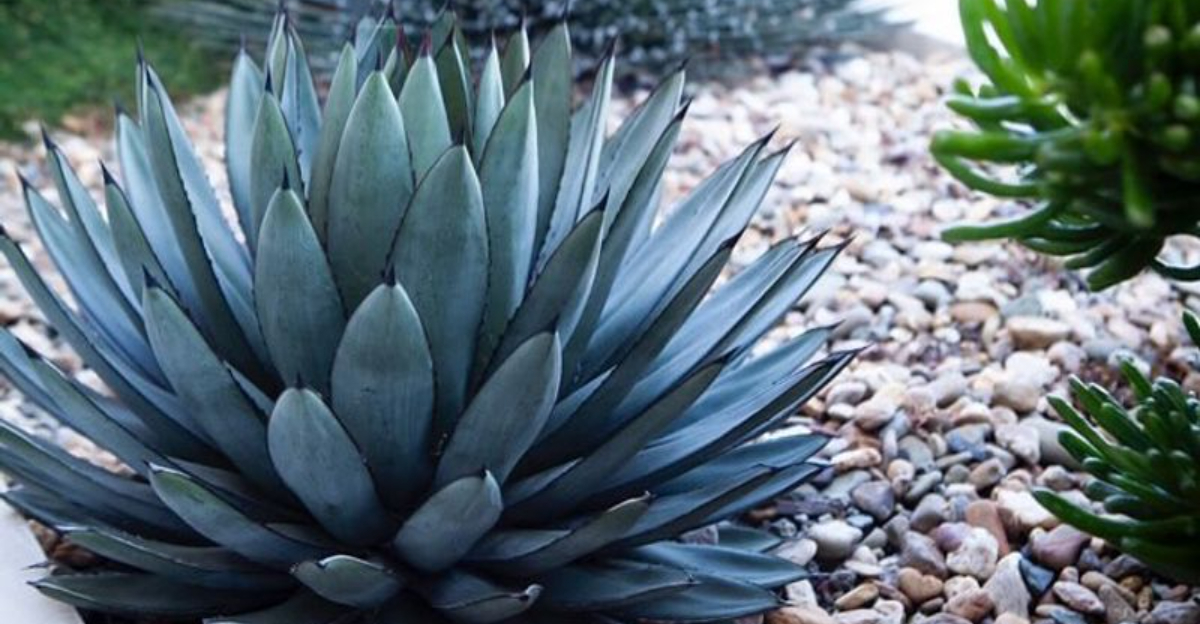
Agaves are desert royalty—dramatic, low-maintenance, and perfectly suited to Arizona’s scorching sun and dry soils.
But even these hardy succulents aren’t completely hands-off.
Too much water, poor drainage, or the wrong placement can stunt growth or even kill a plant.
Knowing how to care for agaves properly ensures they thrive and steal the spotlight in your garden.
These spiky beauties are tough—but only if you know how to treat them.
From choosing the right soil and sun exposure to pruning and protecting against pests, these ten tips help Arizona gardeners get the most out of their agaves.
They thrive in heat, tolerate drought, and reward the right care with striking architecture and dramatic focal points.
With simple, proven techniques, even beginner gardeners can enjoy a healthy, thriving agave garden.
Care for them smartly, and they’ll last for years—becoming a showpiece of your landscape.
Arizona gardeners who follow these tips can enjoy the beauty, low maintenance, and resilience of agaves without the common pitfalls.
With proper care, your agaves won’t just survive—they’ll thrive and dominate your desert landscape.
Agaves are desert royalty—treat them like it, and they’ll rule your garden beautifully.
1. Plant Agave Where It Gets Full Sun Without Afternoon Burn
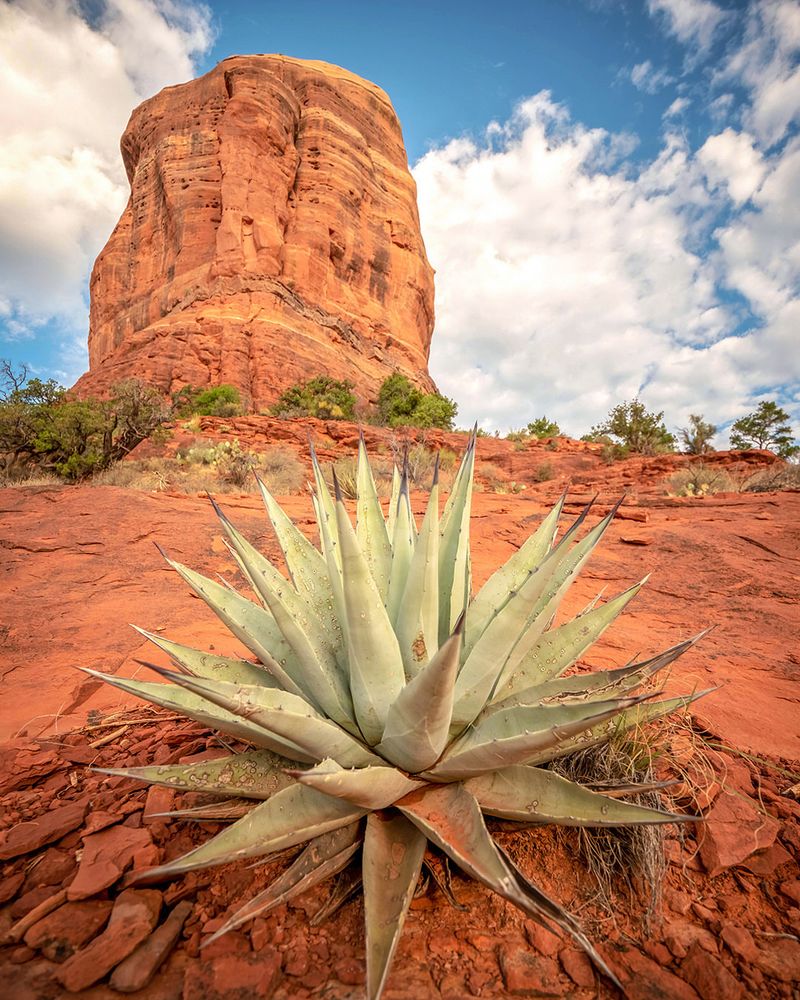
Agaves are sun-loving champions that soak up Arizona’s intense rays with enthusiasm, but even these desert natives can show signs of stress when the afternoon sun becomes relentless during peak summer months.
Finding that sweet spot in your yard where morning and midday light flood the plant while offering just a touch of relief during the hottest part of the day can make a world of difference in how your agave looks and grows.
Eastern exposures work beautifully because they deliver strong morning light without the brutal late-day intensity that can scorch leaf tips and fade those gorgeous blue-green hues.
If your yard doesn’t have natural afternoon shade from a tree or structure, consider planting your agave on the east side of a wall, large boulder, or taller shrub that blocks just enough of that searing western sun.
This setup mimics the conditions agaves experience in their native habitats, where they often grow among rocks and scattered vegetation that provide dappled protection.
You want your plant to bask in at least six to eight hours of sunlight daily, so don’t go overboard with shade or it will stretch and lose its compact, sculptural form.
Watch your agave’s leaves for clues about whether it’s getting the right balance of light and protection.
Healthy leaves stay firm, colorful, and symmetrical, while sunburned foliage develops brown, papery patches or bleached-out spots that never recover.
2. Use Fast-Draining, Gritty Soil
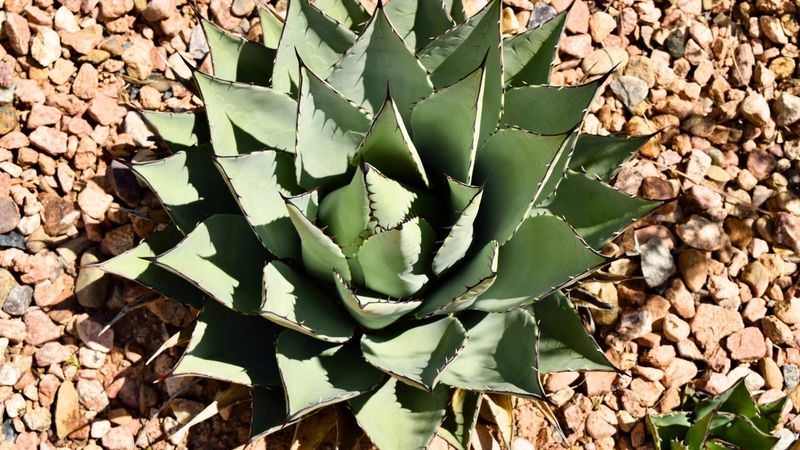
Clay-heavy or compacted soil is an agave’s worst nightmare because these plants evolved in rocky, well-draining environments where water rushes through quickly and roots never sit in moisture for long.
Arizona’s native soils vary wildly depending on where you live, and many areas have dense caliche layers or clay that trap water like a bathtub, creating the perfect recipe for root rot that can take down even the toughest agave in just one monsoon season.
Your Arizona Garden Changes Every Week. Your Plan Should Too.
Gardening in Arizona changes quickly throughout the season. Every Friday you’ll receive a simple weekly plan showing exactly what to plant, prune, fertilize, harvest, and protect so you never miss the right timing.
Amending your planting area with coarse materials transforms that heavy soil into a fast-draining haven that mimics the agave’s natural home.
Mix generous amounts of pumice, perlite, or coarse sand into your existing soil at a ratio of about one part amendment to one part native soil, creating a gritty blend that feels almost gravelly in your hands.
If you’re planting in a particularly problematic spot with terrible drainage, consider building a raised mound or berm that elevates the agave’s crown above the surrounding grade, allowing excess water to drain away from the roots.
Some Arizona gardeners even create entire planting beds filled with a custom cactus mix that’s mostly inorganic material.
Test your soil’s drainage by digging a hole, filling it with water, and watching how quickly it disappears.
If water is still standing after an hour, you need more amendments or a different planting location altogether to keep your agave happy and healthy for years to come.
3. Water Deeply— But Very Infrequently
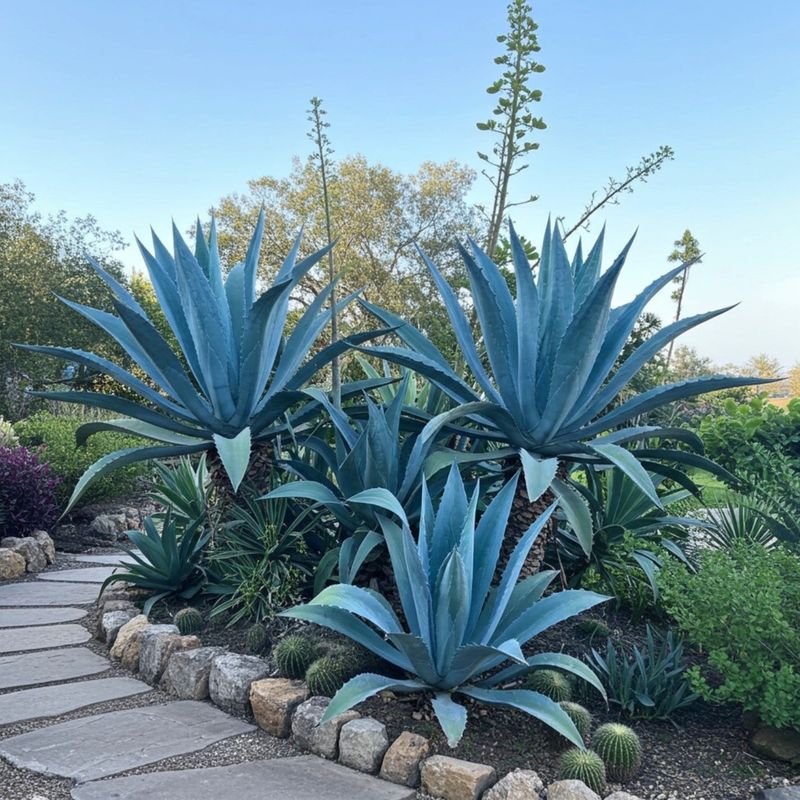
Understanding how agaves store and use water is the key to avoiding the single most common mistake Arizona gardeners make: overwatering these magnificent succulents until their roots rot away.
Agave leaves are thick, fleshy reservoirs that hold moisture for weeks or even months, allowing the plant to survive extended droughts that would wither other garden favorites.
When you do water, the goal is to soak the soil deeply so moisture penetrates down to the root zone, encouraging roots to grow downward and establish a strong anchor in the ground.
During the cooler months from November through February, most established agaves in Arizona need absolutely no supplemental water because winter rains and lower evaporation rates provide plenty of moisture.
As temperatures climb in spring and the monsoons arrive in summer, you might water deeply once every three to four weeks if natural rainfall is scarce, but always let the soil dry out completely between waterings.
New transplants need slightly more attention during their first year, with deep watering every two weeks during hot months until their roots establish.
The trick is to water long and slow, allowing the moisture to soak in rather than run off, then walk away and resist the urge to water again until the soil is bone dry several inches down.
Overwatered agaves develop soft, yellowing leaves and a mushy crown, while underwatered plants simply pause their growth and wait patiently for the next rain.
4. Keep Mulch Away From The Crown
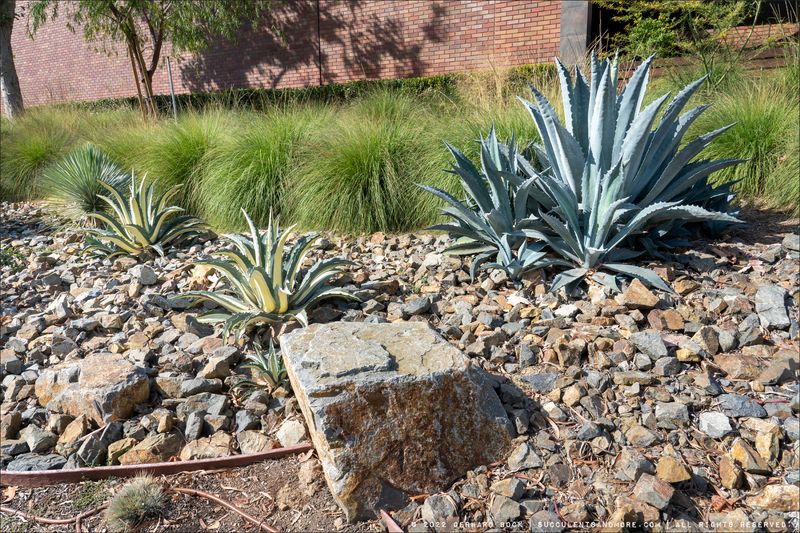
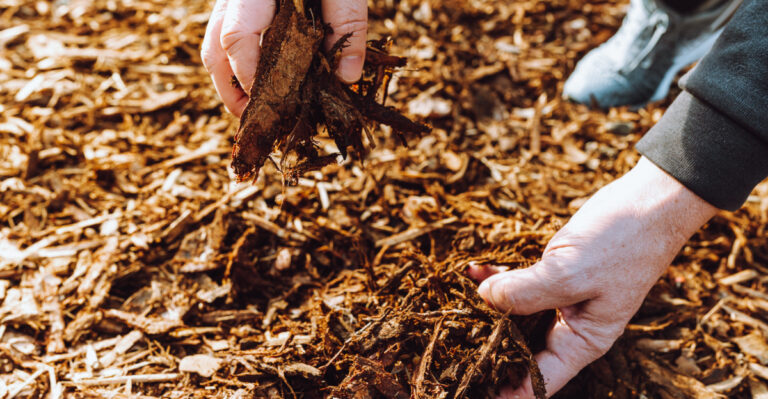
Organic mulches like wood chips, bark, or compost might work beautifully around roses and vegetables, but they’re a disaster waiting to happen when piled against an agave’s crown.
These materials hold moisture against the plant’s base, creating a damp, humid microclimate that encourages fungal growth and rot in a plant that’s designed to stay dry and breezy.
Arizona’s intense summer rains and monsoon humidity already challenge agaves enough without adding extra moisture-retaining materials right where the plant is most vulnerable.
Instead of traditional mulch, Arizona gardeners should surround their agaves with inorganic materials that look natural, reflect the desert aesthetic, and actually improve drainage rather than trap water.
Decomposed granite, small river rocks, crushed gravel, or even volcanic rock create attractive ground covers that suppress weeds, reduce soil temperature fluctuations, and keep the area around your agave looking tidy without any of the rot risks.
These materials also heat up during the day and radiate warmth at night, which agaves appreciate during cooler months.
When applying any ground cover, always leave a few inches of bare soil around the agave’s crown, creating a little moat that ensures air circulation and prevents any material from touching the plant’s base.
This simple practice dramatically reduces the chance of crown rot, which is nearly impossible to reverse once it takes hold and spreads through the plant’s central growing point.
5. Protect Young Agaves From Extreme Heat
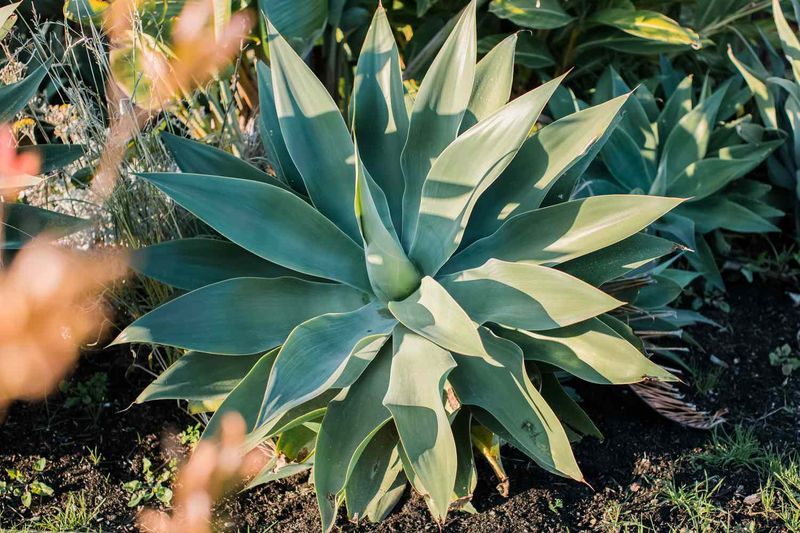
Newly planted agaves haven’t had time to develop the deep root systems and stress tolerance that make mature specimens so incredibly tough, which means those first few months in your Arizona garden require a bit of extra attention and protection.
Transplant shock combined with 110-degree temperatures and relentless sun can overwhelm a young plant, causing leaf burn, growth stalling, or even failure to establish properly in its new home.
Giving your baby agave some temporary shade and gentle care during that critical establishment period sets it up for decades of success.
Set up a simple shade structure using shade cloth rated at 30 to 50 percent coverage, positioned to block the harsh afternoon sun while still allowing plenty of morning light to reach the plant.
You can drape the cloth over stakes, attach it to a frame, or even lean an old wooden pallet at an angle to create dappled shade that mimics the protection of a nurse plant in the wild.
This temporary shelter should stay in place through the first summer and possibly into the second growing season, depending on how quickly your agave establishes.
During this establishment phase, water a bit more frequently than you would for a mature agave, perhaps every ten days during hot months, always checking soil moisture first to avoid overdoing it.
As the plant develops a strong root system and new growth appears, gradually reduce the shade and transition to the hands-off care schedule that established agaves prefer.
6. Watch For Pups And Manage Them Early
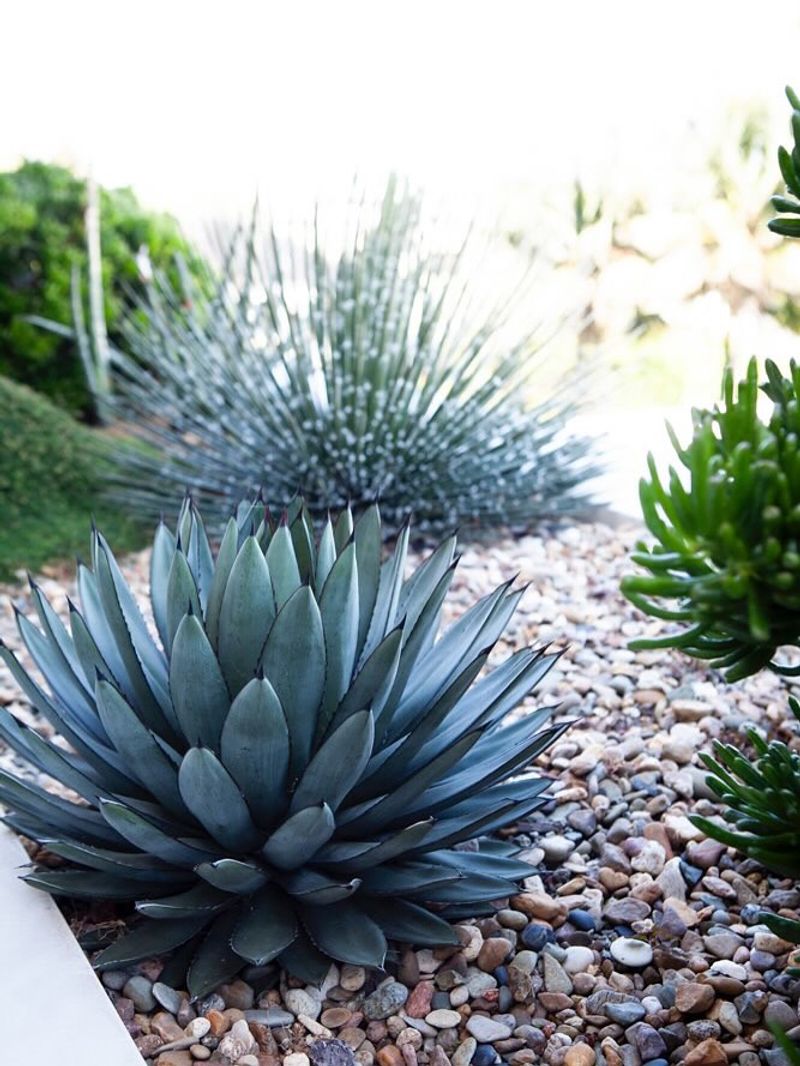
Many agave species are enthusiastic producers of offsets, commonly called pups, which emerge from the mother plant’s base and create clusters that can range from charming to chaotic depending on your garden goals.
These little clones pop up as the parent matures, sometimes producing just a few over the years or sometimes creating a dense colony that crowds the original plant and competes for space, water, and visual impact.
Arizona gardeners need to decide early whether they want a single specimen or a grouping, then manage pups accordingly before they become too large to remove easily.
Removing pups while they’re still small is straightforward and gives you free plants to share, trade, or establish elsewhere in your landscape.
Use a sharp, clean knife or small spade to cut the pup away from the mother plant, getting as much root as possible, then let the cut end dry for a day or two before planting in well-draining soil.
The best time for this operation is spring or early fall when temperatures are moderate and both the pup and mother plant can recover quickly from the disturbance.
If you prefer the look of a clustered agave colony, let the pups grow but thin them occasionally to prevent overcrowding that can trap moisture and reduce air circulation.
Either approach works beautifully in Arizona gardens as long as you make the decision consciously rather than letting pups multiply unchecked until they overwhelm the space and lose their architectural impact.
7. Prevent Frost Damage In Desert Winters
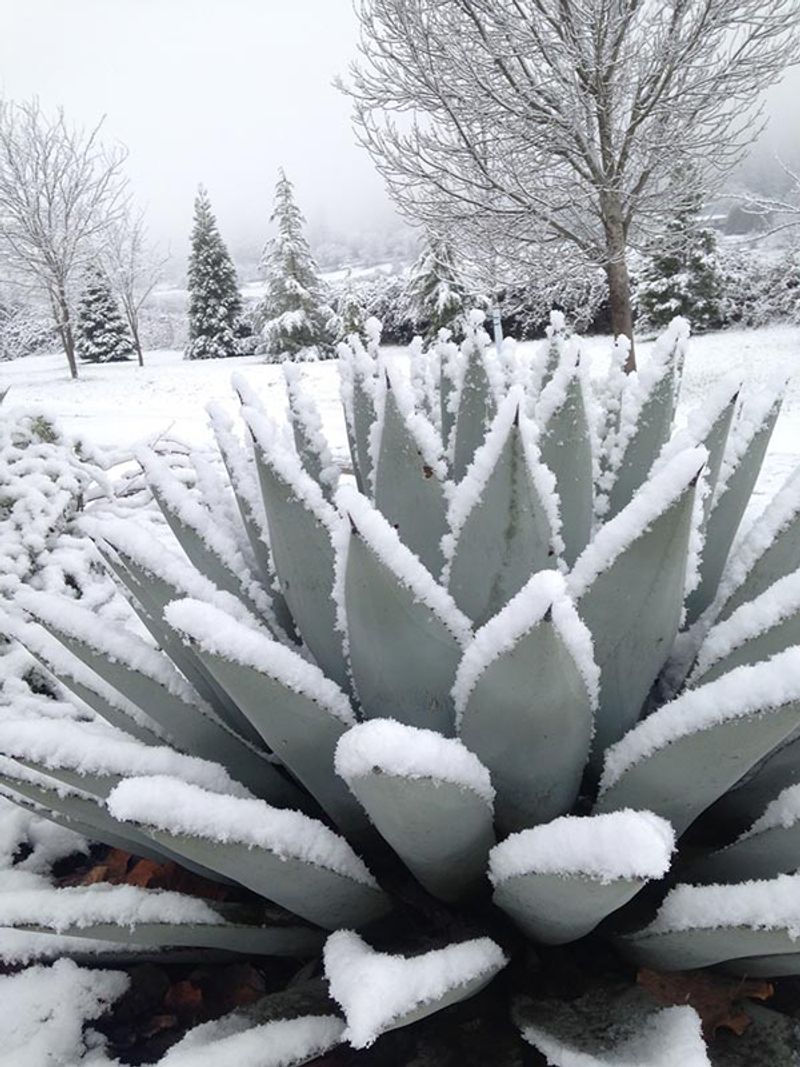
Arizona’s reputation as a year-round warm paradise surprises newcomers when winter nights occasionally dip below freezing, especially in higher elevation areas around Flagstaff, Prescott, or even parts of Phoenix and Tucson during cold snaps.
While many agave species tolerate light frosts without complaint, sudden hard freezes or prolonged cold periods can damage leaf tips, create unsightly brown scars, or even harm the crown if temperatures plummet unexpectedly.
Knowing your agave’s cold tolerance and preparing for those rare but damaging freeze events protects your investment and keeps plants looking their best.
Check the cold hardiness rating for your specific agave variety because some species like Agave parryi handle freezing temperatures with ease, while others like Agave attenuata suffer damage at temperatures below 28 degrees Fahrenheit.
When forecasts predict a hard freeze, cover vulnerable agaves with frost blankets, old sheets, or even cardboard boxes weighted down to trap ground heat and create a protective barrier.
Remove the covers once temperatures rise above freezing during the day to prevent overheating and moisture buildup.
Container-grown agaves offer the advantage of mobility, allowing you to move them to protected areas like covered patios or against warm south-facing walls during cold snaps.
For in-ground plants, positioning them near heat-retaining structures or under eaves provides passive protection that can make the difference between a pristine agave and one sporting freeze-damaged leaves come spring.
8. Remove Old Leaves To Prevent Pests
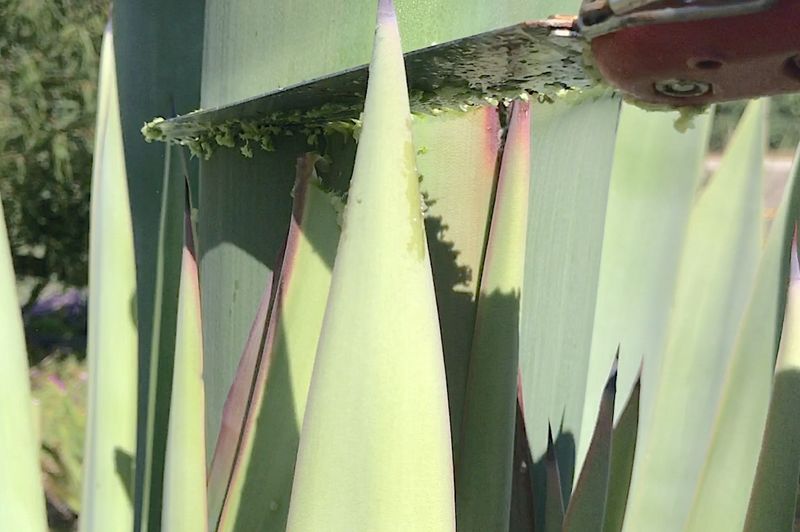
As agaves grow, their lower leaves naturally age, dry out, and pull away from the plant, creating a skirt of withered foliage that some gardeners find attractive but that can harbor unwanted guests in Arizona’s bug-friendly climate.
Insects like agave weevils, beetles, and various crawling pests love to nest in those dry, protected spaces where they’re hidden from predators and sheltered from the elements.
Regularly removing spent leaves improves air circulation around the plant’s base, reduces pest hiding spots, and gives your agave a cleaner, more sculptural appearance that shows off its architectural beauty.
Use sharp pruning shears or a small saw to cut away dried leaves as close to the trunk as possible without damaging living tissue, and always wear thick gloves because even withered agave leaves have sharp spines and edges that can puncture skin.
The best time for this maintenance is during moderate weather in spring or fall when you’re already working in the garden and pests are less active.
Dispose of removed leaves in your yard waste bin rather than leaving them piled near the plant, which just creates a different pest-friendly zone.
While you’re trimming, inspect the plant for signs of insect damage, unusual spots, or soft areas that might indicate problems developing beneath the surface.
This regular hands-on time with your agave helps you catch issues early when they’re easiest to address and keeps your plant looking tidy and healthy throughout the year.
9. Choose Species That Match Your Elevation
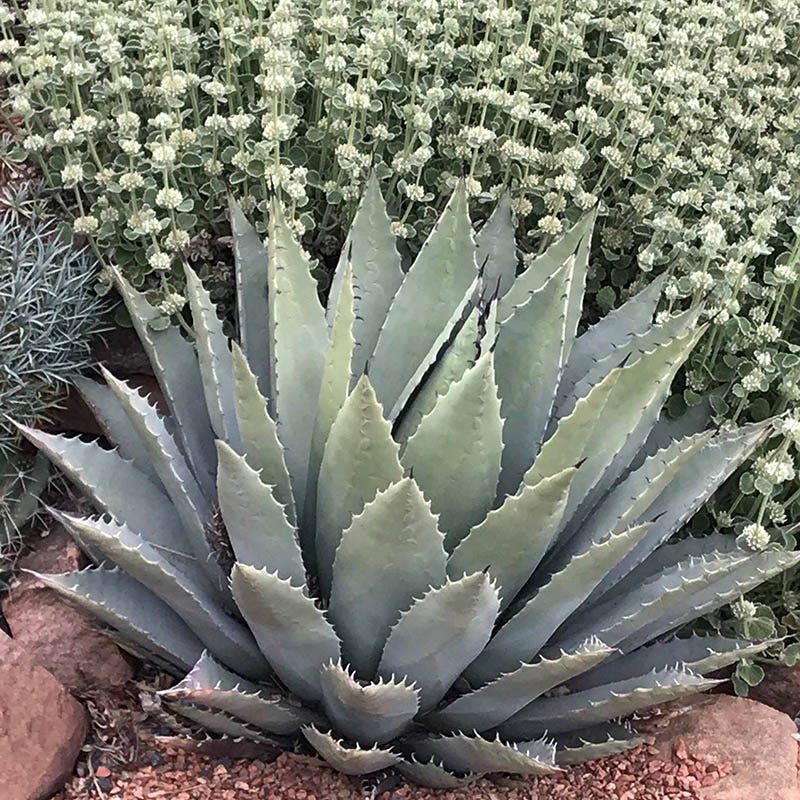
Arizona’s dramatic elevation changes create wildly different growing conditions across the state, and selecting agave species that match your specific climate zone is absolutely essential for long-term success.
Phoenix gardeners at low desert elevations enjoy mild winters and scorching summers that suit heat-loving species like Agave americana and Agave vilmoriniana, while Tucson’s slightly cooler nights and higher elevation support a broader range including Agave chrysantha.
Higher elevation communities like Prescott, Payson, or Flagstaff experience genuine winters with extended freezing temperatures that limit choices to cold-hardy champions like Agave parryi or Agave havardiana.
Check your USDA hardiness zone and average winter low temperatures before falling in love with a particular agave at the nursery, because a species that thrives in Scottsdale might struggle or perish in Sedona’s colder climate.
Local nurseries in your area typically stock varieties that perform well in your specific conditions, making them a safer bet than mail-order plants bred for different regions.
Talking with experienced staff or fellow gardeners in your community provides invaluable insights about which species handle your particular combination of heat, cold, and rainfall patterns.
Elevation also affects summer monsoon intensity, winter precipitation, and humidity levels, all of which influence how different agave species perform in your landscape.
Matching plant to place saves frustration, money, and heartbreak while ensuring your agave becomes a long-lived focal point that improves with age rather than struggling against conditions it wasn’t built to handle.
10. Let Agaves Grow Naturally Without Over-Care
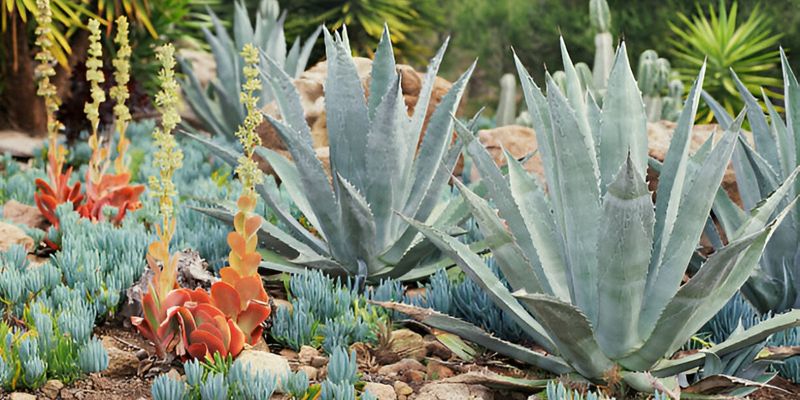
Perhaps the most important lesson Arizona gardeners can learn about agaves is that these remarkable plants thrive on benign neglect rather than constant attention and intervention.
Unlike roses that demand regular feeding, pruning, and fussing, or vegetables that need consistent watering and fertilization, agaves actually perform better when you plant them correctly and then step back to let them do their thing.
Overwatering, excessive fertilization, and unnecessary grooming often cause more problems than they solve, pushing these slow-growing succulents into unnatural growth patterns that make them weak and vulnerable.
Established agaves in appropriate locations rarely need fertilizer because they’re adapted to nutrient-poor soils and grow slowly by design, building that incredible structural density that makes them so stunning.
Adding fertilizer can force soft, rapid growth that’s prone to pest damage and looks out of character with the plant’s natural form.
Similarly, constant watering or planting in rich, amended soil creates lush but weak growth that can’t handle Arizona’s environmental extremes the way a properly grown agave can.
The beauty of agaves lies in their self-sufficiency and resilience, qualities that emerge when we resist the urge to treat them like traditional garden plants that need weekly care.
Plant them right, protect them while young, then trust these ancient desert survivors to reward your restraint with decades of bold, architectural presence that captures the spirit of the Southwest landscape.