These 11 Classic Garden Plants Are Making A Comeback In Massachusetts
Sometimes, the classics never go out of style—and that’s exactly what’s happening in Massachusetts gardens.
Old favorites that were once staples of American landscapes are seeing a revival, bringing timeless beauty, nostalgia, and reliability back to backyards and community gardens alike.
The plants your grandparents loved are blooming again—and better than ever!
These eleven garden plants combine hardiness, charm, and low-maintenance appeal, making them perfect for Massachusetts climates.
From bold perennials to fragrant flowering shrubs, they’re valued not just for their looks, but for their dependability, resilience, and ability to create gardens that feel both familiar and fresh.
Classic doesn’t mean boring—these plants are proving timeless style still reigns.
For Massachusetts gardeners, embracing these returning favorites offers a way to blend tradition with modern gardening trends.
They provide a foundation for colorful, thriving landscapes while inspiring new design ideas.
Bring the charm of classic gardens into your home and discover why these plants are making a comeback.
1. Peonies For Old-Fashioned Spring Drama
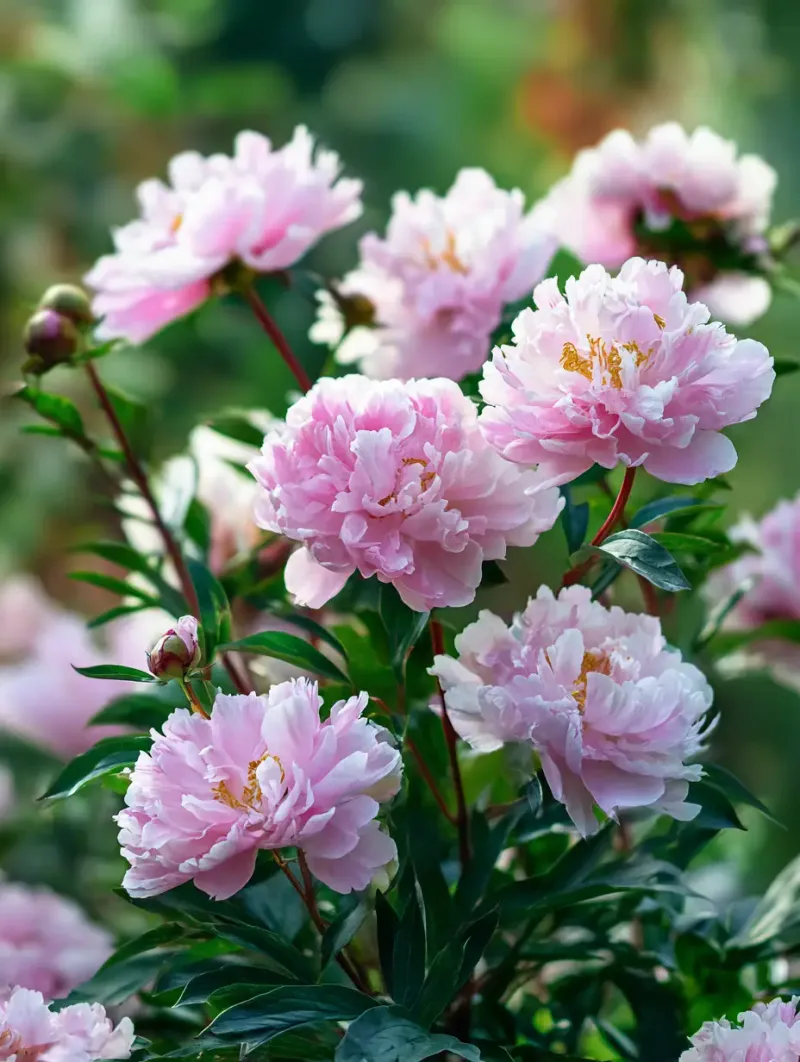
Grandmothers across Massachusetts have been growing peonies for generations, and today’s gardeners are finally understanding why these spectacular bloomers deserve prime garden real estate.
These hardy perennials can survive in the same spot for fifty years or more, rewarding patient growers with increasingly impressive flower displays each spring.
Their ability to handle Massachusetts winters without any special protection makes them ideal for busy gardeners who want beauty without babying.
The massive blooms arrive in late spring, ranging from delicate singles to dinner-plate-sized doubles in shades of white, pink, coral, and deep crimson.
Many varieties carry an intoxicating fragrance that fills entire yards when the flowers open.
Once established, peonies ask for very little beyond occasional watering during dry spells and a yearly dose of compost around their base.
Plant them where they’ll receive at least six hours of sunlight daily, and make sure the eyes (growing buds) sit no more than two inches below the soil surface.
Planting too deeply is the most common reason peonies refuse to bloom.
With proper placement and minimal care, these magnificent perennials will outlive most other plants in your garden, becoming treasured heirlooms you can divide and share with friends and family for decades to come.
2. Hydrangeas For Cottage-Style New England Charm
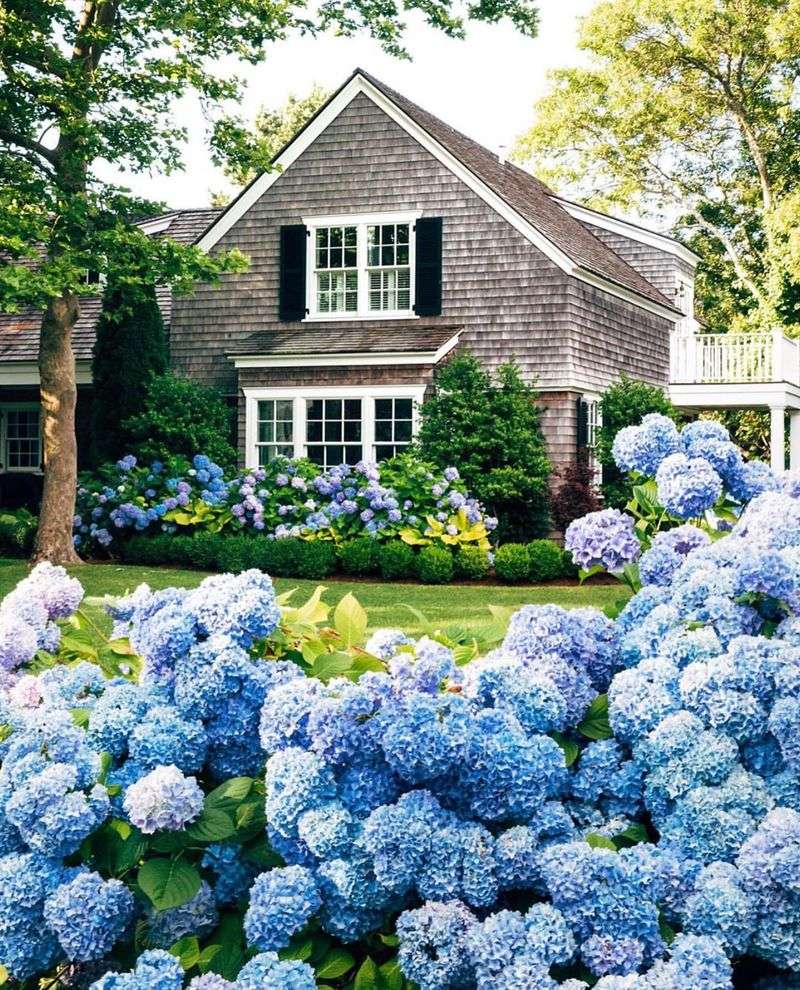
Walk through any historic Massachusetts neighborhood and you’ll spot hydrangeas gracing front porches and lining foundation beds, their enormous flower clusters creating clouds of blue, pink, or white from summer straight through fall.
These reliable shrubs have become synonymous with New England cottage gardens, and their recent surge in popularity has brought exciting new varieties to local nurseries.
Modern breeding has produced hydrangeas with stronger stems, longer bloom times, and improved cold tolerance that makes them even better suited to Massachusetts conditions.
Bigleaf hydrangeas produce those iconic mophead or lacecap flowers that change color based on soil pH, turning blue in acidic soil and pink in alkaline conditions.
Panicle hydrangeas offer cone-shaped white blooms that age to pink and hold up beautifully through wind and rain.
Your Massachusetts Garden Changes Every Week. Your Plan Should Too.
Gardening in Massachusetts changes quickly throughout the season. Every Friday you’ll receive a simple weekly plan showing exactly what to plant, prune, fertilize, harvest, and protect so you never miss the right timing.
Smooth hydrangeas like ‘Annabelle’ produce massive white snowballs and bloom reliably even after harsh winters because they flower on new wood.
Most hydrangeas prefer morning sun with afternoon shade, especially during hot summer months.
They appreciate consistent moisture and benefit from a layer of mulch to keep roots cool.
Prune according to your variety’s specific needs, since different types bloom on either old or new wood, and cutting at the wrong time can eliminate an entire season of flowers.
3. Lilacs For Fragrance And Heritage
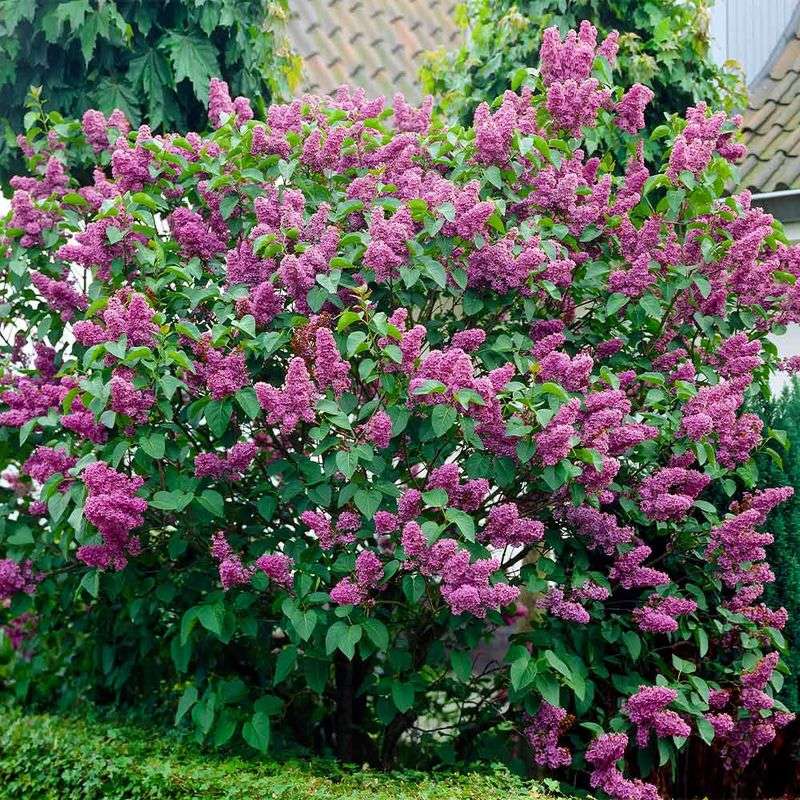
Few scents capture the essence of a Massachusetts spring quite like lilacs in full bloom, their perfume drifting through open windows and announcing that warm weather has truly arrived.
These tough shrubs have been adorning New England properties since colonial times, and many century-old specimens still bloom prolifically each May.
Their ability to thrive in cold climates while asking almost nothing from gardeners has kept them popular through changing garden trends and styles.
Common lilacs grow into substantial shrubs or small trees reaching ten to fifteen feet tall, producing conical clusters of intensely fragrant flowers in shades of purple, pink, white, and even yellow.
French hybrid varieties offer larger blooms and more compact growth habits, perfect for smaller yards.
Once established, lilacs tolerate drought, poor soil, and neglect better than most flowering shrubs, though they reward better treatment with more abundant blooms.
Plant lilacs where they’ll receive full sun for the best flowering performance, and ensure good air circulation to prevent powdery mildew on leaves later in summer.
Remove spent flower clusters right after blooming to direct energy into next year’s buds rather than seed production.
Older shrubs benefit from occasional renewal pruning, removing the oldest stems at ground level to encourage fresh, vigorous growth that blooms more heavily.
4. Hollyhocks For Tall, Vintage Beauty
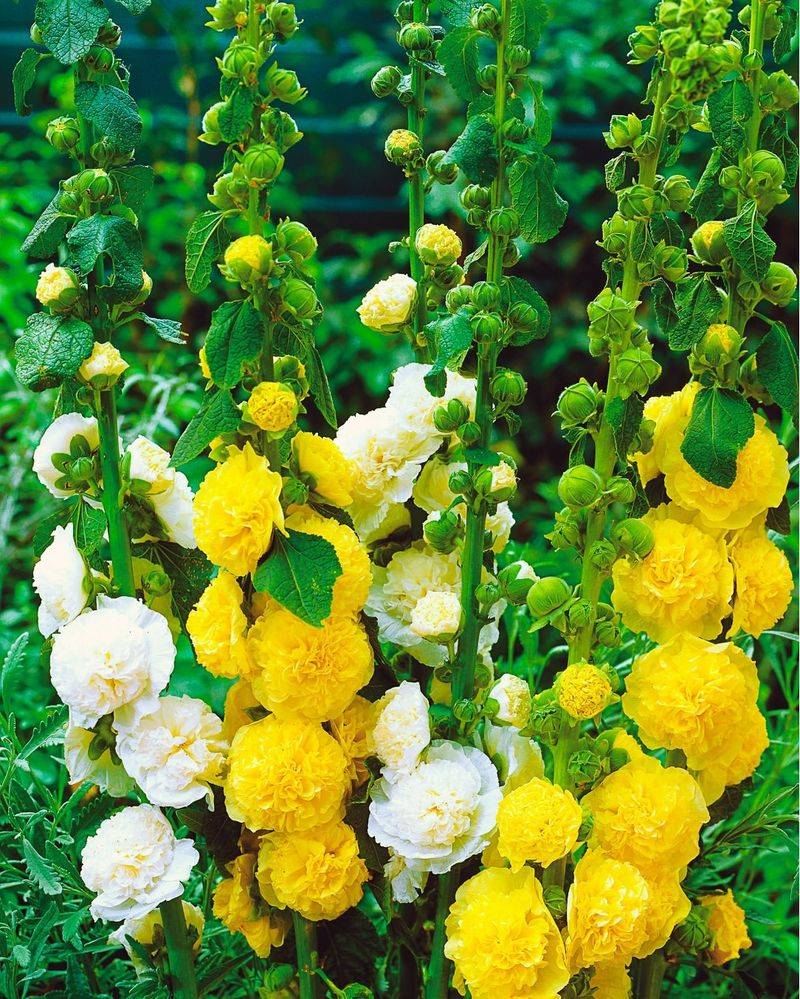
Standing like colorful sentinels against barn walls and cottage fences, hollyhocks bring vertical drama that few other plants can match, their flower-studded stalks reaching six to eight feet skyward by midsummer.
These old-world favorites disappeared from many Massachusetts gardens during the mid-twentieth century but are experiencing a well-deserved renaissance as gardeners rediscover their charm and ease of cultivation.
Their ability to self-seed means that one year’s planting can establish a colony that returns reliably each summer with minimal intervention.
Single or double blooms open progressively up the tall stems throughout July and August, available in nearly every color except true blue.
Bees and hummingbirds visit the flowers constantly, making hollyhocks excellent choices for pollinator gardens.
While technically biennials or short-lived perennials, their enthusiastic self-seeding habit means established plantings feel permanent, with new plants constantly replacing older ones.
Choose a spot with full sun and shelter from strong winds, since the tall stems can topple during storms despite their sturdy appearance.
Rich, well-drained soil produces the most impressive plants, though hollyhocks adapt to average conditions without complaint.
Rust disease can spot the leaves by late summer, but this rarely affects flowering or overall plant health, and removing affected foliage helps prevent spread to new growth.
5. Bleeding Heart For Romantic Spring Color
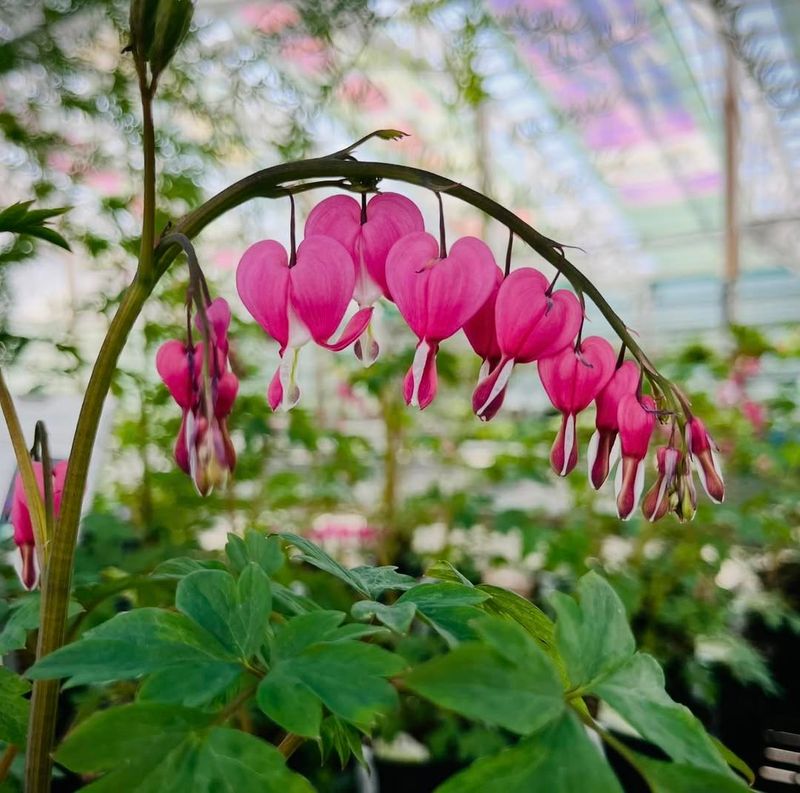
Shade gardeners rejoice when bleeding hearts emerge each spring, their ferny foliage quickly followed by arching stems dangling rows of heart-shaped flowers that look almost too perfect to be real.
These woodland natives thrive in the dappled shade beneath Massachusetts trees, brightening areas where many flowering plants struggle to perform.
Their romantic appearance and reliable nature have made them garden staples for over a century, and recent introductions of longer-blooming varieties have renewed interest among contemporary gardeners.
Traditional pink and white bleeding hearts bloom heavily in April and May before gradually going dormant as summer heat arrives, leaving space for later-emerging perennials to fill their spot.
Newer varieties like ‘Luxuriant’ and gold-leaved ‘Gold Heart’ continue flowering sporadically throughout summer and maintain their foliage until frost.
All bleeding hearts prefer cool, moist conditions and appreciate organic-rich soil that mimics their native forest floor habitat.
Plant them where they’ll receive morning sun but afternoon shade, or in locations with bright, filtered light throughout the day.
Pair them with hostas, ferns, and late-emerging perennials that can disguise the gap left when traditional varieties go dormant.
Once established, bleeding hearts spread slowly into graceful clumps that can be divided in early fall, giving you extra plants to spread throughout shady areas or share with fellow gardeners.
6. Phlox For Long-Lasting Summer Blooms
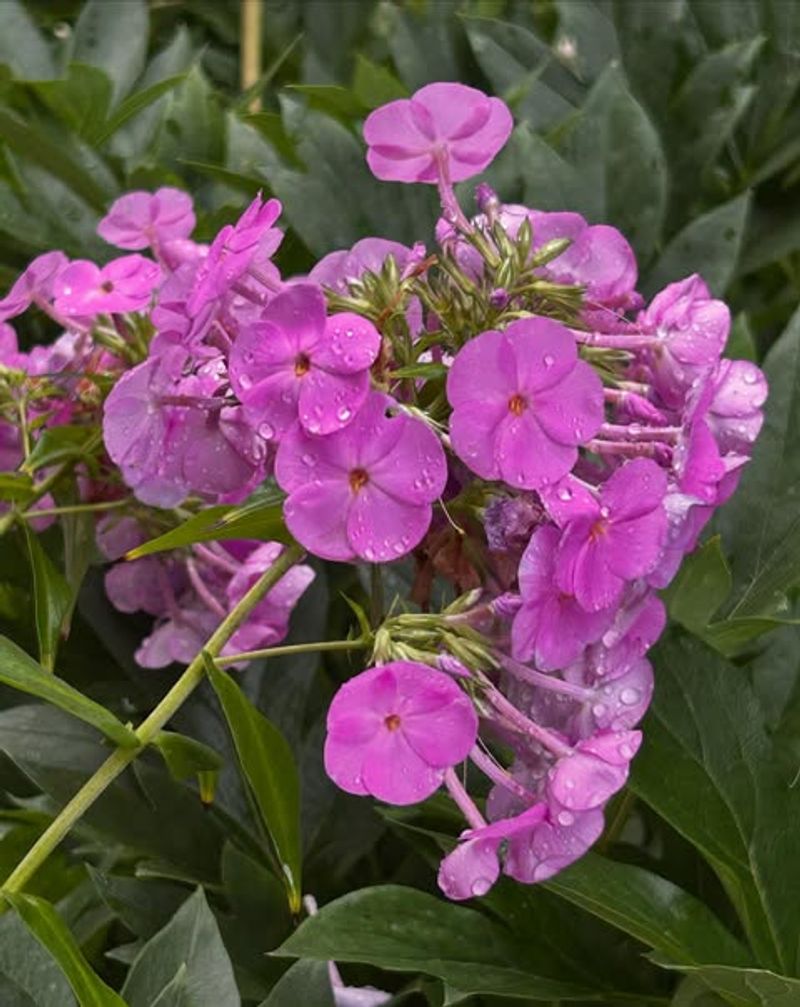
Garden phlox brings the kind of sustained color that Massachusetts gardeners dream about, with massive flower clusters perfuming the air from July through September when many other perennials have finished their show.
These old-fashioned favorites fell out of favor when powdery mildew problems made them look shabby by late summer, but modern disease-resistant varieties have transformed phlox into a low-maintenance powerhouse perfect for today’s busy gardeners.
Their ability to attract butterflies and hummingbirds while providing months of blooms makes them invaluable in mixed borders and cutting gardens.
Varieties now available resist the mildew issues that plagued older types, maintaining clean foliage throughout the growing season while producing fragrant flowers in shades ranging from pure white through pink, coral, purple, and bicolors.
Plants typically reach three to four feet tall, creating substantial presence in the middle or back of perennial beds.
Deadheading spent flower clusters encourages additional blooming and prevents unwanted self-seeding, which can produce inferior seedlings that overtake superior named varieties.
Full sun and good air circulation help phlox perform at its best, though plants tolerate light afternoon shade in hotter locations.
Consistent moisture during dry spells keeps plants blooming heavily, and a spring application of compost provides sufficient nutrition for the entire season.
Divide clumps every three to four years to maintain vigor and flower production.
7. Hostas For Reliable Shade Gardens
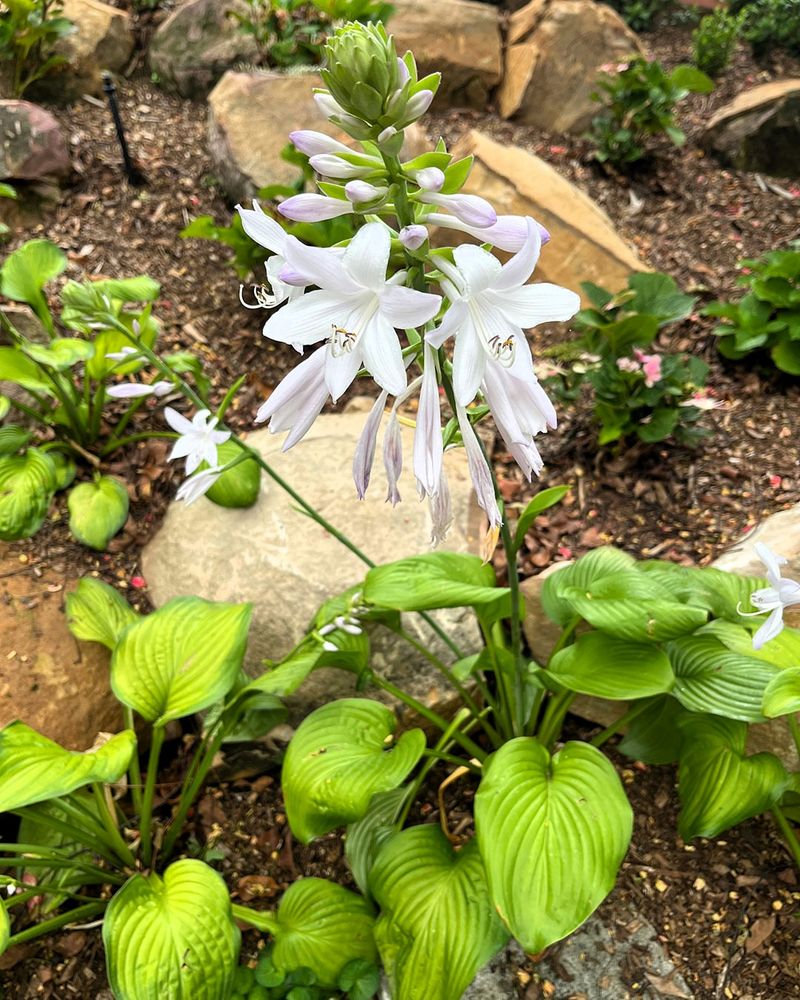
Hostas have never truly gone out of style, but their popularity has exploded in recent years as breeders introduce varieties with increasingly dramatic foliage colors, patterns, and textures that turn shady spots into showcases.
Massachusetts gardeners with mature trees and north-facing beds rely on these foolproof perennials to create lush landscapes where grass struggles and flowering plants disappoint.
From miniature varieties perfect for containers to massive specimens with leaves the size of dinner plates, hostas offer options for every garden situation and design preference.
While most gardeners grow hostas primarily for their foliage, the lavender or white flower spikes that appear in summer add bonus beauty, and some varieties produce intensely fragrant blooms that perfume entire garden areas.
Leaf colors range from deep blue-green through chartreuse to nearly white, often with contrasting margins, centers, or streaking that creates living tapestries in shaded beds.
Hostas combine beautifully with ferns, astilbes, and other shade lovers, and their mounded forms provide textural contrast against vertical plants.
Plant hostas in locations with morning sun and afternoon shade, or in bright, filtered light throughout the day.
Slug damage can mar leaves, especially on thin-leaved varieties, but diatomaceous earth or organic slug baits help protect emerging foliage in spring.
Divide large clumps in early fall when they become crowded, and you’ll have plenty of divisions to expand your collection or trade with fellow hosta enthusiasts.
8. Daylilies For Tough, Low-Maintenance Color
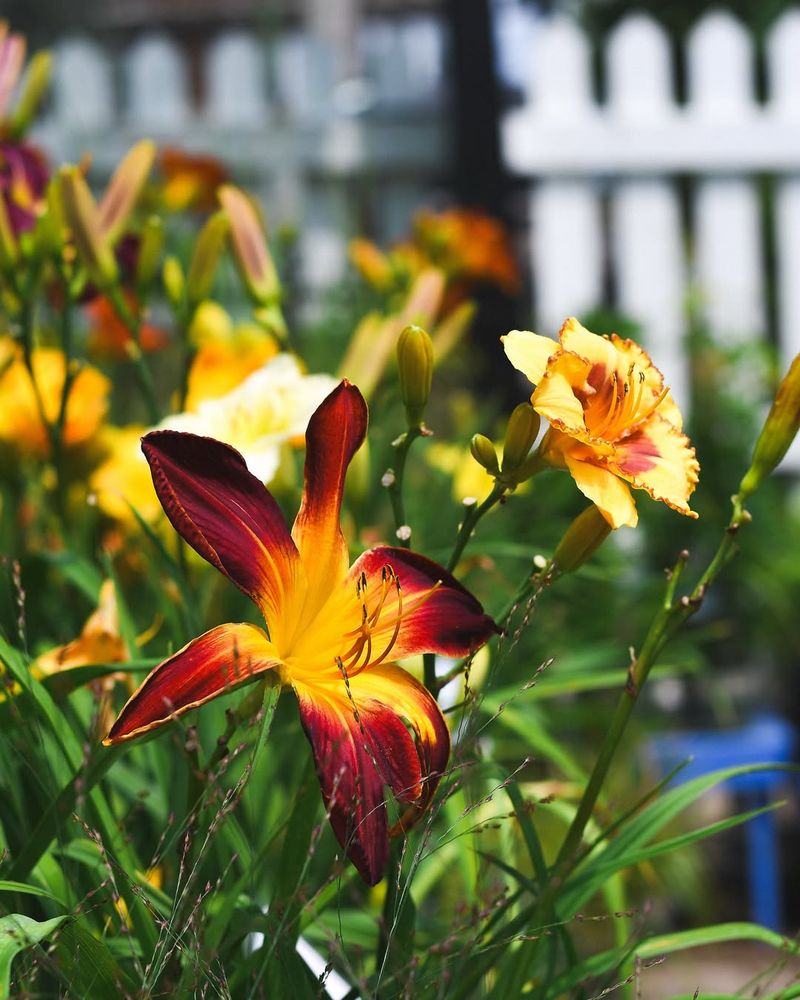
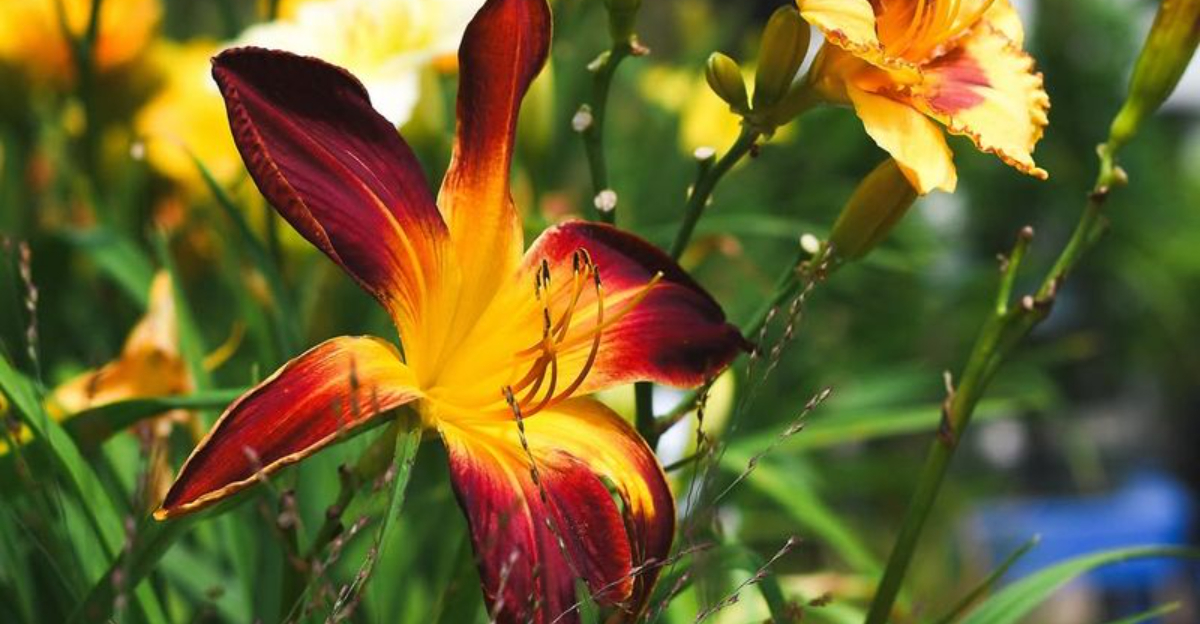
Daylilies have quietly persisted in Massachusetts gardens through every trend and fashion, their reputation for indestructibility making them favorites of gardeners who want beauty without constant attention.
Recent breeding efforts have produced varieties with extended bloom times, repeat flowering habits, and colors that would astound gardeners from previous generations.
Modern daylilies bloom in nearly every shade except true blue, with flowers ranging from delicate pastels to near-black purples, often with contrasting eyes, edges, or throats that add extra visual interest.
Each flower lasts just one day, as their common name suggests, but established clumps produce so many buds that the show continues for weeks during their peak bloom period.
Early, midseason, and late varieties allow gardeners to orchestrate continuous daylily blooms from June through September.
Reblooming types produce additional flower scapes after their initial flush, extending the display even further.
Their grassy foliage remains attractive throughout the growing season, providing structure even when plants aren’t flowering.
Full sun produces the heaviest blooming, though daylilies tolerate light shade and still perform reasonably well.
They adapt to nearly any soil type and survive drought once established, though consistent moisture produces more impressive results.
Divide clumps every five to seven years to maintain vigor, doing so in early spring or late summer when plants aren’t actively blooming.
9. Irises For Elegant, Spring Structure
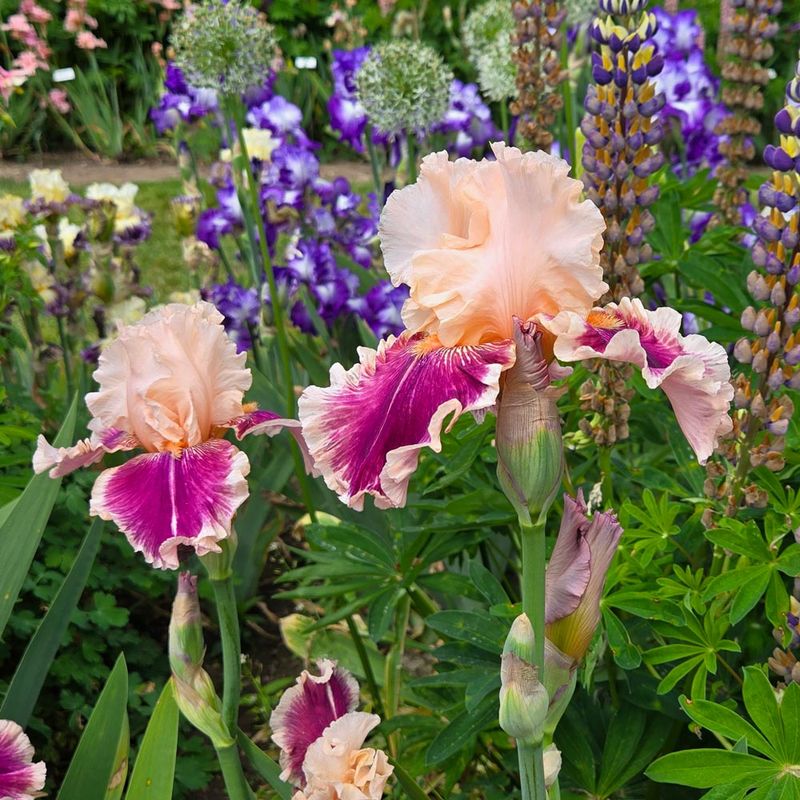
Bearded irises bring architectural elegance to May gardens with their sword-like foliage and exquisite flowers that rival orchids in complexity and beauty.
These rhizomatous perennials have graced Massachusetts gardens since colonial times, and historic varieties still bloom reliably in old homestead gardens alongside cutting-edge modern hybrids.
Their drought tolerance once established and their ability to thrive in average soil without amendments make them ideal for sustainable landscapes that don’t require constant intervention.
Flowers feature three upright petals called standards and three drooping petals called falls, often in contrasting colors with elaborate patterns and fuzzy beards that give the group its common name.
Colors span the entire spectrum, including unusual browns, near-blacks, and bicolors that create stunning garden displays.
Siberian irises offer more delicate blooms and grass-like foliage, while Japanese irises prefer consistently moist soil and produce flat-faced flowers in midsummer.
Plant bearded iris rhizomes shallowly with their tops exposed to sunlight, which they need to produce flower buds for the following year.
Full sun and well-drained soil prevent rot issues that can affect rhizomes in heavy, wet conditions.
Divide clumps every three to four years right after blooming finishes, replanting only the vigorous outer portions and discarding old, woody centers that no longer flower well.
10. Sweet Peas For Old-Fashioned Scent And Beauty
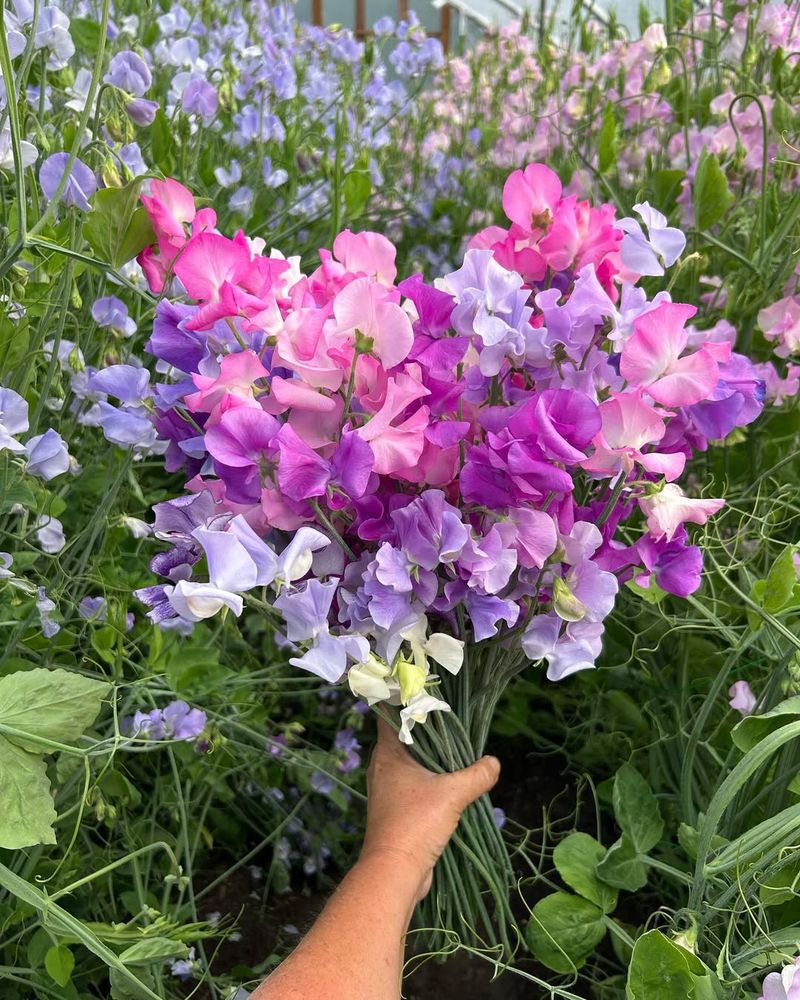
Sweet peas represent pure nostalgia for many Massachusetts gardeners, their ruffled blooms and intoxicating fragrance evoking memories of grandmother’s cutting gardens and simpler times.
These climbing annuals thrive in the cool conditions that characterize Massachusetts springs, blooming prolifically before summer heat arrives.
Their recent resurgence reflects growing interest in fragrant flowers and cutting gardens, since sweet peas produce abundant stems perfect for bouquets that fill entire rooms with their perfume.
Modern varieties offer improved heat tolerance and longer bloom periods than heirloom types, though many gardeners still prefer old-fashioned varieties for their superior fragrance.
Colors range from pure white through every shade of pink, purple, red, and blue, often with delicate veining or picotee edges.
Dwarf bush types need no support, while climbing varieties scramble up trellises, fences, or tuteurs, reaching four to six feet by peak bloom time in June.
Sow seeds directly in the garden in early April when soil can be worked, or start them indoors in deep pots several weeks earlier for earlier blooms.
Sweet peas prefer rich, moisture-retentive soil and benefit from regular fertilizing throughout their bloom period.
Pick flowers frequently to encourage continued production, since allowing seed pods to form signals plants to stop blooming.
Succession plantings every two weeks extend the harvest season considerably.
11. Delphiniums For Tall, Old-World Color
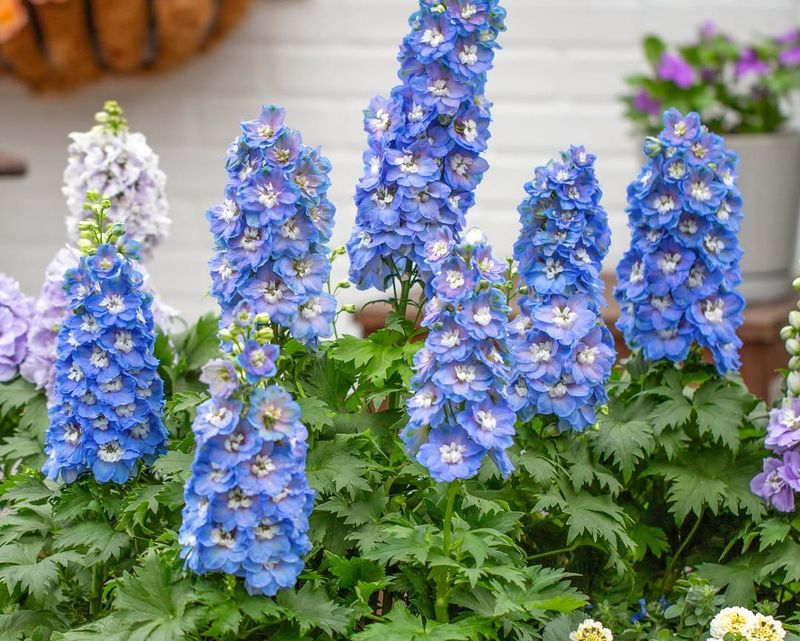
Delphiniums epitomize classic English cottage gardens with their towering spires of densely packed flowers that create vertical drama unmatched by any other perennial.
Massachusetts’ cool springs and moderate summers provide ideal conditions for these temperamental beauties, which struggle in regions with intense heat and humidity.
Their spectacular early summer display makes them worth the extra effort they require, and gardeners who master their needs are rewarded with breathtaking color that draws admiration from everyone who sees them.
Flower spikes can reach five to six feet tall on established plants, displaying hundreds of individual blooms in shades of blue, purple, pink, white, and even yellow.
Each flower features a contrasting center called a bee, often white or black, that adds extra visual interest.
Pacific Giant hybrids produce the largest spikes but may need staking, while shorter varieties like the Belladonna group offer more manageable heights with airier flower arrangements.
Rich, well-drained soil with consistent moisture produces the best results, and plants benefit from regular feeding throughout their growing season.
Full sun encourages sturdy growth and heavy flowering, though light afternoon shade helps flowers last longer during warm spells.
Cut flower spikes back after blooming to encourage a second, smaller flush in late summer, and divide clumps every three years to maintain vigor and prevent overcrowding that can lead to reduced flowering.