9 Outdoor Garden Features That Require A Permit In Oregon
If you’ve ever dreamed about turning your yard into a beautiful outdoor space, you know how easy it is to start imagining paths, patios, pergolas, or even a little pond.
I’ve had the same experience in my own Oregon garden: one minute I’m picking plants, and the next I’m planning my next big outdoor feature.
But before you start moving dirt or laying stone, there’s something important to keep in mind, some outdoor projects actually require a permit here in Oregon.
That doesn’t mean you can’t build the things you want, it just means knowing which ones need approval so you don’t run into fines or delays.
Depending on your city or county rules, structures like fences above a certain height, sizable retaining walls, sheds, decks, and other additions often need permits because they affect safety, drainage, property lines, and local codes.
Rules can vary a bit from place to place, so checking ahead of time with your local building department can save you time and hassle.
Before you start planning or digging, here’s a look at some outdoor garden features that commonly require a permit in Oregon, so you can get it right the first time.
1. Large Garden Sheds
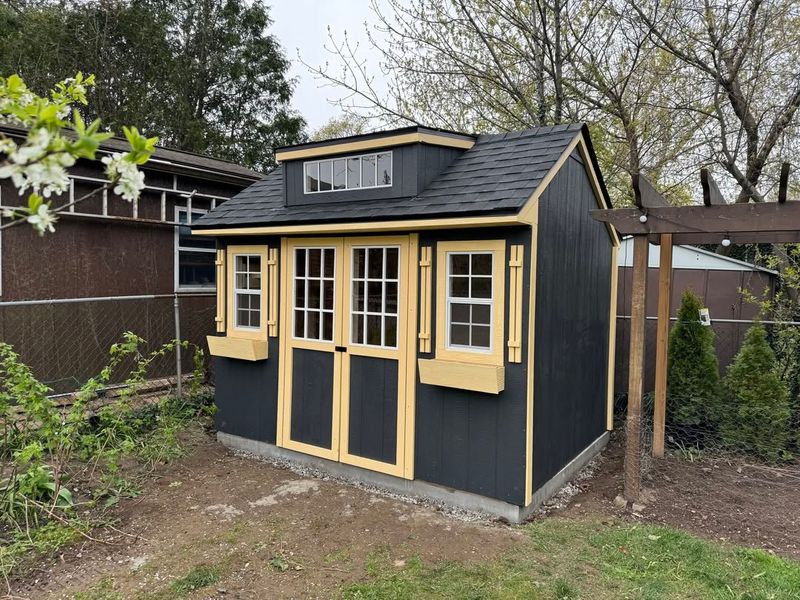
Most Oregon cities allow small sheds without permits, but once you go beyond a certain size, you’ll need approval.
Typically, anything over 120 to 200 square feet triggers permit requirements, though this varies by location.
Portland, for example, has different rules than rural counties where building codes might be more relaxed.
Building departments want to make sure your shed isn’t blocking utility lines or sitting too close to property boundaries.
They also check that the structure won’t cause drainage problems for your neighbors.
If you’re like most Oregon homeowners, you probably didn’t realize that even a backyard storage building needs this level of oversight.
Before you order that prefab shed online, call your local planning office and ask about setback requirements and maximum allowed sizes.
Some areas also require foundation inspections to ensure your shed won’t sink or shift over time.
Skipping this step could mean paying fines or being forced to move or remove your shed later.
The permit process usually involves submitting a site plan showing where the shed will sit on your property.
You might also need to show how water will drain away from the structure.
Most permits cost between fifty and two hundred dollars depending on your city, which is a small price compared to potential problems down the road.
2. Pergolas and Gazebos
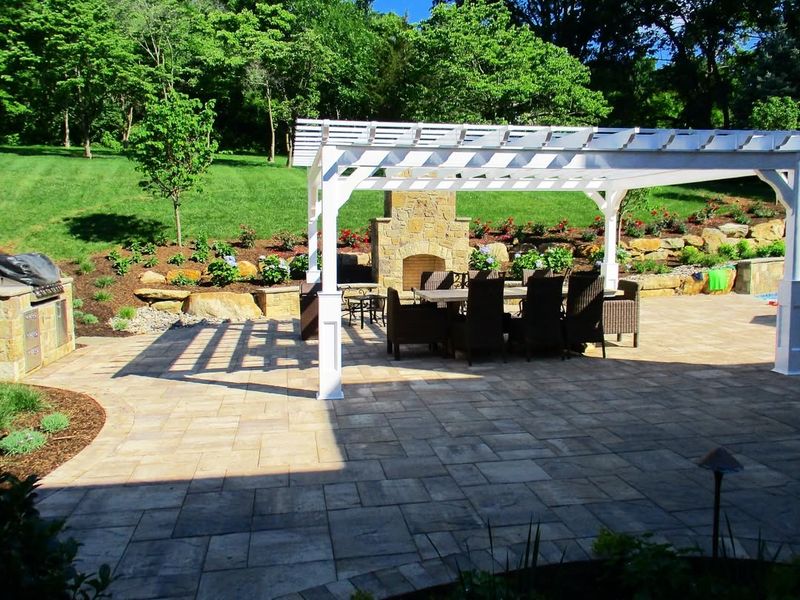
Adding a pergola or gazebo creates a beautiful focal point in any garden, but these structures often need permits in Oregon.
The main concern is whether they’re permanently attached to the ground and how large they are.
Even open-air structures with just posts and a roof framework typically require approval if they exceed certain dimensions.
Cities like Eugene and Bend want to ensure these structures meet wind load requirements since Oregon weather can get pretty intense.
Your Oregon Garden Changes Every Week. Your Plan Should Too.
Gardening in Oregon changes quickly throughout the season. Every Friday you’ll receive a simple weekly plan showing exactly what to plant, prune, fertilize, harvest, and protect so you never miss the right timing.
They also verify that you’re maintaining proper distances from property lines and utility easements.
I’ve seen homeowners caught off guard when they assumed their decorative gazebo didn’t count as a real building.
The permit process examines your structure’s foundation, materials, and overall stability.
If your pergola attaches to your house, additional requirements may apply since it becomes part of your home’s footprint.
Freestanding versions in the middle of your yard might have different rules, but they still usually need approval.
Expect to provide drawings showing dimensions, post locations, and how you’ll anchor everything securely.
Some jurisdictions require engineered plans if your structure exceeds a certain height or spans a large area.
The whole process takes a few weeks typically, so plan ahead before that summer garden party you’re envisioning.
3. Decks Or Raised Platforms
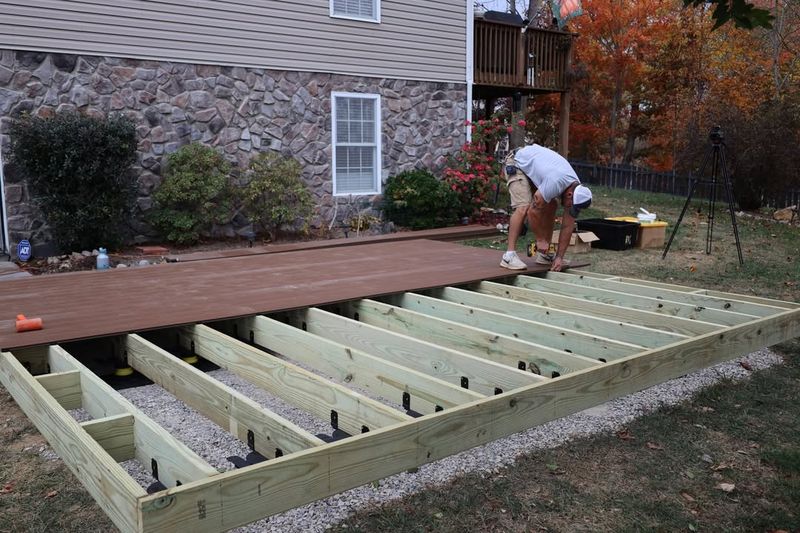
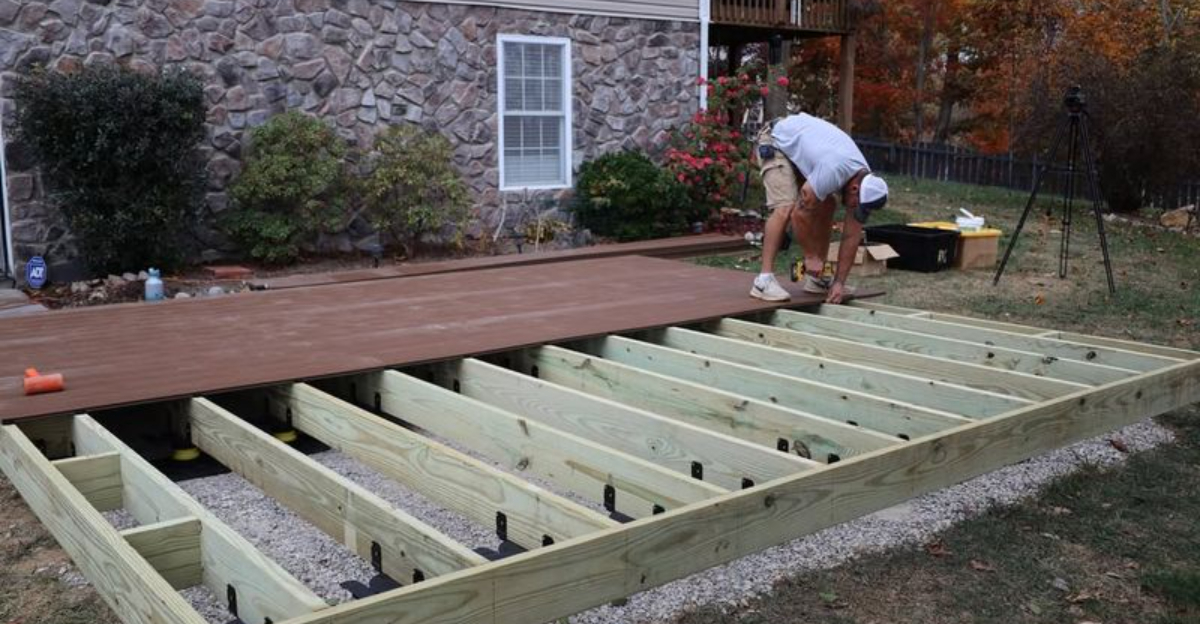
Decks are among the most commonly permitted outdoor features in Oregon, and for good reason.
Any elevated platform creates fall risks, so building departments want to make sure railings, stairs, and support structures meet safety codes.
Generally, decks higher than thirty inches off the ground definitely need permits, though some cities require them for any raised platform regardless of height.
Your deck’s size, location, and attachment method all factor into the permit requirements.
Decks attached to your house need more scrutiny because they affect your home’s structural integrity.
Freestanding decks in your garden might seem simpler, but they still need proper footings and bracing to handle Oregon’s wet soil conditions.
The inspection process typically includes checking your foundation work, framing, and final railings.
Inspectors verify that posts go deep enough to prevent frost heaving and that joists are properly spaced and sized.
Many homeowners try to skip permits for deck projects, but neighbors often report unpermitted work, especially if it affects their views or privacy.
Getting a deck permit involves submitting detailed plans showing all dimensions, materials, and construction methods.
You’ll need multiple inspections at different stages, so the project takes longer than just building without permission.
However, permitted decks add more value to your home and won’t cause problems when you eventually sell.
4. Retaining Walls
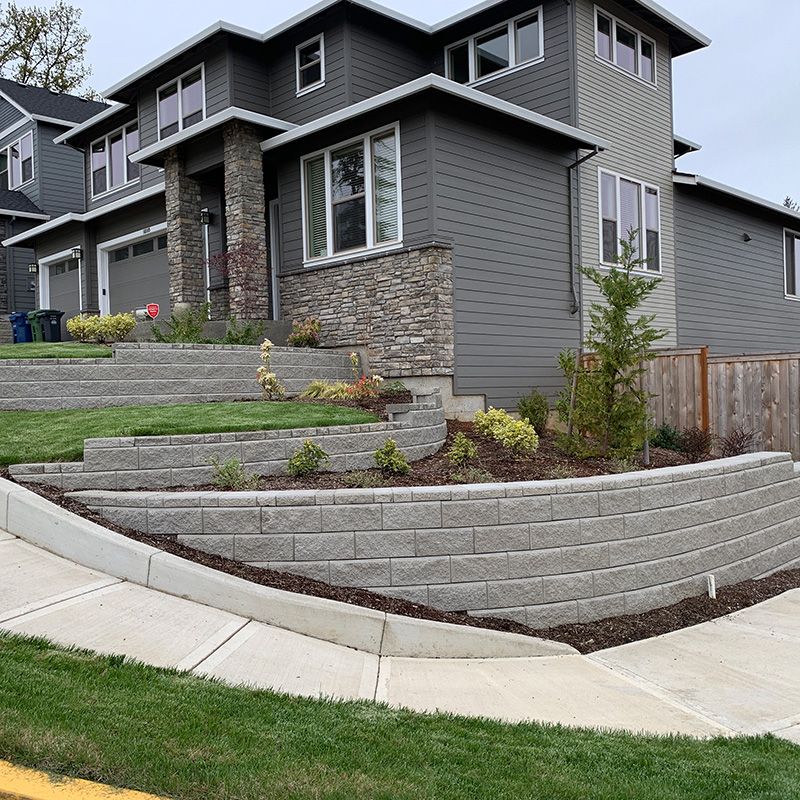
Retaining walls seem straightforward, but they’re actually one of the trickier features when it comes to permits.
Walls over four feet tall almost always require engineering and permits throughout Oregon.
Even shorter walls might need approval if they’re supporting a slope that could affect drainage or neighboring properties.
The concern here is safety and preventing slope failures that could damage homes or cause erosion.
Oregon’s rainy climate puts extra pressure on retaining walls, so proper drainage behind the wall is critical.
Building departments want to see calculations proving your wall can handle the soil load, water pressure, and any additional weight from structures or vehicles above.
Rural counties might have more relaxed rules for smaller walls, but cities like Portland take these seriously.
I’ve heard stories of homeowners who built beautiful stone walls only to have inspectors order them torn down because they lacked permits.
That’s an expensive mistake that’s easily avoided by checking requirements first.
The permit application requires showing wall height, materials, foundation depth, and drainage plans.
For taller walls, you’ll need stamped engineering drawings from a licensed professional.
The whole process protects you too, ensuring your wall won’t fail during heavy rains and cause thousands in damage to your property or your neighbor’s yard.
5. Greenhouses
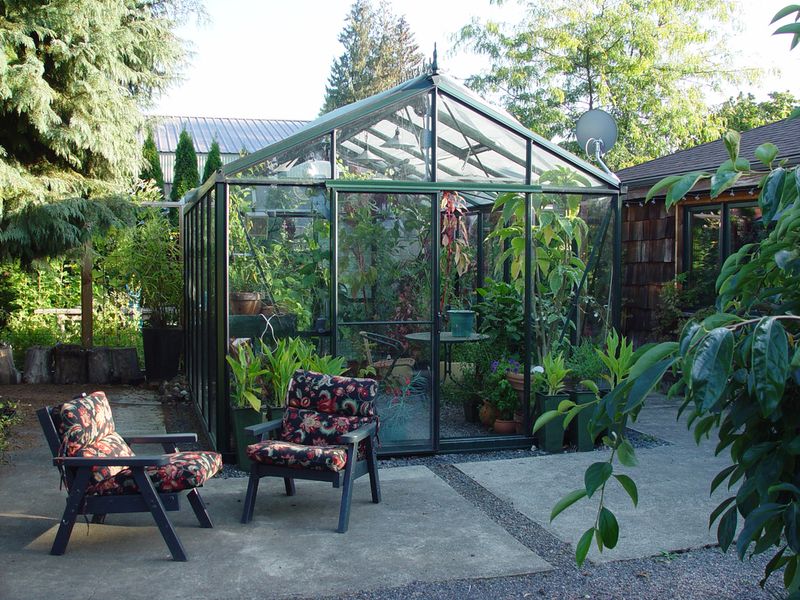
Greenhouses have become increasingly popular in Oregon, where the climate is perfect for extending growing seasons.
However, permanent greenhouse structures usually require permits, especially if they have foundations or exceed certain square footage limits.
Temporary hoop houses with plastic covering might escape permit requirements, but solid structures with glazing and heating systems typically don’t.
Building departments classify greenhouses as accessory structures, subject to the same setback and size restrictions as sheds.
They also care about how you’ll heat the space, since adding electrical or gas lines requires separate permits.
If your greenhouse connects to your house, even more regulations apply because it becomes part of your home’s footprint.
The permitting process examines your greenhouse’s foundation, structural integrity, and utility connections.
Inspectors want to ensure the structure can handle snow loads, which varies significantly between Portland’s lower elevations and mountain communities.
Proper ventilation and moisture control also matter, though these might not be strictly enforced during inspections.
Many Oregon gardeners don’t realize their dream greenhouse needs approval until they’re already halfway through construction.
Checking with your local planning department saves this headache and ensures your investment is protected.
Permitted greenhouses also add legitimate value to your property, while unpermitted ones can complicate home sales and insurance claims down the road.
6. Outdoor Kitchens Or BBQ Structures
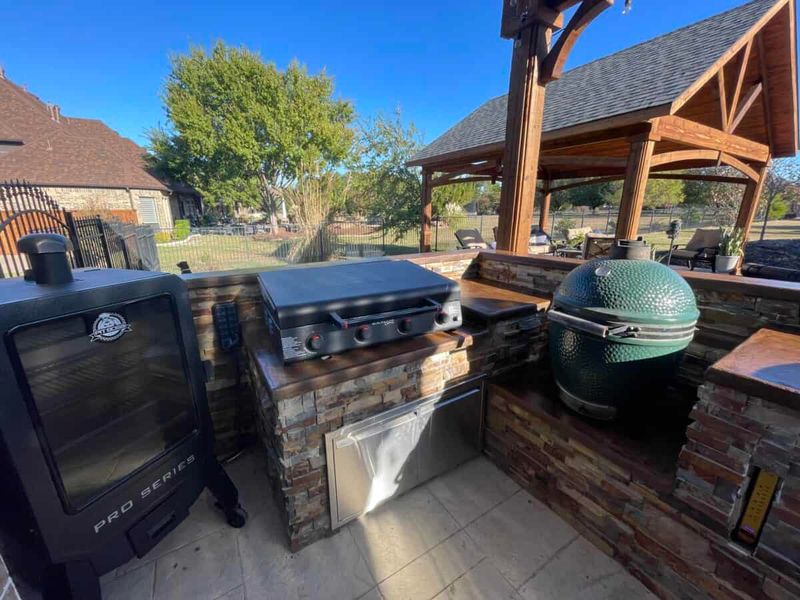
Outdoor kitchens have exploded in popularity, but they’re one of the most heavily regulated garden features.
Any permanent cooking structure with built-in appliances, counters, or utility connections almost certainly needs permits.
The complexity comes from combining building, electrical, gas, and sometimes plumbing work all in one project.
Fire safety is the primary concern with outdoor kitchens.
Gas lines must be properly installed and inspected to prevent leaks and explosions.
Electrical outlets near water sources need ground fault protection.
If you’re building a roof over your cooking area, that adds structural requirements too.
Cities throughout Oregon, from Portland to smaller towns, take these permits seriously because of the fire risk.
A simple built-in BBQ island might seem harmless, but improper gas connections have caused serious accidents.
Building departments want licensed contractors doing the utility work, though you might be allowed to do some of the construction yourself.
The permit process involves multiple inspections at different stages.
Gas lines get inspected before being covered up.
Electrical work gets checked separately.
The final inspection verifies everything is safe and meets code.
This might seem like overkill for a backyard cooking space, but it protects your family and maintains your home’s insurance coverage.
Plan for the permit process to add several weeks to your project timeline.
7. Ponds And Water Features
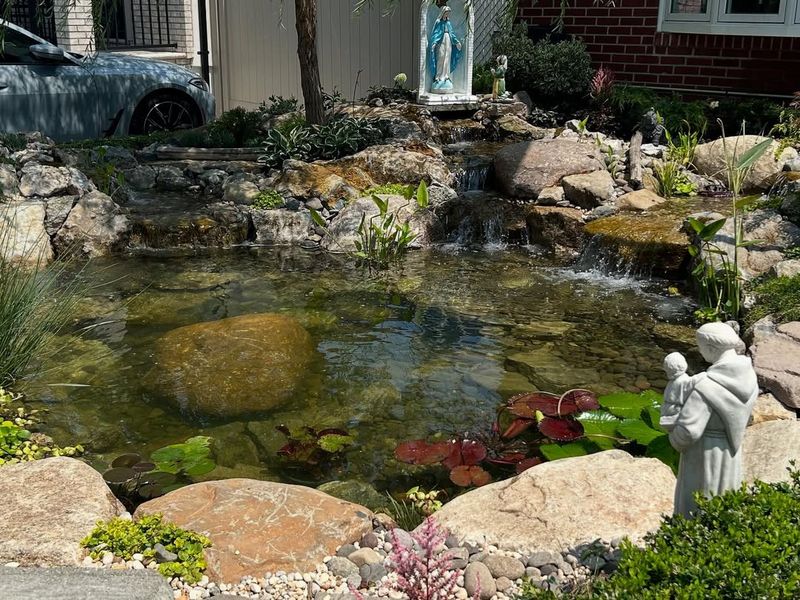
Water features add tranquility to gardens, but larger ponds often require permits in Oregon.
The threshold varies by jurisdiction, but ponds deeper than eighteen inches or larger than a certain surface area typically need approval.
The main concerns are child safety, mosquito breeding, and how the water affects surrounding properties.
Building departments want to know how you’ll fill and drain your pond without affecting neighborhood drainage systems.
They also care about pond liners, edges, and whether you’re creating an attractive nuisance that could endanger children.
Some cities require fencing around larger ponds for safety reasons.
If your pond connects to natural waterways or wetlands, additional environmental permits may apply.
Oregon has strict rules about disturbing wetlands and stream corridors, even on private property.
What seems like a simple garden pond project can become complicated if you’re near protected water features.
The permit application requires showing pond dimensions, depth, water source, and drainage plans.
You might need to demonstrate how you’ll control mosquitoes and prevent stagnant water.
Some jurisdictions also want to see electrical plans if you’re adding pumps or lighting.
Small decorative fountains usually don’t need permits, but once you’re digging a significant hole and holding substantial water volume, expect to need approval from your local building department.
8. Tall Fences (Over Local Height Limits)
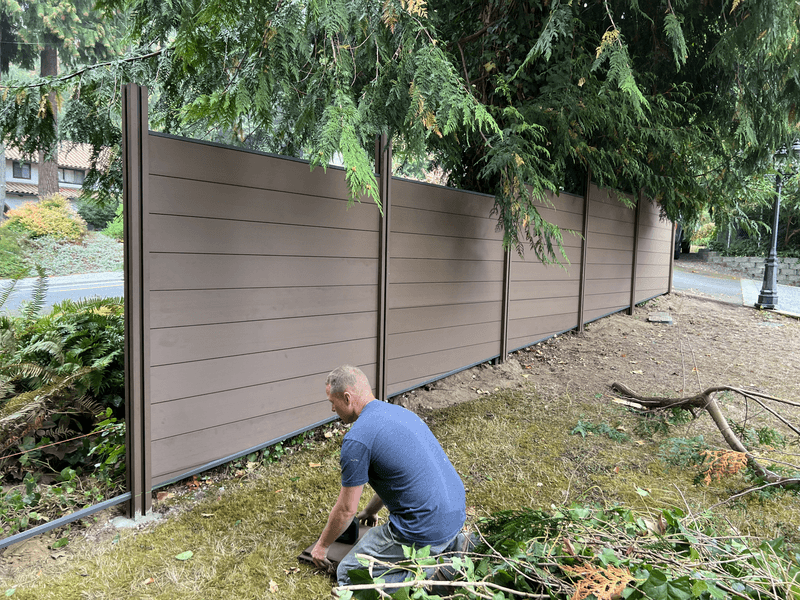
Fences seem like they should be simple, but height restrictions exist throughout Oregon and exceeding them requires permits.
Most cities allow six-foot fences in backyards without approval, but anything taller needs permission.
Front yard fences usually have even stricter limits, often maxing out at three or four feet without permits.
These rules exist to prevent neighbors from boxing each other in and to maintain sight lines for traffic safety.
Corner lots have additional restrictions because tall fences can block drivers’ views of oncoming traffic or pedestrians.
Building departments also care about fence materials and construction methods for taller installations.
Privacy is the usual reason homeowners want taller fences, but you can’t just build whatever you want.
Neighbors have rights too, and excessively tall fences can create disputes that end up in court.
Getting a permit forces you to follow established rules that balance everyone’s interests.
The permit process for tall fences is usually simpler than for buildings, but you still need to show fence location, height, and materials.
Some cities require surveys proving the fence sits on your property and not your neighbor’s.
If you’re in a homeowners association, you’ll need their approval too, which is separate from city permits.
Taking time to get proper approval prevents having to tear down and rebuild your fence later.
9. Carports, Covered Patios, Or Garden Pavilions
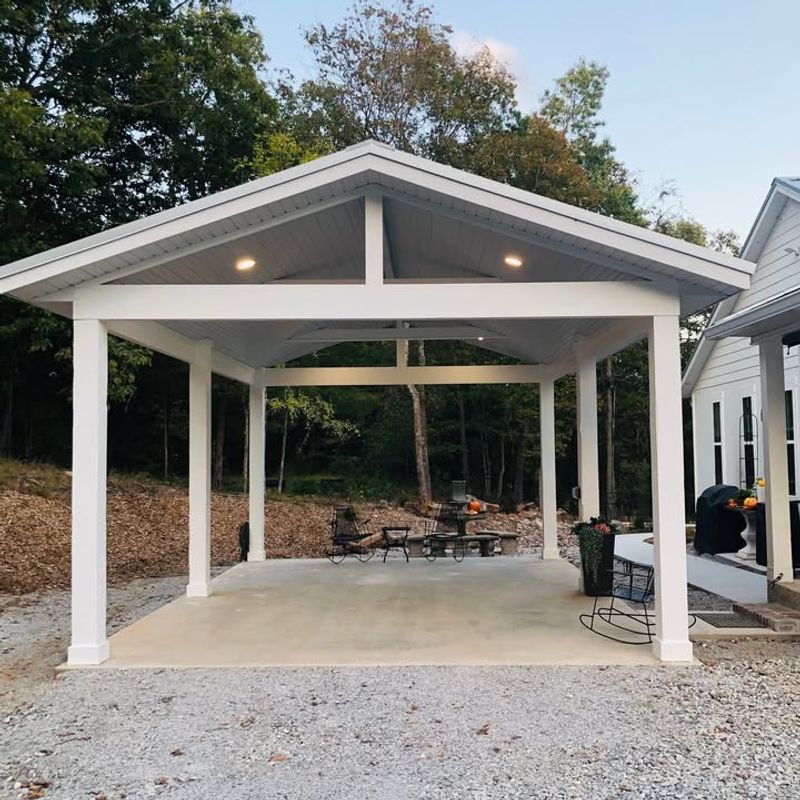
Any structure with a roof typically needs a permit in Oregon, and carports or covered patios are no exception.
These features add covered square footage to your property, which affects zoning calculations and property taxes.
Building departments want to ensure the roof structure can handle snow loads and won’t collapse during winter storms.
The difference between a simple patio and a covered one is significant in permitting terms.
Adding a roof means dealing with structural requirements, proper footings, and potentially drainage issues.
If you’re attaching the cover to your house, it becomes even more complicated because you’re modifying your home’s structure.
Freestanding garden pavilions face similar requirements.
These beautiful structures create outdoor living spaces, but they need proper engineering to stay safe.
Oregon’s wind and snow loads vary significantly across the state, so what works in Portland might not be adequate in Bend or other mountain communities.
Expect the permit process to require detailed plans showing roof design, support posts, foundations, and connections.
You’ll need inspections at various stages, especially for footings and framing.
Some homeowners try to avoid permits by claiming their cover is temporary, but building departments aren’t easily fooled.
Permanent posts in concrete foundations clearly indicate a permanent structure that needs approval, regardless of what you call it.