7 Things You Should Do If A Deer Starts Eating In Your New Jersey Garden
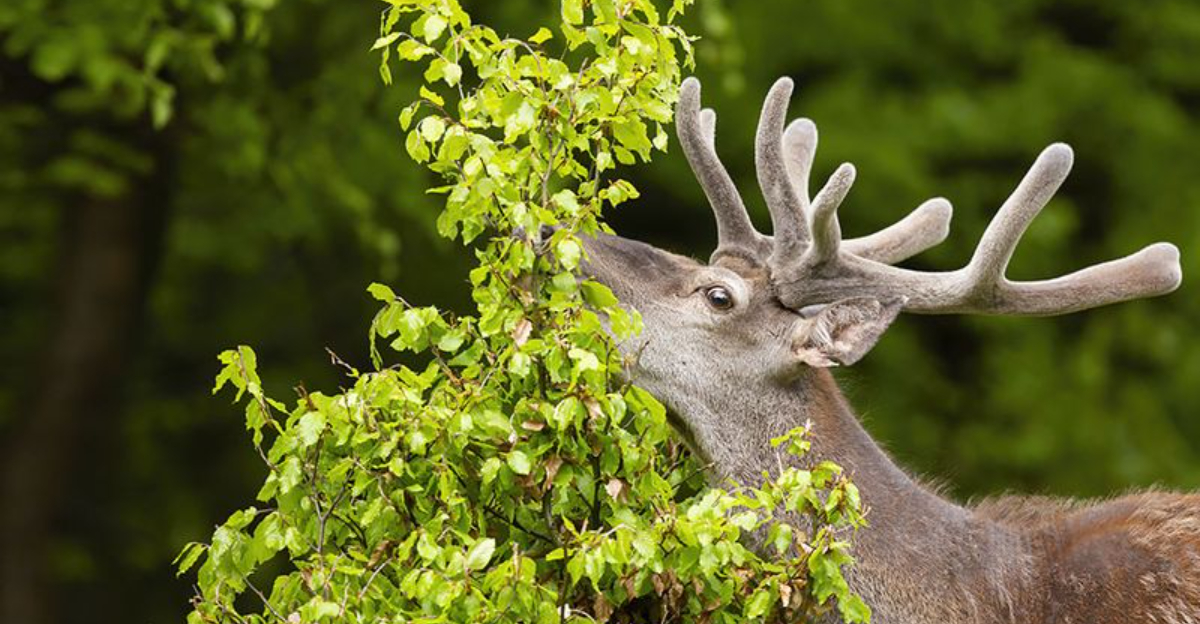
Waking up to find a deer munching on your carefully planted flowers or vegetables can be frustrating for any New Jersey gardener.
These graceful animals are common throughout the Garden State, from suburban neighborhoods to rural properties, and they have hearty appetites that can quickly destroy months of hard work.
While deer might look harmless and beautiful, their feeding habits can turn your thriving garden into a buffet overnight.
New Jersey homeowners face this challenge more than ever as deer populations continue to grow and their natural habitats shrink.
Understanding how to respond when you spot a deer grazing in your yard can make the difference between saving your garden and watching it disappear.
The good news is that you have several effective options that can protect your plants while respecting these wild creatures.
Taking action quickly and using the right combination of strategies will help you reclaim your outdoor space.
From immediate deterrents to long-term solutions, each approach offers unique benefits that can work together to keep deer away from your prized tomatoes, roses, and other garden favorites.
1. Make Noise To Scare The Deer Away Immediately
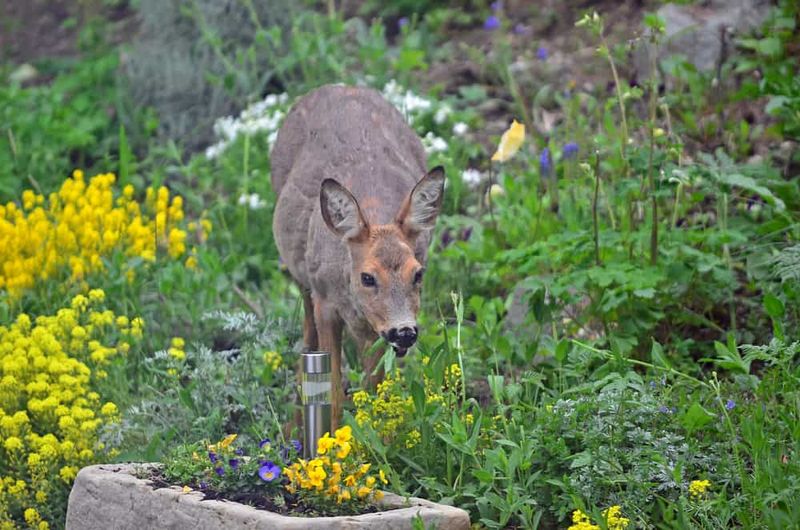
Clapping your hands loudly or banging pots together can startle a deer and send it running from your New Jersey property in seconds.
Deer have sensitive hearing and unexpected sounds trigger their natural flight response, making noise one of the quickest ways to protect your plants right now.
You can also shout, whistle, or use an air horn if you have one handy.
The key is acting fast before the deer settles in for a long meal.
Once you spot the animal in your garden, move toward it while making as much racket as possible.
Most deer will bolt immediately, especially if they are not used to human presence in that particular area.
Creating sudden noise works best as an immediate solution rather than a long-term strategy.
Deer are smart creatures and will eventually realize that the sounds pose no real threat if they encounter them repeatedly.
However, this method gives you valuable time to assess the damage and plan your next steps.
Many New Jersey residents keep a whistle or small bell near their back door specifically for deer encounters.
Having a noise-making tool readily available means you can respond within moments of spotting unwanted visitors.
This quick reaction can save entire rows of vegetables or flower beds from being devoured.
Remember that deer are wild animals and may react unpredictably, so always keep a safe distance.
Never corner a deer or make it feel trapped, as this could lead to dangerous situations.
Your goal is simply to encourage the animal to leave your property and find food elsewhere in a calm but firm manner.
2. Install Motion-Activated Sprinklers Around Your Garden
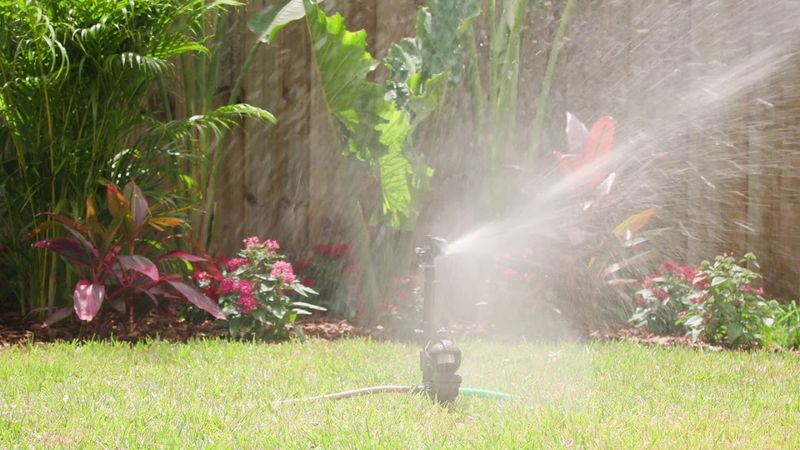
Automatic sprinklers that detect movement offer an excellent hands-off approach to keeping deer out of your New Jersey garden beds.
These clever devices use infrared sensors to detect when an animal enters a specific zone, then release a sudden burst of water that surprises and discourages the intruder.
Your New Jersey Garden Changes Every Week. Your Plan Should Too.
Gardening in New Jersey changes quickly throughout the season. Every Friday you’ll receive a simple weekly plan showing exactly what to plant, prune, fertilize, harvest, and protect so you never miss the right timing.
Deer dislike unexpected water spray and will quickly learn to avoid areas where these sprinklers are installed.
Setting up motion-activated sprinklers is straightforward and requires minimal maintenance once positioned correctly.
You simply attach the unit to a standard garden hose, adjust the sensitivity settings, and place it near the areas where deer frequently visit.
The sprinklers work day and night, providing round-the-clock protection without any effort on your part.
One major advantage is that these systems are harmless to deer and other wildlife while remaining highly effective.
The surprise factor is what drives deer away, not any painful or harmful element.
This makes motion sprinklers an ethical choice for gardeners who want to protect their plants without causing distress to animals.
New Jersey gardeners often place multiple sprinklers around their property to create overlapping zones of coverage.
This ensures that deer cannot simply walk around the protected area to reach your prized hostas or vegetable patch.
The investment pays off quickly when you consider the cost of replacing damaged plants season after season.
These devices also deter other common garden pests like rabbits, raccoons, and stray cats.
Many models come with adjustable spray patterns and detection ranges, allowing you to customize the coverage based on your specific garden layout and the size of your yard.
3. Put Up Physical Fencing To Block Access
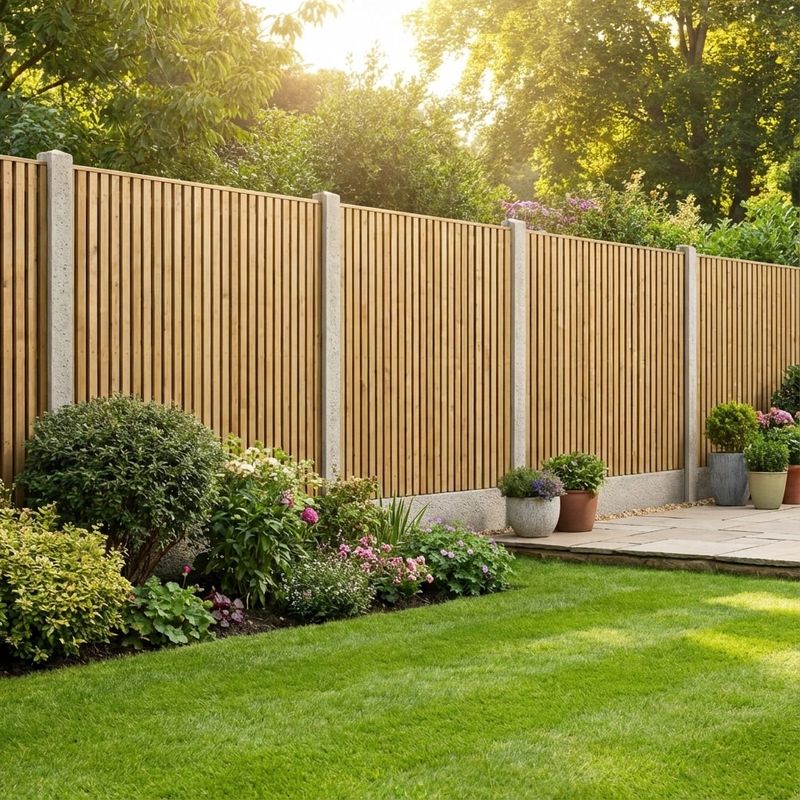
Building a sturdy fence remains one of the most reliable methods for keeping deer completely out of your New Jersey garden space.
Deer can jump surprisingly high, so your fence needs to be at least eight feet tall to be truly effective against these athletic animals.
A well-constructed barrier creates a physical obstacle that deer simply cannot overcome, no matter how hungry they might be.
Several fencing options work well depending on your budget and aesthetic preferences.
Traditional wooden privacy fences offer complete coverage and blend nicely with most home styles.
Metal wire fencing costs less and still provides excellent protection when installed at the proper height.
Some gardeners choose electric fencing, which delivers a mild shock that teaches deer to stay away without causing lasting harm.
Installing fencing requires an upfront investment of time and money, but the long-term benefits make it worthwhile for serious gardeners.
Once your fence is in place, you can garden with confidence knowing that deer cannot easily access your plants.
This solution works particularly well for vegetable gardens where you have invested significant effort and money into seeds, seedlings, and soil amendments.
New Jersey homeowners should check local regulations before building fences, as some municipalities have height restrictions or require permits.
Planning your fence layout carefully ensures you protect the most vulnerable areas of your garden while maintaining good sightlines and property access.
Corner posts need to be especially sturdy since deer may test the fence for weak points.
Combining fencing with other deterrent methods creates multiple layers of protection.
Even a shorter fence can be effective when paired with motion sprinklers or scent repellents along the perimeter.
4. Apply Deer Repellent Sprays To Your Plants
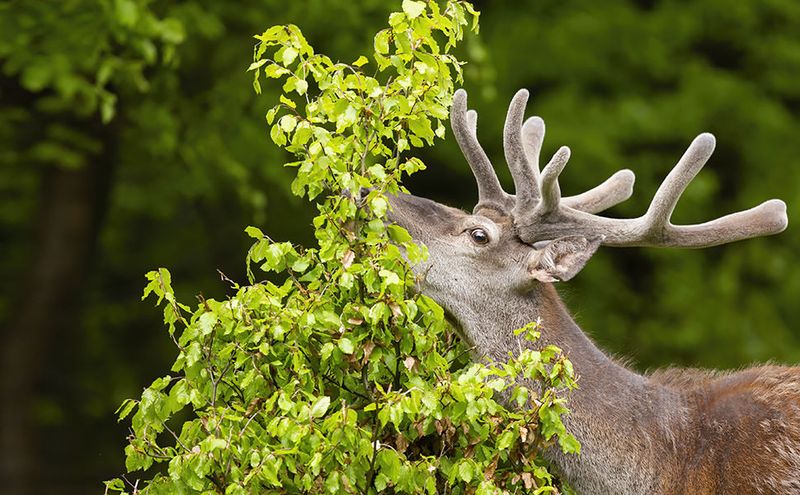
Commercial deer repellent sprays work by making your plants smell or taste unpleasant to browsing deer.
These products contain ingredients like garlic, rotten eggs, hot pepper, or predator urine that deer find offensive but are generally safe for plants and humans.
Applying repellent creates an invisible barrier that discourages deer from taking even a single bite of your New Jersey garden favorites.
Using repellent sprays requires consistent reapplication, especially after rain or heavy watering.
Most products need to be sprayed every two to four weeks during the growing season to maintain their effectiveness.
Reading the label instructions carefully ensures you apply the right amount at the correct intervals without harming your plants or wasting product.
Different repellents work better for different situations, so you may need to experiment to find what works best in your specific New Jersey location.
Some products focus on scent deterrents that keep deer from approaching, while others make plants taste terrible if deer do try to nibble.
Rotating between different types of repellents can prevent deer from becoming accustomed to any single formula.
Many gardeners prefer natural or organic repellent options that are safe to use on edible crops.
These formulas allow you to protect your vegetable garden without worrying about chemical residues on food you plan to eat.
Always wait the recommended time period between application and harvest when using any repellent on vegetables or herbs.
Applying repellent works best when combined with other deterrent strategies for maximum protection.
The spray provides an additional layer of defense that reinforces the message that your garden is not a welcome feeding spot for hungry deer passing through your neighborhood.
5. Plant Deer-Resistant Varieties In Vulnerable Areas
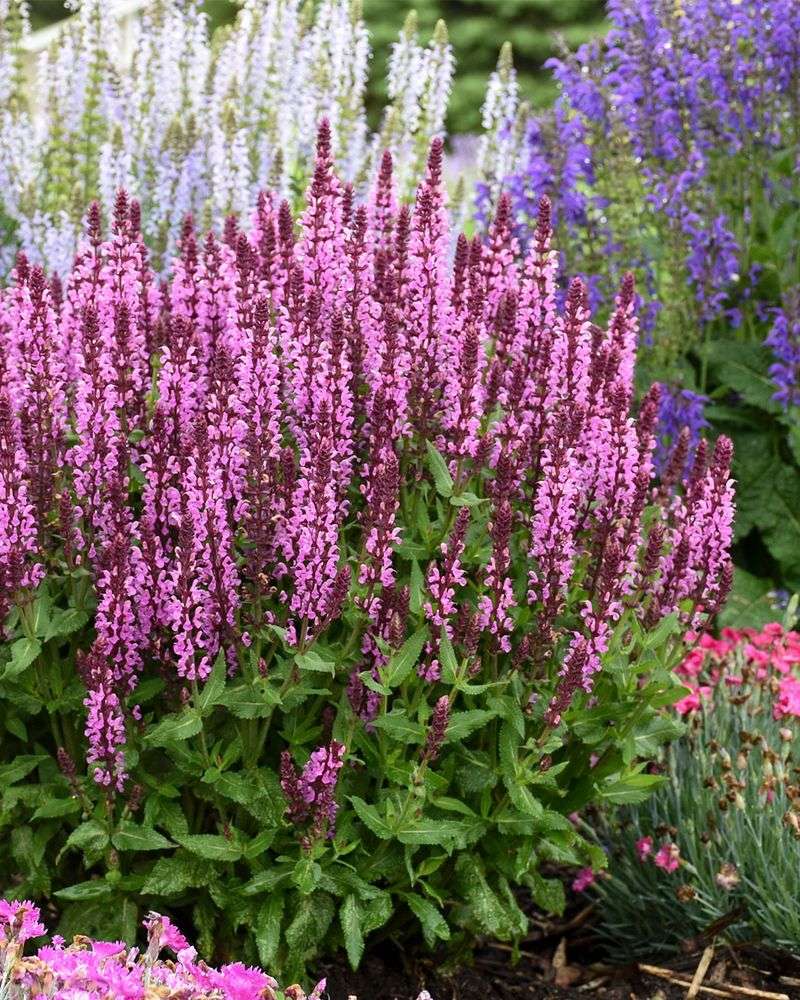
Choosing plants that deer naturally avoid can dramatically reduce browsing damage in your New Jersey garden.
While no plant is completely deer-proof when animals are extremely hungry, certain varieties are far less appealing to these browsers than others.
Herbs like lavender, rosemary, and sage contain strong scents that deer find unpleasant, making them excellent choices for garden borders.
Deer tend to avoid plants with fuzzy or rough textures, strong fragrances, or toxic properties.
Daffodils, foxglove, and yarrow are examples of ornamental plants that deer typically leave alone.
For vegetable gardens, onions, garlic, and hot peppers are generally safe from deer browsing.
Understanding which plants are naturally protected helps you design a garden that requires less active defense.
Strategic placement of deer-resistant plants can protect more vulnerable species in your New Jersey landscape.
Creating a border of unappealing plants around your favorite roses or hostas may discourage deer from venturing deeper into your garden.
This living fence approach combines beauty with function and requires no maintenance beyond normal plant care.
Local garden centers throughout New Jersey often label plants as deer-resistant to help shoppers make informed choices.
Talking with experienced staff or fellow gardeners in your area provides valuable insights about which varieties perform best under local conditions.
What works in northern New Jersey might differ slightly from what succeeds in coastal or southern regions of the state.
Keep in mind that deer preferences can vary by location and season.
A plant that deer ignore in spring might become more appealing in winter when food sources are scarce.
Maintaining variety in your plantings and monitoring which species get browsed helps you adjust your garden plan over time for better results.
6. Use Hanging Bars Of Strongly Scented Soap
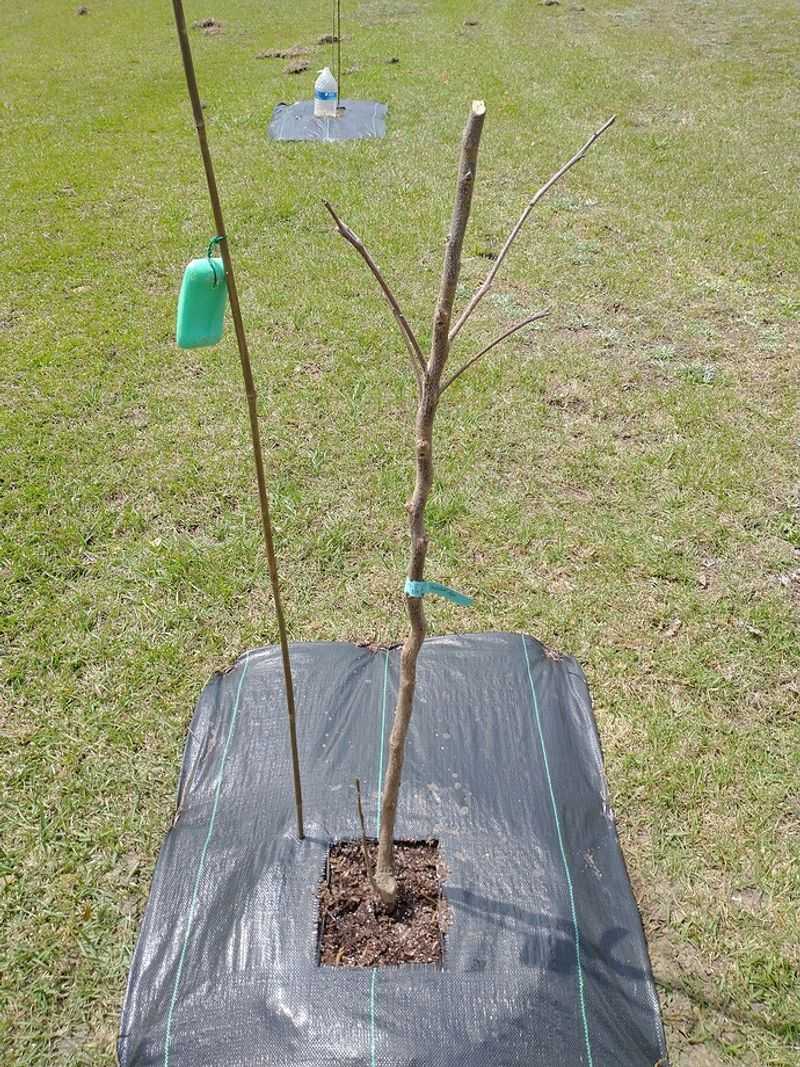
Hanging bars of fragrant soap around your garden offers a surprisingly effective and inexpensive deer deterrent method.
Strong scents like Irish Spring, Ivory, or other heavily perfumed soaps confuse deer and mask the appealing smell of your plants.
Deer rely heavily on their sense of smell to locate food, so introducing unfamiliar odors can make your New Jersey garden less attractive to browsing animals.
Setting up this deterrent is incredibly simple and requires no special tools or skills.
Cut bars of soap into halves or quarters, place each piece in a mesh bag or old pantyhose, and hang them from stakes, branches, or fence posts throughout your garden.
Space the soap pieces about three feet apart to create an effective scent barrier around vulnerable plants.
The soap needs to be replaced periodically as rain and weather gradually wash away the fragrance.
Checking your soap stations every few weeks ensures they remain effective throughout the growing season.
Many gardeners replace their soap pieces monthly or after heavy storms to maintain consistent protection.
This method works particularly well in smaller garden areas or as a supplement to other deterrent strategies.
While soap alone may not stop a determined deer, it adds another layer of defense that makes your property less appealing.
New Jersey gardeners often combine soap with motion sprinklers or repellent sprays for comprehensive coverage.
Some people worry about soap affecting soil chemistry, but the small amounts that wash off during rain are generally harmless to most plants.
Hanging the soap rather than placing it directly on the ground minimizes any potential impact.
This approach provides peace of mind along with effective deer deterrence at a fraction of the cost of commercial repellents.
7. Contact Local Wildlife Management For Persistent Problems
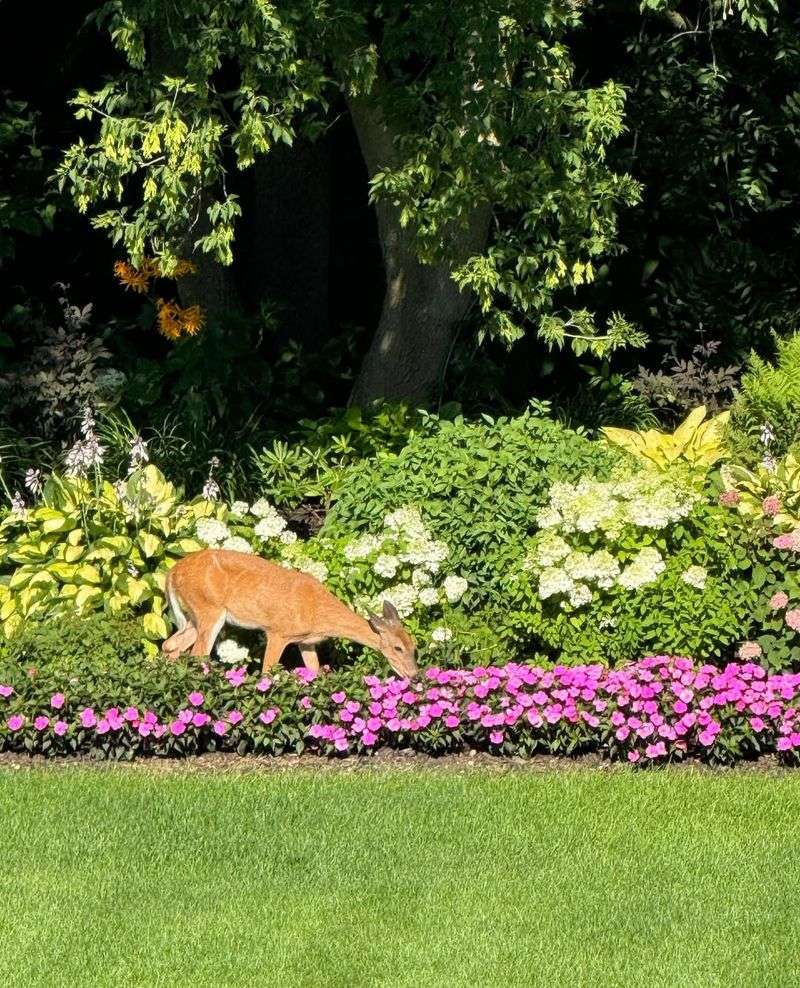
Reaching out to professional wildlife management services becomes necessary when deer damage continues despite your best prevention efforts.
New Jersey has numerous wildlife control specialists who understand local deer populations and can assess your specific situation with expert eyes.
These professionals offer solutions that go beyond typical homeowner approaches and may include permits for special deterrent methods or population management strategies.
Your local New Jersey Division of Fish and Wildlife office can provide valuable resources and recommendations for dealing with persistent deer problems.
They maintain information about deer populations in your area, seasonal patterns, and legal options available to property owners.
Some municipalities also have specific programs or ordinances related to deer management that could affect your available options.
Professional wildlife managers can evaluate your property layout and identify factors that might be attracting deer beyond just your garden.
Standing water, shelter, or nearby food sources on neighboring properties may draw deer to your area repeatedly.
Addressing these underlying attractants often proves more effective than focusing solely on garden protection.
In some cases, professionals may recommend community-wide approaches since deer problems rarely affect just one property.
Coordinating efforts with neighbors creates a larger protected zone that makes entire neighborhoods less attractive to browsing deer.
This collaborative approach often yields better results than individual efforts alone.
Understanding your legal rights and responsibilities regarding wildlife on your New Jersey property is important before taking any drastic measures.
Wildlife management professionals can guide you through regulations and help you implement solutions that are both effective and compliant with state and local laws.
Their expertise can save you time, money, and frustration when dealing with ongoing deer challenges.