9 Smart Landscaping Upgrades Helping Arizona Yards Use Way Less Water
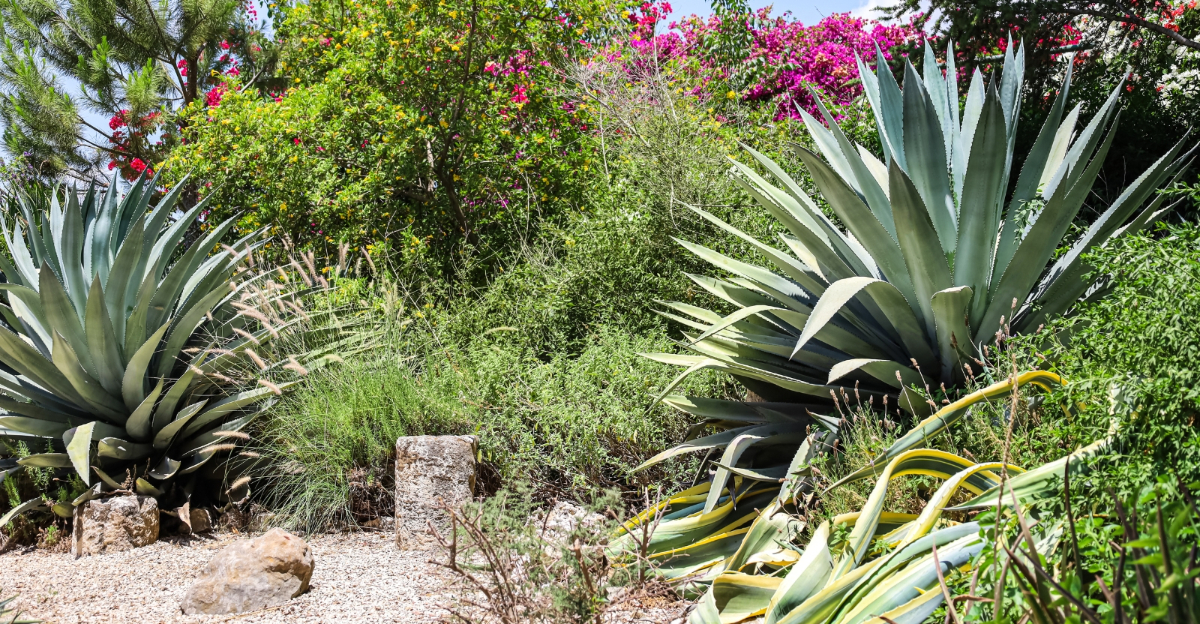
Arizona yards teach you very quickly that water is precious, and once that reality sinks in, the way landscaping is approached starts to change for good.
Hot summers, dry winds, and long stretches without rain make it impossible to rely on habits that once worked in wetter regions.
Many homeowners reach a point where keeping a yard green feels like a constant battle against the climate rather than a space meant for enjoyment.
That frustration explains why smarter landscaping upgrades are gaining attention across Arizona neighborhoods right now.
These changes focus on creating beautiful yards that work with the environment instead of fighting natural conditions every day.
Small decisions made at ground level quietly reduce water use while making outdoor spaces easier to manage year after year.
Once water demand becomes obvious, efficiency begins to matter just as much as appearance in outdoor design choices.
Arizona-friendly upgrades reward patience, planning, and a clear understanding of how desert landscapes naturally function.
The most effective improvements often look subtle at first, yet they lead to noticeable savings over time without sacrificing comfort or style.
For many Arizona homeowners, these upgrades represent a smarter, more sustainable way to enjoy a yard without constant water stress.
1. Native Desert Plants Replace Traditional Grass Lawns
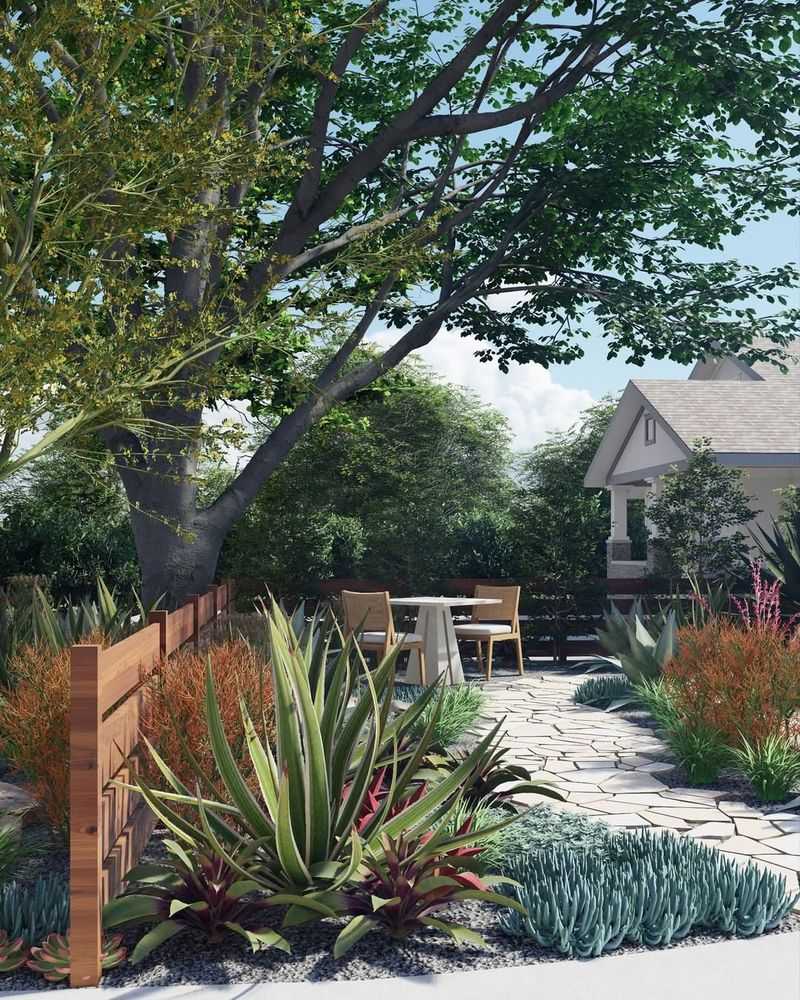
Replacing grass with native plants transforms Arizona yards into low-maintenance showcases that naturally thrive in desert conditions without constant watering or special care.
Traditional lawns demand enormous amounts of water daily during Arizona’s scorching summer months, driving up bills and wasting resources that the desert cannot spare.
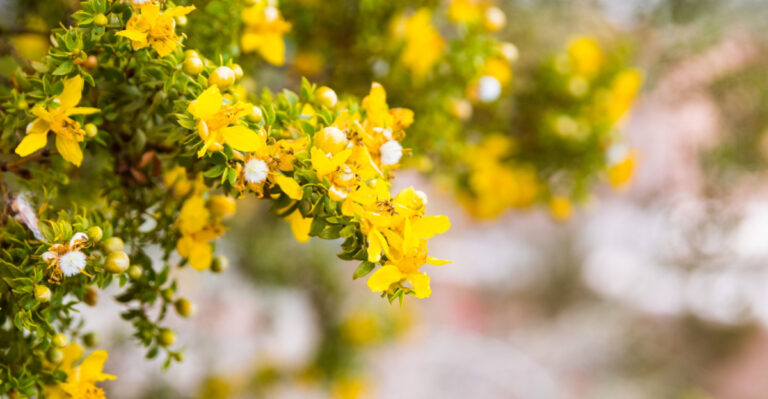
Native species like palo verde trees, desert marigolds, and brittlebush have evolved over thousands of years to survive Arizona’s climate with minimal moisture.
These hardy plants develop deep root systems that access underground water, meaning homeowners only need to water them occasionally after they become established.
Arizona gardeners discover that native plants offer stunning blooms, interesting textures, and year-round visual interest that boring grass lawns simply cannot match in desert regions.
Many native desert species attract beautiful butterflies, hummingbirds, and beneficial insects that add life and movement to outdoor spaces throughout the seasons in Arizona.
Maintenance becomes incredibly simple since native plants rarely need fertilizers, pesticides, or the constant mowing that traditional grass requires every single week during growing season.
Homeowners across Arizona save hundreds of dollars annually on water bills after replacing thirsty grass with native plants that naturally belong in the desert landscape.
Local nurseries throughout Arizona now stock extensive selections of native plants, making it easier than ever for residents to find perfect species for their yards.
2. Drip Irrigation Systems Deliver Water Directly to Roots
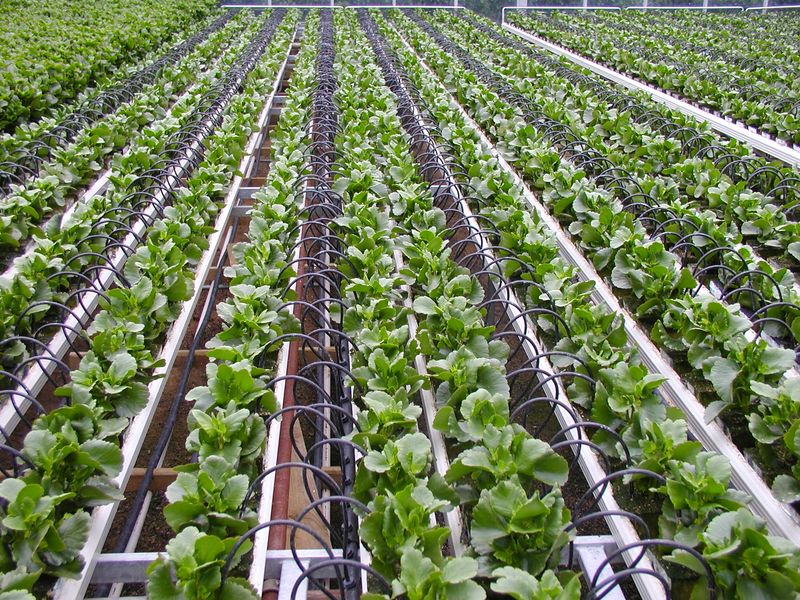
Instead of wasting water on soil that never reaches plant roots, a smarter watering approach delivers moisture exactly where it’s needed most through drip irrigation.
Traditional sprinkler systems spray water into Arizona’s hot, dry air where much of it evaporates before ever reaching plant roots or soil surfaces below.
Drip systems use networks of tubes with small emitters that slowly release water right at plant bases, ensuring every precious drop goes exactly where intended.
Your Arizona Garden Changes Every Week. Your Plan Should Too.
Gardening in Arizona changes quickly throughout the season. Every Friday you’ll receive a simple weekly plan showing exactly what to plant, prune, fertilize, harvest, and protect so you never miss the right timing.
Arizona homeowners who switch to drip irrigation typically reduce outdoor water consumption by thirty to fifty percent compared to conventional overhead sprinkler systems in their yards.
These efficient systems can be programmed with timers to water during cooler morning or evening hours when evaporation rates drop significantly throughout Arizona’s desert climate.
Installation proves surprisingly straightforward, with many Arizona residents successfully setting up basic drip systems themselves using affordable kits available at local hardware stores and nurseries.
Plants actually grow healthier with drip irrigation since consistent, targeted watering encourages deeper root development and reduces fungal problems caused by wet foliage in yards.
The systems work beautifully in Arizona vegetable gardens, flower beds, and around trees, delivering customized water amounts based on each plant’s specific needs and preferences.
Maintenance requires only occasional checks for clogged emitters or damaged lines, making drip irrigation a set-it-and-forget-it solution for busy Arizona homeowners seeking water efficiency.
3. Mulch Layers Lock Moisture Into Desert Soil
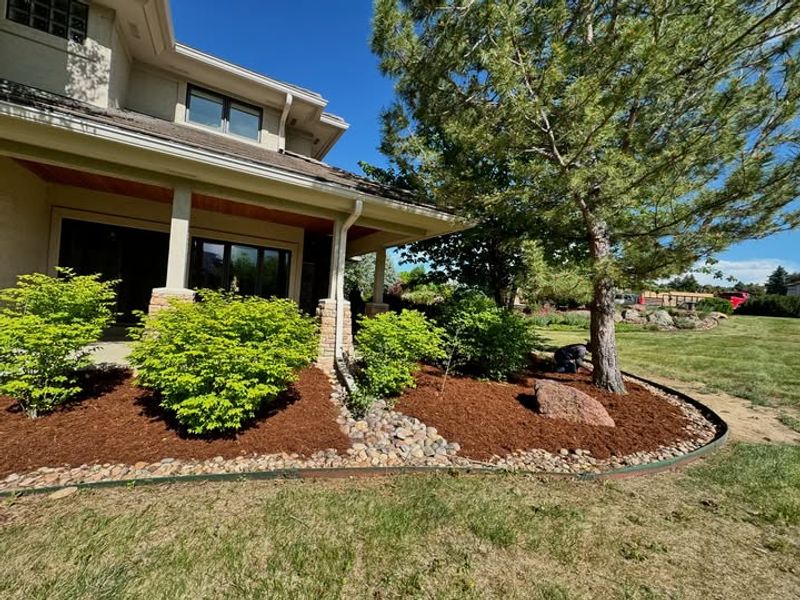
Adding thick mulch layers creates a protective barrier over soil that dramatically reduces evaporation, keeping moisture available to plant roots much longer in Arizona’s heat.
Bare soil exposed to Arizona’s intense sun loses water incredibly quickly through evaporation, forcing homeowners to water more frequently just to keep plants barely alive.
Organic mulches like wood chips, shredded bark, or compost spread three to four inches deep can reduce soil water evaporation by up to seventy percent.
Arizona gardeners find that mulched areas stay cooler during brutal summer days, protecting delicate root systems from heat stress that can damage or weaken plants.
Mulch breaks down gradually over time, enriching Arizona soil with organic matter that improves structure, drainage, and the soil’s ability to retain precious moisture naturally.
Weed growth decreases significantly under proper mulch layers, eliminating competition for water resources and reducing time Arizona homeowners spend pulling unwanted plants from garden beds.
Inorganic options like decorative rock or gravel also work well in Arizona landscapes, providing permanent mulch that never needs replacement while still reducing evaporation effectively.
Proper mulching around trees, shrubs, and flower beds creates a polished, finished appearance that makes Arizona yards look professionally designed and carefully maintained throughout seasons.
Local landscape supply companies across Arizona offer delivery of bulk mulch materials, making it economical and convenient to cover large yard areas without breaking budgets.
4. Rainwater Harvesting Captures Free Water From Roofs
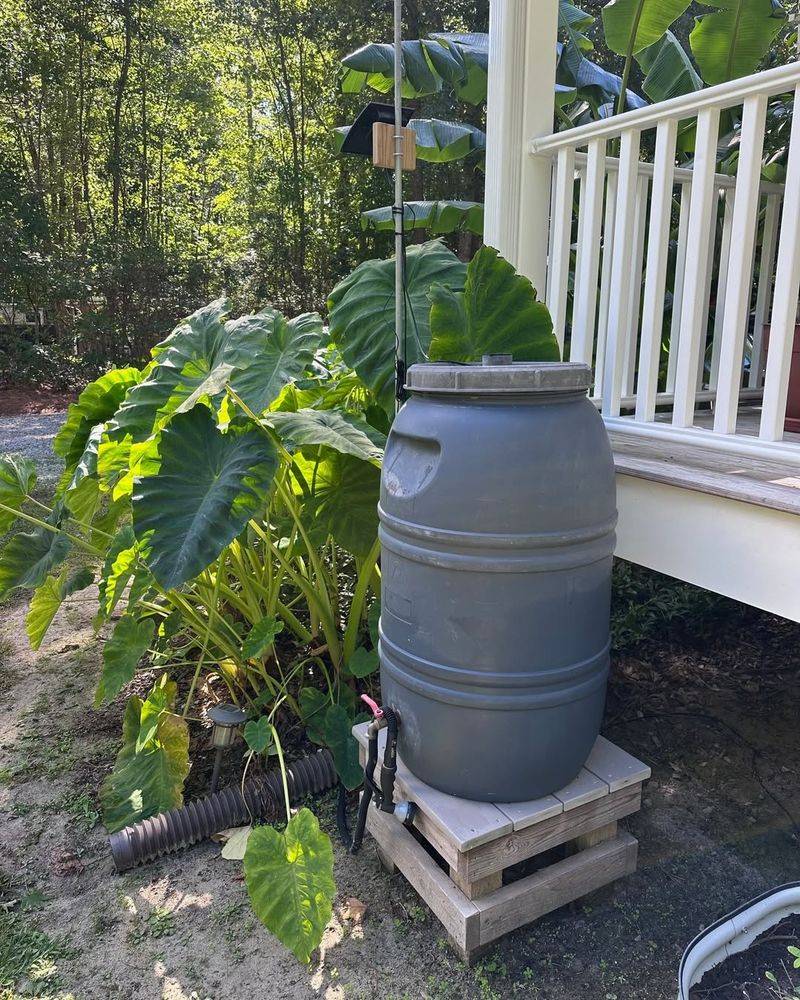
Collecting rainwater from roofs provides Arizona homeowners with free irrigation water during monsoon season, reducing dependence on municipal supplies and lowering monthly utility costs.
Even in Arizona’s arid climate, a typical home roof can collect thousands of gallons during summer monsoon storms that would otherwise run off into streets.
Simple rain barrel systems positioned under downspouts capture this runoff, storing it for later use during dry periods when plants need supplemental watering most.
More sophisticated Arizona installations include large cisterns that hold hundreds or thousands of gallons, providing substantial water reserves for extended landscape irrigation throughout dry months.
Harvested rainwater contains no chlorine, fluoride, or other chemicals found in tap water, making it actually healthier for sensitive plants growing in Arizona gardens.
Arizona state laws encourage rainwater harvesting, and some municipalities even offer rebates or incentives for residents who install collection systems on their residential properties.
Systems range from inexpensive DIY barrel setups costing under one hundred dollars to elaborate underground cisterns that integrate seamlessly into professional Arizona landscape designs.
Homeowners across Arizona report immense satisfaction from using free rainwater to keep gardens thriving, feeling they’re making smart use of natural resources in desert regions.
Proper mosquito screens on collection barrels prevent insect breeding while allowing water to flow freely, addressing health concerns some Arizona residents initially worry about with storage.
5. Soil Amendments Improve Water Retention Naturally
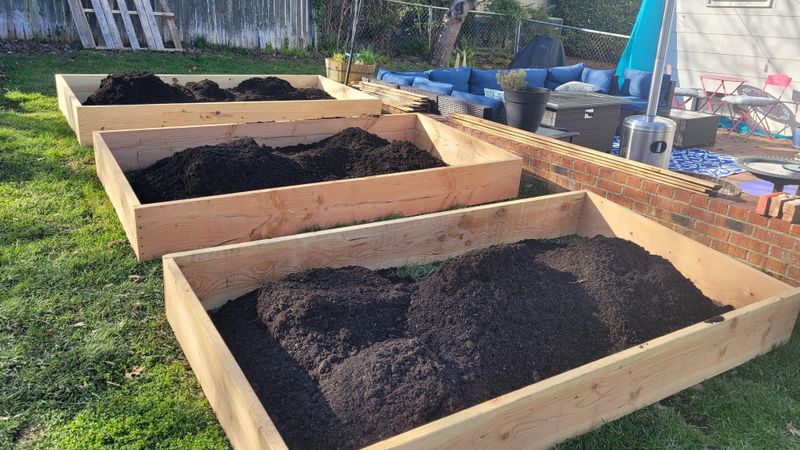
Improving Arizona’s naturally sandy or clay-heavy soil with organic amendments helps it hold moisture longer, reducing how frequently homeowners need to water their landscapes.
Desert soils across Arizona often drain too quickly or become hydrophobic when dry, causing water to run off rather than soak in where plant roots can access it.
Mixing compost, aged manure, or other organic materials into existing soil creates better structure that acts like a sponge, holding water while still draining properly.
Arizona gardeners who amend their soil before planting give new plants a tremendous advantage, helping them establish faster with less water stress during critical early growth.
Even established landscapes benefit when homeowners work amendments into the top few inches around existing plants, gradually improving soil quality throughout Arizona yards over time.
Better soil structure also encourages deeper root growth, allowing plants to access moisture from lower soil layers during Arizona’s long dry periods between infrequent rains.
Local Arizona composting facilities often sell high-quality soil amendments at reasonable prices, and some municipalities even offer free compost to residents from yard waste programs.
Improved soil requires less frequent watering and helps Arizona landscapes stay greener longer during droughts, making this upgrade one of the most cost-effective water-saving investments.
Healthy, amended soil supports beneficial microorganisms and earthworms that further improve soil structure and water retention capabilities naturally over time throughout Arizona properties.
6. Hardscape Features Reduce Areas Needing Irrigation
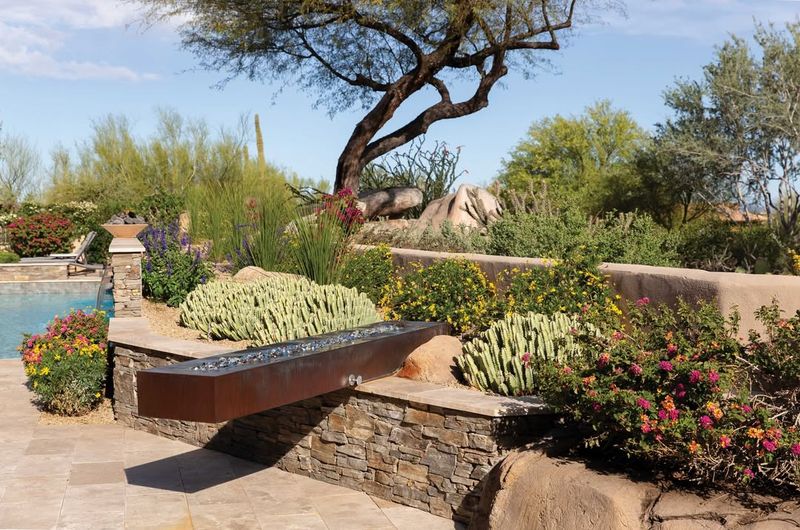
Incorporating patios, walkways, and decorative rock areas reduces the total square footage of living plants that require regular watering in Arizona residential landscapes.
Arizona homeowners create beautiful, functional outdoor spaces by balancing hardscape elements with carefully selected plants that truly deserve the water they receive in desert conditions.
Flagstone patios, decomposed granite paths, and stacked stone walls add visual interest and usable space without demanding a single drop of water throughout the year.
Strategic hardscaping in Arizona yards provides comfortable areas for outdoor living and entertaining while dramatically cutting landscape maintenance time and water consumption simultaneously each season.
Desert-style landscapes that emphasize hardscape with accent plants placed thoughtfully look stunning and authentically reflect Arizona’s natural environment rather than fighting against it unsuccessfully.
Permeable paving options allow rainwater to soak into soil rather than running off, helping recharge groundwater while still reducing irrigated areas across Arizona residential properties.
Homeowners discover that well-designed hardscape features actually increase property values in Arizona, where water-wise landscapes appeal strongly to environmentally conscious buyers seeking efficient homes.
Professional landscape designers throughout Arizona specialize in creating balanced outdoor spaces that combine beautiful hardscape elements with drought-tolerant plants for stunning, sustainable results year-round.
Initial installation costs for quality hardscaping pay for themselves over time through reduced water bills and minimal maintenance requirements compared to traditional Arizona grass lawns.
7. Smart Irrigation Controllers Adjust Watering Automatically
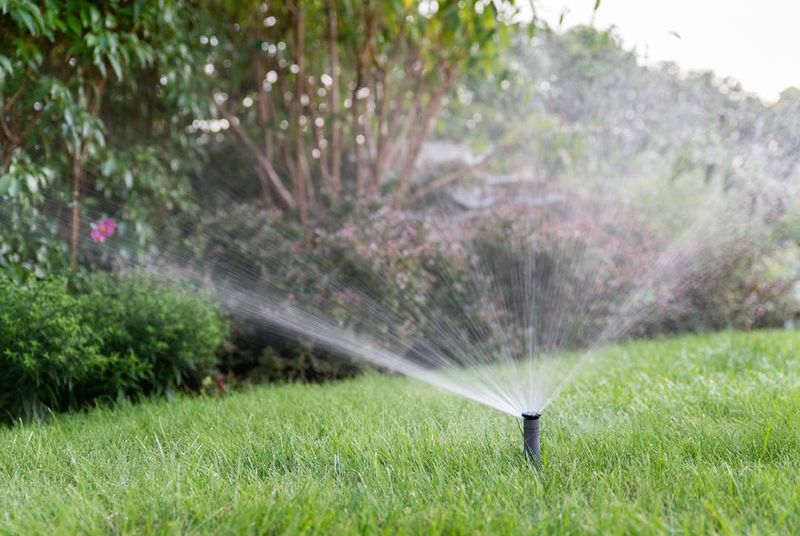
Modern smart controllers use weather data, soil moisture sensors, and plant needs to automatically adjust irrigation schedules, preventing overwatering in Arizona landscapes throughout constantly changing seasonal conditions.
Traditional timers run on fixed schedules regardless of actual conditions, often watering Arizona yards during rainstorms or when soil already contains adequate moisture from recent precipitation.
Smart systems connect to local weather stations or internet services, skipping scheduled watering when rain occurs or temperatures drop, eliminating unnecessary water waste across Arizona landscapes.
Some advanced controllers in Arizona include soil moisture probes that measure real ground conditions, triggering irrigation only when plants actually need water rather than relying on guesswork.
Homeowners throughout Arizona can monitor and adjust smart irrigation systems remotely using smartphone apps, making changes easily while traveling away from home for extended periods.
Studies show properly programmed smart controllers reduce outdoor water use by twenty to forty percent compared to standard timers in Arizona’s highly variable desert climate conditions.
Many Arizona water utilities offer substantial rebates on smart controller purchases, recognizing their effectiveness at reducing community-wide water demand during critical summer months.
Installation typically requires replacing only the old timer with a new smart unit, making this upgrade accessible even for Arizona homeowners without extensive technical skills.
The investment in smart irrigation technology pays back quickly through lower water bills while giving Arizona residents peace of mind about landscape care.
8. Hydrozone Planning Groups Plants By Water Needs
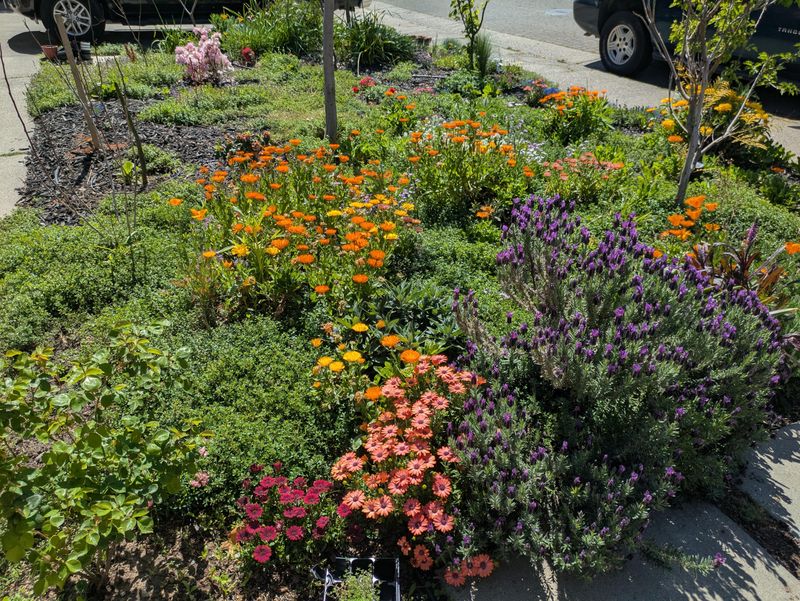
Organizing Arizona landscapes into distinct zones based on plant water requirements ensures each area receives appropriate irrigation without wasting resources on drought-tolerant species.
Mixing high-water and low-water plants randomly throughout yards forces Arizona homeowners to overwater drought-tolerant species or underwater thirstier ones, causing inefficiency and plant stress.
Creating separate hydrozones allows precise irrigation control, with high-use areas near patios receiving more water while outlying Arizona zones get minimal moisture.
Thoughtful hydrozone design places thirstiest plants together in small, easily watered areas, keeping Arizona water-intensive landscaping limited to high-visibility spots.
Transition zones using moderately thirsty plants bridge high-water and low-water areas, creating visual flow throughout Arizona yards without abrupt or awkward landscape changes.
Arizona landscape professionals recommend positioning highest water-use zones closest to homes where people spend more time and appreciate greenery during outdoor activities.
Properly hydrozoned landscapes perform better during water restrictions since Arizona homeowners can easily reduce irrigation to low-priority zones while maintaining essential areas.
This planning approach works well in Arizona’s climate, allowing residents to enjoy some water-loving plants without committing entire properties to unsustainable water use.
Retrofitting existing Arizona yards into hydrozones requires initial effort but delivers lasting benefits through reduced water waste and healthier plants overall.
9. Artificial Turf Provides Green Spaces Without Water
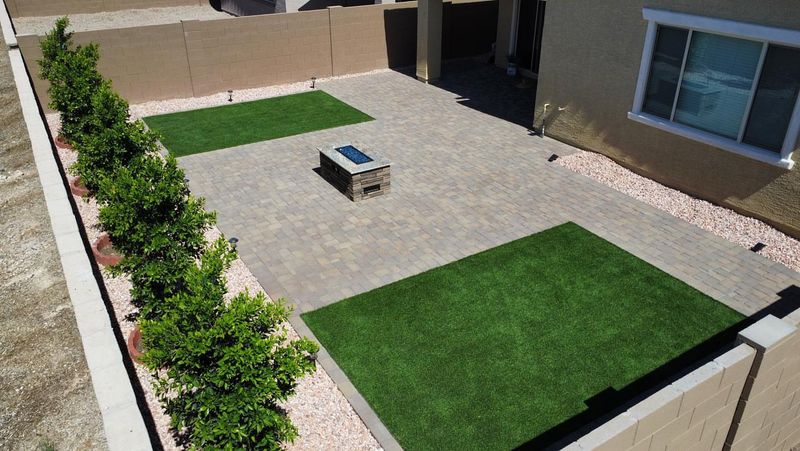
Modern artificial turf offers Arizona homeowners lush green areas for children and pets without consuming thousands of gallons maintaining natural grass through brutal summers.
Today’s synthetic grass products look remarkably realistic, featuring varied blade colors and textures that convincingly mimic natural lawns and fool most casual visitors.
Quality artificial turf installations in Arizona last ten to fifteen years with minimal maintenance, requiring only occasional rinsing and brushing to stay attractive.
Arizona families with active children or dogs appreciate durable green play areas that remain usable during scorching summer months when natural grass browns.
Installation costs start higher than planting grass seed, but Arizona homeowners recover expenses through eliminated water bills, mowing costs, and fertilizer purchases.
Artificial turf stays consistently green throughout Arizona’s intense summers without patchy brown spots, weeds, or bare areas that plague natural lawns.
Some Arizona municipalities restrict artificial turf due to heat island concerns, so homeowners should check local regulations before committing to synthetic grass.
Combining small artificial turf areas with native plants and hardscape creates balanced Arizona landscapes offering functional green spaces without excessive water use.
Pet owners throughout Arizona value synthetic grass that drains quickly, avoids muddy spots, and prevents dirt being tracked indoors after daily outdoor play.