Great-Looking Garden Edging Ideas For Every New Jersey Budget
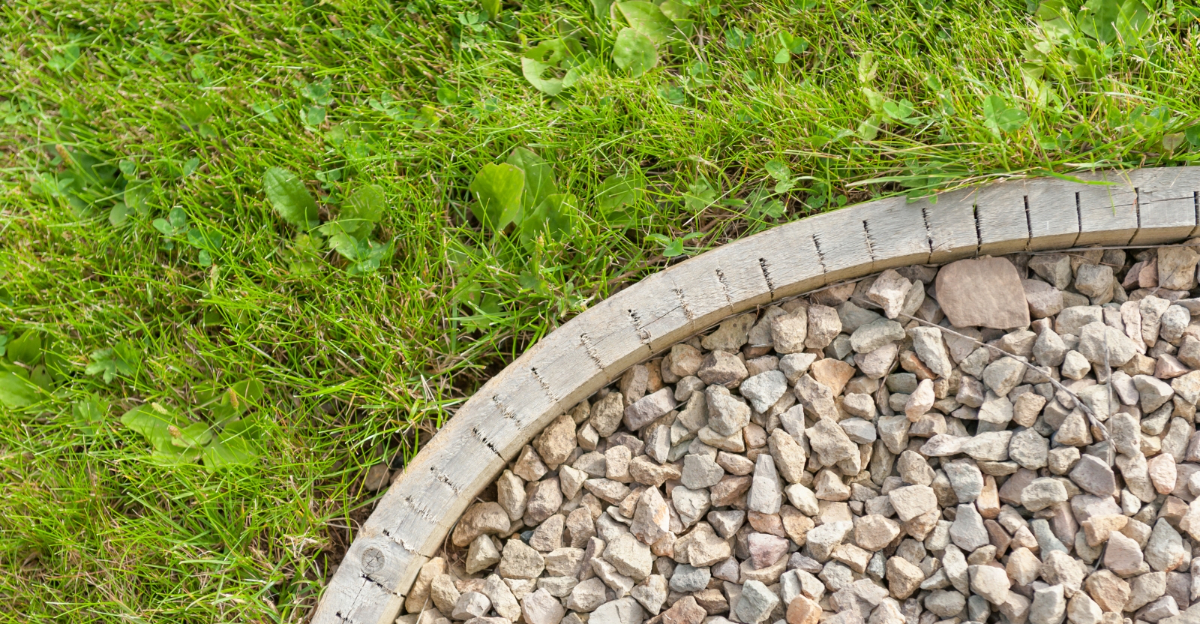
Garden edging has a quiet way of changing how a New Jersey yard feels, even when everything else stays exactly the same.
A simple border can turn scattered plants into a finished space that looks intentional instead of accidental.
Many homeowners assume edging requires a big budget, yet some of the most attractive options are also the most affordable.
What really matters is choosing a style that matches the home, the garden layout, and how much upkeep feels reasonable.
From older neighborhoods to newer developments, edging helps yards look cared for without demanding constant attention.
It also creates clear lines that make mowing easier, beds cleaner, and planting plans feel more organized.
New Jersey’s mix of climates and soil types means flexibility matters more than following one perfect look.
Budget-friendly edging ideas often shine because they rely on creativity rather than expensive materials.
Even small upgrades along paths or garden beds can noticeably improve curb appeal.
With the right approach, great-looking garden edging becomes less about cost and more about smart choices that fit both the yard and the budget.
1. Natural Stone Edging
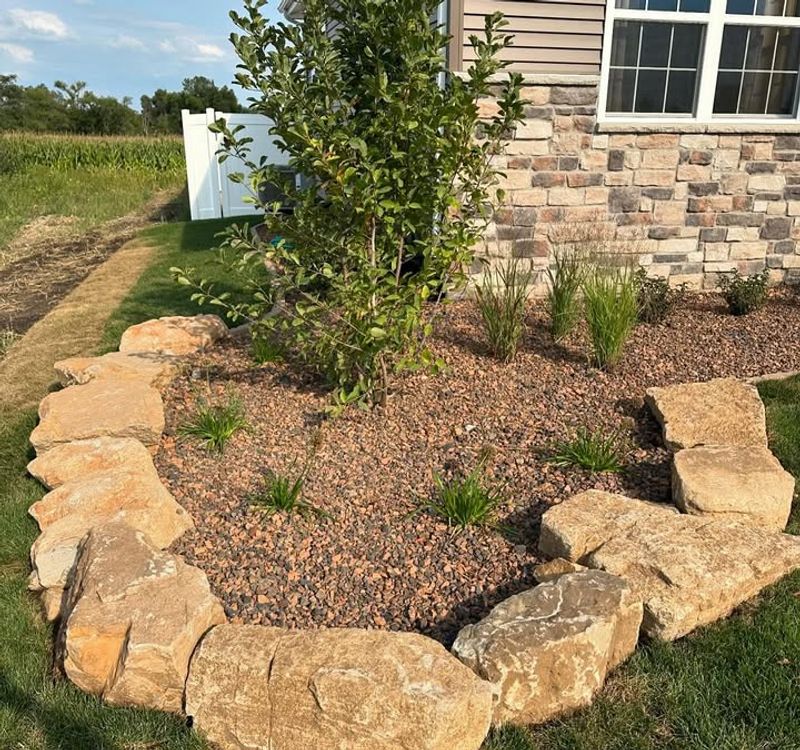
Stones gathered from riverbeds or quarries create timeless borders that blend seamlessly with New Jersey landscapes and add rustic charm to any garden bed.
Flat fieldstones can be stacked or arranged in single rows to form sturdy barriers that hold soil and mulch exactly where you want them.
Choosing local stone varieties saves money on transportation costs while supporting regional suppliers who understand the climate and aesthetic preferences of Garden State residents.
Installation requires minimal tools since you simply dig shallow trenches and nestle stones firmly into the ground without needing mortar or special adhesives for stability.
Natural stone weathers beautifully over time and develops character as moss and lichen colonize the surfaces, creating an aged appearance that many homeowners find appealing.
This option works well for curved or straight borders and can be adjusted easily if you decide to redesign your garden layout in future seasons.
Maintenance involves occasional repositioning of stones that may shift during freeze-thaw cycles common in New Jersey winters, but overall upkeep remains remarkably low.
Stone edging complements cottage gardens, woodland settings, and formal landscapes equally well, making it one of the most versatile choices available to creative gardeners.
Prices vary depending on stone type and quantity needed, but shopping at local landscape supply yards often yields better deals than big-box retailers charge.
2. Recycled Brick Borders
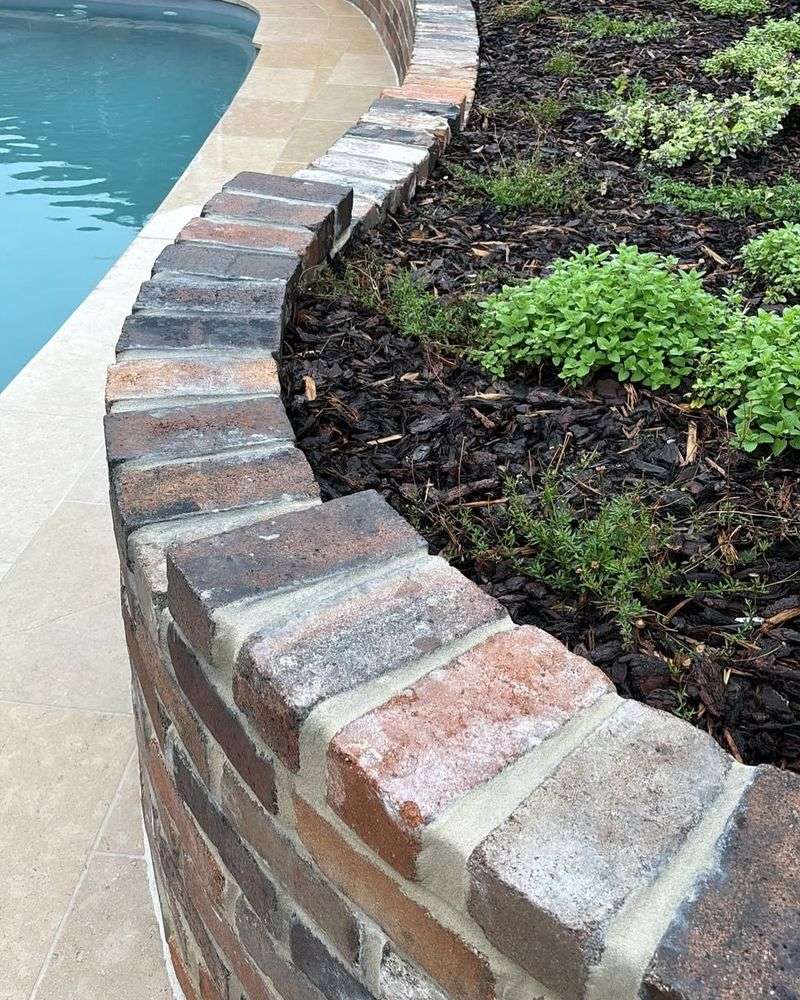
Old bricks salvaged from demolished buildings or renovation projects provide charming edging that adds historical character while keeping costs incredibly low for budget-conscious New Jersey gardeners.
Arranging bricks in soldier style, with each piece standing upright, creates clean lines that work beautifully with traditional colonial-style homes common throughout the state.
Laying bricks flat in sailor style produces wider borders that can double as mowing strips, reducing the time you spend trimming grass along garden edges.
Reclaimed bricks often display weathered patinas and color variations that new materials cannot replicate, giving your landscape an established look from day one of installation.
Your New Jersey Garden Changes Every Week. Your Plan Should Too.
Gardening in New Jersey changes quickly throughout the season. Every Friday you’ll receive a simple weekly plan showing exactly what to plant, prune, fertilize, harvest, and protect so you never miss the right timing.
Sourcing free or inexpensive bricks from online marketplaces, demolition sites, or neighbors completing renovation projects makes this edging option extremely wallet-friendly for homeowners.
Installation requires only a shovel, level, and sand base to ensure bricks sit evenly and resist shifting when you mow or edge around garden beds.
Brick edging suits formal herb gardens, vegetable patches, and ornamental beds equally well, adapting to various garden styles without looking out of place or mismatched.
Frost heaving can occasionally displace bricks during harsh New Jersey winters, but spring adjustments take only minutes and require no special skills or expensive tools.
This classic edging choice combines affordability with timeless appeal, making it popular among gardeners who appreciate vintage aesthetics and sustainable reuse of building materials.
3. Landscape Timber Frames
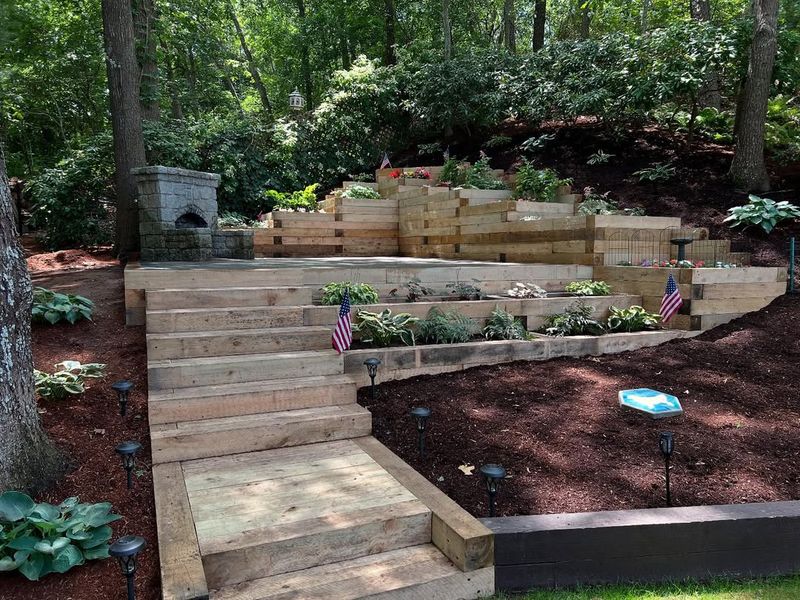
Pressure-treated lumber cut into manageable lengths forms sturdy raised borders that define garden spaces while providing excellent soil retention for New Jersey planting beds.
Stacking timbers two or three high creates raised beds that improve drainage and warm up faster in spring, extending the growing season for vegetables and flowers.
Hardware stores throughout the state stock affordable landscape timbers in standard dimensions, making this edging option accessible and easy to transport in most vehicles.
Securing timbers with landscape spikes or rebar driven through pre-drilled holes ensures borders remain stable through seasonal temperature changes and heavy rainfall events.
Natural wood tones complement outdoor environments beautifully and age to silvery gray patinas that many gardeners prefer over the initial treated lumber appearance.
This edging style works particularly well for rectangular or square garden layouts where straight lines and right angles create organized, productive growing spaces.
Cutting timbers to custom lengths allows you to design borders that fit odd-shaped areas or follow property lines without wasting materials or leaving awkward gaps.
Treated lumber resists rot and insect damage for many years, though eventual replacement becomes necessary as wood breaks down from constant exposure to moisture.
Landscape timber edging suits cottage gardens, vegetable plots, and perennial borders equally well, offering structural definition that helps plants stand out against lawn areas.
4. Metal Garden Edging
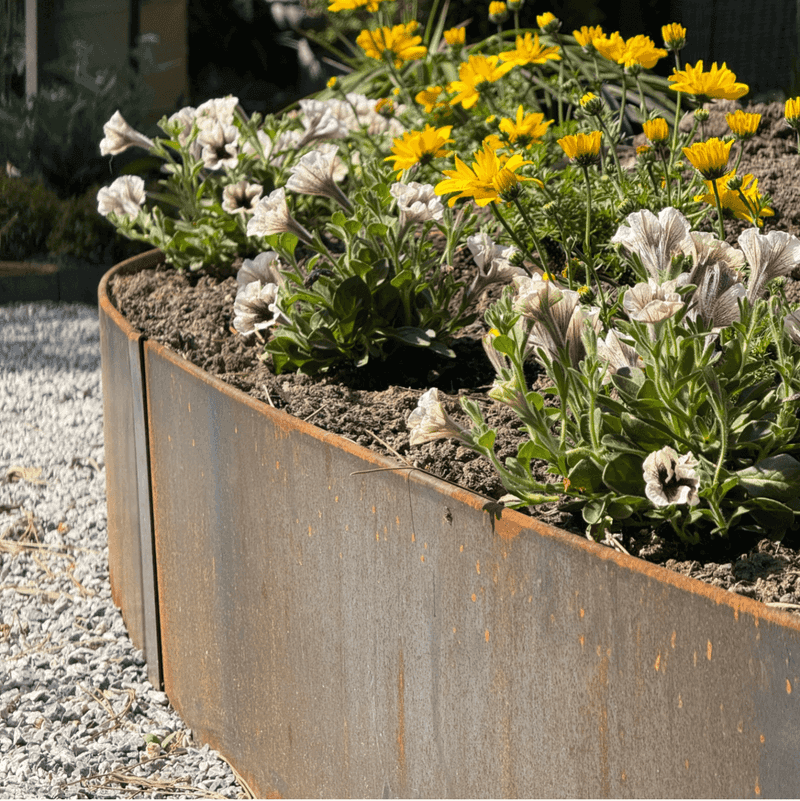
Steel or aluminum strips installed along garden perimeters create sleek, modern borders that virtually disappear into landscapes while providing exceptional durability for New Jersey homeowners.
Flexible metal edging bends easily to follow curved pathways and circular beds, offering design freedom that rigid materials cannot match for creative landscape layouts.
Galvanized or powder-coated finishes resist rust and corrosion, ensuring your investment lasts for decades despite exposure to rain, snow, and temperature extremes.
Installation involves hammering stakes attached to the edging into the ground at regular intervals, creating secure barriers that grass roots cannot penetrate or cross.
The thin profile of metal edging allows mower wheels to roll over the top edge, eliminating the need for tedious string trimming along garden borders.
This edging option suits contemporary landscape designs particularly well, complementing minimalist plantings and architectural hardscapes with its clean, unobtrusive appearance that never competes visually.
Metal edging costs more initially than some alternatives, but its longevity and low maintenance requirements make it economical over time for Garden State residents.
Homeowners appreciate how metal strips remain firmly in place once installed, unlike some edging materials that shift or require seasonal adjustments after freeze-thaw cycles.
This choice works beautifully for formal gardens, modern landscapes, and commercial properties where clean lines and professional appearance matter most to property aesthetics.
5. Concrete Paver Edging
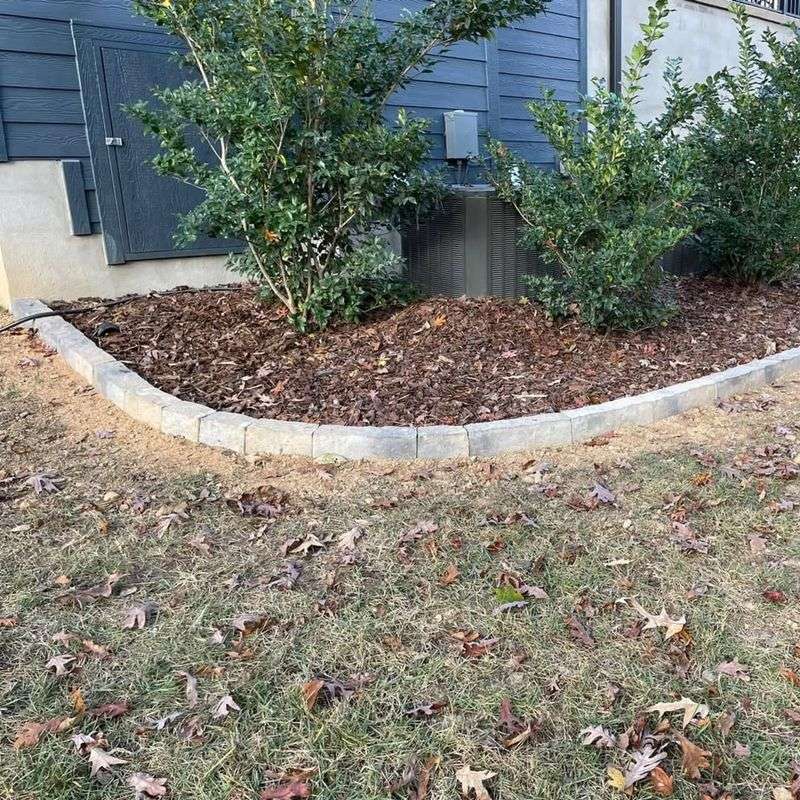
Interlocking concrete pavers arranged end-to-end form substantial borders that withstand heavy foot traffic while creating formal edges for New Jersey gardens and walkways.
Available in numerous colors, shapes, and textures, pavers offer design flexibility that allows you to match existing hardscapes or create contrasting accents throughout your property.
Setting pavers in sand beds with proper base preparation ensures they remain level and stable through seasonal ground movement common in northeastern climates.
This edging option works exceptionally well for gardens adjacent to patios or driveways where visual continuity between different outdoor spaces enhances overall landscape cohesion.
Concrete pavers cost less than natural stone but deliver similar aesthetic appeal and durability, making them popular among budget-conscious homeowners seeking quality results.
Installing pavers requires more effort than simply placing stones, but the finished product looks professionally designed and adds significant curb appeal to your property.
Maintenance involves occasional sweeping of sand into joints and repositioning any pavers that settle unevenly, but overall upkeep remains minimal for Garden State residents.
Paver edging suits formal rose gardens, structured perennial borders, and vegetable plots equally well, providing visual weight that grounds plantings and defines outdoor rooms.
Purchasing pavers from local suppliers often yields better prices than national chains charge, and you will support businesses familiar with regional preferences and climate challenges.
6. Plastic Landscape Edging
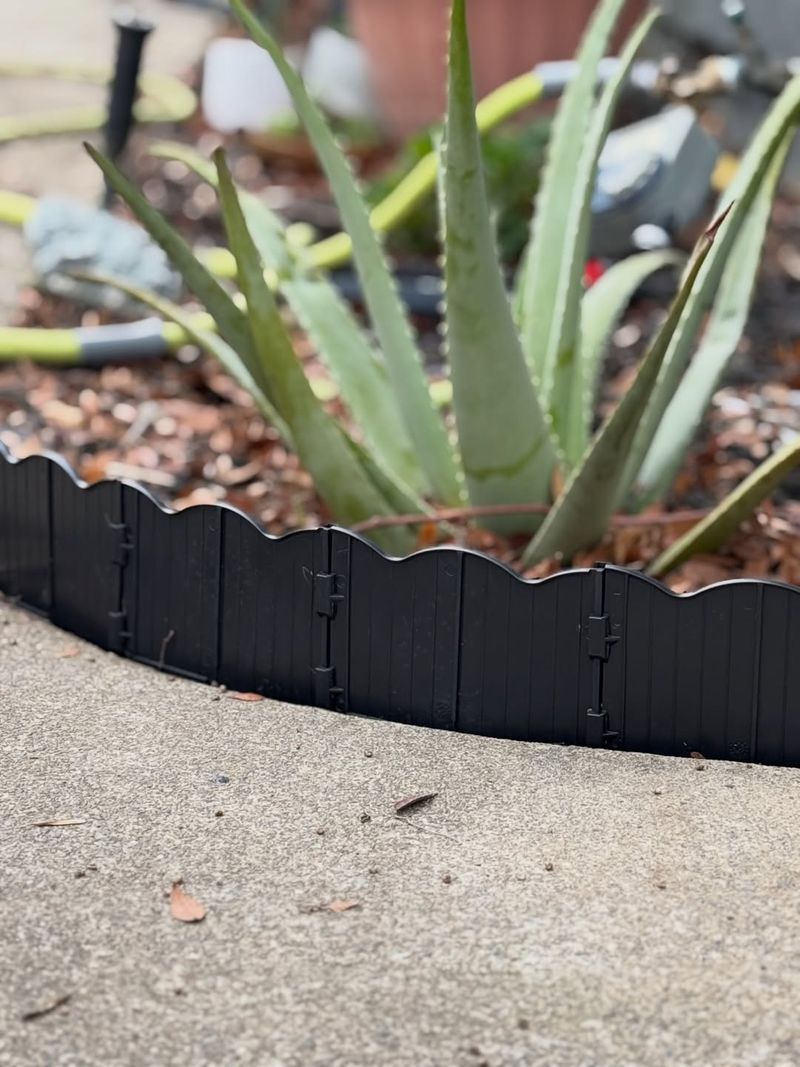
Affordable polyethylene strips sold in rolls provide the most budget-friendly edging solution for New Jersey gardeners who need to border large areas without breaking the bank.
Flexible plastic bends around curves and corners effortlessly, making it ideal for gardens with organic shapes that flow naturally rather than following rigid geometric patterns.
Installation takes just minutes since you simply unroll the edging, position it along your garden border, and secure it with plastic stakes every few feet.
Black plastic edging virtually disappears against dark mulch, creating invisible barriers that keep grass out while allowing plants to take center stage in your landscape design.
This lightweight option costs significantly less than metal, stone, or wood alternatives, making it perfect for temporary gardens or rental properties where permanent solutions make less sense.
Plastic edging resists rot, rust, and insect damage completely, though ultraviolet light from sun exposure can make it brittle over time in the Garden State climate.
Homeowners appreciate how easy plastic edging is to remove and reposition when they redesign gardens or change their minds about border placement during growing seasons.
While not as attractive as natural materials, plastic edging performs its functional role effectively and allows you to allocate more budget toward plants rather than hardscaping.
This practical choice suits informal cottage gardens, vegetable patches, and annual beds where aesthetics matter less than keeping mulch contained and grass roots controlled.
7. Railroad Tie Borders
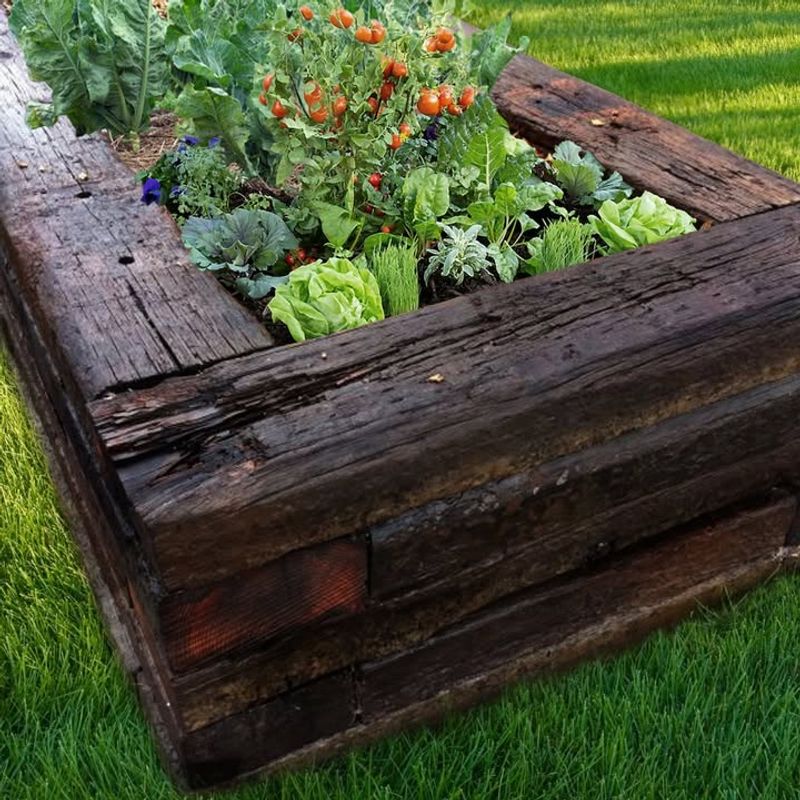
Massive wooden beams salvaged from old rail lines create bold, substantial edging that makes dramatic statements in New Jersey landscapes while supporting significant soil retention.
Railroad ties work particularly well for steep slopes or hillside gardens where erosion control matters as much as aesthetics in maintaining healthy planting areas.
The dark, weathered appearance of authentic ties adds industrial character that complements rustic garden styles and informal plantings beautifully without looking overly refined or formal.
Sourcing used railroad ties from salvage yards costs less than purchasing new landscape timbers, though availability varies and you may need to search multiple suppliers.
Installing ties requires considerable physical effort since each beam weighs hundreds of pounds, but their mass ensures borders remain permanently in place once positioned correctly.
Drilling holes and driving rebar through ties into the ground below provides additional stability for borders that must withstand heavy soil pressure and moisture.
Some gardeners worry about creosote contamination from treated ties, though using them for ornamental beds rather than vegetable gardens addresses most environmental and health concerns.
Railroad tie edging suits large properties and rural settings in the Garden State where scale and rustic character matter more than refined elegance or suburban polish.
This edging choice delivers maximum impact per dollar spent, creating borders that look established and permanent from the moment you complete installation in your landscape.
8. River Rock Borders
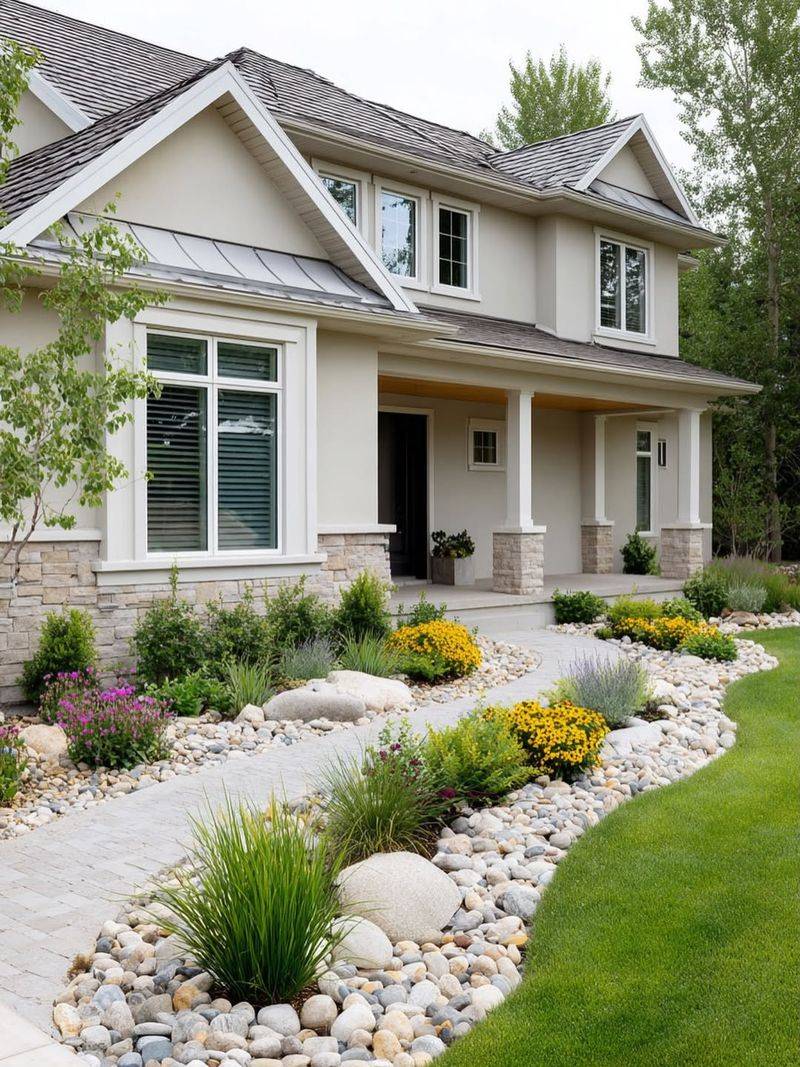
Smooth, rounded stones collected from streams or purchased in bulk create flowing borders that soften hard edges and bring natural beauty to New Jersey garden spaces.
Larger river rocks placed individually along garden perimeters form loose borders that allow you to adjust spacing and arrangement until you achieve the perfect look.
Smaller stones poured into shallow trenches create pebble borders that shift and settle naturally, developing organic appearances that improve with age and weathering over time.
The variety of colors and sizes available in river rock gives you tremendous creative freedom to design borders that complement your home and existing landscape features.
Installing river rock edging requires minimal skill since you simply arrange stones where you want them without worrying about precise measurements or perfect alignment.
This edging option works beautifully around water features, shade gardens, and Japanese-inspired landscapes where natural elements and flowing forms take precedence over geometric precision.
Maintenance involves occasionally raking stones back into position after heavy rains or adding more rocks to fill gaps that develop as materials settle into soil.
River rock costs more than some alternatives but less than cut stone, placing it in the middle price range for Garden State homeowners planning landscape improvements.
This versatile edging choice adapts to formal and informal garden styles equally well, providing texture and visual interest that plain borders cannot deliver to outdoor spaces.
9. Woven Willow Hurdles
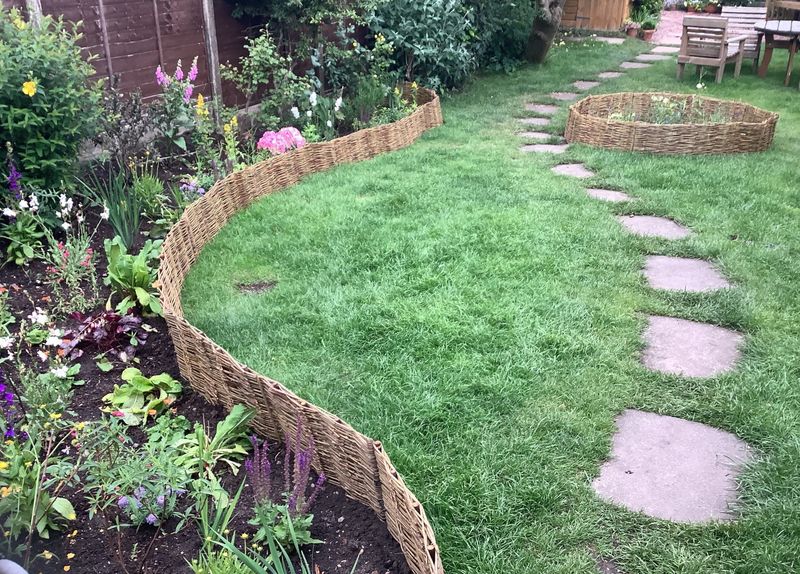
Traditional wattle fencing woven from flexible willow branches creates charming borders that transport New Jersey gardens back to simpler times when natural materials dominated landscape design.
Purchasing ready-made willow hurdles from garden centers provides instant cottage garden charm, though crafty homeowners can weave their own borders from harvested willow whips.
The organic texture and warm brown tones of willow edging complement informal plantings beautifully, especially in cottage gardens filled with roses, herbs, and flowering perennials.
Installing willow hurdles involves simply pushing sturdy stakes into the ground and securing the woven panels between them to create continuous borders around garden beds.
Natural willow eventually breaks down as it weathers, but this biodegradable quality appeals to environmentally conscious gardeners who prefer sustainable materials over synthetic alternatives.
This edging option works particularly well for raised vegetable beds where rustic charm enhances the productive, homestead aesthetic that many Garden State gardeners cultivate intentionally.
Willow borders cost more than basic plastic edging but less than stone or metal options, positioning them as mid-range choices for homeowners with moderate budgets.
Maintenance involves replacing panels every few years as willow degrades, but the ease of installation makes refreshing borders a simple weekend project rather than major undertaking.
This distinctive edging choice suits English-style gardens, herb gardens, and country landscapes where old-world charm and handcrafted details create inviting outdoor spaces that feel timeless.
10. Trench Edging
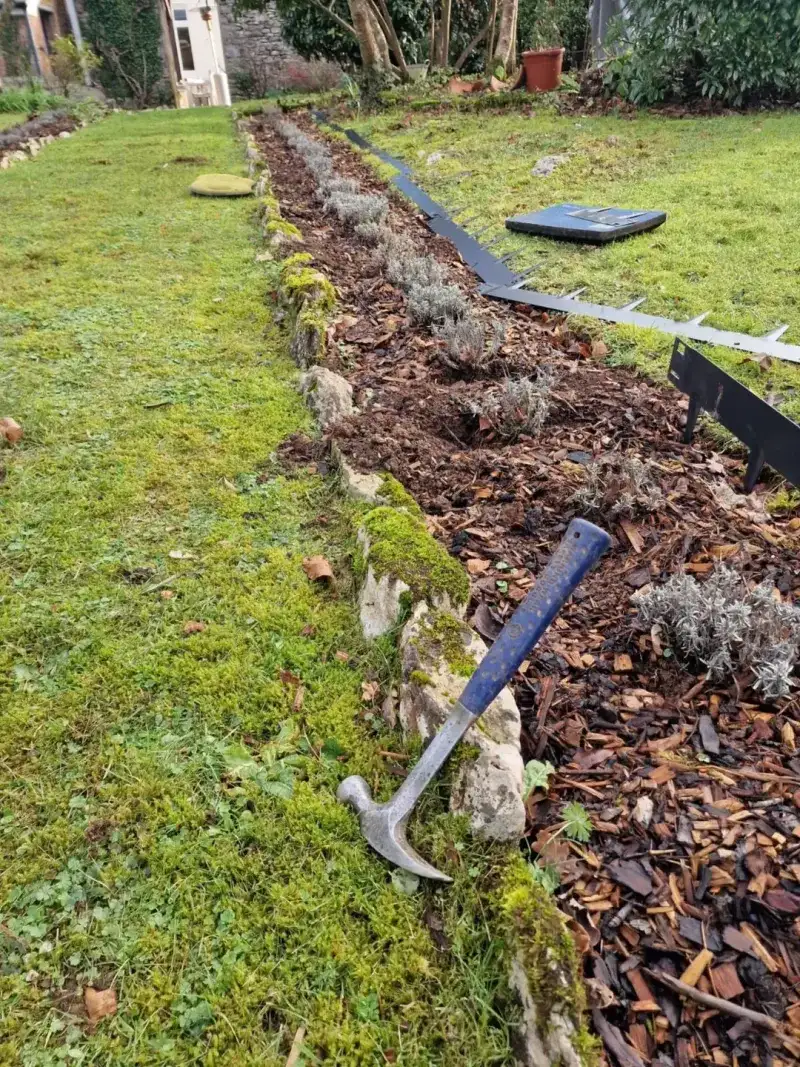
Simple trenches cut along garden borders with a sharp spade create the most economical edging solution possible for New Jersey homeowners working with extremely limited budgets.
This method costs absolutely nothing except your time and effort, making it perfect for large properties where purchasing materials for extensive borders becomes financially impractical.
Creating clean vertical cuts between lawn and garden beds defines spaces clearly while preventing grass from spreading into areas reserved for flowers and vegetables you cultivate.
Maintaining trench edging requires periodic re-cutting as grass attempts to cross the barrier, but this maintenance becomes meditative garden work that many homeowners genuinely enjoy.
Using a half-moon edging tool or sharp spade produces cleaner cuts than string trimmers achieve, and the crisp lines elevate your landscape appearance significantly despite costing nothing.
Trench edging suits all garden styles equally well since the border itself remains invisible, allowing plants and hardscapes to command attention without competing visual elements.
Gardeners appreciate how this method allows them to experiment with bed shapes and sizes without committing to permanent materials that limit future design flexibility.
While not as permanent as physical barriers, trench edging provides immediate results and can be refreshed seasonally to maintain neat appearances throughout growing seasons in the Garden State.
This practical approach works especially well for renters or homeowners unsure about long-term landscape plans who want tidy gardens without investing in permanent edging materials.