Why Camellia Stands Out As A Winter Plant In California
Camellia earns its place in California gardens during winter by doing what few plants manage, bringing structure, color, and life when most landscapes slow down.
While many plants wait for spring, camellia steps forward with glossy leaves and blooms that feel intentional rather than accidental.
Winter gardens often rely on evergreens alone, but camellia adds depth by combining rich foliage with flowers that actually show up.
California’s mild winters suit this plant perfectly, allowing it to perform without struggling or needing constant intervention.
Seeing camellia in bloom during colder months changes how winter gardening feels, shifting it from waiting mode to active enjoyment.
The plant holds its shape well, keeping gardens from looking empty or unfinished when beds lose their summer energy.
Camellia also brings a sense of reliability, returning each winter with the same confidence regardless of short cold snaps.
Its presence balances landscapes that might otherwise lean too heavily on bare branches and muted tones.
Gardeners often notice how camellia quietly anchors winter beds, making surrounding plants feel more intentional by contrast.
In California gardens, camellia stands out because it proves winter can still be a season worth planting for.
1. Blooms During the Coldest Months
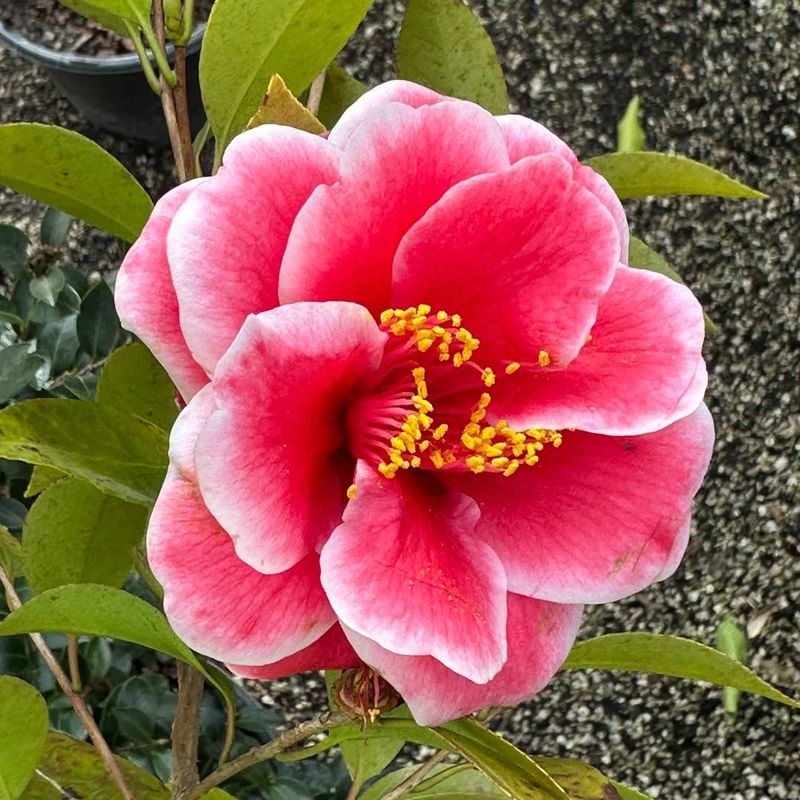
Most flowering plants take a break when temperatures drop, but camellias burst into bloom right when gardens need color most desperately.
California winters provide the perfect mild conditions for these shrubs to produce stunning flowers from December through March without any stress.
Petals unfold in shades of pink, red, white, and coral, creating dramatic focal points that catch the eye immediately.
Gardeners across California appreciate how camellias fill the void left by summer bloomers that have finished their show for the year.
Each flower can last for weeks, giving you extended enjoyment and making your landscape look professionally designed throughout the season.
Morning frost sometimes kisses the petals, creating magical scenes that photographers and nature lovers find absolutely irresistible to capture on camera.
Unlike annuals that need replanting, camellias return year after year, rewarding patience with increasingly impressive displays as they mature over time.
California’s coastal and inland valleys offer ideal microclimates where these plants flourish, producing blooms even when neighboring states face harsh conditions.
Watching camellias bloom while everything else sleeps feels like discovering a secret garden that only the wisest gardeners know about truly.
Their glossy evergreen leaves keep gardens looking full and polished even when flowers fade, adding structure and elegance through every season.
Once established, camellias require surprisingly little care, making them a rewarding choice for California gardeners who value beauty without constant effort.
2. Thrives in Shade and Partial Sunlight
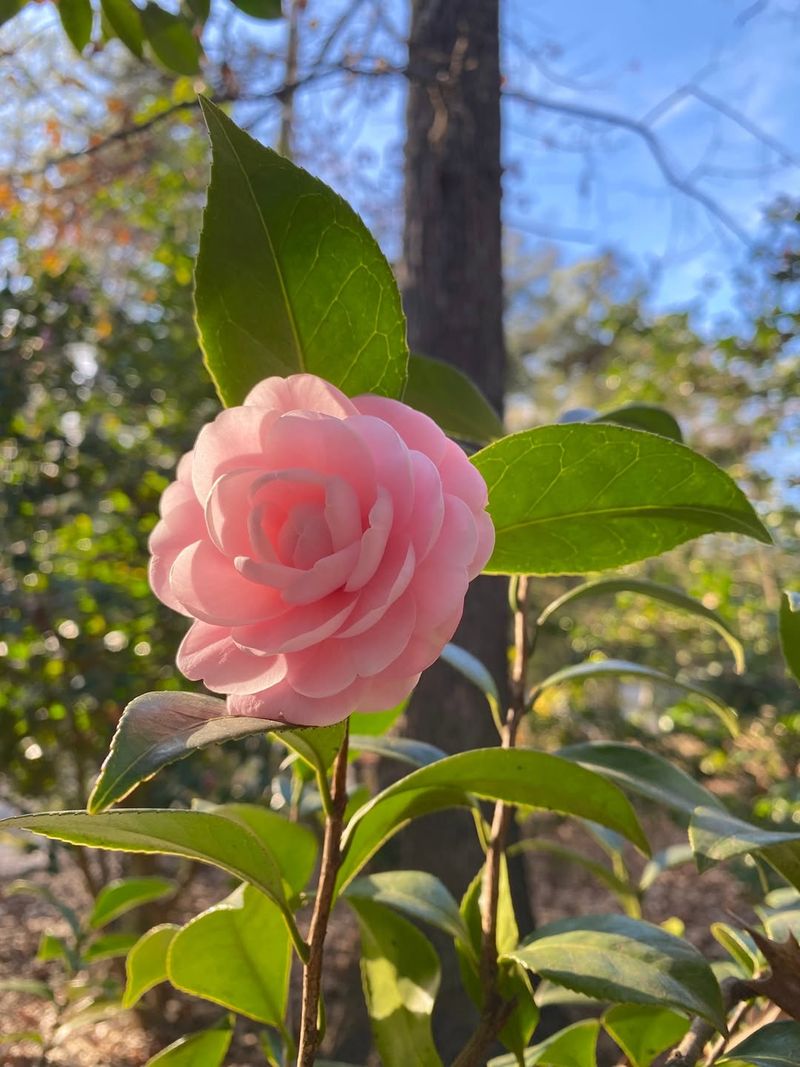
Many California gardens have shady spots under trees or beside buildings where finding suitable plants becomes a frustrating challenge for homeowners.
Camellias actually prefer filtered light or partial shade, making them perfect solutions for those tricky areas that receive limited direct sunlight.
Full sun can scorch the leaves and fade the blooms, so planting them under taller trees or on north-facing sides works beautifully.
California gardeners often struggle with sunny, dry spots, but camellias offer relief by thriving where other shade-lovers might fail completely.
Your California Garden Changes Every Week. Your Plan Should Too.
Gardening in California changes quickly throughout the season. Every Friday you’ll receive a simple weekly plan showing exactly what to plant, prune, fertilize, harvest, and protect so you never miss the right timing.
The glossy evergreen foliage stays attractive year-round, providing structure and greenery even when flowers have finished their seasonal performance for months.
Branches create layered growth patterns that add depth and dimension to landscapes, especially when planted in groups or as foundation shrubs.
Roots establish well in the acidic, well-draining soil common in many California regions, especially areas with oak trees or redwood groves.
Placing camellias beneath larger plants creates a woodland feel that mimics natural forest understories found throughout Northern California’s coastal ranges.
Shade tolerance means you can transform neglected corners into showpieces without worrying about sunburn damage or excessive watering needs throughout summer.
This flexibility allows camellias to solve layout problems that leave many gardeners stuck or forced into constant trial and error.
Over time, these shrubs turn shaded spaces into intentional, calm focal points rather than areas that feel forgotten or difficult to manage.
3. Requires Minimal Water Once Established
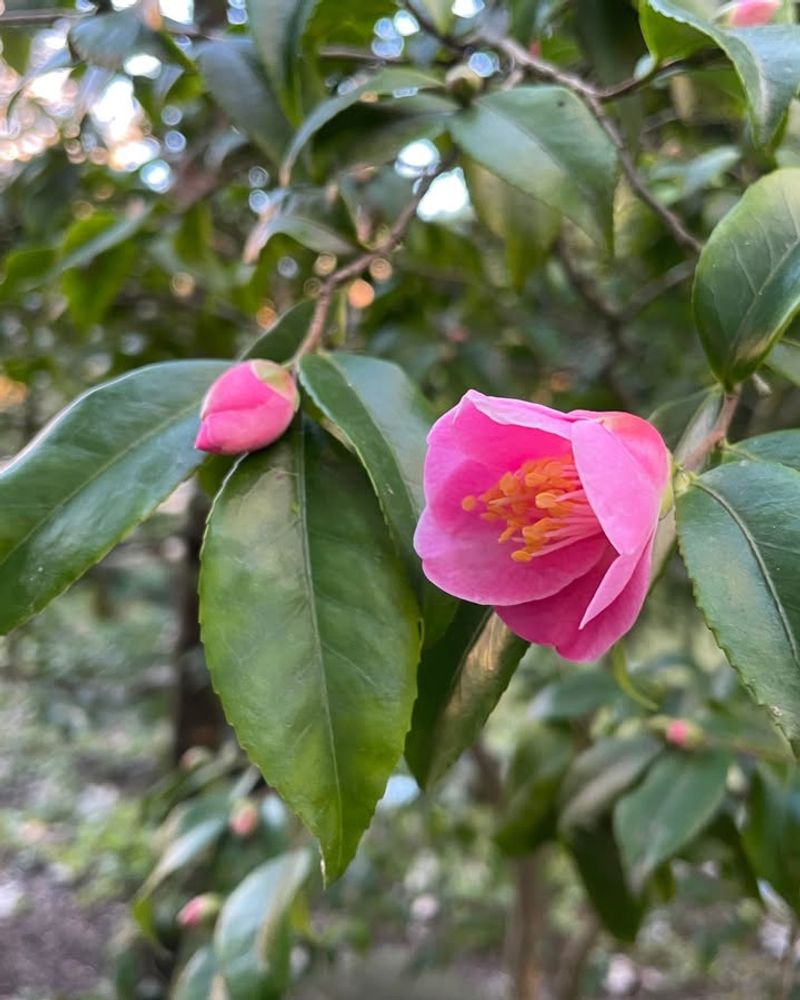
Water conservation matters deeply in California, where droughts and restrictions challenge gardeners to choose plants that use resources wisely and efficiently.
Camellias develop deep root systems after the first year, allowing them to access moisture from lower soil layers without constant irrigation.
During establishment, regular watering helps roots spread, but mature plants tolerate dry periods surprisingly well compared to other flowering shrubs available.
California’s winter rains often provide enough moisture for camellias to thrive, reducing the need for supplemental watering during their peak blooming season.
Mulching around the base helps retain soil moisture and keeps roots cool, which camellias appreciate since they prefer consistent conditions year-round.
Unlike lawns or annual beds that demand daily attention, established camellias need watering only during extended dry spells or heat waves.
Gardeners in California can feel good knowing their camellia collection contributes to water-saving landscapes without sacrificing beauty or seasonal interest throughout.
Drip irrigation systems work perfectly for camellias, delivering water directly to roots and minimizing waste through evaporation or runoff on slopes.
Choosing drought-tolerant plants like camellias aligns with California’s environmental goals while creating stunning gardens that neighbors admire and visitors remember fondly.
Once established, camellias fit seamlessly into low-water garden plans that prioritize long-term sustainability over constant upkeep.
Their ability to balance visual impact with responsible water use makes them a smart, future-focused choice for California landscapes.
4. Provides Year-Round Evergreen Foliage
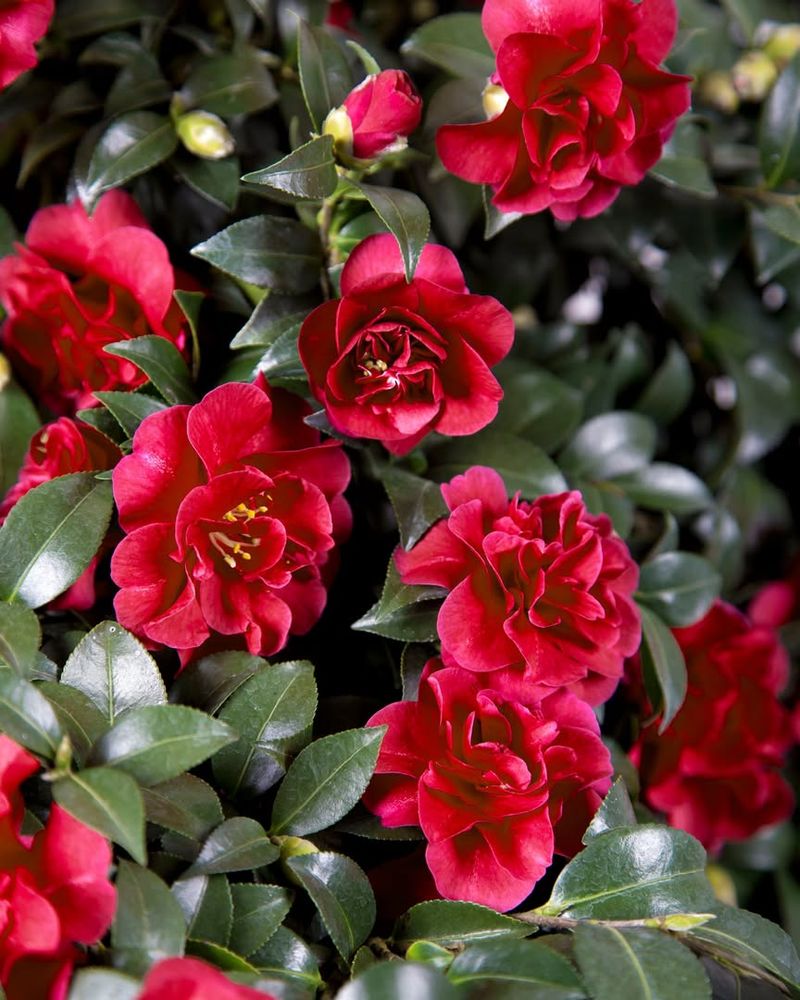
Deciduous plants lose their leaves in fall, leaving bare branches that make gardens look empty and uninviting during the coldest months.
Camellias keep their glossy, dark green leaves throughout every season, providing constant structure and visual interest that anchors landscape designs beautifully.
California gardens benefit from evergreen plants because mild winters allow year-round outdoor living and entertaining in many regions across the state.
The leathery foliage resists wind damage and stays attractive even during occasional storms that blow through coastal and valley areas periodically.
Leaves create a dense backdrop for other plants, making colorful flowers pop and giving gardens a lush, established look within years.
Birds and beneficial insects appreciate the shelter that evergreen shrubs provide, turning your camellia into a mini wildlife habitat that supports ecosystems.
California homeowners love how camellias maintain curb appeal during winter when many other plants look tired or dormant from seasonal changes.
Pruning requirements stay minimal since camellias naturally grow into attractive shapes without constant shaping or cutting back like some other shrubs demand.
Evergreen foliage means privacy screening stays effective all year, blocking unwanted views or creating secluded garden rooms that feel intimate and peaceful.
This reliability makes camellias especially valuable in California landscapes where visual balance matters even outside peak growing seasons.
Their evergreen presence brings confidence to garden design, ensuring outdoor spaces feel complete, intentional, and welcoming every month of the year.
5. Attracts Pollinators When Few Flowers Exist
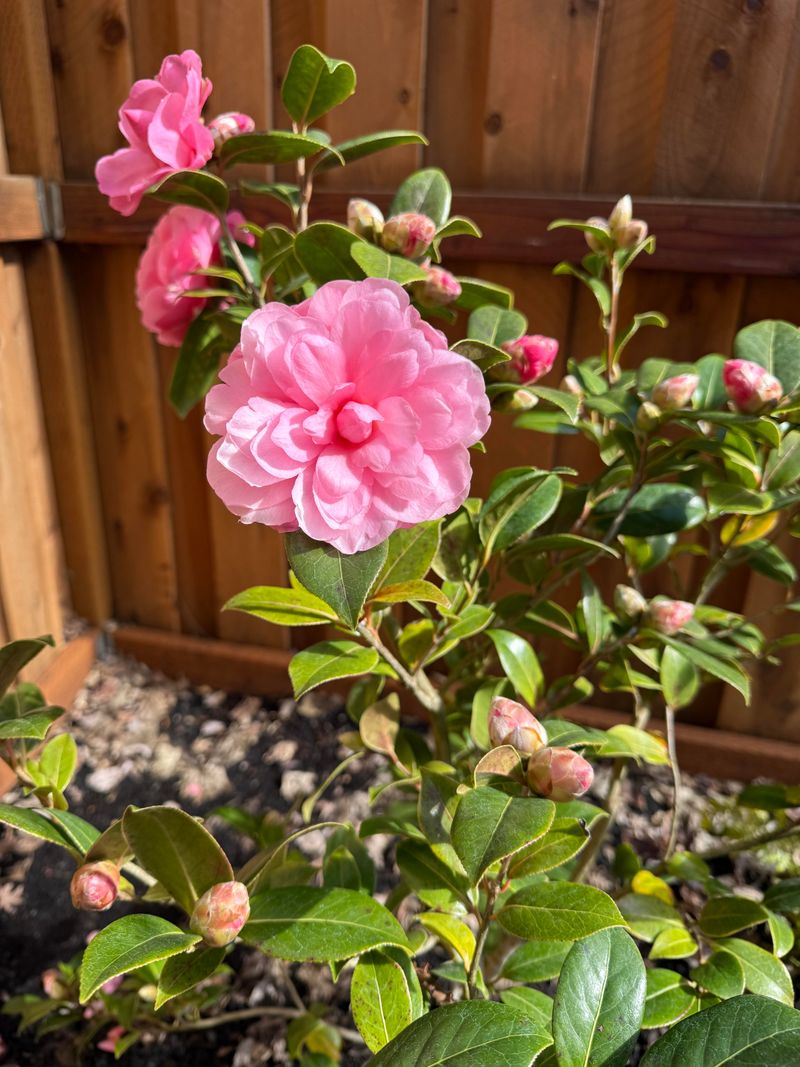
Bees, butterflies, and hummingbirds need nectar sources throughout the year, but winter leaves many pollinators struggling to find food in gardens.
Camellias bloom precisely when other flowers have disappeared, offering vital nutrition to insects and birds that remain active during California’s mild winters.
Early-blooming varieties open in late fall, providing sustenance before most other plants even think about producing buds or breaking dormancy periods.
California gardeners passionate about supporting pollinators recognize camellias as essential components of wildlife-friendly landscapes that function across all four seasons.
Hummingbirds especially appreciate camellia flowers, hovering around blossoms and defending favorite plants from competitors with impressive aerial displays and vocalizations.
Single-flowered camellia varieties offer easier access to pollen and nectar compared to heavily doubled types that hide reproductive parts completely.
Watching pollinators visit your camellias during winter adds life and movement to gardens that might otherwise feel still and quiet.
Supporting biodiversity strengthens ecosystems, and camellias play important roles by bridging the gap between fall and spring blooming periods across California.
Creating pollinator pathways through neighborhoods becomes easier when gardeners plant camellias, ensuring beneficial insects find food no matter the season outside.
This steady food supply helps maintain healthier pollinator populations that return reliably to nearby gardens each year.
Camellias allow California gardeners to support wildlife without relying on artificial feeders or constant plant replacements.
6. Adapts to Various California Microclimates
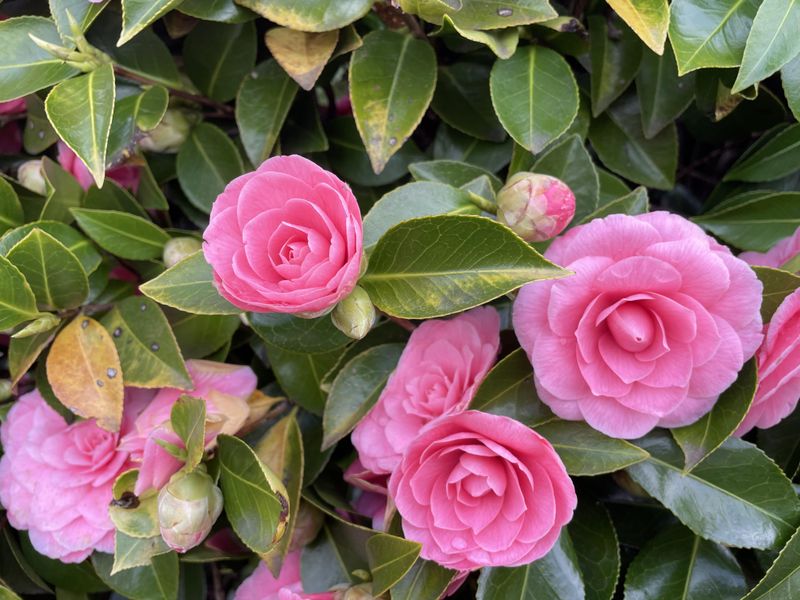
California’s geography creates diverse growing conditions, from foggy coasts to warm inland valleys, challenging gardeners to select adaptable plant species carefully.
Camellias handle this diversity remarkably well, thriving in zones 7 through 10, which covers most of the state’s populated regions perfectly.
Coastal gardeners enjoy camellias that tolerate salt spray and cool, humid air that many other flowering shrubs find difficult to manage.
Inland areas with warmer winters still support camellias as long as plants receive adequate shade and moisture during occasional heat spikes.
Foothill communities in California appreciate how camellias handle temperature fluctuations between chilly nights and mild days without dropping buds or wilting dramatically.
Varieties exist for nearly every microclimate, from cold-hardy types for mountain communities to heat-tolerant cultivars for Southern California’s warmer zones.
Experimenting with different camellia varieties lets California gardeners find perfect matches for their specific locations and unique growing conditions throughout regions.
Local nurseries often stock camellias suited to regional climates, making selection easier and increasing success rates for beginners trying these plants.
Adaptability means camellias work in urban gardens, suburban landscapes, and rural properties across California, uniting gardeners with a shared love of beauty.
This versatility removes much of the guesswork that frustrates gardeners working across California’s varied climates.
Camellias offer a rare sense of reliability, performing consistently well even when conditions shift from neighborhood to neighborhood.
7. Resists Most Common Pests and Diseases
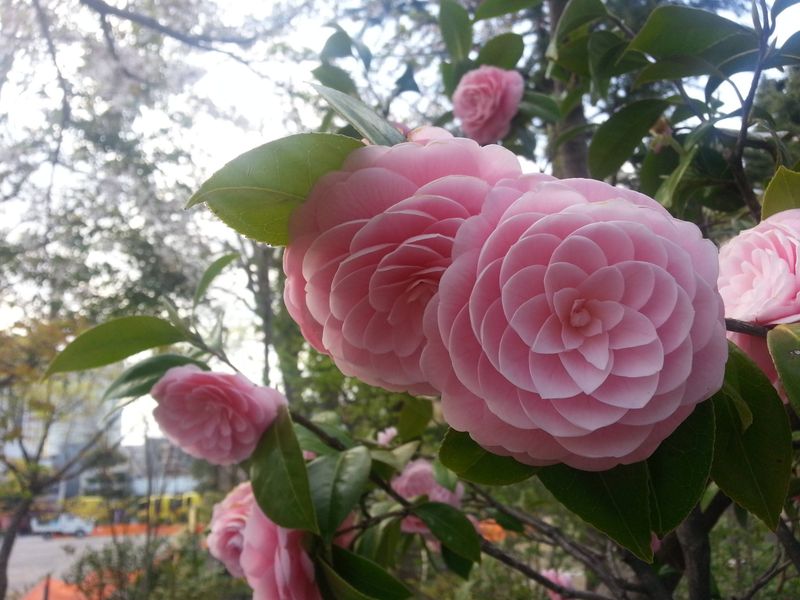
Gardeners appreciate plants that stay healthy without constant spraying, treating, or monitoring for problems that ruin leaves and flowers regularly.
Camellias naturally resist many pests that plague other ornamental shrubs, making them low-maintenance choices for busy California homeowners seeking easy care.
Occasional scale insects or aphids might appear, but these rarely cause serious damage and can often be managed with simple water sprays.
California’s dry summers actually help prevent fungal diseases that affect camellias in humid climates, giving local gardeners a distinct advantage over regions.
Good air circulation and proper spacing prevent most issues, so planting camellias with room to grow reduces problems before they start developing.
Avoiding overhead watering keeps foliage dry and discourages fungal spots that sometimes appear during prolonged wet periods in coastal California areas.
Healthy soil rich in organic matter supports strong growth, and camellias grown in ideal conditions naturally fend off potential problems effectively.
California gardeners spend less time troubleshooting camellia issues and more time enjoying blooms, which makes these shrubs rewarding additions to landscapes.
Choosing disease-resistant varieties from reputable nurseries further reduces risks, ensuring your investment pays off with years of trouble-free beauty and enjoyment.
This natural resilience makes camellias dependable choices for gardeners who prefer prevention over constant intervention.
Fewer problems mean less stress, lower costs, and gardens that stay attractive without demanding ongoing attention.
8. Offers Hundreds of Varieties for Personal Style
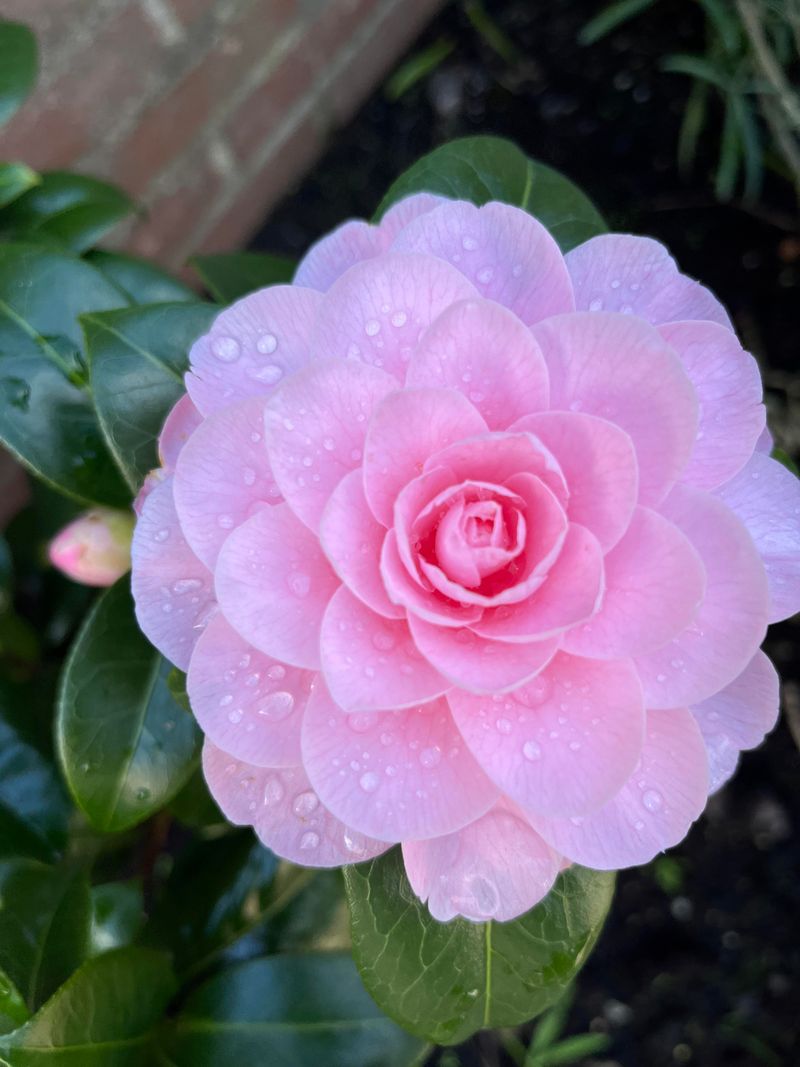
Cookie-cutter gardens bore people quickly, but camellias come in so many forms that every gardener can express individual taste and creativity.
Flower forms range from simple singles to elaborate doubles, formal blooms, peony-style ruffles, and anemone shapes that look completely unique from each other.
Colors span pure white, soft blush, vibrant pink, deep red, and even variegated patterns that combine multiple shades in stunning combinations.
California gardeners can select early, mid, or late-season bloomers to extend the flowering period from October through April across different plants.
Compact varieties suit small spaces or container gardens on patios, while larger cultivars create dramatic hedges or specimen plants in spacious yards.
Sasanqua camellias bloom earlier with smaller flowers, while japonica types produce larger, showier blooms later in the winter season across California.
Fragrant varieties add another dimension, perfuming gardens with sweet scents that drift through open windows on mild winter afternoons and evenings.
Collecting different camellias becomes a rewarding hobby, with enthusiasts trading cuttings and sharing favorites with fellow gardeners throughout California communities and clubs.
Personal style shines through when you choose camellias that reflect your aesthetic preferences, making your garden a true extension of personality.
This range allows gardens to feel curated rather than repetitive, even when camellias appear in neighboring landscapes nearby.
Choosing different forms and bloom times turns planting into a creative process that feels intentional and deeply personal.
9. Increases Property Value with Timeless Appeal
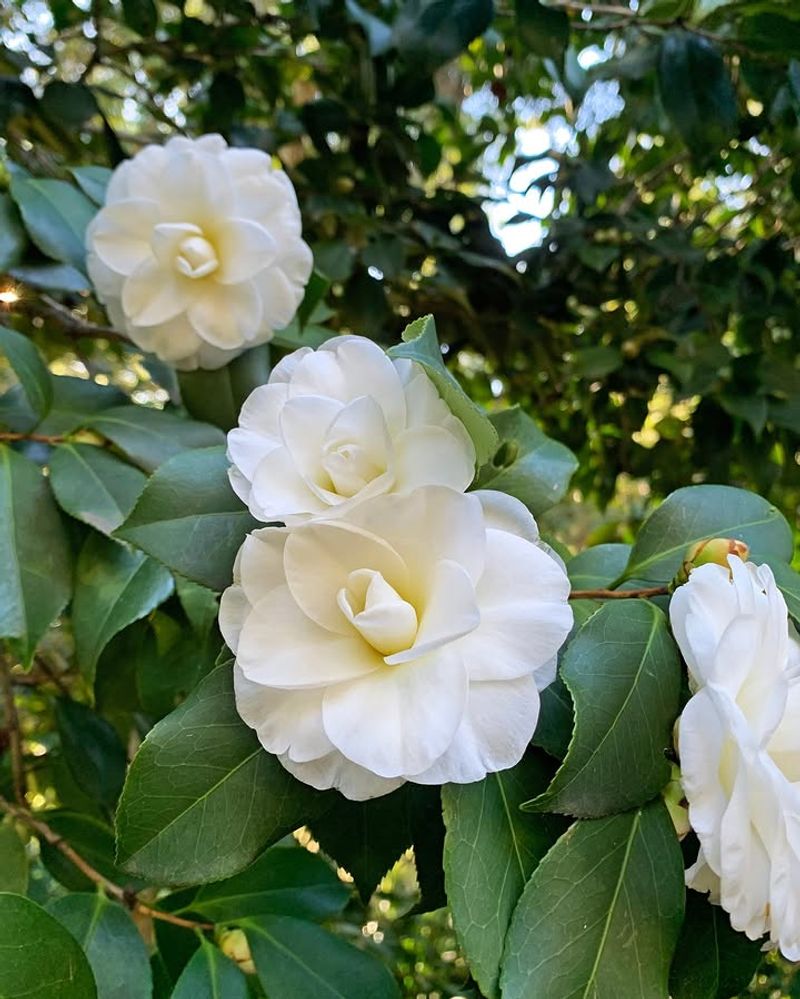
Landscaping investments should enhance property value, and mature camellias contribute significantly to curb appeal that attracts buyers and impresses visitors immediately.
Real estate professionals in California recognize established gardens with flowering shrubs as valuable assets that differentiate properties in competitive markets effectively.
Camellias convey a sense of maturity and care, suggesting the property has been lovingly maintained over years rather than hastily staged.
Winter blooms catch attention during home tours when most gardens look drab, creating memorable first impressions that linger in buyers’ minds.
Evergreen structure provides year-round beauty that photographs well in listings, making online presentations more attractive and clickable for potential buyers browsing.
Established camellias take years to reach full size, so mature specimens represent time investments that new owners appreciate and value highly.
California’s competitive housing market rewards distinctive landscaping, and camellias offer unique features that set properties apart from cookie-cutter developments nearby.
Low maintenance requirements appeal to buyers seeking beautiful gardens without demanding upkeep, broadening your property’s appeal across different buyer demographics.
Timeless elegance ensures camellias never look dated or trendy, maintaining relevance and beauty regardless of shifting landscaping fashions over decades ahead.
Buyers often view camellias as permanent landscape features that would be costly or difficult to replace, increasing perceived value instantly.
Their presence signals thoughtful planning and long-term vision, qualities that resonate strongly in California real estate markets.