What To Do When A Porcupine Starts Wrecking Your Oregon Garden

I never thought I’d have a porcupine problem in my Oregon garden, but last fall it became clear that I did.
One morning I walked outside to find chewed-up plants, toppled pots, and gnawed vegetables, it was hard not to feel a little defeated.
If you’ve ever had wildlife wander through your yard, you know that mix of fascination and frustration.
Porcupines are fascinating creatures, but when they start treating your garden like a buffet, it’s time to take action.
The good news is, there are ways to protect your plants without hurting the animal.
I’ve learned a few tricks that make it easier to keep porcupines at bay while still enjoying the natural wildlife around my property.
From simple barriers to clever planting strategies, a few changes can save your garden and give you peace of mind.
Whether it’s keeping your young trees safe, protecting vegetable beds, or just preventing them from snacking on your favorite flowers, there are practical steps you can take.
Here’s what I’ve found works best when a porcupine starts visiting, and wreaking a little havoc, in your Oregon garden.
Why Porcupines Are Attracted to Oregon Gardens

If you live in Oregon, porcupines find your garden appealing for a few clear reasons.
They are herbivores that eat bark, stems, and tender shoots, so orchards, fruit trees, and young ornamental trees become easy food sources.
Native shrubs, vegetable beds, and climbing vines also provide a mix of nutrition and cover that porcupines like to exploit.
Another draw is habitat: rocky outcrops, cedar stands, and brush piles near yards make ideal resting spots.
If your property has fallen logs, snags, or dense groundcover, porcupines may feel safe coming in at night.
Removing these attractants helps reduce the chance of repeat visits.
In many parts of Oregon, especially in more rural or wooded neighborhoods, these conditions are surprisingly common, which is why porcupine encounters tend to catch homeowners off guard.
A single tree with tender bark or a well-watered vegetable patch can be enough to keep a porcupine coming back night after night.
They are creatures of habit, and once they find a reliable food source paired with nearby shelter, they often treat it like a personal buffet.
Even gardens that are neatly maintained can become targets if they sit close to natural cover, making it important to look at both what you are growing and what surrounds your yard.
How to Tell If A Porcupine Is The Real Culprit
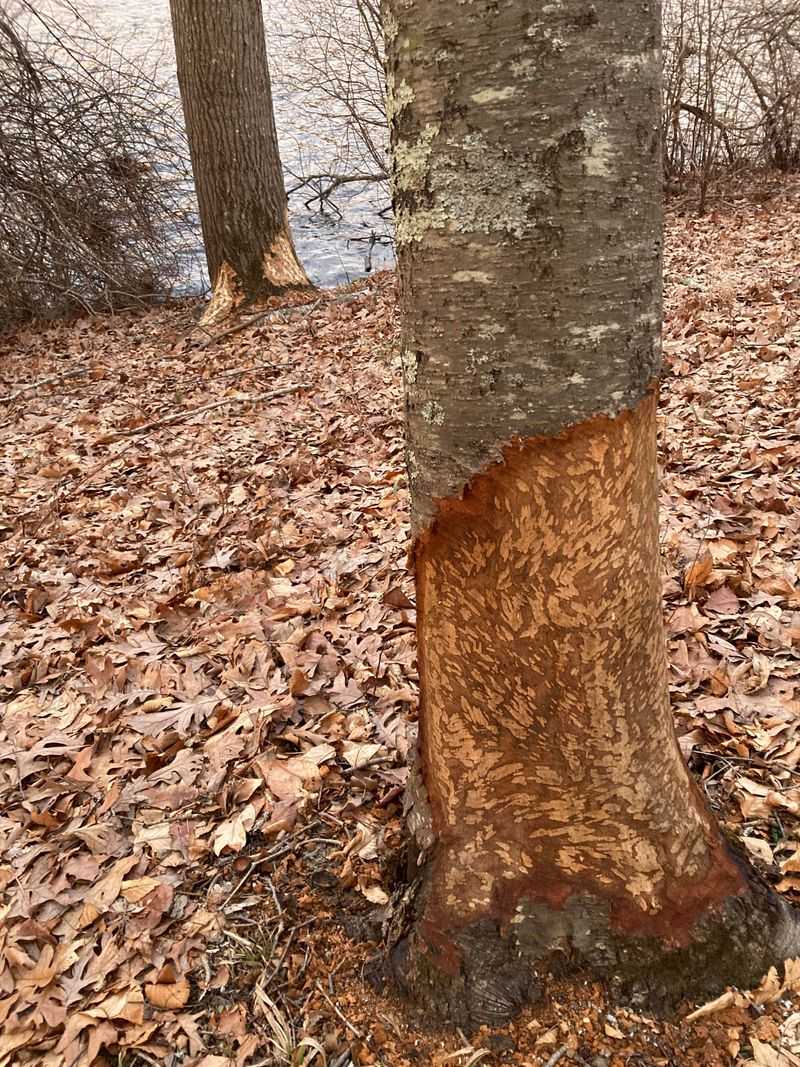
Identifying porcupine damage helps target solutions quickly, since other animals can cause similar problems.
Look for cleanly chewed bark and sapling girdling that often start a few feet above ground, plus gnaw marks on wooden structures or garden stakes.
Porcupine teeth leave characteristic parallel grooves and ragged edges unlike deer browsing or rabbit nibbles.
You may also find quills caught on fencing, under eaves, or in shrubs, though quills are not always present.
Nocturnal signs include droppings near feeding areas and small paths through groundcover.
Your Oregon Garden Changes Every Week. Your Plan Should Too.
Gardening in Oregon changes quickly throughout the season. Every Friday you’ll receive a simple weekly plan showing exactly what to plant, prune, fertilize, harvest, and protect so you never miss the right timing.
If you’re uncertain, photograph the damage and compare with local wildlife guides before taking action.
In Oregon gardens, this kind of damage often appears suddenly, especially after a quiet night when a porcupine has had hours to feed undisturbed.
One morning everything may look fine, and the next you might notice a young tree stripped of bark or a trellis chewed along its edges.
Because porcupines tend to return to the same spots, catching the signs early can save plants that would otherwise be lost.
Paying attention to patterns in where and how the damage appears gives you valuable clues and helps you respond before the problem spreads further through your garden.
The Plants And Trees Porcupines Love Most
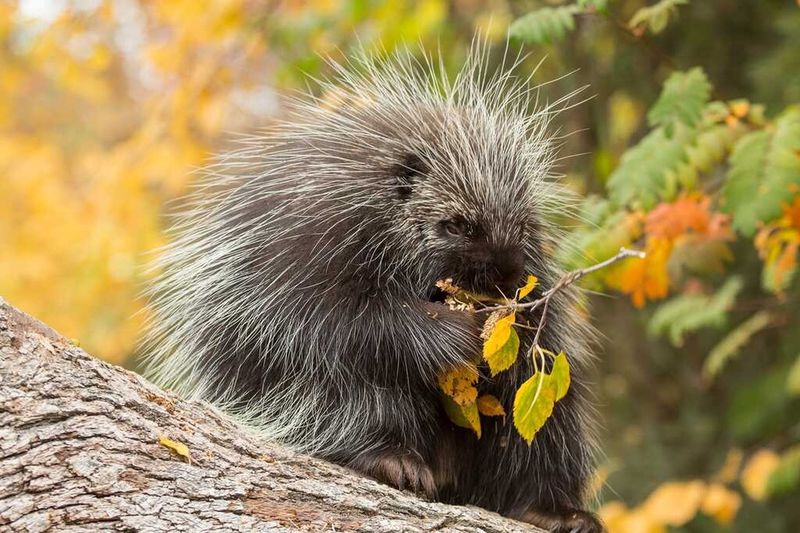
Certain plants are more attractive to porcupines, and knowing which ones helps prioritize protection.
Fruit trees such as apple, pear, and cherry are top targets for bark stripping and limb chewing, especially in winter.
Young ornamental trees and saplings with thin bark are also vulnerable, along with shrubs like willow and dogwood that offer tender growth.
Garden vegetables such as squash vines and young brassicas can be browsed, while roses and climbing vines might suffer stem damage.
If you’re like most Oregon gardeners, focusing deterrents on prized trees and vulnerable beds will reduce the worst losses without trying to protect everything at once.
In many backyards, these favored plants tend to be grouped together, which can unintentionally create a feeding hotspot that draws porcupines deeper into the landscape.
A small orchard or decorative hedge can quickly become a nightly stop for an animal looking for an easy meal.
Over time, repeated chewing weakens branches and can even kill trees by interrupting the flow of nutrients under the bark.
By recognizing which plants are most appealing, you can take a more strategic approach and protect the areas that matter most before serious, long-term damage sets in.
Understanding Oregon’s Wildlife Laws And Protections
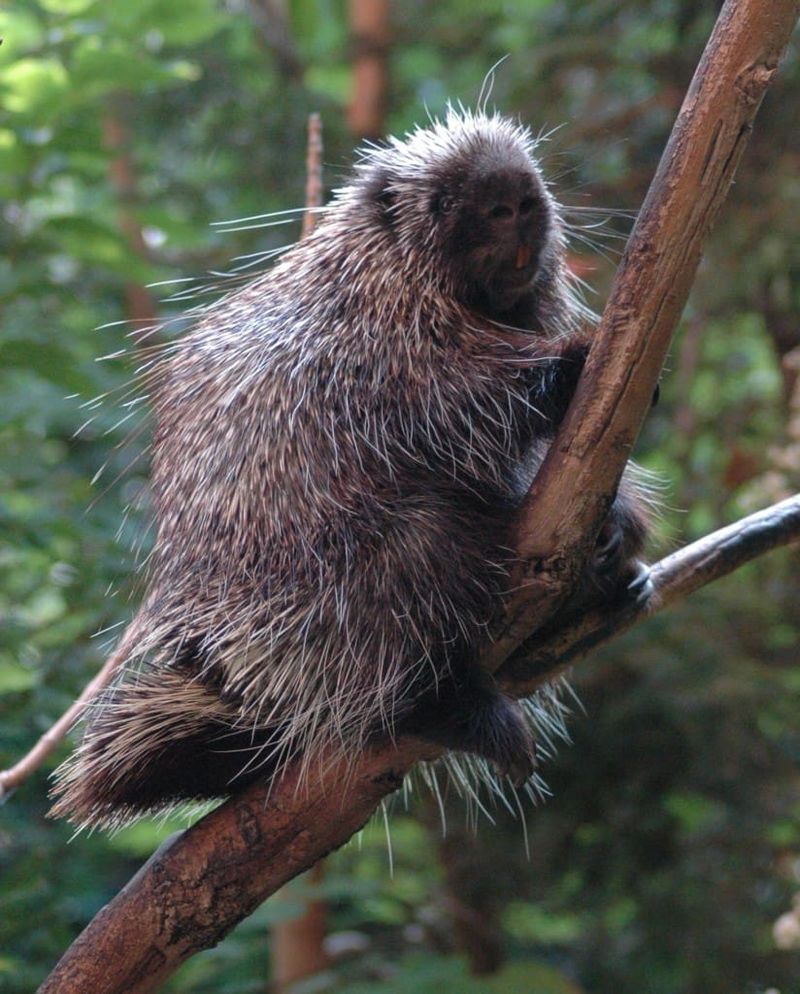
Oregon treats porcupines as wildlife, and state rules limit lethal control and mandate humane treatment.
Before taking any aggressive action, check the Oregon Department of Fish and Wildlife guidance and local ordinances.
Lethal methods may be illegal or require permits, so it’s safer to assume nonlethal options are preferred and often required.
If you’re unsure about legalities, contact ODFW or a local wildlife officer for clarity.
I’ve seen homeowners try quick fixes that create legal trouble, so confirming rules first preserves both your garden and your compliance.
Remember that humane removal and exclusion are widely supported and effective.
In many cases, simply understanding what is allowed can save you a great deal of frustration and expense down the road.
Oregon’s wildlife laws are designed to balance property protection with conservation, and porcupines are part of that protected ecosystem.
Taking the time to follow the proper steps not only avoids fines but also ensures that any action you take is ethical and defensible.
Working within the rules also makes it easier to get help from professionals, who are more willing to step in when a homeowner has clearly made the effort to do things the right way.
Safe And Humane Ways To Keep Porcupines Out
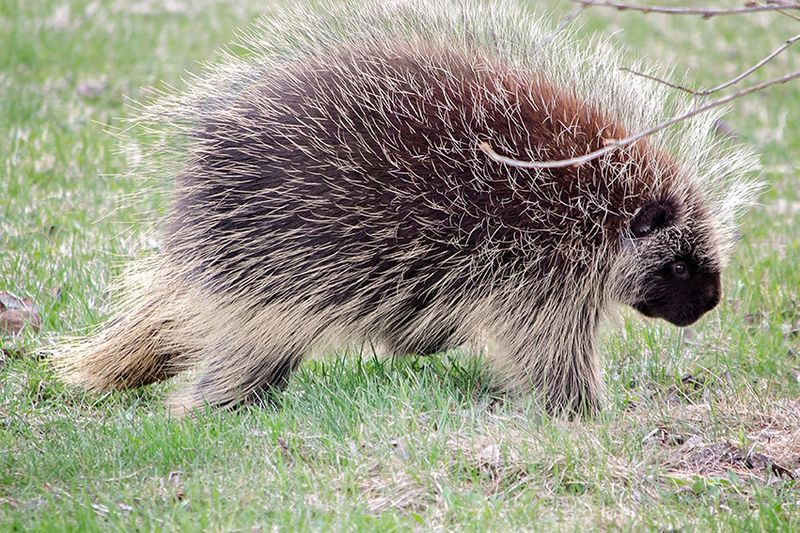
Humane exclusion and deterrence are the backbone of responsible porcupine management.
Regularly clearing brush, removing woodpiles, and sealing off crawl spaces reduces shelter options.
Bright lights and motion-activated sprinklers can discourage nighttime visits without harming animals, while securing compost bins and harvesting fruit promptly removes easy food sources.
Live-trapping by licensed professionals may be an option when relocation is allowed; never relocate wildlife yourself without authorization.
I recommend combining habitat modification with deterrents for the best long-term results, since porcupines are persistent but adaptable animals.
In practice, this approach turns your yard into a much less appealing place for a hungry or curious porcupine to linger.
Even small changes, like trimming back overgrown hedges or moving a stack of firewood farther from the house, can make a noticeable difference over time.
These animals prefer quiet, sheltered areas where they can feed without disturbance, so breaking up that sense of security encourages them to move on naturally.
When homeowners stay consistent with these steps, they often find that porcupine visits fade away without ever needing more drastic measures.
Using Fencing, Barriers, And Garden Layouts To Deter Damage
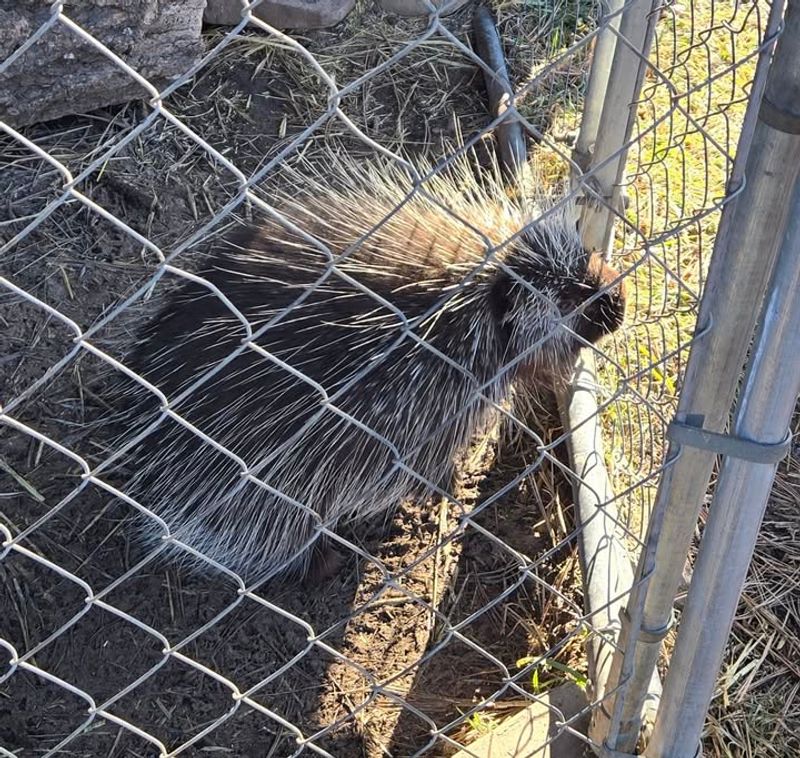
Properly designed barriers are highly effective at protecting trees and beds from porcupines.
Wrap young tree trunks with hardware cloth or 1/4-inch mesh at least three feet high to prevent girdling; bury the bottom few inches to stop burrowing under.
For garden beds, install low metal edging or buried mesh to block access to roots and low stems.
Adjusting layout helps too: keep ornamental beds farther from brushy edges and stack firewood away from the house.
I’ve found that thoughtful placement of barriers combined with regular inspection cuts losses dramatically, and it’s a low-maintenance solution once installed.
Over time, these physical protections become almost invisible parts of the landscape, yet they quietly do a lot of work.
A tree that would otherwise be chewed year after year can grow safely once its trunk is shielded, allowing the bark to thicken and become less attractive to animals.
The same is true for garden beds that are framed with mesh or edging, which keeps curious porcupines from digging or nibbling their way in.
With a little planning up front, barriers save both plants and peace of mind for the long haul.
Natural Repellents That Actually Work

Some natural repellents can reduce porcupine damage when used strategically and rotated frequently.
Strong-smelling substances like commercial predator urine, ammonia-soaked rags, or garlic sprays can make feeding areas less appealing.
Apply repellents around trunk bases and garden perimeters, and refresh them after rain or every few weeks for continued effect.
Avoid toxic substances that could harm pets or beneficial wildlife.
I suggest testing repellents on small areas first to ensure plants tolerate them, and combining repellents with physical barriers for the most reliable protection.
Persistence and variation matter when using scent-based methods.
In real gardens, results tend to improve when these repellents are part of a broader plan rather than the only line of defense.
Porcupines are curious animals, but they are also sensitive to strong odors, so changing up scents keeps them from becoming accustomed to any one deterrent.
Even something as simple as moving treated rags to different spots can make a big difference.
When homeowners stay consistent and pay attention to what seems to work best in their yard, repellents become a useful tool in keeping unwanted visitors at bay.
When To Call Wildlife Control Or ODFW
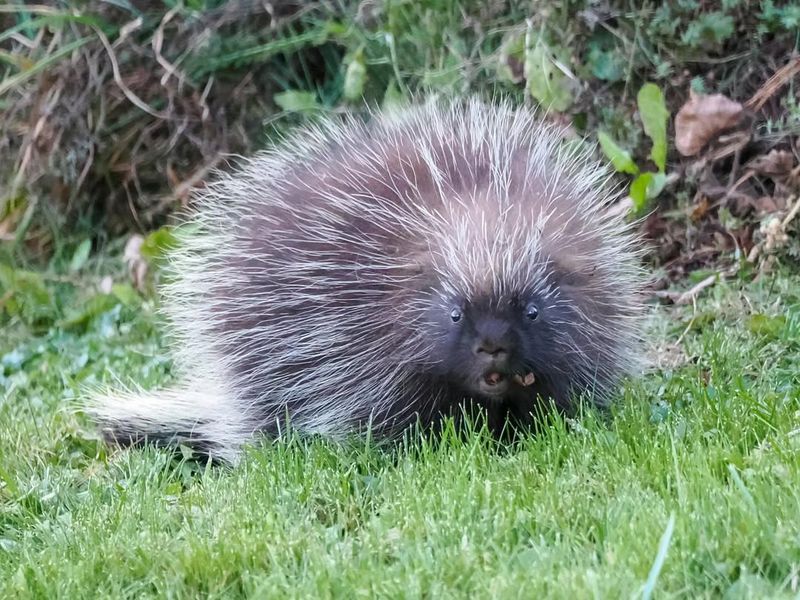
Knowing when to escalate to professionals will save time and stress.
Call wildlife control or ODFW if porcupine damage is extensive, if the animal is trapped in a structure, or if your attempts to deter it have failed.
Licensed trappers and ODFW staff understand legal restrictions and humane handling, ensuring compliance with state rules.
Document the damage with photos, note times and locations, and describe any health or safety risks.
I often recommend starting with a phone consult; many issues are resolved with targeted advice, but when on-site removal is needed, professionals handle it safely and legally.
In Oregon, these experts are familiar with local wildlife behavior and the specific challenges homeowners face, which makes their guidance especially valuable.
They can help identify whether a porcupine is passing through or has established a regular feeding pattern that requires intervention.
By providing clear details and staying proactive, you give them the information they need to respond effectively.
This not only speeds up the process but also reduces the chance of repeated damage, allowing you to get back to enjoying your garden without constant worry.
How To Prevent Porcupines From Coming Back
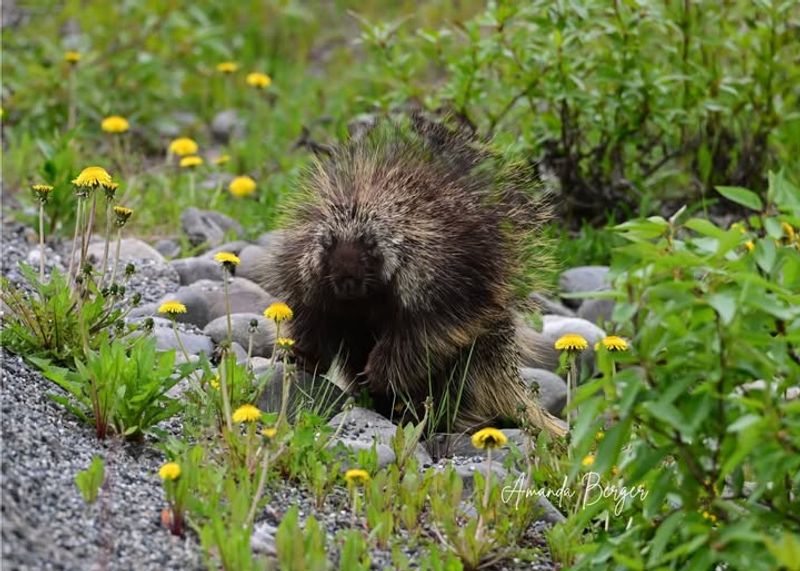
Long-term prevention relies on making your property unattractive and difficult to use as shelter or food.
Maintain tidy yards by removing brush piles, sealing gaps under decks, and storing wood away from garden edges.
Regularly harvest fruit, secure compost, and keep fencing in good repair to remove easy incentives for return visits.
Plant selection can help too; choose less palatable species near borders and protect prized trees with permanent trunk guards.
If you’re like most gardeners, combining habitat cleanup, durable barriers, and periodic checks will keep porcupines at bay for seasons to come.
Over time, these habits become part of a normal gardening routine, and their benefits extend well beyond porcupine control.
A well-kept yard tends to attract fewer pests of all kinds, and it also makes spotting new problems much easier.
By staying consistent with simple maintenance tasks, you create an environment that feels less welcoming to wildlife looking for an easy meal or a quiet hiding place.
That steady attention is what keeps small issues from turning into ongoing, frustrating battles.