7 Key Things You Should Do For Your Houseplants During January In New York
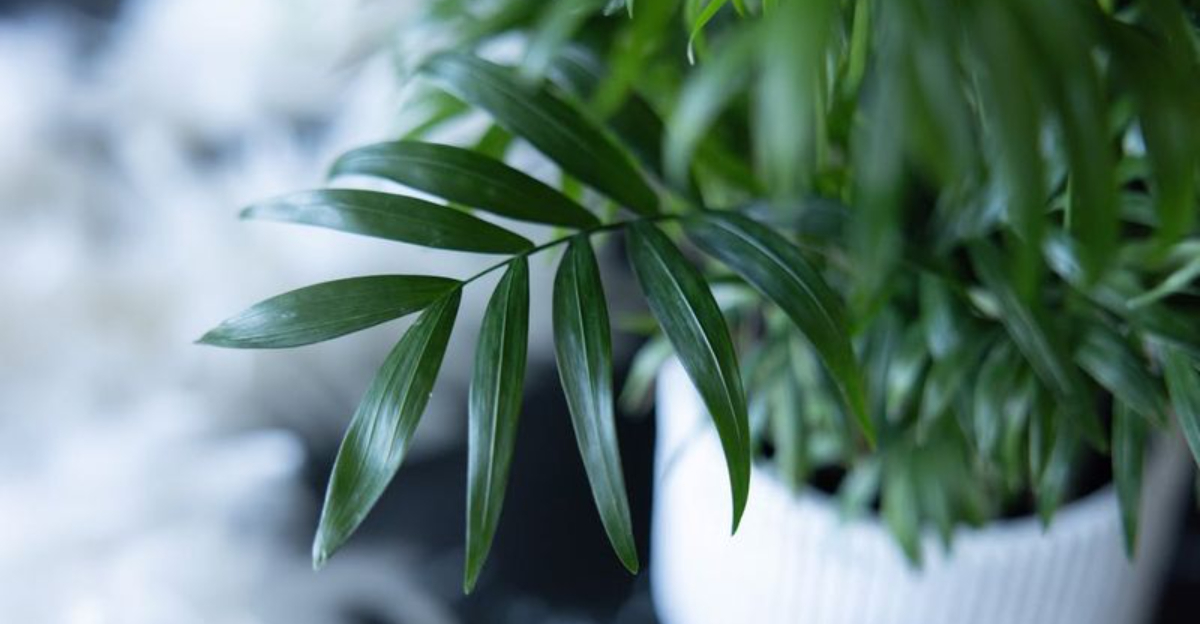
January in New York brings freezing temperatures, short days, and dry indoor air that can stress your houseplants.
While you bundle up against the cold, your green companions face their own set of winter challenges inside your home.
The combination of low light, heating systems running constantly, and colder windowsills creates a tricky environment for tropical and subtropical plants that normally thrive in warmer, more humid conditions.
Understanding what your plants need during this harsh month can make the difference between them merely surviving until spring or actually staying healthy and vibrant throughout the winter.
New York winters are particularly tough on houseplants because the heating systems we rely on strip moisture from the air, while the sun sits lower in the sky and daylight hours shrink dramatically.
Your plants might show signs of stress like brown leaf tips, drooping stems, or slower growth during January.
But don’t worry!
With some thoughtful adjustments to your plant care routine, you can help your indoor garden flourish even during the coldest month of the year.
These essential tasks will guide you through keeping your houseplants happy and healthy while the city freezes outside your windows.
1. Adjust Your Watering Schedule To Match Slower Growth

Most houseplants enter a rest period during January when growth slows down considerably or stops altogether.
This happens because of reduced light levels and cooler temperatures, even indoors.
Your plants simply don’t need as much water when they’re not actively growing, and their roots can’t absorb moisture as quickly in cooler soil.
Overwatering becomes the biggest threat to houseplants during New York winters.
When soil stays wet for too long in cool conditions, root rot can develop quickly and damage your plants.
Check the soil moisture before watering by sticking your finger about two inches deep into the potting mix.
If it feels damp, wait a few more days before watering again.
Different plants have different needs, of course.
Succulents and cacti might only need water once a month during January, while tropical plants like ferns prefer slightly more consistent moisture.
Pay attention to each plant individually rather than following a strict schedule.
The dry air from heating systems in New York apartments can make the soil surface look dry even when moisture remains deeper down.
This can trick you into watering too often.
Always check below the surface to get an accurate read on soil moisture levels.
Reduce your watering frequency by about half compared to summer months.
If you watered every week during growing season, try every two weeks in January.
Your plants will thank you for letting their roots breathe between waterings, and you’ll avoid the soggy soil conditions that cause so many winter plant problems.
2. Increase Humidity Levels Around Your Plants
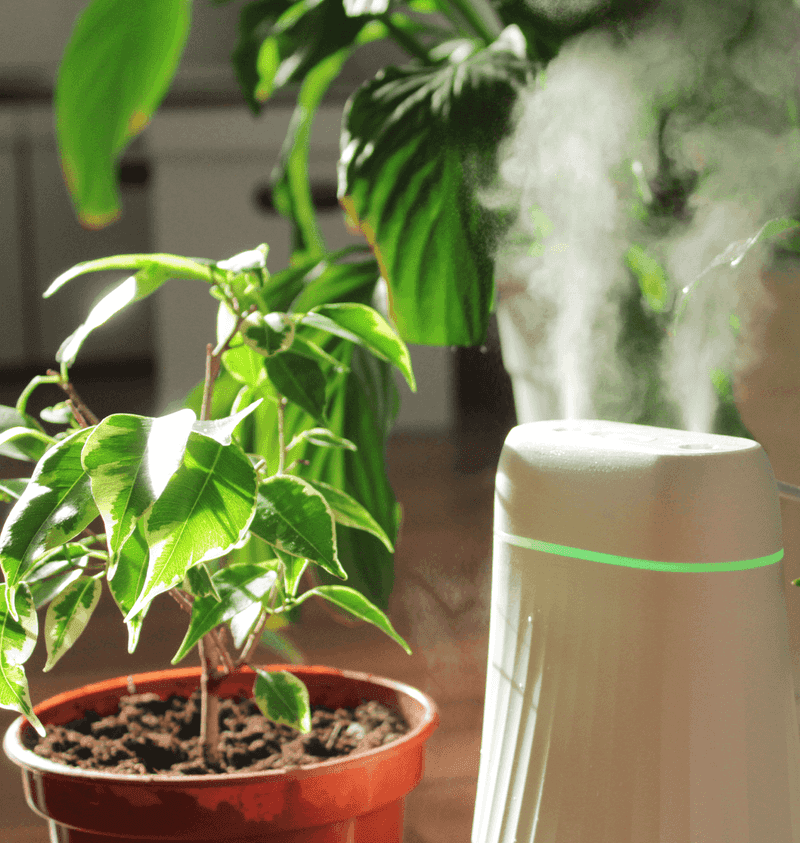
New York apartments become incredibly dry during January when heating systems run nonstop.
Indoor humidity can drop to 10-20 percent, which is lower than some deserts!
Most houseplants originally come from tropical or subtropical environments where humidity stays between 40-60 percent year-round.
Your New York Garden Changes Every Week. Your Plan Should Too.
Gardening in New York changes quickly throughout the season. Every Friday you’ll receive a simple weekly plan showing exactly what to plant, prune, fertilize, harvest, and protect so you never miss the right timing.
Low humidity causes brown, crispy leaf edges, especially on moisture-loving plants like calatheas, ferns, and prayer plants.
You might also notice leaves curling inward as plants try to conserve moisture.
Spider mites love dry conditions too, so low humidity can lead to pest problems on top of everything else.
Several easy methods can boost humidity around your plants.
Grouping plants together creates a microclimate where they share moisture through transpiration.
As one plant releases water vapor through its leaves, nearby plants benefit from that extra humidity.
Pebble trays offer another simple solution.
Fill a shallow tray with stones, add water until it reaches just below the top of the pebbles, then set your plant pots on top.
As water evaporates, humidity rises around the foliage.
Just make sure the pot bottoms don’t sit directly in water.
Humidifiers work best for larger plant collections or particularly humidity-loving species.
Place a small humidifier near your plants and run it daily during January.
You can also mist plants occasionally, though this provides only temporary relief.
The key is maintaining consistent humidity rather than quick fixes that don’t last throughout New York’s long, dry winter days.
3. Maximize Available Light Exposure
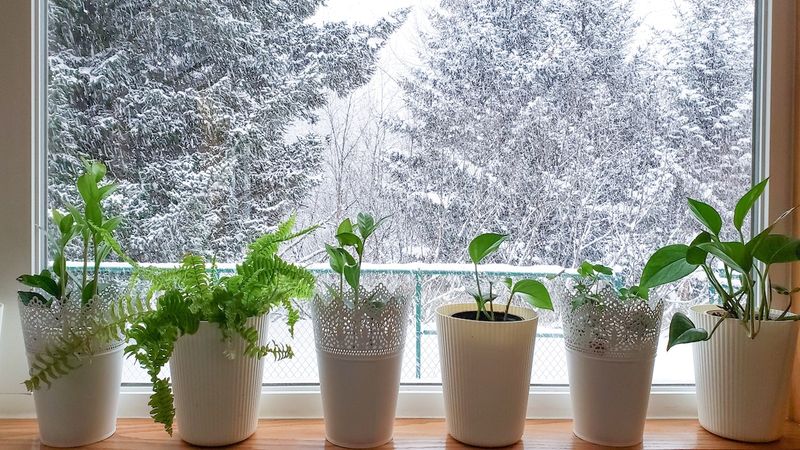
Sunlight becomes scarce during January in New York, with the sun setting before 5 PM and often hidden behind gray clouds for days.
Your houseplants feel this light shortage deeply since photosynthesis slows down when they can’t access adequate brightness.
Even plants sitting in spots that seemed perfect during summer might struggle with insufficient light during winter months.
Move your plants closer to windows during January to capture every available ray of sunshine.
South-facing windows provide the strongest light during winter, followed by east and west exposures.
North-facing windows offer the least light and might not support even low-light plants adequately during the darkest weeks.
Clean your windows inside and out to maximize light transmission.
Dirty glass can block up to 40 percent of available light, which your plants desperately need right now.
Also wipe down plant leaves gently with a damp cloth to remove dust that blocks their ability to absorb light efficiently.
Rotate your plants every week or two so all sides receive equal light exposure.
Plants naturally grow toward light sources, and rotation prevents them from developing a lopsided appearance.
This practice becomes especially important during January when light comes from a lower angle.
Consider supplementing with grow lights if your New York apartment lacks adequate natural light.
LED grow lights have become affordable and energy-efficient, providing the spectrum plants need for photosynthesis.
Position them 6-12 inches above foliage and run them for 12-14 hours daily to compensate for short winter days and weak sunlight.
4. Protect Plants From Cold Drafts And Temperature Swings
Temperature fluctuations pose serious risks to houseplants during New York winters.
While tropical plants enjoy stable warmth, January brings cold drafts from windows, doors, and even air vents.
Sudden temperature drops can shock plants, causing leaf drop, wilting, or damage to tender new growth.
Windows become particularly problematic on frigid nights when temperatures outside plunge below freezing.
Glass conducts cold efficiently, and the area right next to windows can be 10-20 degrees cooler than the rest of your room.
Plants touching cold window glass can suffer frost damage even though they’re technically indoors.
Pull plants back from windows on especially cold nights, or place a barrier like a curtain between them and the glass.
Just remember to move them back to their bright spots during the day so they don’t miss out on precious winter sunlight.
This nightly routine takes extra effort but protects sensitive plants from temperature extremes.
Check for drafts around windows and doors by holding your hand near the frames.
You might feel cold air sneaking in through gaps and cracks.
Weather stripping can seal these leaks, benefiting both your heating bill and your plants.
Also avoid placing plants directly in the path of heating vents, where blasts of hot, dry air can stress them.
Most houseplants prefer temperatures between 60-75 degrees Fahrenheit.
Try to maintain consistency rather than letting your New York apartment get very cold at night and hot during the day.
Stable temperatures help plants conserve energy during their dormant period and prevent stress that weakens their defenses against pests and diseases.
5. Hold Off On Fertilizing Until Spring
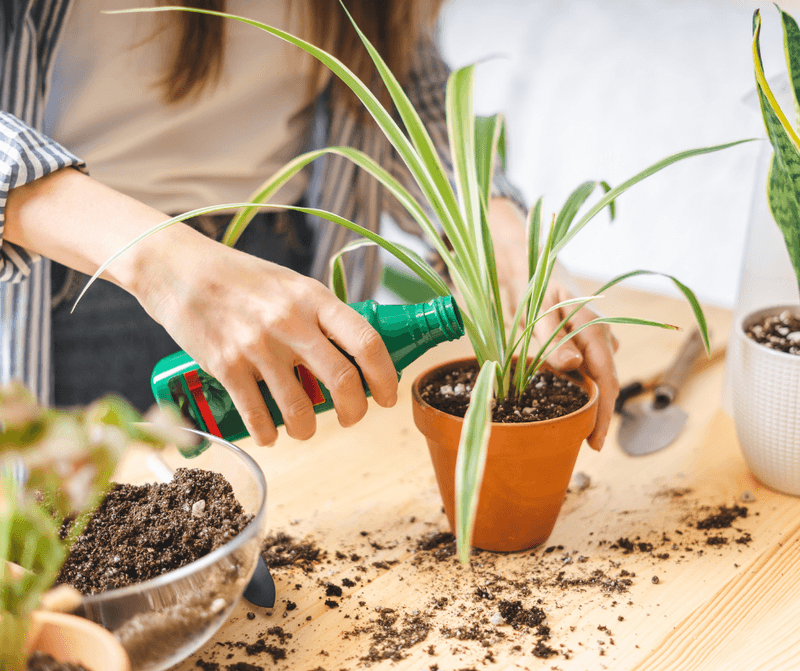
Your instinct might tell you to feed struggling plants during winter, but fertilizing in January usually causes more harm than good.
Plants in their dormant phase can’t process nutrients efficiently, and unused fertilizer builds up in the soil as salts that can burn delicate roots.
Think of it like forcing someone to eat a huge meal right before bed when their body isn’t ready to digest it.
Most houseplants don’t produce new growth during January in New York, so they have no need for the extra nutrients that fertilizer provides.
Their metabolism slows way down, and their roots stop actively seeking out food.
Adding fertilizer at this time is wasteful at best and potentially harmful at worst.
If you notice your plants looking pale or yellowish, resist the urge to fertilize.
These symptoms during winter usually indicate other issues like overwatering, insufficient light, or normal dormancy rather than nutrient deficiency.
Address those root causes instead of reaching for plant food.
Some plant parents fertilize year-round out of habit, not realizing that timing matters tremendously.
Save your fertilizer for late February or March when days lengthen noticeably and you start seeing signs of new growth.
That’s when plants can actually use the nutrients you provide.
There are rare exceptions to this rule.
If you’re growing plants under strong grow lights that keep them actively growing through winter, you might continue a diluted fertilizing schedule.
Also, winter-blooming plants like Christmas cacti or African violets can benefit from light feeding.
But for the vast majority of houseplants in New York apartments, January means taking a break from fertilizer until spring arrives and growth resumes naturally.
6. Monitor For Pests More Carefully
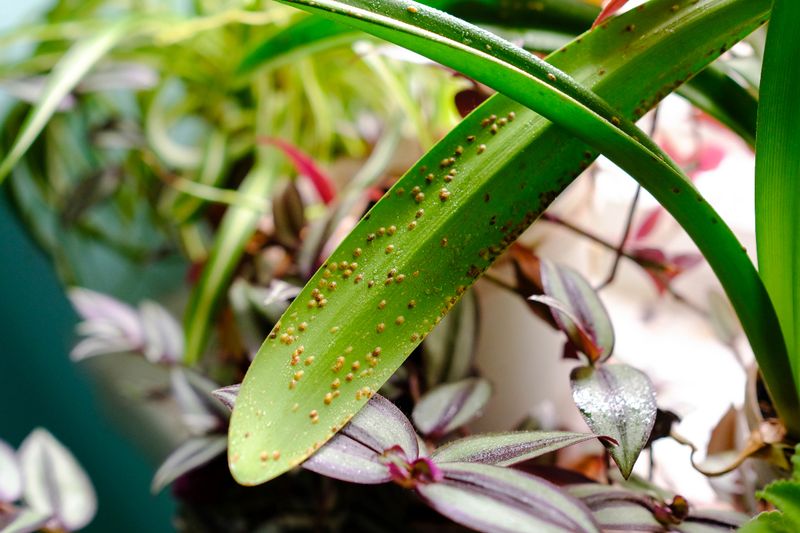
Pests can become a bigger problem during January than you might expect.
Spider mites absolutely thrive in the warm, dry conditions created by New York heating systems.
These tiny creatures multiply rapidly when humidity drops and can infest multiple plants before you even notice them.
Fungus gnats also love the consistently moist soil that results when people overwater dormant plants.
Check your plants weekly for signs of trouble.
Look under leaves and along stems for spider mites, which appear as tiny moving dots and create fine webbing.
Fungus gnats look like small flies hovering around soil, while their larvae live in the top layer of potting mix.
Mealybugs might hide in leaf joints, looking like small cotton balls.
Early detection makes pest control much easier and more effective.
If you spot a problem on one plant, isolate it immediately to prevent the pests from spreading to your entire collection.
New York apartments often have plants grouped together for aesthetic reasons, but this proximity lets pests travel easily from one host to another.
Treat infestations promptly with appropriate methods.
Spider mites respond well to increased humidity and insecticidal soap sprays.
Fungus gnats decrease when you let soil dry out more between waterings and can be controlled with sticky traps.
Mealybugs can be wiped away with rubbing alcohol on a cotton swab.
Prevention works better than treatment.
Maintaining proper humidity levels discourages spider mites, while careful watering prevents fungus gnat breeding grounds.
Inspect any new plants thoroughly before bringing them near your existing collection, as pests often hitchhike into homes on nursery plants.
January’s challenging conditions stress plants and make them more vulnerable to pest damage, so vigilance really pays off during this month.
7. Avoid Repotting And Major Plant Changes
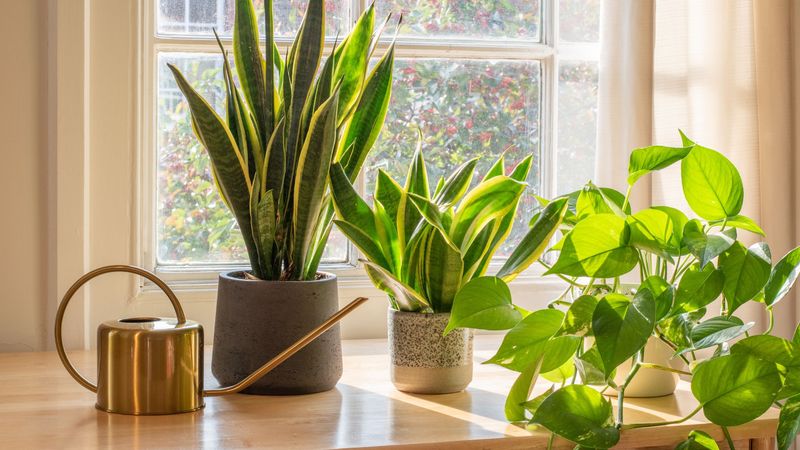
January is absolutely the wrong time to repot houseplants in New York.
Repotting stresses plants significantly because it disturbs their roots and forces them to adapt to new soil conditions.
During active growing seasons, plants recover quickly from this stress.
But in January when they’re dormant, they lack the energy and growth momentum needed to bounce back efficiently.
Plants send out new roots to explore fresh soil and establish themselves after repotting.
This process requires energy and resources that dormant plants simply don’t have available during winter months.
Repotting in January can leave plants struggling in new soil they can’t properly colonize, leading to waterlogged conditions and potential root problems.
Wait until late February or March when you notice signs of new growth beginning.
Longer days and stronger sunlight signal plants that growing season approaches, and their metabolism shifts accordingly.
That’s the perfect time to repot if needed, giving plants the entire spring and summer to establish strong root systems in their new containers.
The same principle applies to other major changes.
Avoid pruning heavily, taking lots of cuttings, or moving plants to dramatically different locations during January.
Minor adjustments are fine, like moving a plant slightly closer to a window for better light.
But save significant interventions for when plants can handle the stress more easily.
If you absolutely must repot during winter because of an emergency like root rot or a broken pot, keep the disturbance minimal.
Use similar soil to what the plant was growing in, choose a pot that’s only slightly larger, and be extra careful with watering afterward.
Give the plant several weeks of stable conditions to recover before making any other changes to its care routine in your New York home.