8 Plants South Carolina Gardeners Should Prune In January
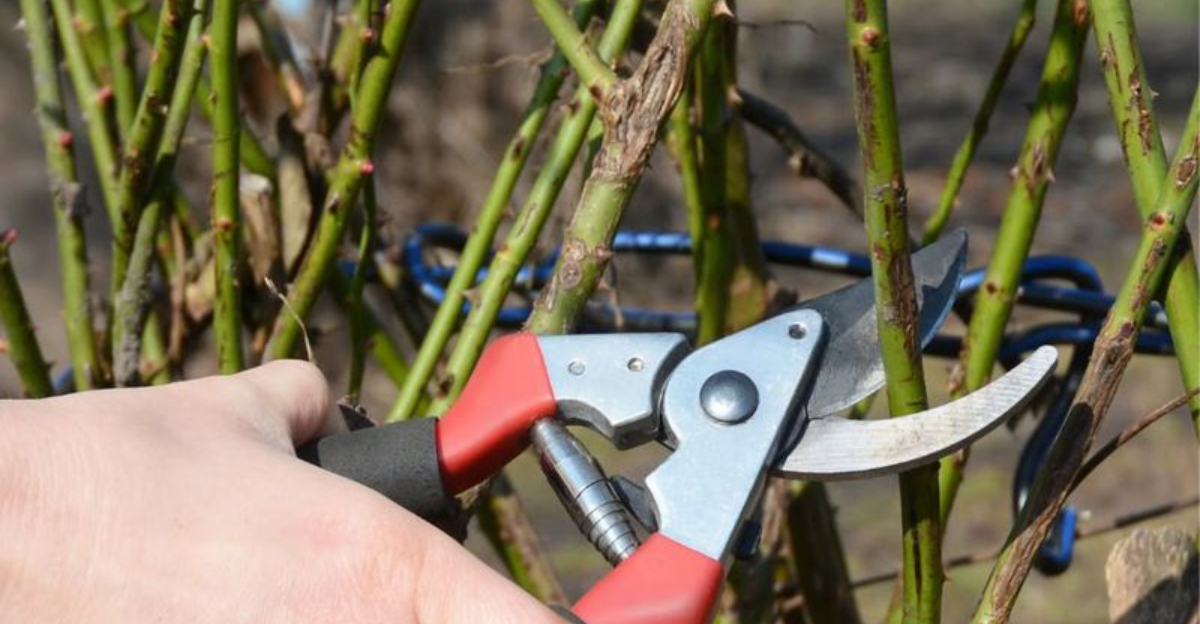
January might seem like a quiet month in the garden, but for South Carolina gardeners, it is actually one of the busiest times for pruning.
The mild winter weather creates the perfect window to shape and trim plants before spring growth begins.
Pruning during this dormant season helps plants focus their energy on producing healthy new shoots and blooms when warmer weather arrives.
Plus, without all those leaves in the way, you can see the structure of your plants much more clearly, making it easier to cut away damaged branches.
Knowing which plants to prune in January can make a huge difference in how your garden looks throughout the year.
Some shrubs and trees actually benefit from a winter trim, while others should be left alone until after they flower.
In South Carolina, the timing is especially important because the growing season starts earlier than in many other parts of the country.
Getting ahead of the game now means your yard will be bursting with color and life come springtime.
Whether you are a seasoned gardener or just getting started, understanding the right pruning schedule will help you maintain a beautiful and healthy landscape.
So grab your shears and gloves, because these plants are ready for their January makeover.
1. Crape Myrtle
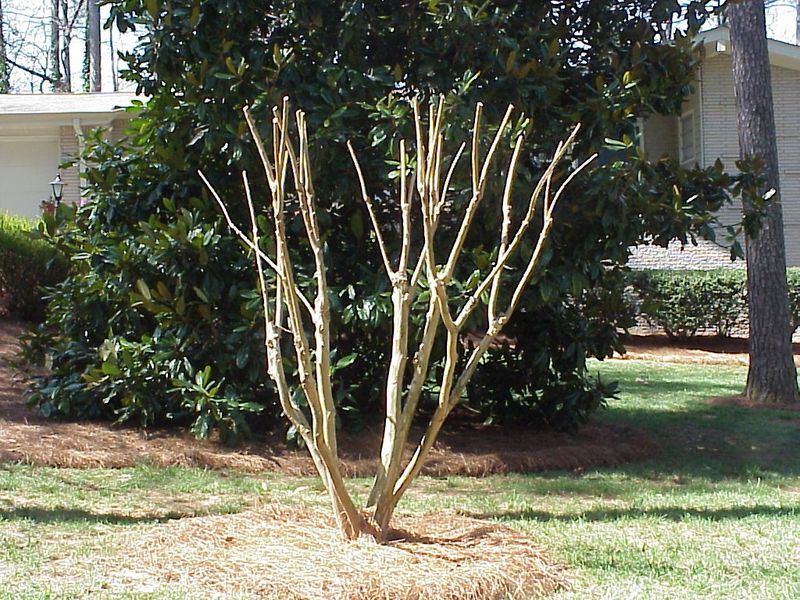
Crape myrtles are beloved across South Carolina for their stunning summer blooms and attractive bark that adds interest even in winter.
January is the ideal time to prune these beauties because they are fully dormant, and cutting them back now encourages vigorous growth and abundant flowers later in the year.
Many gardeners make the mistake of topping their crape myrtles, which creates ugly knobs and weak branches, but the right approach involves selective thinning and shaping.
Start by removing any branches that cross or rub against each other, as these can cause wounds that invite pests and disease.
Next, take out any suckers growing from the base of the tree, as well as any small twiggy growth on the interior.
This opens up the canopy and allows air and light to reach all parts of the plant.
You can also remove spent seed pods from last season to give the tree a cleaner appearance.
When pruning crape myrtles in South Carolina, aim to maintain the natural shape rather than creating a flat-topped look.
Cut branches back to a side branch or bud, making clean cuts at a slight angle.
This method promotes strong new growth that will support those gorgeous blooms come summer.
Remember to step back frequently and assess the overall shape as you work.
Proper pruning also helps prevent common problems like powdery mildew, which can plague crape myrtles in humid climates.
By opening up the structure, you improve airflow and reduce moisture buildup on the leaves.
Your efforts in January will pay off with a healthier, more beautiful tree that becomes a focal point in your South Carolina landscape all season long.
2. Roses
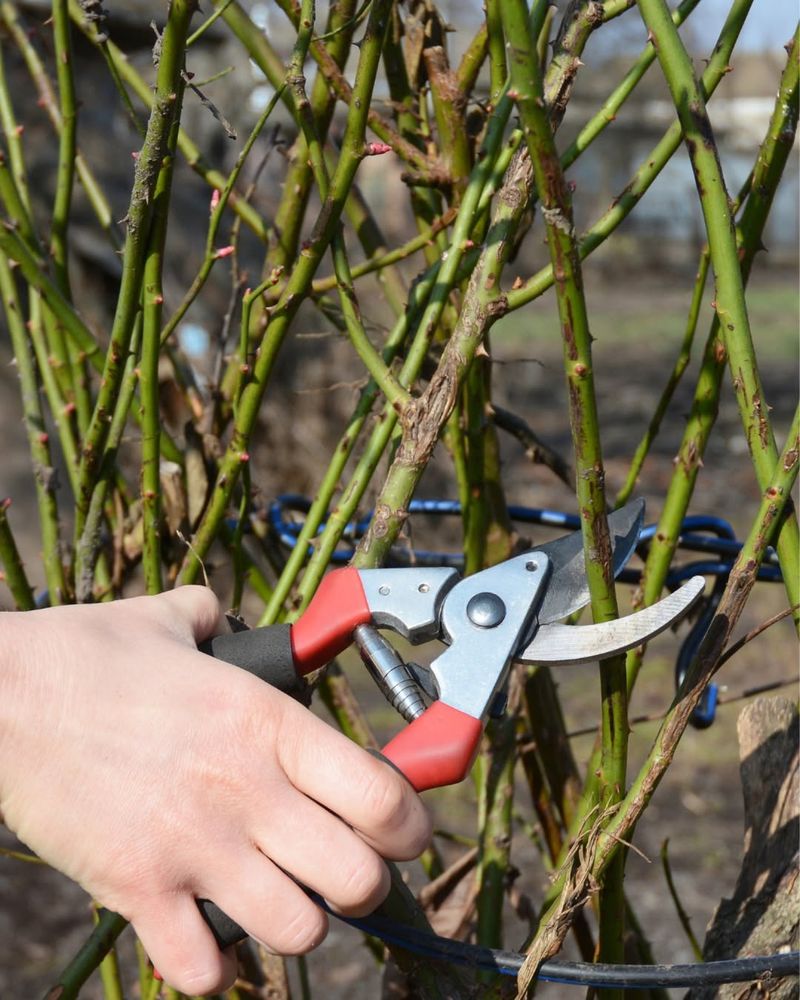
Few plants reward careful pruning quite like roses, and January is the perfect month for South Carolina gardeners to tackle this important task.
Your South Carolina Garden Changes Every Week. Your Plan Should Too.
Gardening in South Carolina changes quickly throughout the season. Every Friday you’ll receive a simple weekly plan showing exactly what to plant, prune, fertilize, harvest, and protect so you never miss the right timing.
Pruning roses while they are dormant helps shape the plant, removes diseased or damaged wood, and sets the stage for spectacular spring blooms.
The cooler temperatures make the work more comfortable, and you can clearly see the structure of each bush without foliage blocking your view.
Begin by cutting away any damaged, or diseased canes, making your cuts at least an inch below the affected area to ensure you remove all the problem tissue.
Look for canes that are black, shriveled, or have cankers, and remove them completely.
Next, thin out the center of the plant to create an open, vase-like shape that allows sunlight and air to reach all the branches.
This helps prevent fungal diseases that thrive in South Carolina’s humid climate.
For hybrid tea roses and floribundas, cut the remaining healthy canes back to about 12 to 18 inches tall, making each cut just above an outward-facing bud at a 45-degree angle.
This encourages new growth to spread outward rather than inward, creating a more attractive shape.
Climbing roses need a lighter touch; remove only weak canes and trim back the side shoots to about 3 to 6 inches.
Always use sharp, clean pruning shears to make smooth cuts that heal quickly.
Dull blades can crush stems and create entry points for disease.
After pruning, clean up all the debris from around your roses and dispose of it rather than composting, as diseased material can spread problems.
With proper January pruning, your South Carolina rose garden will reward you with vigorous growth and abundant, beautiful blooms throughout the growing season.
3. Fruit Trees
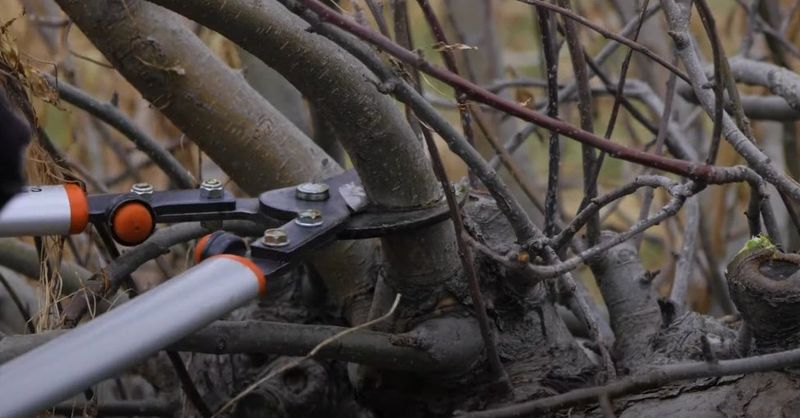
Fruit trees like apples, pears, peaches, and plums all benefit from a good pruning in January, and South Carolina’s mild winter makes this the perfect time to get the job done.
Pruning while the trees are dormant reduces stress on the plant and allows you to see the branch structure clearly.
Proper pruning improves fruit quality, increases air circulation, and helps prevent branches from breaking under the weight of a heavy crop.
Start by removing any diseased, or damaged branches, cutting them back to healthy wood.
Look for branches that cross or rub against each other, and remove the weaker of the two to prevent wounds.
Next, thin out the canopy by removing some of the smaller, interior branches that create shade and block airflow.
This is especially important in South Carolina, where high humidity can lead to fungal problems if the tree stays too damp.
For most fruit trees, you want to maintain an open center or modified leader shape that allows sunlight to reach all parts of the tree.
Cut back vigorous upright shoots, called water sprouts, as these rarely produce fruit and drain energy from productive branches.
Also remove any suckers growing from the base of the tree or below the graft union.
Make your cuts just outside the branch collar, where the branch meets the trunk or a larger limb, to promote quick healing.
Peach and nectarine trees grown in South Carolina need especially aggressive pruning, as they produce fruit on one-year-old wood.
Remove about 40 to 50 percent of the previous year’s growth to encourage strong new shoots that will bear next year’s crop.
Apple and pear trees require less drastic pruning but still benefit from thinning and shaping.
Taking the time to prune your fruit trees properly in January sets them up for a bountiful harvest later in the year.
4. Blueberry Bushes
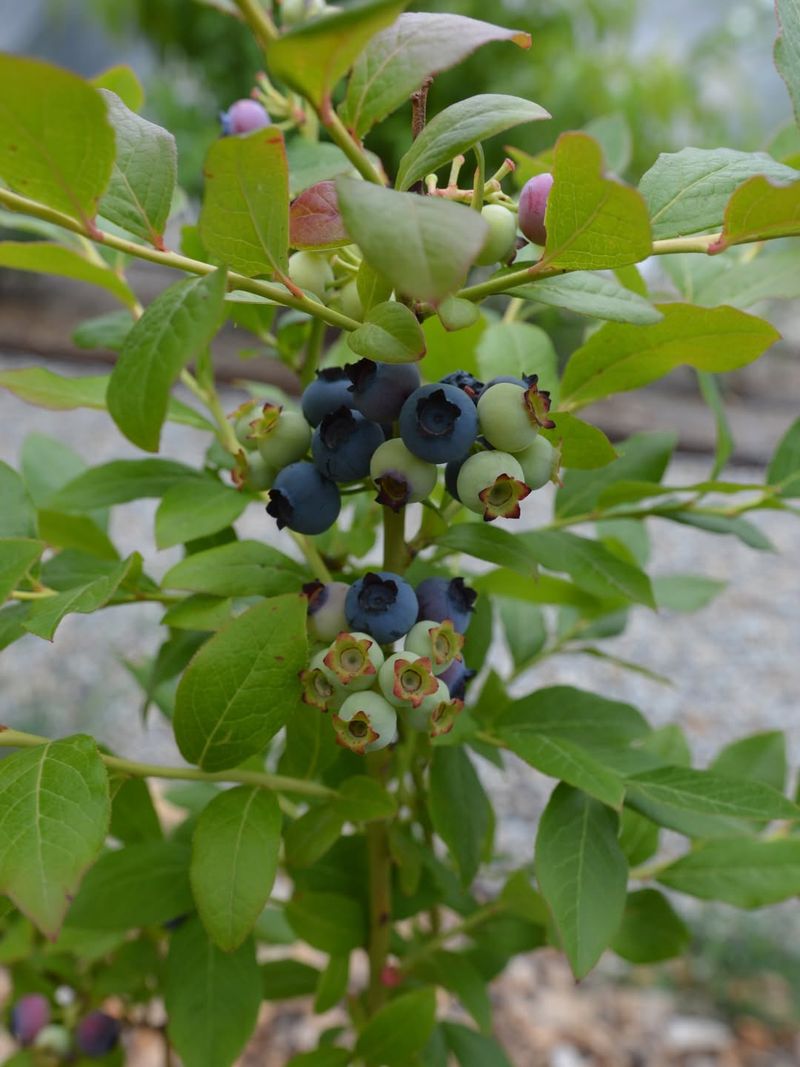
Blueberries thrive in South Carolina’s acidic soils and mild climate, making them a favorite among home gardeners.
January is the ideal month to prune these productive shrubs because they are dormant and you can easily assess their structure.
Regular pruning keeps blueberry bushes healthy, productive, and manageable in size, while also encouraging the growth of strong new canes that will bear fruit in future seasons.
Begin by removing any damaged, or diseased wood, cutting it back to the base of the plant or to healthy tissue.
Look for canes that are more than six years old, as these become less productive over time and should be removed to make room for younger, more vigorous growth.
You can identify older canes by their thicker, darker bark and the fact that they produce fewer fruiting buds.
Cut these old canes at ground level to encourage new shoots from the base.
Next, thin out any weak or spindly growth, as well as branches that cross or crowd the center of the bush.
Blueberries produce the best fruit on wood that is one to three years old, so your goal is to maintain a good mix of cane ages.
Remove low-growing branches that droop to the ground, as the fruit on these limbs is more likely to get dirty or be eaten by pests.
Also trim back the tips of the remaining canes by a few inches to encourage branching and more fruiting wood.
After pruning, your blueberry bush should have an open, upright shape with plenty of room for air and light to reach all parts of the plant.
This is especially important in South Carolina, where humidity can lead to fungal diseases if the foliage stays too wet.
Well-pruned blueberry bushes not only produce more and better fruit, but they are also easier to harvest and maintain throughout the growing season.
5. Grape Vines
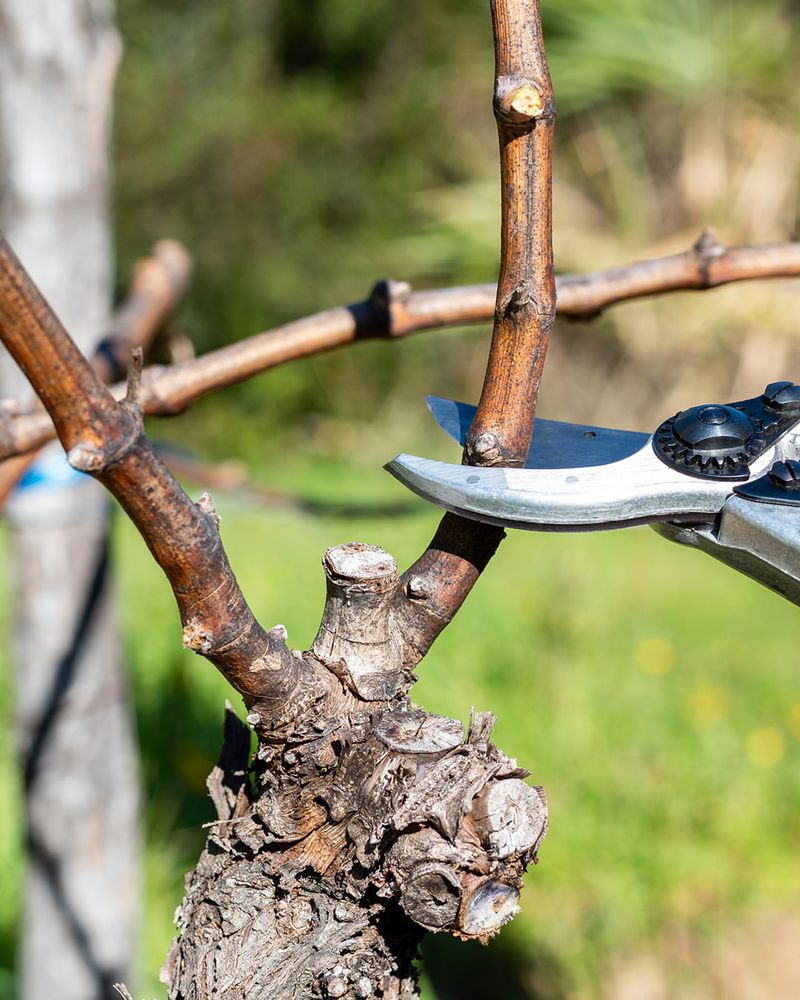
Grape vines can quickly become tangled masses of unproductive growth if left unpruned, but a good January trimming keeps them healthy and fruitful.
In South Carolina, winter pruning is essential for grape vines because it controls their vigorous growth and directs energy into producing quality fruit rather than excessive foliage.
Dormant vines are much easier to work with, and the risk of disease is lower when you prune in cold weather.
The key to pruning grape vines is understanding that they produce fruit on shoots that grow from one-year-old canes.
Your goal is to select the best canes from last year’s growth and remove most of the rest.
Start by cutting away all the damaged, or diseased wood, as well as any thin, weak shoots that are unlikely to produce fruit.
Then identify the strong, healthy canes that grew last season; these should be about pencil-thick and have good bud development.
For most home grape vines in South Carolina, a simple cane or spur pruning system works well.
If using cane pruning, select two to four of the best one-year-old canes and tie them to your trellis or support system, then cut each cane back to about 10 to 15 buds.
Remove all other canes except for a couple of short renewal spurs near the main trunk, which will produce next year’s fruiting canes.
If using spur pruning, cut all the one-year-old canes back to short spurs with just two to three buds each.
It may seem drastic to remove so much growth, but grape vines are incredibly vigorous and will quickly fill in.
Proper pruning improves fruit quality, makes the vines easier to manage, and reduces the risk of disease by improving air circulation.
After pruning, your grape vine should look neat and organized, with a clear structure that will support a healthy crop of delicious grapes throughout the South Carolina growing season.
6. Butterfly Bush
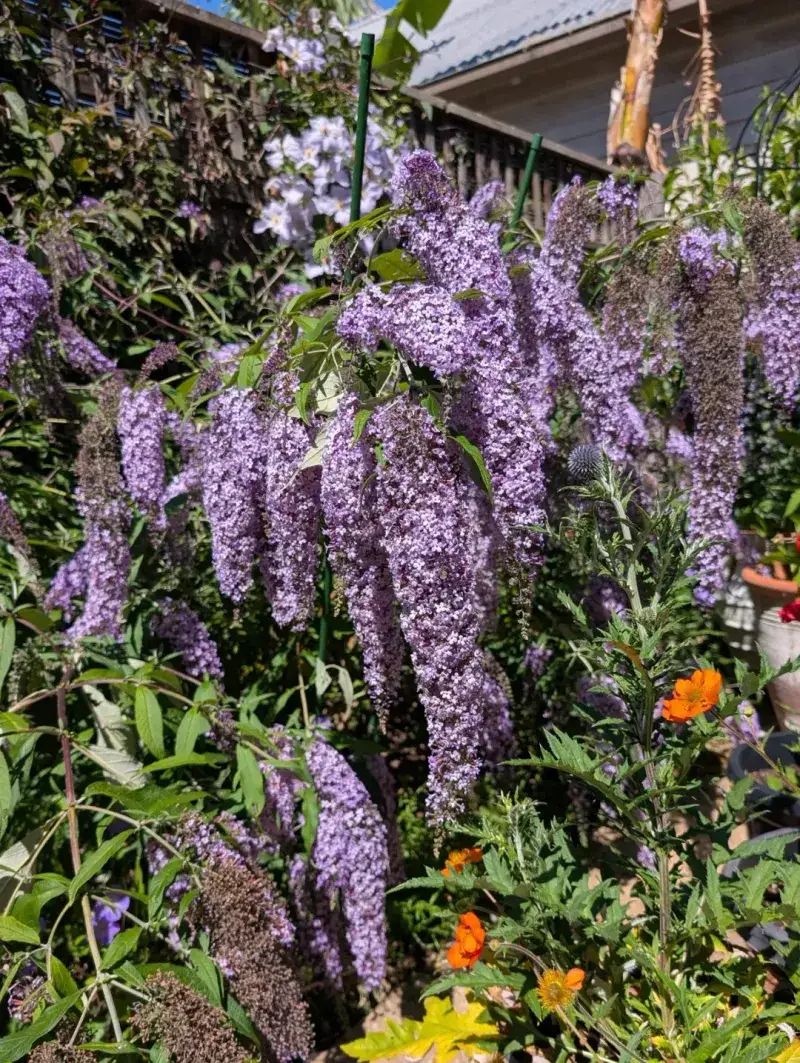
Butterfly bushes are a staple in South Carolina gardens, attracting pollinators with their fragrant, colorful blooms from summer through fall.
These fast-growing shrubs can become leggy and overgrown if not pruned regularly, but a hard cutback in January rejuvenates them and promotes dense, bushy growth covered in flowers.
Since butterfly bushes bloom on new wood, pruning them in winter does not sacrifice any flowers; in fact, it increases the number of blooms you will see later in the year.
January pruning for butterfly bushes is simple and dramatic.
Cut the entire plant back to about 12 to 18 inches above ground level, removing most of the previous year’s growth.
This may seem extreme, but butterfly bushes respond beautifully to hard pruning and will quickly send up strong new shoots once the weather warms.
Make your cuts just above a set of healthy buds or a side branch, using sharp pruning shears to create clean cuts that heal quickly.
As you prune, remove any damaged stems completely, cutting them back to the base of the plant.
Also take out any weak or spindly growth that is unlikely to support good blooms.
The goal is to create a compact, sturdy framework that will support vigorous new growth.
Do not worry about being too aggressive; butterfly bushes are tough plants that can handle severe pruning and will bounce back with renewed energy.
After pruning, your butterfly bush will look like a collection of short stubs, but do not be concerned.
By late spring, it will have filled out with fresh foliage and begun producing the flower spikes that give this plant its name.
Pruning in January also helps control the size of the plant, which is especially useful in South Carolina gardens where butterfly bushes can grow quite large.
With proper pruning, your butterfly bush will be a manageable, floriferous addition to your landscape that provides food and habitat for pollinators all season long.
7. Fig Trees
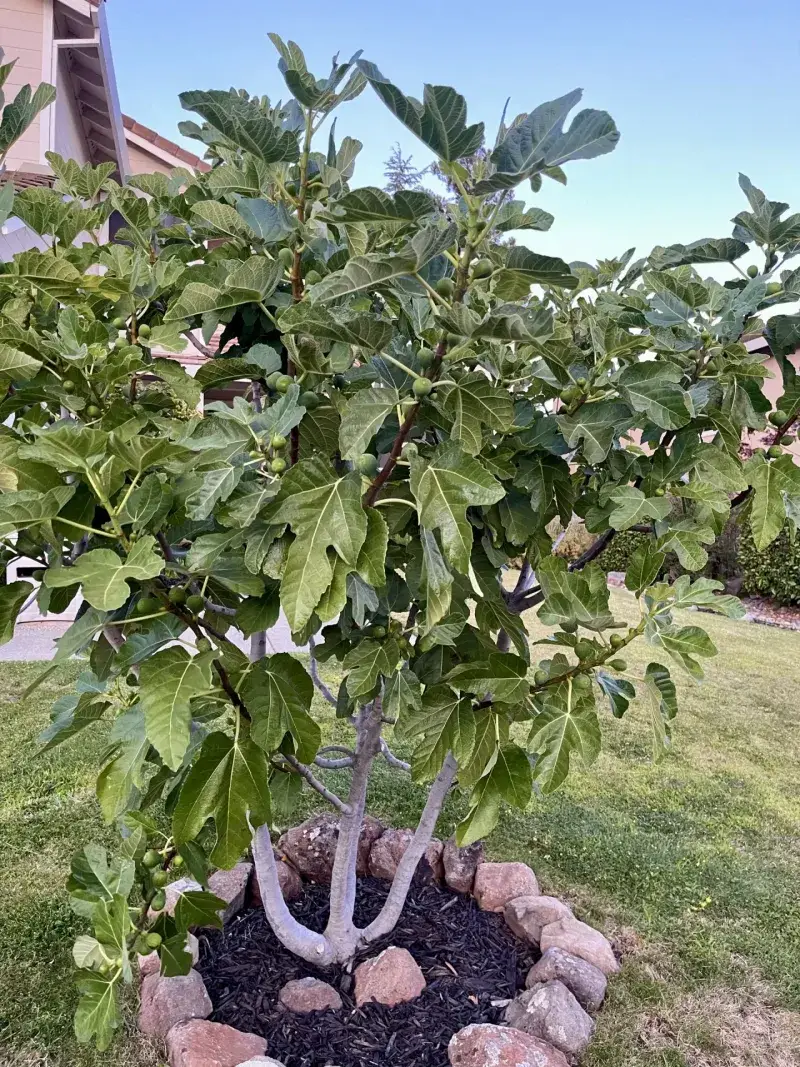
Fig trees are a beloved feature of many South Carolina gardens, producing sweet, delicious fruit in summer and adding a Mediterranean charm to the landscape.
January is an excellent time to prune fig trees because they are dormant and the risk of sap loss is minimized.
Proper pruning keeps the tree at a manageable size, improves fruit production, and helps prevent disease by opening up the canopy for better air circulation.
Start by removing damaged, or diseased branches, cutting them back to healthy wood or to the main trunk.
Fig trees can suffer winter damage in South Carolina, especially during unusually cold spells, so look for branches with split bark or blackened tips and remove these completely.
Next, thin out the interior of the tree by removing some of the smaller, crossing branches that create a dense tangle.
This allows sunlight to reach the developing fruit and helps the tree dry out more quickly after rain, reducing the risk of fungal problems.
Fig trees produce fruit in two ways: on the previous year’s wood and on new growth.
Light pruning helps maintain both types of fruiting wood.
Remove any suckers growing from the base of the tree, as these drain energy from the main plant and rarely produce quality fruit.
Also cut back any long, vigorous shoots by about one-third to encourage branching and more fruiting sites.
If your fig tree has grown too large, you can selectively remove entire branches to reduce the overall size, but avoid heavy pruning, which can reduce the crop.
One unique aspect of fig trees is that they produce a sticky, milky sap when cut, so wear gloves and long sleeves to protect your skin.
Make clean cuts just outside the branch collar, and avoid leaving stubs that can rot.
With thoughtful January pruning, your fig tree will maintain a pleasing shape, stay healthy, and produce an abundant harvest of delicious figs throughout the South Carolina summer.
8. Wisteria
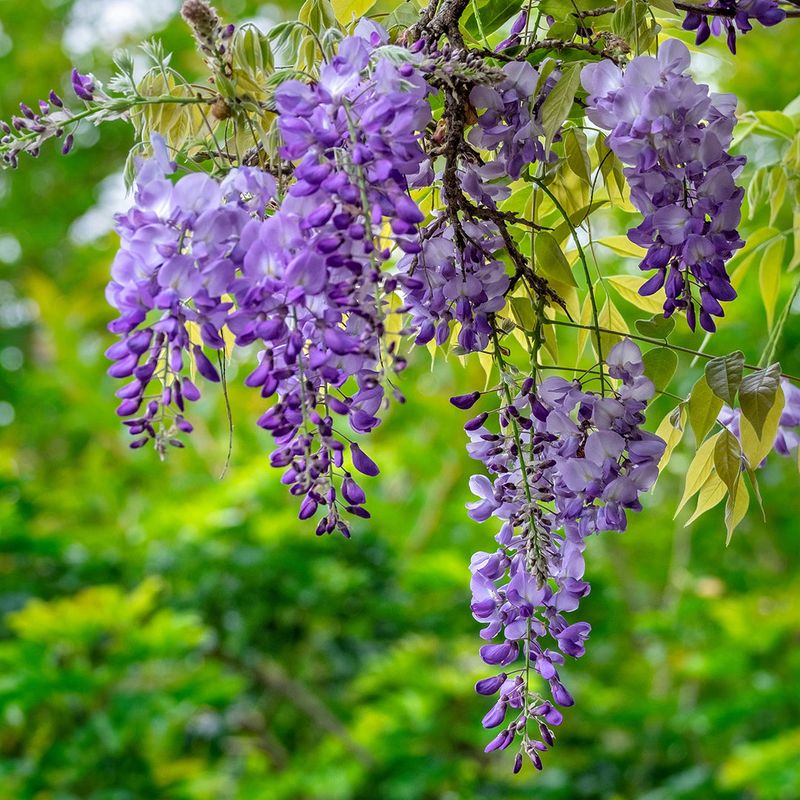
Wisteria vines are famous for their spectacular cascades of fragrant purple, pink, or white flowers, but they can quickly take over if not kept in check.
In South Carolina, where the growing season is long and the climate is favorable, wisteria can become especially vigorous.
January is the perfect time to prune these vines because they are dormant and you can clearly see the woody framework that supports those beautiful blooms.
Regular pruning not only controls the size of the plant but also encourages more flower production.
Wisteria blooms on short spurs that grow from older wood, so your pruning goal is to maintain the main framework while cutting back the long, whippy shoots that grew last season.
Start by identifying the permanent structure of the vine, which consists of thick, woody stems that form the main trunk and primary branches.
Then locate the long, green shoots that grew during the previous growing season; these can be several feet long and tend to tangle around everything in their path.
Cut these long shoots back to just two or three buds from the base, leaving short spurs that will produce flowers in spring.
This may seem drastic, but wisteria is incredibly vigorous and will quickly grow back.
As you prune, also remove damaged, or diseased wood, as well as any shoots growing in unwanted directions.
If your wisteria has outgrown its space, you can also cut back some of the main branches to reduce the overall size, but be aware that this may sacrifice some blooms.
Proper pruning keeps wisteria from becoming a maintenance nightmare and ensures that the plant puts its energy into producing those stunning flower clusters rather than rampant vegetative growth.
In South Carolina’s favorable climate, a well-pruned wisteria will reward you with an unforgettable display of blooms each spring.
Just remember that wisteria also benefits from a second, lighter pruning in summer to keep it tidy, but the major structural pruning should happen in January while the vine is dormant.