7 Winter Garden Plants That Deer Won’t Eat In Maryland
Winter gardening in Maryland can feel like a constant battle with hungry deer.
These creatures roam through neighborhoods and rural areas alike, munching on anything that looks remotely tasty.
If you’ve ever watched your carefully planted garden get devoured overnight, you know how frustrating it can be.
The good news is that certain plants naturally repel deer, making them perfect choices for your winter landscape.
Maryland winters bring cold temperatures and shorter days, but that doesn’t mean your garden has to look bare and lifeless.
Choosing plants that deer avoid means you can enjoy greenery, color, and texture throughout the colder months without worrying about constant damage.
These plants have special qualities like strong scents, fuzzy leaves, or bitter tastes that deer simply don’t like.
By filling your garden with these varieties, you’ll create a beautiful space that stays intact all season long.
Whether you’re an experienced gardener or just starting out, selecting deer-resistant plants makes winter gardening much easier and more enjoyable.
These tough plants not only survive Maryland’s chilly weather but also stand up to the local deer population.
Your winter garden can be both stunning and protected, giving you peace of mind and a lovely view from your window even on the coldest days.
1. Hellebores (Christmas Rose And Lenten Rose)
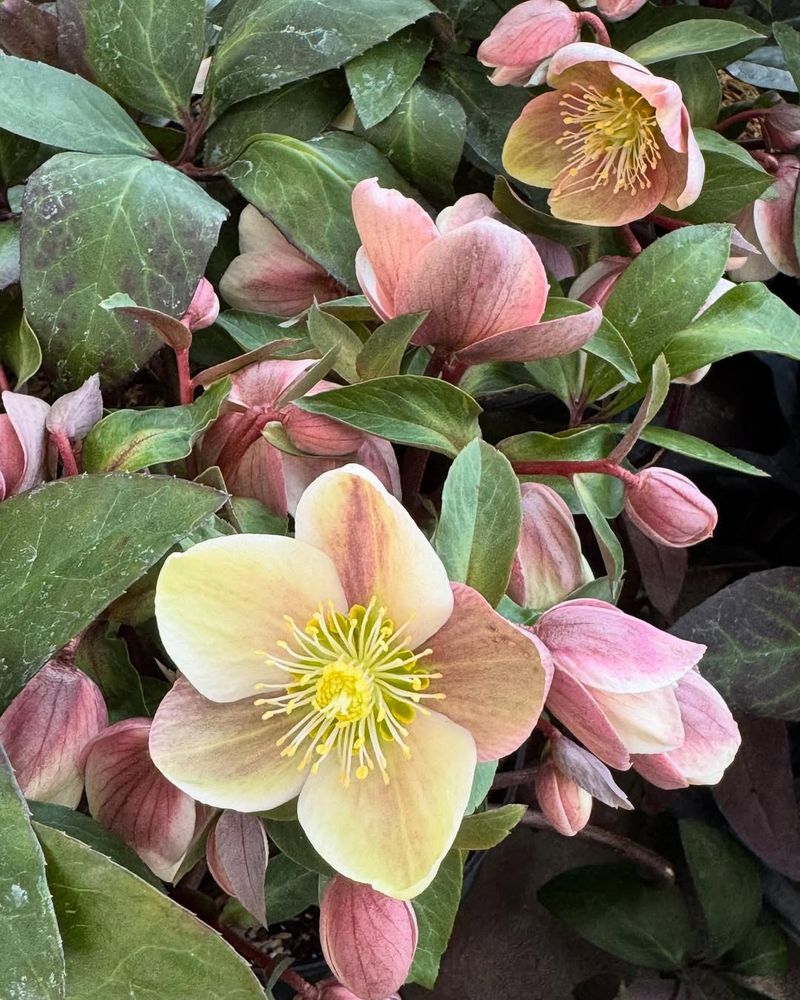
Hellebores bloom when most other plants are sleeping through winter, bringing gorgeous flowers to Maryland gardens from late winter through early spring.
Their thick, leathery leaves and slightly toxic nature make them completely unappealing to deer, who instinctively avoid them.
These evergreen perennials come in shades of white, pink, purple, and even green, offering colors when your garden needs them most.
Growing hellebores in Maryland is surprisingly easy once you understand their preferences.
They thrive in partial shade and well-draining soil, making them perfect for planting under trees or along the north side of your house.
Once established, they’re incredibly tough and require minimal care, tolerating cold snaps and even blooming through light snow.
Their flowers last for months, not weeks, giving you extended enjoyment.
The Christmas rose variety typically blooms earlier in winter, while Lenten rose flowers appear closer to spring.
Both types spread slowly to form attractive clumps that get better with age.
Maryland gardeners appreciate that hellebores are drought-tolerant once mature and rarely suffer from pest or disease problems.
Their deer resistance is just one of many reasons they’ve become garden favorites.
Plant hellebores in groups for maximum impact, spacing them about 15 inches apart.
They look stunning paired with early spring bulbs and evergreen ferns.
Because deer leave them completely alone in Maryland landscapes, you can plant them right at the front of your property without worry.
These reliable bloomers will reward you with beauty year after year while requiring almost no maintenance.
2. Ornamental Kale And Cabbage
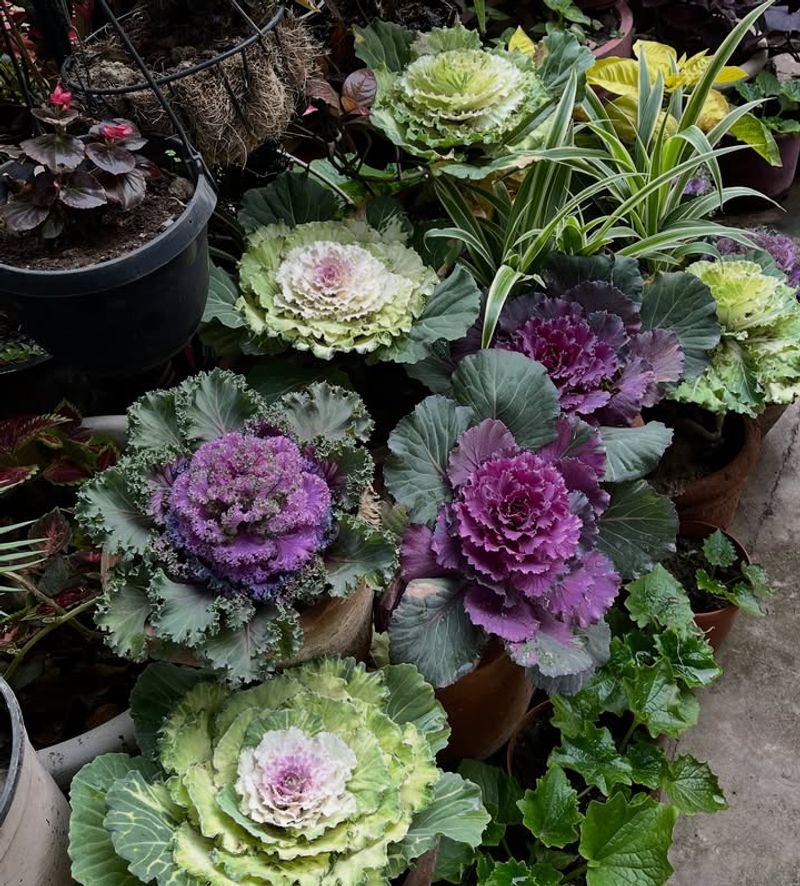
Ornamental kale and cabbage transform Maryland gardens into works of art during the coldest months.
Their ruffled leaves develop intense purple, pink, and white colors as temperatures drop, creating stunning displays that actually improve with frost.
Your Maryland Garden Changes Every Week. Your Plan Should Too.
Gardening in Maryland changes quickly throughout the season. Every Friday you’ll receive a simple weekly plan showing exactly what to plant, prune, fertilize, harvest, and protect so you never miss the right timing.
Deer find these plants unappetizing due to their tough texture and slightly bitter taste, leaving your colorful arrangements perfectly intact throughout winter.
These cool-season beauties peak in visual appeal when other plants have long faded.
Plant them in fall throughout Maryland, and they’ll provide non-stop color from November through March.
They handle freezing temperatures remarkably well, often looking their absolute best after a hard frost intensifies their vibrant hues.
Ornamental varieties are bred specifically for appearance rather than eating, though they’re technically edible.
Maryland gardeners love using ornamental kale and cabbage in containers, borders, and mass plantings.
They grow best in full sun with regular watering, reaching heights of 12 to 18 inches.
Mix different color varieties together for eye-catching combinations that brighten up dreary winter days.
These plants are incredibly low-maintenance, requiring only occasional watering during dry spells and no fertilizing once established.
Consider pairing them with pansies, dusty miller, and evergreen shrubs for spectacular winter container gardens.
Their rosette shape adds interesting texture and form to landscape beds.
Since deer consistently avoid them in Maryland yards, you can plant them anywhere without protection.
They’ll stay beautiful until spring warmth causes them to bolt, at which point you can simply replace them with warm-season annuals for seamless garden transitions.
3. Boxwood Shrubs
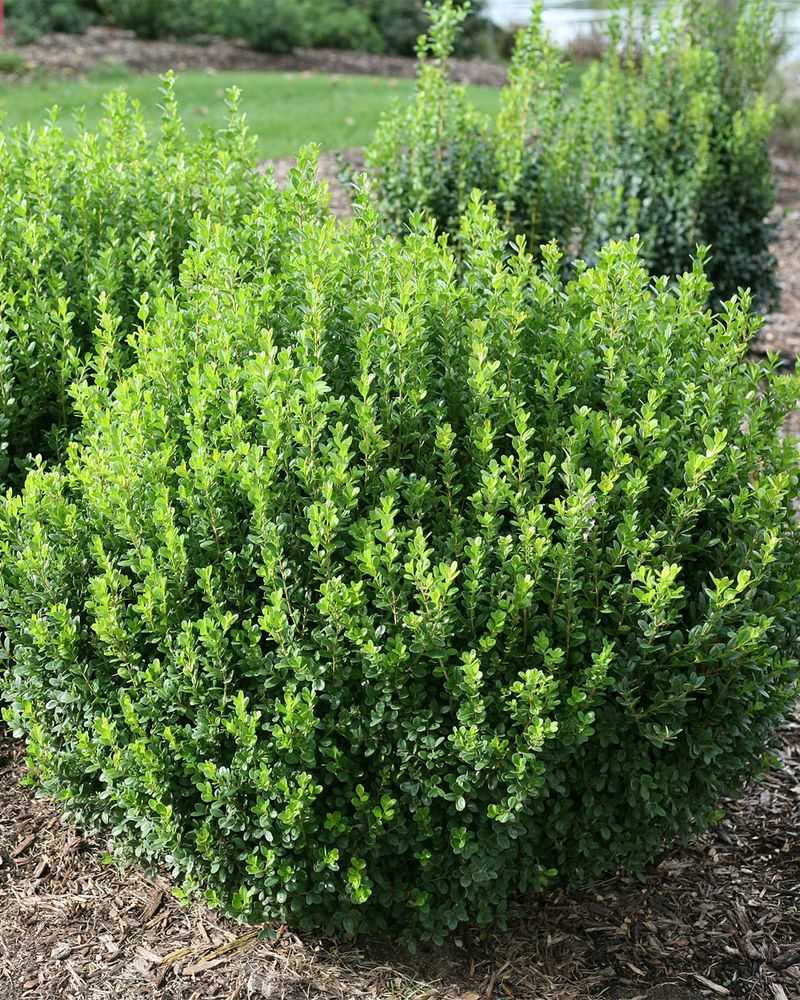
Boxwood shrubs have been garden staples for centuries, and Maryland landscapes showcase them beautifully year-round.
Their dense, evergreen foliage stays vibrant green throughout winter, providing structure and formality when most plants look bare.
Deer strongly dislike boxwoods because of their pungent smell and bitter-tasting leaves, making these shrubs a reliable choice for areas with heavy deer pressure.
Maryland’s climate suits boxwoods perfectly, as they tolerate both summer heat and winter cold with ease.
These versatile shrubs work wonderfully as foundation plantings, hedges, or specimen plants in garden beds.
You can shape them into formal geometric designs or let them grow naturally for a softer appearance.
Varieties range from compact types that stay under two feet tall to larger specimens reaching six feet or more.
Planting boxwoods requires attention to drainage, as they prefer soil that doesn’t stay waterlogged.
Choose a location with partial shade to full sun, though some afternoon shade helps prevent winter burn in Maryland.
Water them regularly during their first growing season to establish strong roots.
After that, they’re quite drought-tolerant and need minimal care beyond occasional pruning to maintain desired shapes.
Korean boxwood and English boxwood are particularly popular in Maryland gardens because they handle local weather conditions beautifully.
Their slow growth rate means less frequent trimming, and they rarely suffer from serious pest problems.
Since deer consistently leave boxwoods untouched, you can use them to create protected spaces where more vulnerable plants can grow safely behind their protective barrier.
4. Pansies And Violas
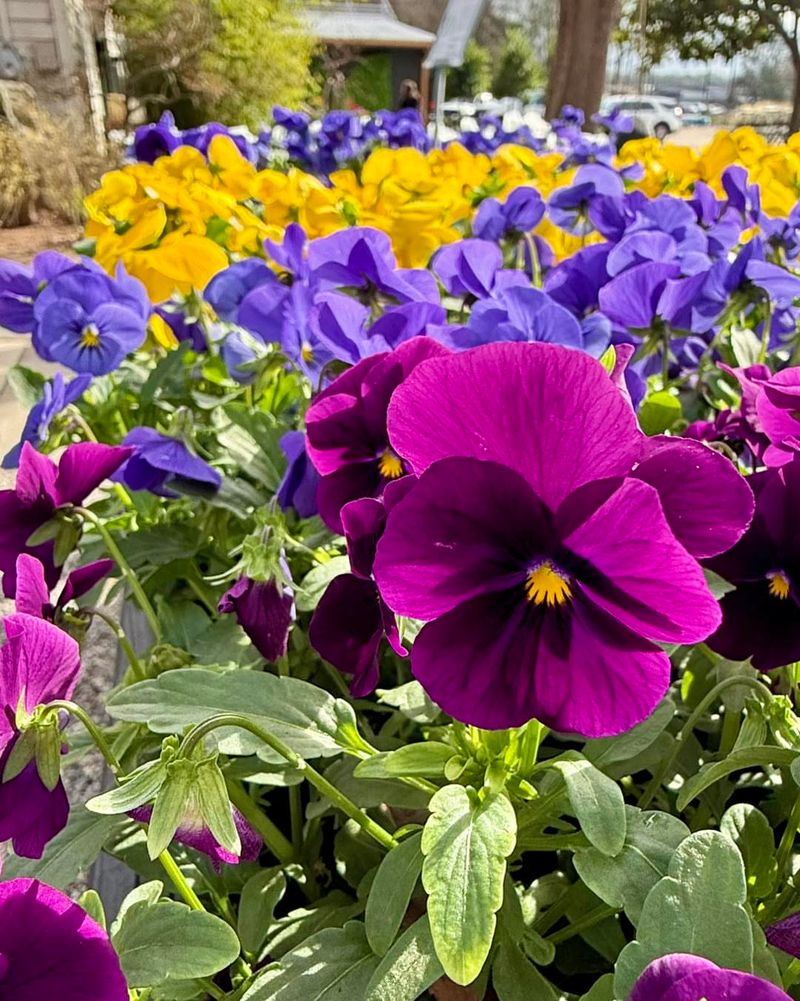
Pansies and violas are the cheerful faces that smile through Maryland’s coldest days.
These hardy flowers bloom continuously from fall planting through spring, offering brilliant colors when you need them most.
Their slightly fuzzy leaves and particular taste keep deer from nibbling, allowing you to enjoy uninterrupted blooms all winter long.
Violas are generally smaller-flowered cousins of pansies, but both share impressive cold tolerance.
Maryland gardeners can plant pansies and violas in fall for immediate color that lasts six months or more.
They handle light snow, ice, and freezing temperatures without complaint, bouncing back quickly after harsh weather passes.
Available in nearly every color imaginable, including bi-colors and tri-colors, they let you create custom color schemes for your winter landscape.
Plant them in containers, window boxes, hanging baskets, or directly in garden beds.
These flowers prefer full sun to partial shade and appreciate regular watering, though they’re fairly forgiving if you occasionally forget.
Deadheading spent blooms encourages more flowers, but even without this care, they’ll keep blooming steadily.
Pansies and violas work beautifully combined with ornamental kale, dusty miller, and early spring bulbs.
Their low-growing habit makes them perfect for edging walkways and borders.
In Maryland, fall-planted pansies establish strong root systems before winter arrives, resulting in explosive bloom production come spring.
They’re remarkably inexpensive, allowing you to fill large areas without breaking your budget.
Since deer reliably ignore them, you can plant them right at your property’s edge for maximum curb appeal.
These dependable flowers prove that winter gardens don’t have to be boring or colorless.
5. Dusty Miller
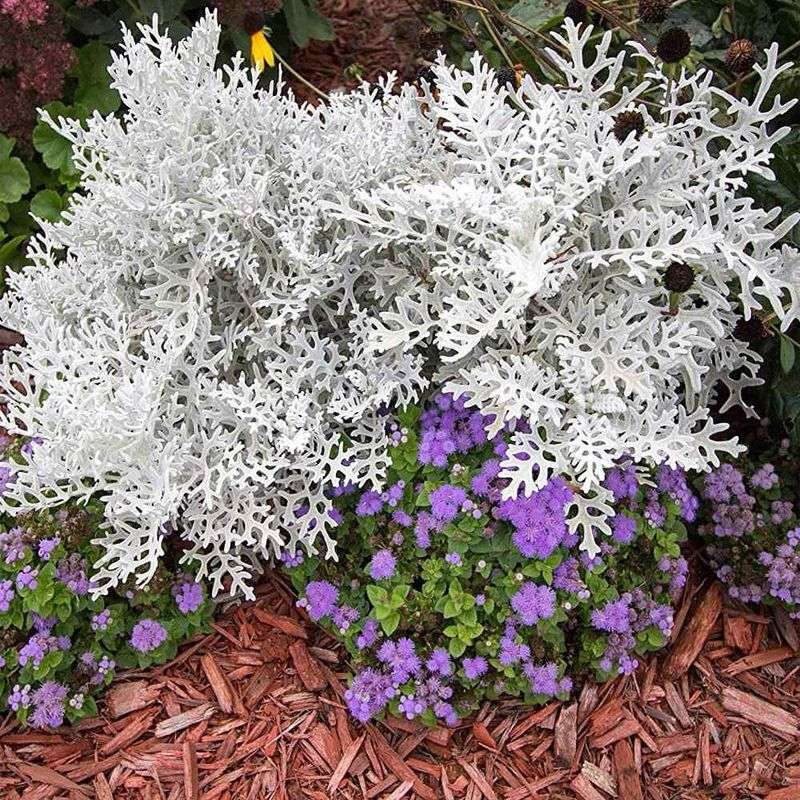
Dusty miller stands out in winter gardens with its silvery-white, velvety foliage that almost seems to glow on cloudy days.
This plant’s fuzzy leaves feel soft to touch but taste terrible to deer, who avoid it completely throughout Maryland.
While technically grown as an annual in most areas, dusty miller often survives mild Maryland winters, providing months of textural interest and color contrast.
The silver-gray foliage of dusty miller makes it an exceptional companion plant that highlights the colors of everything around it.
Purple pansies look more vibrant, pink ornamental cabbage appears richer, and green evergreens seem more lush when paired with dusty miller’s unique hue.
It grows 6 to 12 inches tall with a slightly mounding habit, filling spaces beautifully without overwhelming nearby plants.
Maryland gardeners appreciate dusty miller’s drought tolerance and ability to thrive in various light conditions, from full sun to partial shade.
It requires minimal care beyond occasional watering during extended dry periods.
The plant’s cold tolerance surprises many people, as it continues looking attractive well into winter when temperatures regularly drop below freezing.
Its fuzzy coating seems to provide natural insulation against cold damage.
Use dusty miller as a filler in container gardens, as edging along pathways, or massed in garden beds for dramatic effect.
It combines wonderfully with both cool and warm-colored flowers, serving as a neutral bridge between contrasting hues.
Since deer won’t touch it in Maryland landscapes, you can confidently include it in exposed areas.
The silvery foliage catches moonlight beautifully, making your garden interesting even after dark during winter’s long evenings.
6. Winterberry Holly
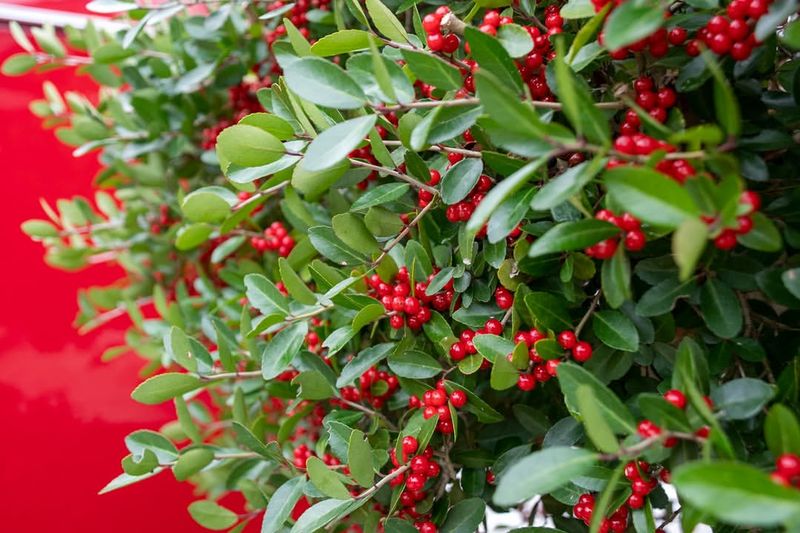
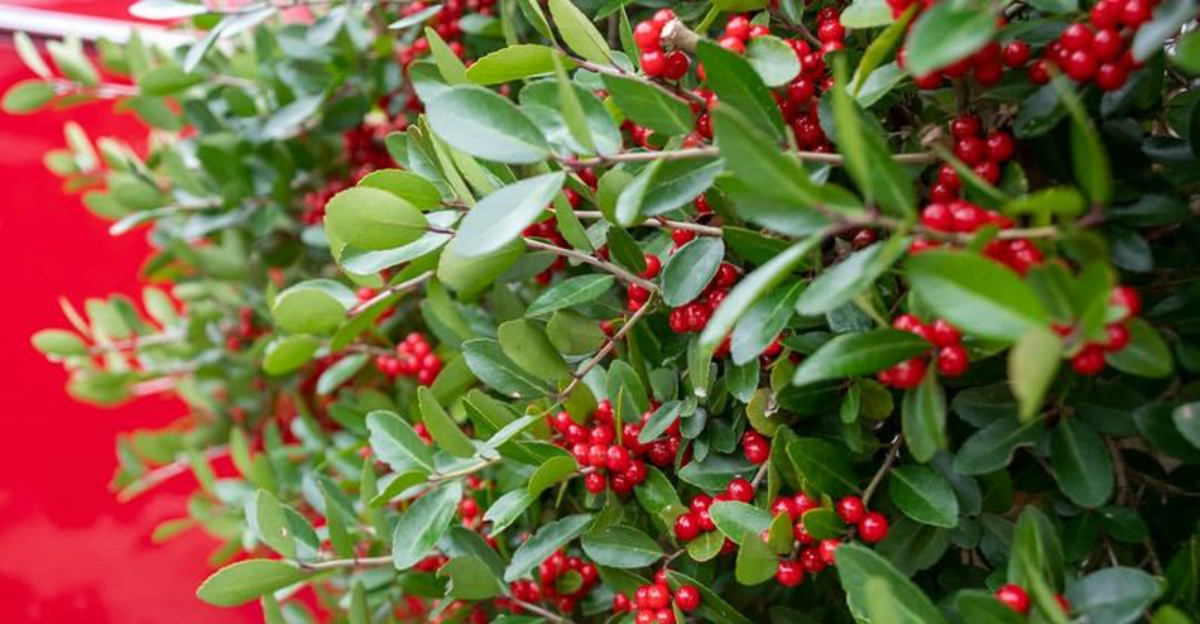
Winterberry holly puts on a spectacular show in Maryland landscapes when its bright red berries cover bare branches after leaves have fallen.
This deciduous holly loses its foliage in autumn, revealing clusters of brilliant berries that persist throughout winter, providing food for birds and stunning visual interest for people.
Deer rarely bother winterberry because the leaves and twigs have an unpleasant taste they instinctively avoid.
Native to eastern North America, winterberry thrives in Maryland’s climate and soil conditions.
It grows naturally in wetland areas but adapts well to regular garden settings as long as soil stays reasonably moist.
Female plants produce the showy berries, but you’ll need at least one male plant nearby for pollination.
One male can pollinate several females, so plan accordingly when designing your landscape.
These shrubs reach 6 to 10 feet tall and wide at maturity, making them substantial additions to your winter garden.
They prefer full sun to partial shade, with more sun resulting in heavier berry production.
The berries start green in fall, gradually turning bright red as cold weather arrives.
They remain on branches well into winter unless birds eat them all, which can happen quickly in areas with large bird populations.
Maryland gardeners often plant winterberry near windows where they can enjoy watching birds feast on the berries during snowy days.
The shrubs work beautifully in mixed borders, naturalized areas, or as standalone specimens.
Their bare winter branches covered in berries create striking silhouettes against snow or gray skies.
Since deer leave winterberry alone, you can plant it anywhere on your property without worry about damage.
7. Rosemary
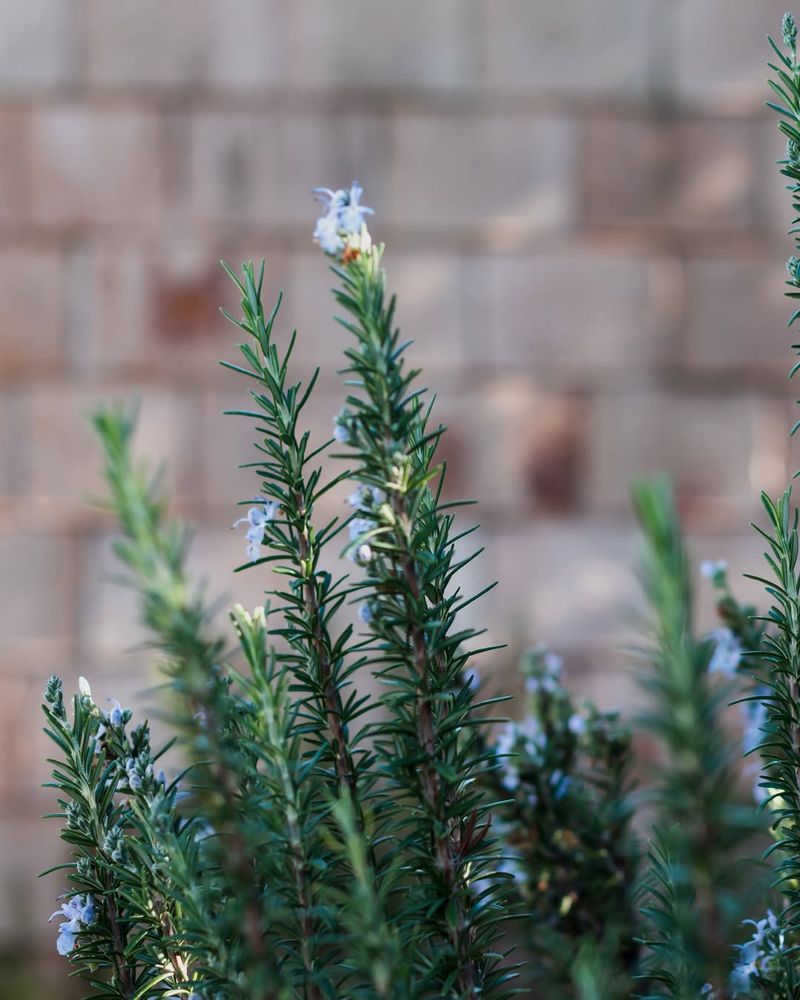
Rosemary brings aromatic beauty to Maryland winter gardens while serving double duty as a culinary herb.
Its needle-like evergreen foliage releases a strong, pleasant fragrance that humans love but deer find overwhelming and avoid completely.
In Maryland’s milder winter areas, especially near the Chesapeake Bay, rosemary often survives outdoors year-round, providing greenery and fresh herbs throughout the cold months.
This Mediterranean native prefers well-draining soil and full sun, making it perfect for raised beds, containers, or rock gardens.
Rosemary doesn’t tolerate wet feet, so avoid planting it in areas where water collects.
In colder parts of Maryland, growing rosemary in containers lets you move plants to protected locations during severe cold snaps.
Upright varieties can reach 4 to 6 feet tall, while trailing types work beautifully in hanging baskets or cascading over walls.
Beyond its ornamental value, rosemary provides fresh herbs for winter cooking when other garden produce is unavailable.
Simply snip branches as needed for roasting vegetables, seasoning meats, or flavoring breads.
The plant’s woody stems and tough leaves handle light frost well, and the fragrance intensifies on sunny winter days when you brush against the foliage.
Small blue or white flowers sometimes appear in late winter, adding unexpected color.
Maryland gardeners appreciate rosemary’s low maintenance requirements and pest resistance.
It needs minimal watering once established and never requires fertilizing.
Plant it near doorways or along pathways where you’ll brush against it and release its wonderful scent.
Since deer won’t touch rosemary, it creates a fragrant barrier that protects more vulnerable plants growing nearby.