Tips For Keeping Your Agave Plants Thriving In New Mexico
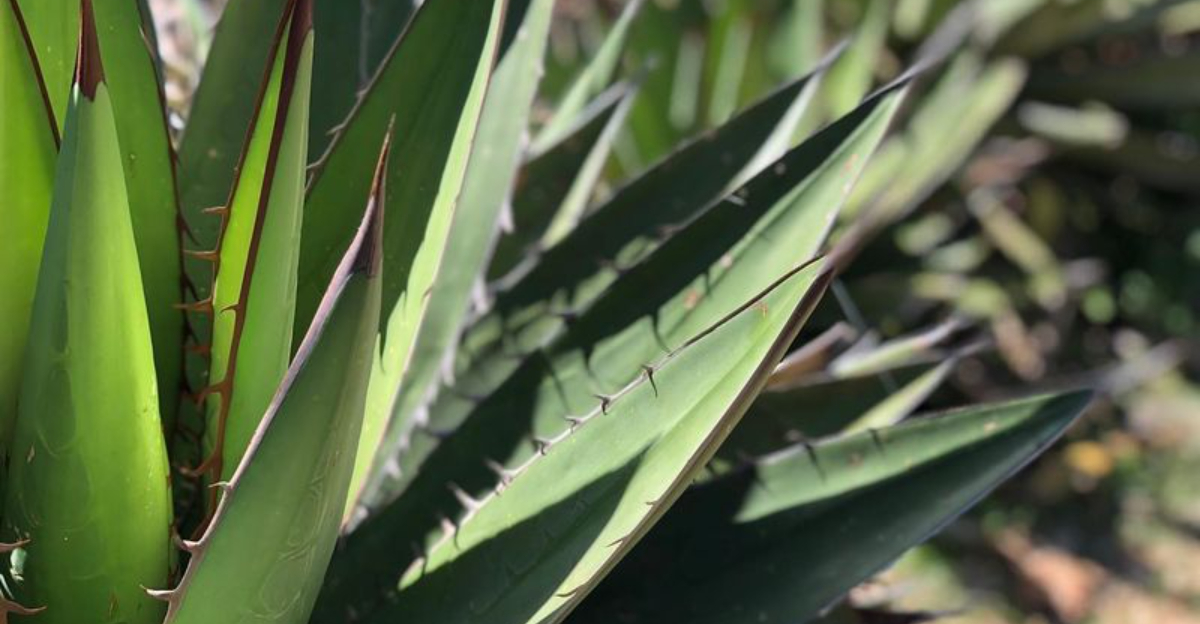
Agave plants have become a favorite choice for gardeners across New Mexico, and it’s easy to see why.
These striking succulents can handle the intense desert sun and dry conditions that make other plants struggle.
With their bold rosettes and architectural beauty, agaves add drama and texture to any landscape while requiring far less water and maintenance than traditional garden plants.
Whether you’re new to desert gardening or have been cultivating southwestern plants for years, understanding how to properly care for agaves will help you create a stunning outdoor space that thrives year-round.
New Mexico’s unique climate presents both opportunities and challenges for growing agaves.
The state’s high elevation, intense sunlight, dramatic temperature swings, and low humidity create conditions that can either help these plants flourish or cause them unexpected stress.
While agaves are naturally adapted to arid environments, they still need specific care to reach their full potential in your yard.
From choosing the right planting location to understanding watering schedules and soil requirements, small adjustments in your approach can make a significant difference in how well your agaves perform.
Learning to work with New Mexico’s climate rather than against it is the secret to success with these remarkable plants.
The following tips will guide you through the essential practices that keep agaves healthy, vibrant, and growing strong throughout every season.
1. Choose The Right Agave Species For Your Specific Zone
Not all agave varieties handle cold the same way, and New Mexico’s diverse climate zones mean that selecting the right species for your exact location matters tremendously.
Northern areas around Santa Fe and Taos experience much harsher winters than southern regions near Las Cruces, so matching your agave to your local conditions prevents frustration down the road.
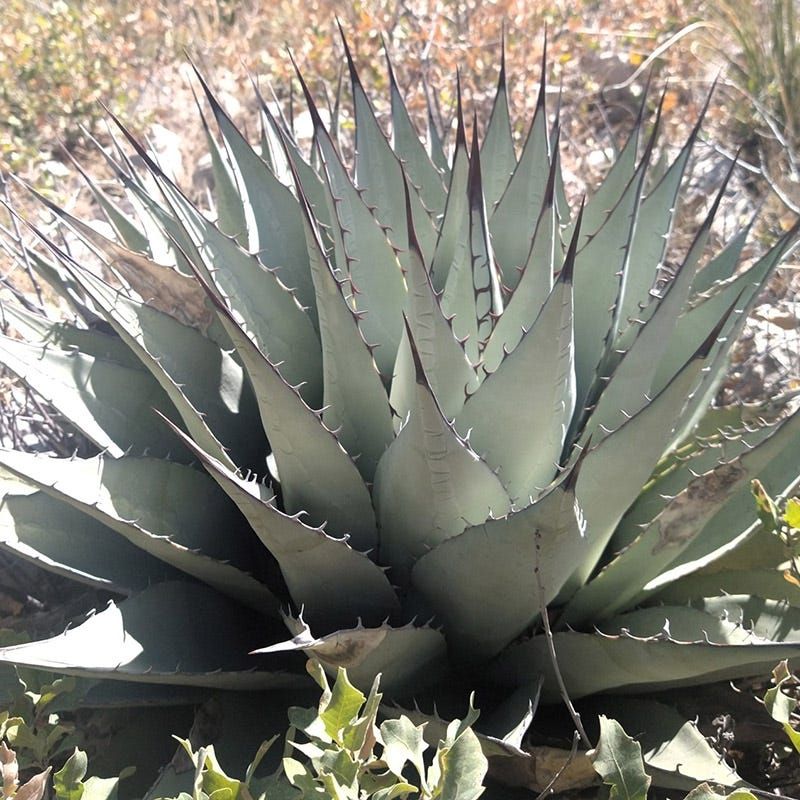
Agave parryi and Agave havardiana tolerate freezing temperatures beautifully and work well in higher elevation gardens, while Agave americana and Agave weberi prefer warmer zones with milder winters.
Research your USDA hardiness zone before purchasing any agave, and talk to local nurseries about which species perform best in your neighborhood.
Many garden centers across New Mexico stock regionally appropriate varieties that have proven track records in similar conditions.
Cold-hardy agaves can handle temperatures well below freezing, but tender species will suffer damage or decline when exposed to prolonged cold snaps.
Consider not just winter lows but also summer heat intensity, as some agaves appreciate afternoon shade even in desert climates.
Matching the plant to your environment from the start eliminates the need for excessive protection measures or disappointment when a poorly suited variety struggles.
New Mexico gardeners have access to dozens of agave species, so take advantage of this diversity by selecting plants that naturally thrive in your specific microclimate.
Visiting botanical gardens or observing which agaves flourish in established landscapes nearby provides valuable insight into what works locally.
When you choose species adapted to your zone, your agaves will establish faster, grow more vigorously, and require far less intervention to stay healthy and attractive throughout their lifespan in your garden.
Your New Mexico Garden Changes Every Week. Your Plan Should Too.
Gardening in New Mexico changes quickly throughout the season. Every Friday you’ll receive a simple weekly plan showing exactly what to plant, prune, fertilize, harvest, and protect so you never miss the right timing.
2. Plant In Well-Draining Soil With Proper Amendments
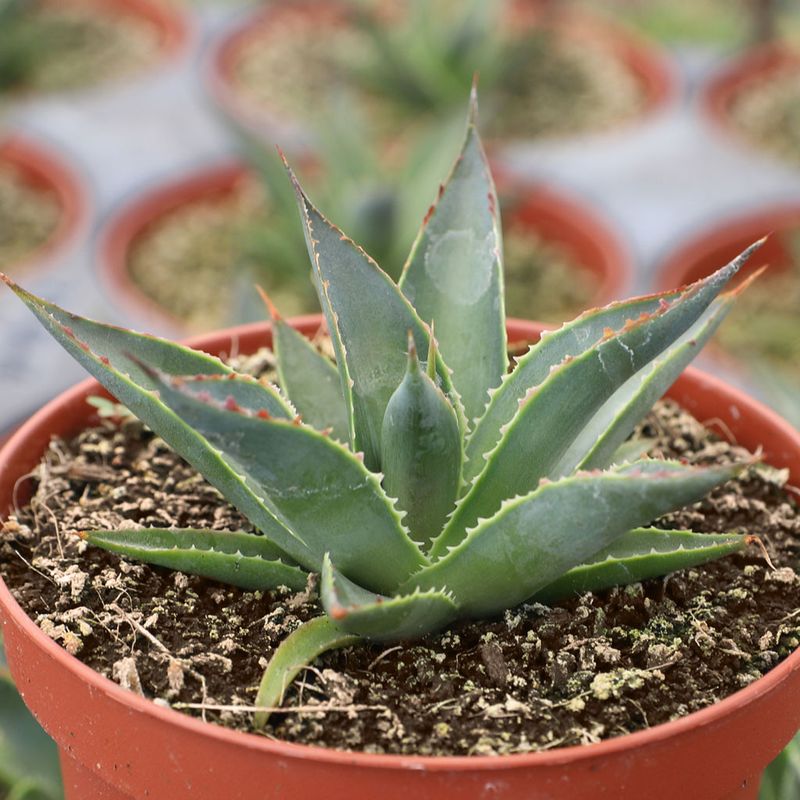
Soil drainage determines whether your agave thrives or struggles, and New Mexico’s clay-heavy soils in many areas can trap moisture around roots longer than these desert plants tolerate.
Agaves evolved in rocky, fast-draining environments where water moves through the soil quickly, so replicating these conditions in your garden is absolutely essential.
Heavy clay soils stay wet too long after rain or irrigation, creating conditions that stress agave roots and lead to rot problems that weaken or destroy plants.
Before planting, amend your native soil generously with coarse sand, pumice, or decomposed granite to improve drainage and create the gritty texture agaves prefer.
A mixture of roughly fifty percent native soil and fifty percent drainage-enhancing material works well for most New Mexico locations.
If your soil is particularly heavy, consider building raised beds or berms to elevate agaves above problem drainage areas.
Testing your amended soil by watering it thoroughly and observing how quickly water disappears gives you confidence that you’ve created suitable conditions.
Water should soak in within minutes rather than pooling on the surface or creating muddy spots.
Adding a layer of gravel mulch around your agaves after planting further improves drainage near the crown while reducing soil temperature fluctuations.
Never plant agaves in low spots where water collects after storms, as even brief periods of standing water can cause serious problems.
Throughout New Mexico, successful agave gardeners prioritize drainage above almost every other consideration, knowing that proper soil structure forms the foundation for long-term plant health and prevents the most common cultivation problems that plague these otherwise tough succulents.
3. Water Deeply But Infrequently During The Growing Season
Finding the right watering balance challenges many New Mexico gardeners who either overwater from habit or underwater from fear of harming their drought-tolerant agaves.
These plants actually need regular moisture during their active growing season from spring through early fall, but they require long dry periods between waterings to prevent root problems.
Deep, infrequent watering encourages agaves to develop strong root systems that reach down into the soil rather than staying shallow and weak near the surface.
During hot months, established agaves typically need water every two to three weeks depending on your location’s rainfall and temperature patterns.
When you water, soak the soil thoroughly until moisture penetrates at least twelve inches deep, then allow the soil to dry completely before watering again.
Shallow, frequent watering creates more problems than it solves by keeping the soil constantly moist and encouraging weak root development.
Newly planted agaves need more frequent watering for their first growing season while they establish, but you should still allow soil to dry between waterings.
Monitor your plants for signs of water stress like wrinkled leaves or loss of turgor, and adjust your schedule based on actual plant needs rather than following a rigid calendar.
Albuquerque and other central New Mexico locations may require different timing than cooler mountain communities or hotter southern valleys.
Reduce watering dramatically in fall and stop completely during winter when agaves enter dormancy and cannot process moisture efficiently.
Overwatering dormant plants causes more damage than any other mistake New Mexico gardeners make, so resist the urge to water during cold months even if soil appears dry and weather seems mild.
4. Provide Full Sun Exposure With Strategic Placement
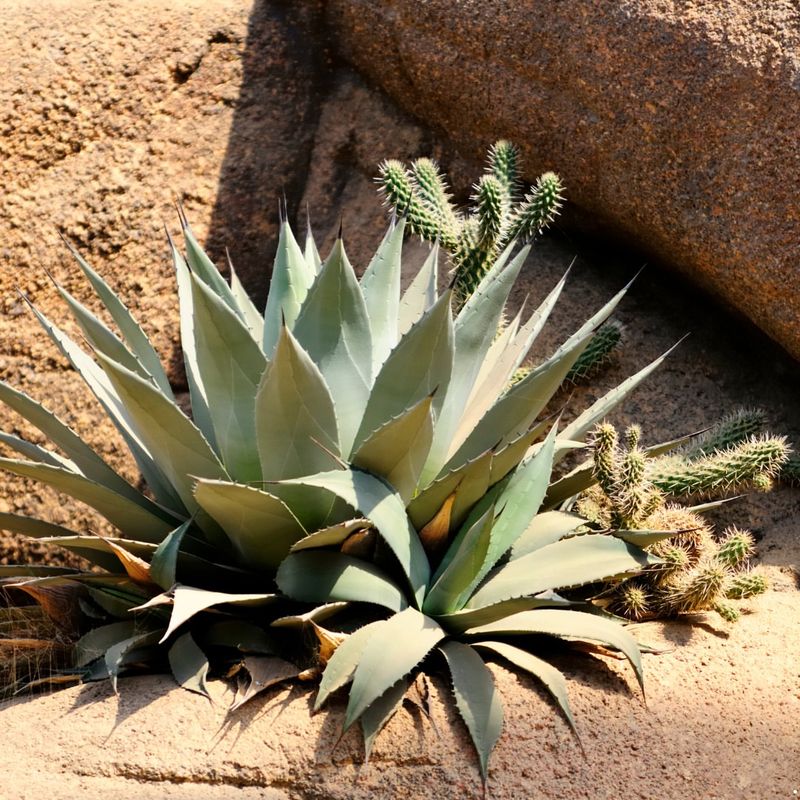
Sunlight fuels agave growth and brings out their best colors and most compact forms, and New Mexico’s abundant sunshine provides ideal conditions for these sun-loving succulents.
Most agave species need at least six to eight hours of direct sunlight daily to maintain their characteristic shape and vigor.
Insufficient light causes agaves to stretch and lose their tight rosette form, creating leggy, weak plants that lack the sculptural beauty that makes them so appealing in landscape designs.
Position your agaves in the sunniest spots available, typically on south or west-facing exposures that receive maximum daylight throughout the year.
New Mexico’s high elevation intensifies sunlight compared to lower elevations, which actually benefits most agave species that evolved in similar bright conditions.
However, a few varieties appreciate some afternoon shade during the hottest summer months, particularly in southern parts of the state where temperatures regularly exceed one hundred degrees.
Young agaves or recently transplanted specimens may need temporary shade cloth protection for their first summer until they acclimate to your garden’s full sun exposure.
Watch for signs of sun stress like bleaching or browning leaf tips, and provide light shade if needed during the adjustment period.
Once established, most agaves handle New Mexico’s intense sun without any protection whatsoever.
Avoid planting agaves under trees or near structures that cast shade for significant portions of the day, as competing for light weakens these plants over time.
Open, exposed locations that might seem harsh for other plants create perfect conditions for agaves to develop their most attractive forms and healthiest growth patterns throughout their years in your landscape.
5. Protect From Extreme Winter Conditions When Necessary
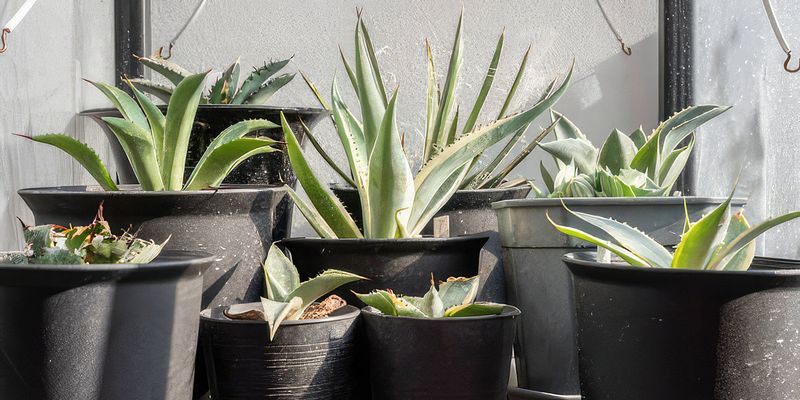
Winter protection needs vary dramatically across New Mexico depending on your elevation and the specific agave varieties you grow.
Cold-hardy species handle freezing temperatures without any help, but borderline varieties may need assistance during the coldest nights to prevent damage.
Understanding your agaves’ cold tolerance and your location’s typical winter lows helps you decide whether protection measures are necessary or if your plants can tough out winter on their own.
For agaves at the edge of their hardiness range, simple protection methods make the difference between success and disappointment.
Covering plants with frost blankets during extreme cold snaps, wrapping them with burlap, or constructing temporary shelters blocks damaging winds and insulates against temperature drops.
Remove coverings during warm spells to prevent moisture buildup and allow air circulation, as prolonged covering can create problems worse than cold exposure.
Keeping agaves dry during winter is actually more important than keeping them warm in most New Mexico locations.
Wet foliage combined with freezing temperatures causes far more damage than dry cold alone, so ensure your agaves have excellent drainage and avoid any winter watering.
Some gardeners in Albuquerque and Santa Fe grow borderline species in containers that move to protected areas during the coldest months, then return to prominent positions once spring arrives.
Mulching around agaves with gravel rather than organic materials prevents moisture retention near the crown while still providing some insulation for roots.
If your agaves show frost damage in spring, resist the urge to trim damaged leaves immediately and wait until new growth begins to assess the actual extent of injury before making any cuts to the plant.
6. Fertilize Sparingly With Low-Nitrogen Formulations
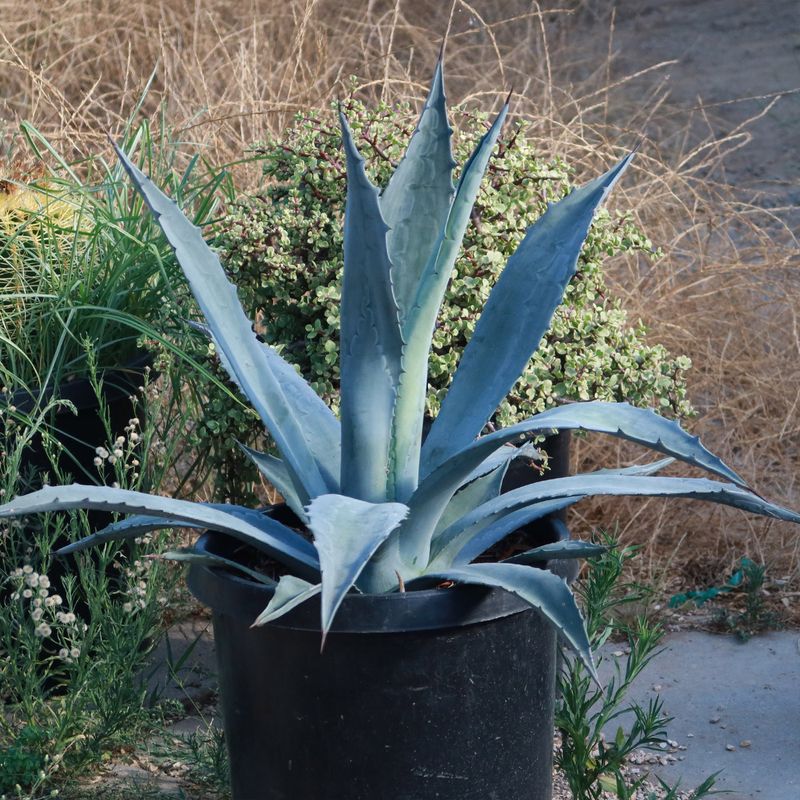
Agaves are remarkably efficient plants that extract nutrients from poor soils where other plants would struggle, so heavy fertilization actually works against their natural growth patterns.
Excessive nutrients, particularly nitrogen, cause agaves to grow too quickly and produce soft, weak tissue that’s more susceptible to problems than the tough, resilient growth these plants normally produce.
New Mexico’s naturally lean soils actually suit agaves perfectly, and most established plants need little to no supplemental feeding to perform beautifully year after year.
If you choose to fertilize, use a balanced, low-nitrogen formula designed for cacti and succulents, and apply it at half the recommended strength just once during the growing season.
Spring application as plants break dormancy provides a gentle boost without overwhelming their systems.
Slow-release granular fertilizers work better than liquid formulas for agaves because they provide nutrients gradually over time rather than delivering a sudden surge that promotes excessive growth.
Container-grown agaves need slightly more frequent fertilization than in-ground plants because regular watering leaches nutrients from potting mix more quickly than from garden soil.
Even so, fertilizing container agaves more than two or three times during the growing season is unnecessary and potentially harmful.
Throughout New Mexico, gardeners who fertilize sparingly report stronger, more attractive plants than those who feed heavily.
Pay attention to your agaves’ natural growth rate and appearance rather than following a strict fertilization schedule, as healthy plants with good color and steady growth don’t need additional nutrients.
Yellowing or pale foliage might indicate nutrient deficiency, but it more often signals watering issues or poor drainage rather than a need for fertilizer in these naturally frugal plants.
7. Remove Spent Leaves And Monitor For Pest Issues
Regular maintenance keeps your agaves looking their best and helps you catch potential problems before they become serious.
As agaves mature, their lower leaves naturally age and dry out, creating a skirt of dry foliage around the base that some gardeners appreciate for its textural interest while others prefer to remove for a cleaner appearance.
Either approach works fine, but removing spent leaves does allow better air circulation and makes it easier to spot any developing issues with the plant.
When trimming dried leaves, use sharp, clean pruning shears and cut as close to the base as possible without damaging healthy tissue.
Wear thick gloves and protective clothing because agave leaf margins and terminal spines are extremely sharp and can cause painful injuries.
New Mexico’s dry climate means that dry agave leaves dry completely rather than rotting, so there’s no urgency to remove them unless you prefer the tidier look or need to inspect the plant more closely.
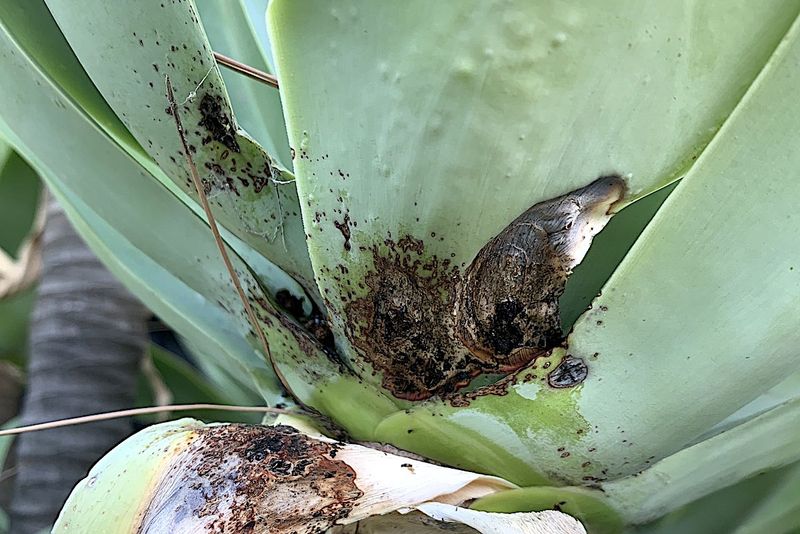
While agaves face few serious pest problems, agave snout weevils can cause devastating damage throughout New Mexico and warrant vigilance.
These beetles lay eggs in agave crowns, and their larvae tunnel through the plant’s core, causing collapse that happens quickly once symptoms appear.
Inspect your agaves regularly for signs of weevil activity like oozing sap, wilting center leaves, or small holes in the crown area.
Other occasional pests include scale insects and mealybugs that appear as white cottony masses or brown bumps on leaves, but these rarely cause serious harm and can be controlled with insecticidal soap or simply wiped away.
Maintaining overall plant health through proper culture remains your best defense against pest problems, as stressed agaves attract more issues than vigorous, well-cared-for specimens in New Mexico gardens.