10 Plants In Massachusetts Gardens That Are Better Left Snow Covered
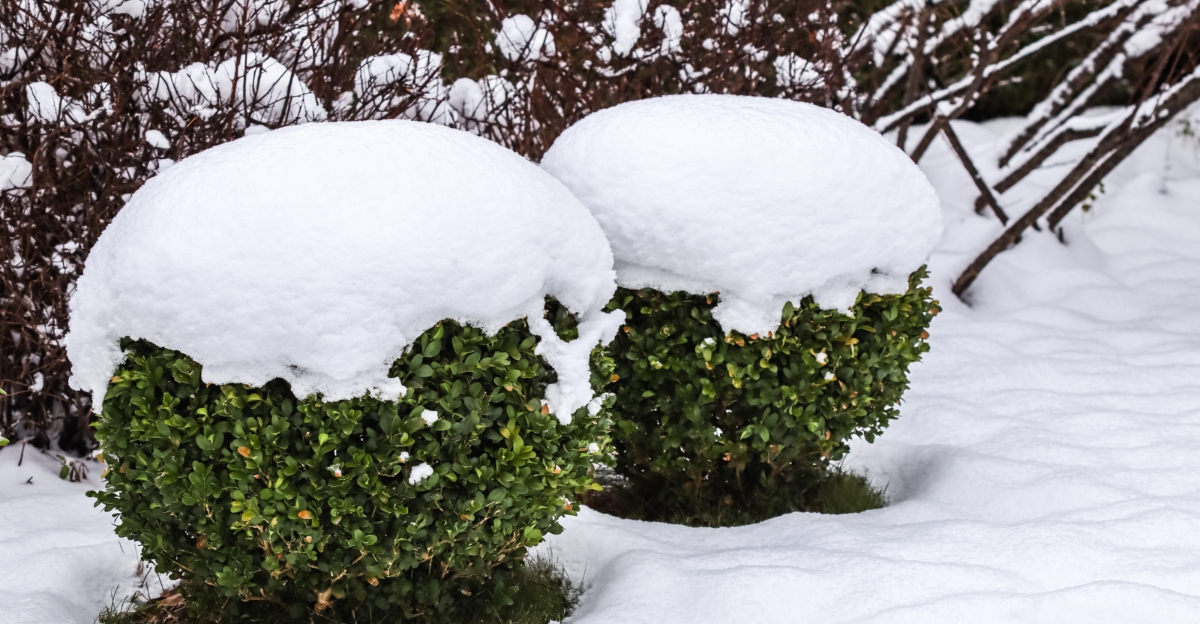
Snow often looks like a nuisance in Massachusetts gardens, yet it quietly plays an important role when it’s allowed to settle and remain in place after winter storms.
Cold winters can leave many plants vulnerable, but a consistent layer of snow acts as natural insulation against sudden temperature swings and deep freezes.
Gardeners sometimes feel the urge to clear beds quickly after snowfall, without realizing they may be removing protection plants depend on during the coldest weeks.
Certain plants actually benefit from staying covered, resting safely beneath snow until winter gradually begins to loosen its grip.
Snow helps regulate soil temperatures, reducing the damaging cycle of freezing and thawing that can stress roots and weaken plants over time.
It also shields crowns, stems, and low growth from harsh winter winds that can dry out exposed plant tissue.
Massachusetts winters often shift between mild stretches and sudden cold snaps, making this natural insulation especially valuable.
Leaving snow undisturbed allows plants to remain dormant without constant stress from fluctuating conditions above ground.
When spring finally approaches, those protected plants often emerge stronger, fuller, and more evenly than expected.
In many Massachusetts gardens, letting snow stay where it falls leads to healthier plants than clearing it away too early.
1. Boxwood Shrubs
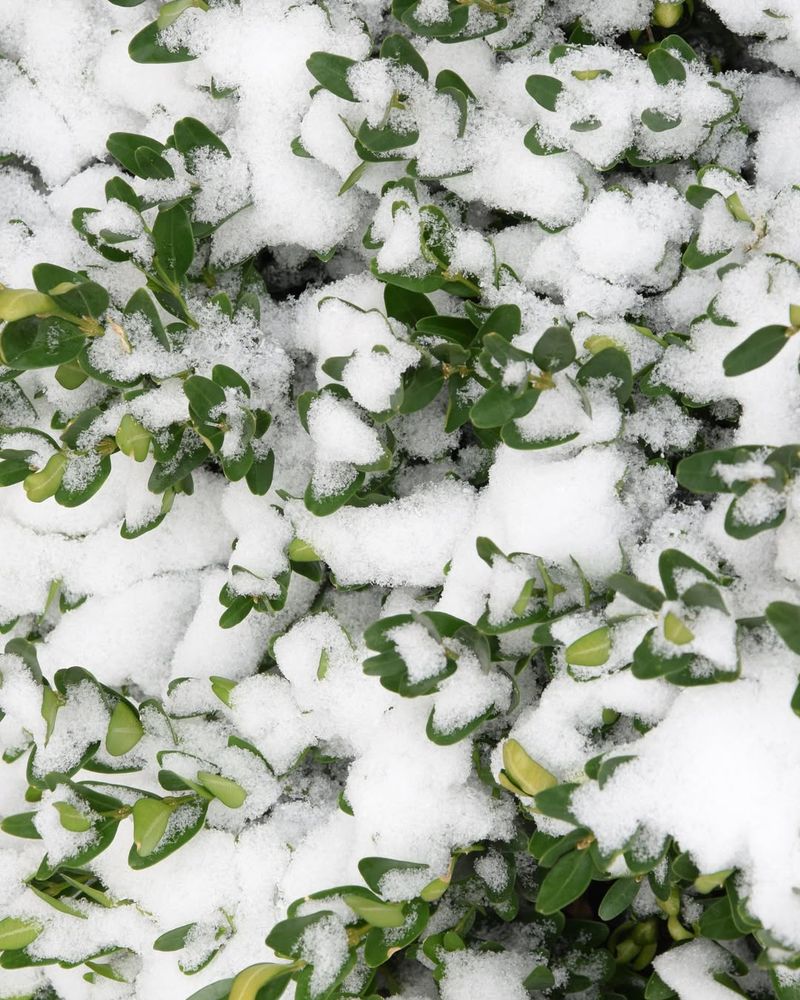
Those tidy evergreen shapes seen throughout Massachusetts yards rely on winter snow far more than most homeowners ever realize.
Snow acts like a protective shield for these evergreens, keeping their branches safe from freezing winds that can cause serious browning damage.
Many gardeners make the mistake of shaking snow off boxwoods, thinking they are helping, but this actually exposes delicate foliage unnecessarily.
Heavy snow can weigh down branches, but the insulation it provides far outweighs any temporary bending that might occur during storms.
Boxwoods have flexible branches that usually bounce back once the snow melts naturally, so patience is your best gardening tool here.
Removing snow manually can snap cold, brittle branches and create openings where winter burn sneaks in to damage your beautiful plants.
Massachusetts winters are unpredictable, swinging between freezing temperatures and sudden thaws that stress boxwoods more than consistent cold ever could.
The snow layer moderates these temperature swings, keeping roots at a more stable temperature and preventing the freeze-thaw cycles that harm roots.
Let nature do its work, and your boxwoods will emerge healthier, greener, and ready to grow vigorously when spring arrives.
2. Rhododendrons
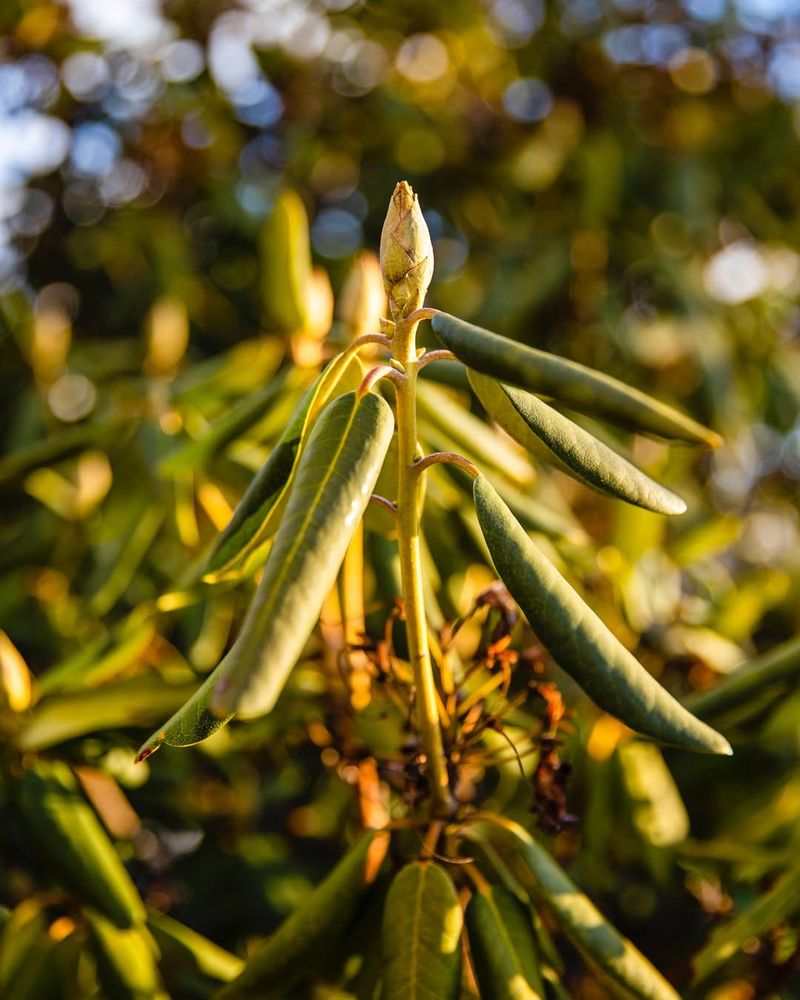
That dramatic leaf curling noticed during cold weather is a built-in survival response that works best when snow stays put.
Their broad evergreen leaves curl up tightly during cold snaps, which is a natural protective response that helps them conserve precious moisture.
Snow covering these curled leaves provides extra insulation that keeps the plant from losing water through a process called winter desiccation.
Brushing snow off rhododendrons disrupts this natural protection and can actually cause more harm than leaving them peacefully blanketed until warmer weather.
The weight of snow rarely damages these sturdy shrubs because their branches are surprisingly flexible and designed to handle Massachusetts winter conditions.
Your Massachusetts Garden Changes Every Week. Your Plan Should Too.
Gardening in Massachusetts changes quickly throughout the season. Every Friday you’ll receive a simple weekly plan showing exactly what to plant, prune, fertilize, harvest, and protect so you never miss the right timing.
Forcing snow removal can bend branches at awkward angles or crack them when they are brittle from the extreme cold temperatures.
Root systems benefit enormously from snow cover because it keeps soil temperatures more consistent, preventing the damaging freeze-thaw cycles that plague our region.
Rhododendrons in Massachusetts gardens that stay snow-covered through winter typically show better leaf color and more abundant flowering when spring finally rolls around.
Trust the snow to do its job, and your rhododendrons will reward you with stunning blooms and healthy growth.
3. Perennial Hostas
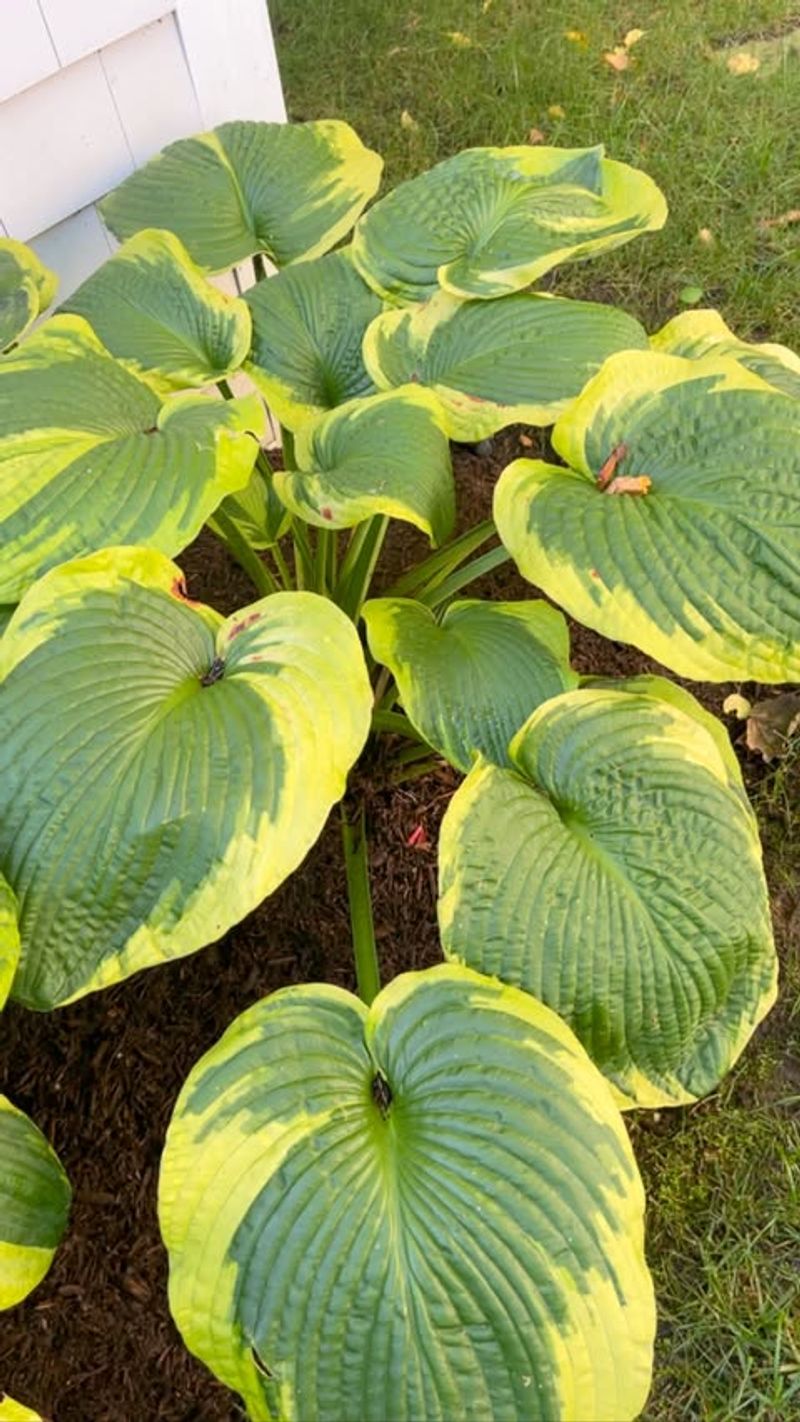
Even when garden beds look empty, these shade-loving plants are resting safely underground beneath a steady layer of snow.
These perennials go completely dormant during winter, with all their leaves dying back and their energy retreating safely into underground root systems.
Snow acts as a perfect insulating blanket for dormant hosta crowns, protecting them from temperature extremes that could damage next season’s growth.
Many gardeners worry about clearing snow from garden beds, but hostas actually prefer to stay buried under that protective white layer all winter.
The snow keeps soil moisture levels more stable and prevents the ground from heaving, which can push hosta crowns out of the soil.
Massachusetts experiences frequent freeze-thaw cycles that make heaving a real concern, so that snow blanket becomes incredibly valuable for these popular perennials.
Leaving snow undisturbed over your hosta beds also protects emerging shoots in early spring when late snowfalls can still surprise us here.
Those tender new shoots are extremely vulnerable to frost damage, and snow cover keeps them dormant just a little longer until conditions improve.
Your Massachusetts hostas will emerge stronger and healthier when you resist the urge to clear away their winter protection too early.
4. Lavender Plants
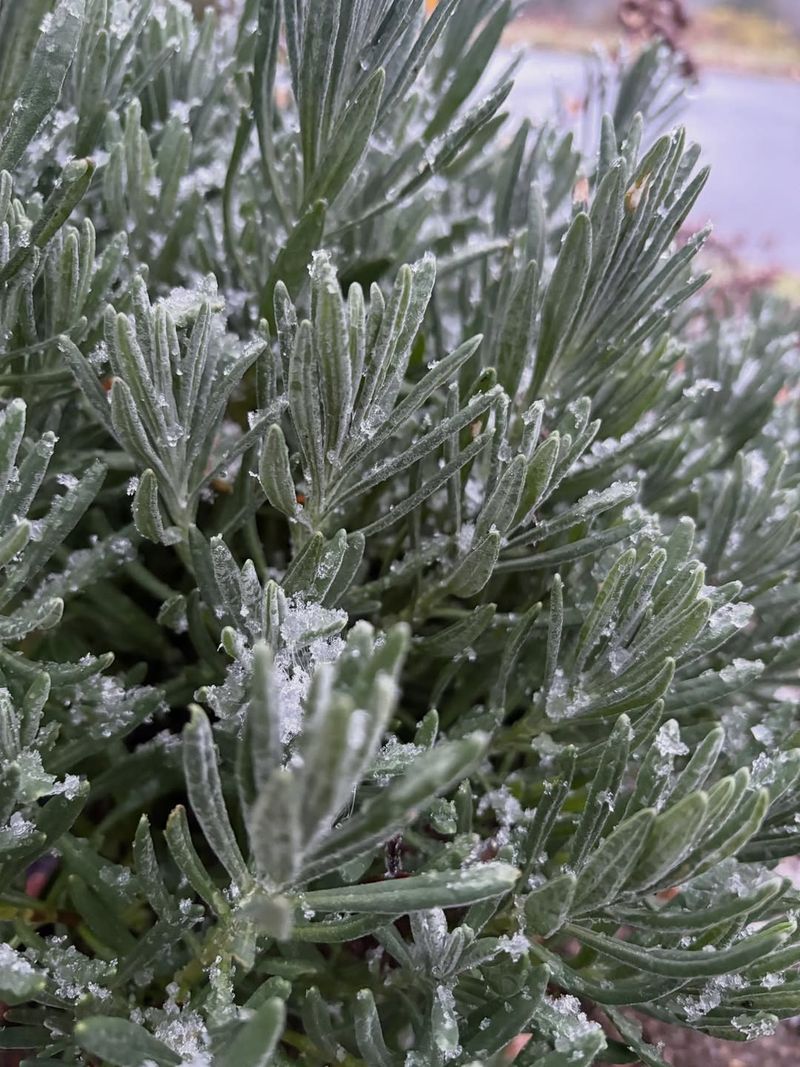
Although it thrives in dry summer conditions, this fragrant herb depends on snow cover to survive harsh Massachusetts winters.
These aromatic herbs are not naturally adapted to our harsh New England winters, making snow cover especially important for their survival through cold months.
Snow insulates lavender roots from severe temperature drops that can damage or stress these somewhat tender plants in our challenging Massachusetts climate.
Gardeners often assume lavender needs to be cleared of snow because it prefers dry conditions during its growing season, but winter is different.
Snow cover actually protects lavender from the drying winter winds that can desiccate foliage and damage woody stems more than moisture ever could.
The insulation keeps temperature fluctuations minimal, which is crucial for lavender varieties that struggle with our unpredictable New England weather patterns and conditions.
Massachusetts lavender growers know that plants left under snow blankets consistently show better spring recovery and more vigorous growth than those exposed all winter.
The snow also prevents ice from forming directly on stems, which can cause splitting and other structural damage that weakens the plant.
Allow your lavender to rest peacefully under its snowy blanket, and it will thank you with fragrant blooms and healthy growth.
5. Japanese Pieris
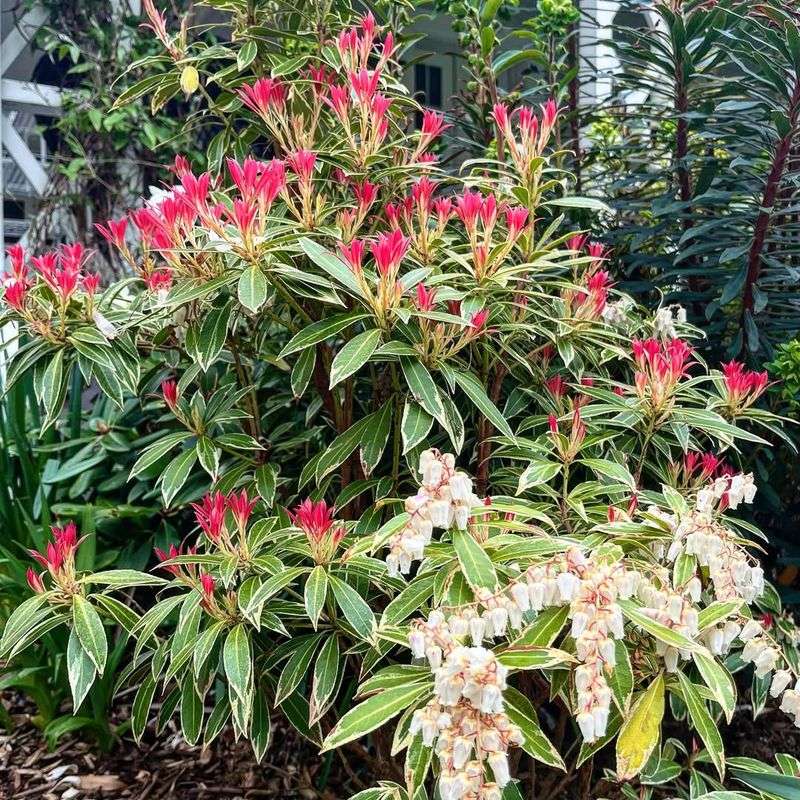
Flower buds formed in fall spend the entire winter exposed, making snow cover critical for protecting future spring blooms.
This woodland shrub naturally evolved to handle snow loads in its native mountainous regions, making it perfectly suited for our snowy New England winters.
Snow cover protects the flower buds that form in fall and sit waiting through winter, keeping them safe from harsh winds and temperature swings.
Removing snow from Pieris can expose those precious buds to damaging conditions that reduce spring flowering, which is the plant’s main ornamental feature.
The shrub’s structure is designed to shed snow naturally when conditions are right, so manual intervention is unnecessary and potentially harmful to branches.
Massachusetts gardeners who leave their Pieris undisturbed under snow consistently report better bloom displays and healthier foliage come spring and summer months.
Snow insulation also protects Pieris from winter sunscald, which occurs when sunny winter days warm foliage only to have freezing nights damage those tissues.
The evergreen leaves can suffer significant browning from this phenomenon, but snow cover prevents those damaging temperature swings from affecting leaf tissues.
Trust your Japanese Pieris to handle its snow blanket naturally, and you will enjoy spectacular cascading flowers when warmer weather finally arrives.
6. Coral Bells
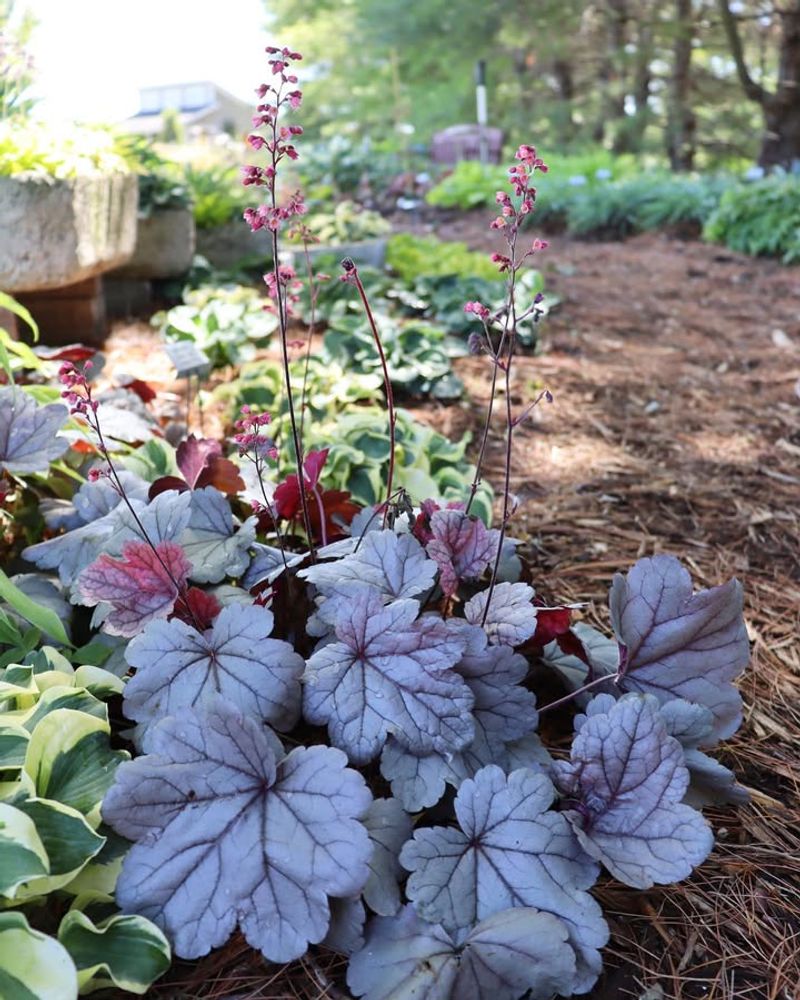
Those colorful leaves hugging the soil surface are much more vulnerable to winter temperature swings than they appear.
These low-growing perennials form attractive mounds that look beautiful even in winter when their leaves take on rich, cold-weather colors and textures.
Snow covering Coral Bells protects their shallow root systems from the freeze-thaw cycles that are so common in our unpredictable Massachusetts climate.
Gardeners sometimes worry that snow will crush the foliage, but Coral Bells are surprisingly resilient and their leaves naturally lie close to ground.
The snow blanket keeps crown temperatures stable, preventing the heaving that can push these shallow-rooted plants right out of the soil entirely.
Massachusetts winters can be especially tough on Coral Bells without adequate snow cover, leading to winter damage that sets plants back significantly.
Leaving snow in place over your Coral Bells also maintains soil moisture levels that keep roots healthy even when they are dormant.
The insulation prevents extreme cold from penetrating deeply into the soil where delicate root systems could suffer damage or stress from temperature extremes.
Your Massachusetts Coral Bells will emerge in spring with vibrant foliage and strong growth when you let them rest under their protective blanket.
7. Dwarf Conifers
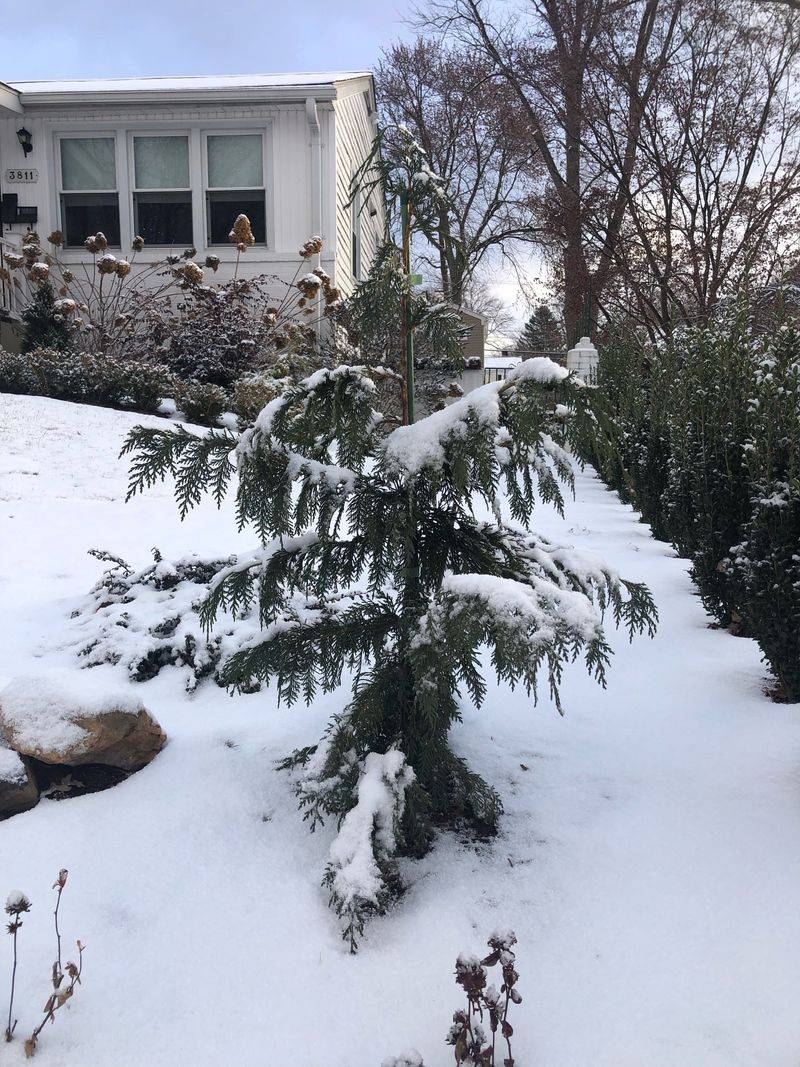
Compact evergreens may look sturdy year-round, but winter wind causes far more damage than settled snow ever does.
These compact evergreens come in countless varieties, from globe-shaped spruces to pyramidal junipers, each bringing unique character to landscape designs and plantings.
Snow cover protects their needles from drying winter winds that can cause browning and damage that takes years to grow out completely.
Many gardeners assume they should clear snow from dwarf conifers to prevent branch damage, but these plants are actually built to handle it.
Their dense, compact growth habit naturally sheds excessive snow, while a moderate covering provides valuable insulation for both foliage and root systems below.
Massachusetts winters can be particularly harsh on evergreen foliage, making that snow protection essential for maintaining the rich green or blue colors gardeners love.
Removing snow manually can actually cause more harm by breaking brittle branches or disturbing the natural architecture that makes dwarf conifers so appealing.
The snow layer moderates temperature around the plant, preventing the rapid freezing and thawing that stresses evergreen tissues and causes winter burn damage.
Let your Massachusetts dwarf conifers rest under their snow blankets, and they will maintain their beauty and health throughout the entire season.
8. Sedum Ground Covers
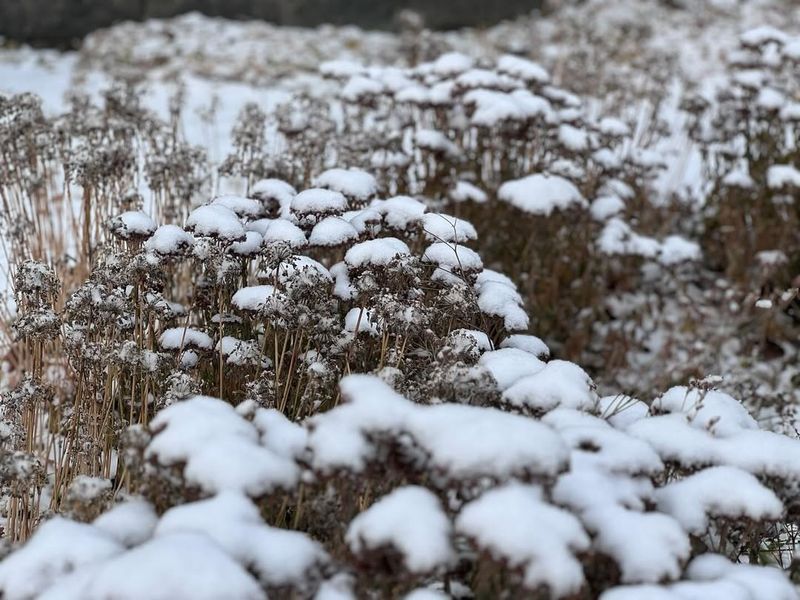
Low-growing plants that spread across the soil benefit greatly from being buried during repeated winter snowfalls.
These hardy perennials go dormant in winter, with their foliage often turning beautiful shades of red, bronze, or burgundy before cold weather arrives.
Snow covering dormant sedums protects their shallow roots and crowns from the temperature extremes that can damage these otherwise tough little plants.
Gardeners might think sedums need no protection because they are so drought-tolerant and hardy, but winter presents different challenges than summer conditions.
The snow blanket prevents freeze-thaw cycles from heaving sedum roots out of the soil, which is especially important for newly planted ground covers.
Massachusetts experiences some of the most dramatic temperature swings in the country, making that insulating snow layer incredibly valuable for plant survival.
Leaving snow in place over sedum beds also protects early spring growth from late frosts that can damage tender new shoots and leaves.
The snow delays emergence slightly, which actually benefits the plants by keeping them dormant until conditions are truly favorable for active growth.
Your Massachusetts sedum ground covers will fill in more thickly and bloom more abundantly when you resist clearing their protective winter blanket.
9. Yew Shrubs
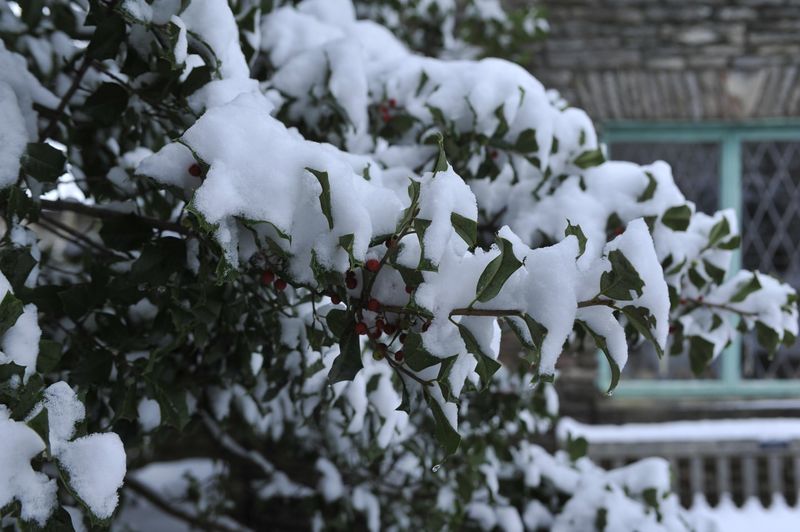
Dense evergreen hedges handle snow weight with ease while suffering more when exposed to drying winter conditions.
These versatile plants work beautifully as foundation plantings, hedges, or specimen shrubs throughout residential and commercial landscapes across the entire state.
Snow cover protects yew needles from winter burn, which occurs when sunny days warm foliage but frozen roots cannot replace lost moisture effectively.
Many homeowners worry about snow weight damaging their carefully shaped yew hedges and feel compelled to brush off accumulation after every storm.
However, yews are incredibly strong and their flexible branches can handle significant snow loads without sustaining damage to their structure or form.
Massachusetts yew shrubs that remain snow-covered actually maintain better needle color and show less browning than those that are constantly cleared and exposed.
The insulation snow provides keeps yew roots at stable temperatures, preventing the stress that comes from our region’s notorious freeze-thaw cycles throughout winter.
Yews in Massachusetts gardens benefit from this protection because it allows them to conserve energy and resources for robust spring growth and recovery.
Allow your yews to rest peacefully under their snow blankets, and they will reward you with dense, healthy growth and rich color.
10. Hardy Ferns
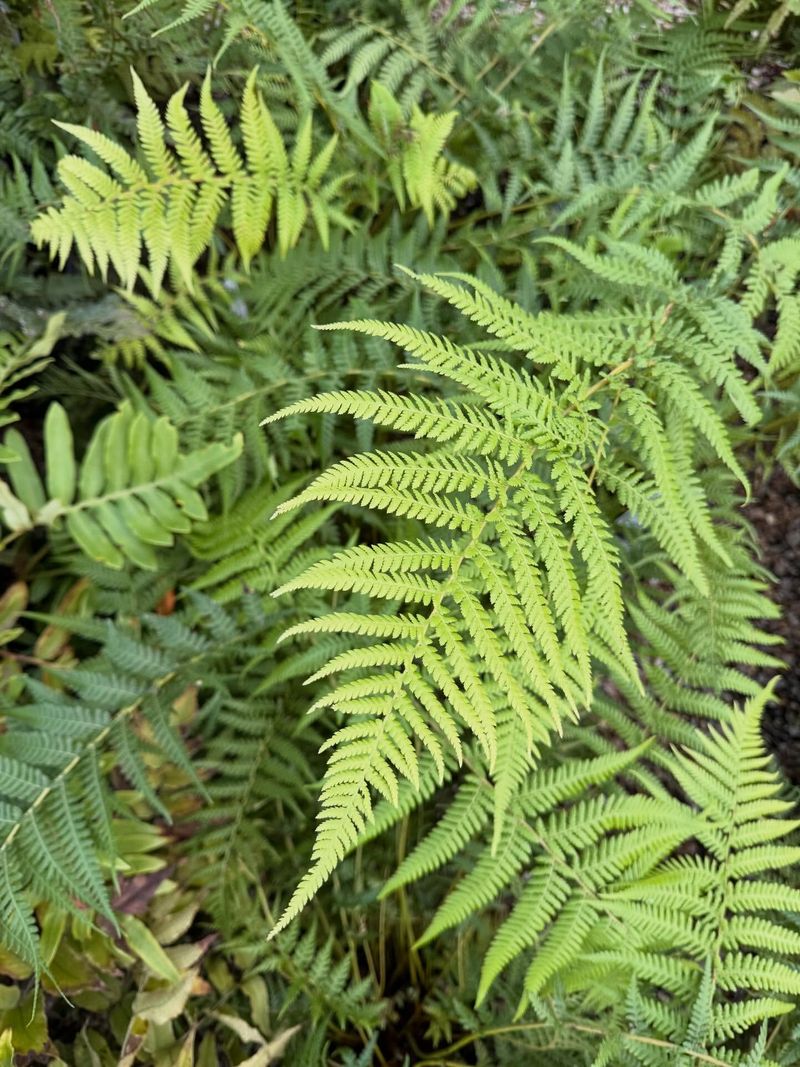
What appears to be lifeless foliage in winter actually plays an important role in protecting next season’s growth.
Most hardy ferns go dormant in winter, with their fronds turning brown and lying flat across the crown to protect next season’s growth.
Snow covering these dormant ferns provides crucial insulation for the underground rhizomes that will produce fresh fronds when spring weather finally arrives here.
Gardeners often clean up fern beds in fall, but leaving the old fronds in place under snow actually provides better winter protection for plants.
The combination of dead fronds and snow creates a perfect microclimate that keeps soil temperatures stable and prevents damaging freeze-thaw cycles from occurring.
Massachusetts ferns that stay covered all winter consistently show earlier emergence and more vigorous growth than those that are cleared or exposed unnecessarily.
Snow cover also maintains soil moisture levels that keep fern rhizomes healthy even during dormancy, preventing the desiccation that can weaken these plants.
The insulation protects emerging fiddleheads in early spring when late snowfalls can still occur and damage tender new growth without adequate protection.
Your Massachusetts ferns will unfurl more beautifully and fill in more completely when you let them rest under their natural winter blanket.