Neighbor’s Tree Causing Drainage Issues In Oregon? Here’s Who’s Responsible
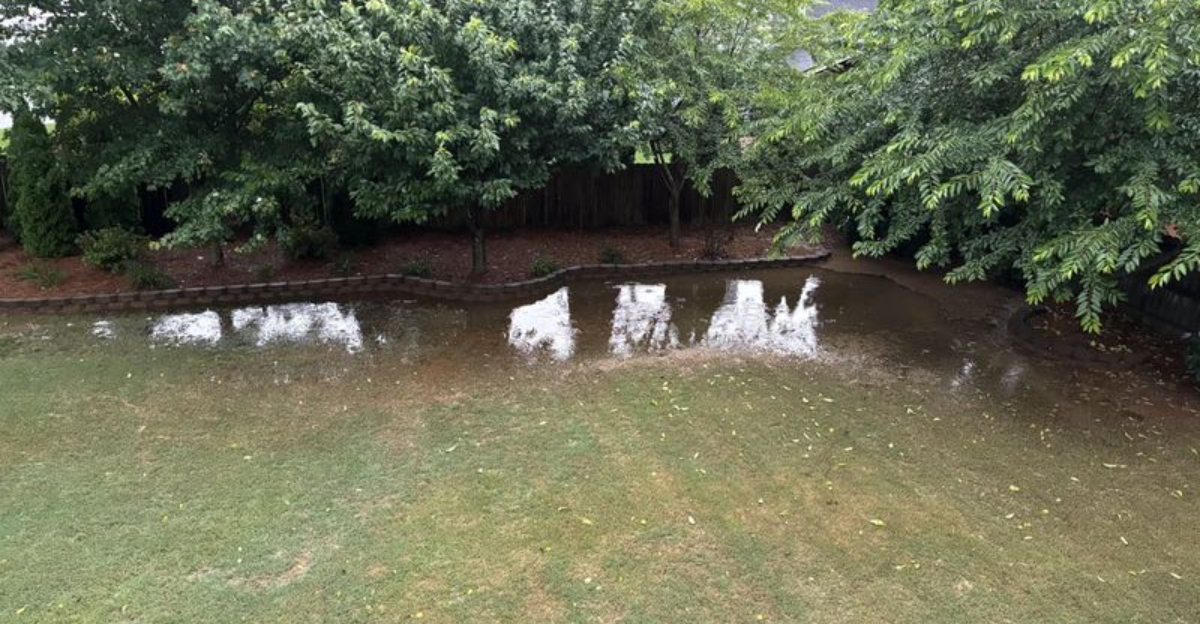
It can be frustrating when water starts pooling in your yard or soggy spots appear after heavy rain, and even more so when it looks like a neighbor’s tree might be the cause.
Suddenly, questions pop up: who’s responsible, and how do you handle it without creating tension?
In Oregon, the general rule is that homeowners are responsible for their own trees and any damage those trees cause to neighboring property.
That can include overhanging branches, roots that interfere with drainage systems, or leaves and debris that block water flow.
The details can get a bit tricky, especially since local city or county rules may affect how these situations are handled.
Knowing the regulations in your area can save a lot of confusion and stress.
The best approach is usually a mix of preparation and communication.
Document the problem clearly, and talk with your neighbor in a friendly, cooperative way.
Often, simple solutions like trimming branches, adjusting drainage, or redirecting water, can resolve the issue.
In more complex cases, professional help may be necessary.
Here’s what you need to know about who’s responsible when a neighbor’s tree causes drainage issues in Oregon, and how to handle it effectively while keeping the peace.
1. How Trees Can Interfere With Drainage In The First Place
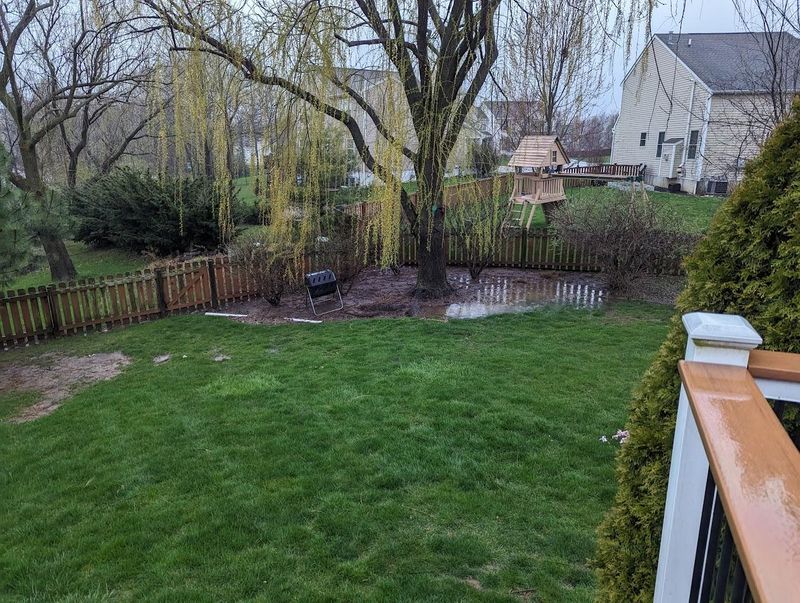
While trees add shade and character to a yard, their roots and fallen leaves can sometimes cause significant drainage problems.
Root systems spread wide underground, sometimes reaching far beyond the tree’s canopy.
When roots grow into drainage pipes or ditches, they can block water flow and cause flooding in your yard.
Leaves, branches, and seeds also pile up in gutters, storm drains, and natural water channels.
Over time, this debris acts like a dam and stops rainwater from moving where it should go.
Clay soil, which is common in many Oregon areas, makes the problem worse because water does not soak in quickly.
Large trees with aggressive root systems, like willows and poplars, are frequent culprits.
Even smaller trees can cause trouble if planted too close to drainage features.
Understanding how trees affect water movement helps you identify the source of your drainage issue.
Once you know what is happening, you can take the right steps to fix it.
Recognizing the problem early can prevent costly repairs down the road.
2. Where Property Lines And Tree Ownership Really Matter

Property lines play a huge role in determining who is responsible for a tree and its effects.
If a tree’s trunk sits entirely on your neighbor’s property, they own it and are generally responsible for it.
But if the trunk crosses the property line, both neighbors share ownership and responsibility.
Shared trees can make things complicated, especially when damage occurs.
Oregon law recognizes that both owners must agree before trimming or removing a shared tree.
Knowing exactly where your property line runs is the first step in figuring out ownership.
You can check your property deed, survey maps, or hire a surveyor if the boundary is unclear.
Your Oregon Garden Changes Every Week. Your Plan Should Too.
Gardening in Oregon changes quickly throughout the season. Every Friday you’ll receive a simple weekly plan showing exactly what to plant, prune, fertilize, harvest, and protect so you never miss the right timing.
Even if the tree belongs to your neighbor, you still have some rights.
You can trim branches or roots that cross onto your property, as long as you do not harm the tree’s health.
However, you cannot enter your neighbor’s land without permission to do this work.
Clear boundaries help avoid confusion and conflict when drainage problems arise.
3. What Oregon Law Says About Natural Water Flow
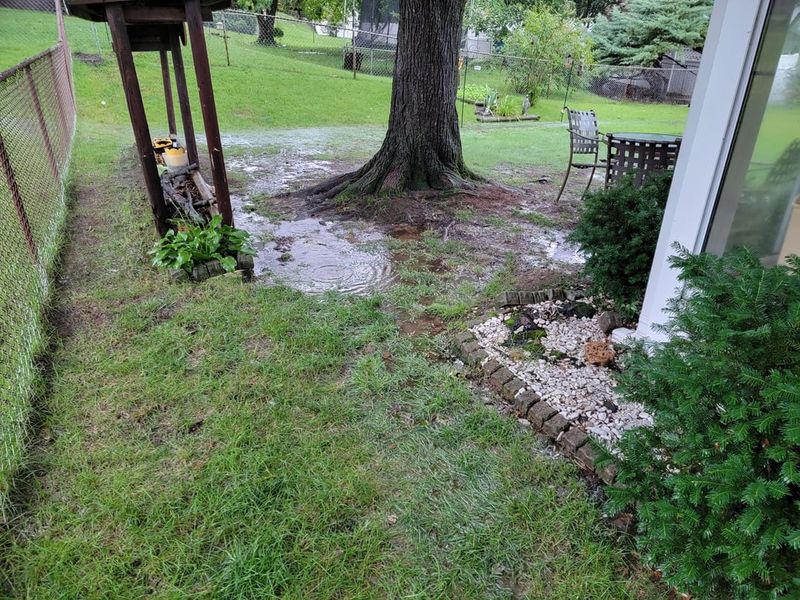
Oregon follows something called the natural flow doctrine, which protects how water moves across land.
This legal principle means you cannot block or change the natural drainage pattern in a way that harms your neighbor.
If your neighbor’s tree disrupts the natural flow of water onto your property, they might be liable for the damage.
But proving this can be tricky, because you need to show that the tree caused an unnatural change.
Water naturally flows downhill, and property owners must accept some water from higher ground.
However, if a tree’s roots or debris create a new problem that did not exist before, your neighbor might have to fix it.
Oregon courts look at whether the interference was reasonable and whether the tree owner acted responsibly.
For example, if your neighbor planted a tree knowing it would block drainage, they could be held responsible.
On the other hand, if the tree was there long before either of you moved in, the situation is less clear.
Understanding this law helps you know when you have a valid claim.
Consulting a local attorney can clarify your specific situation.
4. When Tree Roots Cross Into Your Yard
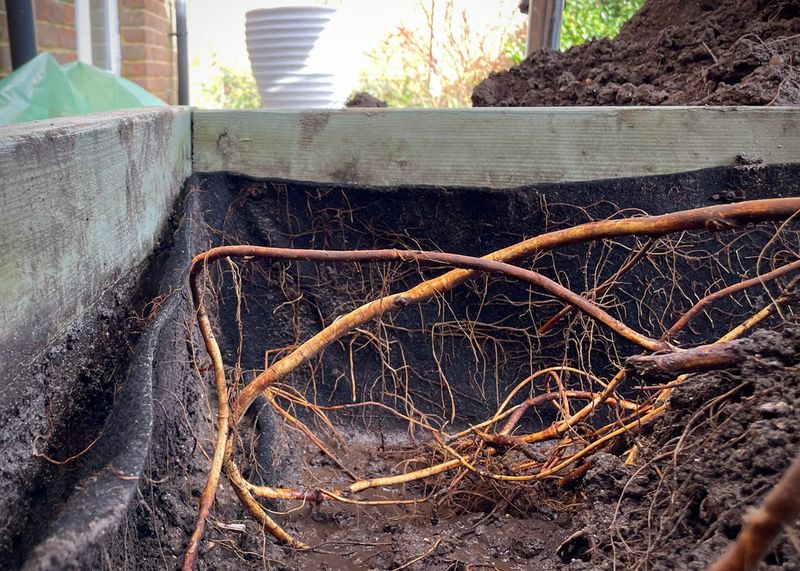
Tree roots do not respect property lines, and they often spread far beyond where the tree stands.
When roots invade your yard and damage drainage systems, you have the right to cut them back.
Oregon law allows you to trim roots that cross onto your property, but you must do so carefully.
Cutting too many roots or severing major ones can harm or even topple the tree.
If you damage the tree, your neighbor could sue you for the loss.
Before you start cutting, take photos and document the damage the roots have caused.
This evidence can protect you if a dispute arises later.
It is also smart to consult an arborist who can advise on safe trimming methods.
An arborist can tell you which roots can be cut without endangering the tree’s stability.
If the roots have broken your drainage pipes, you might be able to recover repair costs from your neighbor.
However, you will need to prove that their tree caused the damage.
Keeping records and acting responsibly can help you resolve the issue fairly.
5. Who Pays When Drainage Damage Happens
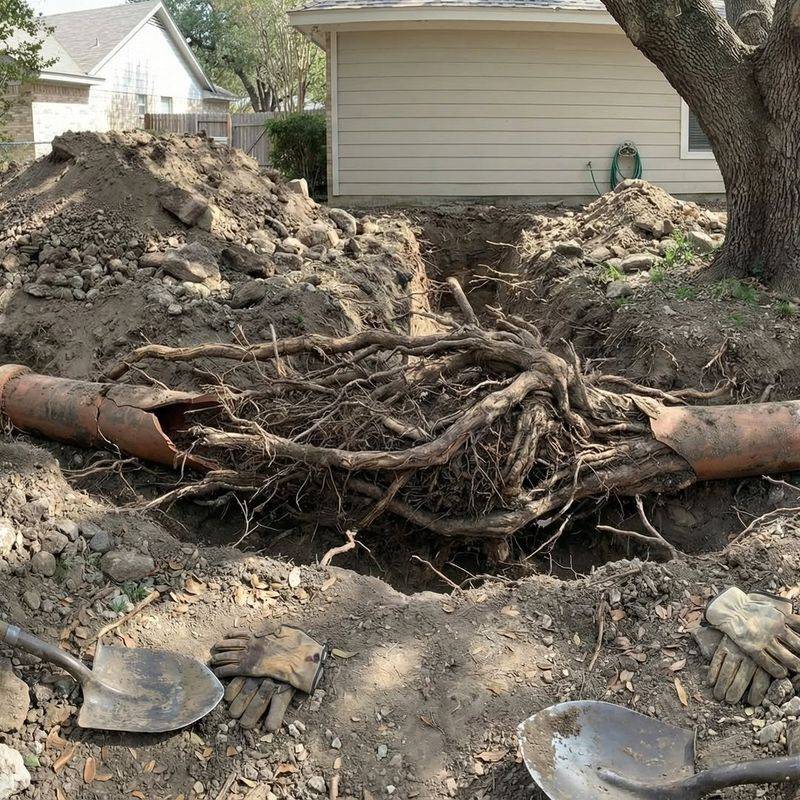
Figuring out who pays for drainage damage depends on several factors, including fault and negligence.
If your neighbor’s tree caused the problem and they knew about it but did nothing, they might be liable.
Negligence means they failed to take reasonable care, like ignoring obvious signs of root damage.
In that case, they could be responsible for repair costs and any related harm.
However, if the tree was healthy and the damage was unforeseeable, they might not owe you anything.
Oregon law does not automatically make tree owners pay for all damage their trees cause.
You need to show that they were careless or that the tree created a nuisance.
A nuisance is something that unreasonably interferes with your use and enjoyment of your property.
If you can prove this, you may be able to recover costs through small claims court or negotiation.
Your homeowner’s insurance might also cover some drainage repairs, depending on your policy.
Check with your insurer before you pay out of pocket.
Keeping detailed records of all damage and communication can strengthen your case.
6. Talking With Your Neighbor Before Things Escalate
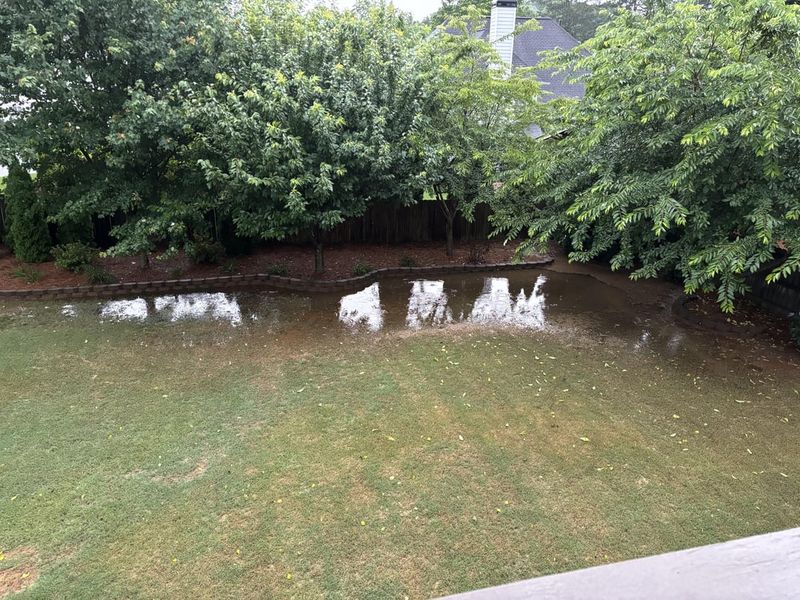
A friendly conversation can often solve drainage problems without lawyers or lawsuits.
Start by approaching your neighbor calmly and explaining what you have noticed.
Bring photos or other evidence to show them the issue clearly.
Many people do not realize their tree is causing a problem until someone points it out.
Offer to work together on a solution, like sharing the cost of root trimming or drainage repair.
Being cooperative and respectful increases the chance of a positive outcome.
Avoid blaming or accusing them, as this can make them defensive and less willing to help.
If they agree to fix the problem, put the agreement in writing so both of you know what to expect.
A simple written note with dates and responsibilities can prevent misunderstandings later.
If your neighbor refuses to talk or denies responsibility, document every attempt you make to reach them.
This record will be valuable if you need to take legal action.
Good communication can save time, money, and your relationship with the people next door.
7. When Legal Help Or Mediation Makes Sense
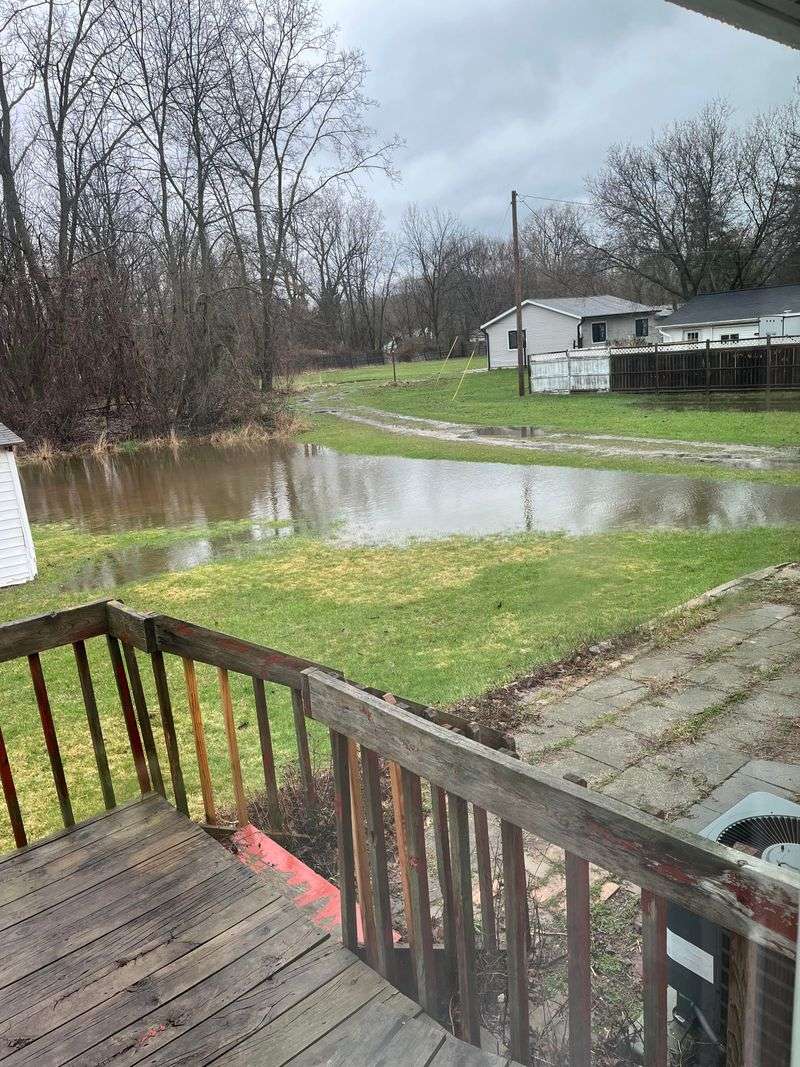
Sometimes talking does not work, and you need outside help to resolve a drainage dispute.
Mediation is a good first step because it is less expensive and stressful than going to court.
A neutral mediator helps both sides discuss the problem and find a fair solution.
Many Oregon communities offer mediation services for neighbor disputes at low or no cost.
If mediation fails, you might need to hire a lawyer and consider filing a lawsuit.
Small claims court is an option if your damages are under a certain amount, usually around ten thousand dollars.
For larger claims or complex cases, you will need to file in circuit court.
A lawyer can help you understand your rights, gather evidence, and present your case effectively.
Legal action should be a last resort, but it is sometimes necessary to protect your property.
Keep in mind that lawsuits can take time and money, so weigh the costs carefully.
Before you file, make sure you have strong evidence that the tree caused the damage and that your neighbor was negligent.
Legal help can provide clarity and justice when other options fail.
8. Simple Ways To Prevent Future Drainage Problems
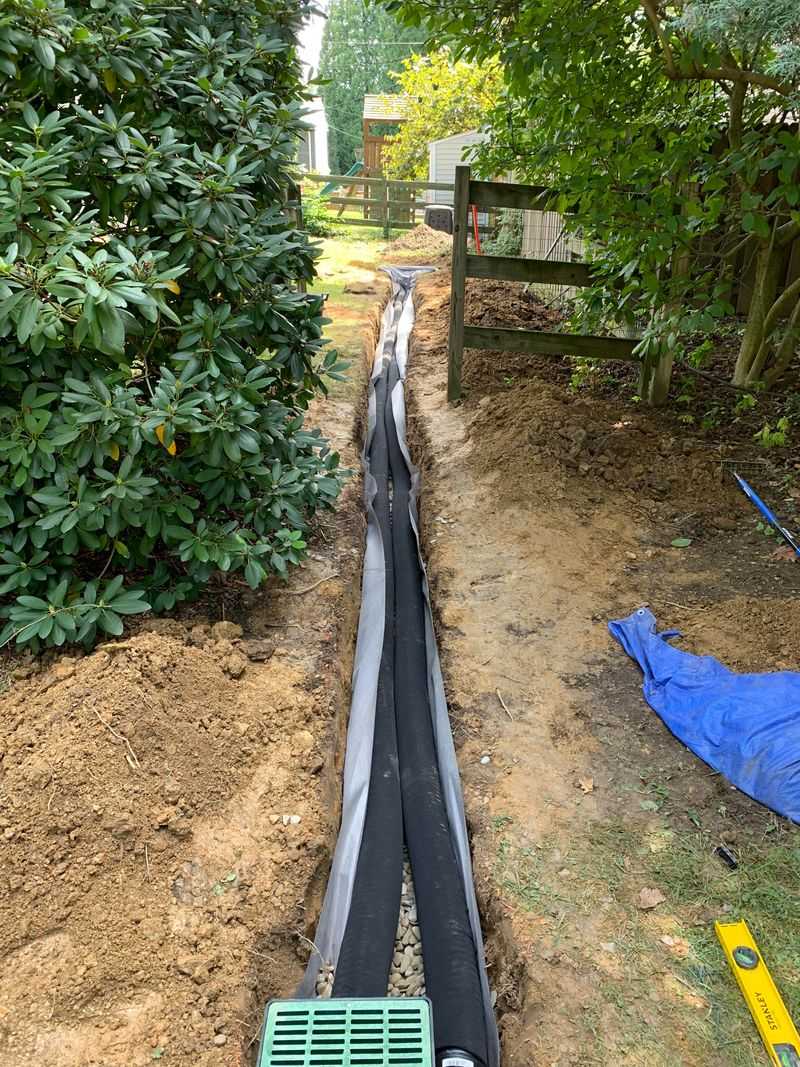
Preventing drainage problems is easier and cheaper than fixing them after they happen.
Start by keeping gutters, drains, and ditches clear of leaves and debris, especially during fall.
Regular maintenance helps water flow smoothly and reduces the chance of blockages.
If you plan to plant trees, choose species with less aggressive root systems and place them away from drainage features.
Consult a local nursery or arborist for advice on the best trees for your area.
Installing root barriers underground can stop roots from spreading into sensitive areas.
These barriers are affordable and effective when placed correctly.
You can also improve your yard’s drainage by adding French drains, grading the soil, or planting rain gardens.
These solutions help water move away from your home and prevent pooling.
Talk with your neighbor about tree care and drainage concerns before problems arise.
Building a good relationship and sharing maintenance responsibilities can prevent future conflicts.
Taking proactive steps protects your property and keeps your neighborhood peaceful.