Who Is Responsible For Neighbor’s Tree Leaves In Your Connecticut Yard
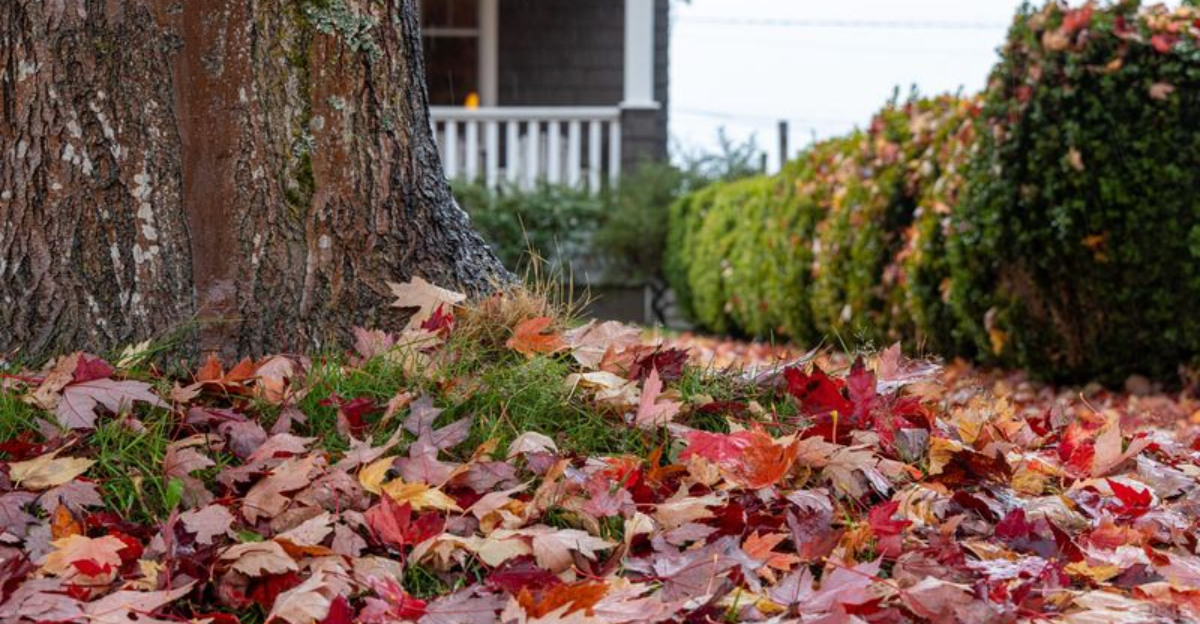
When fall arrives in Connecticut, many yards begin to fill with colorful leaves, but not all of them come from your own trees.
Sometimes the biggest piles come from branches hanging over the fence or towering trees next door.
What starts as a simple cleanup can quickly turn into a bigger question about who should really be responsible.
Raking leaves is one thing, but when the mess keeps coming from a neighbor’s tree, it can feel unfair and frustrating.
Homeowners across Connecticut deal with this issue every year, and many are not sure what the rules actually are.
Some people think the tree owner must clean everything, while others believe it becomes your problem once the leaves land in your yard.
The truth is not always simple, and misunderstandings can lead to tension between neighbors.
Knowing where responsibility begins and ends can help avoid arguments and protect your rights.
A little knowledge goes a long way when it comes to keeping both your yard and your relationships in good shape.
1. Connecticut Property Law Basics On Tree Ownership
Property lines matter tremendously when determining tree ownership in Connecticut.
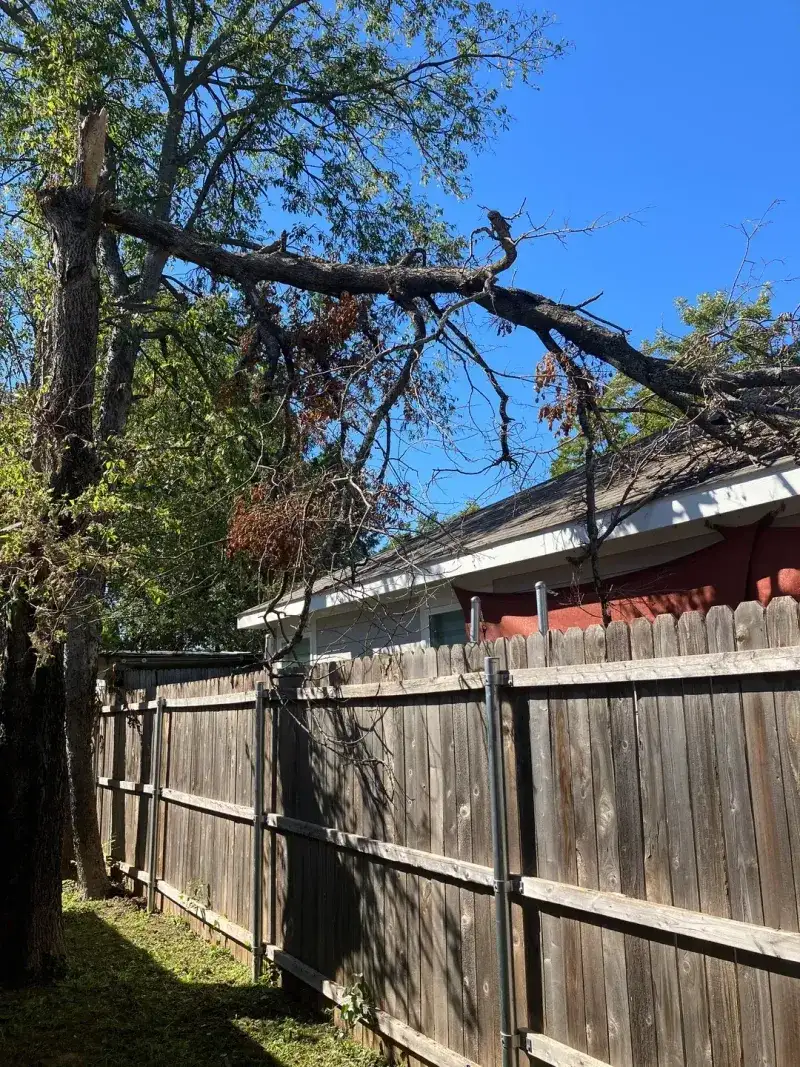
A tree whose trunk sits entirely on your neighbor’s property belongs to them, even if branches stretch over your yard and drop leaves everywhere.
Connecticut follows common law principles that establish ownership based on where the trunk grows from the ground.
This means your neighbor technically owns that oak tree showering your lawn with leaves each fall.
However, ownership doesn’t automatically translate to cleanup responsibility for natural leaf fall.
Connecticut courts have consistently ruled that leaves falling naturally from a neighbor’s tree onto your property become your responsibility to remove.
This might seem unfair, but the reasoning is that natural processes like leaf drop are considered a normal part of property ownership.
Homeowners are expected to maintain their own yards, including removing debris that arrives from neighboring properties through natural means.
The situation changes if your neighbor’s tree is diseased, damaged, or poorly maintained.
When negligence causes excessive problems beyond normal leaf fall, different rules may apply.
Connecticut residents should document any extraordinary situations where a neighbor’s lack of tree care creates unreasonable burdens.
Taking photos and keeping records helps if you need to discuss the matter formally later.
Understanding these basic legal principles helps Connecticut homeowners set realistic expectations.
While you can’t force your neighbor to rake your yard, knowing the law helps you approach conversations about shared tree issues more effectively.
Local tree ordinances in some Connecticut towns may add additional requirements, so checking with your municipal office provides complete information for your specific area.
2. Your Legal Right To Trim Overhanging Branches
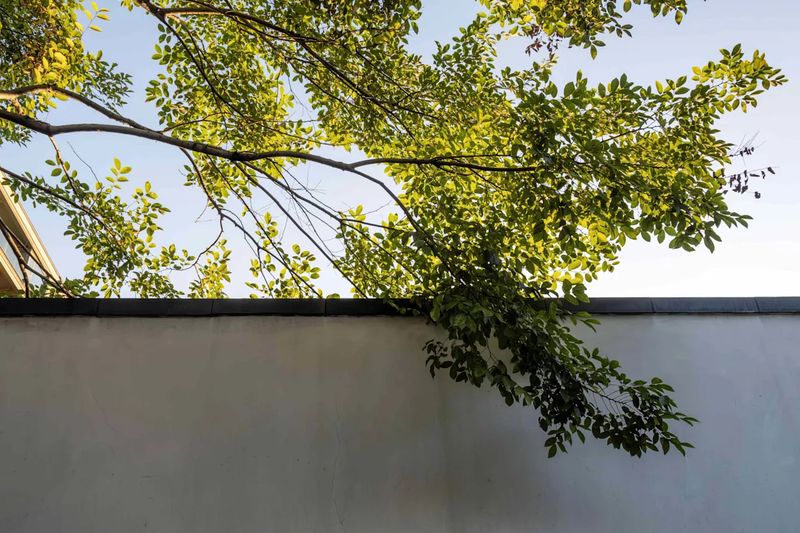
Connecticut law grants property owners the right to trim branches that extend over their property line.
If your neighbor’s tree branches hang into your airspace, you can legally cut them back to the boundary line without asking permission first.
This right exists because property ownership extends vertically, meaning you control the space above your land just as much as the ground itself.
Your Connecticut Garden Changes Every Week. Your Plan Should Too.
Gardening in Connecticut changes quickly throughout the season. Every Friday you’ll receive a simple weekly plan showing exactly what to plant, prune, fertilize, harvest, and protect so you never miss the right timing.
Many Connecticut residents don’t realize they have this option when dealing with problematic overhanging branches.
Before grabbing your saw, though, several important rules apply to branch trimming.
You must avoid causing harm to the overall health of the tree, which means making proper cuts that don’t damage the tree’s structure or leave it vulnerable to disease.
Connecticut courts can hold you liable if your trimming damages or destroys a neighbor’s tree.
Hiring a certified arborist ensures the work is done correctly and protects you from potential legal claims.
You’re also responsible for all costs associated with trimming branches on your side of the property line.
Your neighbor isn’t required to pay for or assist with this maintenance, even though it’s their tree.
Any branches or leaves you cut down become your responsibility to dispose of properly.
Connecticut has specific rules about yard waste disposal, so check your local regulations before piling branches at the curb.
Communication often prevents misunderstandings about branch trimming.
While you don’t legally need permission, informing your neighbor about your plans maintains good relationships and might even lead to them handling the trimming themselves.
Some Connecticut homeowners split the cost of professional tree services when branches affect both properties.
Being neighborly while knowing your legal rights creates the best outcomes for everyone involved in these situations.
3. When Leaves Become A Nuisance Or Hazard
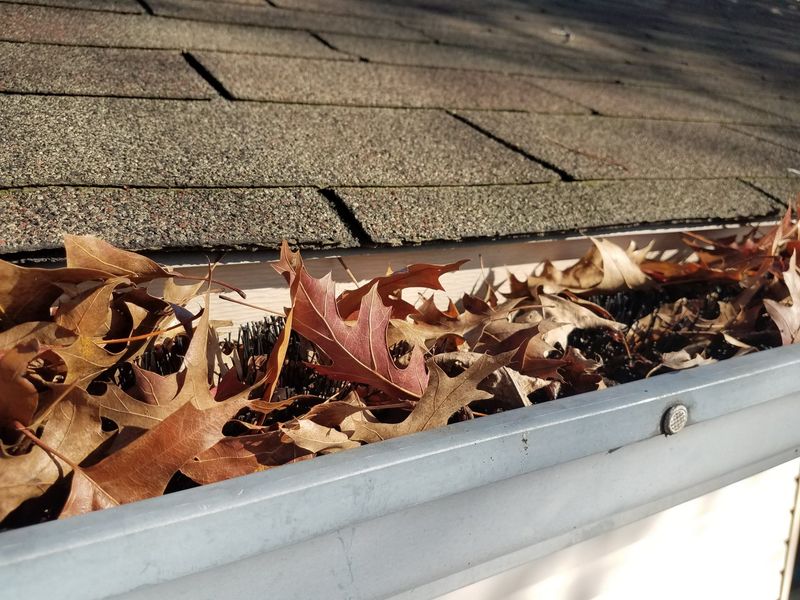
Massive amounts of leaves can sometimes cross the line from minor annoyance to genuine property hazard.
Connecticut recognizes legal claims for private nuisance when a neighbor’s tree causes substantial and unreasonable interference with your property use.
Simply having to rake more leaves typically doesn’t qualify, but extreme situations might give you legal options.
Clogged gutters leading to water damage, blocked drainage systems causing flooding, or leaves creating slippery hazards on walkways could potentially support a nuisance claim.
Proving nuisance requires showing the interference is both significant and unreasonable.
Connecticut courts consider factors like the severity of the problem, how long it’s been occurring, and whether the tree owner knew about the issue but failed to address it.
Documentation becomes crucial if you’re considering legal action.
Photographs showing blocked gutters, repair bills for water damage, and written communications with your neighbor all strengthen your case.
Many Connecticut municipalities have specific ordinances about property maintenance that might apply to excessive leaf situations.
Some towns require property owners to prevent their vegetation from creating hazards on neighboring properties.
Checking with your local code enforcement office reveals whether additional protections exist in your area.
These local rules sometimes provide faster solutions than pursuing private nuisance claims through the courts.
Before heading to court, most Connecticut residents benefit from attempting informal resolution first.
Speaking with your neighbor about the problems their tree causes might lead to compromises like more frequent trimming or shared cleanup efforts.
Mediation services offered through many Connecticut towns provide neutral third parties who help neighbors reach agreements.
Legal action should generally be a last resort after other approaches have failed to resolve genuinely hazardous situations.
4. Homeowners Association Rules And Leaf Responsibility
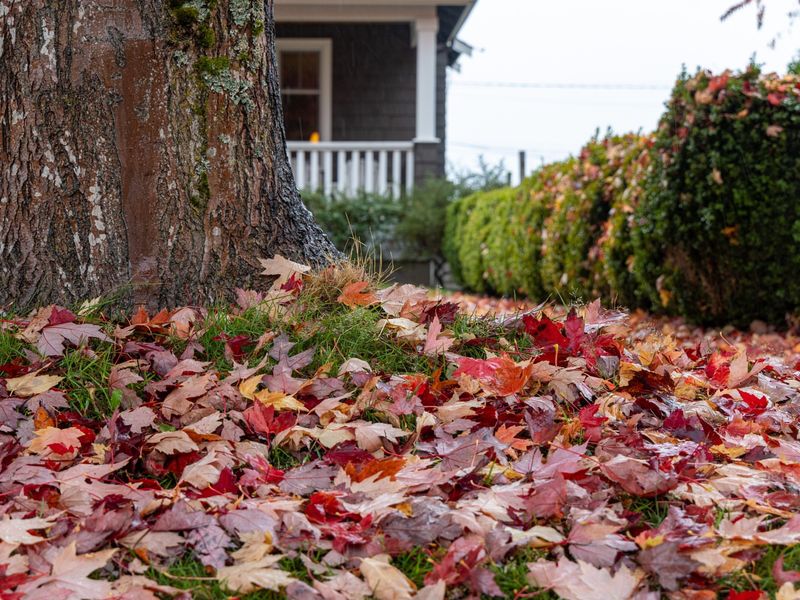
Many Connecticut neighborhoods operate under homeowners association rules that create additional obligations beyond state law.
HOAs often have specific regulations about yard maintenance, including leaf removal timelines and standards.
Your association’s covenants, conditions, and restrictions document spells out these requirements, which all residents agree to follow when purchasing property in the community.
Reading your HOA rules carefully reveals exactly what’s expected regarding leaf cleanup in your Connecticut neighborhood.
Some HOAs require leaves to be removed by certain dates each fall or maintain yards in generally neat condition year-round.
These rules typically apply regardless of whether leaves came from your trees or a neighbor’s trees.
Your HOA can issue violations and fines if your yard doesn’t meet community standards, even when you feel the mess isn’t your fault.
Connecticut HOAs have legal authority to enforce their rules through penalties and, in extreme cases, liens against non-compliant properties.
HOA rules sometimes work in your favor when dealing with a neighbor’s problematic tree.
If their tree is poorly maintained or causing excessive debris, the HOA might have authority to require them to address the issue.
Filing a complaint with your HOA board brings their enforcement power into play.
Many associations have architectural review committees or landscape standards that govern tree maintenance, giving them tools to require neighbors to trim or care for trees properly.
Understanding your HOA’s dispute resolution procedures helps when conflicts arise over tree-related issues.
Most Connecticut HOAs require members to attempt internal resolution before pursuing legal action.
Attending board meetings and formally documenting complaints creates a record of ongoing problems.
Your HOA documents should outline the steps for addressing violations and what happens when homeowners don’t comply with community standards regarding property maintenance.
5. Practical Solutions For Managing Neighbor’s Leaves
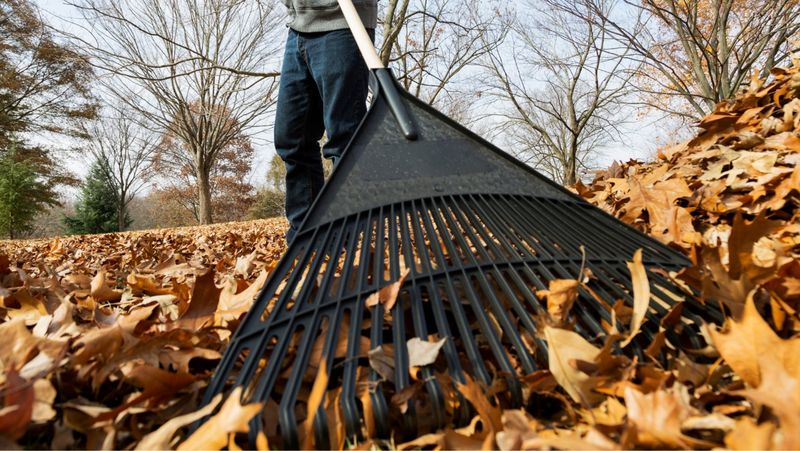
Rather than focusing solely on who’s responsible, many Connecticut homeowners find practical solutions that make leaf management easier for everyone.
Mulching mowers chop leaves into tiny pieces that decompose quickly and actually benefit your lawn.
This approach turns a cleanup chore into a free fertilizer source that improves soil quality.
Connecticut’s climate and soil conditions respond well to leaf mulch, which adds organic matter and helps grass survive harsh winters.
Composting offers another beneficial use for abundant leaves.
Building a simple compost bin turns leaves into rich soil amendment for gardens and landscaping.
Connecticut gardeners prize leaf compost for improving the state’s often rocky, clay-heavy soil.
If you’re collecting leaves from your entire yard anyway, composting them creates value from the effort.
Many Connecticut towns also offer leaf collection programs that turn yard waste into municipal compost available to residents.
Talking with neighbors about coordinating leaf management sometimes leads to arrangements that benefit everyone involved.
Perhaps you handle fall cleanup while they manage spring yard work, or you split the cost of hiring a lawn service for the whole season.
Some Connecticut neighbors with shared tree situations agree to quarterly maintenance schedules that keep both properties looking neat.
Creative solutions often work better than arguing about whose responsibility the leaves technically are.
Investing in efficient leaf management tools reduces the burden regardless of where leaves originate.
Backpack leaf blowers, large capacity lawn bags, and quality rakes make the job faster and less frustrating.
Connecticut residents dealing with significant leaf volume might consider professional lawn services that handle seasonal cleanup.
The cost often proves worthwhile when it saves hours of weekend work and prevents conflicts with neighbors over who should be doing what.
6. Communicating With Neighbors About Tree Issues
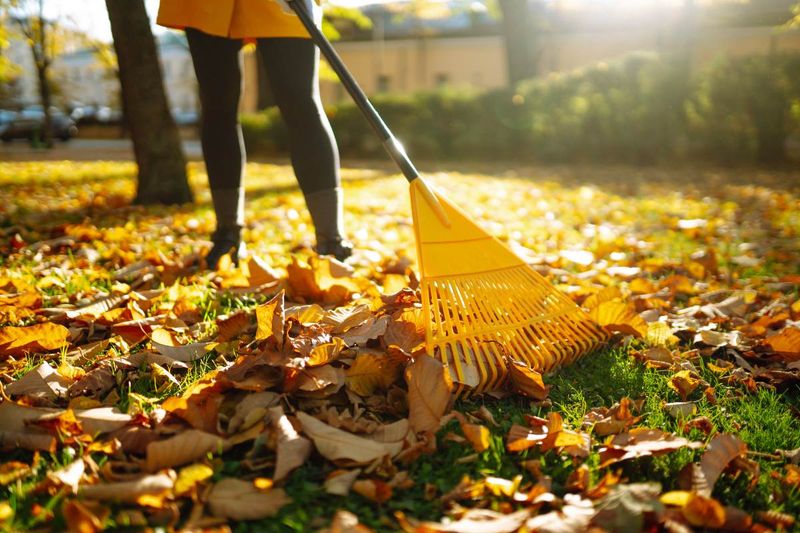
Friendly conversation often resolves tree and leaf disputes better than any legal approach.
Starting with a casual, non-confrontational discussion about the leaf situation gives your neighbor a chance to understand your perspective.
Many Connecticut residents don’t realize their trees are creating significant work for others until someone mentions it.
Approaching the topic as a shared challenge rather than placing blame keeps the conversation productive and maintains good relationships.
Timing your conversation matters when discussing sensitive property issues.
Catching your neighbor during a relaxed moment, perhaps while both of you are outside doing yard work, creates a natural opening.
Avoid approaching them when you’re frustrated after spending hours raking or when they’re clearly busy with other priorities.
Connecticut’s tight-knit communities benefit from neighbors who maintain cordial relationships, which requires some patience and strategic communication.
Proposing specific solutions during your conversation moves beyond complaints to actionable ideas.
Maybe you’d appreciate if they trimmed back some branches, or perhaps you’d like to discuss sharing cleanup costs.
Coming prepared with reasonable suggestions shows you’re interested in problem-solving, not just venting frustration.
Many neighbors respond positively when they see you’re willing to work together rather than demanding they handle everything.
If initial conversations don’t lead anywhere, written communication creates a record while remaining respectful.
A friendly letter or email outlining your concerns and proposed solutions gives your neighbor time to think without feeling confronted.
Keep copies of all correspondence in case the situation escalates and you need documentation later.
Most Connecticut neighbors want to maintain peaceful relationships and will work toward reasonable compromises when approached thoughtfully.
Legal action should remain a last resort after genuine attempts at communication have been exhausted.