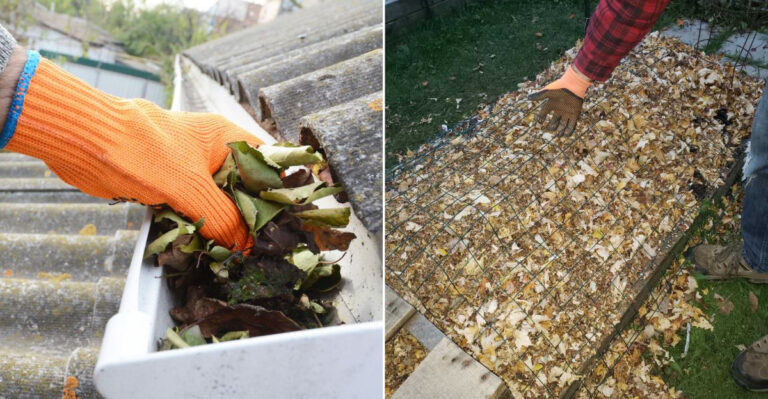
These 10 Garden Habits Can Get You Fined In Oregon
Owning a yard in Oregon can be incredibly rewarding, but sometimes it feels like there’s always something that needs your attention.
A few neglected corners or small oversights in your garden might not seem like a big deal, but local rules exist for a reason and ignoring them can land you with fines.
It’s easy to get caught up in planting, pruning, or simply enjoying your space and overlook the little things that matter most to your neighborhood.
By keeping an eye on your property and staying on top of maintenance, you can prevent problems before they start.
A few simple checks here and there can save you from costly repairs or disputes with neighbors.
These rules aren’t meant to make your life harder, they’re designed to help keep your yard safe, accessible, and enjoyable for everyone around you.
Paying attention now ensures your garden stays beautiful while keeping you out of trouble.
Let’s go over some common yard and garden habits in Oregon that could get you fined, and how you can avoid them so your property stays both attractive and compliant.
1. Overgrown Weeds And Tall Grass
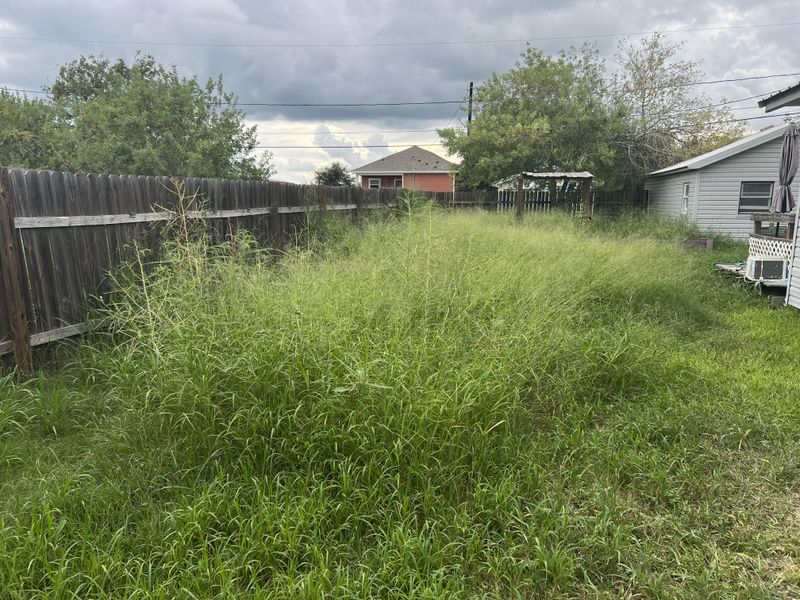
Walking through any Oregon neighborhood in late spring, you can spot the yards that have gone a little too wild.
Grass creeping past ankle height and weeds taking over flower beds might look natural to you, but your neighbors and the city see it differently.
Most Oregon cities have nuisance codes that set specific height limits for grass and weeds, usually around eight to twelve inches depending on where you live.
When your lawn gets too tall, it becomes more than an eyesore.
Dense vegetation creates perfect hiding spots for rodents and insects, which can spread to neighboring properties.
Fire risk increases dramatically during dry summer months when dead grass becomes tinder waiting for a spark.
Code enforcement officers typically drive through neighborhoods responding to complaints, and overgrown yards are among the most common violations they document.
You might receive a warning letter first, giving you seven to fourteen days to mow and clear the weeds.
Ignore that notice, and fines can start at seventy-five dollars and climb quickly with each day of non-compliance.
Keeping your grass trimmed regularly prevents problems before they start.
If physical limitations make mowing difficult, many Oregon communities offer assistance programs or you can hire local lawn services affordably.
A simple maintenance schedule keeps your yard compliant and your neighbors happy.
2. Blocked Sidewalks And Driveway Sightlines
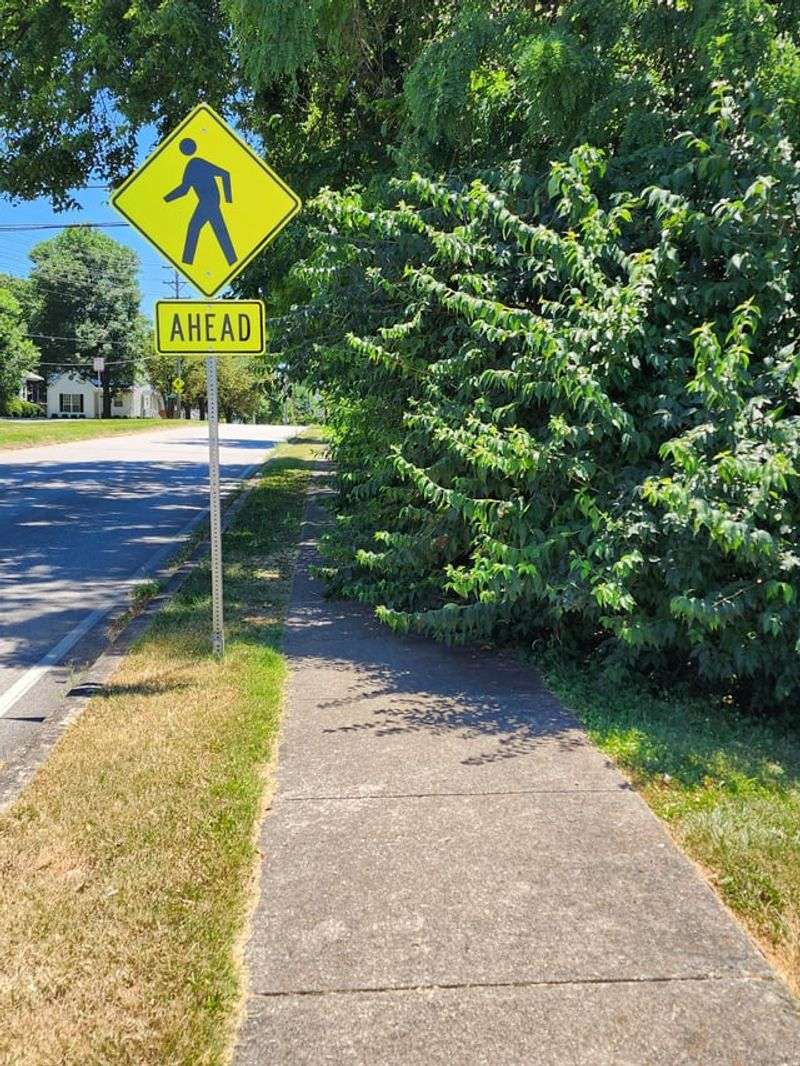
Your beautiful hedge might frame your property perfectly, but if it forces pedestrians into the street or blocks drivers from seeing oncoming traffic, you have a serious problem.
Oregon takes pedestrian safety incredibly seriously, and cities across the state enforce strict clearance requirements for sidewalks and corner visibility triangles.
Shrubs, trees, and even decorative planters cannot intrude into public right-of-way spaces.
Sidewalks must remain clear with at least seven feet of vertical clearance and typically four feet of horizontal width.
Corner properties face additional scrutiny because visibility triangles ensure drivers can see pedestrians and other vehicles before pulling into intersections.
Your Oregon Garden Changes Every Week. Your Plan Should Too.
Gardening in Oregon changes quickly throughout the season. Every Friday you’ll receive a simple weekly plan showing exactly what to plant, prune, fertilize, harvest, and protect so you never miss the right timing.
When your landscaping blocks these sightlines, accidents become more likely and liability falls partially on you.
Code enforcement notices for blocked sidewalks often come after someone files a complaint or an officer spots the violation during routine patrols.
Cities usually require immediate trimming within three to five days.
Failure to comply can result in fines starting around one hundred dollars, plus the city may hire contractors to do the work and bill you for the cost plus administrative fees.
Regular trimming keeps your landscaping beautiful and compliant.
Walk your property line from a pedestrian perspective and sit in your car at the curb to check sightlines.
Trim back anything that encroaches, and remember that plants grow faster than you think during Oregon’s rainy season.
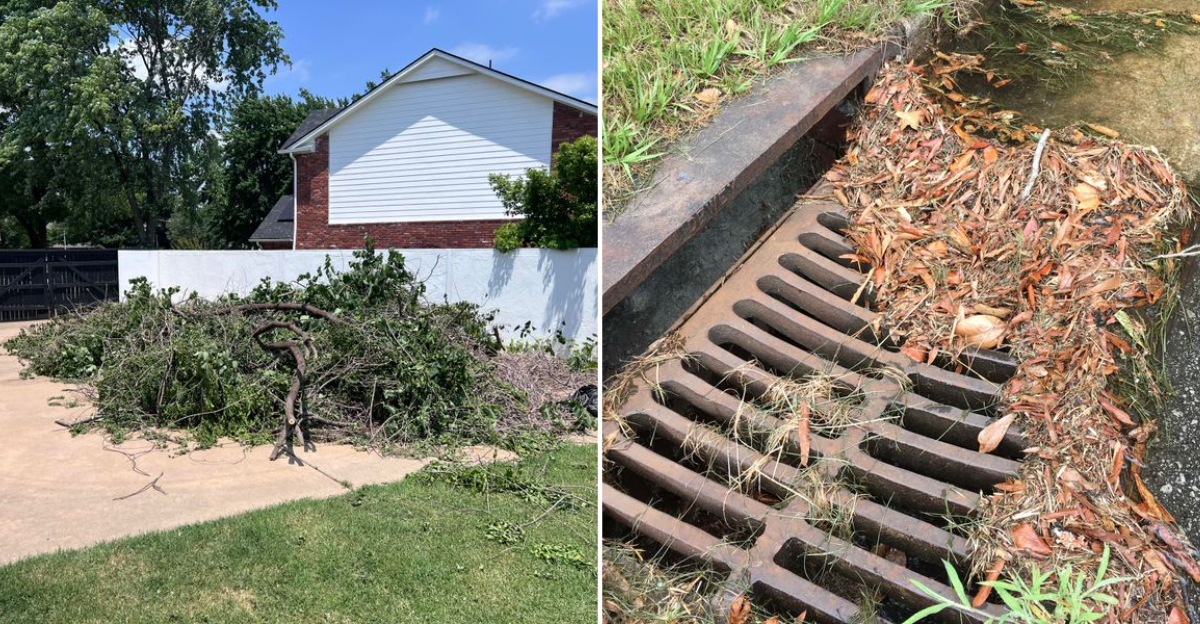
3. Yard Waste In Storm Drains
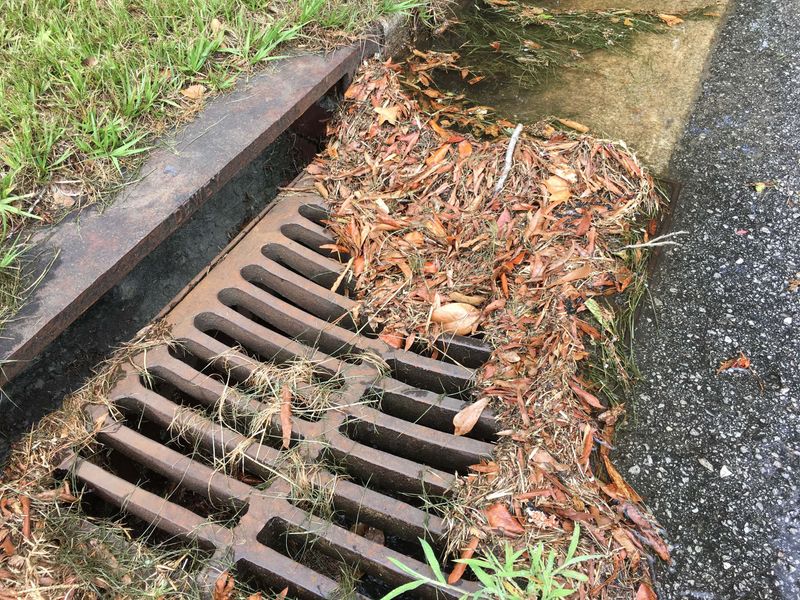
Raking leaves into the street might seem like a time-saver, especially when autumn winds scatter them across your driveway faster than you can bag them.
Unfortunately, this common shortcut violates Oregon environmental regulations and can earn you hefty fines.
Leaves, grass clippings, and other yard debris that wash into storm drains flow directly into local streams and rivers without any treatment, carrying pollutants that harm fish and wildlife.
Oregon Department of Environmental Quality regulations prohibit placing any yard waste where it can enter storm drainage systems.
When organic matter decomposes in waterways, it depletes oxygen that salmon and other species need to survive.
Grass clippings contain fertilizers and pesticides that create toxic algae blooms, making the environmental impact far worse than most homeowners realize.
Cities actively enforce these rules, especially during fall leaf season and after spring grass cutting begins.
Violations can result in warnings followed by fines ranging from one hundred to five hundred dollars depending on the severity and whether you’re a repeat offender.
Some communities even conduct sting operations during peak yard work seasons.
Always sweep or blow debris back onto your property and either compost it or use your city’s yard waste collection service.
Many Oregon communities offer free or low-cost compost bins and provide curbside pickup for yard debris.
Taking a few extra minutes to properly handle your clippings protects local waterways and keeps you compliant.
4. Brush And Vegetation Fire Hazards

Eastern Oregon homeowners know fire season all too well, but even west of the Cascades, dry summers turn overgrown yards into potential disasters.
Dead brush piled against your house, dry grass under decks, and unmaintained shrubs touching your siding create what firefighters call fuel ladders that allow flames to climb from ground level to your roof in seconds.
Oregon Department of Forestry regulations require defensible space around homes in many areas, and local fire marshals enforce these rules year-round.
Defensible space means clearing flammable vegetation within specific distances from structures, usually thirty to one hundred feet depending on your location and terrain.
Dead branches, dry leaves accumulated in gutters, and firewood stacked against exterior walls all violate fire safety codes.
During fire season, inspectors conduct sweeps through vulnerable neighborhoods, and violations result in immediate correction orders.
Fines for fire hazard violations start around one hundred fifty dollars but can reach thousands if your property is deemed an imminent danger.
In extreme cases, fire marshals can require professional abatement at your expense.
Insurance companies also take note, and failure to maintain defensible space can affect your coverage or claims if fire damages your home.
Start by clearing a five-foot zone immediately around your house of all flammable materials.
Keep gutters clean, prune tree branches away from your roof, and maintain green, irrigated vegetation in defensible space zones.
Regular maintenance throughout the year prevents panic when fire season warnings arrive.
5. Unmaintained Trees And Falling Branches
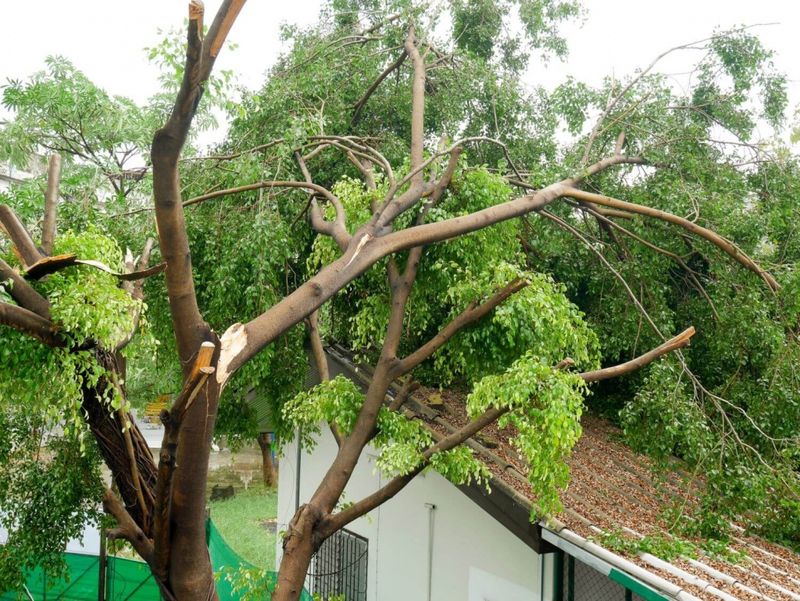
That massive Douglas fir in your front yard adds character and shade, but dead branches hanging over the sidewalk or power lines make it a liability waiting to happen.
Oregon experiences powerful wind storms, especially during winter, and unmaintained trees cause property damage, power outages, and injuries every year.
Cities hold property owners responsible for maintaining trees on their land, even if the hazardous branches extend over public property or utility lines.
Nuisance codes typically require property owners to remove dead, diseased, or structurally unsound trees and branches that pose risks to people or property.
Trees leaning dangerously, large dead limbs, and trunks showing signs of rot all qualify as violations.
After major storms, code enforcement officers often survey neighborhoods specifically looking for hazardous trees that homeowners have neglected.
Warnings usually give you fourteen to thirty days to hire a certified arborist and address the problem.
Fines for non-compliance start around one hundred dollars but increase rapidly, and cities can hire contractors to remove hazardous trees and bill you for the work plus administrative costs that often double the expense.
If your neglected tree damages someone else’s property or injures a person, you face potential lawsuits on top of code violations.
Have a certified arborist inspect your trees annually, especially mature specimens and any showing signs of disease or damage.
Remove hazardous branches promptly and keep trees pruned away from structures and utilities.
Regular maintenance costs far less than emergency removal or legal liability.
6. Invasive Or Nuisance Plants
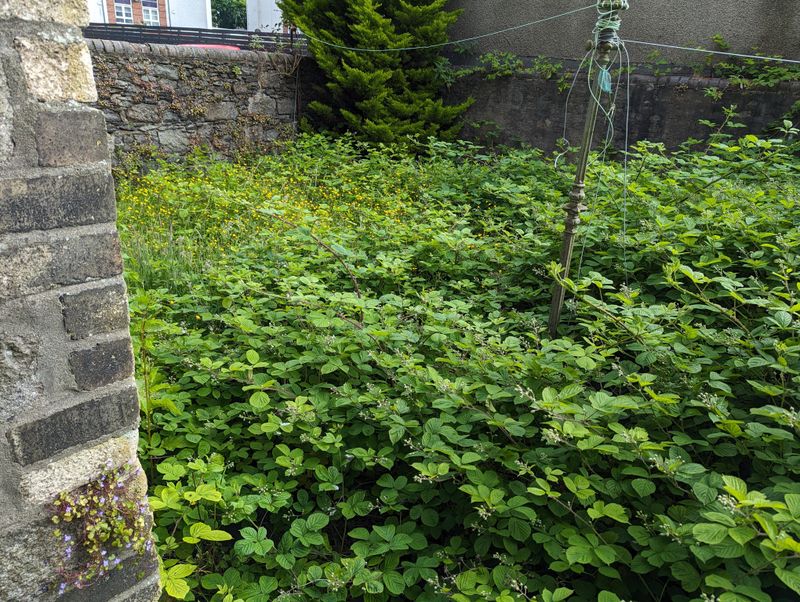
English ivy climbing your fence looks charming in photos, but in Oregon it’s an ecological nightmare that can get you cited by multiple agencies.
Invasive species like English ivy, Himalayan blackberry, and Japanese knotweed don’t just spread across your property—they escape into natural areas where they choke out native plants, destabilize slopes, and damage ecosystems that took centuries to develop.
Oregon Department of Agriculture maintains a quarantine list of prohibited plants, and growing them violates state law.
Beyond state-listed invasives, many cities have local ordinances targeting nuisance plants that spread aggressively or create hazards.
Blackberry thickets that cross property lines, bamboo that invades neighbors’ yards, and ivy that damages fences or buildings all qualify.
Complaints from neighbors typically trigger investigations, and inspectors can identify invasive species even if you claim they were already there when you bought the property.
Removal orders for invasive plants require complete eradication, not just trimming back visible growth.
Fines start around one hundred fifty dollars but increase for extensive infestations or repeat violations.
Some cities offer assistance programs with free removal services, but you must act quickly when notified.
Ignoring the problem can result in liens against your property.
Research plants before adding them to your landscape, and remove invasives immediately when you spot them.
Oregon State University Extension Service provides free resources identifying invasive species and suggesting native alternatives.
Many communities host volunteer work parties for invasive removal that provide free labor and disposal.
7. Poor Drainage From Landscaping
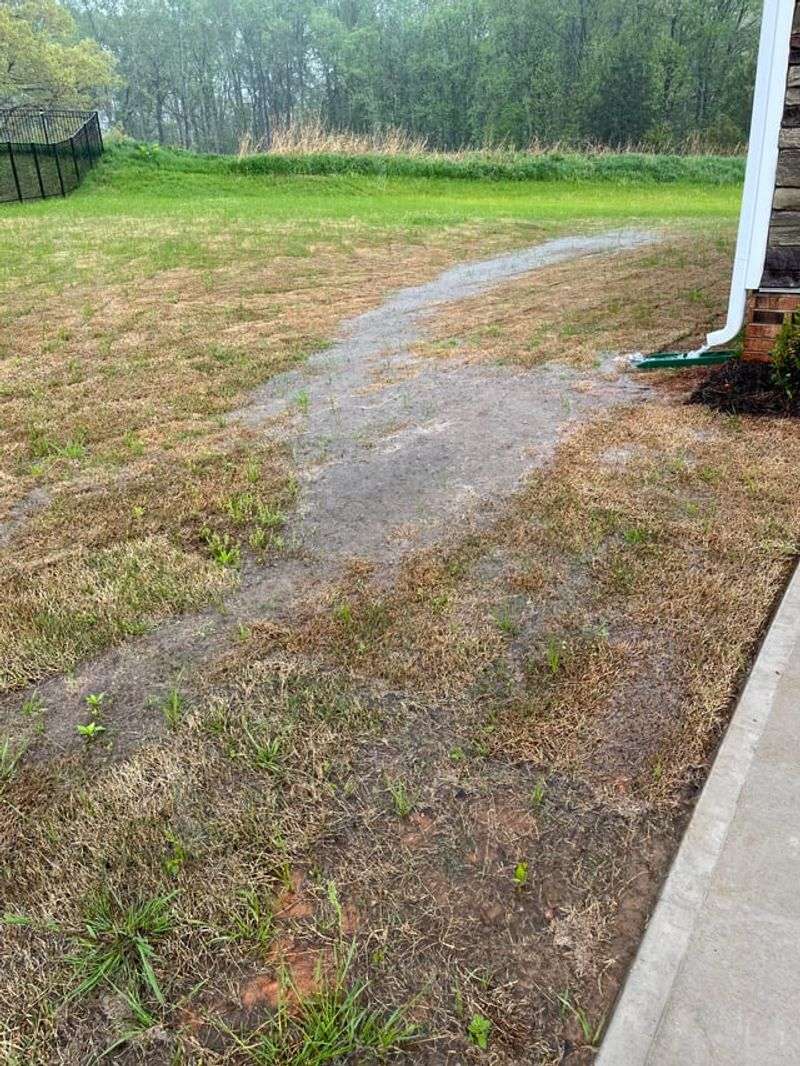
Your new raised garden beds look fantastic, but if they redirect water onto your neighbor’s property or create standing pools that breed mosquitoes, you’ve created a code violation.
Oregon’s wet climate makes drainage a serious concern, and cities enforce regulations preventing property owners from altering natural water flow in ways that damage neighboring properties or create public health hazards.
Even well-intentioned landscaping projects can violate these rules if you don’t consider drainage impacts.
Common violations include grading that directs runoff toward neighboring homes, retaining walls that create flooding, and depressions that collect standing water for more than seventy-two hours after rain.
Mosquito breeding grounds violate public health codes, and water damage to neighboring properties can result in both code enforcement actions and civil lawsuits.
Cities take these violations seriously because poor drainage affects multiple properties and creates liability for municipalities.
Complaints usually come from affected neighbors, and inspectors will assess whether your landscaping altered natural drainage patterns.
Correction orders may require hiring engineers to design proper drainage solutions, excavating and regrading areas, or installing French drains and other water management systems.
Fines start around one hundred dollars but climb quickly, and you remain liable for any damage your drainage causes to other properties.
Before starting any landscaping project that changes ground elevation or water flow, consult with a landscape professional about drainage impacts.
Ensure water flows away from all structures and stays on your property.
Installing rain gardens and permeable surfaces helps manage runoff naturally while keeping you compliant.
8. Illegal Dumping Of Yard Debris
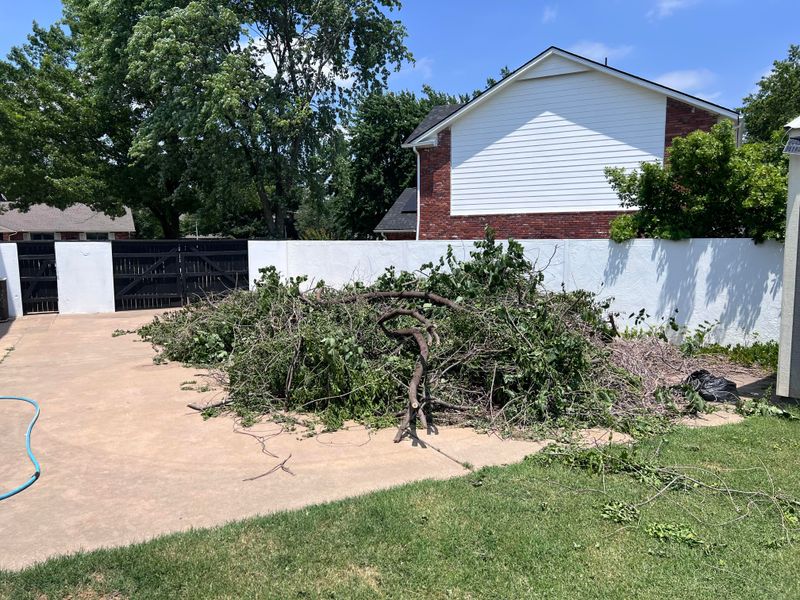
Hauling branches and sod to that empty lot down the street seems easier than paying dump fees, but illegal dumping of yard debris carries serious penalties in Oregon.
State law treats illegal dumping as both an environmental crime and a theft of services, with fines reaching thousands of dollars for repeat offenders.
Cities, counties, and the Oregon Department of Environmental Quality all have enforcement authority, and they coordinate efforts to catch and prosecute dumpers.
Yard debris dumped on public land, vacant lots, or roadside areas creates fire hazards, attracts rodents and insects, and often contains invasive plant species that spread into natural areas.
Even dumping on your own property can violate codes if it creates nuisances, blocks drainage, or poses fire risks.
Some homeowners think burning yard waste solves the problem, but most Oregon cities prohibit open burning except during specific seasons with permits.
Enforcement agencies use trail cameras, witness reports, and evidence found in dumped materials to identify violators.
First-time offenders typically face fines starting at five hundred dollars plus cleanup costs.
Repeat violations can result in criminal charges, jail time, and fines exceeding five thousand dollars.
Your vehicle can be impounded, and some counties publish names and photos of convicted dumpers online.
Use your city’s yard waste collection service or take debris to authorized disposal facilities.
Many Oregon communities offer free disposal days for residents, and transfer stations charge reasonable fees.
Composting at home handles most yard waste, and sharing a chipper with neighbors makes branch disposal easy and legal.
9. Unpermitted Yard Structures
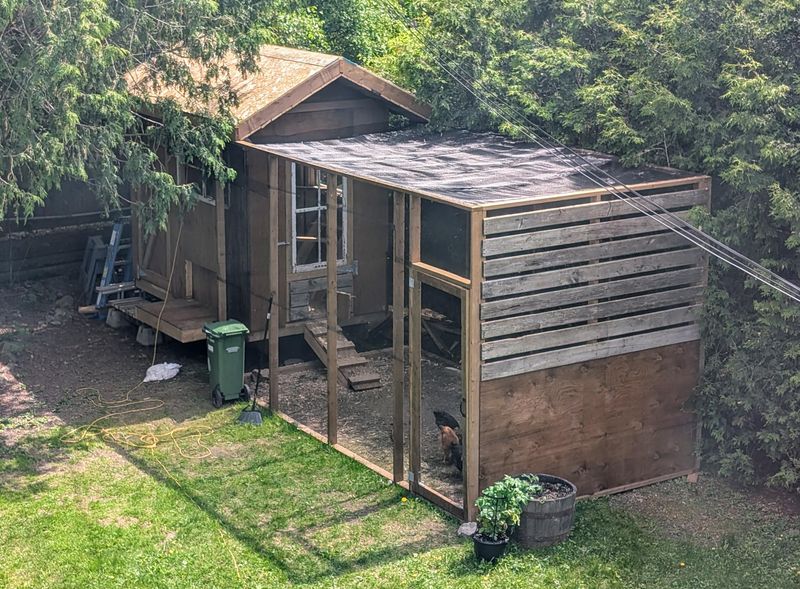
Building a garden shed or installing a pergola over your patio seems like straightforward weekend work, but skipping the permit process can create expensive problems.
Oregon cities require building permits for most structures over a certain size, typically anything larger than one hundred twenty square feet or anything with a permanent foundation.
Permits ensure structures meet building codes, respect property line setbacks, and don’t create drainage or fire hazards.
Code enforcement discovers unpermitted structures through neighbor complaints, aerial imagery reviews, and inspections triggered by other permits or property sales.
That shed you built five years ago can still result in violations when discovered.
Inspectors will require you to obtain retroactive permits, which often means tearing down the structure for inspection and rebuilding to current codes if it doesn’t meet standards.
Penalties for unpermitted structures include fines starting around two hundred fifty dollars, plus permit fees, inspection costs, and potential requirements to hire engineers or architects to certify the work.
If the structure can’t be brought into compliance, you must demolish it at your expense.
Unpermitted structures also create title problems when selling your home, often requiring expensive corrections before closing.
Always check permit requirements before building anything in your yard.
Most cities offer online permit portals that make the process straightforward.
Permits protect you by ensuring your structure is safe and legal, and the small upfront cost prevents enormous expenses later.
When buying a home, verify that all existing structures were properly permitted.
10. Ignoring Code Enforcement Notices
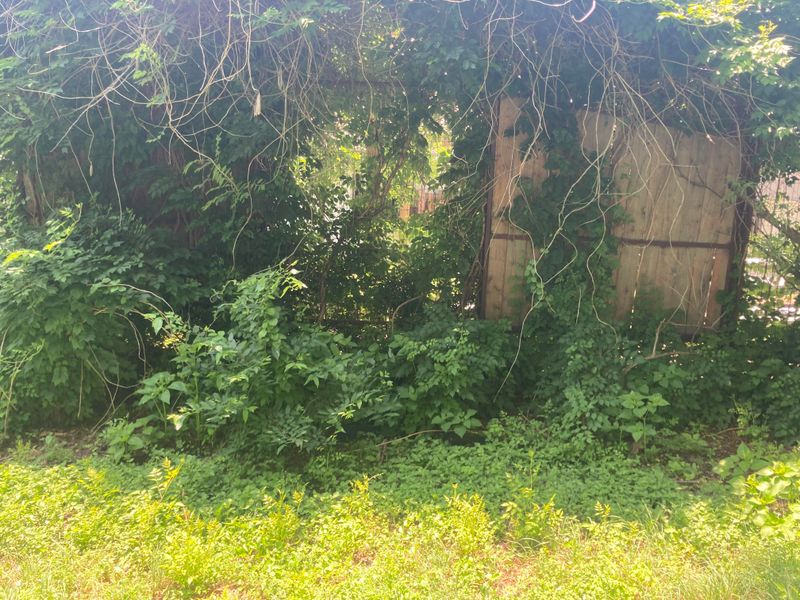
Receiving a code enforcement notice in your mailbox feels intimidating, and some homeowners make the mistake of ignoring it hoping the problem disappears.
Unfortunately, ignoring these notices transforms minor violations into serious legal and financial problems.
Oregon cities have escalating enforcement procedures, and what starts as a warning requiring simple corrections can become daily fines, liens against your property, and even criminal charges for willful non-compliance.
Code enforcement notices always include deadlines for correcting violations, typically seven to thirty days depending on the severity.
These deadlines are firm, and cities track compliance carefully.
When you miss a deadline without requesting an extension or appealing the notice, fines begin accumulating immediately.
Many cities charge fifty to one hundred dollars per day for continuing violations, and these fines can total thousands of dollars within weeks.
Unpaid code enforcement fines become liens on your property, appearing on title reports and preventing you from refinancing or selling without paying them off plus accumulated interest and collection costs.
Cities can also obtain court orders authorizing them to enter your property and correct violations at your expense, with costs often triple what you would have paid doing the work yourself.
Always respond to code enforcement notices immediately, even if you disagree with the violation.
Most cities offer reasonable extension requests if you’re making good faith efforts to comply.
Appeal procedures exist for disputing violations, but you must follow them within specified timeframes.
Communication keeps small problems from becoming financial disasters.