The 9 Best Award-Winning Plants To Grow In Oregon This Year
If you love gardening in Oregon, you know that choosing the right plants can make all the difference.
Some varieties thrive effortlessly here, while others struggle with our wet winters, dry summers, or tricky soil conditions.
That’s why it’s exciting to look at award-winning plants chosen by the All America Selections.
They’ve been tested and recognized for their performance, resilience, and beauty, so you can feel confident adding them to your garden.
These plants aren’t just pretty; they’re dependable.
Many have been selected for their ability to handle Oregon’s unique climate, resist pests, and bloom reliably year after year.
Whether you’re planting flowers, shrubs, or edibles, adding a few award-winning varieties can make your garden easier to maintain and more enjoyable to look at.
From colorful perennials and striking annuals to hardy shrubs that provide structure and texture, there’s something for every type of garden and gardener.
You’ll find plants that attract pollinators, provide seasonal interest, and even survive those wetter-than-average winters without trouble.
Here are nine of the best award-winning plants to grow in Oregon this year, each chosen to help your garden thrive beautifully and reliably.
1. Butter Lamp Mini Squash
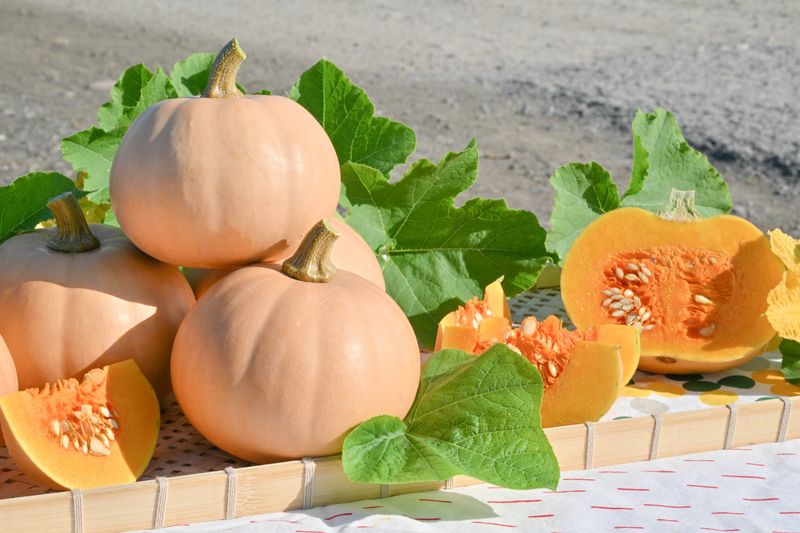
Picture a butternut squash that fits perfectly in your hand, with smooth golden skin and a sweet flavor that makes roasting a dream.
Butter Lamp won its All-America Selections award because it delivers full butternut taste in a compact package that’s easier to store, easier to cook, and easier to grow in smaller Oregon gardens.
Each plant produces a generous harvest of these adorable mini squashes, typically weighing just one to two pounds each, which means you can actually use a whole squash in one meal without leftovers taking over your fridge.
Oregon’s warm summers give Butter Lamp the heat it needs to ripen, while our long growing season ensures you’ll get plenty of fruit before the fall rains arrive.
You can trellis these vines vertically to save space, or let them sprawl across a sunny raised bed.
The compact fruits are less likely to rot on damp ground compared to giant winter squashes, which is a real advantage in our climate.Home gardeners love Butter Lamp because it’s forgiving and productive, even for beginners.
The plants resist powdery mildew better than older squash varieties, and the smaller fruits mean you can harvest them earlier in the season.
Roast them whole, stuff them with grains and veggies, or slice them into rounds for the grill—they’re versatile, delicious, and perfectly sized for modern kitchens and Oregon-sized garden plots.
2. SunGlobe Coreopsis
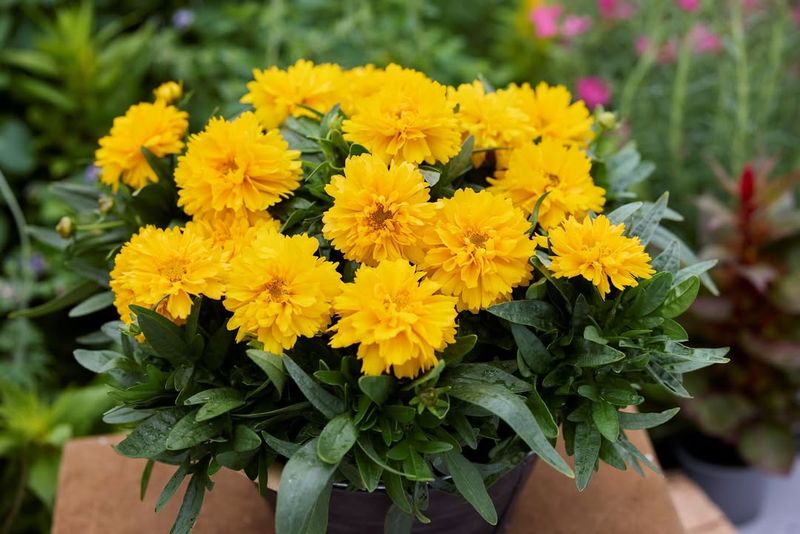
Bright yellow blooms shaped like perfect little suns cover this compact perennial from late spring all the way through fall, which is exactly what Oregon gardens need after months of gray skies.
SunGlobe earned its All-America Selections award for its incredible flower power and tidy, mounding habit that stays under twelve inches tall and spreads about eighteen inches wide.
Your Oregon Garden Changes Every Week. Your Plan Should Too.
Gardening in Oregon changes quickly throughout the season. Every Friday you’ll receive a simple weekly plan showing exactly what to plant, prune, fertilize, harvest, and protect so you never miss the right timing.
Unlike older coreopsis varieties that flop or need constant deadheading, SunGlobe keeps producing fresh flowers without any fussing from you.
Oregon’s mild winters and cool springs suit this tough perennial beautifully, and it handles our summer dry spells without complaint once established.
Plant it along walkways, tuck it into the front of perennial borders, or fill containers on your deck where you can enjoy the cheerful blooms up close.
Pollinators adore the open daisy-like flowers, so expect to see bees and butterflies visiting all season long.What makes SunGlobe so easy for Oregon gardeners is its low-maintenance nature and long bloom period.
You don’t need to deadhead spent flowers to keep it blooming, and it tolerates our heavy clay soils as long as drainage is decent.
It’s drought-tolerant once established, which means less watering during our dry summers, and it comes back reliably year after year.
Whether you’re a seasoned gardener or just starting out, SunGlobe delivers consistent color and cheer without demanding much attention.
3. Majestic Pole Bean
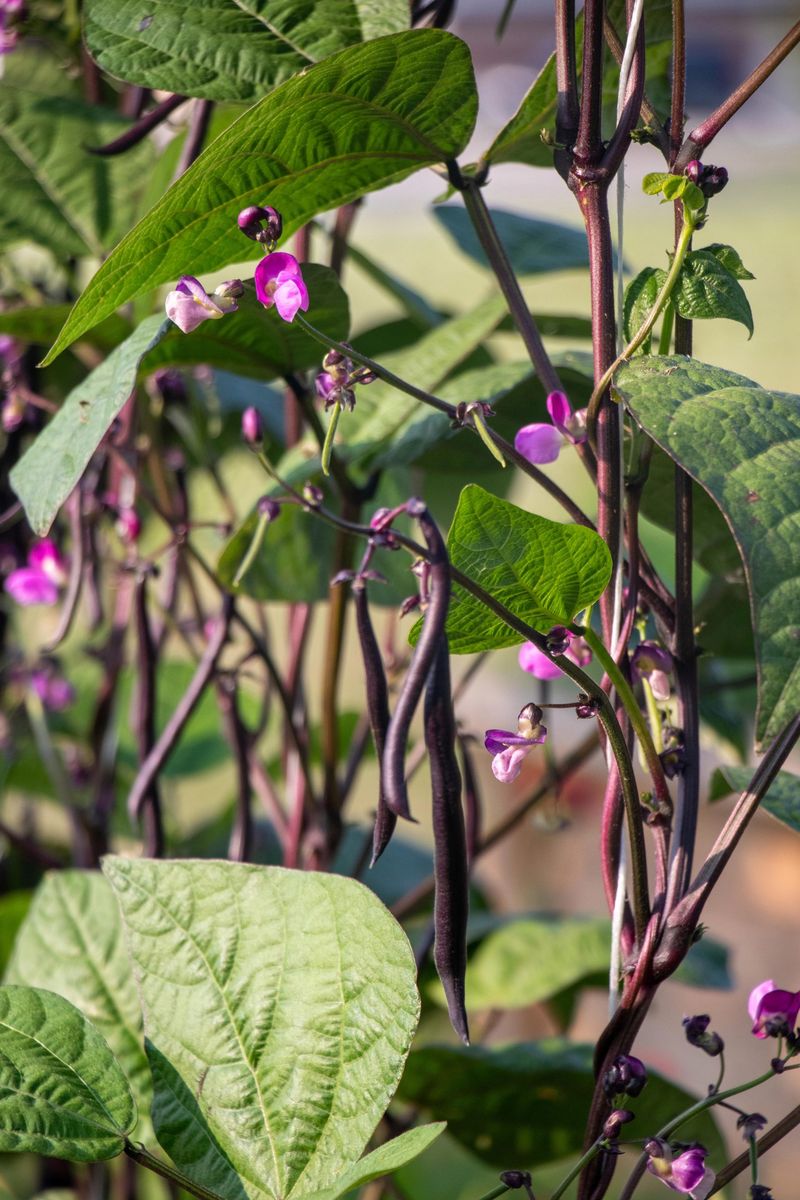
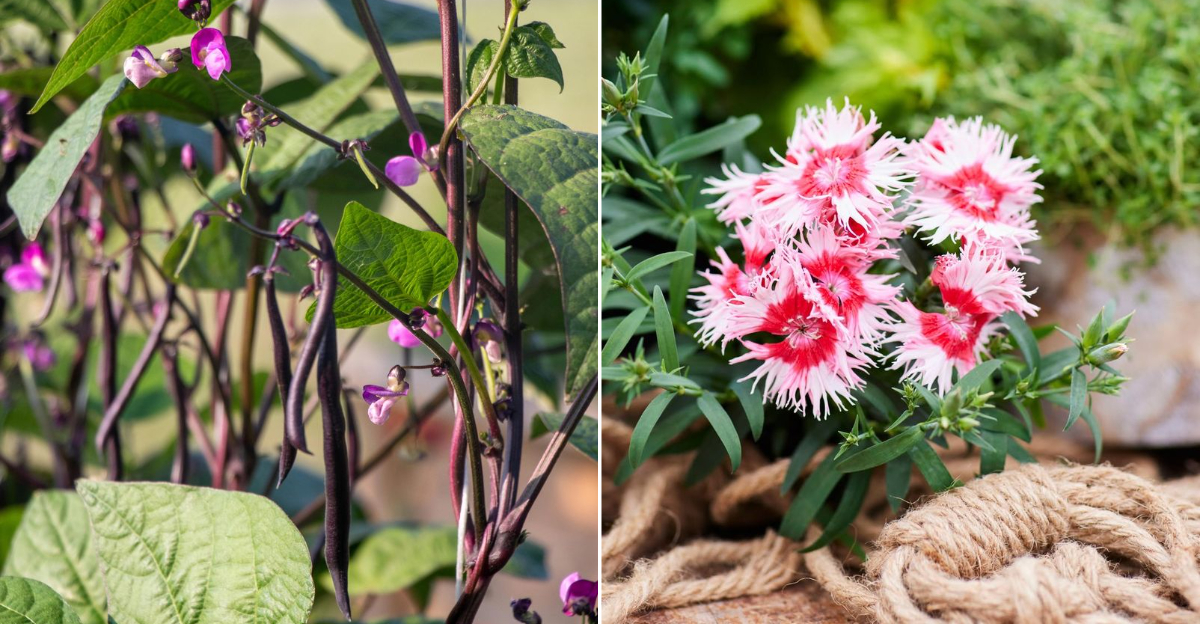
Long, slender, and absolutely stunning, Majestic pole beans hang from their vines like elegant green ornaments, reaching up to ten inches in length while staying tender and stringless.
This All-America Selections winner earned its award for exceptional flavor, beautiful appearance, and impressive yields that keep coming all summer long.
The beans are flat and wide, similar to Romano types, with a rich, meaty texture that holds up beautifully whether you steam, sauté, or toss them into stir-fries.
Oregon’s cool spring mornings and warm summer afternoons create ideal conditions for pole beans, and Majestic thrives in this climate.
The vines climb enthusiastically up trellises, teepees, or fences, making them perfect for vertical gardening in raised beds or small yards.
They produce heavily throughout the season, so you’ll have fresh beans for weeks if you keep harvesting regularly.Gardeners find Majestic easy and rewarding because the beans are so visible against the foliage, making harvest a breeze.
The plants resist common bean diseases better than older varieties, and they tolerate our variable summer weather without skipping a beat.
Plus, growing vertically means better air circulation, which helps prevent mold and mildew in Oregon’s sometimes humid conditions.
Plant them once the soil warms in late May or early June, and you’ll be picking gorgeous beans all summer long.
4. Treviso Basil
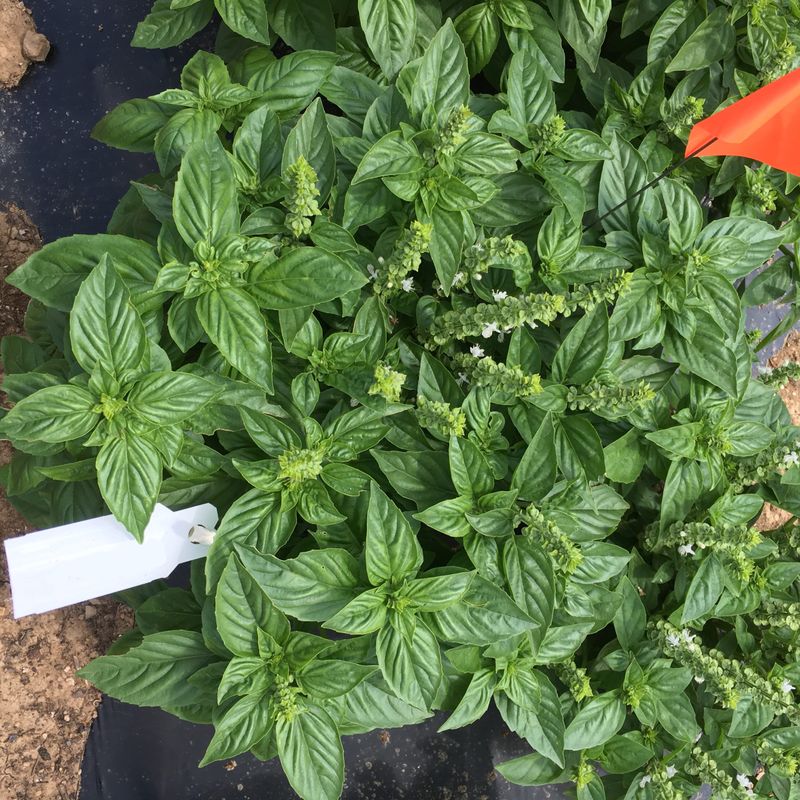
Forget everything you know about basil that bolts the moment summer heats up.
Treviso is an Italian large-leaf basil that won its All-America Selections award for staying productive and flavorful far longer than standard varieties, with enormous leaves that smell intensely aromatic and taste perfectly balanced between sweet and savory.
The plants grow upright and bushy, reaching about two feet tall, and they produce an abundance of foliage that you can harvest continuously from early summer through fall.
Oregon’s moderate summer temperatures are ideal for Treviso, which thrives in warmth but doesn’t suffer as much in our cooler coastal and valley climates.
The large leaves mean you need fewer plants to get plenty of basil for pesto, caprese salads, and fresh pasta dishes.
Grow it in containers near your kitchen door, plant it in raised beds alongside tomatoes and peppers, or tuck it into sunny spots in your vegetable garden.Home gardeners appreciate Treviso because it’s slower to bolt than other basils, giving you a much longer harvest window.
The leaves are tender yet sturdy, perfect for wrapping around mozzarella or layering into sandwiches.
Even when flower buds appear, you can pinch them off and the plant keeps producing fresh growth.
It’s forgiving, fragrant, and incredibly productive—exactly what Oregon herb gardeners want from their basil plants.
5. Supra Cherry Dianthus
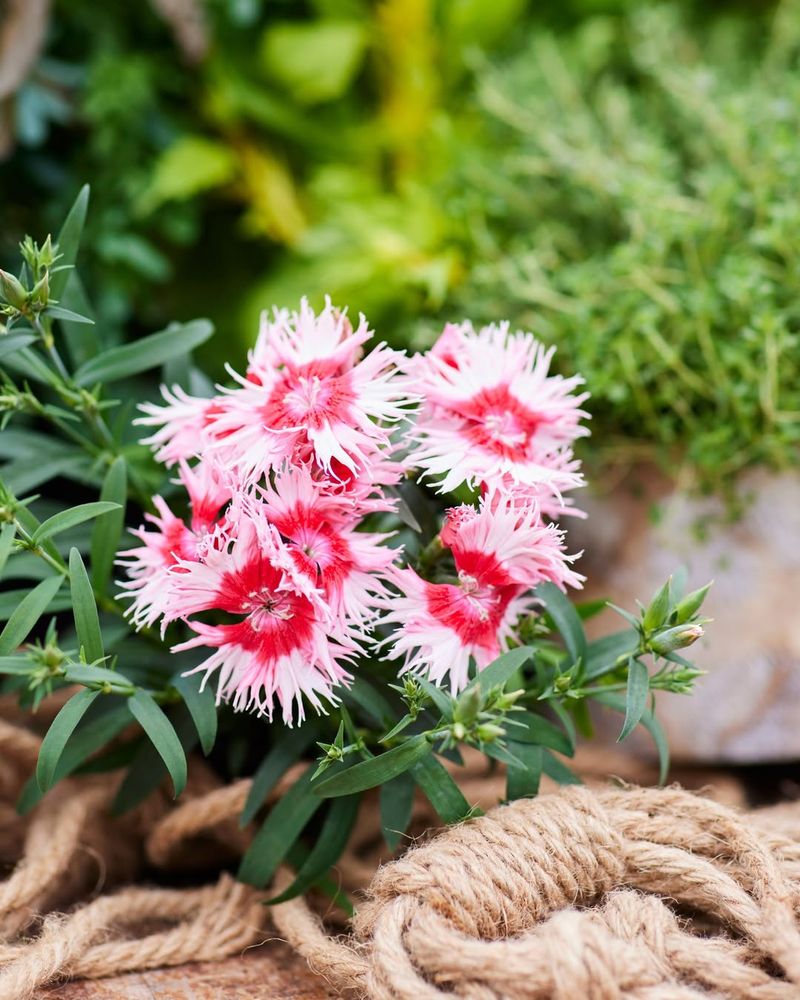
Deep cherry-red blooms with delicately fringed petals rise above silvery-blue foliage, creating a stunning contrast that catches your eye from across the garden.
Supra Cherry won its All-America Selections award for exceptional flower production, compact growth, and incredible heat tolerance that keeps it blooming even when summer temperatures climb.
Each flower carries that classic spicy-sweet dianthus fragrance that smells like cloves and nostalgia mixed together, and the plants stay neat and tidy without sprawling or flopping.
Oregon gardeners find Supra Cherry performs beautifully in our climate, blooming from late spring through summer and often reblooming in fall if you trim off spent flowers.
The compact size, around eight to ten inches tall and wide, makes it perfect for edging borders, filling containers, or planting in rock gardens.
It tolerates our occasional summer heat waves without wilting, and the silvery foliage looks attractive even when the plant isn’t in bloom.What makes Supra Cherry so rewarding is its combination of beauty and toughness.
Dianthus prefers well-drained soil, which is easy to provide in raised beds or amended garden soil, and once established it handles dry periods gracefully.
The flowers attract butterflies and look gorgeous in small bouquets, and the plants are deer-resistant, which is a bonus in many Oregon neighborhoods.
Whether you’re filling a sunny spot or adding color to containers, Supra Cherry delivers vibrant blooms and old-fashioned charm.
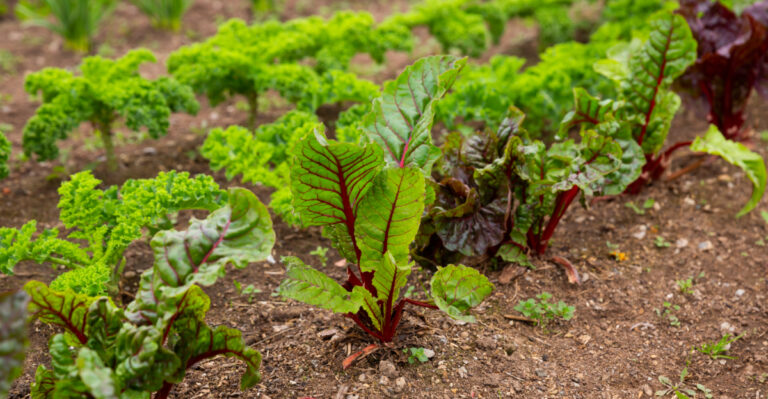
6. Rubybor Kale
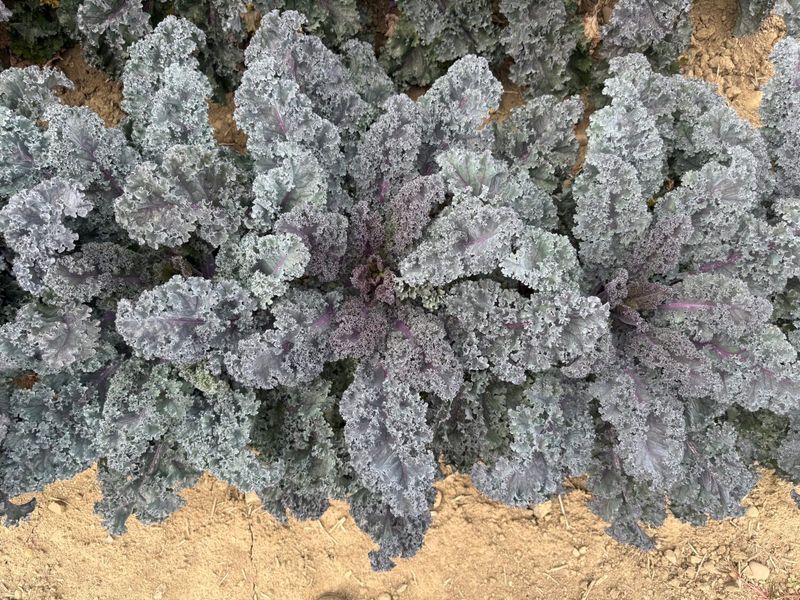
Deep burgundy-red leaves with ruffled edges make Rubybor kale look more like an ornamental plant than a vegetable, yet it’s incredibly tasty and nutritious.
This All-America Selections winner earned its award for stunning color, excellent flavor, and versatility in both the garden and the kitchen.
The leaves are tender and sweet, especially after a light frost, and the vibrant red color holds up beautifully whether you’re growing it for salads, sautéing, or simply admiring it in your garden beds.
Oregon’s cool-season climate is absolutely perfect for Rubybor, which thrives in spring and fall and even grows through mild winters in many parts of the state.
Plant it in early spring for summer harvests, or sow it in late summer for fall and winter crops when the flavor sweetens and the color deepens.
The plants tolerate our rain and cooler temperatures without rotting or bolting, and they look gorgeous tucked into ornamental borders, vegetable beds, or large containers.Gardeners love Rubybor because it’s beautiful and productive at the same time.
You can harvest outer leaves continuously while the plant keeps growing, or cut the whole plant at once.
The deep red color adds visual interest to gardens and plates alike, and it’s packed with vitamins and antioxidants.
It’s easy to grow, handles pests better than green kale varieties, and looks stunning frosted with morning dew or light snow—a true Oregon garden star.
7. Profusion Double White Zinnia
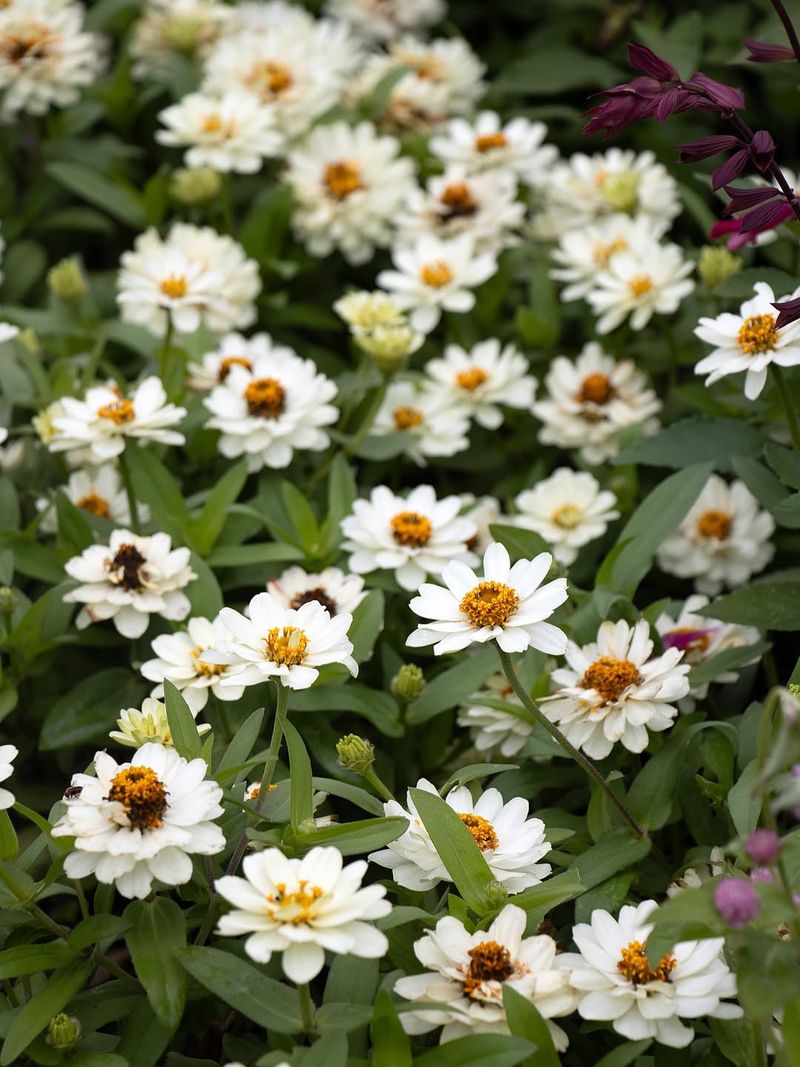
Pure white double blooms cover these compact zinnia plants from early summer until frost, creating a cloud of color that brightens any garden space.
Profusion Double White won its All-America Selections award for disease resistance, compact growth, and nonstop flowering that requires zero deadheading.
The flowers are fully double, meaning they’re packed with petals that create a lush, rounded bloom, and they sit just above the foliage on sturdy stems that don’t flop or break in wind or rain.
Oregon’s summer weather suits Profusion Double White perfectly, especially in our warmer inland valleys where zinnias thrive in full sun and heat.
The plants stay compact, around twelve to fifteen inches tall, making them ideal for the front of borders, mass plantings, or containers on sunny patios.
Unlike older zinnia varieties that suffer from powdery mildew in our humid conditions, Profusion Double White resists disease beautifully and keeps blooming cleanly all season long.Home gardeners find these zinnias incredibly easy and satisfying to grow.
They tolerate heat and drought once established, attract butterflies and hummingbirds, and provide fresh-cut flowers for bouquets.
The white blooms pair beautifully with any other color in your garden, creating a clean, elegant look that works in both cottage gardens and modern landscapes.
Plant them after the last frost, give them sun and decent soil, and they’ll reward you with months of effortless beauty.
8. Petunia Dekko Maxx Pink
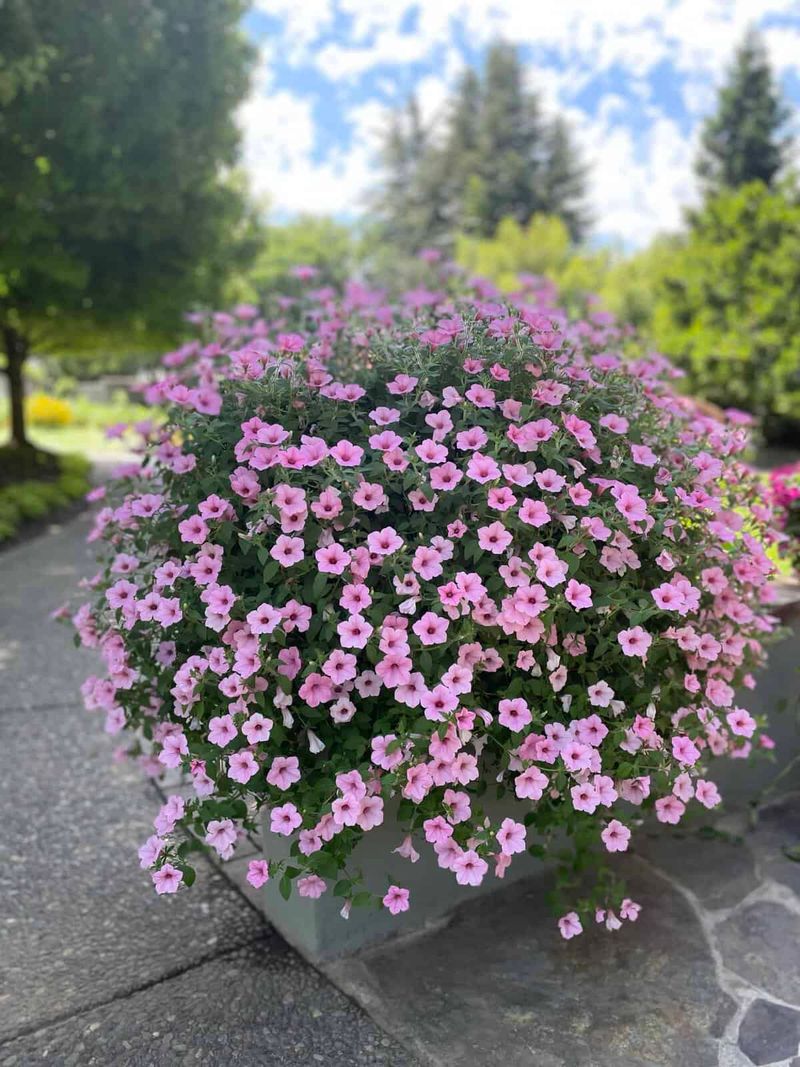
Bright magenta-pink flowers with a white star pattern in the center create a bold, eye-catching display that looks vibrant from spring through fall.
Petunia Dekko Maxx Pink won its All-America Selections award for exceptional weather tolerance, vigorous growth, and continuous flowering without the need for deadheading or constant maintenance.
The plants mound and spread beautifully, filling containers, hanging baskets, or garden beds with waves of color that bounce back quickly after rain or wind.
Oregon gardeners find Dekko Maxx Pink performs brilliantly in our variable spring and summer weather, handling cool mornings, occasional rain, and sunny afternoons without missing a beat.
The flowers don’t shatter or fade in our coastal moisture, and the plants recover quickly from the kind of weather swings that make other petunias sulk.
They’re perfect for containers on decks and patios, as edging along pathways, or in mixed planters where their vibrant color adds energy and drama.What makes Dekko Maxx Pink so rewarding is its resilience and nonstop blooming habit.
You don’t need to pinch or deadhead to keep the flowers coming, and the plants stay full and bushy without getting leggy.
They attract hummingbirds and add instant color wherever you plant them.
Whether you’re filling a large container, creating a colorful border, or brightening a shady corner with a pop of pink, Dekko Maxx Pink delivers reliable beauty with minimal effort.
9. Basil Piedmont
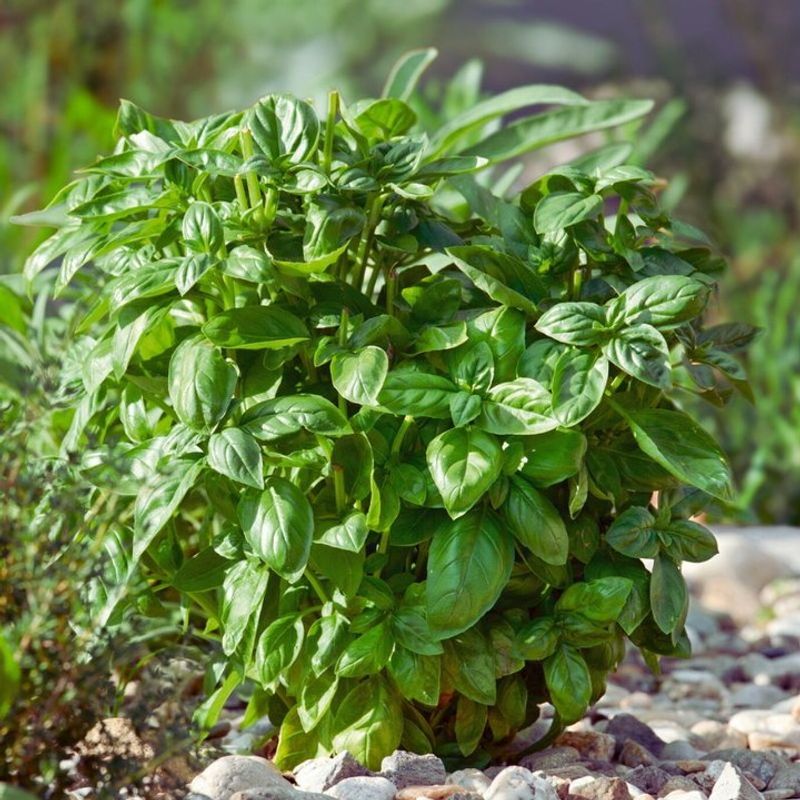
Compact, bushy, and incredibly aromatic, Basil Piedmont is a Genovese-type basil that won its All-America Selections award for superior flavor, uniform growth, and resistance to downy mildew, a disease that has plagued basil growers for years.
The plants stay neat and rounded, reaching about twelve to fourteen inches tall and wide, with small to medium-sized leaves that pack intense basil flavor perfect for pesto, sauces, and fresh eating.
The compact size makes it ideal for containers, small gardens, or tucking into vegetable beds where space is limited.
Oregon’s moderate summer temperatures and occasional humidity can encourage basil diseases, but Piedmont’s resistance to downy mildew gives it a real advantage in our climate.
You can grow it in pots on your patio, plant it in raised beds alongside tomatoes and peppers, or keep several plants in sunny windowsills for fresh basil all season.
The uniform, bushy growth means every plant looks attractive and produces plenty of leaves for harvesting.
Gardeners love Piedmont because it’s reliable, flavorful, and easy to manage.
The compact habit means it doesn’t sprawl or get leggy like some basil varieties, and the disease resistance means your plants stay healthy and productive longer.
Harvest leaves regularly to encourage bushier growth and prevent flowering, and you’ll have fresh basil from early summer through fall.
It’s the kind of basil that makes you wonder why you ever struggled with other varieties.