8 Plants Alabama Gardeners Should Prune In January
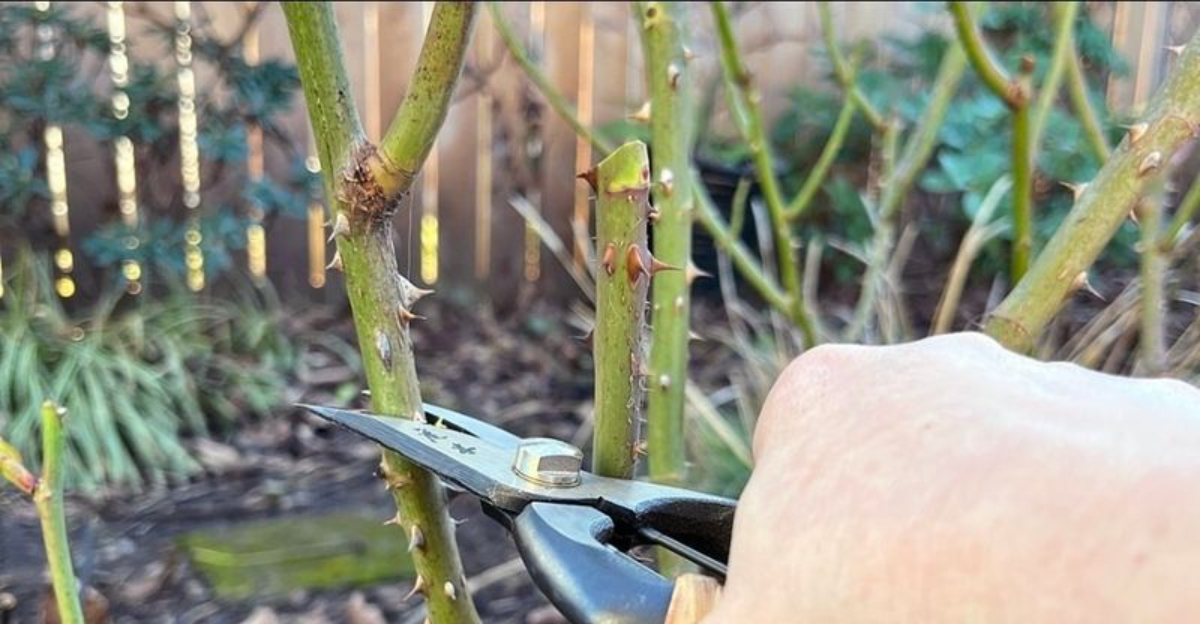
January may seem quiet in Alabama gardens, but it’s actually one of the best times to take action, especially when it comes to pruning.
While many plants are still dormant, that doesn’t mean they should be ignored.
In fact, this is when some trees, shrubs, and perennials benefit most from a good trim.
Pruning in January helps shape growth, remove dry or damaged branches, and prepare plants for a strong and healthy spring.
If you wait too long, you might miss the window to encourage better flowering and avoid spreading disease.
Alabama’s mild winters allow for outdoor garden work that other states can’t manage this time of year.
That makes January the ideal month to focus on key pruning tasks without stressing your plants.
Whether you’re dealing with fruit trees, flowering shrubs, or ornamental grasses, knowing which ones to cut back makes a huge difference in how your landscape looks later in the year.
It’s a simple step that often gets overlooked but can pay off in bigger blooms and stronger plants come spring.
1. Crepe Myrtle
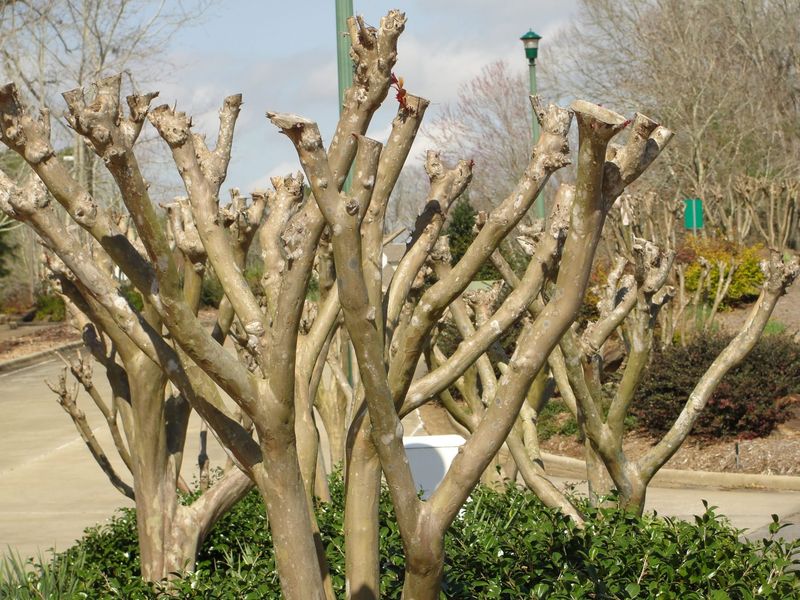
Alabama gardeners have a special relationship with crepe myrtles, and January is absolutely the best month to give these beloved trees the attention they deserve.
Dormant branches make it easy to spot crossing limbs, weak growth, and areas that need shaping.
The key is avoiding what locals call “crepe murder,” which is when people chop off all the tops and leave ugly stubs behind.
Start by removing any suckers growing from the base of the trunk, as these steal nutrients from the main tree.
Look for branches that rub against each other or grow inward toward the center.
Good air circulation prevents fungal problems that can plague Alabama’s humid summers.
Focus on creating a vase-like shape by selecting three to five main trunks and removing everything else at ground level.
Trim back last year’s growth by about a third if you want more flowers, since blooms appear on new wood.
Small twiggy growth can be cleaned up too.
Throughout Birmingham, Montgomery, and Huntsville, properly pruned crepe myrtles become the stars of summer landscapes.
January’s cooler temperatures mean less stress on the tree while you work.
The tree stays dormant, so it won’t waste energy trying to heal cuts.
By the time warm weather arrives, your crepe myrtle will be perfectly positioned to explode with gorgeous blooms that last for months.
2. Fruit Trees
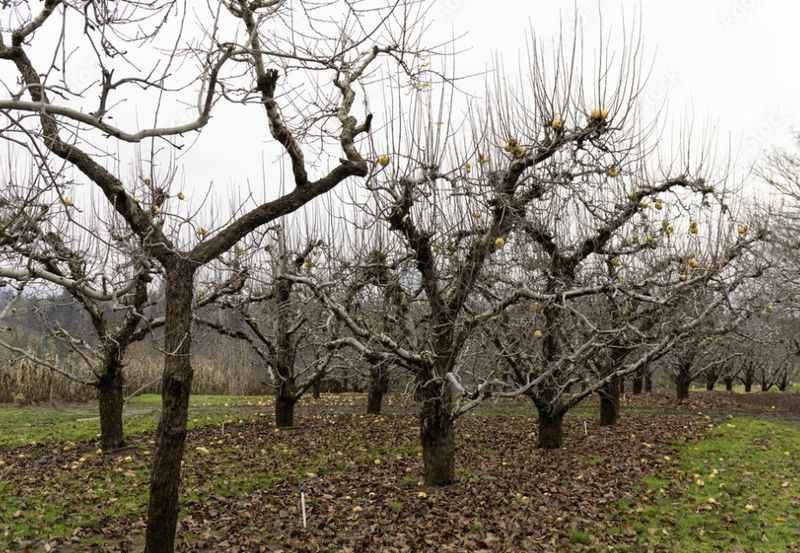
Peach, apple, pear, and plum trees all benefit tremendously from January pruning across Alabama’s diverse growing regions.
Dormant fruit trees show you exactly what you’re working with since leaves aren’t hiding problems.
Pruning now encourages the tree to put energy into fewer, better branches that will support heavy fruit loads come summer.
Remove any branches that grow straight up or straight down, as these rarely produce quality fruit.
Dry wood should go first, followed by diseased or damaged limbs.
Water sprouts, those fast-growing vertical shoots, need to be cut away at their base because they drain resources without contributing to fruit production.
Your Alabama Garden Changes Every Week. Your Plan Should Too.
Gardening in Alabama changes quickly throughout the season. Every Friday you’ll receive a simple weekly plan showing exactly what to plant, prune, fertilize, harvest, and protect so you never miss the right timing.
Opening up the center of the tree allows sunlight to reach interior branches and improves air movement through the canopy.
This matters especially in Alabama where humidity creates perfect conditions for fungal diseases.
Aim for a balanced shape with main branches radiating outward like spokes on a wheel.
Fruit trees in north Alabama can handle more aggressive pruning than those in southern parts of the state.
Thin out crowded areas and shorten long branches by cutting just above an outward-facing bud.
This directs new growth away from the tree’s center.
January pruning also reduces the number of fruit buds, which sounds counterintuitive but actually results in larger, healthier fruit instead of lots of small ones.
3. Roses
Did you know that roses pruned in January often outperform those trimmed at other times?
Alabama rose enthusiasts have long understood that late winter pruning produces the most spectacular spring blooms.
Hybrid teas, grandifloras, and floribundas all respond beautifully to January attention, though climbing roses need different treatment.
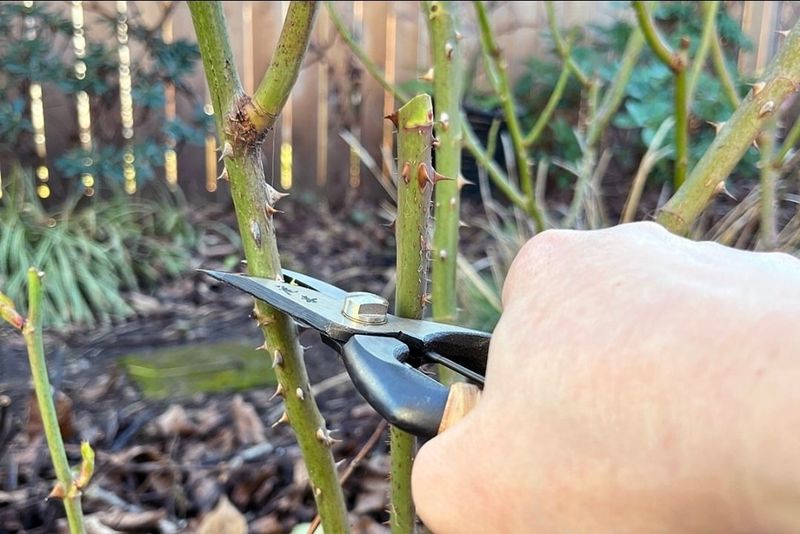
Begin by cutting away all dry canes, which appear brown or black rather than green under the bark.
Remove any growth thinner than a pencil since these weak stems won’t support quality blooms.
Look for canes that cross through the center of the bush and eliminate those to improve air circulation.
Make cuts at a 45-degree angle about a quarter inch above an outward-facing bud eye.
This encourages new growth to spread outward instead of crowding the center.
Seal large cuts with pruning compound to prevent cane borers, which are common pests in Alabama gardens.
Most hybrid tea roses should be cut back to about 18 to 24 inches tall, leaving three to five strong canes.
Shrub roses need less severe pruning, just shaping and thinning.
Climbing roses are the exception since they bloom on old wood, so just remove dry material and shape lightly.
From the gardens of Mobile to the yards of Decatur, January-pruned roses reward gardeners with abundant flowers and healthy growth throughout Alabama’s long growing season.
4. Blueberry Bushes
Blueberries thrive in Alabama’s acidic soils, and January is when smart gardeners prepare these bushes for bumper crops.
Mature blueberry plants need annual pruning to maintain productivity since older canes produce smaller, fewer berries.
Winter pruning is easier because you can see the plant’s structure clearly without foliage in the way.
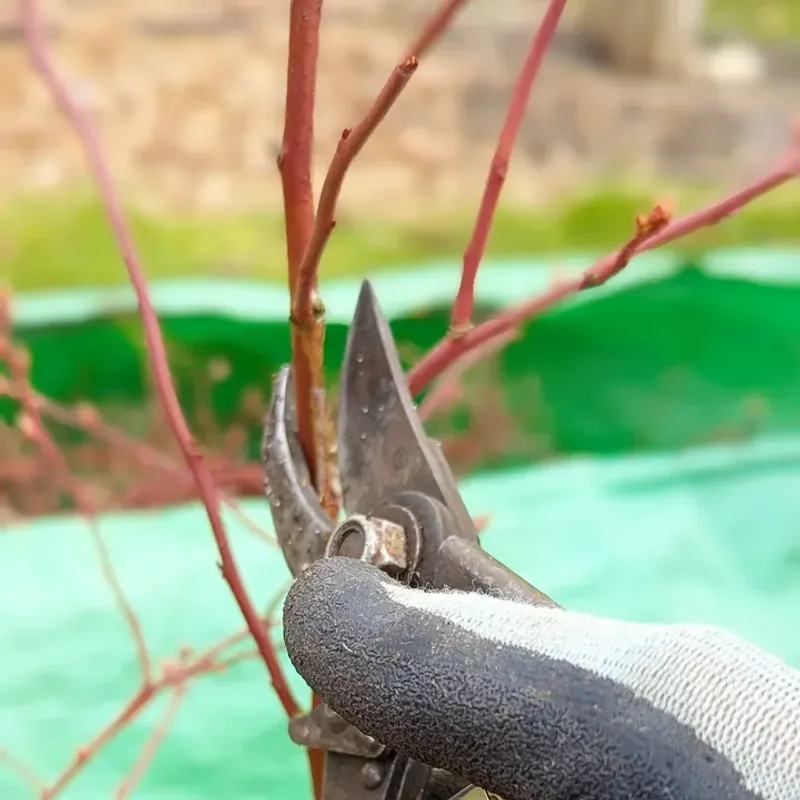
Start with any damaged, or diseased wood, cutting it completely away at ground level.
Canes older than six years become less productive, so remove one or two of the oldest, thickest canes each year.
This makes room for younger, more vigorous growth that produces larger berries.
Low-hanging branches that will touch the ground when loaded with fruit should be removed since berries touching soil often develop rot.
Thin out twiggy growth and weak shoots that won’t support fruit production.
The goal is an open, vase-shaped bush with eight to ten healthy canes of varying ages.
Blueberry bushes in central Alabama may need slightly different timing than those in the northern part of the state, but January generally works well statewide.
Remove any growth shorter than your hand since these small shoots rarely produce quality fruit.
Head back tall canes by about a third to encourage side branching where flower buds form.
Proper January pruning means Alabama gardeners can look forward to buckets of sweet, plump blueberries when summer arrives.
5. Muscadine Grapes
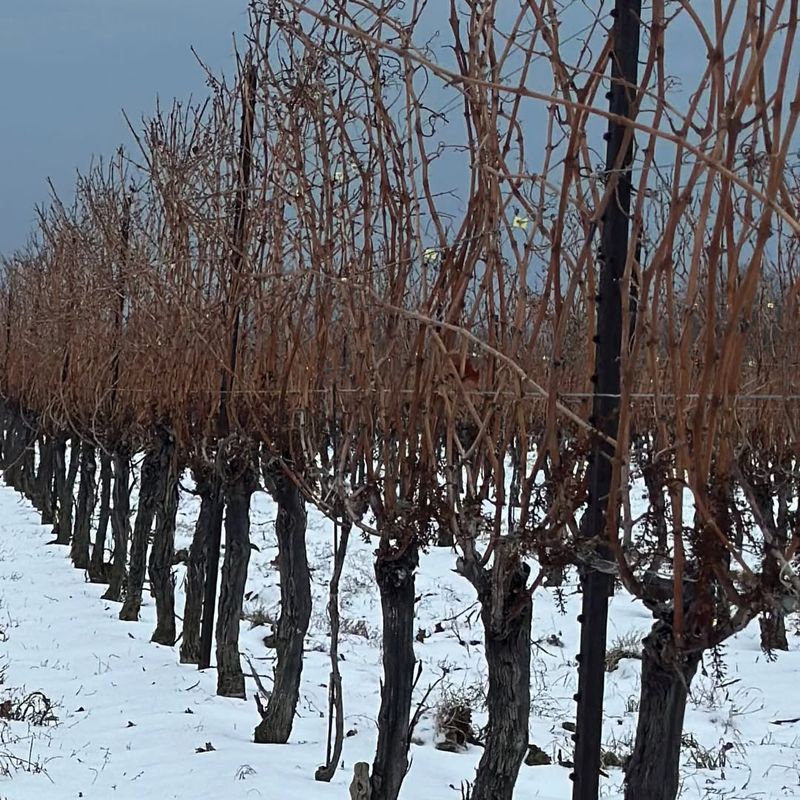
With a heritage deeply rooted in Southern gardens, muscadine grapes are Alabama favorites that absolutely require January pruning for best results.
These vigorous vines can quickly become tangled messes without annual attention, and dormant season pruning prevents sap bleeding that occurs if you wait until spring.
Muscadines fruit on current season’s growth, so don’t worry about cutting away potential crop.
Remove all damaged wood first, then focus on thinning out the previous year’s growth.
Muscadines should be pruned more heavily than bunch grapes, with most of last year’s shoots cut back to spurs with just two or three buds.
This seems extreme but results in stronger shoots and better fruit.
Keep the main trunk and permanent framework of arms, but prune away most of the thin, whippy growth.
Space remaining spurs about six inches apart along the main arms for good air circulation.
Crowded vines develop more disease problems in Alabama’s humid climate, so generous spacing really matters.
Arbors and pergolas throughout Alabama showcase these wonderful native grapes, but only when properly maintained.
Remove any suckers growing from the base of the vine or along the trunk below the main framework.
January is also a good time to repair or adjust trellises before new growth starts.
Well-pruned muscadines reward Alabama gardeners with pounds of sweet, thick-skinned grapes perfect for eating fresh or making into jelly.
6. Fig Trees
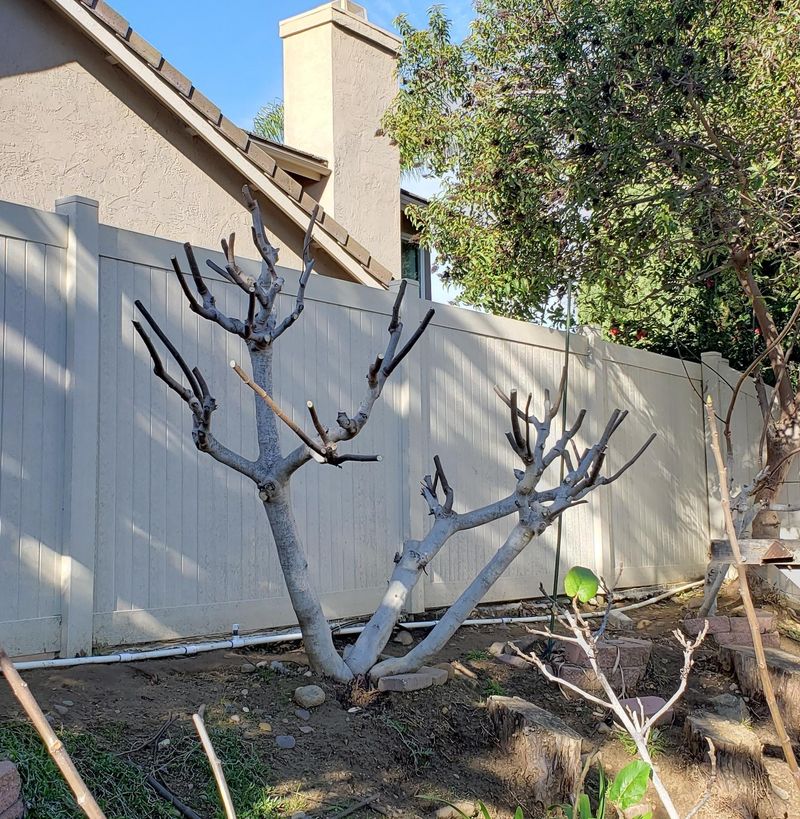
Figs have been growing in Alabama dooryards for generations, and experienced gardeners know January pruning keeps these productive trees manageable and healthy.
Unlike some fruit trees, figs produce on both old and new wood, so pruning strategy depends on your variety and goals.
Brown turkey and celeste figs, common in Alabama, respond well to winter shaping.
Cold damage from occasional hard freezes sometimes affects fig branches in north Alabama, so wait until late January to prune after you can assess any winter injury.
Remove obviously damaged wood first, cutting back to healthy tissue.
Then focus on shaping the tree and controlling its size.
Many Alabama gardeners prefer keeping figs as large shrubs rather than trees, which makes harvesting easier and provides some winter protection.
Remove suckers growing from the base unless you want a multi-trunk form.
Thin out crowded interior branches to allow light penetration and air movement through the canopy.
Figs can grow quite large in Alabama’s favorable climate, so don’t hesitate to cut back long branches to keep the tree at a manageable height.
Make cuts just above outward-facing buds to direct new growth away from the center.
Some gardeners in south Alabama prune figs twice yearly, but January pruning alone works fine for most situations.
Properly maintained fig trees produce abundant crops of sweet fruit that’s perfect for fresh eating, preserving, or sharing with neighbors throughout Alabama communities.
7. Hydrangeas
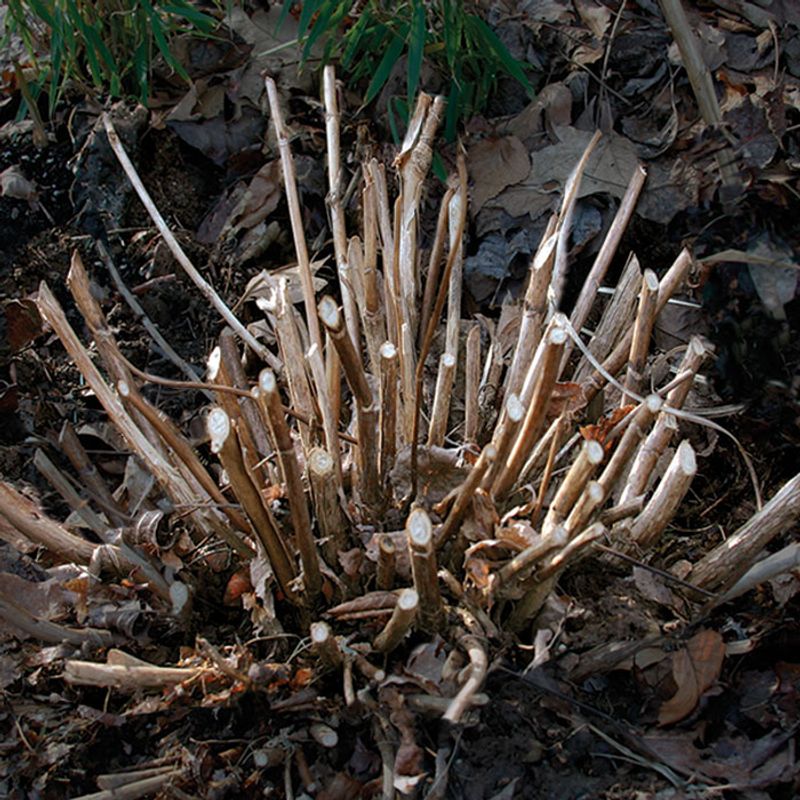
Hydrangea pruning confuses many Alabama gardeners because different types need completely different approaches, and January is the right time for some but wrong for others.
Smooth hydrangeas and panicle hydrangeas bloom on new wood, making them perfect candidates for January pruning.
However, bigleaf and oakleaf hydrangeas bloom on old wood and should not be pruned now.
Smooth hydrangeas, including the popular Annabelle variety, can be cut nearly to the ground in January.
This severe pruning produces strong new stems that support large flower heads without flopping over.
Cut all canes back to about 12 to 18 inches tall, making cuts just above a pair of buds.
Panicle hydrangeas benefit from selective January pruning to shape the plant and control size.
Remove dry wood and thin out weak or crowded stems.
You can also cut back the previous year’s growth by about a third to encourage branching and more flower clusters.
These tough hydrangeas handle Alabama’s heat better than many other types.
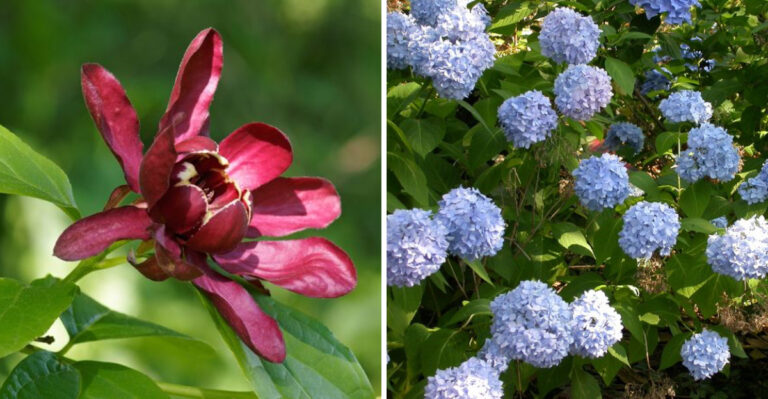
For bigleaf hydrangeas, the ones with blue or pink mophead or lacecap flowers, resist the urge to prune in January.
These form flower buds on old stems during late summer and fall, so winter pruning removes your spring blooms.
Just remove dry wood and spent flower heads.
Understanding which hydrangea type you have makes all the difference in Alabama gardens, where these popular shrubs grace landscapes from Tuscaloosa to Auburn.
8. Wisteria
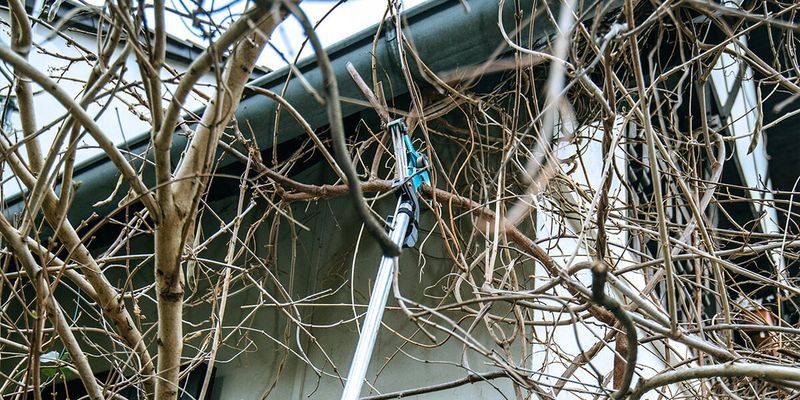
Wisteria’s spectacular spring flower show depends heavily on proper pruning, and January is one of two critical times to trim these vigorous vines.
Alabama gardens showcase both Chinese and Japanese wisteria, along with the less aggressive native American wisteria.
All benefit from winter pruning to control growth and maximize flowering.
Summer pruning is also recommended, but January work is essential.
Wisteria produces long, whip-like shoots during the growing season that can quickly overtake structures and nearby plants.
January is when you cut these long shoots back to just three or four buds from the main framework.
This encourages the formation of short flowering spurs where blooms appear in spring.
Identify the permanent framework of thick, woody stems you want to keep, then remove everything else except for short spurs along these main branches.
Be ruthless with pruning because wisteria grows vigorously and quickly replaces what you remove.
Crowded vines produce more leaves than flowers, which defeats the purpose of growing wisteria.
Check your supports and trellises during January pruning since wisteria’s weight can damage structures over time.
Throughout Alabama, from historic homes in Selma to modern gardens in Hoover, properly pruned wisteria creates breathtaking displays of cascading purple, blue, or white flowers.
The work you do in January directly determines how spectacular that show will be.
Remember that wisteria takes patience, sometimes requiring several years of proper pruning before flowering abundantly.