9 Vintage Garden Plants North Carolina Gardeners Love Again
In North Carolina, gardening is more than a seasonal hobby, it’s a connection to the past, a celebration of the present, and a hopeful step toward the future.
That may be why so many gardeners across the state are bringing back the vintage plants they grew up with or admired in their grandparents’ yards.
These classic flowers and shrubs are full of charm, hardiness, and personality.
They remind us of simpler times, but they also prove they can still hold their own in modern landscapes.
From cottage-style blooms to traditional Southern favorites, vintage plants are making a strong comeback in gardens across North Carolina.
Whether it’s the sweet scent of heirloom roses or the bright cheer of old-fashioned hollyhocks, these plants are loved for more than just their looks, they carry history.
Gardeners are rediscovering how reliable, low-maintenance, and pollinator-friendly many of these vintage varieties can be.
As trends come and go, these timeless plants remain favorites for a reason.
Adding them to your garden isn’t just a style choice, it’s a way to blend beauty with tradition, and create a landscape that feels both fresh and familiar.
1. Hollyhocks
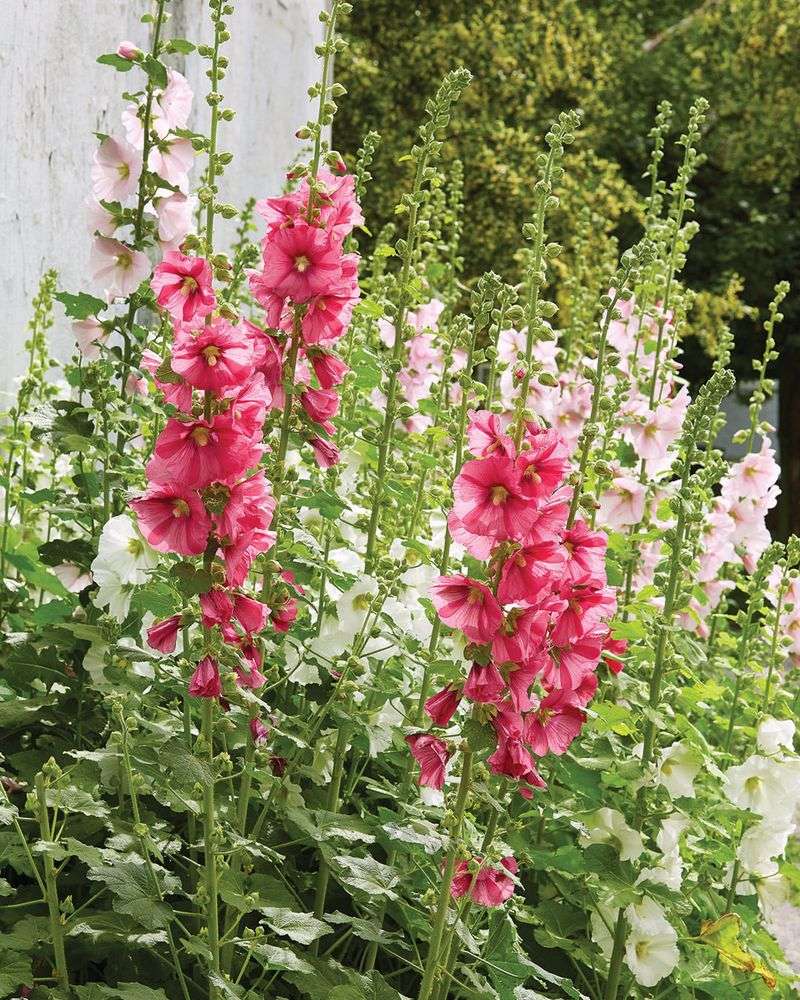
Picture a tall flower stalk reaching toward the sky, covered in blooms that look like crepe paper in shades of pink, red, white, and yellow.
Hollyhocks were staples in farmhouse gardens throughout North Carolina for generations, often planted along fence lines or beside barn walls.
Their towering presence, sometimes reaching eight feet tall, creates a dramatic backdrop that modern gardeners are rediscovering with enthusiasm.
These cottage garden classics thrive in full sun and well-drained soil, making them perfect for many North Carolina locations.
They bloom from early summer through fall, providing months of color with minimal fuss.
Bees and butterflies adore their open-faced flowers, turning your garden into a pollinator paradise.
The biennial nature means they bloom in their second year, but they self-seed readily, ensuring new plants appear each season.
Growing hollyhocks is straightforward even for beginners.
Plant seeds directly in the ground during spring or start them indoors six weeks before the last frost.
Space them about two feet apart and provide support stakes if your area gets strong winds.
North Carolina’s humid summers suit them well, though good air circulation helps prevent rust spots on leaves.
Once established, these vintage beauties require little maintenance beyond occasional watering during dry spells, making them ideal for busy gardeners who want maximum impact with minimum effort.
2. Four O’Clocks
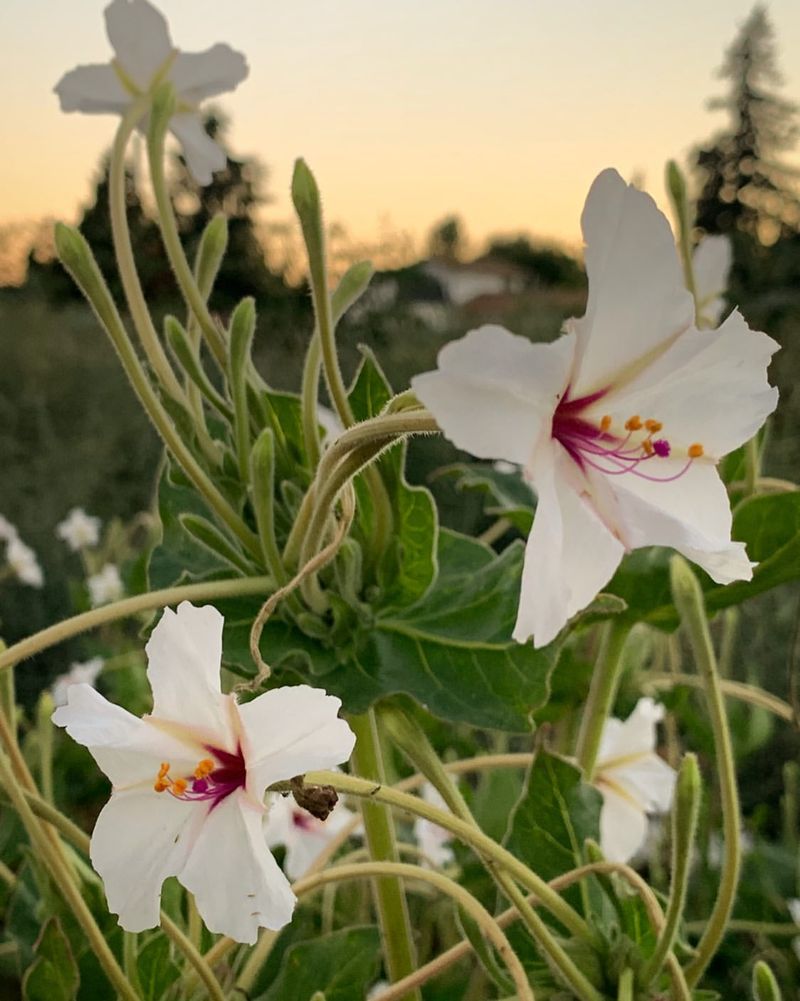
Named for their habit of opening late in the afternoon, four o’clocks were grandmother’s favorite for good reason.
These bushy plants produce tubular flowers in vibrant colors like magenta, yellow, white, and bicolor combinations that perfume the evening air with a sweet, jasmine-like fragrance.
North Carolina gardeners loved them because they bloomed reliably through summer heat when other flowers struggled.
What makes four o’clocks especially fascinating is their ability to produce different colored flowers on the same plant.
You might see bright pink blooms next to yellow ones, creating a cheerful patchwork effect.
Your North Carolina Garden Changes Every Week. Your Plan Should Too.
Gardening in North Carolina changes quickly throughout the season. Every Friday you’ll receive a simple weekly plan showing exactly what to plant, prune, fertilize, harvest, and protect so you never miss the right timing.
They grow quickly from large black seeds, reaching two to three feet tall and wide by midsummer.
The flowers close by morning but reopen each afternoon, timing their show for when people relax outdoors after work.
Growing these vintage charmers couldn’t be easier in North Carolina’s climate.
They tolerate heat, humidity, and even drought once established, making them perfect for low-maintenance gardens.
Plant seeds after the last frost in spring, spacing them eighteen inches apart in full sun or partial shade.
The tuberous roots can be dug up and stored over winter in colder mountain regions, then replanted next spring.
Hummingbirds visit the trumpet-shaped flowers frequently, adding another layer of entertainment.
Four o’clocks self-seed enthusiastically, so you’ll likely find volunteer plants popping up in unexpected spots, which most gardeners consider a bonus rather than a problem.
3. Bearded Iris
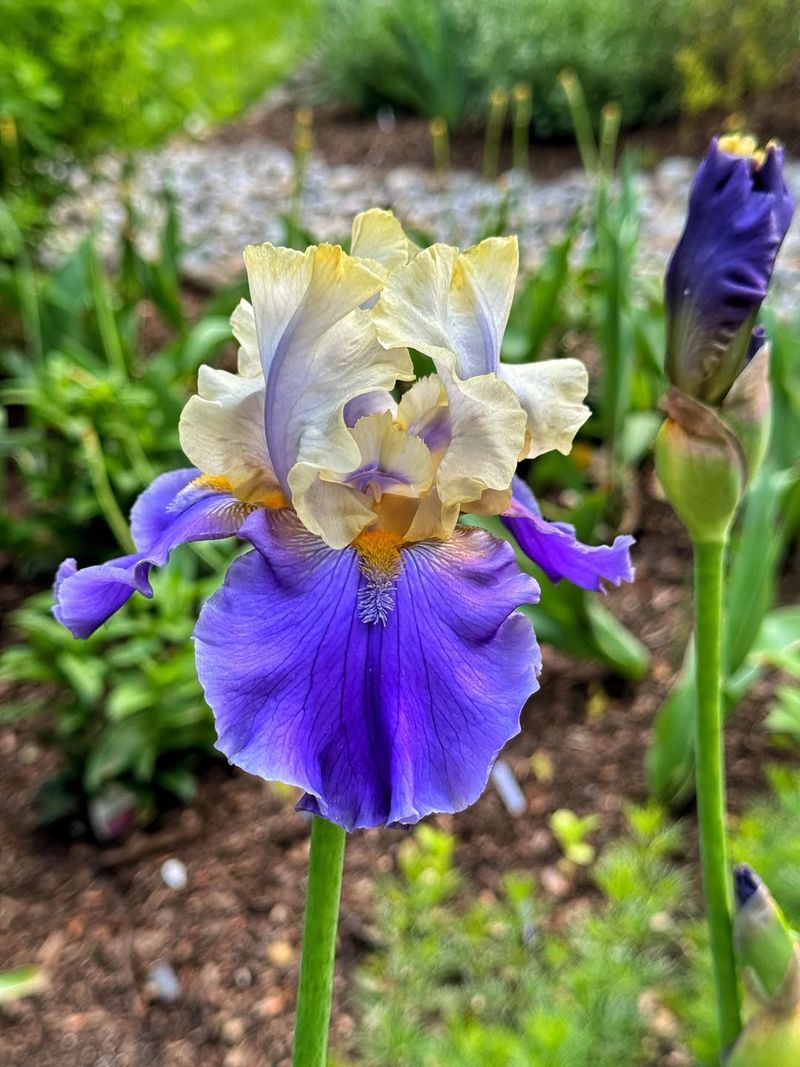
Few flowers capture old-fashioned elegance quite like bearded iris with their ruffled petals and distinctive fuzzy beards.
These perennials were passed down through generations of North Carolina families, divided and shared among neighbors each fall.
Their sword-like foliage adds architectural interest even when not blooming, and the flowers themselves come in nearly every color imaginable, from deep purple to pale yellow, often with intricate patterns and color combinations.
Bearded iris bloom in late spring, creating spectacular displays that last several weeks.
Each rhizome sends up multiple flower stalks, and established clumps can produce dozens of blooms.
The flowers have a light, sweet fragrance that varies by variety.
North Carolina’s climate suits them perfectly, especially in areas with good drainage and full sun exposure.
They need cold winter temperatures to bloom well, which the state provides even in milder coastal regions.
Planting bearded iris requires some attention to detail but pays off handsomely.
Set rhizomes partially exposed above soil level, with roots spread downward, in late summer or early fall.
Space them twelve to eighteen inches apart in groups of three for best visual impact.
They prefer slightly alkaline soil, so adding lime benefits gardens with naturally acidic North Carolina soil.
After blooming, remove spent flower stalks but leave foliage until it yellows naturally.
Divide crowded clumps every three to four years to maintain vigor and bloom production, sharing extras with friends to continue the vintage tradition.
4. Zinnias
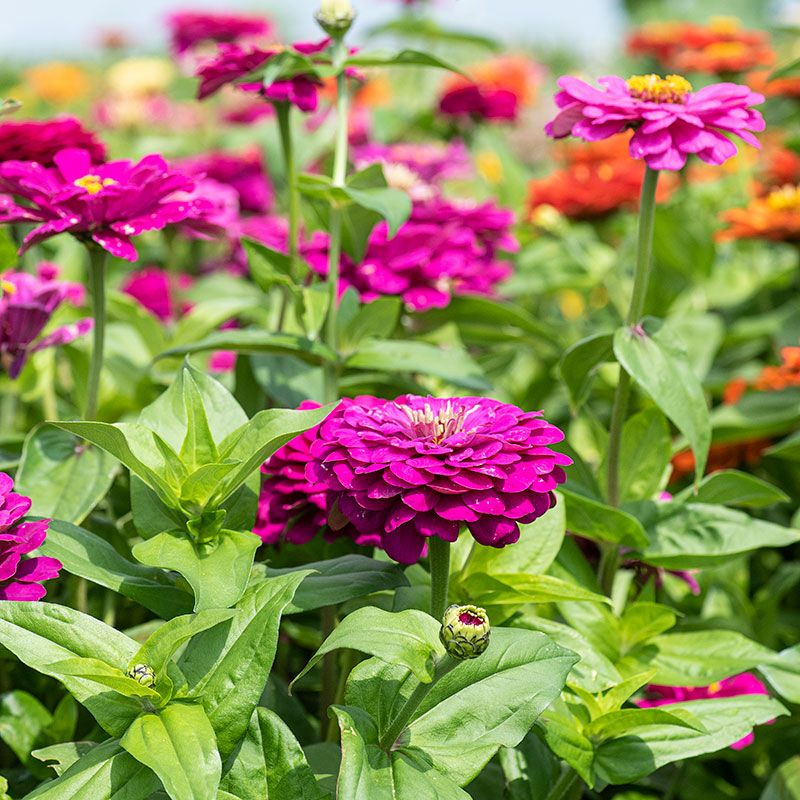
Bright, cheerful, and incredibly easy to grow, zinnias were victory garden favorites during World War II and have been beloved by North Carolina gardeners ever since.
These annual flowers come in sizes from tiny pompoms to dinner-plate giants, with colors spanning the entire rainbow except true blue.
Their long stems make them perfect for cutting, and they keep producing more flowers the more you harvest, creating a continuous supply of bouquets throughout summer and fall.
Zinnias laugh at North Carolina’s summer heat and humidity, actually thriving in conditions that stress other flowers.
They bloom from early summer until the first frost, providing reliable color when gardens need it most.
Butterflies flock to their nectar-rich centers, creating constant movement and interest.
The old-fashioned varieties, particularly the dahlia-flowered and cactus-flowered types, have more character than modern hybrids, with slightly irregular petals that add charm.
Starting zinnias from seed is simple and satisfying.
Sow seeds directly in the garden after danger of frost passes, covering them lightly with soil.
They germinate quickly, usually within a week, and grow rapidly in warm weather.
Space them according to variety size, from six inches for dwarfs to eighteen inches for tall types.
Plant in full sun with good air circulation to minimize powdery mildew, which can affect leaves but rarely stops flowering.
Deadhead spent blooms regularly to encourage more flowers, or leave some seed heads in fall to attract goldfinches and provide seeds for next year’s garden.
5. Daylilies
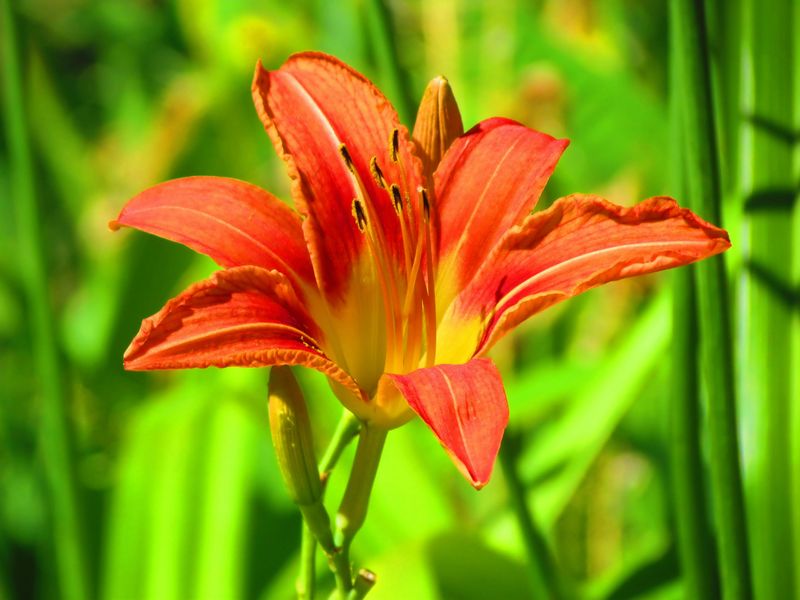
Orange daylilies lined country roads and farmhouse driveways throughout North Carolina for decades, earning the nickname ditch lilies for their ability to thrive with zero care.
While each flower lasts only one day, as the name suggests, each plant produces so many buds that the blooming period extends for weeks.
Modern gardeners are rediscovering both the tough old orange varieties and vintage cultivars in yellow, red, and pink that their grandparents grew.
These perennials rank among the most carefree plants you can grow in North Carolina.
They tolerate heat, drought, poor soil, and neglect while still producing spectacular trumpet-shaped flowers.
The grassy foliage looks attractive all season, and established clumps spread slowly to create impressive displays.
Daylilies adapt to various light conditions, blooming best in full sun but accepting partial shade, especially in hotter regions of the state.
Planting daylilies is practically foolproof.
Set bare-root plants or divisions in spring or fall, spreading roots in a shallow hole and covering with soil so the crown sits just below ground level.
Water well initially, but once established, they rarely need supplemental watering except during severe drought.
They grow in any soil type, though they appreciate compost added at planting time.
Divide crowded clumps every few years to maintain vigor, usually in fall after blooming finishes.
North Carolina’s climate provides the cold dormancy period most daylilies need for best flowering.
The old varieties may not have the fancy ruffles of modern hybrids, but their reliability and toughness make them perfect for beginning gardeners or anyone wanting colorful, low-maintenance plants.
6. Sweet Peas
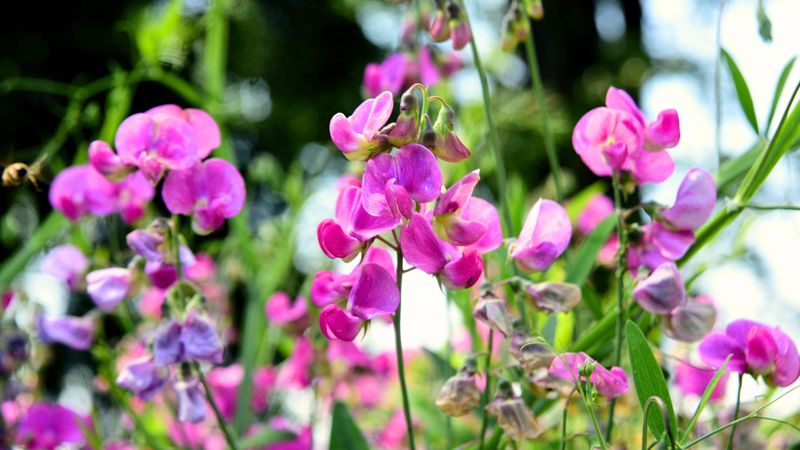
With their delicate ruffled flowers and intoxicating fragrance, sweet peas were once essential in every North Carolina cutting garden.
These climbing annuals produce flowers in soft pastels and rich jewel tones, perfect for bouquets that fill rooms with perfume.
Gardeners are rediscovering heirloom varieties that have stronger fragrance than modern hybrids, bringing back the scent memories of earlier generations.
Sweet peas prefer cool weather, making them ideal for North Carolina’s spring and fall seasons.
In milder coastal areas, they can even bloom through winter.
The vining types need support like trampoline netting, bamboo poles, or decorative obelisks, climbing six to eight feet tall.
Bush varieties stay compact at two to three feet, requiring no support.
Both types produce abundant flowers that should be picked regularly to encourage more blooms.
Timing is everything when growing sweet peas in North Carolina.
Plant seeds in late fall or very early spring, as soon as soil can be worked.
They need cool temperatures to germinate and establish before hot weather arrives.
Soak seeds overnight or nick the hard seed coat with a file to speed germination.
Plant them one inch deep and two inches apart in rich, well-drained soil with plenty of compost added.
Choose a location with full sun and good air circulation.
Water consistently and apply mulch to keep roots cool.
Fertilize lightly every few weeks with balanced fertilizer.
When temperatures stay consistently above seventy-five degrees, sweet peas typically finish blooming, but they’ll often have provided months of fragrant flowers by then, making them worth the effort for any North Carolina gardener who loves old-fashioned charm.
7. Moonflower Vine
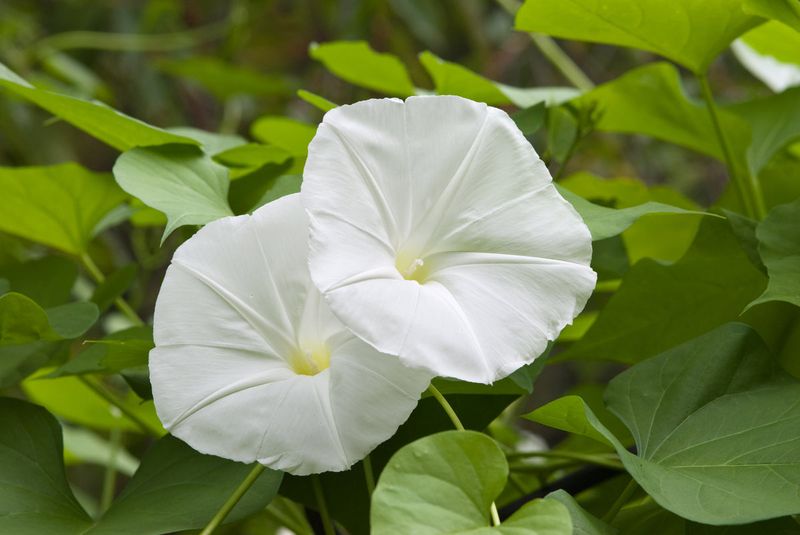
Imagine sitting on your porch at dusk, watching large white flowers unfurl before your eyes as evening settles in.
Moonflowers create exactly this magical experience, opening their six-inch blooms just as darkness falls and releasing a sweet, lemony fragrance that perfumes the night air.
These vigorous vines were traditional porch plantings throughout North Carolina, providing natural evening entertainment and attracting night-flying moths.
Related to morning glories, moonflowers produce heart-shaped leaves on vines that can grow fifteen to twenty feet in a single season.
The pure white flowers glow luminously in moonlight or porch light, creating a romantic atmosphere.
Each flower lasts only one night, closing by morning, but the vines produce new buds continuously from midsummer until frost.
North Carolina’s warm nights and long growing season suit them perfectly.
Starting moonflowers requires patience but delivers rewarding results.
Nick the hard seed coat with a file and soak seeds overnight before planting after all frost danger passes.
Plant seeds one inch deep near a sturdy support structure like a fence, arbor, or porch railing.
They grow slowly at first but accelerate once warm weather arrives.
Moonflowers need full sun and regular water, especially during North Carolina’s hot, dry periods.
Fertilize monthly with balanced fertilizer to fuel their rapid growth.
The vines may attract aphids or spider mites in humid conditions, but strong water sprays usually control minor infestations.
Plant moonflowers near outdoor seating areas where you can enjoy their evening show and fragrance, perhaps combining them with their daytime counterpart, morning glories, for flowers around the clock.
8. Peonies
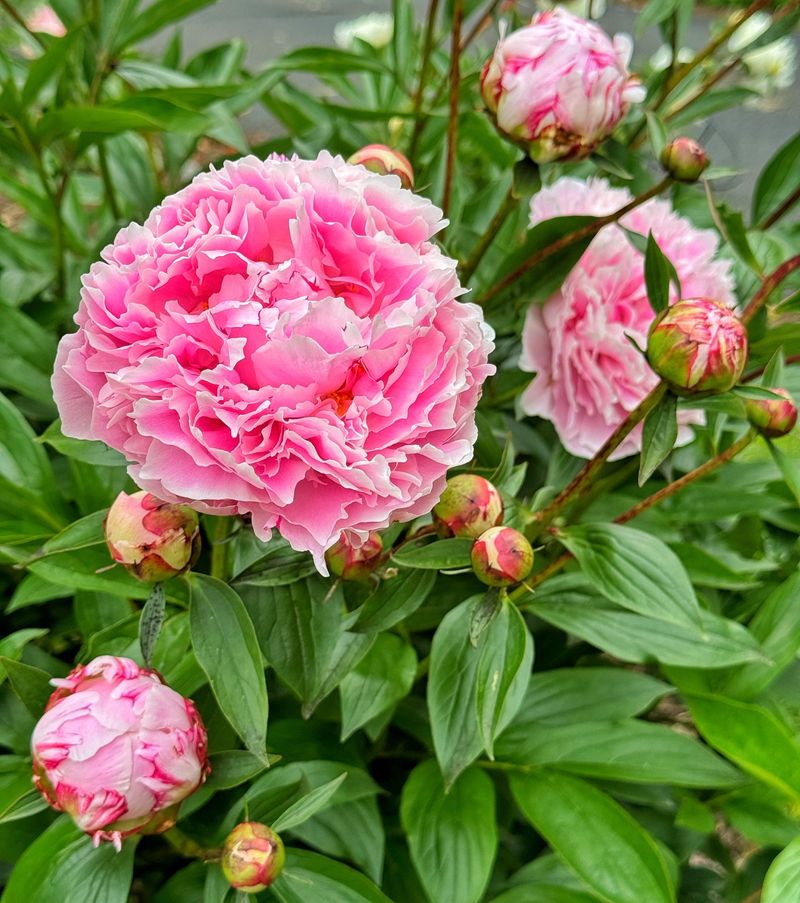
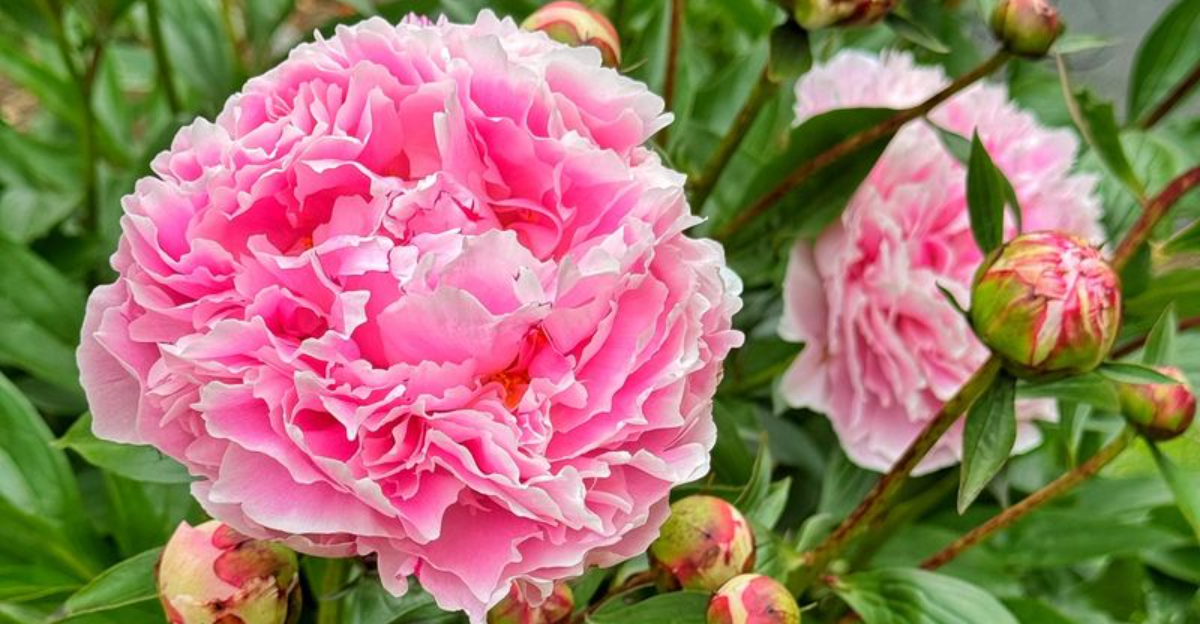
Nothing says old-fashioned garden romance quite like peonies with their massive, fragrant blooms and glossy foliage.
These long-lived perennials were planted at farmhouse foundations throughout North Carolina, often outlasting the buildings themselves.
Stories abound of gardeners rescuing century-old peony clumps from abandoned homesites, transplanting them to continue their legacy.
The huge flowers, which can measure six inches across, come in white, pink, red, and coral, often with layers of ruffled petals.
Peonies bloom in late spring, creating spectacular displays that last two to three weeks.
The flowers are perfect for cutting, bringing their fragrance indoors for magnificent bouquets.
Even after blooming, the bushy plants with attractive foliage provide structure in garden beds through summer and fall.
North Carolina gardeners in the Piedmont and mountain regions have best success with peonies, as they need cold winter temperatures to bloom well.
Coastal gardeners may find them less reliable.
Planting peonies correctly ensures decades of blooms.
Fall is the ideal planting time, from September through November.
Choose bare-root divisions with three to five eyes, setting them in holes enriched with compost.
The critical detail is planting depth: eyes should sit no more than two inches below soil surface, or plants may refuse to bloom.
Space them three feet apart in full sun with excellent drainage.
Peonies need patience, often taking two to three years to bloom well after planting, but they’re worth the wait.
Support the heavy flowers with peony rings or stakes.
North Carolina’s spring rains sometimes knock over unsupported blooms, and the rings prevent this disappointment while keeping plants tidy.
9. Cleome
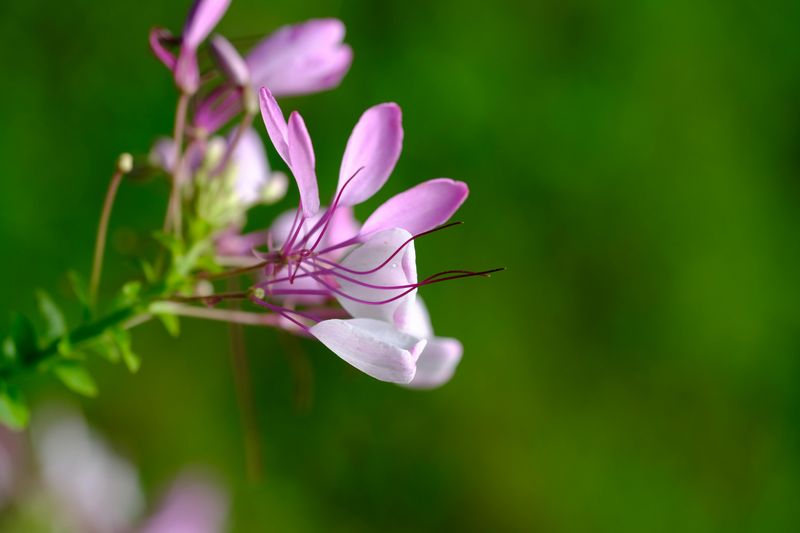
Often called spider flower for its unusual appearance, cleome was a cottage garden staple that’s experiencing a major revival among North Carolina gardeners.
These tall annuals produce airy flower clusters in pink, purple, white, or bicolor combinations atop stems that reach four to five feet tall.
Long, delicate stamens extend from each flower, creating the spidery effect that gives them their common name.
The flowers open from bottom to top on each spike, providing weeks of continuous bloom.
Cleome thrives in North Carolina’s summer heat, blooming reliably from early summer until frost without deadheading or fussing.
The flowers attract hummingbirds, butterflies, and bees, making them valuable pollinator plants.
They work beautifully as background plants in borders or as temporary hedges, and their height adds vertical interest to flat garden spaces.
The foliage has a distinctive, slightly musky scent that some people find pleasant while others consider it strong.
Growing cleome from seed is straightforward and economical.
Sow seeds directly in the garden after the last frost, barely covering them as they need light to germinate.
They can also be started indoors six weeks earlier for earlier blooms.
Space plants eighteen to twenty-four inches apart in full sun.
Cleome tolerates poor soil and drought once established, though regular watering produces lusher growth.
They self-seed enthusiastically, so expect volunteer seedlings next year in the same area and beyond.
Many North Carolina gardeners consider this a benefit, allowing cleome to naturalize in their gardens.
The plants have small thorns on stems, so wear gloves when handling them.
Despite this minor quirk, their old-fashioned charm and easy care make them perfect for anyone wanting vintage garden appeal with modern convenience.