These 11 Flowers Bloom Even In Oregon’s Chilly Spring Rain
Spring in Oregon can be… unpredictable.
One day it’s sunny and mild, and the next you’re dodging chilly rain showers while your garden struggles to keep up.
If you’ve ever wondered whether it’s worth planting flowers this early, you’re not alone.
The good news is, some flowers don’t just survive Oregon’s damp, cool springs, they actually thrive in it.
These hardy blooms bring color and life to gardens even when the weather isn’t cooperating.
They don’t mind the drizzle, the soggy soil, or the occasional late frost, making them perfect for gardeners who want to enjoy early-season beauty without constant worry.
Seeing them bloom year after year can be a small but satisfying reminder that your efforts are paying off, even in challenging conditions.
Whether you’re filling a border, adding pops of color to containers, or planting a pollinator-friendly patch, there are reliable flowers that can brighten your garden despite the rain.
Perfectly suited to Oregon’s cool, wet spring, these flowers brighten your garden and make it feel lively right from the start of the season.
1. Primrose
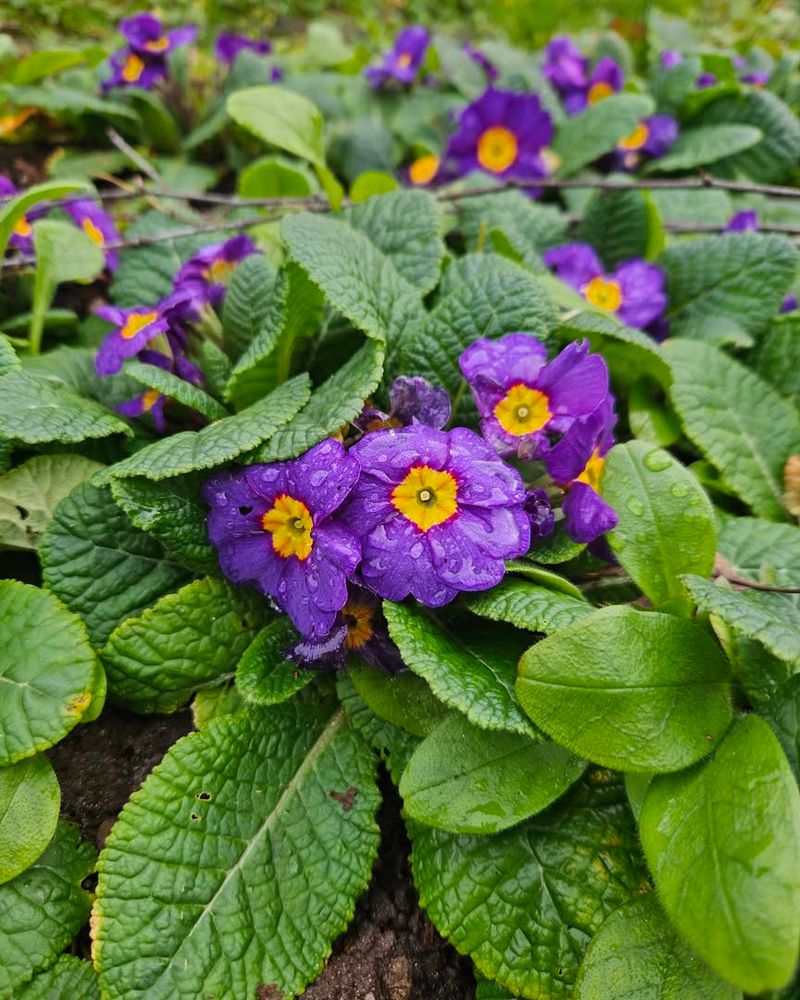
Primrose plants pop up early in the season and seem completely unbothered by cold, wet conditions.
Their cheerful blooms come in shades of yellow, pink, purple, and white, creating bright spots in otherwise dreary garden beds.
You can plant them in clusters along pathways or tuck them into containers near your front door.
These flowers prefer partial shade and moist soil, which makes them perfect for Oregon’s rainy spring months.
They do not need much attention once established, and they will keep flowering for weeks as long as the ground stays damp.
If you deadhead the spent blooms, you can encourage even more flowers to appear.
Primroses also attract early pollinators like bees, giving your garden a head start on the growing season.
They work well as border plants or ground cover under taller shrubs.
Their low-growing habit means they will not get battered by heavy rain or strong winds.
Plant them in fall or early spring, and they will reward you with color when you need it most.
They are tough, reliable, and always ready to brighten up a gray day.
2. Hellebore
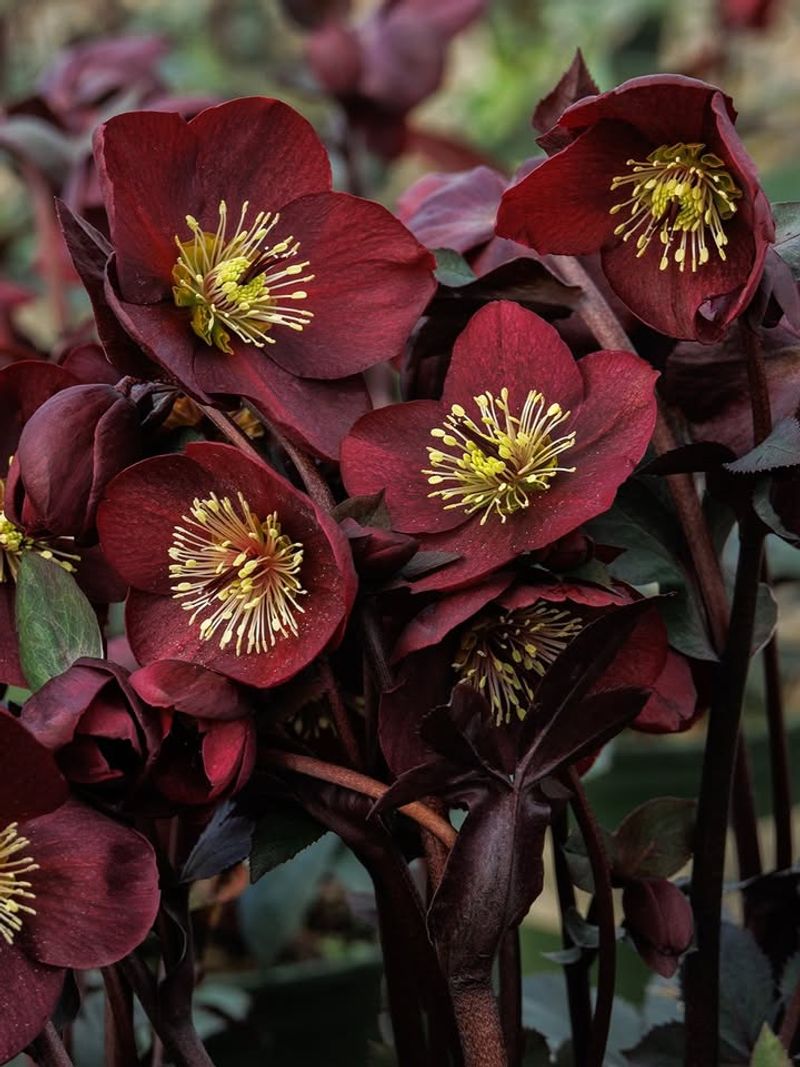
Hellebores earn their nickname as the Christmas rose or Lenten rose because they bloom when most plants would rather hide underground.
Their flowers nod downward in shades of white, pink, green, and deep purple, creating an elegant display that lasts for months.
Even heavy rain cannot knock them down.
These perennials thrive in shady spots with rich, well-draining soil, making them ideal for planting under trees or along north-facing walls.
Once established, they need almost no care and will return year after year with more blooms.
Their thick, leathery leaves stay green all winter, adding structure to your garden even when nothing else grows.
Hellebores also resist slugs and deer, which is a huge bonus in Oregon gardens where pests can be a problem.
They spread slowly over time, forming attractive clumps that fill in empty spaces.
Your Oregon Garden Changes Every Week. Your Plan Should Too.
Gardening in Oregon changes quickly throughout the season. Every Friday you’ll receive a simple weekly plan showing exactly what to plant, prune, fertilize, harvest, and protect so you never miss the right timing.
You can divide them every few years to create more plants for other areas of your yard.
Plant them in fall for the best results, and they will bloom reliably every spring no matter how wet or cold it gets.
3. Snowdrop
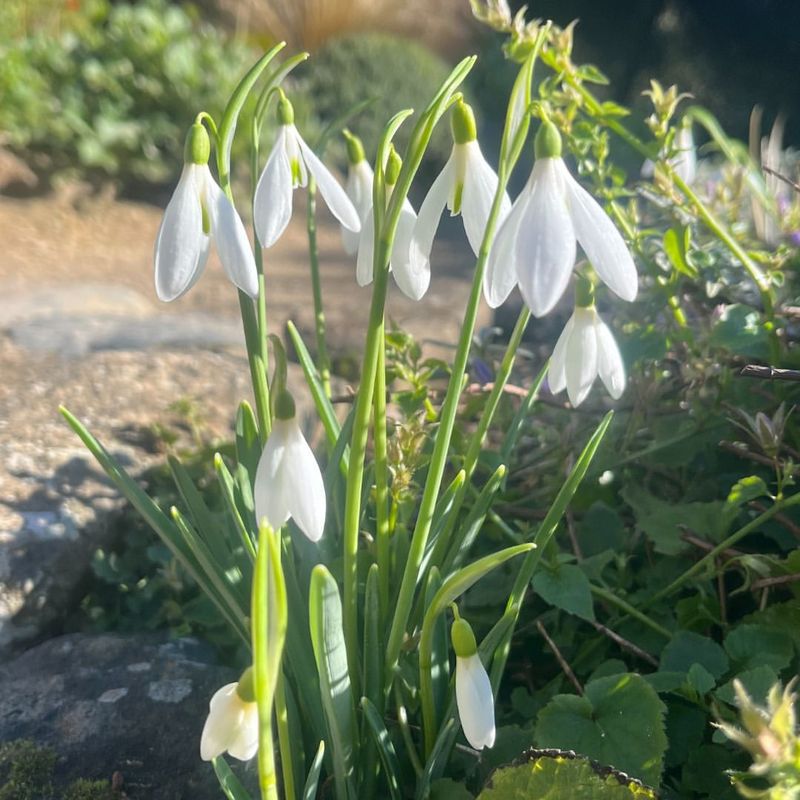
Snowdrops are among the first flowers to emerge in late winter, sometimes pushing through snow or frozen ground to bloom.
Their delicate white petals hang like little bells, and they often appear in large drifts that look almost magical.
Despite their fragile appearance, they are incredibly tough.
These bulbs prefer cool, moist conditions and will naturalize over time, spreading to form larger colonies.
Plant them in fall about three inches deep, and they will come back stronger each year.
They work beautifully under deciduous trees where they can soak up early spring light before the leaves fill in.
Snowdrops also pair well with other early bloomers like crocuses and winter aconite, creating layers of interest in your garden.
They do not mind heavy rain and actually prefer soil that stays damp during their growing season.
Once they finish blooming, their foliage fades away neatly without leaving a mess.
If you want a garden that feels alive even in the coldest months, snowdrops are a must.
They bring hope and beauty when the world still feels frozen and gray.
4. Pansy
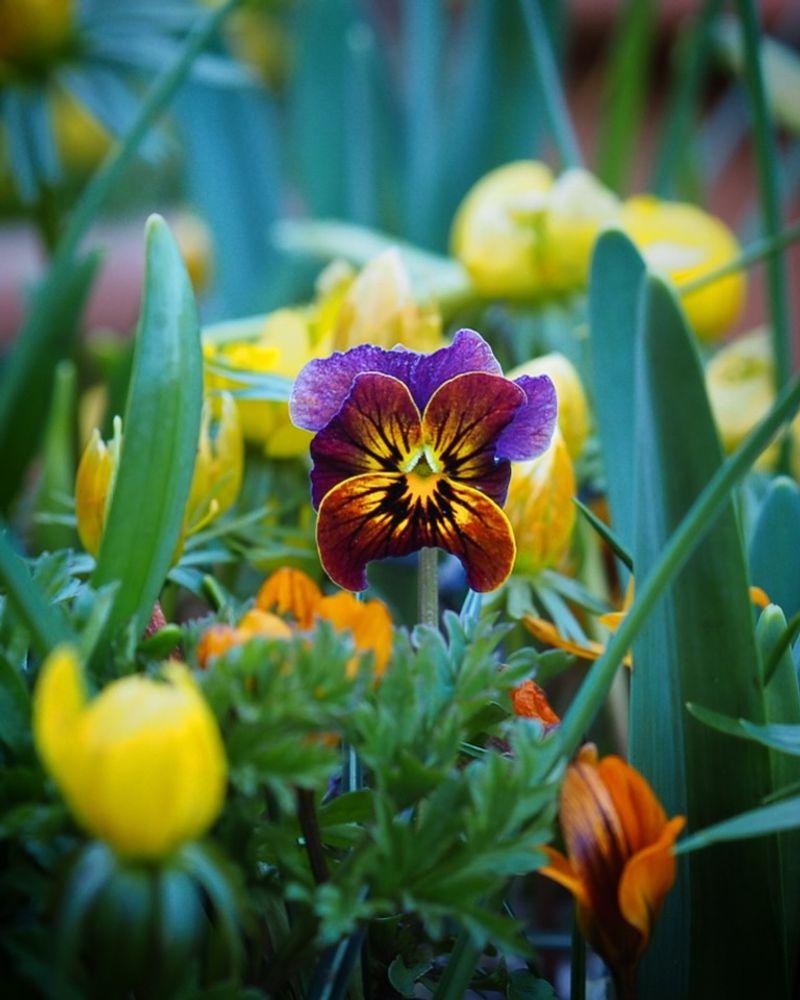
Pansies are the workhorses of cool-season color, blooming reliably from fall through spring in Oregon gardens.
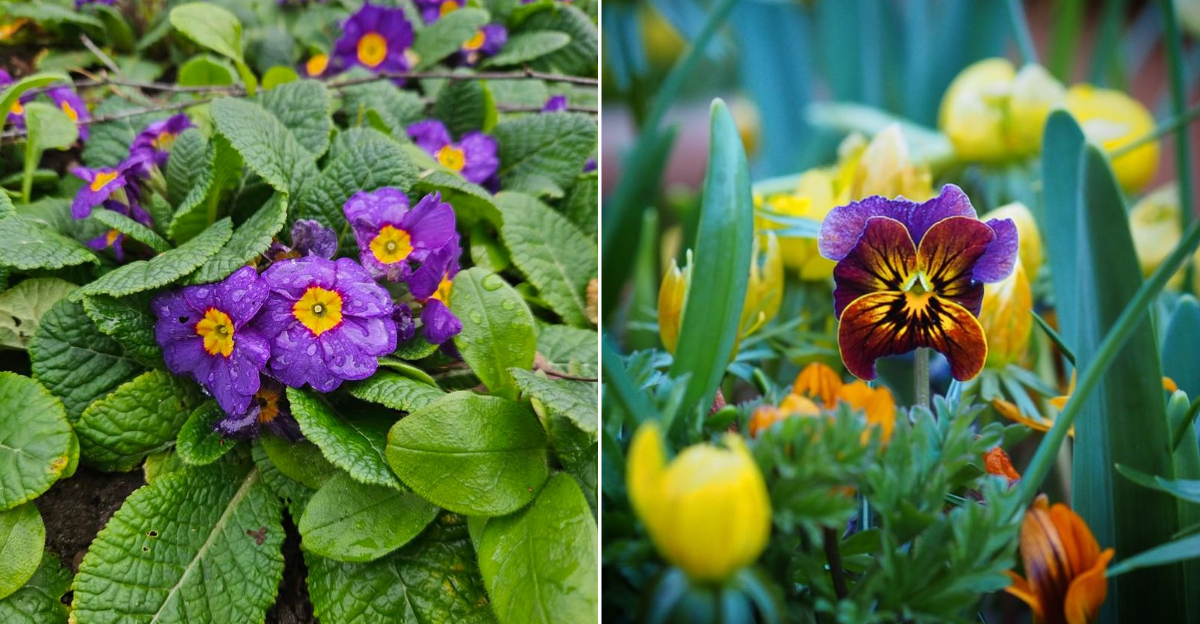
Their cheerful faces come in almost every color imaginable, from deep purple and bright orange to soft pastels.
They tolerate frost, rain, and chilly nights without missing a beat.
Plant them in well-draining soil with plenty of organic matter, and they will bloom continuously for months.
Deadheading spent flowers encourages more blooms and keeps the plants looking tidy.
Pansies work well in containers, hanging baskets, or as edging plants along garden beds.
They also thrive in partial shade, which makes them versatile for different areas of your yard.
Their compact size means you can fit them into tight spaces or use them to fill gaps between larger perennials.
Pansies even handle wet feet better than many other annuals, so they will not rot in soggy spring soil.
You can find them at almost any nursery in Oregon, and they are inexpensive enough to plant in large numbers.
Their long blooming period and low maintenance make them a favorite for gardeners who want reliable color without a lot of fuss.
5. Crocus
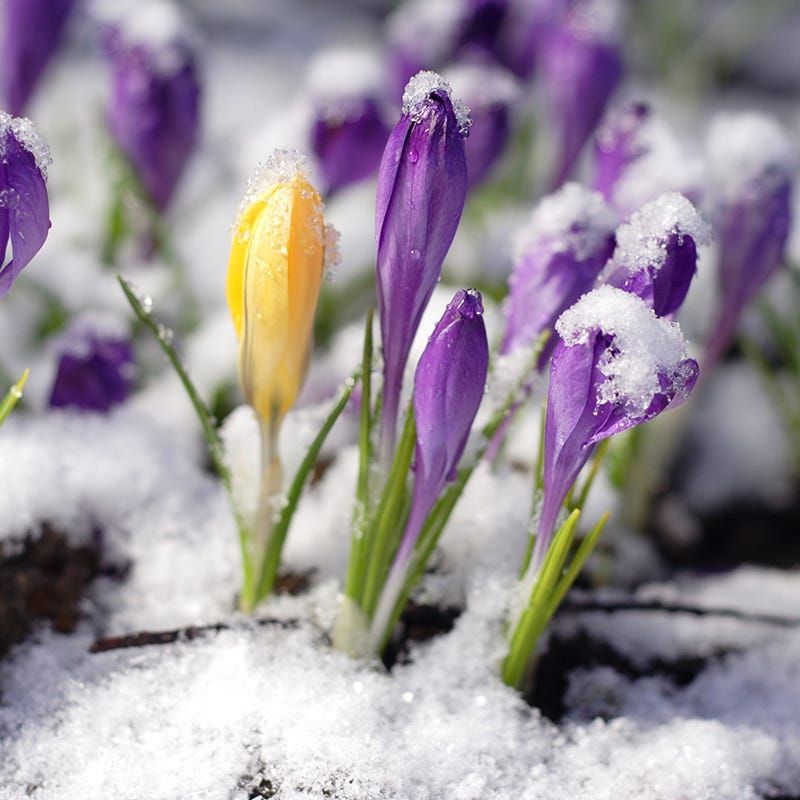
Crocuses push through cold soil in late winter and early spring, often blooming while patches of snow still linger.
Their cup-shaped flowers open in shades of purple, yellow, white, and striped combinations, bringing a burst of color to bare ground.
They close at night and reopen when the sun comes out, which is a fun detail to watch.
These small bulbs prefer well-draining soil and full sun to partial shade, making them easy to tuck into almost any spot.
Plant them in fall about three inches deep, and they will multiply over time to form cheerful clusters.
Crocuses also naturalize well in lawns, creating a carpet of color before the grass starts growing.
They are one of the earliest food sources for bees and other pollinators, so planting them helps support local wildlife.
Their low-growing habit means they will not get damaged by wind or heavy rain.
Once they finish blooming, their foliage fades quickly without leaving a messy pile behind.
Crocuses are inexpensive, easy to grow, and incredibly rewarding for the minimal effort they require.
Plant a few dozen in fall, and you will have a stunning display every spring.
6. Camellia
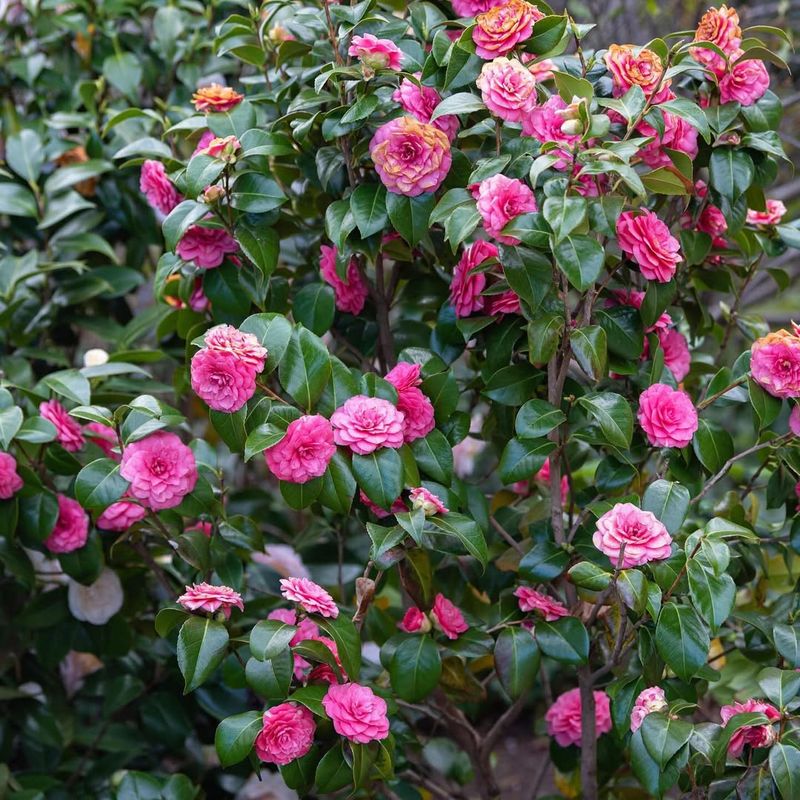
Camellias bloom in late winter and early spring, producing large, showy flowers that look almost too perfect to be real.
Their glossy green leaves stay attractive year-round, and the blooms come in shades of pink, red, white, and variegated combinations.
They handle rain and cold temperatures with impressive grace.
These evergreen shrubs prefer acidic soil and partial shade, which makes them well-suited to Oregon gardens.
Plant them in a spot protected from harsh winds, and they will reward you with blooms for decades.
Camellias grow slowly, so they will not overwhelm your garden or require constant pruning.
They also work beautifully as foundation plants or focal points in mixed borders.
Their flowers last for weeks, and the petals drop cleanly when spent, so you will not have a mess to clean up.
Mulch around the base to keep the roots cool and moist, which helps them thrive.
Camellias do need consistent moisture, but Oregon’s spring rain usually provides plenty of that.
They are one of the few flowering shrubs that look good even when not in bloom, thanks to their attractive foliage and tidy growth habit.
7. Daffodil
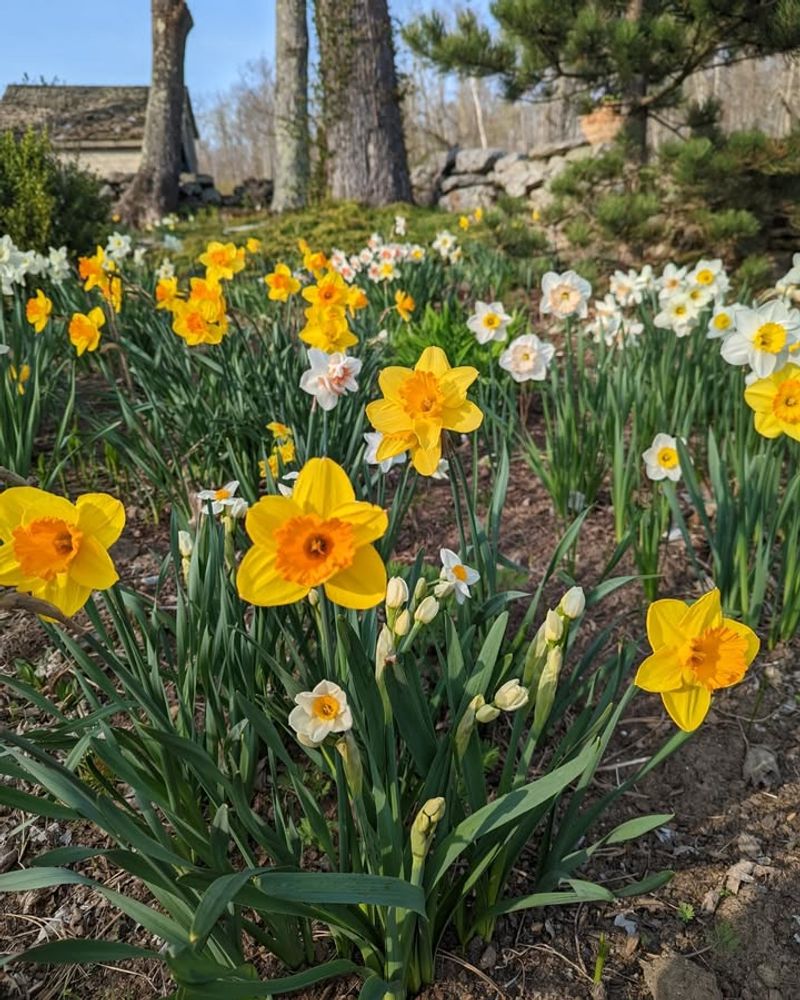
Daffodils are the ultimate symbol of spring, popping up in bright yellow and white blooms that seem to smile at you from the garden.
They handle cold, rain, and wind without any trouble, and they return reliably year after year.
Their cheerful presence can turn even the dreariest day into something hopeful.
Plant the bulbs in fall about six inches deep in well-draining soil, and they will bloom in early to mid-spring.
Daffodils naturalize easily, meaning they will spread and multiply over time to create stunning drifts of color.
They also resist deer and rodents, so you will not have to worry about critters eating them.
These flowers work well in borders, under trees, or even naturalized in lawns and meadows.
Their sturdy stems stand up to heavy rain and wind, so they will not flop over or look bedraggled.
After blooming, let the foliage fade naturally before cutting it back, which helps the bulbs store energy for next year.
Daffodils are low-maintenance, long-lived, and incredibly rewarding.
They bring joy to Oregon gardens every spring without asking for much in return, which makes them a favorite for busy gardeners.
8. Bleeding Heart
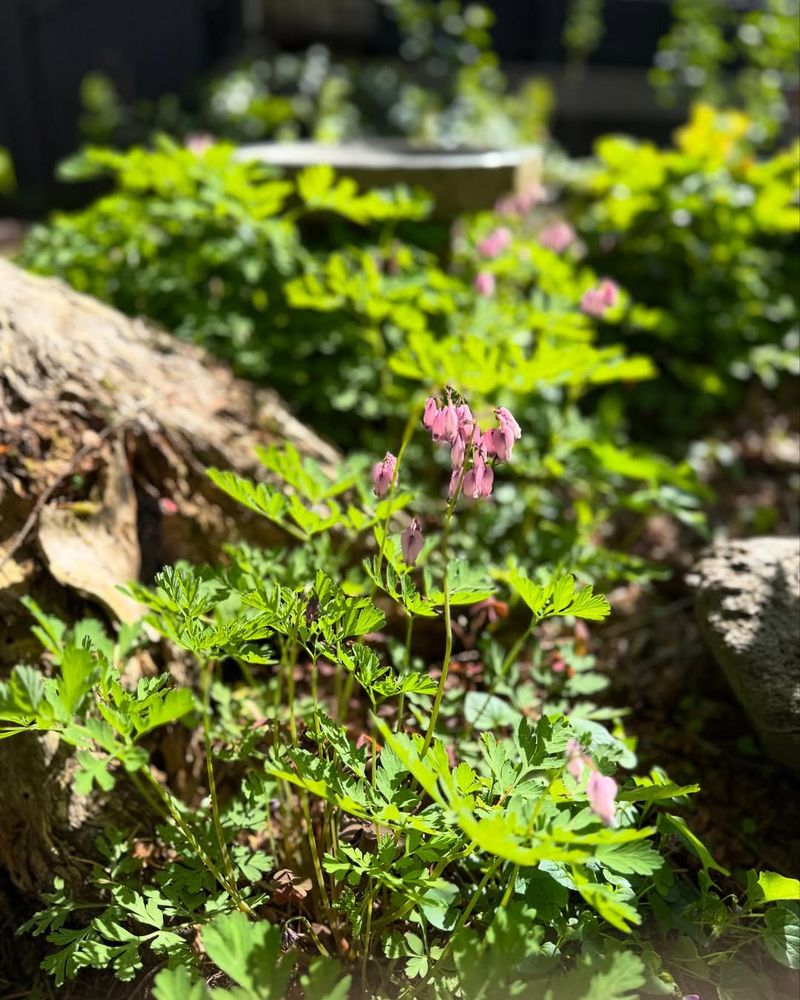
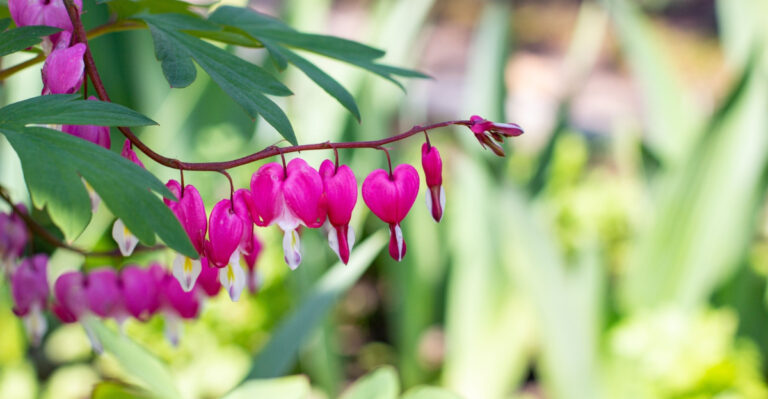
Bleeding hearts produce unique heart-shaped flowers that dangle from arching stems in shades of pink, white, or red.
They bloom in mid to late spring, creating a romantic, old-fashioned look that fits perfectly in shady garden spots.
Their delicate appearance hides a tough nature that handles Oregon’s wet spring weather with ease.
These perennials prefer rich, moist soil and partial to full shade, making them ideal for planting under trees or along north-facing walls.
They go dormant in summer when the heat arrives, so pair them with ferns or hostas that will fill in the space after they fade.
Bleeding hearts spread slowly over time and can be divided every few years to create more plants.
They also attract hummingbirds and bees, adding life and movement to your garden.
Their soft foliage looks attractive even before the flowers appear, and they require almost no maintenance once established.
Mulch around the base to keep the roots cool and moist, which helps them thrive.
Bleeding hearts bring a touch of elegance and whimsy to shady corners that might otherwise feel dull.
They are perfect for gardeners who want something special without a lot of fuss.
9. Lungwort
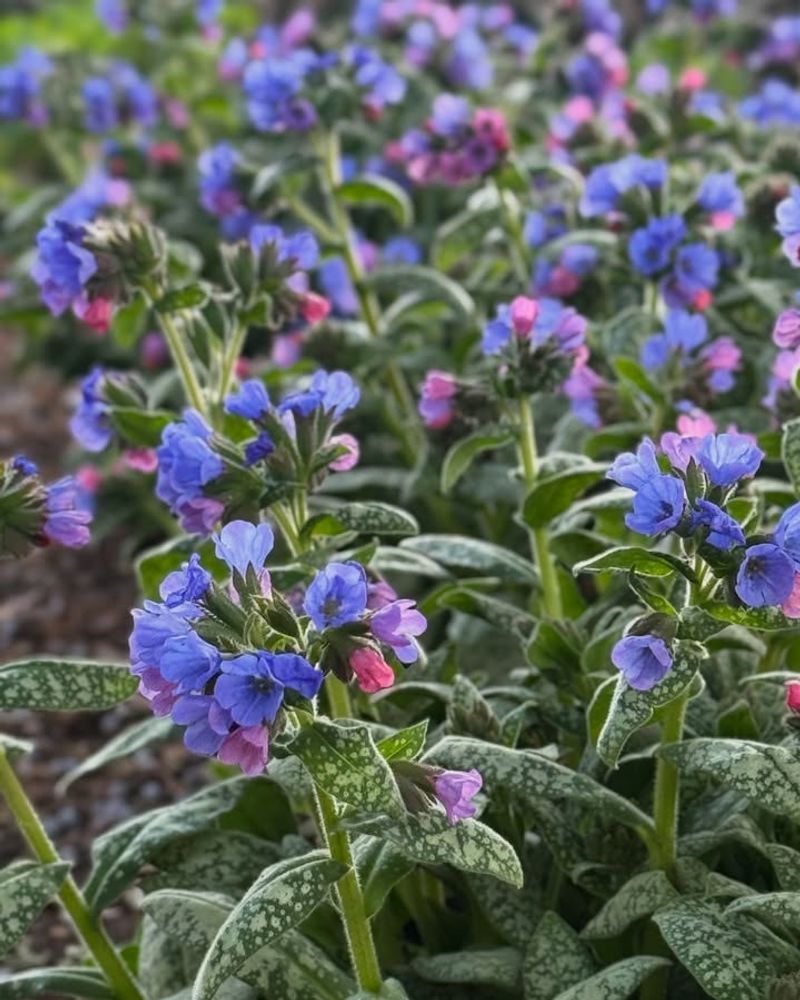
Lungwort might have an odd name, but its flowers are anything but ordinary.
The blooms start out pink and gradually turn blue as they age, creating a two-tone effect on the same plant.
Spotted or variegated leaves add extra interest even after the flowers fade, making this perennial a standout in shady gardens.
This plant thrives in moist, shady conditions, which makes it a perfect match for Oregon’s spring weather.
It blooms early in the season, often alongside hellebores and primroses, and requires almost no care once established.
Lungwort spreads slowly to form attractive clumps that fill in bare spots under trees or along shaded pathways.
The foliage stays attractive all season long, providing ground cover that suppresses weeds and keeps the soil cool.
It also tolerates wet feet better than many shade perennials, so it will not rot in soggy spring soil.
You can divide the clumps every few years to create more plants for other areas of your yard.
Lungwort is a tough, reliable perennial that brings color and texture to shady spots where few other plants will grow.
It handles Oregon’s unpredictable spring weather without complaint and rewards you with beauty year after year.
10. Violas
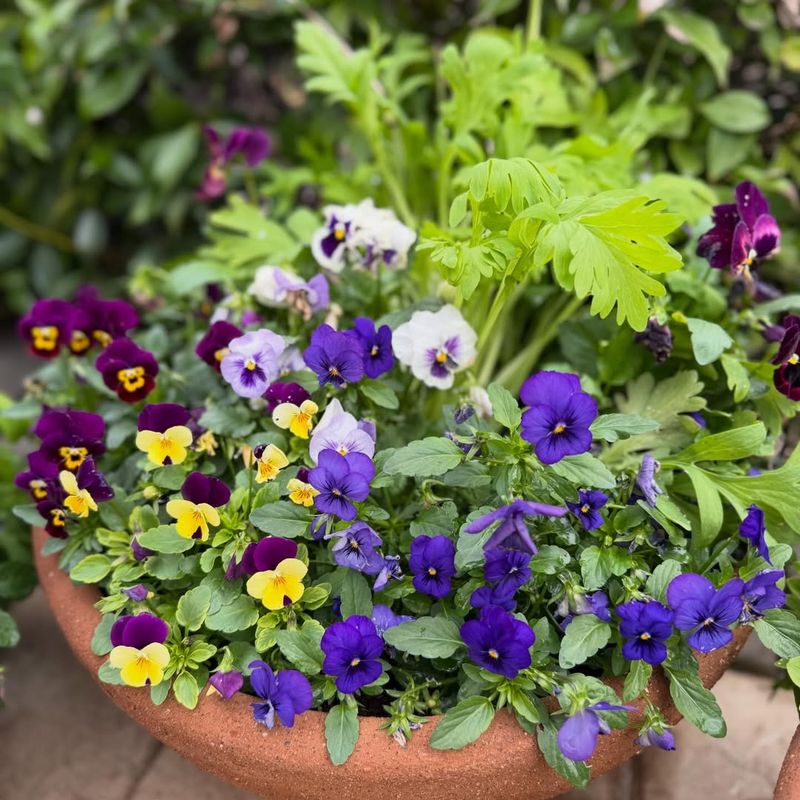
Violas are smaller cousins of pansies, but they are just as tough and often even more prolific bloomers.
Their dainty flowers come in a wide range of colors and patterns, from solid purples and yellows to intricate bicolors.
They handle cold, rain, and wind without any trouble, making them perfect for Oregon’s unpredictable spring weather.
Plant violas in well-draining soil with plenty of organic matter, and they will bloom continuously from fall through late spring.
They work beautifully in containers, hanging baskets, or as edging plants along garden beds.
Deadheading spent flowers encourages more blooms and keeps the plants looking fresh.
Violas also self-seed readily, so you may find volunteer plants popping up in unexpected places the following year.
They tolerate partial shade, which makes them versatile for different areas of your yard.
Their compact size means you can fit them into tight spaces or use them to fill gaps between larger perennials.
These flowers are inexpensive, easy to find at nurseries, and incredibly rewarding for the minimal effort they require.
They bring cheerful color to your garden when you need it most, and they never seem to stop blooming as long as the weather stays cool.
11. Winter Aconite
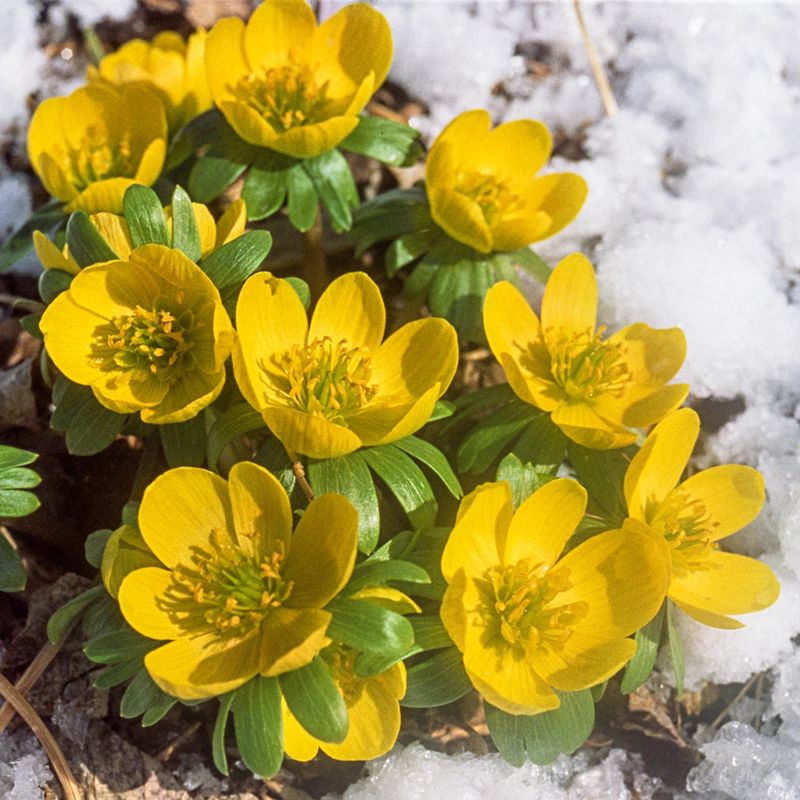
Winter aconite blooms even earlier than snowdrops, often pushing through frozen ground in late winter.
Its bright yellow flowers look like tiny suns sitting on a ruff of green leaves, creating a cheerful display when almost nothing else grows.
Despite its delicate appearance, this plant is incredibly tough and handles cold, wet conditions with ease.
Plant the tubers in fall about two to three inches deep in well-draining soil, and they will naturalize over time to form larger colonies.
Winter aconite prefers partial shade and moist soil, making it perfect for planting under deciduous trees.
It goes dormant in late spring, so pair it with hostas or ferns that will fill in the space after it fades.
These flowers are one of the earliest food sources for bees and other pollinators, helping to support local wildlife when few other blooms are available.
They also resist deer and rodents, so you will not have to worry about critters eating them.
Their low-growing habit means they will not get damaged by wind or heavy rain.
Winter aconite is a must-have for gardeners who want color in the coldest months.
It brings joy and beauty when the world still feels frozen and gray.