This Is How A Simple Paint Job Helps Fruit Trees Thrive In Nevada
When you think of helping fruit trees in Nevada, painting them might not be the first thing that comes to mind.
But believe it or not, a simple paint job can make a big difference, especially during the dry, sunny winter months.
In a climate like Nevada’s, where the sun can be intense even in January, fruit trees are at risk of a condition called sunscald.
This happens when sunlight warms the tree’s bark during the day, only for freezing temperatures at night to cause sudden cracking and long-term damage.
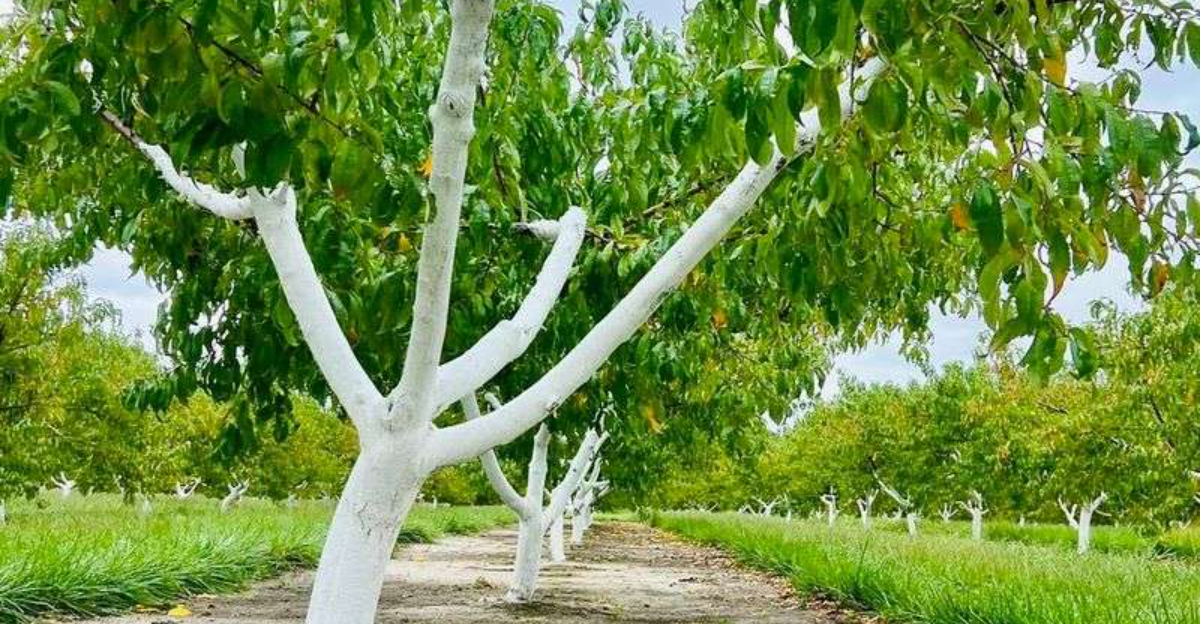
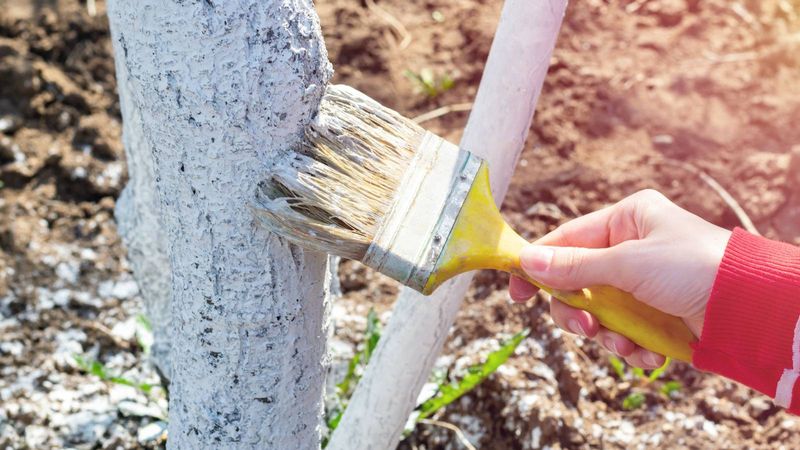
By applying a coat of diluted white latex paint to the lower trunks of young fruit trees, gardeners can protect them from extreme temperature swings and harmful UV rays.
This light-colored barrier reflects sunlight and keeps the bark cool, reducing the risk of splitting.
It’s a simple, affordable trick that can prevent years of stress and stunted growth.
For many Nevada gardeners, this one step is the secret to healthier, longer-living fruit trees that produce better harvests.
If you’re growing apples, peaches, or plums in your backyard, don’t skip this easy winter prep.
1. Protects Against Sunscald And Bark Damage
Bark is more sensitive than most people realize, especially on younger fruit trees.
When intense Nevada sunlight hits dark-colored bark during winter and early spring, it causes the tissue underneath to warm up considerably during the day.
Then, when temperatures plummet at night, that same tissue freezes rapidly.
This cycle of heating and freezing causes the bark to crack and split, creating wounds that weaken the entire tree.
White paint reflects up to 70% of sunlight away from the trunk.
This keeps bark temperatures more stable throughout the day, preventing those damaging temperature swings.
Trees in Las Vegas and other Nevada communities benefit enormously from this protection, especially during their first few years when bark is thinnest and most vulnerable.
The cracks caused by sunscald create entry points for diseases and insects.
Once bark splits open, moisture escapes more easily and pathogens can invade the inner layers.
By preventing these cracks from forming in the first place, white paint helps maintain the tree’s natural defenses.
Young trees with smooth, thin bark need this protection most urgently.
As trees mature and develop thicker, rougher bark, they become naturally more resistant.
However, even established fruit trees in Nevada can benefit from trunk painting, particularly on their south and west-facing sides where sun exposure is most intense.
Applying paint in late fall or early winter gives trees maximum protection during the most vulnerable months.
The coating lasts for several seasons, making it a practical and cost-effective solution.
Orchardists throughout Nevada have used this technique for decades because it simply works.
2. Reduces Heat Stress During Summer Months
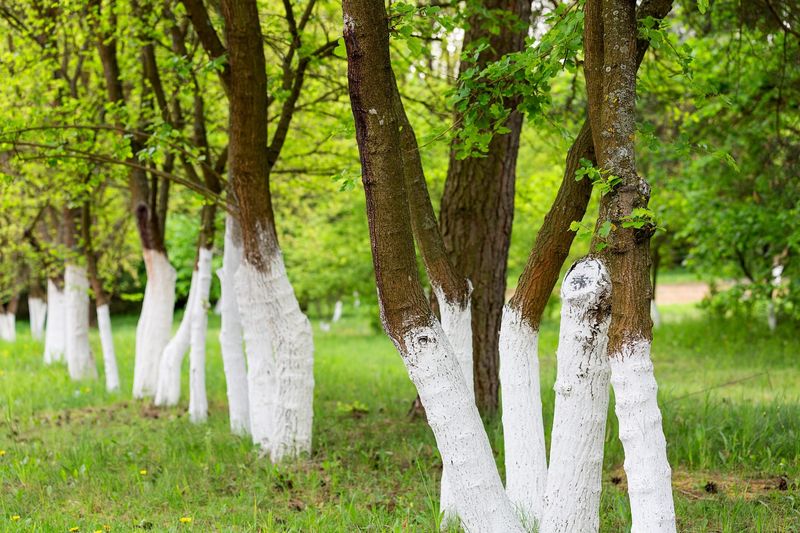
Nevada summers are brutal on fruit trees.
Temperatures regularly soar above 100 degrees, and the relentless sun beats down for hours each day.
Dark bark absorbs this heat like a sponge, causing trunk temperatures to climb dangerously high.
When bark gets too hot, it damages the cambium layer beneath, which is responsible for transporting water and nutrients throughout the tree.
Your Nevada Garden Changes Every Week. Your Plan Should Too.
Gardening in Nevada changes quickly throughout the season. Every Friday you’ll receive a simple weekly plan showing exactly what to plant, prune, fertilize, harvest, and protect so you never miss the right timing.
White trunk paint acts as a cooling barrier.
By reflecting solar radiation instead of absorbing it, painted trunks stay significantly cooler than unpainted ones.
Studies show that painted bark can be 10 to 15 degrees cooler than bare bark on hot days.
This temperature difference might not sound dramatic, but it makes a huge impact on tree health and productivity.
Cooler trunks mean better water efficiency.
When trees aren’t struggling to cope with overheated bark, they can direct more energy toward fruit production and root development.
Fruit trees in Reno, Sparks, and Henderson all face similar summer challenges, and trunk painting helps them handle the heat without compromising growth.
Heat stress also affects fruit quality.
Trees under constant thermal pressure produce smaller fruits with less flavor and shorter shelf life.
By keeping trunks cooler, white paint indirectly improves the harvest.
Your peaches, apricots, and plums will develop better when the tree isn’t fighting to survive extreme temperatures.
The reflective coating remains effective throughout the entire growing season.
Even as summer transitions to fall, painted trees maintain better overall health.
This simple preventive measure helps fruit trees not just survive Nevada summers, but actually thrive and produce abundant, high-quality crops year after year.
3. Deters Boring Insects And Pests

Insects pose a constant threat to fruit trees in Nevada.
Borers, in particular, cause extensive damage by tunneling into bark and feeding on the living tissue beneath.
These pests prefer to attack stressed or damaged trees, and they’re especially drawn to warm, dark bark where they can easily establish their colonies.
White paint creates a less attractive environment for these destructive insects.
The bright, reflective surface confuses and deters many boring insects that rely on visual and thermal cues to select host trees.
Additionally, the cooler bark temperatures make painted trunks less appealing as breeding sites.
Borers prefer warm locations for laying eggs, so they often bypass painted trees in favor of untreated ones.
Some tree paints contain additives that repel insects more actively.
Even basic whitewash made from lime has natural pest-deterrent properties.
Lime-based paints create an alkaline surface that many insects find unpleasant.
This added protection works alongside the physical barrier that paint provides.
Preventing borer infestations is critical in Nevada orchards.
Once these insects establish themselves inside a tree, they’re extremely difficult to eliminate.
The tunnels they create disrupt nutrient flow and weaken structural integrity.
Severely infested trees may struggle to produce fruit or even sustain healthy growth.
Regular inspection and maintenance of painted trunks helps ensure continued protection.
If paint begins to chip or fade, touch it up promptly to maintain the barrier.
Trees in areas around Las Vegas and throughout rural Nevada benefit from this pest management strategy.
Combined with other good orchard practices, trunk painting significantly reduces pest pressure and keeps fruit trees healthier and more productive for many seasons.
4. Prevents Frost Crack During Temperature Fluctuations
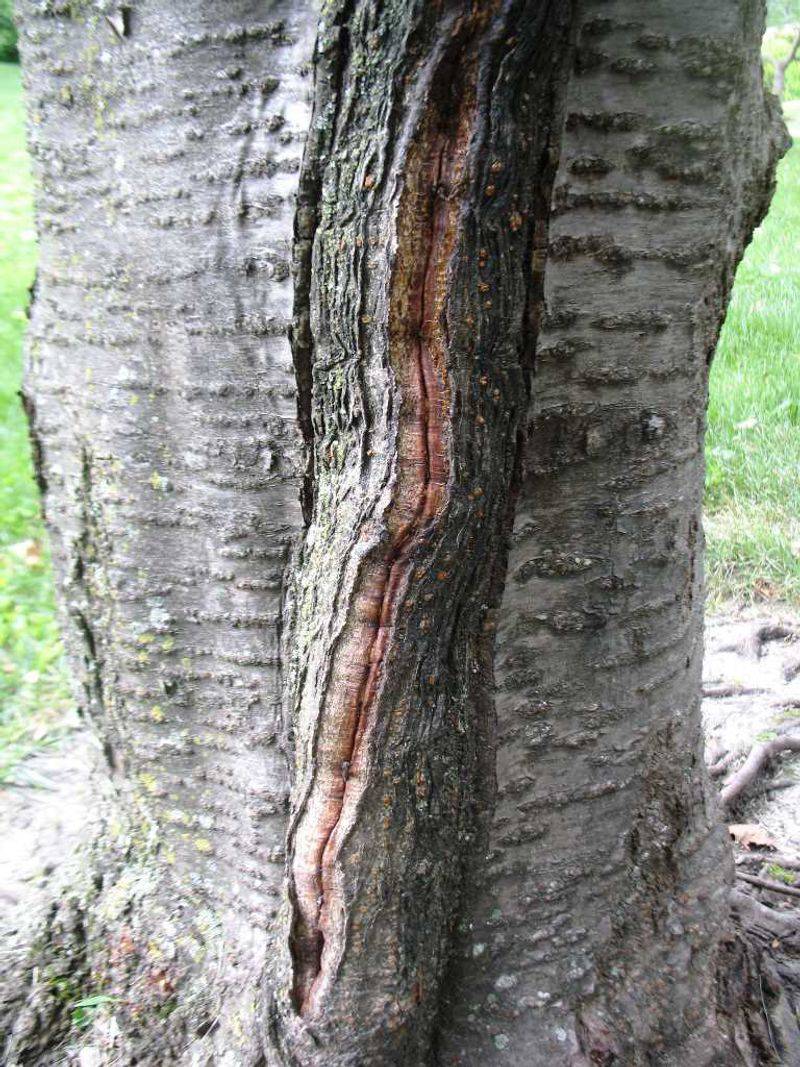
Nevada’s temperature swings can be absolutely wild.
A warm, sunny winter afternoon might reach 60 degrees, only to drop below freezing by midnight.
These rapid shifts create serious problems for fruit tree bark.
When temperatures fluctuate dramatically, bark expands during warm periods and contracts when it gets cold.
This constant movement causes internal stress that eventually results in vertical cracks called frost cracks.
Frost cracks are more than cosmetic problems.
They expose the sensitive inner wood to air, moisture, and disease organisms.
Once a crack forms, it tends to reopen year after year, becoming deeper and more damaging over time.
Trees with severe frost cracks may develop structural weaknesses that affect their long-term survival and productivity.
White paint moderates these temperature extremes.
By reflecting sunlight during the day, it prevents bark from warming up as much as it otherwise would.
This means less expansion during warm periods and less contraction when temperatures drop.
The result is significantly reduced mechanical stress on bark tissue.
Winter and early spring are the most dangerous times for frost crack development in Nevada.
Clear, sunny days followed by cold nights create perfect conditions for bark damage.
Painting trunks before winter arrives provides crucial protection during these vulnerable months.
Trees in northern Nevada communities like Elko and Winnemucca face particularly harsh conditions and benefit greatly from this preventive treatment.
Even mature fruit trees can develop frost cracks if left unprotected.
While younger trees with thinner bark are most at risk, older trees aren’t immune.
A thorough coat of white paint offers affordable insurance against this common but serious form of bark damage throughout Nevada’s diverse climate zones.
5. Improves Overall Tree Vigor And Fruit Production

Healthy bark means a healthy tree.
When you protect bark from sun damage, temperature stress, and pest invasions, you’re supporting the entire tree’s well-being.
The bark and the layers just beneath it form the tree’s lifeline, transporting water from roots to leaves and carrying sugars from leaves down to roots.
Any damage to this system compromises the tree’s ability to function properly.
Trees that don’t have to constantly repair bark damage can invest more energy in growth and fruit production.
Think of it like this: if your tree isn’t spending resources healing wounds and fighting off infections, it can focus on what you want it to do, which is produce delicious fruit.
Painted trees in Nevada orchards consistently show better growth rates and higher yields compared to unpainted trees facing the same conditions.
Fruit quality improves along with quantity.
Trees under less stress produce fruits with better flavor, color, and size.
The sugars and nutrients that would have gone toward healing damaged bark instead go into developing premium fruit.
Whether you’re growing apricots, cherries, or apples in Nevada, this translates directly to a better harvest.
Painted trees also tend to live longer and remain productive for more years.
By preventing cumulative damage from sun, temperature extremes, and pests, trunk painting extends the productive lifespan of your orchard.
This long-term benefit makes the small investment in paint and labor well worth it.
The practice works for both commercial orchards and backyard fruit trees.
Homeowners in Nevada cities like Carson City and Boulder City can achieve professional-quality results with minimal effort.
A simple annual application of white trunk paint sets your trees up for success and ensures they’ll reward you with abundant, high-quality fruit for many growing seasons to come.
6. Extends The Productive Life Of Your Orchard
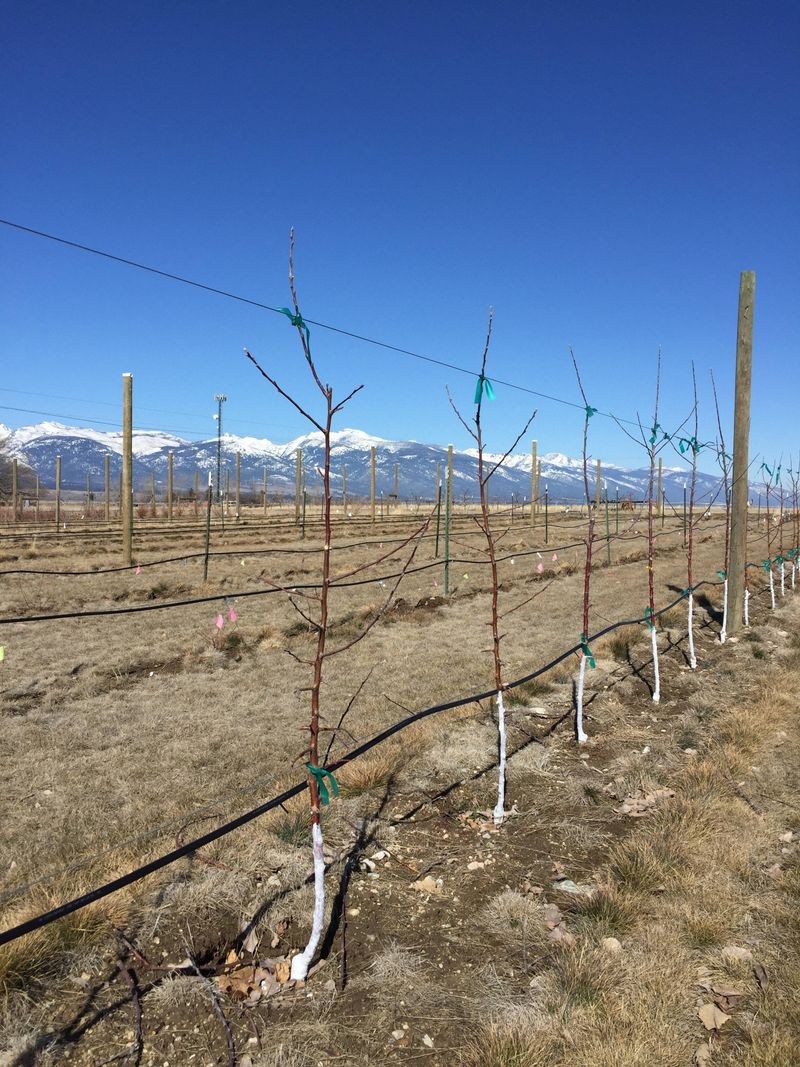
Fruit trees represent a significant investment of time and money.
From selecting the right varieties to planting and nurturing young trees, establishing an orchard requires patience and dedication.
Anything you can do to protect that investment and extend the productive years of your trees pays dividends over time.
White trunk paint is one of the simplest and most effective ways to ensure your trees remain healthy and productive for decades.
Cumulative damage shortens tree lifespans.
Each sunscald wound, frost crack, or borer infestation weakens the tree a little more.
Over years, this accumulated damage takes its toll.
Trees decline prematurely, produce less fruit, and eventually need replacement.
By preventing damage from the start, trunk painting helps trees reach their full potential lifespan.
In Nevada’s challenging climate, this protection becomes even more important.
Trees here face environmental stresses that orchards in milder regions don’t encounter.
The combination of intense sun, temperature extremes, and dry air creates a perfect storm of potential problems.
White paint addresses multiple stress factors at once, giving trees the resilience they need to thrive long-term.
Older orchards throughout Nevada demonstrate the value of consistent trunk painting.
Trees that have received regular protective coatings for years show remarkably healthy bark and strong growth, even at advanced ages.
These well-maintained trees continue producing excellent fruit crops while untreated trees of the same age may already be declining or gone.
Starting this practice with young trees sets them on a path to long, productive lives.
But it’s never too late to begin protecting established trees.
Even older fruit trees benefit from trunk painting and show improved health after treatment.
Whether you’re planting a new orchard in Mesquite or maintaining mature trees in Fallon, this time-tested technique helps ensure your fruit trees thrive for many years in Nevada’s unique environment.